- Safety First: Turn off the power to your HVAC unit at the thermostat and the electrical disconnect near the outdoor unit before starting.
- Locate the condensate drain line, usually a 3/4-inch PVC pipe exiting near your indoor furnace/air handler unit. There's often a T-shaped vent or cap near the unit.
- Remove the cap and slowly pour 1 cup of distilled white vinegar down the drain line. The vinegar will kill algae and mold. Wait 30 minutes.
- Follow with 2-3 cups of clean water to flush the line. If it drains slowly or not at all, you may need a wet/dry vac to suction out the clog from the outdoor exit point. Securely attach the vacuum hose and run it for a few minutes.
- If this doesn't work: A heavily clogged line may require a professional HVAC technician to clear it with specialized tools.
HVAC · High energy usage
| Project category | HVAC |
|---|---|
| Problem type | High energy usage |
| Trade required | HVAC |
| Urgency | Planned project |
| Safety risk | Low safety risk |
| DIY suitability | DIY for experienced homeowners |
| Cost category | High cost |
| Typical timeline | Assessment within weeks; replacement planned off-season |
| Contractor type | Licensed HVAC technician |
Repair option
Duct sealing, insulation, and a tune-up before touching the equipment.
Replacement option
High-efficiency replacement sized by a load calculation, not a rule of thumb.
Common causes
- Aging, low-efficiency equipment
- Leaking ducts losing conditioned air
- Insufficient attic insulation
- Oversized system short-cycling
Relevant tools:project cost estimatorrepair or replace
Published May 25, 2026Last updated August 17, 2026
Tools & materials you'll need
Affiliate linksAs an Amazon Associate FixlyGuide earns from qualifying purchases — at no extra cost to you. Prices and availability are accurate as of publication and subject to change.
Quick Answer
Effective spring home maintenance goes beyond basic cleaning. It involves a strategic inspection and tune-up of seven critical, often-overlooked areas of your home: the HVAC condensate drain line, refrigerator condenser coils, dryer vent, deck and patio integrity, exterior caulk and sealants, sump pump, and outdoor spigots. Proactively addressing these points can prevent costly repairs, improve energy efficiency, enhance safety, and extend the lifespan of your home's systems. This checklist helps you zero in on specific actions that deliver the most preventative value.
The Problem
Spring is a natural time for homeowners to tackle maintenance, but the sheer volume of potential tasks can be overwhelming, leading many to focus only on the most obvious, surface-level chores like cleaning gutters or washing windows. While important, this common approach often misses critical issues brewing in less visible areas of the home. Neglecting components like your HVAC condensate drain line or refrigerator coils can lead to surprisingly common and expensive problems – think water damage from an overflowing AC, higher utility bills from an inefficient fridge, or even dryer fires from a clogged vent. Homeowners struggle not with a lack of intention, but with pinpointing the most impactful and often-forgotten tasks that truly prevent future headaches and save money.
How It Works
Each of the seven overlooked areas plays a vital role in your home's operation and safety. Understanding their function illuminates why spring inspection is so crucial.
1. HVAC Condensate Drain Line: During cooling cycles, your AC unit extracts humidity from the air, creating condensation. This water collects in a pan and drains away through a PVC pipe. Over time, algae and mold thrive in this dark, damp environment, causing clogs. A clogged drain line causes water to back up, overflowing the pan and potentially leading to significant water damage to ceilings, walls, or even electrical components if left unaddressed.
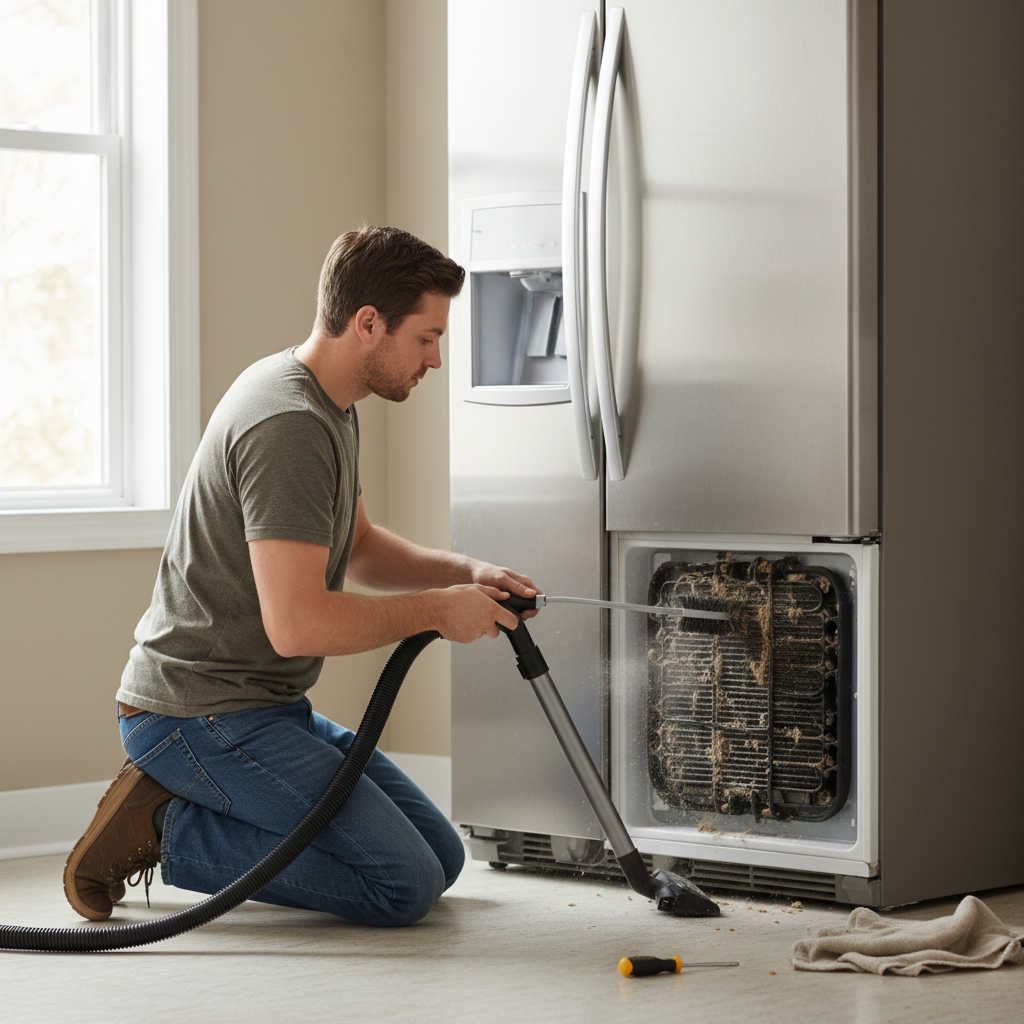
2. Refrigerator Condenser Coils: These coils, typically located at the back or underneath your refrigerator, release heat from the refrigerant into the surrounding air. When covered in dust and pet hair, the coils cannot efficiently dissipate heat. This forces the compressor to work harder and longer to cool the fridge's interior, increasing energy consumption, shortening the appliance's lifespan, and raising your electricity bill.
3. Dryer Vent: Your dryer expels hot, moist air and lint through a vent to the outside. Lint is highly flammable, and over time, it accumulates within the vent duct, restricting airflow. This restriction not only makes your dryer less efficient (clothes take longer to dry, increasing energy use) but also causes the dryer to overheat, significantly increasing the risk of a house fire.
4. Deck and Patio Integrity: Decks and patios are exposed to harsh weather year-round. Wood components (posts, joists, decking) can suffer from rot, loose fasteners, splintering, or insect damage. Pavers can settle, creating trip hazards. Concrete can crack. These issues compromise structural integrity, create safety risks, and worsen rapidly if not addressed annually.
5. Exterior Caulk and Sealants: Caulk around windows, doors, and utility penetrations (pipes, wires) provides a watertight and airtight seal. Over time, sun exposure, temperature fluctuations, and movement cause caulk to crack, shrink, or pull away. This creates pathways for water intrusion (leading to rot and mold) and air leaks (increasing heating and cooling costs).
6. Sump Pump: If your home has a basement or crawl space and is prone to water, a sump pump is a critical defense against flooding. It collects excess groundwater in a pit and pumps it away from your foundation. Over winter, debris can enter the pit, the float switch can get stuck, or the pump itself can seize up from disuse. A non-functional sump pump means a flooded basement during spring rains.
7. Outdoor Spigots (Hose Bibs): These are simple fixtures, but they are vulnerable to freezing temperatures. If water was left in the spigot or supply line when temperatures dropped, freezing can cause pipes to burst. Spring is the time to check for leaks, which often appear as drips, visible cracks in the metal, or soggy ground directly below the spigot when activated.
Step-by-Step Fix
Here are the specific, actionable steps for each of the seven overlooked spring home maintenance tasks.
1. Clean Your HVAC Condensate Drain Line — Prevent costly water damage from AC overflow.
- Safety First: Turn off the power to your HVAC unit at the thermostat and the electrical disconnect near the outdoor unit before starting.
- Locate the condensate drain line, usually a 3/4-inch PVC pipe exiting near your indoor furnace/air handler unit. There's often a T-shaped vent or cap near the unit.
- Remove the cap and slowly pour 1 cup of distilled white vinegar down the drain line. The vinegar will kill algae and mold. Wait 30 minutes.
- Follow with 2-3 cups of clean water to flush the line. If it drains slowly or not at all, you may need a wet/dry vac to suction out the clog from the outdoor exit point. Securely attach the vacuum hose and run it for a few minutes.
- If this doesn't work: A heavily clogged line may require a professional HVAC technician to clear it with specialized tools.
2. Clean Refrigerator Condenser Coils — Improve efficiency and prevent compressor burnout.
- Safety First: Unplug the refrigerator from the wall outlet.
- Locate the condenser coils. They are typically on the back or underneath the fridge (behind a kick plate). If underneath, you might need to remove a front grille or kick plate.
- Use a coil brush or a vacuum cleaner with a brush attachment to carefully remove dust, dirt, and pet hair from the coils and the fan blades nearby. Be thorough.
- Replace any covers or grilles and plug the refrigerator back in.
3. Inspect and Clean Your Dryer Vent — Reduce fire risk and improve drying efficiency.
- Safety First: Disconnect the dryer from its electrical outlet or turn off the circuit breaker. For gas dryers, also turn off the gas supply and carefully disconnect the gas line following manufacturer instructions (or call a pro)..
- Pull the dryer away from the wall. Disconnect the vent hose from the back of the dryer and from the wall outlet.
- Use a specialized dryer vent cleaning brush and vacuum to remove lint from the dryer's exhaust port, the vent hose, and as far as you can reach into the wall duct.
- For longer ducts, consider a dryer vent cleaning kit that attaches to a power drill. Work the brush through the entire length of the vent from the inside, and if possible, also clean from the outside exhaust hood.
- Pro Tip: Replace flimsy vinyl or foil vent hoses with rigid or semi-rigid metal ducting for better airflow and fire safety.
4. Evaluate Deck and Patio Safety and Condition — Fix trip hazards and prevent structural issues.
- Walk across your deck, checking for any loose, wobbly, or rotting boards. Pay attention to railings and steps for stability.
- Inspect all fasteners (nails, screws) – replace any that are loose or corroded. Look for signs of insect damage or wood rot, especially where wood meets concrete or soil.
- For concrete patios or walkways, look for new cracks or areas that have settled unevenly, creating trip hazards.
- For paver patios, check for shifting pavers. If minor, you can often reinstall them with sand. For significant settling, a professional might be needed.
- Maintenance: Consider pressure washing and re-sealing wooden decks annually or biennially to protect against weather.
5. Inspect and Repair Exterior Caulk and Sealants — Prevent water intrusion and drafts.
- Walk around the entire exterior of your home. Inspect the caulk around all windows, doors, and any areas where two different materials meet (e.g., siding to trim, foundation to siding, around utility penetrations).
- Look for cracks, gaps, or areas where the caulk has pulled away or hardened and shrunk.
- Use a utility knife or caulk removal tool to scrape out old, failing caulk. Clean the surface thoroughly with a wire brush and then wipe with a damp cloth.
- Apply new, high-quality exterior caulk (ensure it's paintable if needed). Cut the tip of the caulk tube at a 45-degree angle to create a bead slightly smaller than the gap. Apply steady, even pressure, then smooth with a caulk tool or wet finger.
6. Test Your Sump Pump — Ensure flood protection before heavy rains.
- Safety First: Ensure the sump pump is plugged into a GFCI outlet. Wear gloves.
- Locate your sump pump pit. Check for any debris (leaves, dirt, small rocks) and remove it.
- Pour 2-3 five-gallon buckets of water into the sump pump pit, simulating heavy rainfall. Watch to ensure the float switch rises freely, the pump activates, clears the water, and then shuts off properly.
- Ensure the discharge pipe outside is clear of obstructions and directs water at least 10 feet away from your foundation.
- If the pump doesn't activate: Check the power, ensure the float isn't stuck, and that the check valve on the discharge line isn't clogged. If still not working, it may need to be replaced.
7. Check Outdoor Spigots for Leaks — Identify freeze damage before it causes bigger problems.
- Turn on each exterior spigot fully. Check for drips or leaks from the handle, where the spigot attaches to the house, or from the spigot body itself.
- While the water is running, feel the wall directly behind the spigot inside your home (if accessible) for any dampness or listen for dripping sounds, which could indicate a burst pipe inside the wall.
- If you find a leak, especially one inside the wall, turn off the main water supply to your house and call a plumber immediately. For minor external drips, sometimes tightening the packing nut behind the handle can stop it.
Common Causes
- Neglect & Out of Sight, Out of Mind: The primary reason these issues escalate is simply that they are not part of the common, routine spring cleaning checklist. Homeowners often don't think about their condensate drain or refrigerator coils until a problem arises.
- Wear and Tear: Natural aging, exposure to elements, and continuous use cause materials to degrade. Caulk fails, wood rots, and mechanical parts wear out over time.
- Environmental Factors: Dust, pet hair, pollen, tree sap, and biological growth (algae, mold) are all natural environmental elements that contribute to clogs (HVAC, dryer vent) and wear (coils, caulk).
- Improper Winterization: For outdoor elements like spigots, failure to properly disconnect hoses and drain lines before freezing temperatures is a common cause of burst pipes.
- Lack of Knowledge: Many homeowners are simply unaware of the function or maintenance needs of these specific components.
Common Mistakes
- **Ignoring the
Related Articles
Keep troubleshooting with these hand-picked guides from FixlyGuide:
- The 7 Overlooked Spring Maintenance Tasks That Save You Hundreds — Learn the often-missed spring home maintenance tasks that can prevent costly damage and save you money in the long run.
- The 7 Critical Spring Home Maintenance Tasks Most Homeowners Forget — Prepare your home for warmer weather and prevent costly repairs with a comprehensive spring maintenance checklist that goes beyond surface-…
- The 7 Overlooked Home Inspection Items That Cost Homeowners Thousands Annually — Discover the seven most commonly missed home inspection items that lead to costly repairs for homeowners every year and learn how to perfor…
- The 7 Overlooked Spring Chores That Cost Homeowners Thousands Every Year — Discover the crucial spring maintenance tasks often missed by homeowners, leading to significant and avoidable repair costs.
- The 7 Sneaky Ways Spring Damages Your Home (And How to Stop Them Now) — Uncover the hidden threats spring poses to your home, from subtle water damage to pest invasions, and get actionable steps to protect your…
- The 12 Checks That Prevent 80% of Costly Home Repairs — Don't wait for a disaster. Our comprehensive monthly home maintenance checklist reveals the surprising, simple tasks that catch small issue…
Your seasonal maintenance checklist
The small jobs that prevent the expensive repairs. Tick them off — progress saves on this device.
Free, no signup. Skip anything that requires roof access or working near live electrical.
Estimate your own project cost
National averages are a starting point. Enter your details for a range that fits your house.
HVAC replacement cost
- Equipment$2,200 – $3,800
- Installation labor$1,200 – $2,500
Always insist on a Manual J load calculation — sq-ft sizing is only a rough check. Federal heat-pump rebates may reduce cost significantly.
Educational estimate only — always confirm with written local bids.
What should this project cost?
Enter your project details for a realistic cost range before you call anyone.
Service calls and common repairs run $150–$900; full system replacement typically $6,000–$12,000.
- Regional adjustment
- National average
- Labor share (typical)
- ~$1,935
- Quotes to collect
- 3 written estimates
Educational estimate based on national averages — not a binding quote. Always confirm with written local estimates.
Fixly Project Decision Box
- DIY difficulty
- Advanced
- Estimated time
- Homeowner checks 20–30 minutes
- Cost level
- Moderate
Main tools / materials
- Clean air filter
- Garden hose for condenser coils
- Shop vac for the condensate line
When to stop and call a pro
- Burning smell, smoke, or a tripping breaker
- Refrigerant lines iced over or hissing
- Any work inside the sealed refrigerant circuit (EPA-licensed only)
- Gas smell near a furnace — leave and call the utility
Need professional help?
Find an HVAC Pro Near YouStay ahead of the next repair
Turn this guide into a schedule you will actually follow.
Free, no signup required. Estimates are educational guidance, not a quote or an inspection.
Recommended for DIYers & woodworkers
Sponsored
The Top 20 Tools for Workshops of Any Budget
No stationary machines or power tools required — plus 3 fundamental tools that can't be bought at any price.
Get the free guide
Ted's Woodworking — The #1 Woodworking Resource
Detailed instructions, dimensioned drawings, materials & cutting lists, and 3D schematics for every skill level.
See the plansSponsored: links above are affiliate links. FixlyGuide may earn a commission on qualifying purchases — at no extra cost to you.
Frequently asked questions
How often should I clean my HVAC condensate drain line?+
You should clean your HVAC condensate drain line at least once a year, ideally in the spring before you start using your air conditioning heavily. In humid climates or homes with pets, cleaning twice a year (spring and fall) is recommended to prevent algae buildup and clogs.
What happens if I don't clean my refrigerator coils?+
If you don't clean your refrigerator condenser coils, they become covered in dust and debris, reducing their ability to dissipate heat. This forces your refrigerator's compressor to work much harder and run longer, leading to higher energy bills, decreased cooling efficiency, and a shorter lifespan for the appliance.
Is it really important to clean my dryer vent?+
Yes, cleaning your dryer vent is critically important for both safety and efficiency. A clogged dryer vent is a leading cause of house fires due to lint accumulation, which is highly flammable. It also significantly reduces your dryer's efficiency, causing clothes to take longer to dry and increasing your energy consumption.
When should I test my sump pump?+
You should test your sump pump at the beginning of spring, before heavy rain seasons begin. This ensures it's working correctly and can protect your basement or crawl space from flooding when it's most needed. It's also a good idea to test it after any extended period of disuse or severe weather disruption.
How do I know if my outdoor spigot is damaged by winter?+
To check your outdoor spigot for winter damage, turn it on completely and look for any leaks around the handle, where it connects to the house, or from the spigot body itself. Also, feel the wall inside your home directly behind the spigot if accessible for dampness, which could indicate a burst pipe within the wall.



Discussion
Loading comments…