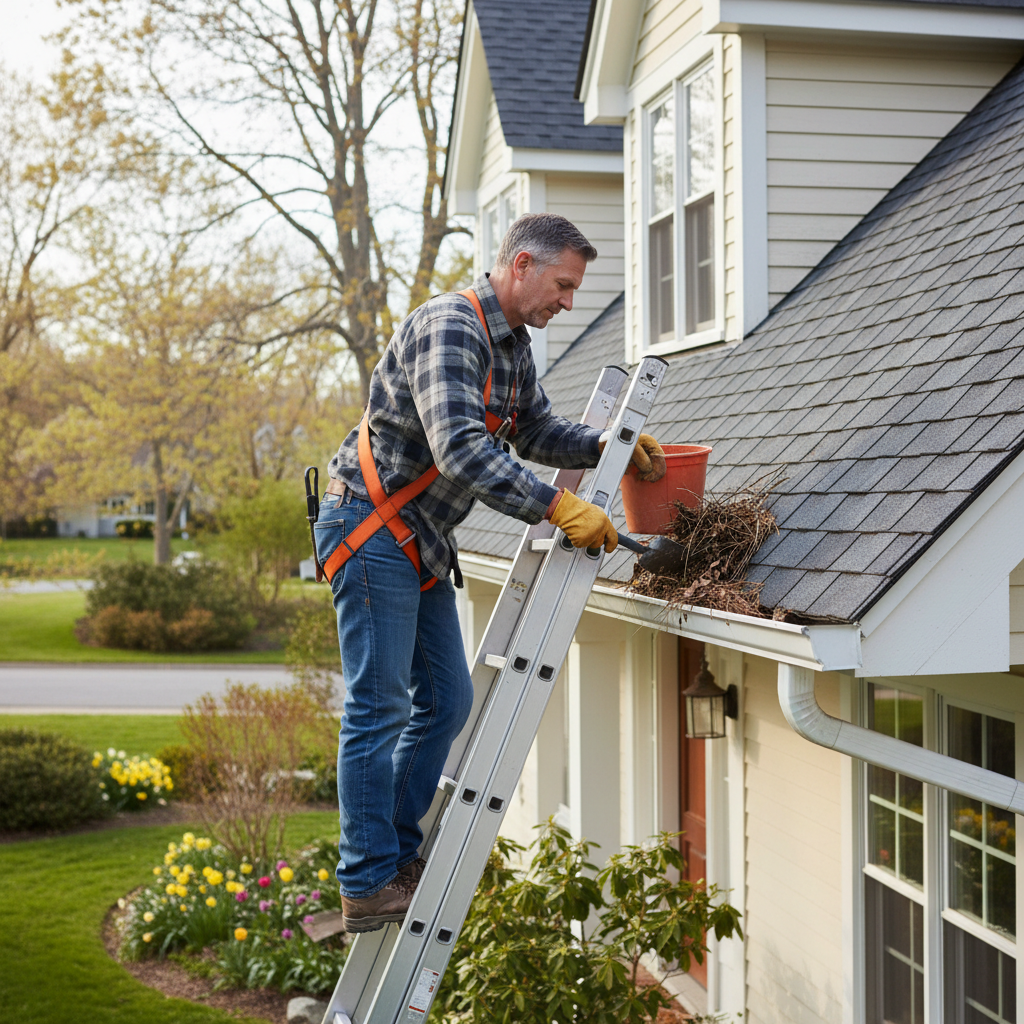
- Tools: Sturdy ladder, work gloves, garden hose (for testing).
- Safety: Always use a spotter when on a ladder. Ensure the ladder is on a stable, level surface. Never lean too far. If you're uncomfortable on a roof, consider hiring a professional.
- If this doesn't work: For significant shingle damage, active leaks, or persistent ice dam issues, call a licensed roofing professional immediately. Do not attempt major roof repairs yourself.
Plumbing · Leak
| Project category | Plumbing |
|---|---|
| Problem type | Leak |
| Trade required | Plumbing |
| Urgency | Emergency — act now |
| Safety risk | High safety risk |
| DIY suitability | DIY for experienced homeowners |
| Cost category | Low cost |
| Typical timeline | Shut water off now; repair usually same or next day |
| Contractor type | Licensed plumber |
Repair option
Isolate at the shutoff, replace the failed component, and dry the cavity fully.
Replacement option
Repipe the run or the branch when corrosion is widespread.
Common causes
- Failed supply line or shutoff valve
- Worn washers, cartridges, or P-trap connections
- Pinhole corrosion in older copper
Relevant tools:emergency checklistdiy or hire a pro
Published May 24, 2026Last updated August 17, 2026
Tools & materials you'll need
Affiliate linksAs an Amazon Associate FixlyGuide earns from qualifying purchases — at no extra cost to you. Prices and availability are accurate as of publication and subject to change.
Quick Answer
Winter can wreak havoc on your home in subtle ways, from hidden roof damage to compromised foundations and inefficient HVAC systems. Addressing these issues promptly with a comprehensive spring maintenance check is crucial. Many common problems, like gutter clogs, minor caulk cracks, and leaky outdoor faucets, are simple DIY fixes that prevent more extensive and costly repairs down the line. Focus on inspecting your home's exterior, checking for water intrusion points, and ensuring all systems are ready for warmer weather.
The Problem
As winter's frost thaws and spring rains begin, your home can reveal a hidden assortment of wear and tear caused by freezing temperatures, heavy snow, and strong winds. These aren't always obvious problems like a burst pipe, but rather insidious forms of damage that compound over time. Think about the expansion and contraction of materials, the constant assault of moisture, and the strain on your heating system working overtime. Left unaddressed, a small roof shingle crack can turn into a major leak, a minor foundation hairline can widen into a structural concern, and a clogged gutter can lead to costly fascia rot. The core problem is that homeowners often underestimate the cumulative impact of winter, overlooking these 'small' issues until they escalate into expensive emergencies.
How It Works
The physics of winter damage are straightforward yet powerful. Water is the primary culprit. When water freezes, it expands by about 9%. This expansion exerts immense pressure on anything containing it, a phenomenon known as frost heave. For instance, water that seeps into small cracks in your driveway, foundation, or even roof shingles will expand when it freezes overnight. This expansion widens those cracks, allowing more water to enter and repeat the cycle, progressively degrading the material. This freeze-thaw cycle is particularly destructive in regions with fluctuating spring temperatures.
Roofing materials, like asphalt shingles, can become brittle in extreme cold, making them more susceptible to cracking or uplifting from strong winds. Ice dams form when heat escapes from your attic, melting snow on the roof. This meltwater then refreezes at the colder eaves, creating a barrier that prevents further drainage. Water trapped behind an ice dam can back up under shingles, soaking insulation and drywall.
Your home's exterior caulking and sealants also suffer. The continuous expansion and contraction of different building materials (wood, siding, masonry) due to temperature swings stress these seals. Over time, they can crack, shrink, or detach, creating pathways for water intrusion into walls, window frames, and door jambs. This allows moisture to seep in, fostering mold growth and rotting wood. Even your HVAC system works harder in winter, accumulating dust and debris, and experiencing wear on its components, leading to decreased efficiency when temperatures rise.
Step-by-Step Fix
1. Inspect Your Roof and Gutters — Prevent water damage before it starts.
After winter's harshness, your roof and gutters are often the first line of defense against moisture intrusion. Start by visually inspecting your roof for damaged, missing, or curled shingles. Look for evidence of loose flashing around chimneys, vents, and skylights. Clear all gutters and downspouts of leaves, twigs, and other debris that accumulated over winter. Ensure downspouts direct water at least 5-10 feet away from your foundation.
- Tools: Sturdy ladder, work gloves, garden hose (for testing).
- Safety: Always use a spotter when on a ladder. Ensure the ladder is on a stable, level surface. Never lean too far. If you're uncomfortable on a roof, consider hiring a professional.
- If this doesn't work: For significant shingle damage, active leaks, or persistent ice dam issues, call a licensed roofing professional immediately. Do not attempt major roof repairs yourself.
2. Check Your Foundation and Exterior Walls — Catch structural issues early.
Walk around your home's perimeter, carefully examining the foundation for any new cracks, especially horizontal ones, or expanding vertical cracks. Pay attention to the grading around your foundation – it should slope away from the house to prevent water from pooling. Inspect exterior walls for loose siding, damaged stucco, or cracks in brick mortar. Re-caulk around windows and doors where seals may have deteriorated.
- Tools: Caulking gun, exterior-grade caulk, wire brush (for cleaning cracks).
- Materials: Backer rod (for larger cracks).
- Numbers: Hairline cracks (up to 1/8 inch wide) are often superficial; wider cracks, or those that are actively growing, warrant professional evaluation.
3. Test Outdoor Faucets and Sprinkler Systems — Avoid burst pipe surprises.
Turn on all outdoor faucets slowly to check for leaks. If a faucet drips or leaks near the handle or from inside the wall, you likely have a burst pipe that wasn't properly winterized. For sprinkler systems, carefully open the main shut-off valve after the last freeze risk has passed. Check each zone for broken sprinkler heads, leaks in lines, or inefficient spray patterns. Replace any damaged components.
- Tools: Screwdriver, adjustable wrench, thread sealant tape.
- Materials: Replacement sprinkler heads, pipe repair clamps (for minor leaks).
- Safety: If a pipe bursts inside a wall, immediately turn off the main water supply to your house and call a plumber.
4. Inspect Windows and Doors — Seal drafts and boost energy efficiency.
Check all windows and doors for drafts. This can be done by feeling for air movement or using an incense stick to observe smoke deflection. Inspect weatherstripping and seals, replacing any that are cracked, brittle, or missing. Look for condensation between double-pane windows, which indicates a failed seal and reduced insulation performance.
- Tools: Utility knife, caulk gun, weatherstripping tool.
- Materials: Self-adhesive weatherstripping, silicone caulk.
5. Service Your HVAC System — Prepare for peak performance.
Replace dirty air filters – a clean filter can improve efficiency by 5-15%. Clean around the outdoor condenser unit, removing any leaves, dirt, or debris that accumulated over winter. Ensure at least two feet of clear space around the unit for proper airflow. Consider scheduling a professional tune-up to ensure your AC is ready for warmer weather and to catch any lingering winter-related issues.
- Tools: Screwdriver (for filter access), soft brush (for condenser fins).
- Materials: New HVAC air filter (correct size and MERV rating).
6. Check Your Sump Pump — Protect your basement from spring floods.
Pour a bucket of water into your sump pit to ensure the pump activates, drains the water, and then shuts off properly. Listen for any unusual noises. Check that the discharge pipe is free of obstructions and directs water away from your foundation. Ensure the check valve is working correctly to prevent water from flowing back into the pit.
- Tools: 5-gallon bucket.
- Safety: Never put your hand into an active sump pit. Ensure the pump is properly plugged into a GFCI outlet.
7. Examine Driveways and Walkways — Address trip hazards and prevent further damage.
Inspect concrete and asphalt surfaces for new cracks, potholes, or uneven sections caused by the freeze-thaw cycle. Small cracks can be sealed to prevent water intrusion, while larger issues may require patching or professional repair. Pay attention to areas where water might collect.
- Tools: Wire brush, trowel, squeegee/applicator (for crack sealant).
- Materials: Concrete crack sealant, asphalt patch product.
Common Causes
- Freeze-Thaw Cycle: The repeated freezing and thawing of water that infiltrates small cracks in rigid materials like concrete, asphalt, and masonry, causing them to expand and contract, leading to wider cracks and structural degradation.
- Thermal Expansion and Contraction: Different building materials expand and contract at varying rates with temperature changes, stressing sealants, joints, and fasteners, leading to cracks and gaps.
- Moisture Accumulation: Blocked gutters, improper grading, and melting snow can lead to water pooling around the foundation or backing up under roofing, causing rot, leaks, and ice dams.
- Wind Damage: Strong winter winds can lift, crack, or remove roof shingles, damage siding, and loosen flashing around penetrations.
- Heavy Snow Loads: Prolonged heavy snow can strain roofs, gutters, and even tree branches, leading to structural fatigue or breakage.
- HVAC Overexertion: Your heating system works harder in winter, leading to accelerated wear on components if not properly maintained, impacting its efficiency when cooling season arrives.
Common Mistakes
- Ignoring Small Cracks: Many homeowners dismiss hairline cracks in foundations or driveways, but these are entry points for water, exacerbating freeze-thaw damage.
- Skipping Gutter Cleaning: Clogged gutters are a primary cause of ice dams, fascia rot, and foundation problems. Neglecting them allows water to overflow and cause significant damage.
- Improper Winterization: Failing to properly drain and shut off outdoor faucets or sprinkler systems can lead to burst pipes and costly water damage during freezing temperatures.
- Neglecting HVAC Filters: A dirty air filter severely reduces HVAC efficiency, increases energy bills, and puts strain on the system, shortening its lifespan.
- DIY Roof Repairs Beyond Skill Level: Attempting complex roof repairs without proper knowledge or safety equipment is dangerous and often leads to more extensive damage or future leaks.
- Not Testing the Sump Pump: Assuming your sump pump works without testing it can result in a flooded basement during heavy spring rains when it's needed most.
Cost & Time Breakdown
| Task | DIY Cost | Pro Cost | Time |
|---|---|---|---|
| Roof & Gutter Inspection | $0–$10 | $150–$400 | 30 min – 1 hr |
| Foundation Crack Sealing | $20–$50 | $500–$2,000+ | 1–2 hours |
| Outdoor Faucet/Sprinkler Fix | $10–$50 | $150–$300 | 30 min – 1 hr |
| Window/Door Weatherstripping | $15–$40 per window/door | $200–$500 | 1–3 hours |
| HVAC Filter & Condenser Clean | $15–$30 | $100–$250 | 20–40 minutes |
| Sump Pump Test & Clean | $0 | $100–$200 | 10–20 minutes |
| Driveway/Walkway Crack Seal | $20–$60 | $200–$800 | 1–2 hours |
Tips & Prevention
- Regular Gutter Cleaning: Clean gutters at least twice a year, in late fall and early spring, to prevent clogs and ensure proper drainage.
- Trim Tree Branches: Cut back any branches hanging over your roof to prevent damage from falling limbs and reduce debris accumulation in gutters.
- Annual HVAC Tune-up: Schedule a professional HVAC inspection and tune-up every spring to maximize efficiency, catch minor issues, and prolong the system's life.
- Inspect Caulking Annually: Walk around your home once a year, preferably in spring, and check all exterior caulking around windows, doors, and penetrations. Reapply as needed.
- Improve Drainage: Ensure your landscape slopes away from your foundation at least 6 inches over 10 feet. Install downspout extensions if necessary.
- Monitor Foundation Cracks: If you notice new or expanding foundation cracks, mark them with a pencil and check periodically to see if they are growing. Document with photos.
When to Call a Professional
While many spring maintenance tasks are DIY-friendly, certain situations warrant calling a licensed professional. For significant roof damage, such as multiple missing shingles, sagging sections, or persistent active leaks, a licensed roofer is essential to prevent extensive water damage and ensure structural integrity. If you discover large or rapidly spreading cracks in your foundation, or if you notice bowing or bulging walls, contact a structural engineer or a foundation repair specialist immediately; these can indicate serious structural issues. Plumbing leaks inside walls or issues beyond a simple drip, especially if it involves turning off your main water supply or working with pressurized lines, should always be handled by a licensed plumber. Similarly, any electrical issues, such as flickering lights or tripped breakers after winter, require a licensed electrician. For complex HVAC problems, such as unusual noises, persistent system failures, or if your AC isn't cooling properly after cleaning, an HVAC technician can diagnose and safely repair the system, ensuring optimal performance and safety. Never attempt major repairs involving structural elements, high-voltage electrical, or gas lines yourself.
Related Articles
Keep troubleshooting with these hand-picked guides from FixlyGuide:
- The 7 Critical Fall Maintenance Tasks 80% of Homeowners FORGET (and How to Do Them) — Don’t let costly winter repairs surprise you; proactive fall home maintenance protects your property and saves you money.
- The 7 Sneaky Ways Winter Damages Your Home (And How to Fix Them Now) — Discover the often-overlooked winter damages that silently threaten your home's integrity and learn actionable steps to fix them this sprin…
- The 7 Critical Home Inspection Checks Most Homeowners Miss (and How to Do Them Yourself) — Discover the essential annual home inspection checks many homeowners overlook and learn how to perform them yourself to prevent costly repa…
- The 7 Sneaky Ways Winter Damages Your Home (And How to Fix Them Fast) — Discover how winter weather secretly harms your home and learn quick, actionable steps to identify and repair the damage before it escalate…
- The 3 Critical Mistakes Homeowners Make Inspecting Their Roof (From the Ground) — Learn how to spot damaging roof problems safely from the ground, avoiding common pitfalls and knowing exactly what to look for.
- The #1 Mistake Homeowners Make When Protecting Pipes From Freezing — Preventing frozen pipes is crucial in winter; many homeowners make a common mistake that leaves their plumbing vulnerable.
Should you do this yourself?
Answer five quick questions before you start. Safety outranks savings every time.
Your experience with work like this
How high do you have to work?
Does the job involve any of these?
Will it need a permit?
Specialty tools
Free and instant. Educational guidance only — not a quote, inspection, or professional diagnosis.
Questions to ask before you sign
Ask every contractor the same questions and the cheapest bid stops looking cheapest. Check them off as you go — your progress is saved on this device.
Free, no signup. Bring this to every walkthrough so you compare bids on the same terms.
What should this project cost?
Enter your project details for a realistic cost range before you call anyone.
Service calls and common repairs run $150–$900; full system replacement typically $6,000–$12,000.
- Regional adjustment
- National average
- Labor share (typical)
- ~$1,935
- Quotes to collect
- 3 written estimates
Educational estimate based on national averages — not a binding quote. Always confirm with written local estimates.
Fixly Project Decision Box
- DIY difficulty
- Professional Recommended
- Estimated time
- Inspection 1–2 hours · repairs 1–3 days
- Cost level
- High
Main tools / materials
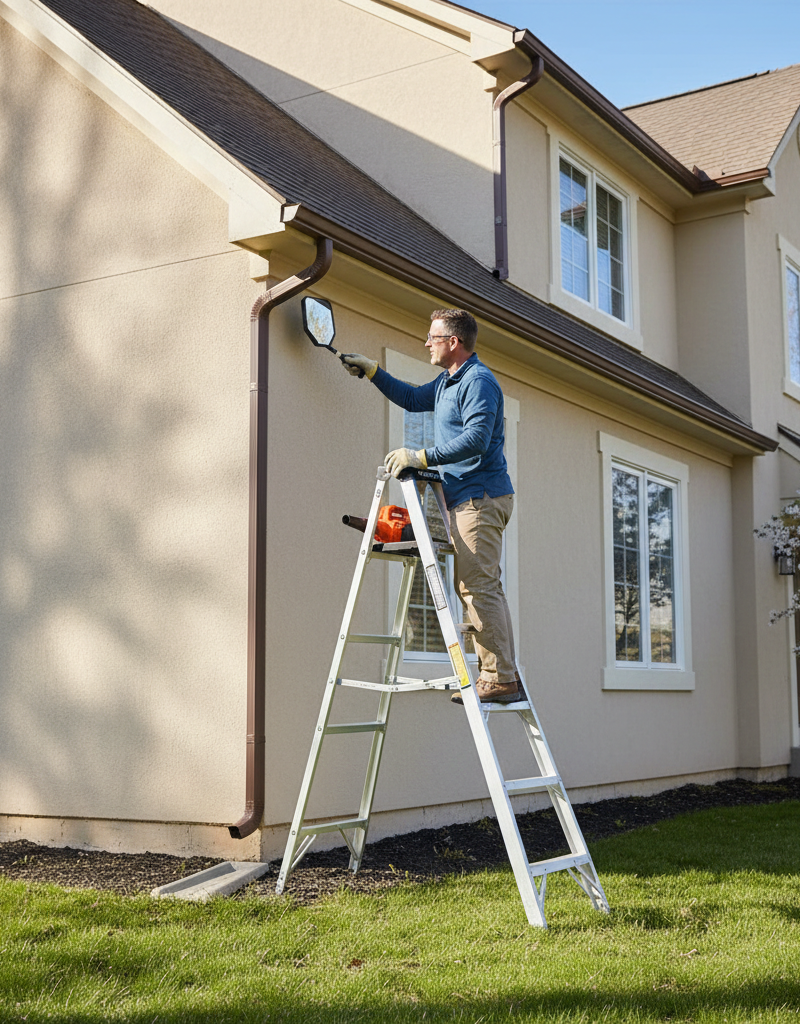
- Binoculars for a ground-level look
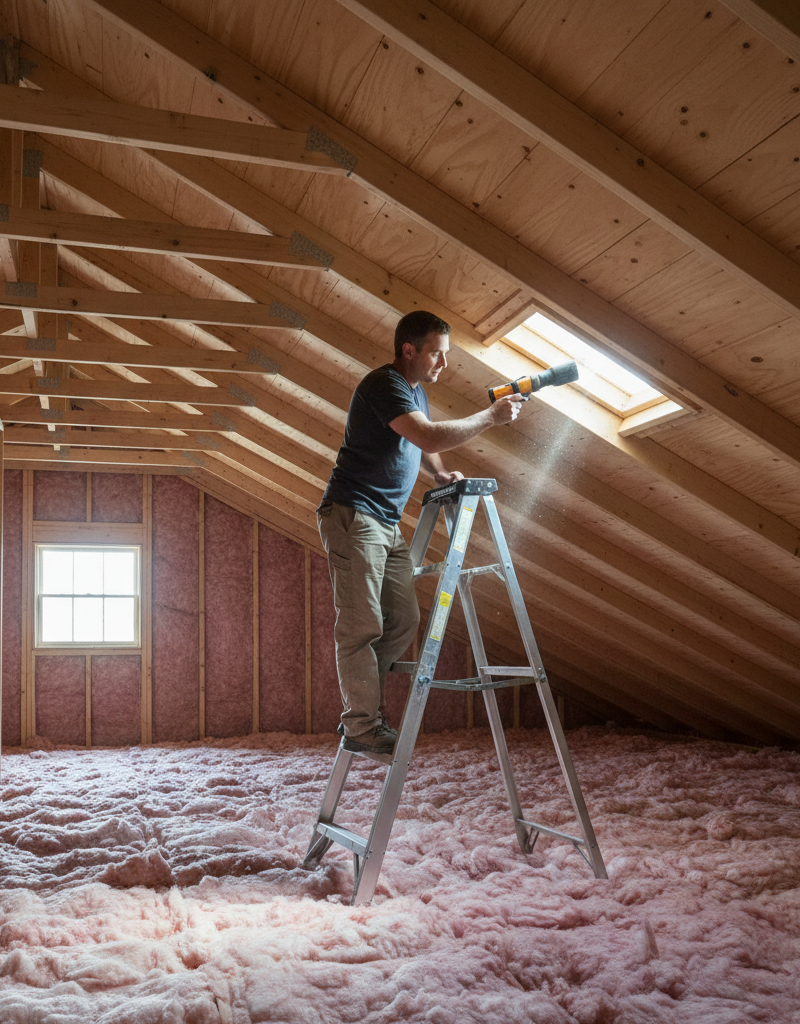
- Flashlight for attic checks
- Moisture meter
- Roofing cement (temporary patch only)
When to stop and call a pro
- Active leak near lights, fans, or any wiring
- Sagging, bulging, or water-filled ceiling
- Steep, wet, or two-story roof — do not climb it
- Storm or hail damage you plan to claim on insurance
Need professional help?
Free roof assessment first — no phone calls until you ask for them.
Get Local Roofing HelpGet help with your roof now
Stay off the roof. These free tools help you protect the house and reach the right professional fast.
- Emergency repair checklistThe first steps that limit damage before a pro arrives.Open
- Repair or replace your roof?Answer 10 questions about age, leaks, and damage to get a clear next step.Open
- Get local estimatesSend one request and compare written estimates from vetted pros.Open
Free, no signup required. Estimates are educational guidance, not a quote or an inspection.
Recommended for DIYers & woodworkers
Sponsored
The Top 20 Tools for Workshops of Any Budget
No stationary machines or power tools required — plus 3 fundamental tools that can't be bought at any price.
Get the free guide
Ted's Woodworking — The #1 Woodworking Resource
Detailed instructions, dimensioned drawings, materials & cutting lists, and 3D schematics for every skill level.
See the plansSponsored: links above are affiliate links. FixlyGuide may earn a commission on qualifying purchases — at no extra cost to you.
Frequently asked questions
What specifically causes foundation cracks in winter?+
Foundation cracks often result from the freeze-thaw cycle. Water seeps into existing small cracks, freezes and expands, widening the cracks. This process repeats throughout winter, leading to significant damage.
How often should I clean my gutters?+
You should clean your gutters at least twice a year: once in late fall after most leaves have fallen, and again in early spring to clear any debris accumulated over winter. More frequent cleaning may be necessary if you have many trees nearby.
What's the easiest way to check for window drafts?+
The easiest way to check for drafts is to hold a lit incense stick or a thin piece of tissue paper near the edges of closed windows and doors. If the smoke or tissue moves, you have a draft that needs sealing.
My outdoor faucet is leaking after winter. What should I do?+
A leaking outdoor faucet after winter often indicates a burst pipe inside the wall from improper winterization. Immediately turn off your home's main water supply and call a licensed plumber to prevent further water damage.
How can I tell if an HVAC air filter needs replacement?+
Hold your air filter up to a light source. If you can't see light passing through it, or if it's visibly caked with dust and debris, it's time to replace it. Generally, filters should be changed every 1-3 months.

Discussion
Loading comments…