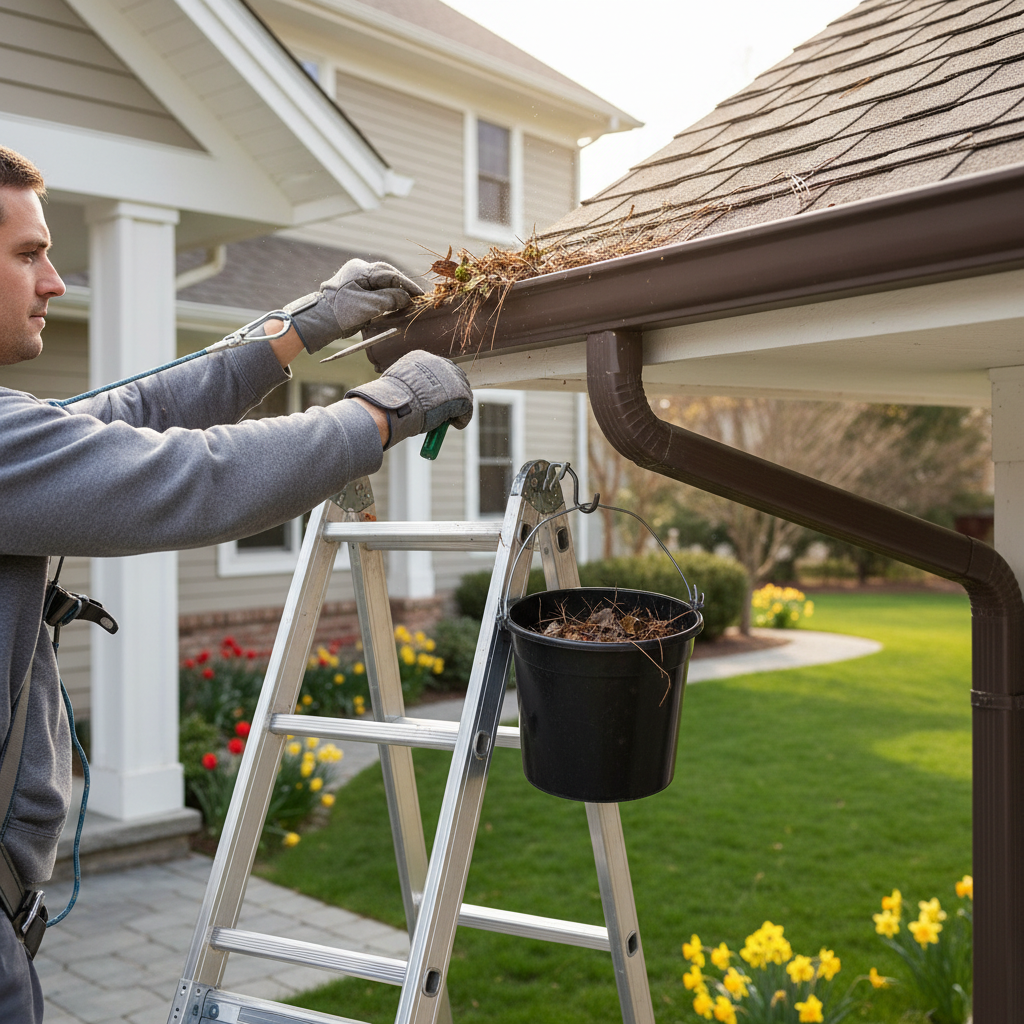
- Accumulated Debris: Leaves, twigs, and sediment from autumn and winter storms clog gutters and downspouts, preventing proper water diversion. This blockage often extends into underground drainage systems.
- Neglected Seasonal Checks: A common human factor. Homeowners often prioritize interior tasks or simply forget to perform thorough exterior inspections after winter, assuming everything is fine.
- Pest Activity: Rodents, birds, and insects can set up nests in dormant AC units or exploit small exterior gaps, leading to blockages or further damage to seals and wiring.
- Poor Grading and Drainage: If the original landscaping around your home doesn't slope sufficiently away from the foundation, water will naturally pool, regardless of proper gutter function, exacerbating winter's effects.
General remodeling · Renovation planning
| Project category | General remodeling |
|---|---|
| Problem type | Renovation planning |
| Trade required | General contracting |
| Urgency | Planned project |
| Safety risk | Low safety risk |
| DIY suitability | Pro recommended |
| Cost category | Major investment |
| Typical timeline | Design and permitting often 2–4 months before work starts |
| Contractor type | General contractor |
Repair option
Phase the work and fix the building envelope first.
Replacement option
Full renovation with permits, design, and a general contractor.
Common causes
- Space no longer fits how the household lives
- Resale preparation
- Deferred maintenance stacking up
Relevant tools:project cost estimatorcompare quoteshome improvement material prices
Published May 20, 2026Last updated August 17, 2026
Tools & materials you'll need
Affiliate linksAs an Amazon Associate FixlyGuide earns from qualifying purchases — at no extra cost to you. Prices and availability are accurate as of publication and subject to change.
Quick Answer
Many homeowners overlook critical spring maintenance tasks such as inspecting the roof for winter damage, cleaning gutters and downspouts, checking exterior drainage, servicing the AC unit, sealing exterior gaps, examining decks and patios, and testing outdoor safety features. Neglecting these can lead to costly repairs like water damage, foundation issues, and inefficient energy use. Addressing these items proactively each spring can save thousands in preventable repairs and maintain your home's value and safety.
The Problem
As winter's grip loosens, the allure of warmer weather often shifts our focus to planting gardens and enjoying the outdoors. However, beneath the thawing landscape, a season of neglect during the colder months can leave your home vulnerable. Many homeowners meticulously plan for winterization, but spring often doesn't receive the same rigorous attention. This oversight is a critical mistake. The freeze-thaw cycles, snow load, and icy conditions of winter can wreak havoc on your home's exterior and crucial systems, creating hidden damages that silently escalate in severity and cost as the months progress. Left unaddressed, a small crack in the flashing from an ice dam can lead to extensive water damage in your attic and ceilings. Clogged gutters can divert thousands of gallons of rainwater directly to your foundation, resulting in costly hydrostatic pressure issues or basement flooding. A neglected AC unit will struggle to cool your home efficiently, translating to sky-high energy bills and a shorter lifespan for the system. The problem isn't just about minor inconveniences; it's about safeguarding your most significant investment from preventable and expensive deterioration. Identifying and rectifying these issues in spring is not just maintenance; it's preventative medicine for your home's long-term health and your financial well-being.
How It Works
Understanding why these spring tasks are so critical involves a brief look at how winter impacts your home. Your home's exterior — the roof, gutters, siding, and foundation — acts as its first line of defense against the elements. Throughout winter, the constant expansion and contraction of materials due to temperature fluctuations (thermal cycling) stress components. Water, in its liquid form, can seep into tiny cracks, freeze, expand, and then thaw, widening those cracks in a process called 'frost wedging.' This is particularly damaging to roofing materials, concrete, mortar, and sealants. Snow accumulation and ice dams put immense physical stress on gutters and roof edges, potentially dislodging them or forcing water under shingles where it wasn't designed to go.
Gutters and downspouts, designed to channel water away from the foundation, often become clogged with leaves, twigs, and debris from autumn and winter storms. When rainwater can't flow freely, it overflows, saturating the ground around the foundation. This creates hydrostatic pressure against basement walls, which can lead to cracks and leaks. Additionally, standing water near your home can attract pests and create an environment for mold and mildew.
Your HVAC system, particularly the air conditioning unit, lies dormant for several months. During this time, dust, dirt, and even nesting animals can accumulate in the outdoor condenser coil and inside the ductwork. When you fire up the AC for the first time, a dirty coil significantly reduces its ability to dissipate heat, forcing the compressor to work harder, consuming more energy, and increasing wear and tear. Restricted airflow from dirty filters or blocked coils reduces efficiency and cooling capacity, leading to higher bills and premature system failure. Proactive spring maintenance essentially recalibrates your home's defensive systems and prepares its mechanical components for the increased demands of the warmer seasons, mitigating the cumulative damage from winter and the increased strain of summer heat.
Step-by-Step Fix
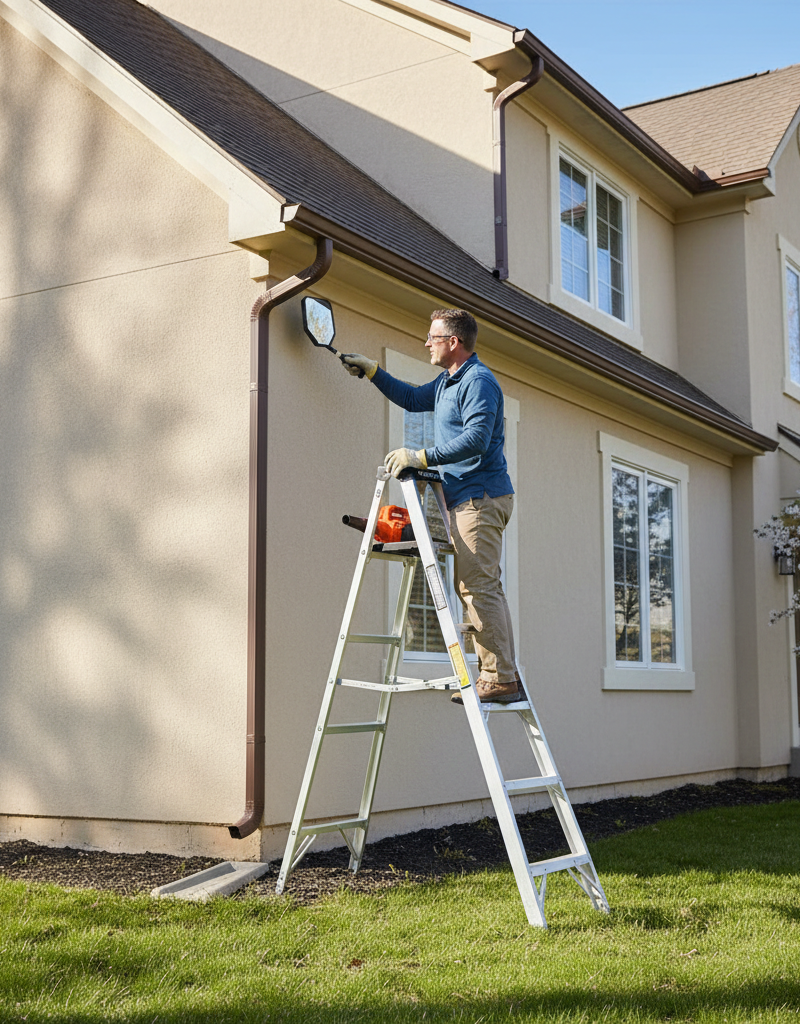
1. Inspect the Roof for Winter's Toll – Identify and address any damage caused by ice dams or high winds.
- Tools: Binoculars, sturdy ladder (if comfortable and experienced), safety harness (optional).
- Procedure: From the ground, use binoculars to scan your entire roof. Look for missing, cracked, or curled shingles. Pay close attention to ridge caps, flashing around chimneys, vents, and skylights. These are common points of vulnerability where winter damage, especially from ice dams, is most likely. Check for granules in the gutters, which can indicate shingle wear. If you see significant damage or are unsure, do not attempt a DIY roof repair; call a licensed roofing professional. Safety Note: Never climb onto a wet or icy roof, especially alone. If you're not comfortable on a ladder or inspecting a roof, hire a professional. Falling from a roof can result in serious injury or death.
2. Clear and Test Your Gutter System – Ensure free-flowing drainage to protect your foundation.
- Tools: Sturdy ladder, heavy-duty work gloves, small trowel or scoop, garden hose (with strong nozzle).
- Procedure: Don work gloves and carefully climb the ladder. Remove all leaves, twigs, and debris from inside the gutters. Pay special attention to the areas around downspout openings. Once clear, run water from a garden hose down the gutter toward the downspout. Check that water flows freely through the downspout and exits at the bottom. Ensure downspout extensions are properly attached and directing water at least 5-10 feet away from your foundation. If water backs up or leaks from joints, inspect for clogs further down the downspout or seal loose connections.
3. Assess Exterior Drainage and Grading – Prevent water accumulation near your home's foundation.
- Tools: Shovel, rake, wheelbarrow, topsoil, gravel.
- Procedure: Walk around your home and observe the ground slope. Ideally, the ground should slope away from your foundation for at least 10 feet. Look for any areas where water might collect or where the ground slopes towards your house. Address low spots by building them up with compacted soil. Ensure window wells are clear of debris and have proper drainage. For persistent drainage issues, consider installing french drains or consulting a landscape professional.
4. Perform Basic AC Unit Preparation – Get your air conditioner ready for efficient summer operation.
- Tools: Screwdriver, fin comb (optional), garden hose, soft brush, new air filter.
- Procedure: Safety Note: Before doing anything, turn off the power to the outdoor unit at the exterior disconnect switch (usually a small box near the unit) AND at your main electrical panel. Remove any leaves, grass clippings, or debris from around the condenser unit. Carefully remove the protective grilles (fan guard) and gently brush away any accumulated dirt from the condenser fins. You can use a garden hose to gently spray dirt from inside out through the fins (be careful not to bend them). Replace the air filter inside your furnace/air handler (usually in the basement or utility closet) with a new one. Ensure the new filter is installed with the arrows pointing in the direction of airflow. Once clean and the filter is replaced, you can restore power. For more comprehensive AC servicing, including refrigerant checks, call an HVAC professional.
5. Seal Cracks and Gaps in the Home's Exterior – Protect against moisture intrusion and pest entry.
- Tools: Caulk gun, exterior-grade caulk (silicone or urethane-based), utility knife, wire brush (optional), backer rod (for larger gaps).
- Procedure: Inspect all exterior components: siding, trim, window and door frames, and foundation. Look for any cracks, gaps, or deteriorated caulk. Using a utility knife, carefully remove old, cracked caulk. Clean the area with a wire brush if necessary. For gaps wider than 1/4 inch, insert a foam backer rod before applying caulk. Apply a continuous, even bead of exterior-grade caulk, ensuring a tight seal. This prevents water penetration and deters insects and rodents from entering your home. Pay special attention to areas where different materials meet, like where siding meets the foundation or around utility penetrations.
6. Inspect and Maintain Decks, Patios, and Walkways – Ensure structural integrity and prevent trip hazards.
- Tools: Screwdriver, hammer, pressure washer (optional), wood cleaner/deck brightener, deck sealant/stain, broom.
- Procedure: Sweep off all debris. For decks, check for loose or wobbly deck boards, railings, and steps. Tighten any loose screws or nails. Look for signs of rot, especially where wood meets concrete or where joists are exposed. If you find rot, replace the affected boards. Clean the deck using a wood cleaner or a mild detergent and a stiff brush, or consider pressure washing (use caution to avoid damaging the wood). Once dry, apply a fresh coat of sealant or stain to protect the wood from UV rays and moisture. For patios and walkways, check for cracked, uneven, or shifting pavers/slabs, which can be trip hazards. Fill small cracks in concrete with appropriate crack filler. Re-level pavers if necessary.
7. Test Outdoor Safety Features and Lighting – Confirm essential safety systems are fully operational.
- Tools: Flashlight, insect spray (optional), test button on GFCI outlets.
- Procedure: Verify that all outdoor ground-fault circuit interrupter (GFCI) outlets are working correctly by plugging in a small appliance (like a radio) and pressing the 'Test' button. The power should trip off. Press 'Reset' to restore power. Check all outdoor lighting fixtures, including motion-sensor lights. Replace any burnt-out bulbs. Ensure paths and entryways are well-lit for safety and security. Clean fixture lenses for maximum light output. For outdoor faucets, slowly turn on the water and check for any leaks around the spigot or handle.
Common Causes
- Winter Weather Damage: The primary culprit. Freeze-thaw cycles cause expansion and contraction, leading to cracks in concrete, mortar, and roofing materials. Ice dams can lift shingles, damage gutters, and force water into soffit areas. High winds can loosen shingles and dislodge flashing.
- Accumulated Debris: Leaves, twigs, and sediment from autumn and winter storms clog gutters and downspouts, preventing proper water diversion. This blockage often extends into underground drainage systems.
- Neglected Seasonal Checks: A common human factor. Homeowners often prioritize interior tasks or simply forget to perform thorough exterior inspections after winter, assuming everything is fine.
- Improper Installation or Aging Materials: Over time, even well-installed materials degrade. Caulk dries out and cracks, roof sealant wears down, and wood becomes susceptible to rot if not maintained. Sometimes, initial faulty installation contributes to premature failure.
- Pest Activity: Rodents, birds, and insects can set up nests in dormant AC units or exploit small exterior gaps, leading to blockages or further damage to seals and wiring.
- Poor Grading and Drainage: If the original landscaping around your home doesn't slope sufficiently away from the foundation, water will naturally pool, regardless of proper gutter function, exacerbating winter's effects.
Common Mistakes
- Ignoring Roof Inspection: Many homeowners only think about the roof when they see a leak. Waiting for interior signs means damage is already significant. Proactive spring inspection can catch small issues before they become major leaks.
- Skipping Gutter Cleaning: Assuming gutters are fine if water mostly flows. Even partial clogs divert water, leading to localized saturation and potential foundation issues or fascia damage.
- Forgetting AC Unit Power Off: A dangerous mistake. Failing to turn off power at both the disconnect switch and the main panel before cleaning an AC unit can lead to severe electrical shock or injury from the fan blades.
- Using Improper Caulk: Applying interior-grade caulk or old, dried-out caulk won't provide a durable seal against exterior elements, leading to quick failure and re-entry for water and pests.
- Over-reliance on Pressure Washers: While useful, excessive pressure or incorrect technique can damage siding, blast granules off shingles, etch wood, or force water into areas it shouldn't go, causing more harm than good.
- Neglecting Downspout Extensions: Even clean gutters are useless if the downspouts dump water right next to the foundation. This is one of the most common and easily fixable drainage mistakes.
Cost & Time Breakdown
| Task | DIY Cost | Pro Cost | Time |
|---|---|---|---|
| Roof Inspection | $0 | $150–$300 | 30 min |
| Gutter Cleaning & Test | $0 | $100–$250 | 1–2 hours |
| Drainage/Grading Adjustment | $50–$200 | $300–$1,500+ | 2–4 hours |
| Basic AC Unit Prep | $10–$30 | $150–$350 | 30 min |
| Exterior Sealing | $20–$100 | $200–$500 | 1–3 hours |
| Deck/Patio Maintenance | $50–$250 | $300–$1,000+ | 4–8 hours |
| Outdoor Safety/Lighting Test | $0–$20 | $100–$200 | 15 min |
Tips & Prevention
- Regular Gutter Checks: Perform a quick visual check of your gutters after every heavy rain or major wind storm, not just in spring. Clear visible debris promptly.
- Trim Overhanging Branches: Remove any tree branches that hang directly over your roof, especially near gutters. This significantly reduces the amount of organic debris that ends up in your gutters.
- Annual HVAC Tune-Up: Beyond a DIY cleaning, schedule a professional HVAC tune-up every spring. This ensures optimal efficiency, catches potential issues early, and extends the life of your unit.
- Monitor Water Flow: During rain, take a walk around your house to observe how water flows off the roof and away from your foundation. This provides real-time diagnostics for drainage issues.
- Use Quality Sealants: When re-caulking or sealing, invest in high-quality, exterior-grade silicone or polyurethane sealants. They last longer and provide better protection than cheaper alternatives.
- Document Everything: Keep a log of when you perform maintenance tasks, what you observe, and any repairs made. This helps track problems over time and can be useful for warranty claims or future home inspections.
When to Call a Professional
While many spring maintenance tasks are homeowner-friendly, some situations warrant the expertise of a licensed professional. You should always call a qualified roofing contractor if you observe significant roof damage, such as large areas of missing shingles, structural sagging, or persistent leaks after heavy rain, as attempting DIY roof repairs without experience can be dangerous and costly. For persistent or severe drainage issues, like standing water in your yard after a light rain, water seeping into your basement, or significant foundation cracks, consult a landscape drainage expert or a foundation specialist. If your AC unit is making unusual noises, blowing warm air, or if you're uncomfortable performing even basic electrical or refrigerant-related tasks, immediately call a certified HVAC technician. Never hesitate to call an electrician for issues involving outdoor GFCI outlets that repeatedly trip or if you suspect wiring damage. Remember, tackling tasks beyond your skill level or comfort zone can lead to further damage, personal injury, or voided warranties, making professional help a wise and often safer investment.
Related Articles
Keep troubleshooting with these hand-picked guides from FixlyGuide:
- The 7 Critical Spring Home Maintenance Tasks Most Homeowners Forget — Prepare your home for warmer weather and prevent costly repairs with a comprehensive spring maintenance checklist that goes beyond surface-…
- The 7 Overlooked Home Inspection Items That Cost Homeowners Thousands Annually — Discover the seven most commonly missed home inspection items that lead to costly repairs for homeowners every year and learn how to perfor…
- The 7 Overlooked Spring Maintenance Tasks That Save You Hundreds — Learn the often-missed spring home maintenance tasks that can prevent costly damage and save you money in the long run.
- The 7 Critical Home Inspection Checks Most Homeowners Miss (And How to Spot Them) — Discover the crucial annual home inspection checks often overlooked by homeowners, and learn how to identify potential issues before they b…
- The 7 Critical Home Inspection Mistakes Most Homeowners Make (and How to Spot Them) — Discover the crucial home inspection mistakes homeowners commonly overlook and learn how to identify potential problems before they become…
- The #1 Sprinkler Winterization Mistake That Costs Homeowners Thousands — Discover the crucial mistake many homeowners make winterizing sprinklers and how to avoid costly freeze damage with proper blowout techniqu…
Estimate your own project cost
National averages are a starting point. Enter your details for a range that fits your house.
Roof replacement cost
- Per square (installed)$604 – $866
Add $500–$2,500 if decking is rotten and needs replacement. Storm damage may be covered by insurance.
Educational estimate only — always confirm with written local bids.
Questions to ask before you sign
Ask every contractor the same questions and the cheapest bid stops looking cheapest. Check them off as you go — your progress is saved on this device.
Free, no signup. Bring this to every walkthrough so you compare bids on the same terms.
What should this project cost?
Enter your project details for a realistic cost range before you call anyone.
Minor crack sealing $800–$2,500; pier and beam stabilization $10,000–$30,000+.
- Regional adjustment
- National average
- Labor share (typical)
- ~$4,961
- Quotes to collect
- 3 written estimates
Educational estimate based on national averages — not a binding quote. Always confirm with written local estimates.
Fixly Project Decision Box
- DIY difficulty
- Professional Recommended
- Estimated time
- Inspection 1–2 hours · repairs 1–3 days
- Cost level
- High
Main tools / materials
- Binoculars for a ground-level look
- Flashlight for attic checks
- Moisture meter
- Roofing cement (temporary patch only)
When to stop and call a pro
- Active leak near lights, fans, or any wiring
- Sagging, bulging, or water-filled ceiling
- Steep, wet, or two-story roof — do not climb it
- Storm or hail damage you plan to claim on insurance
Need professional help?
Free roof assessment first — no phone calls until you ask for them.
Get Local Roofing HelpPrice your roof project
Check the numbers in this guide against your own roof and ZIP code.
Free, no signup required. Estimates are educational guidance, not a quote or an inspection.
Recommended for DIYers & woodworkers
Sponsored
The Top 20 Tools for Workshops of Any Budget
No stationary machines or power tools required — plus 3 fundamental tools that can't be bought at any price.
Get the free guide
Ted's Woodworking — The #1 Woodworking Resource
Detailed instructions, dimensioned drawings, materials & cutting lists, and 3D schematics for every skill level.
See the plansSponsored: links above are affiliate links. FixlyGuide may earn a commission on qualifying purchases — at no extra cost to you.
Frequently asked questions
How often should I clean my gutters?+
Ideally, gutters should be cleaned at least twice a year: once in the late fall after most leaves have fallen, and again in the spring to clear any debris accumulated over winter. More frequent cleaning may be necessary if you have many trees overhanging your roof.
Can I clean my AC unit myself?+
You can perform basic cleaning like clearing debris from around the condenser and gently rinsing the fins from the inside out. However, for a comprehensive check, including refrigerant levels and electrical components, it's best to hire a professional HVAC technician annually.
What are the first signs of roof damage I should look for in spring?+
Look for missing, cracked, or curled shingles; granules accumulating in gutters; damaged or rusty flashing around chimneys and vents; and any signs of sagging or unevenness on the roofline. These can indicate winter-related wear and tear.


Discussion
Loading comments…