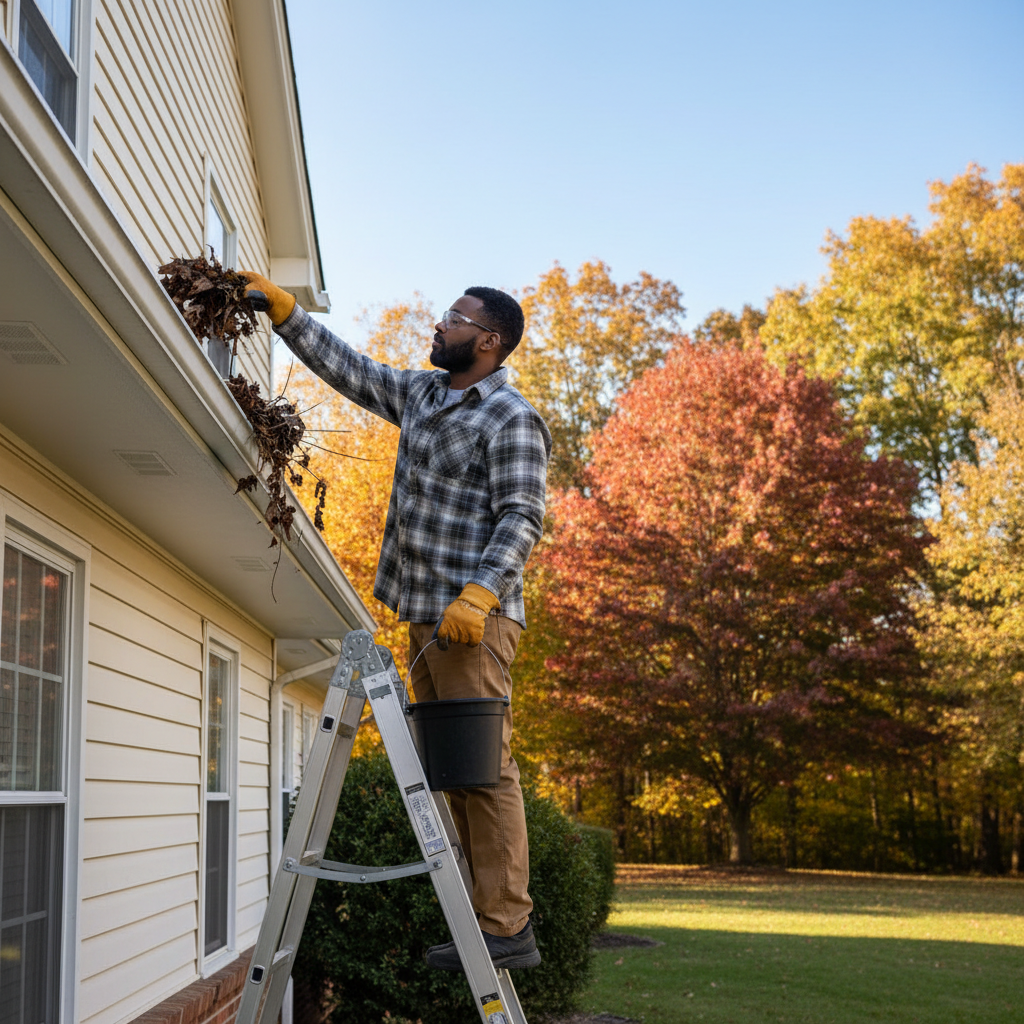
- Clear Out the Gutters Properly – Don't just remove surface leaves.
- Wear heavy-duty work gloves and safety glasses. Use a sturdy ladder, ensuring it's on stable ground. Extend it at least 3 feet above the gutter line. Have a helper hold the ladder if possible.
- Remove all leaves, twigs, and shingle grit from the gutters. The goal is to clear the entire channel.
General remodeling · Renovation planning
| Project category | General remodeling |
|---|---|
| Problem type | Renovation planning |
| Trade required | General contracting |
| Urgency | Planned project |
| Safety risk | Low safety risk |
| DIY suitability | Pro recommended |
| Cost category | Major investment |
| Typical timeline | Design and permitting often 2–4 months before work starts |
| Contractor type | General contractor |
Repair option
Phase the work and fix the building envelope first.
Replacement option
Full renovation with permits, design, and a general contractor.
Common causes
- Space no longer fits how the household lives
- Resale preparation
- Deferred maintenance stacking up
Relevant tools:project cost estimatorcompare quoteshome improvement material prices
Published May 26, 2026Last updated August 17, 2026
Tools & materials you'll need
Affiliate linksAs an Amazon Associate FixlyGuide earns from qualifying purchases — at no extra cost to you. Prices and availability are accurate as of publication and subject to change.
Quick Answer
Many homeowners overlook crucial tasks like gutter cleaning, furnace filter replacement, and inspecting weatherstripping during their fall home maintenance. These oversights can lead to serious issues like water damage, inefficient heating, and higher energy bills. Addressing these common mistakes proactively can save you money and prevent major headaches down the line, ensuring your home is warm, dry, and efficient throughout the colder months. Don't wait for winter to reveal these preventable problems.
The Problem
As the vibrant colors of autumn arrive, so does the urgent need for a thorough fall home maintenance routine. However, many homeowners fall into common traps, either neglecting critical tasks or performing them incorrectly. The allure of a cozy indoor season often overshadows the importance of preparing your home's exterior and essential systems for the harsh realities of winter. Ignoring these crucial steps can lead to a cascade of problems: clogged gutters result in ice dams and foundation damage; a dirty furnace filter chokes your heating system, wasting energy and potentially leading to breakdowns; unsealed drafts inflate your energy bills; and uninspected roofs become leaky nightmares under the first heavy snow.
The core problem isn't just a lack of action, but often a lack of knowledge about which tasks are truly non-negotiable and how to execute them effectively. Homeowners might focus on aesthetic tasks while critical infrastructure deteriorates unnoticed. The cost of rectifying problems caused by neglected fall maintenance – from a flooded basement to a broken furnace – far outweighs the time and effort invested in preventative care. This guide aims to spotlight these often-missed critical areas and provide clear, actionable steps to ensure your home transitions seamlessly from fall to winter, protecting your investment and your comfort.
How It Works
Your home is a complex system, and fall maintenance is about ensuring each component can withstand the stresses of winter. Let's break down how some key systems interact with common fall maintenance tasks:
Gutters and Downspouts: These are your home's primary defense against water damage from rain and melting snow. When leaves, twigs, and debris accumulate, they block the flow of water. This causes rainwater to overflow, saturating fascia boards, soffits, and even seeping behind siding. In freezing temperatures, this standing water can expand, creating ice dams along your roofline. Ice dams can force melting snow under your shingles, leading to significant attic and interior water damage. The weight of ice can also pull gutters away from your house. Clear gutters ensure water is directed away from your foundation, preventing basement flooding and erosion.
HVAC System (Heating, Ventilation, Air Conditioning): Your furnace is about to work overtime. Its efficiency is heavily dependent on airflow. A dirty air filter restricts this airflow, forcing the furnace to work harder to pull air through, which increases energy consumption and puts strain on the motor. This can lead to premature wear and tear, reducing its lifespan and potentially causing a breakdown when you need it most. Beyond the filter, the entire system needs clear vents and a clean flame sensor for optimal, safe operation. Checking carbon monoxide detectors is also critical, as furnaces produce CO.
Exterior Envelope (Roof, Siding, Windows, Doors): This is your home's protective shell against the elements. Small cracks in caulking around windows and doors, or worn weatherstripping, become significant pathways for cold air infiltration. This not only makes your home drafty but also forces your heating system to run longer and harder, costing you money. The roof, often out of sight, requires inspection for loose or damaged shingles. A compromised shingle allows water to penetrate the underlayment, potentially leading to leaks, rot in the sheathing, and damage to your attic insulation. Addressing these small issues in the fall prevents them from becoming major, expensive repairs in winter storms.
Step-by-Step Fix
Understanding these systems empowers you to tackle common fall maintenance mistakes effectively. Here are crucial steps to take:
-
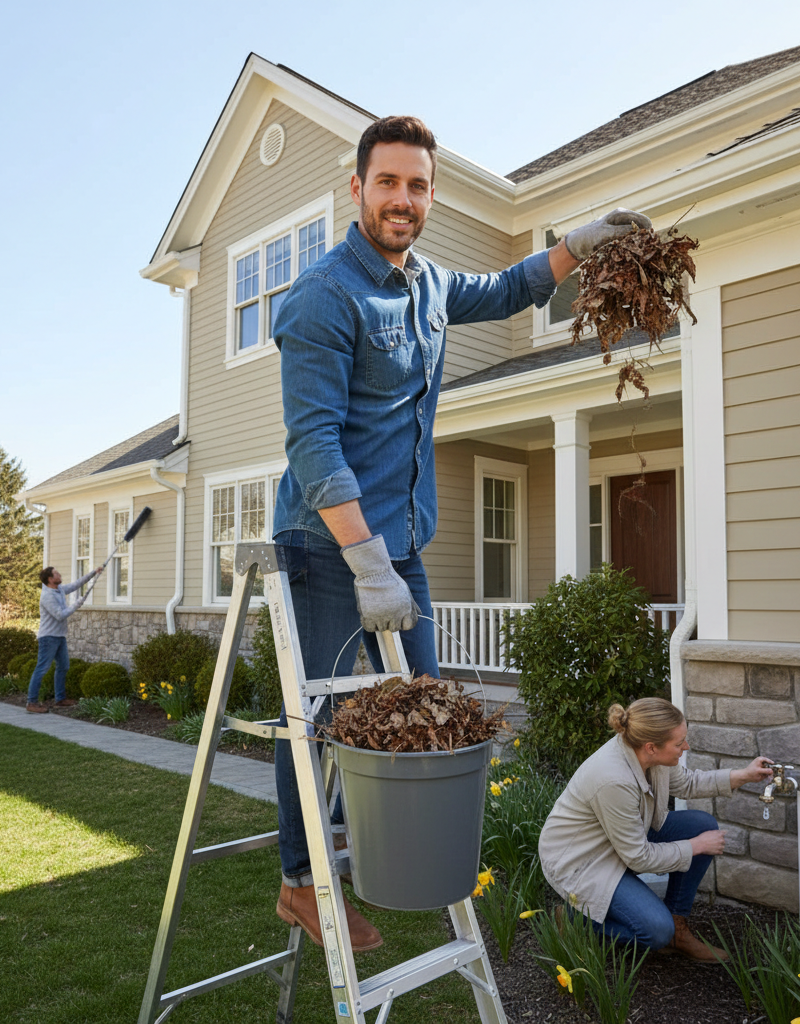
Clear Out the Gutters Properly – Don't just remove surface leaves.
- Wear heavy-duty work gloves and safety glasses. Use a sturdy ladder, ensuring it's on stable ground. Extend it at least 3 feet above the gutter line. Have a helper hold the ladder if possible.
- Remove all leaves, twigs, and shingle grit from the gutters. The goal is to clear the entire channel.
- If this doesn't work: Flush the gutters with a garden hose. If water still backs up, you likely have a clog in the downspout. Use a plumber's snake or a high-pressure nozzle attached to your hose to clear it. Watch for water flowing freely from the bottom of the downspout.
-
Replace Your Furnace Filter for Efficiency – Don't wait until winter.
- Locate your furnace's air filter slot (usually on the return air duct right before the furnace). Note the size (e.g., 20x25x1) and direction of the airflow arrow on the old filter.
- Turn off your furnace at the thermostat and the main power switch for safety.
- Remove the old, dirty filter and dispose of it. Insert a new filter, ensuring the airflow arrow points towards the furnace.
- Safety Note: Never run your furnace without a filter.
- If this doesn't work: If your furnace is still struggling or making unusual noises after a filter change, it may indicate a deeper issue requiring professional HVAC attention.
-
Seal Drafts Around Windows and Doors – Check all exterior openings.
- Light an incense stick or hold a lit candle near closed windows and doors on a breezy day. If the smoke wavers or the flame flickers, you have a draft.
- Inspect existing weatherstripping. If it's cracked, stiff, or compressed, replace it.
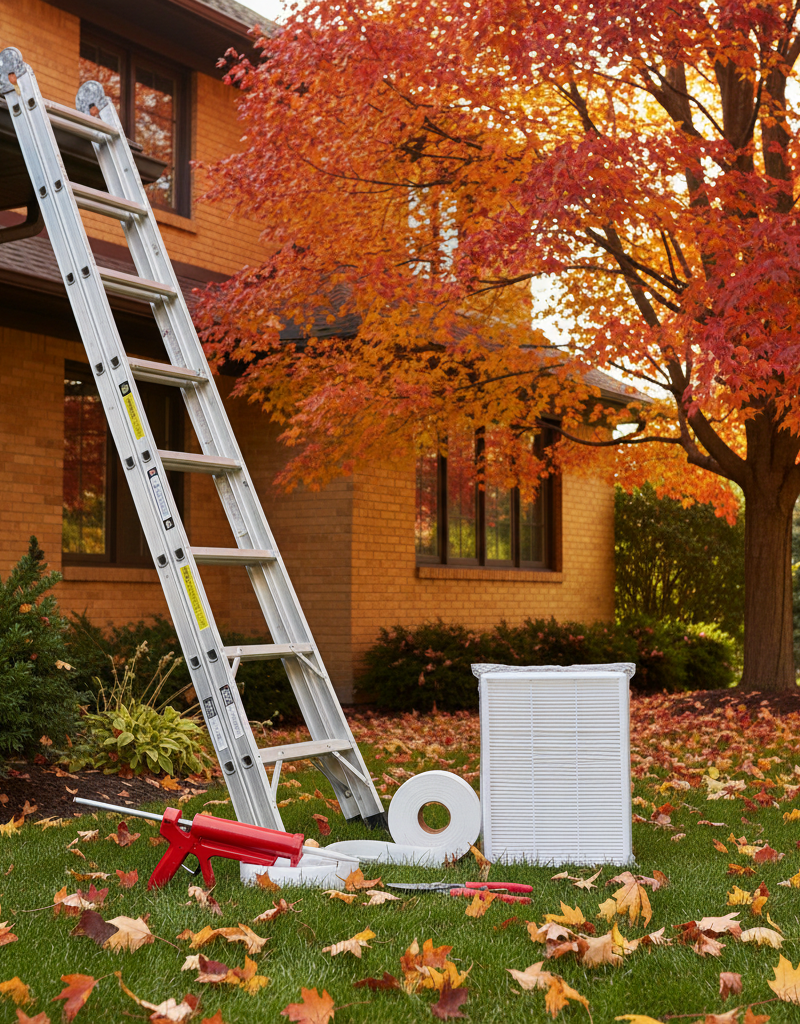
- For small gaps (less than 1/4 inch), use clear or paintable silicone caulk. For larger gaps, consider backer rod before caulking.
- Tools: Caulking gun, utility knife, caulk removal tool (if replacing old caulk).
-
Inspect Your Roof for Damage – Look for subtle signs of wear.
- From the ground with binoculars, visually inspect your roof for missing, cracked, curling, or loose shingles. Pay attention to areas around chimneys, skylights, and vents.
- Look for excessive shingle granules in your gutters – a sign that your shingles are deteriorating.
- Safety Note: Do not get on your roof unless you have proper safety equipment, training, and a spotter. If you see significant damage or are uncomfortable, call a professional.
- If this doesn't work: If you suspect damage but can't confirm it, or if you find significant issues, contact a licensed roofing contractor for a detailed inspection.
-
Check and Winterize Outdoor Faucets – Prevent burst pipes.
- Locate the shut-off valve for your outdoor faucets inside your basement or crawl space. Turn it off.
- Go outside and open the outdoor faucets to drain any remaining water. Leave them open.
- If this doesn't work: If your shut-off valve is leaky or won't fully close, you may need to replace the valve or have a plumber inspect your outdoor plumbing.
-
Test Carbon Monoxide Detectors – Crucial for safety.
- Locate all carbon monoxide detectors in your home (typically near sleeping areas and on each level).
- Press and hold the 'test' button on each unit until it sounds. This confirms the alarm is working. Replace batteries annually, or as recommended by the manufacturer.
- Tools: 9V or AA/AAA batteries, depending on your detector model.
- Safety Note: If your detector sounds without testing, evacuate immediately and call 911.
-
Service Your Lawn Mower and Store It Properly – Prepare for spring.
- Run the mower until it's out of fuel, or siphon out any remaining gasoline (unstable gas can damage the carburetor over winter).
- Remove the spark plug and pour a capful of engine oil into the cylinder, then gently pull the starter cord a few times to distribute it. Reinstall the spark plug.
- Clean the deck thoroughly, scraping off any grass clippings.
- If this doesn't work: If you're unsure about this process, many small engine repair shops offer winterization services.
Common Causes
- **Overlooking
Related Articles
Keep troubleshooting with these hand-picked guides from FixlyGuide:
- The 7 Critical Fall Maintenance Tasks 80% of Homeowners FORGET (and How to Do Them) — Don’t let costly winter repairs surprise you; proactive fall home maintenance protects your property and saves you money.
- The 7 Critical Fall Home Maintenance Mistakes (And How to Fix Them Now) — Discover the common fall home maintenance mistakes homeowners make and learn how to avoid them with this comprehensive guide to seasonal up…
- The 7 Critical Fall Home Maintenance Mistakes (And How to Avoid Them) — Don't let hidden issues surprise you this winter. Discover the critical fall home maintenance mistakes homeowners make and how to prevent c…
- The 7 Critical Spring Home Maintenance Tasks Most Homeowners Forget — Prepare your home for warmer weather and prevent costly repairs with a comprehensive spring maintenance checklist that goes beyond surface-…
- The 7 Critical Lawn Mistakes You're Making This Fall (And How to Fix Them) — Don't just rake leaves; a proper fall yard cleanup prevents winter damage and ensures a vibrant spring lawn. Learn the seven critical mista…
- The 7 Critical Mistakes Homeowners Make Thawing Frozen Pipes (And How to Fix Them) — Safely thawing a frozen pipe requires understanding common pitfalls and using the right techniques to prevent costly damage.
Your seasonal maintenance checklist
The small jobs that prevent the expensive repairs. Tick them off — progress saves on this device.
Free, no signup. Skip anything that requires roof access or working near live electrical.
Estimate your own project cost
National averages are a starting point. Enter your details for a range that fits your house.
Roof replacement cost
- Per square (installed)$604 – $866
Add $500–$2,500 if decking is rotten and needs replacement. Storm damage may be covered by insurance.
Educational estimate only — always confirm with written local bids.
What should this project cost?
Enter your project details for a realistic cost range before you call anyone.
Spot repairs commonly run $400–$1,800; full replacement typically $9,000–$18,000 for an average home.
- Regional adjustment
- National average
- Labor share (typical)
- ~$2,948
- Quotes to collect
- 3 written estimates
Educational estimate based on national averages — not a binding quote. Always confirm with written local estimates.
Fixly Project Decision Box
- DIY difficulty
- Professional Recommended
- Estimated time
- Inspection 1–2 hours · repairs 1–3 days
- Cost level
- High
Main tools / materials
- Binoculars for a ground-level look
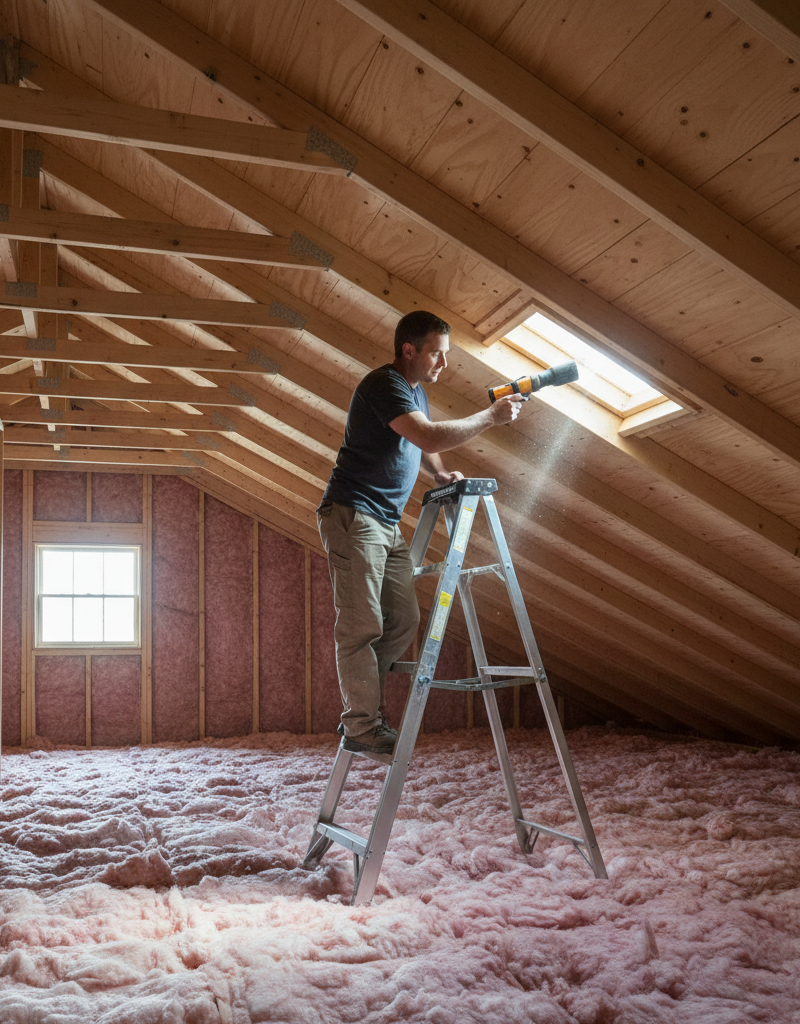
- Flashlight for attic checks
- Moisture meter
- Roofing cement (temporary patch only)
When to stop and call a pro
- Active leak near lights, fans, or any wiring
- Sagging, bulging, or water-filled ceiling
- Steep, wet, or two-story roof — do not climb it
- Storm or hail damage you plan to claim on insurance
Need professional help?
Free roof assessment first — no phone calls until you ask for them.
Get Local Roofing HelpDecide what your roof needs
Two minutes of questions turns "something is wrong up there" into a clear next step.
- Repair or replace your roof?Answer 10 questions about age, leaks, and damage to get a clear next step.Open
- Compare contractor quotesScore up to four bids on price, warranty, licensing, and timeline.Open
- Get local estimatesSend one request and compare written estimates from vetted pros.Open
Free, no signup required. Estimates are educational guidance, not a quote or an inspection.
Get the print-ready PDF of this guide
A clean, ad-free, printable version you can keep on your phone or pin to the workshop wall. Free with a FixlyGuide account.
- Print-optimized layout
- Tools, materials & every step included
- Saved to your account
Recommended for DIYers & woodworkers
Sponsored
The Top 20 Tools for Workshops of Any Budget
No stationary machines or power tools required — plus 3 fundamental tools that can't be bought at any price.
Get the free guide
Ted's Woodworking — The #1 Woodworking Resource
Detailed instructions, dimensioned drawings, materials & cutting lists, and 3D schematics for every skill level.
See the plansSponsored: links above are affiliate links. FixlyGuide may earn a commission on qualifying purchases — at no extra cost to you.
Frequently asked questions
How often should I clean my gutters?+
You should clean your gutters at least twice a year: once in late spring after tree pollen and seeds fall, and again in late fall after all the leaves have dropped. If you have many trees overhead, more frequent cleaning might be necessary.
What's the best type of furnace filter to use?+
The 'best' filter depends on your needs. MERV 8-11 filters offer a good balance of air filtration and airflow for most homes. Higher MERV ratings (12+) filter more particles but can restrict airflow, putting strain on older systems. Check your furnace manual for recommendations.
Can I use caulk to fix all drafts?+
Caulk is excellent for sealing stationary gaps around window and door frames (less than 1/4 inch). For gaps where surfaces move against each other (like around the sash of a window or the bottom of a door), weatherstripping is the more appropriate solution. Make sure to choose the right product for the specific gap.
How do I know if my roof needs repair?+
Look for cracked, curling, or missing shingles, especially after strong winds. Granules in the gutters are also a key indicator of shingle wear. Dark streaks could indicate algae, but underlying damage like soft spots or leaks in the attic point to more serious issues. If you see any of these signs, consider a professional inspection.
When should I call a professional for fall maintenance?+
While many fall tasks are DIY-friendly, call a professional for roof repairs if you're uncomfortable on a ladder or notice significant damage, for HVAC servicing beyond filter changes if your furnace is making strange noises, or for extensive tree trimming near power lines. Any task involving gas lines or major electrical work should always go to a licensed professional.
Discussion
Loading comments…