- Shingles that appear lifted or damaged.
- Debris collecting in valleys.
- Tree limbs touching the roof.
- Dark areas that weren't there before.
Plumbing · Leak
| Project category | Plumbing |
|---|---|
| Problem type | Leak |
| Trade required | Plumbing |
| Urgency | Emergency — act now |
| Safety risk | High safety risk |
| DIY suitability | DIY for experienced homeowners |
| Cost category | Low cost |
| Typical timeline | Shut water off now; repair usually same or next day |
| Contractor type | Licensed plumber |
Repair option
Isolate at the shutoff, replace the failed component, and dry the cavity fully.
Replacement option
Repipe the run or the branch when corrosion is widespread.
Common causes
- Failed supply line or shutoff valve
- Worn washers, cartridges, or P-trap connections
- Pinhole corrosion in older copper
Relevant tools:emergency checklistdiy or hire a pro
Published April 26, 2026Last updated September 12, 2026
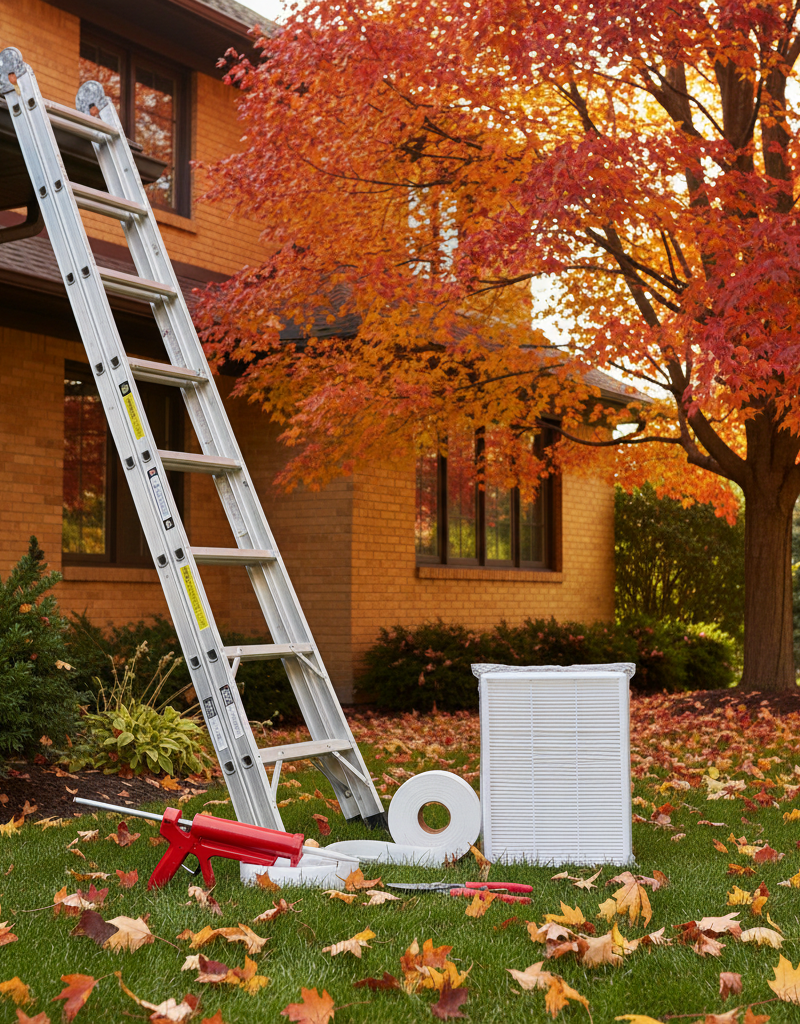
Tools & materials you'll need
Affiliate linksAs an Amazon Associate FixlyGuide earns from qualifying purchases — at no extra cost to you. Prices and availability are accurate as of publication and subject to change.
There is a short window every year when your house gives you an opportunity.
The air starts cooling down.
The AC finally gets a break.
Leaves begin falling.
And for a few weeks, nothing around the house feels particularly urgent.
That's exactly when you should start looking for problems.
Because the little issue you notice in September can become a very different problem in December.
A few damaged roof shingles can become a leak.
A clogged gutter can send water where it shouldn't go.
A small plumbing vulnerability can become a burst pipe during a freeze.
A heating system that hasn't run in months can decide not to start on the first cold night.
And a tiny gap around a door or window can make your HVAC system work harder all winter.
Recent fall-maintenance guidance is emphasizing two priorities in particular: keeping water out and keeping conditioned air in, with roof/gutter work, sealing drafts and heating-system checks among the jobs worth handling before colder weather arrives.
So before winter shows up, walk around your house with this checklist.
You might catch something now that saves you a much bigger headache later.
1. Look at Your Roof Before You Look at Your Gutters
You don't necessarily need to climb onto the roof.
In fact, most homeowners shouldn't.
Instead, stand safely on the ground and look for anything that appears different.
Watch for:
- Missing shingles.
- Shingles that appear lifted or damaged.
- Damaged flashing.
- Sagging areas.
- Debris collecting in valleys.
- Tree limbs touching the roof.
- Dark areas that weren't there before.
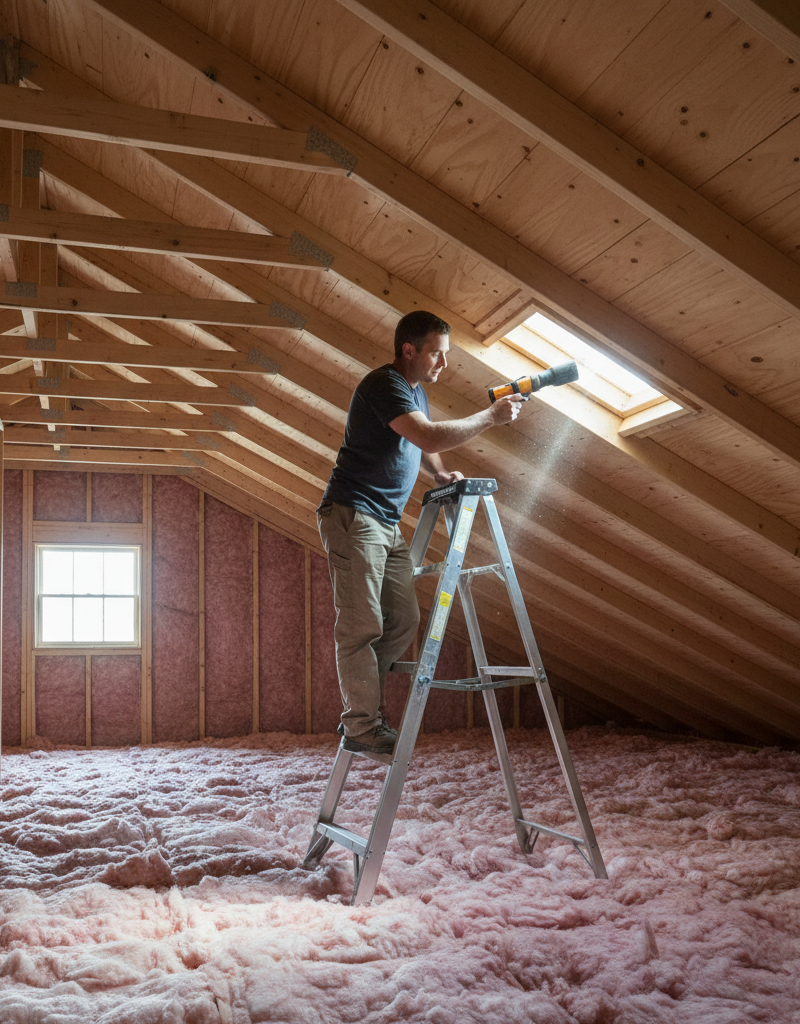
And if you have access to your attic, look for evidence of moisture, staining or daylight coming through areas where it shouldn't.
Fall is a particularly useful time to address roof problems because damaged shingles and flashing can allow water intrusion as seasonal weather worsens.
Fixly Guide rule: Don't wait for a roof problem to introduce itself from inside your house. Once you see a ceiling stain, water has already made it past something. If something looks suspicious, have a qualified roofer evaluate it.
2. Clean the Gutters—and Watch Where the Water Goes
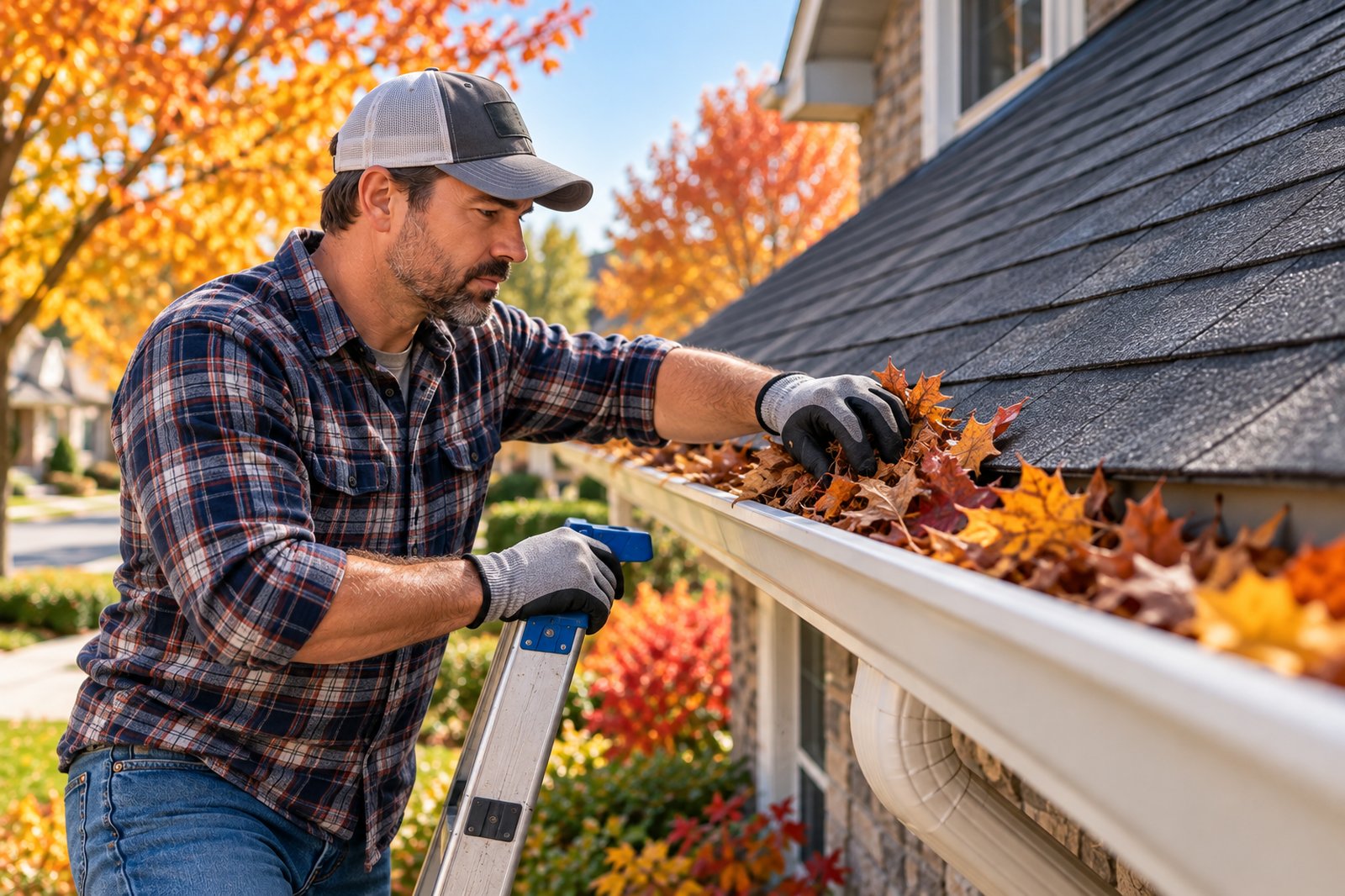
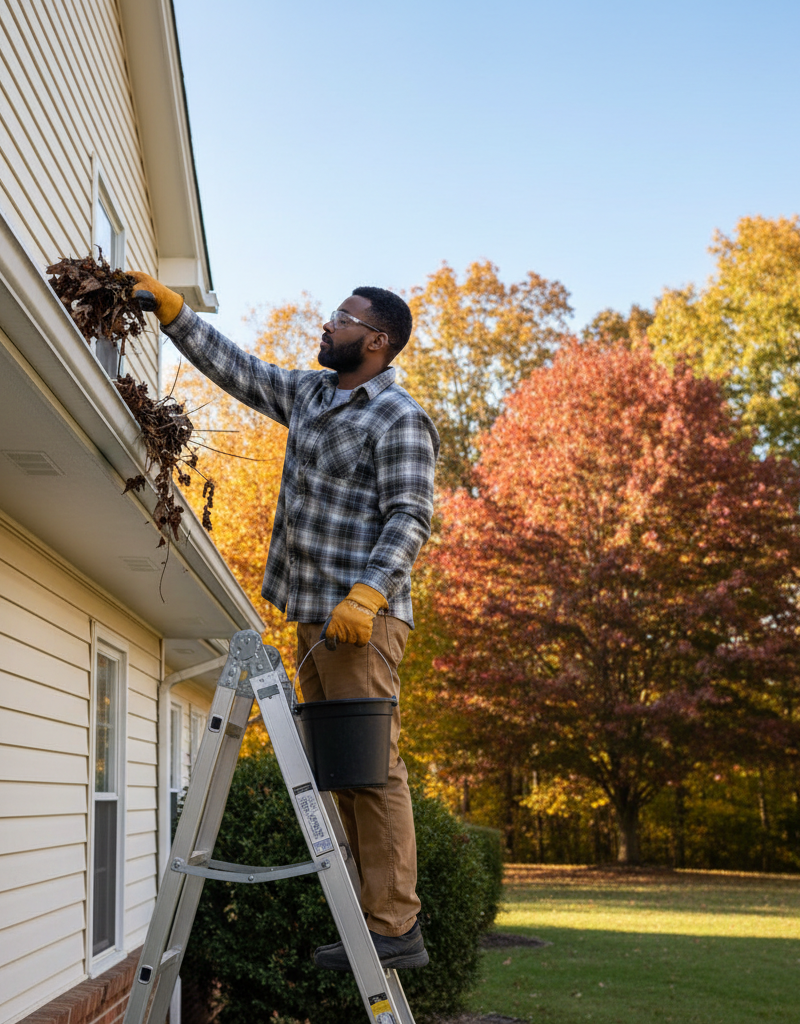
Cleaning leaves out of your gutters is obvious.
What homeowners sometimes miss is what happens after the water leaves the gutter.
Check:
- Gutter debris.
- Loose gutters.
- Sagging sections.
- Disconnected downspouts.
- Leaks around gutter seams.
- Downspouts dumping water directly beside the foundation.
- Soil erosion below downspouts.
- Standing water near the house.
The job of your gutter system isn't simply to collect rain. It's to move water away from your home.
Recent contractor guidance specifically highlights clearing gutters and extending downspouts so water doesn't accumulate near foundations.
After a good rain, walk outside. You may learn more in five minutes than you would staring at dry gutters for an hour.
3. Turn Your Heat On Before You Actually Need It
This one is easy to procrastinate on in Texas. It's 85 degrees outside. Why would you turn the heat on?
Because you don't want the first time you test it to be the night everyone else in DFW discovers theirs isn't working either.
September is already being highlighted as an important period for heating-system preparation before the seasonal service rush.
Choose a cooler morning and test the system. Listen. Smell. Watch.
Does it start normally? Does warm air come through the vents? Does the blower sound different? Does it shut off unexpectedly? Does the system repeatedly start and stop?
A brief dusty smell when heat first runs after sitting unused can occur, but persistent burning odors, smoke, electrical smells, unusual noises or other abnormal behavior deserve attention.
Don't wait for the first freezing night to discover your heating system has a problem.
4. Replace or Check the HVAC Filter
It might be the least exciting item on this list. It's also one of the easiest.
Pull the filter out and inspect it. If it's dirty and due for replacement, replace it with the correct type recommended for your system.
A severely restricted filter can affect airflow and make the HVAC system work harder.
While you're there, look around. Anything leaking? Anything unusually dirty? Any strange noises? Any obvious damage?
You aren't trying to become an HVAC technician. You're looking for something that changed.
5. Check Windows and Exterior Doors for Air Leaks
Walk around your home and inspect:
- Door weatherstripping.
- Window caulking.
- Exterior trim.
- Cracked seals.
- Visible gaps.
- Loose door sweeps.
- Places where daylight appears around an exterior door.
Weatherstripping and caulking around windows and doors are common fall-maintenance targets because damaged seals can allow drafts and moisture intrusion.
Here's an important distinction: A draft doesn't automatically mean you need new windows. Sometimes the problem is much simpler.
Diagnose first. Spend second.
6. Check Outdoor Faucets and Exposed Plumbing
DFW homeowners know how this story goes. Texas can feel like summer... right up until it doesn't.
Don't wait for a freeze warning to suddenly remember the outdoor plumbing.
Inspect:
- Outdoor faucets.
- Exposed pipes.
- Pipes in garages.
- Irrigation components.
- Damaged hose bibs.
- Leaking faucets.
- Pipe insulation.
And know where your main water shutoff is located.
Recent fall plumbing recommendations include checking exterior faucets, vulnerable pipes and the main shutoff before freezing weather arrives.
Knowing how to shut your water off before an emergency is far better than learning during one.
7. Look Under Every Sink
This takes about ten minutes. Open the cabinet. Use a flashlight. Look around the supply lines, drain connections, garbage disposal, cabinet floor and back wall.
Touch suspicious areas. Look for:
- Moisture.
- Swollen cabinet material.
- Water stains.
- Rust.
- Mineral buildup.
- Musty odors.
- Dripping.
A plumbing leak doesn't have to create a puddle in the middle of your kitchen to cause damage. Sometimes the first clue is a cabinet floor that feels slightly different.
8. Check Around Your Toilets
Put your hand on the toilet and gently check whether it feels stable. It shouldn't rock.
Then look around the base. Do you see:
- Water?
- Discoloration?
- Damaged flooring?
- Soft flooring?
- A recurring smell?
- Movement?
A toilet that rocks can eventually compromise the seal beneath it. That's the kind of small problem homeowners ignore because the toilet still works.
"Still works" and "nothing is wrong" aren't the same thing.
9. Look at Your Water Heater
Don't start taking it apart. Just inspect the area.
Look for:
- Water underneath it.
- Rust.
- Corrosion.
- Moisture around connections.
- Unusual noises.
- Changes in hot-water performance.
- Signs of leakage.
And check the age if you know it.
Water-heater maintenance is another task currently appearing in fall plumbing guidance.
If something appears wrong, have it evaluated rather than experimenting with components you aren't familiar with.
10. Walk Around Your Foundation
Here's another job that costs nothing. Walk slowly around the house. You're looking for changes, not perfection.
Notice:
- New cracks.
- Cracks that appear larger.
- Soil pulling away.
- Standing water.
- Erosion.
- Drainage problems.
- Downspouts dumping beside the foundation.
- Doors or windows suddenly behaving differently inside the house.
One crack does not automatically mean you have a foundation disaster. That's important. Don't diagnose an entire foundation from one crack.
But changes occurring together deserve attention. Photograph anything questionable. Put a date on it. Then compare later. Documentation is incredibly useful when you're trying to determine whether something is actually changing.
11. Check Your Exterior Siding and Trim
Walk around the exterior and look for:
- Loose siding.
- Cracks.
- Missing pieces.
- Rotting wood.
- Soft trim.
- Peeling paint.
- Gaps around penetrations.
- Failed caulk.
- Places where animals or insects could enter.
Fall contractor recommendations include repairing damaged siding and exterior gaps before colder, wetter weather makes existing problems worse.
Again: You're looking for what changed.
12. Look Up at Your Trees
Now step farther away from the house. Look at the trees. Are large branches hanging over:
- Your roof?
- Power lines?
- Driveway?
- Vehicles?
- Fence?
- Deck?
- Outdoor HVAC equipment?
Dead or damaged limbs can become a bigger concern during storms and high winds, and fall maintenance guidance commonly recommends dealing with dangerous overhanging branches before winter weather.
Large tree work isn't a good DIY experiment. If a limb is substantial, high, near electrical lines or could strike a structure, get a qualified professional involved.
13. Inspect Your Driveway, Walkways and Concrete
A tiny crack may not seem worth thinking about. But water loves cracks.
Inspect:
- Driveway cracks.
- Uneven concrete.
- Walkway movement.
- Steps.
- Patio cracks.
- Areas collecting water.
- Trip hazards.
- Expansion joints.
Freeze-thaw cycles can make existing driveway damage worse in colder climates, which is why filling cracks before winter appears on current fall-preparation lists.
In DFW, drainage and soil movement deserve attention too.
You don't need to panic over every hairline crack. You do want to notice when something is getting worse.
14. Test Smoke and Carbon Monoxide Alarms
This might be the most important five minutes on the entire list.
Test the alarms according to the manufacturer's instructions. Check whether units or batteries are due for replacement. And make sure alarms haven't been removed or disabled.
Heating season makes carbon monoxide awareness especially important in homes with fuel-burning appliances.
This isn't really a home-improvement project. It's a safety check. Don't skip it.
15. Do One Final 15-Minute Walkaround
Here's the part we want Fixly Guide readers to remember.
Don't carry a giant checklist. Don't bring tools. Don't try to diagnose anything.
Put your phone in your pocket and walk around the property. Look. Listen. Smell.
Ask yourself: "What looks different than it did six months ago?"
Maybe it's nothing. But perhaps you notice:
- A stain.
- A crack.
- A loose gutter.
- A soft board.
- A dripping pipe.
- A leaning fence.
- A strange HVAC sound.
- A warm outlet.
- Water pooling beside the foundation.
- Peeling exterior paint.
- A damaged roof shingle.
Houses usually give clues before problems become emergencies. The trick is noticing them.
What Should You DIY—and What Should You Leave to a Professional?
A fall checklist doesn't mean you should repair everything yourself.
Many homeowners can safely handle basic tasks such as changing appropriate filters, visually inspecting accessible areas, checking weatherstripping, cleaning safely accessible debris or documenting cracks.
But some work belongs with professionals:
- Electrical problems.
- Gas appliances.
- Significant roof repairs.
- Major plumbing leaks.
- Structural concerns.
- Large tree removal.
- HVAC repairs.
- Anything involving a serious fall hazard.
- And anything you're simply not qualified or comfortable doing.
Knowing when not to DIY is part of being a good homeowner.
Which Contractors Might You Need This Fall?
Depending on what your walkthrough uncovers, you may need a:
- HVAC technician — heating or cooling problems.
- Roofer — damaged shingles, flashing or leaks.
- Plumber — leaks, water-heater problems or vulnerable piping.
- Electrician — tripping breakers, hot outlets, flickering lights or other electrical concerns.
- Gutter professional — damaged, sagging or poorly draining gutters.
- Foundation professional — concerning movement or changing structural symptoms.
- Painter or siding contractor — deteriorated exterior surfaces.
- Landscaper or tree professional — drainage issues or dangerous limbs.
- Handyman — smaller repairs and maintenance projects.
And that's exactly where we're taking Fixly Guide.
We're building our Dallas-Fort Worth contractor network so homeowners can move from "I found a problem." to "I understand it." to "Now I know who I need to call."
DFW contractor? Learn about the Fixly Guide DFW Founding Contractor Program.
Frequently Asked Questions
When should I start fall home maintenance?
September and early fall are excellent times because exterior work and heating-system preparation can be addressed before colder weather and before some contractors hit their seasonal rush.
What's the most important fall maintenance?
Prioritize problems involving water, heating and safety. Roofs, gutters, drainage, plumbing vulnerabilities, heating equipment and safety alarms deserve particular attention.
Should I have my HVAC system serviced every fall?
Follow the maintenance schedule recommended by your equipment manufacturer and HVAC professional. Fall is a practical time to evaluate heating performance before you depend on the system daily.
Should I climb onto my roof to inspect it?
Usually, no. A homeowner can learn a lot from a safe ground-level inspection. Anything requiring roof access introduces fall risk and may be better handled by a professional.
What if I find something I'm unsure about?
Take photos, document when you noticed it and get an appropriate professional opinion if necessary. Don't automatically assume the worst—and don't ignore something that's clearly changing.
The Fixly Guide Fall Rule
You don't need to spend thousands of dollars preparing your house for winter.
You don't need to replace things simply because they're old.
And you don't need to panic over every crack, noise or stain.
Instead: Look for changes. Find the cause. Fix small problems before they become big ones.
That's what good home maintenance really is.
And if your fall walkthrough uncovers something that needs professional attention, Fixly Guide is building a network of qualified local contractors across Dallas-Fort Worth to help homeowners find the right professional for the job.
Homeowners: What is the one home-maintenance job you keep putting off?
Contractors: What's the one thing you wish homeowners would check every fall before it turns into a service call?
Follow Fixly Guide for practical homeowner advice, repair costs, contractor tips, warning signs, and the things worth knowing before you spend money on your home.
Your seasonal maintenance checklist
The small jobs that prevent the expensive repairs. Tick them off — progress saves on this device.
Free, no signup. Skip anything that requires roof access or working near live electrical.
Estimate your own project cost
National averages are a starting point. Enter your details for a range that fits your house.
HVAC replacement cost
- Equipment$2,200 – $3,800
- Installation labor$1,200 – $2,500
Always insist on a Manual J load calculation — sq-ft sizing is only a rough check. Federal heat-pump rebates may reduce cost significantly.
Educational estimate only — always confirm with written local bids.
What should this project cost?
Enter your project details for a realistic cost range before you call anyone.
Service calls and common repairs run $150–$900; full system replacement typically $6,000–$12,000.
- Regional adjustment
- National average
- Labor share (typical)
- ~$1,935
- Quotes to collect
- 3 written estimates
Educational estimate based on national averages — not a binding quote. Always confirm with written local estimates.
Decide what your roof needs
Two minutes of questions turns "something is wrong up there" into a clear next step.
- Repair or replace your roof?Answer 10 questions about age, leaks, and damage to get a clear next step.Open
- Compare contractor quotesScore up to four bids on price, warranty, licensing, and timeline.Open
- Get local estimatesSend one request and compare written estimates from vetted pros.Open
Free, no signup required. Estimates are educational guidance, not a quote or an inspection.
Frequently asked questions
When should I start fall home maintenance?+
September and early fall are excellent times because exterior work and heating-system preparation can be addressed before colder weather and before some contractors hit their seasonal rush.
What's the most important fall maintenance?+
Prioritize problems involving water, heating and safety. Roofs, gutters, drainage, plumbing vulnerabilities, heating equipment and safety alarms deserve particular attention.
Should I have my HVAC system serviced every fall?+
Follow the maintenance schedule recommended by your equipment manufacturer and HVAC professional. Fall is a practical time to evaluate heating performance before you depend on the system daily.
Should I climb onto my roof to inspect it?+
Usually, no. A homeowner can learn a lot from a safe ground-level inspection. Anything requiring roof access introduces fall risk and may be better handled by a professional.
What if I find something I'm unsure about?+
Take photos, document when you noticed it and get an appropriate professional opinion if necessary. Don't automatically assume the worst—and don't ignore something that's clearly changing.
Discussion
Loading comments…