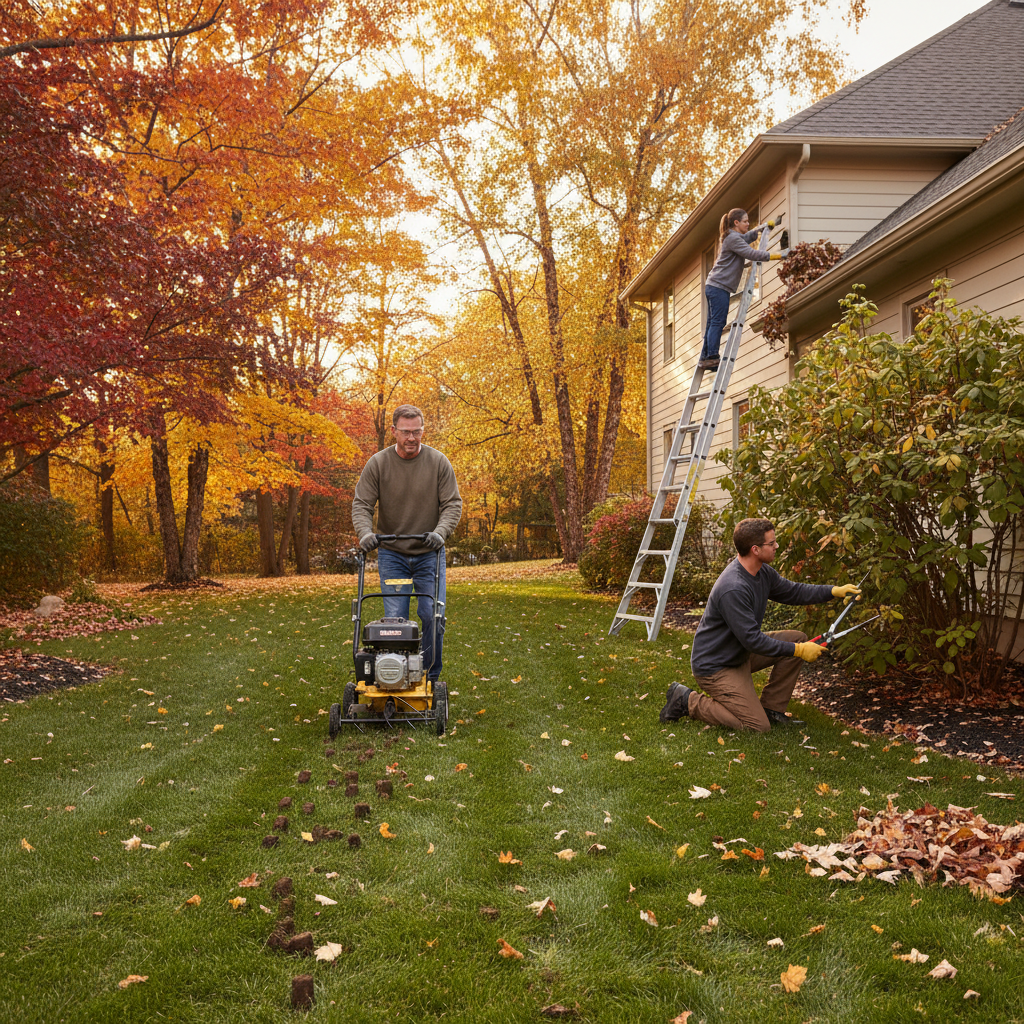
- Why it's overlooked: Many homeowners think aeration is only for severely struggling lawns or is too much effort.
- When to do it: Late August to early October, when daytime temperatures are consistently below 70°F (21°C) but before the first hard frost.
- Safety first: Wear closed-toe shoes. If renting equipment, understand its operation and safety features fully before starting.
- Prepare the lawn: Mow your lawn to a slightly lower height (around 2 inches). Ensure the soil is moist but not waterlogged—water it a day or two before if dry.
- Overseed: Immediately after aeration, spread high-quality grass seed over the aerated areas. Use a broadcast spreader for even distribution. Apply at the recommended rate for overseeding (check seed packaging).
General remodeling · Renovation planning
| Project category | General remodeling |
|---|---|
| Problem type | Renovation planning |
| Trade required | General contracting |
| Urgency | Planned project |
| Safety risk | Low safety risk |
| DIY suitability | Pro recommended |
| Cost category | Major investment |
| Typical timeline | Design and permitting often 2–4 months before work starts |
| Contractor type | General contractor |
Repair option
Phase the work and fix the building envelope first.
Replacement option
Full renovation with permits, design, and a general contractor.
Common causes
- Space no longer fits how the household lives
- Resale preparation
- Deferred maintenance stacking up
Relevant tools:project cost estimatorcompare quoteshome improvement material prices
Published May 13, 2026Last updated August 17, 2026
Tools & materials you'll need
Affiliate linksAs an Amazon Associate FixlyGuide earns from qualifying purchases — at no extra cost to you. Prices and availability are accurate as of publication and subject to change.
Quick Answer
Effective fall yard cleanup goes beyond simple leaf raking, encompassing critical tasks like aerating and overseeding your lawn, properly fertilizing, clearing gutters, pruning specific shrubs, and winterizing irrigation. These often-forgotten steps are crucial for preventing costly damage, promoting healthier growth in spring, and reducing spring maintenance efforts.
The Problem
As autumn leaves turn brilliant shades and then drop, many homeowners see fall yard cleanup as a straightforward task: rake leaves, maybe mow one last time. However, this minimalist approach leaves your lawn and landscape vulnerable to winter's harsh conditions. Neglecting crucial steps like aeration, proper fertilization, gutter cleaning, and specific pruning can lead to compacted soil, nutrient deficiencies, clogged drains, pest infestations, and frost damage, resulting in an unhealthy landscape in spring and a lot more work (and expense) to bring it back to life. Skipping these preventative measures can translate to dead patches in your lawn, struggling plants, ice dams on your roof, and even foundation issues down the line.
How It Works
Understanding the 'why' behind fall yard cleanup makes the 'what' and 'how' more logical. During the fall, plants and turfgrass prepare for dormancy. This period, specifically late summer to early fall, is crucial for root development. Cool temperatures and often moist soil create ideal conditions for grass roots to grow deeper, storing energy for the winter ahead. Aeration involves mechanically removing small plugs of soil, which relieves compaction, allows air, water, and nutrients to penetrate the root zone more effectively, and promotes deeper root growth. Overseeding, ideally done immediately after aeration, introduces new grass seeds directly into these opened channels, improving turf density and filling in bare spots.
Fertilizing in the fall with a 'winterizer' blend, typically higher in potassium, strengthens root systems and improves cold hardiness. It's not about encouraging top growth, but rather about nutrient storage within the roots. Clearing gutters prevents the accumulation of leaves and debris that can trap moisture and cause ice dams when temperatures drop below freezing. These dams force melted snow under shingles, leading to water damage inside your home. Proper pruning of certain deciduous shrubs and trees removes dead or diseased branches, preventing winter damage and promoting healthier growth in spring. Lastly, winterizing irrigation systems involves blowing out all the water lines with compressed air to prevent freezing and bursting pipes, a costly repair.
Step-by-Step Fix
Here are five critical fall yard cleanup tasks many homeowners overlook, with detailed steps to ensure your yard thrives through winter and bursts into life in spring.
1. Aerate and Overseed Your Lawn — Replenish your turf and fill bare spots.
- Why it's overlooked: Many homeowners think aeration is only for severely struggling lawns or is too much effort.
- When to do it: Late August to early October, when daytime temperatures are consistently below 70°F (21°C) but before the first hard frost.
- Safety first: Wear closed-toe shoes. If renting equipment, understand its operation and safety features fully before starting.
- Steps:
- Prepare the lawn: Mow your lawn to a slightly lower height (around 2 inches). Ensure the soil is moist but not waterlogged—water it a day or two before if dry.
- Aerate: Use a core aerator (rentable from equipment rental stores) to pull out plugs of soil. Make 1–2 passes over the entire lawn, especially compacted areas. The goal is 20 plugs per square foot. Leave the soil plugs on the lawn to decompose, returning nutrients.
- Overseed: Immediately after aeration, spread high-quality grass seed over the aerated areas. Use a broadcast spreader for even distribution. Apply at the recommended rate for overseeding (check seed packaging).
- Fertilize (optional but recommended): Apply a starter fertilizer (higher in phosphorus) to help new seeds establish. Follow product instructions carefully.
- Water deeply: Water the newly seeded lawn gently but thoroughly, keeping the top inch or two of soil consistently moist for the next 2-3 weeks. Avoid heavy watering that can wash away seeds.
2. Apply Winterizer Fertilizer — Strengthen roots for winter survival.
- Why it's overlooked: Homeowners often stop fertilizing in early fall or use a general-purpose fertilizer that isn't optimized for winter prep.
- When to do it: Late fall, 4-6 weeks before the ground freezes solid. Typically late October to mid-November in many regions.
- Steps:
- Choose the right fertilizer: Select a 'winterizer' fertilizer, which typically has a higher potassium (K) content (look for the third number in the NPK ratio, e.g., 10-0-20). This nutrient strengthens root systems and enhances cold hardiness.
- Mow first: Mow your lawn to its regular height before applying fertilizer.
- Spread evenly: Use a broadcast or drop spreader for uniform application. Always follow the manufacturer's recommended application rates precisely to avoid burning your lawn.
- Water in: Lightly water the lawn after application to help the fertilizer penetrate the soil and prevent runoff.
3. Clear Gutters and Downspouts Thoroughly — Prevent ice dams and foundation damage.
- Why it's overlooked: A dirty, undesirable task that is often put off until winter problems arise.
- Safety first: Always use a sturdy, stable ladder. Have someone spot you. Wear gloves. Be aware of electrical lines and don't overreach. If your roof is steep or you're uncomfortable, hire a professional.
- Steps:
- Gather tools: Get a sturdy ladder, work gloves, a small trowel or scoop, and a bucket for debris.
- Remove large debris: Starting at one end, scoop out handfuls of leaves, twigs, and other debris from the gutters. Work your way along the entire gutter run, placing debris into your bucket.
- Flush with water: Once all visible debris is removed, use a garden hose to flush water through the gutters and downspouts. Watch closely to ensure water flows freely out of the downspout exit.
- Check for clogs: If water backs up or doesn't flow, a downspout might be clogged. You can try flushing with higher water pressure or use a plumber's snake to dislodge blockages. If it persists, detach the downspout for inspection.
- Inspect for damage: While up there, check gutters and downspouts for any loose hangers, leaks, or damage that needs repair. Now is the time to address them before winter.
4. Prune Specific Shrubs and Small Trees — Promote health and prevent winter damage.
- Why it's overlooked: General advice often says to prune in spring, but many don't realize some plants benefit from fall pruning.
- When to do it: Late fall, after deciduous plants have lost their leaves and are entering dormancy. Avoid pruning spring-flowering shrubs (like lilacs or forsythia) in fall, as you'll remove next year's blooms. Focus on summer-blooming shrubs (e.g., hydrangea, spirea) and dead/diseased branches.
- Safety first: Use sharp, clean pruning tools. Wear gloves and eye protection. For large branches, use a pole saw and ensure you have a clear landing zone.
- Steps:
- Identify target plants: Focus on removing dead, diseased, or damaged branches. Also, prune back summer-flowering shrubs that bloom on new wood (e.g., panicle hydrangeas, bush roses, spirea) to shape them or control size. Remove any rubbing or crossing branches.
- Clean tools: Sanitize your pruners, loppers, and saw with rubbing alcohol or a bleach solution (1 part bleach to 9 parts water) before and after pruning each plant to prevent disease spread.
- Make proper cuts: Cut branches just outside the branch collar (the slightly swollen area where the branch meets the main stem or another branch) or at a bud facing outward. Avoid leaving stubs.
- Dispose of diseased material: Bag and dispose of any diseased plant material to prevent pathogens from overwintering.
5. Winterize Your Irrigation System — Prevent costly pipe bursts.
- Why it's overlooked: The system works fine in summer, so many forget about crucial winter preparation until it's too late.
- When to do it: Before the first hard freeze, typically late October to early November, depending on your climate.
- Safety first: This task involves compressed air and potentially high pressure. Incorrect blow-out procedures can damage the irrigation system or cause serious injury. If you are not experienced, call a professional. Never stand over components while blowing out. Wear eye protection.
- Steps (for DIYers with an air compressor):
- Turn off water supply: Locate the main shut-off valve for your irrigation system and turn it off.
- Drain the backflow preventer: Open the test cocks (small valves) on your backflow preventer to drain any standing water. Close them again afterward.
- Connect air compressor: Attach an air compressor to the designated
Related Articles
Keep troubleshooting with these hand-picked guides from FixlyGuide:
- The 7 Critical Spring Home Tasks Most Homeowners Forget (And Why You Shouldn't) — Don’t just prune bushes; tackle these often-overlooked spring maintenance items to protect your home’s value and prevent costly repairs.
- The #1 Mistake Homeowners Make with Ice Dams (and How to Fix It SAFELY) — Most homeowners approach ice dam removal incorrectly, creating more damage or safety risks. Learn the right, safe methods to protect your r…
- The 5 Autumn Lawn Mistakes That Invite Winter Pests (And How to Fix Them in 90 Minutes) — Ignoring these crucial fall yard cleanup steps can create a perfect breeding ground for pests, leading to costly problems come spring.
- The 7 Sneaky Home Problems Spring Reveals (Before They Cost You Thousands) — Spring weather can expose hidden issues around your home that could lead to costly repairs if not addressed proactively.
- The $30 Secret to Banishing Ice Dams Without Damaging Your Roof — Discover how a simple, inexpensive trick can safely eliminate dangerous ice dams from your roof and prevent costly damage to your home.
- The #1 Mistake Killing Your Lawn (And How to Eradicate Clover, The RIGHT Way) — Discover how to eliminate stubborn clover from your lawn effectively without harming your grass, using targeted strategies and proper lawn…
Your seasonal maintenance checklist
The small jobs that prevent the expensive repairs. Tick them off — progress saves on this device.
Free, no signup. Skip anything that requires roof access or working near live electrical.
What should this project cost?
Enter your project details for a realistic cost range before you call anyone.
Cost depends heavily on which system turns out to be the source.
- Regional adjustment
- National average
- Labor share (typical)
- ~$1,620
- Quotes to collect
- 3 written estimates
Educational estimate based on national averages — not a binding quote. Always confirm with written local estimates.
Decide what your roof needs
Two minutes of questions turns "something is wrong up there" into a clear next step.
- Repair or replace your roof?Answer 10 questions about age, leaks, and damage to get a clear next step.Open
- Compare contractor quotesScore up to four bids on price, warranty, licensing, and timeline.Open
- Get local estimatesSend one request and compare written estimates from vetted pros.Open
Free, no signup required. Estimates are educational guidance, not a quote or an inspection.
Get the print-ready PDF of this guide
A clean, ad-free, printable version you can keep on your phone or pin to the workshop wall. Free with a FixlyGuide account.
- Print-optimized layout
- Tools, materials & every step included
- Saved to your account
Recommended for DIYers & woodworkers
Sponsored
The Top 20 Tools for Workshops of Any Budget
No stationary machines or power tools required — plus 3 fundamental tools that can't be bought at any price.
Get the free guide
Ted's Woodworking — The #1 Woodworking Resource
Detailed instructions, dimensioned drawings, materials & cutting lists, and 3D schematics for every skill level.
See the plansSponsored: links above are affiliate links. FixlyGuide may earn a commission on qualifying purchases — at no extra cost to you.
Frequently asked questions
When is the best time to aerate and overseed my lawn in the fall?+
The ideal window for fall aeration and overseeding is late August to early October, when daytime temperatures are consistently below 70°F (21°C) but before the first hard frost. This allows new grass seeds sufficient time to germinate and establish roots before winter dormancy.
Should I rake all my leaves or can I mulch some into the lawn?+
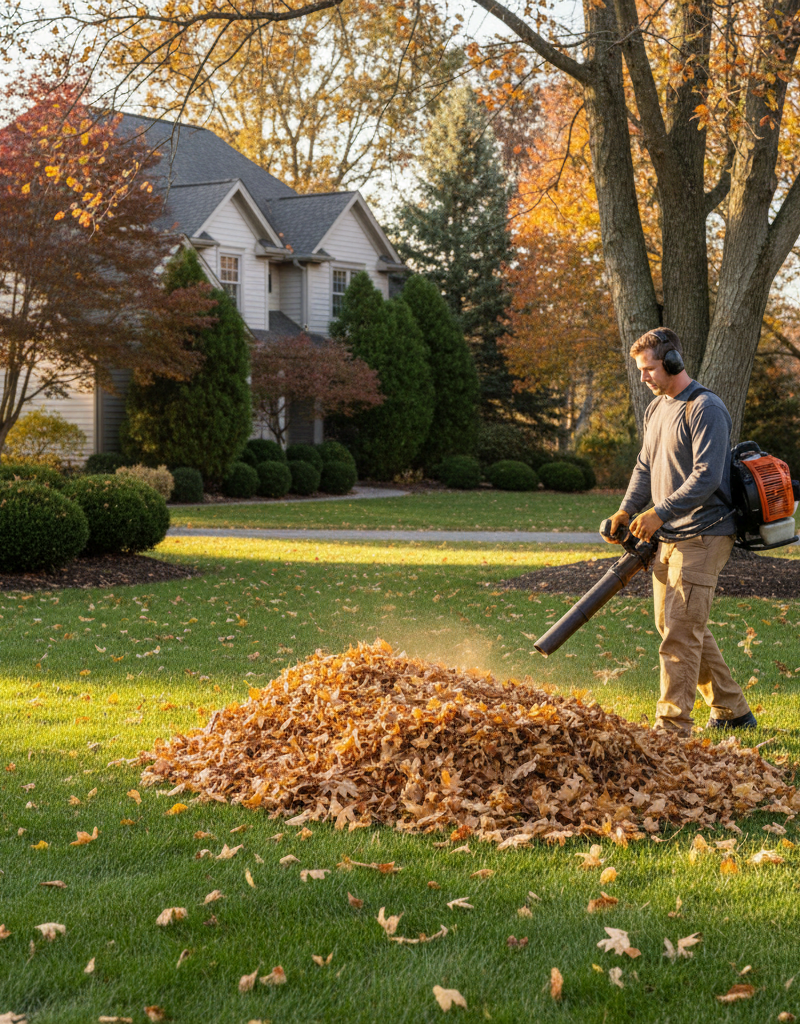
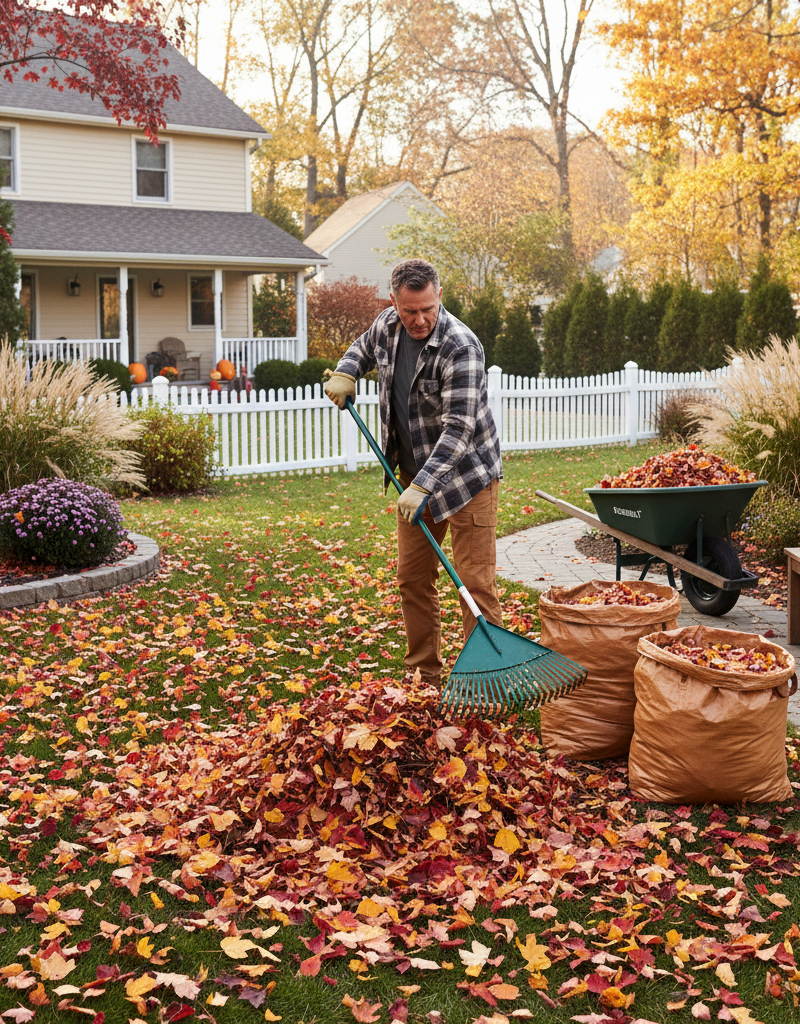
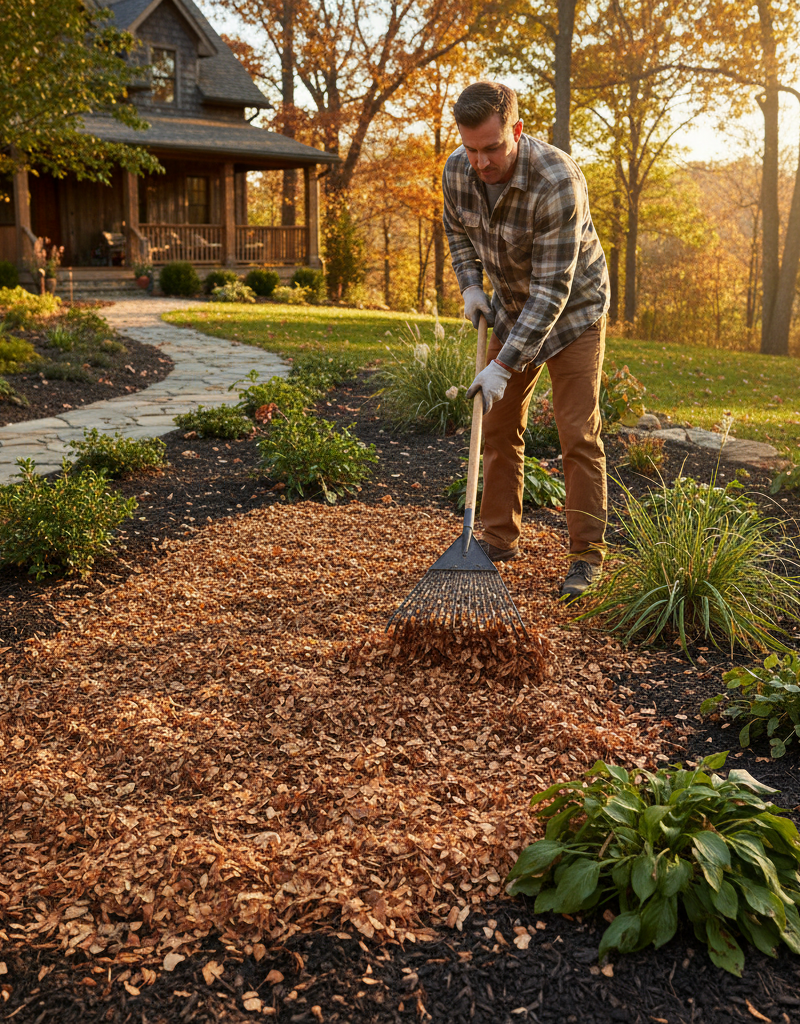
While it's important to remove thick layers of leaves that can smother your lawn, a thin layer can be mulched with a lawnmower and left to decompose. This returns valuable nutrients to the soil. However, ensure mulched leaves are finely shredded and don't form a suffocating mat.
What's the difference between a regular fertilizer and a 'winterizer'?+
Regular fertilizers often focus on promoting spring and summer growth (higher nitrogen). A 'winterizer' fertilizer is specifically formulated for fall, typically with a higher potassium content. Potassium strengthens the grass's root system, improves cold hardiness, and helps it better withstand winter stress.
Can I prune all my shrubs in the fall?+
No, not all shrubs should be pruned in the fall. Fall pruning is best for removing dead, diseased, or damaged branches, and for shaping summer-blooming shrubs that flower on new wood (e.g., hydrangeas, spirea). Avoid pruning spring-flowering shrubs (e.g., lilacs, forsythia) in the fall, as you will cut off next year's flower buds.
Discussion
Loading comments…