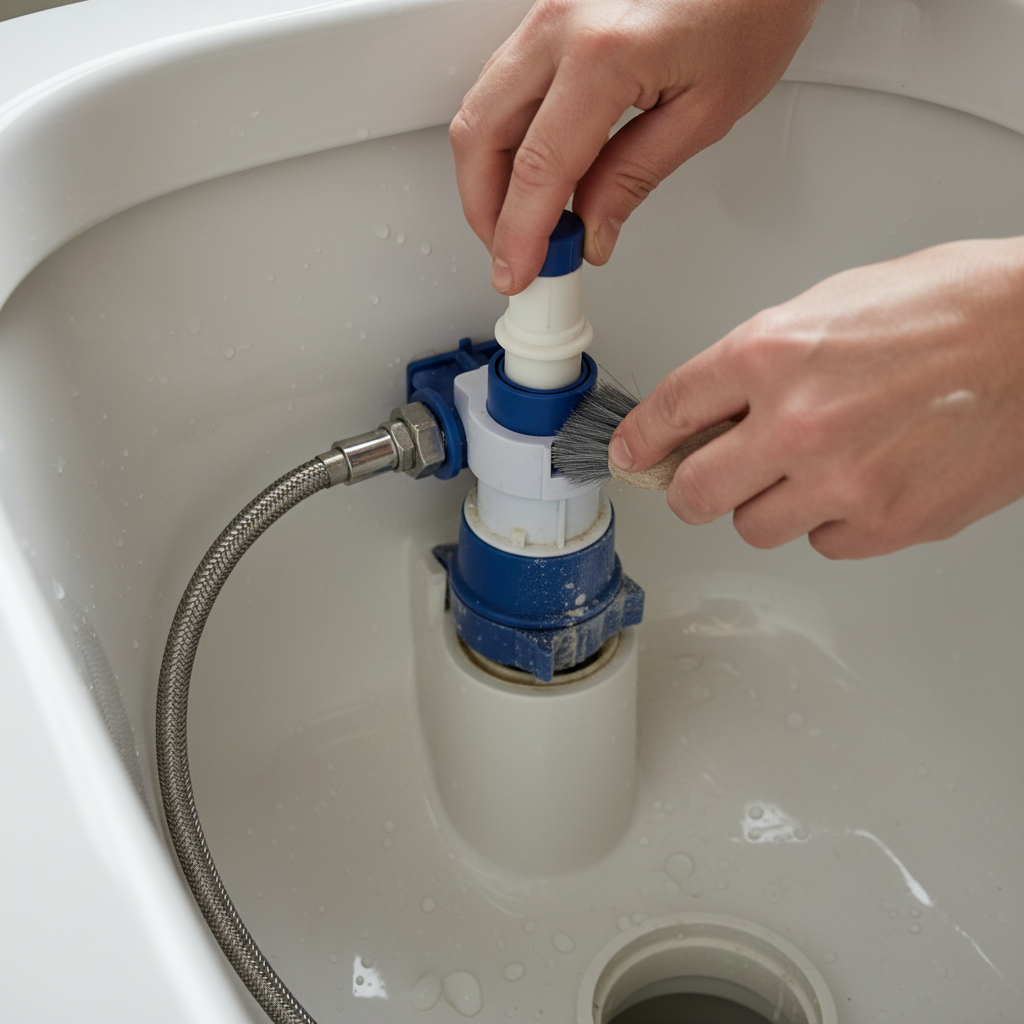
- Safety First: Before touching any plumbing, ensure you have towels ready for any drips.
- Locate the small shut-off valve on the wall or floor near the base of your toilet. It typically has a round or quarter-turn handle.
- Turn the handle counter-clockwise as far as it will go. Often, these valves get partially closed over time or were never fully opened after an installation or repair. A partially closed valve will restrict water flow significantly.
- Flush the toilet and observe the fill time. If it's noticeably faster, you've found your culprit. If not, proceed to the next step.
Plumbing · Leak
| Project category | Plumbing |
|---|---|
| Problem type | Leak |
| Trade required | Plumbing |
| Urgency | Emergency — act now |
| Safety risk | High safety risk |
| DIY suitability | DIY for experienced homeowners |
| Cost category | Low cost |
| Typical timeline | Shut water off now; repair usually same or next day |
| Contractor type | Licensed plumber |
Repair option
Isolate at the shutoff, replace the failed component, and dry the cavity fully.
Replacement option
Repipe the run or the branch when corrosion is widespread.
Common causes
- Failed supply line or shutoff valve
- Worn washers, cartridges, or P-trap connections
- Pinhole corrosion in older copper
Relevant tools:emergency checklistdiy or hire a pro
Published May 8, 2026Last updated August 17, 2026
Tools & materials you'll need
Affiliate linksAs an Amazon Associate FixlyGuide earns from qualifying purchases — at no extra cost to you. Prices and availability are accurate as of publication and subject to change.
Quick Answer
A slow-filling toilet tank usually points to a handful of culprits: a blocked water supply line, a clogged fill valve inlet screen, a failing fill valve diaphragm, or simply insufficient water pressure. Most homeowners can diagnose and fix these issues with basic tools and a little patience, often restoring full flush performance in under an hour. The most common fix involves a quick cleaning of the fill valve's inlet screen.
The Problem
You've flushed your toilet, and while the waste clears, the refill process feels like it's taking an eternity. Instead of a brisk gush, you hear a trickle, and you're left waiting several minutes for the tank to be ready for the next flush. This isn't just an inconvenience; a slowly refilling toilet can lead to a less effective flush if the tank doesn't fully refill before someone attempts to flush again, or if it delays subsequent flushes in a busy household. It's a clear sign that the flow of water into your toilet tank is restricted somewhere between your main water supply and the fill valve inside the tank. Ignoring it won't make it better; in fact, a neglected fill valve can eventually wear out completely or lead to other, more costly plumbing issues down the line.
How It Works
To understand why your toilet tank is filling slowly, it helps to know how it's supposed to work. When you flush, the water in the tank rushes into the bowl, creating the siphoning action that clears waste. As the tank empties, the flush valve closes, and the float mechanism inside the tank drops. This drop in the float triggers the fill valve to open, allowing fresh water from your home's main supply to enter the tank.
This fresh water flows through a small, usually braided, supply line connected to the bottom of your toilet, then up into the fill valve assembly. The fill valve has an inlet screen designed to catch sediment and prevent it from entering the delicate internal mechanisms. Once past the screen, water flows through a diaphragm or piston-controlled opening, regulated by the float. As the water level in the tank rises, the float rises with it, gradually closing off the fill valve until the desired water level is reached. A separate, smaller tube, called the refill tube, also directs a portion of this incoming water into the toilet's overflow tube, which refills the bowl's trap seal. If any part of this system – the supply line, the inlet screen, the diaphragm, or the water pressure itself – is obstructed or malfunctioning, the tank will fill slowly.
Step-by-Step Fix
1. Check the Water Supply Valve — Ensure maximum flow from the start.
- Safety First: Before touching any plumbing, ensure you have towels ready for any drips.
- Locate the small shut-off valve on the wall or floor near the base of your toilet. It typically has a round or quarter-turn handle.
- Turn the handle counter-clockwise as far as it will go. Often, these valves get partially closed over time or were never fully opened after an installation or repair. A partially closed valve will restrict water flow significantly.
- Flush the toilet and observe the fill time. If it's noticeably faster, you've found your culprit. If not, proceed to the next step.
2. Inspect and Clean the Fill Valve Inlet Screen — The most common clog point.
- Tools: Small bucket, old toothbrush or awl, small pliers or adjustable wrench.
- Safety First: Turn off the water supply valve completely (clockwise until snug). Flush the toilet to empty the tank as much as possible. Hold the flush handle down to drain the bowl. Use a sponge to soak up any remaining water in the tank.
- Disconnect the flexible water supply line from the bottom of the toilet tank. You'll likely need pliers or an adjustable wrench for this. Have your bucket ready to catch any residual water.
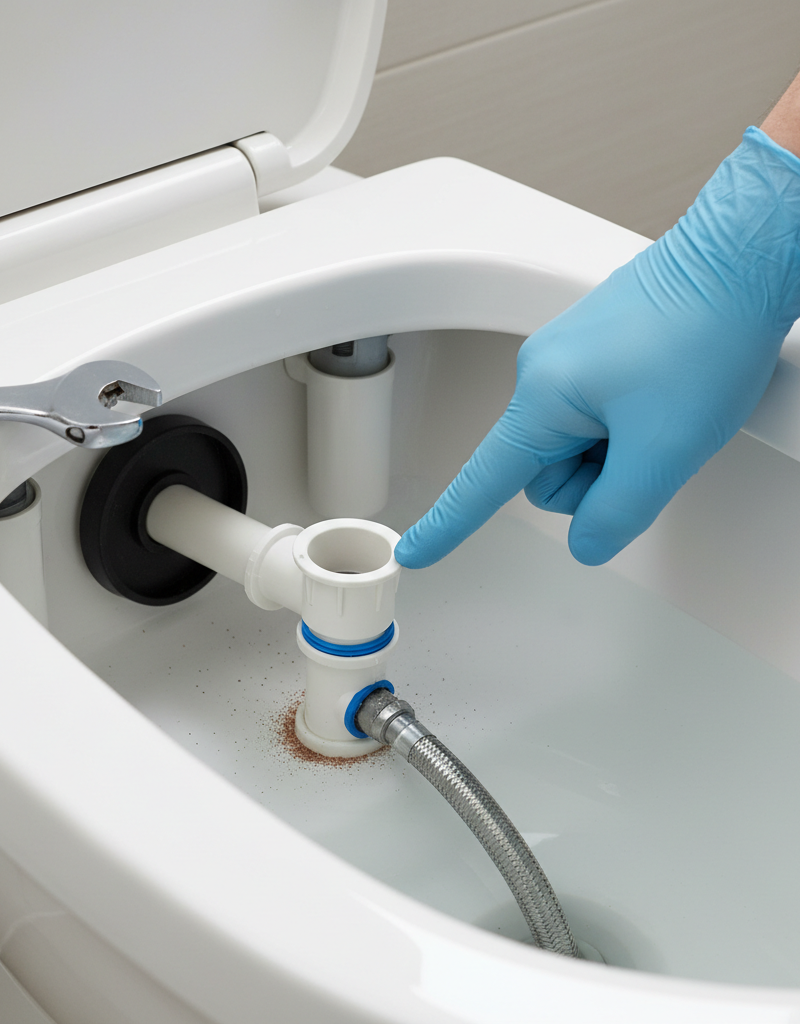
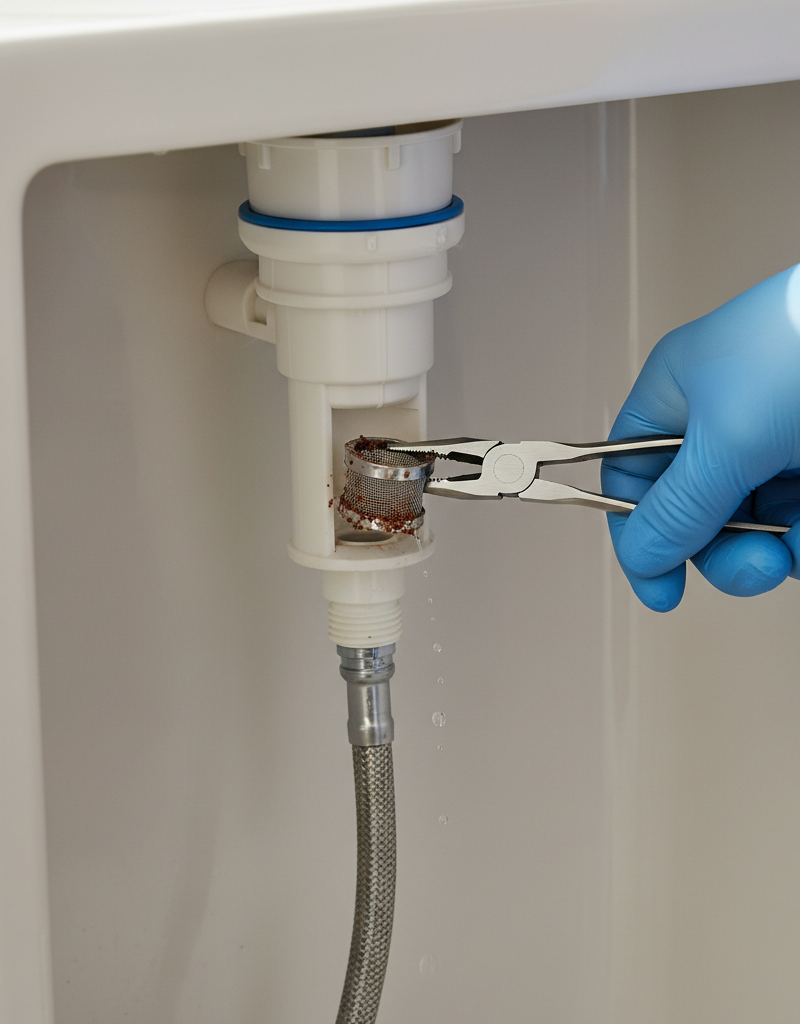
- Look inside the threaded shank of the fill valve where the supply line connects. You should see a small screen or filter. This is the inlet screen.
- Carefully pull out the screen using needle-nose pliers or a small pick. Be gentle to avoid tearing it.
- Clean the screen thoroughly under running water, using an old toothbrush or a small brush to dislodge any sediment, rust particles, or mineral buildup. If the screen is heavily damaged or corroded, consider replacing it (many fill valve repair kits include a new screen).
- Reinsert the clean screen, reattach the supply line, ensuring it's hand-tight plus a quarter turn with a wrench (don't overtighten!).
- Turn the water supply back on slowly and check for leaks. Flush the toilet and assess the refill speed.
3. Diagnose the Fill Valve Diaphragm/Gasket — A common internal failure.
- Tools: Screwdriver (flathead or Phillips, depending on valve), fill valve repair kit (specific to your fill valve brand/model), small bowl/cup.
- Safety First: Turn off the water supply and flush the toilet as in Step 2. Remove any remaining water from the tank.
- Identify your fill valve type. Most common are Fluidmaster 400A or similar designs. The top cap of the fill valve usually twists off or has clips.
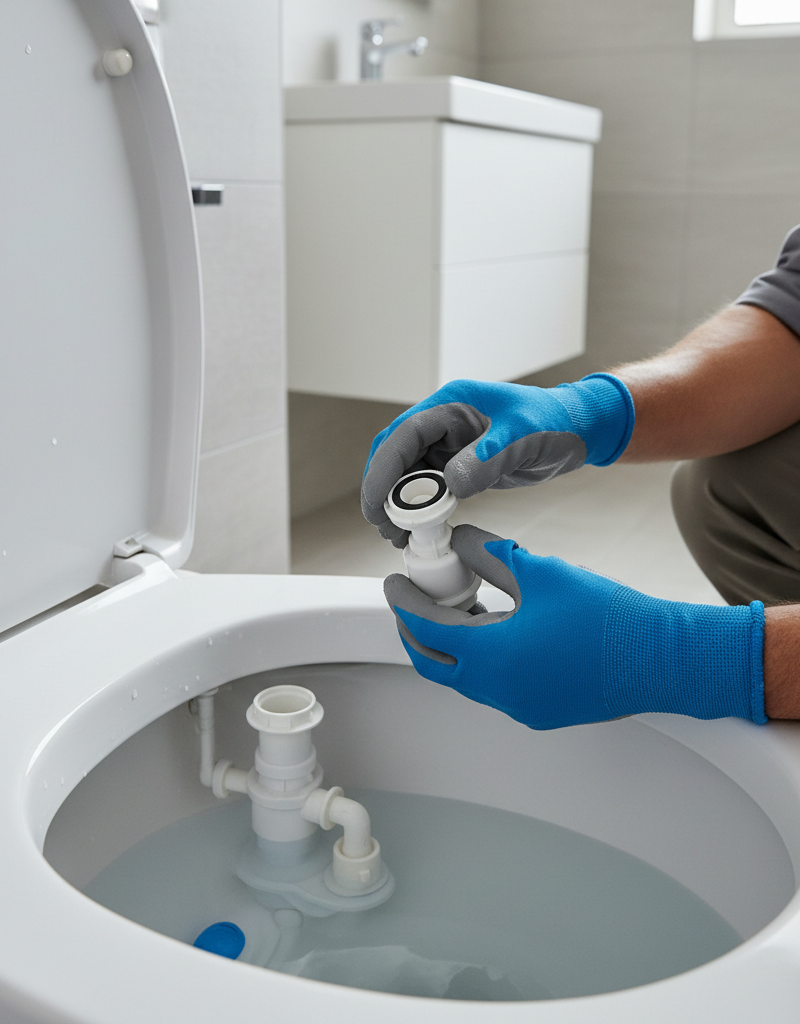
- Carefully remove the top cap of the fill valve. You might need to twist and lift. Place any small parts, like a plastic arm or float rod, in a cup so they don't get lost.
- Inside, you'll see a rubber diaphragm or gasket. This is the heart of the fill valve's sealing mechanism. Inspect it closely for tears, warping, mineral buildup, or stiffness. Even tiny imperfections can restrict water flow.
- Remove the old diaphragm. If you have a repair kit, install the new diaphragm, ensuring it's oriented correctly (there's often a small tab or notch that aligns). If you don't have a new one but the old one looks intact, give it a thorough cleaning. Mineral deposits can form around the edges.
- Clean any mineral deposits from the main body of the fill valve assembly that the diaphragm sits against.
- Reassemble the fill valve, ensuring the cap seats properly and any float rods are correctly reattached.
- Turn the water supply back on slowly, check for leaks, and test the flush. If the new diaphragm fixed it, the water flow should be significantly stronger.
- If this doesn't work: If the diaphragm looks fine and replacing it doesn't help, the entire fill valve might need replacement. This is a common and relatively inexpensive DIY. A new Fluidmaster 400A universal fill valve costs about $15-$25.
4. Examine the Water Supply Line for Kinks or Damage — External restrictions.
- Tools: Flashlight.
- Visually inspect the flexible water supply line that connects the wall valve to the toilet tank.
- Look for any sharp bends, kinks, or signs of external damage (like a heavy object pressing against it). Even a slight kink can restrict water flow. Straighten any kinks you find.
- Feel along the line for any bulges or unusually stiff sections, which could indicate internal clogging or deterioration, though this is less common with modern braided lines.
- If the line appears visibly damaged, old, or stiff, replacing it is a good idea. A new braided stainless steel supply line is inexpensive (around $5-$15) and easy to install. Ensure you get the correct length and connection sizes (usually 7/8" toilet side and 3/8" or 1/2" compression at the wall).
5. Assess Overall Household Water Pressure — A wider issue.
- Tools: Water pressure gauge (available at hardware stores for about $10-$20).
- If only one toilet is filling slowly, it's unlikely to be a whole-house pressure issue. But if all your toilets are slow, or you notice low pressure at other fixtures (faucets, showerheads), then your main water pressure might be low.
- Connect a water pressure gauge to an outdoor spigot or your washing machine hookup (ensure the washing machine is off). Turn on the water and read the gauge.
- Normal household water pressure should be between 40-60 PSI (pounds per square inch). If it's consistently below 40 PSI, you might have a problem with your main water shut-off valve, a pressure regulator (if you have one), or an issue with your municipal water supply.
- Pro Callout: If you suspect a whole-house low pressure issue, especially if you have a pressure reducing valve (PRV), it's best to call a licensed plumber. Adjusting or replacing a PRV should be done by a professional.
Common Causes
- Partially Closed Supply Valve: The most straightforward and often overlooked cause. The small valve at the base of the toilet can be accidentally bumped or never fully opened after a previous repair.
- Clogged Fill Valve Inlet Screen: Sediment, rust flakes, or mineral deposits from your water supply accumulate on the small filter screen located at the bottom of the fill valve, acting like a dam to water flow.
- Worn or Damaged Fill Valve Diaphragm/Gasket: Over time, the rubber diaphragm or gasket inside the fill valve can become stiff, warped, or develop small tears. This prevents it from opening fully or sealing correctly, leading to restricted flow.
- Kinked or Obstructed Supply Line: The flexible hose connecting the wall valve to the toilet tank can get kinked, especially if furniture is pushed against it, or its internal lining can deteriorate and flake, creating blockages.
- Low Household Water Pressure: While less common for an isolated toilet, if multiple fixtures in your home exhibit low pressure, the issue could stem from your main water supply, a failing pressure reducing valve, or even municipal supply problems.
- Faulty Fill Valve: If individual components aren't the issue, the entire fill valve mechanism may be worn out and simply isn't operating efficiently anymore.
Common Mistakes
- Ignoring the Supply Valve: Many homeowners jump straight to disassembling the fill valve without first confirming the supply valve is fully open. Always check the simplest fix first.
- Overtightening Connections: When reconnecting the water supply line, overtightening plastic or brass nuts can strip threads, crack fittings, or damage the connection, leading to leaks. Hand-tighten until snug, then use a wrench for a quarter-turn more. Stop if you feel resistance.
- Not Shutting Off Water Completely: Forgetting to fully shut off the toilet's water supply (and flushing to drain the tank) before working on the fill valve can lead to a mess or a minor flood.
- Using the Wrong Fill Valve Kit: Toilet fill valves aren't all universal, especially the internal components. Ensure any repair kit you buy matches your specific fill valve brand and model (e.g., Fluidmaster 400A).
- Dismissing Other Fixtures: If you troubleshoot one toilet comprehensively and it's still slow, but you also notice slow filling or low pressure in other parts of the house, don't keep focusing on the toilet. The problem is likely systemic (low household water pressure).
- Forgetting to Clean: Even if you're replacing a component, take time to thoroughly clean any surrounding areas within the tank or fill valve of mineral deposits or debris.
Cost & Time Breakdown
| Task | DIY cost | Pro cost | Time |
|---|---|---|---|
| Check/Open Supply Valve | $0 | N/A | 1 minute |
| Clean Fill Valve Inlet Screen | $0-$5 | $75-$150 | 15-20 minutes |
| Replace Fill Valve Diaphragm | $5-$10 | $100-$200 | 20-30 minutes |
| Replace Supply Line | $5-$15 | $75-$150 | 15-20 minutes |
| Replace Entire Fill Valve | $15-$25 | $150-$300 | 30-60 minutes |
| Diagnose Low Household Pressure | $10-$20 (gauge) | $150-$250 (inspection) | 5-10 minutes |
Tips & Prevention
- Regular Visual Checks: Periodically check the water supply valve knob to ensure it's fully open. A quick glance can save you troubleshooting headaches later.
- Soft Water Benefits: If you live in an area with hard water, consider a whole-house water softener. Soft water significantly reduces mineral buildup in pipes and plumbing fixtures, extending the life of your fill valve and other components.
- Annual Fill Valve Inspection: Once a year, take the top off your fill valve and quickly inspect the diaphragm and inlet screen for any signs of wear or sediment buildup. A quick clean can prevent future clogs.
- Use Braided Stainless Steel Supply Lines: If you have an old, plastic supply line, upgrade to a braided stainless steel one. They are more durable, less prone to kinking, and generally last longer.
- Listen for Leaks: Gurgling or hissing sounds when the toilet isn't flushing can indicate a slow leak or a fill valve struggling to maintain water level, which can contribute to slow filling over time.
- Don't Ignore Small Drips: Even a small drip at the supply line connection should be addressed promptly. It could indicate a loose connection or damaged washer that might also be affecting water flow.
When to Call a Professional
While many slow-filling toilet issues are DIY-friendly, there are specific situations where calling a licensed plumber is the smartest and safest course of action. If you've tried all the troubleshooting steps—ensuring the supply valve is open, cleaning the inlet screen, and even replacing the fill valve diaphragm—and the problem persists, it may indicate a deeper issue like significantly low household water pressure stemming from your main line or a failing pressure reducing valve. Similarly, if you discover persistent leaks that you cannot stop after tightening connections, or if you encounter a toilet that consistently overflows or runs without stopping, professional intervention is necessary. Any work involving main water lines, the pressure reducing valve, or if you're uncomfortable with basic plumbing, should be entrusted to a professional to prevent further damage or water waste.
Related Articles
Keep troubleshooting with these hand-picked guides from FixlyGuide:
- The 3 Hidden Reasons Your Toilet Tank Fills Slowly (And How to Fix Each) — Discover the common culprits behind a slow-filling toilet tank, from crucial valve issues to subtle obstructions, and learn how to restore…
- The Secret Culprit Behind Your Leaky Refrigerator (It’s Not Always a Hose) — Discover the hidden causes of your refrigerator leaking water and how to fix them with our comprehensive troubleshooting guide.
- The 3 Hidden Reasons Your Refrigerator Leaks Water (And How to Fix Them in 30 Minutes) — Discover the most common culprits behind a leaking refrigerator and learn how to diagnose and fix them quickly with this comprehensive guid…
- The Secret Culprit Behind Your Leaking Washer (It's Not Always the Hose) — A washing machine leaking water from the bottom can often be traced to common, easily fixable issues like loose hoses or a clogged drain pu…
- The 30-Second Toilet Fix Plumbers Don't Want You to Know — A running toilet can waste hundreds of gallons of water per day, but often the fix is incredibly simple and takes under a minute.
- The #1 Mistake Homeowners Make When Their Ice Maker Stops (And the Easy Fix) — Is your refrigerator ice maker on strike? Often, a simple oversight or minor clog is the culprit, easily fixable with basic tools.
Should you do this yourself?
Answer five quick questions before you start. Safety outranks savings every time.
Your experience with work like this
How high do you have to work?
Does the job involve any of these?
Will it need a permit?
Specialty tools
Free and instant. Educational guidance only — not a quote, inspection, or professional diagnosis.
What should this project cost?
Enter your project details for a realistic cost range before you call anyone.
Common repairs run $150–$650; repipes and water-heater replacements reach $1,500–$4,500.
- Regional adjustment
- National average
- Labor share (typical)
- ~$754
- Quotes to collect
- 3 written estimates
Educational estimate based on national averages — not a binding quote. Always confirm with written local estimates.
Fixly Project Decision Box
- DIY difficulty
- Moderate
- Estimated time
- 30 minutes – half a day
- Cost level
- Moderate
Main tools / materials
- Adjustable wrench
- Plunger or drain auger
- Bucket and towels
- Thread tape
When to stop and call a pro
- Water you cannot shut off at the fixture or main
- Sewage backing up into more than one fixture
- Water near electrical panels or outlets
- Gas water heater work beyond relighting a pilot
Need professional help?
Get a Licensed PlumberBefore you start
Check the difficulty, permits, and safety risk — then decide whether to call a pro.
- Estimate this projectGet a cost range for your scope and ZIP before you call anyone.Open
- Get local estimatesSend one request and compare written estimates from vetted pros.Open
Free, no signup required. Estimates are educational guidance, not a quote or an inspection.
Frequently asked questions
Why would a toilet tank fill slowly?+
A toilet tank filling slowly is commonly caused by a partially closed water supply valve, a clogged inlet screen on the fill valve, a worn-out diaphragm or gasket within the fill valve, or a kinked water supply line. Less often, it can be due to low overall household water pressure.
Can I fix a slow-filling toilet myself?+
Yes, most slow-filling toilet issues are relatively easy for a homeowner to fix. Common solutions involve opening the supply valve, cleaning the fill valve's inlet screen, or replacing the fill valve diaphragm, all of which require basic tools and minimal plumbing experience.
How long should it take for a toilet tank to fill?+
A properly functioning toilet tank should typically take no more than 30 to 60 seconds to refill completely after a flush. If it takes significantly longer (e.g., several minutes), there's likely a problem restricting water flow.
What part controls water filling in a toilet tank?+
The fill valve (sometimes called the ballcock) controls the water filling in a toilet tank. It's connected to the water supply line and uses a float mechanism to open and close, allowing water in until the tank reaches the proper level.
Discussion
Loading comments…