- Use the Right Detergent, Right Amount: Always use high-efficiency (HE) detergent in HE machines. Measure detergent precisely – refer to the product's cap or your machine's manual. Typically, 1-2 tablespoons are enough for a regular load.
- Leave the Door Ajar: For front-loading machines, leave the door and dispenser drawer slightly open after each wash to allow air circulation and prevent mold/mildew from forming in the drum and gasket.
- Monthly Maintenance Cycle: Run an empty hot water cycle with white vinegar (2 cups) or a washing machine cleaning tablet once a month to break down residue and eliminate odors.
- Wipe Down Gasket: After each front-loader use, quickly wipe down the rubber door gasket with a clean cloth to remove moisture and lint, preventing mold.
- Check Hoses Annually: Inspect fill hoses for cracks, bulges, or leaks once a year. Replace rubber hoses every 3-5 years, or upgrade to stainless steel braided hoses for greater durability.
General remodeling · Renovation planning
| Project category | General remodeling |
|---|---|
| Problem type | Renovation planning |
| Trade required | General contracting |
| Urgency | Planned project |
| Safety risk | Low safety risk |
| DIY suitability | Pro recommended |
| Cost category | Major investment |
| Typical timeline | Design and permitting often 2–4 months before work starts |
| Contractor type | General contractor |
Repair option
Phase the work and fix the building envelope first.
Replacement option
Full renovation with permits, design, and a general contractor.
Common causes
- Space no longer fits how the household lives
- Resale preparation
- Deferred maintenance stacking up
Relevant tools:project cost estimatorcompare quoteshome improvement material prices
Published May 27, 2026Last updated August 17, 2026
Tools & materials you'll need
Affiliate linksAs an Amazon Associate FixlyGuide earns from qualifying purchases — at no extra cost to you. Prices and availability are accurate as of publication and subject to change.
Quick Answer
Extend your washing machine's lifespan and avoid costly repairs by focusing on a few key maintenance areas: preventing residue buildup, ensuring proper drainage, and addressing minor issues promptly. This guide tackles the most common culprits of early washing machine failure – specifically, the silent damage caused by excessive detergent, hard water, and neglected filters. By following these practical steps, you can significantly reduce wear and tear, keep your machine running efficiently, and delay the need for a costly replacement or professional service. Regular cleaning of the detergent dispenser, drum, and lint filter, along with using the correct amount of high-efficiency detergent, are critical to avoiding issues like musty odors, poor cleaning performance, and even mechanical breakdowns.
The Problem
Many homeowners treat their washing machine like a set-it-and-forget-it appliance, only thinking about it when something goes wrong. However, this seemingly robust workhorse faces a silent enemy that shortens its life and hinders its performance: accumulated residue. Over time, a combination of undissolved detergent, fabric softener, hard water minerals, lint from clothes, and even mold and mildew can build up in various parts of the machine. This gunky accumulation isn't just unsightly; it creates a breeding ground for bacteria, causes unpleasant odors, and, more critically, clogs hoses, fouls sensors, and places undue strain on motors and pumps. This silent killer, often exacerbated by using too much detergent or the wrong type, leads to inefficient washes, stained clothes, extended cycle times, and ultimately, premature mechanical failure. Addressing this buildup is the single most impactful step you can take to prolong your washing machine's life.
How It Works
Understanding how your washing machine operates illuminates why residue buildup is so detrimental. A modern washing machine functions through a precise interplay of water intake, agitating or tumbling, draining, and spinning. When you start a cycle, water enters the tub, often mixing with detergent dispensed from a dedicated tray. The agitator (in top-loaders) or the drum (in front-loaders and some high-efficiency top-loaders) then moves the clothes through the soapy water, dislodging dirt and grime. Throughout the wash cycle, a pump circulates the water or prepares for draining. Different sensors monitor water levels, temperature, and even load size, adjusting parameters accordingly for optimal cleaning and energy efficiency.
After the wash, the machine drains the dirty water through a pump and out via the drain hose. This is a critical point where lint and residue can accumulate, especially within the pump filter. The rinse cycle then introduces fresh water to remove detergent and soil. Finally, the spin cycle rapidly rotates the drum, using centrifugal force to extract as much water as possible from the clothes, reducing drying time. If detergent residue cakes the dispenser, water may not flush it into the drum effectively, leading to ineffective cleaning and a buildup in the drum itself. If the pump filter is clogged with lint and debris, the machine struggles to drain, putting strain on the pump motor and potentially leading to error codes or standing water. Hard water minerals, primarily calcium and magnesium, also contribute to scale buildup on heating elements (if present), hoses, and the drum itself, reducing efficiency and creating rough surfaces that can snag clothes.
Step-by-Step Fix
1. Deep Clean the Drum – Purge hidden grime and odors to keep clothes truly clean.
Regularly deep clean your washing machine drum, especially if you notice musty odors or residue on clothes. This step targets the biofilm, mold, mildew, and detergent scum that accumulate in the hidden crevices of the tub.
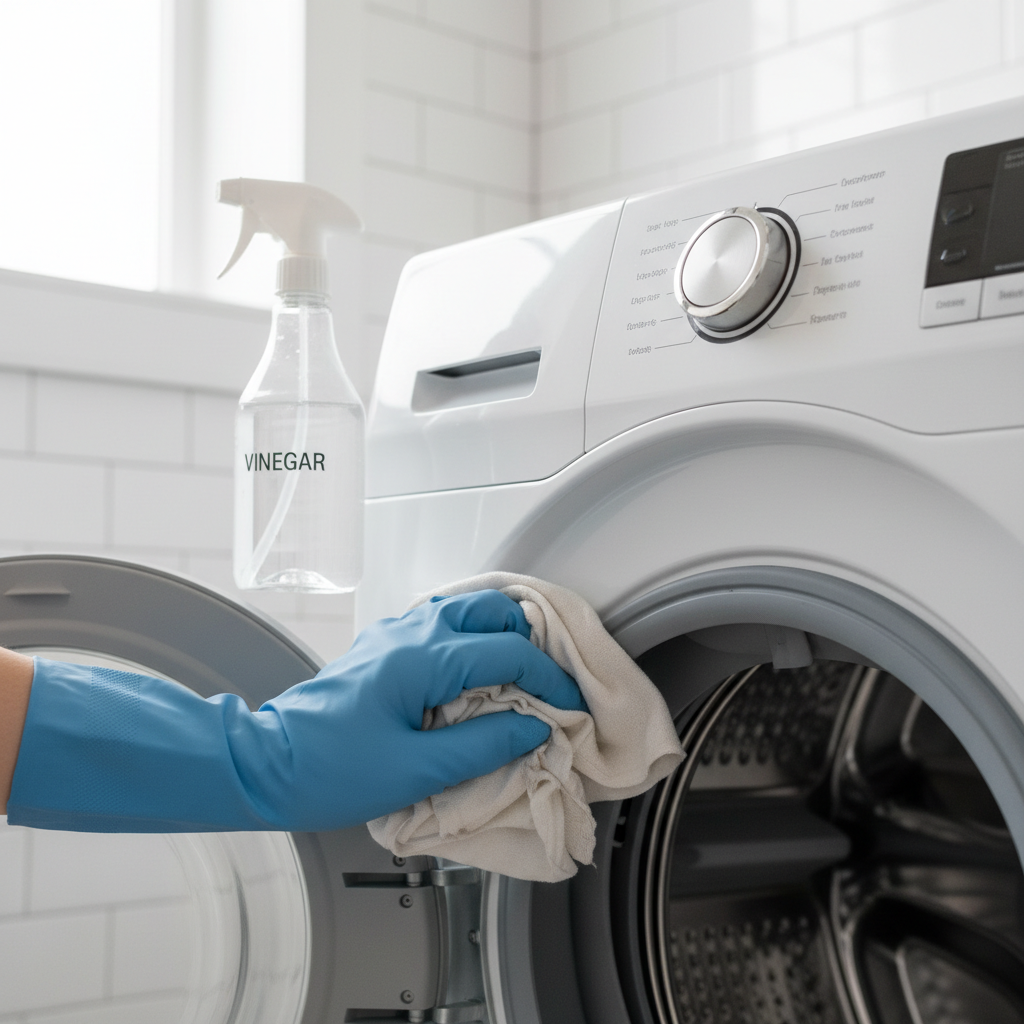
- How to: For top-loaders, fill the drum with the hottest water possible, add 4 cups of white vinegar and 1 cup of baking soda. Let it agitate for a minute, then open the lid and let it soak for at least an hour (or even overnight for severe buildup). Run a complete wash cycle (no clothes). For front-loaders, add 2 cups of white vinegar to the detergent dispenser and 1/2 cup of baking soda directly into the drum. Run a hot water cycle. Repeat monthly or bi-monthly depending on usage.
- Safety Note: Always ensure the machine is empty before starting a cleaning cycle. Do not mix vinegar and chlorine bleach, as this creates dangerous fumes.
- If this doesn't work: For stubborn residue, consider using a dedicated washing machine cleaner tablet designed to break down hard water scale and detergent buildup. Follow the product's instructions carefully.
2. Scrub the Detergent Dispenser – Prevent clogs and ensure proper detergent delivery.
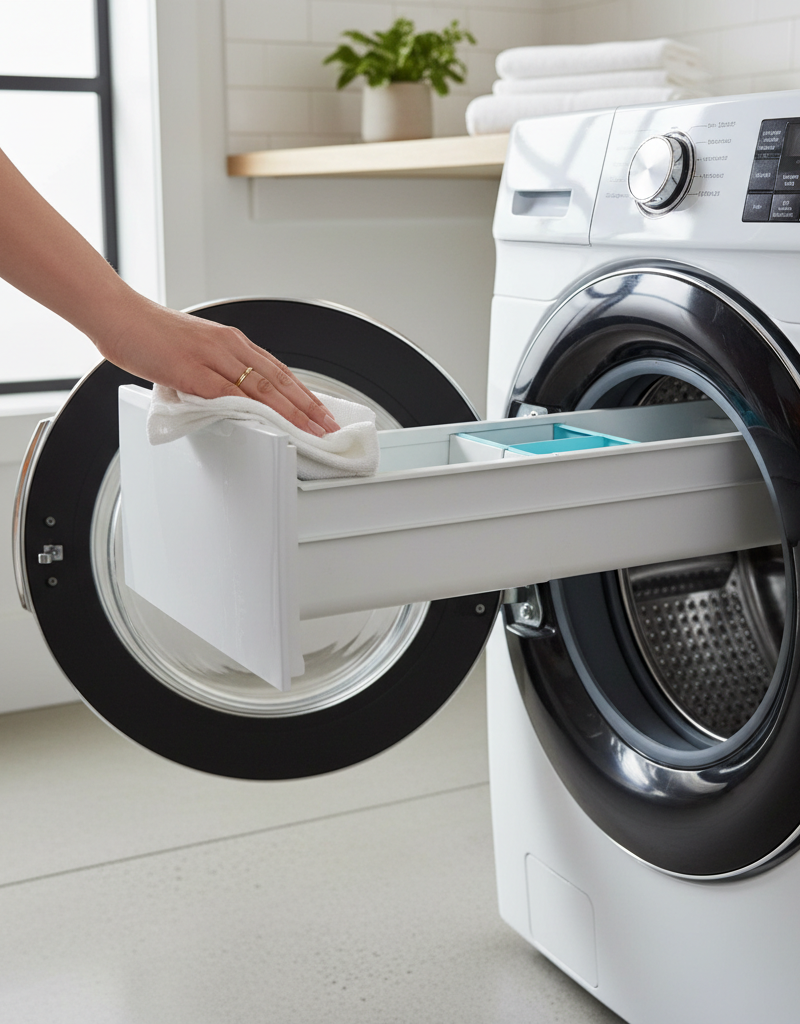
The detergent and fabric softener dispenser is a notorious spot for residue buildup, leading to poor dispension and even mold growth. This buildup can block the flow of detergent or softener, preventing it from reaching your clothes.
- How to: Most dispensers can be removed easily. Consult your washing machine's manual for specific instructions. Remove the dispenser tray and soak it in a solution of hot water and white vinegar (50/50 mix) for 30 minutes. Use an old toothbrush or a small bottle brush to scrub away any caked-on detergent, fabric softener, and mold from all compartments and crevices. Rinse thoroughly and dry before reinserting. For non-removable dispensers, use a damp cloth soaked in vinegar and the toothbrush to clean as much as possible.
- Tools: Old toothbrush, small bottle brush, white vinegar.
3. Clean the Pump Filter (Front-Loaders) – Protect your pump and ensure proper drainage.
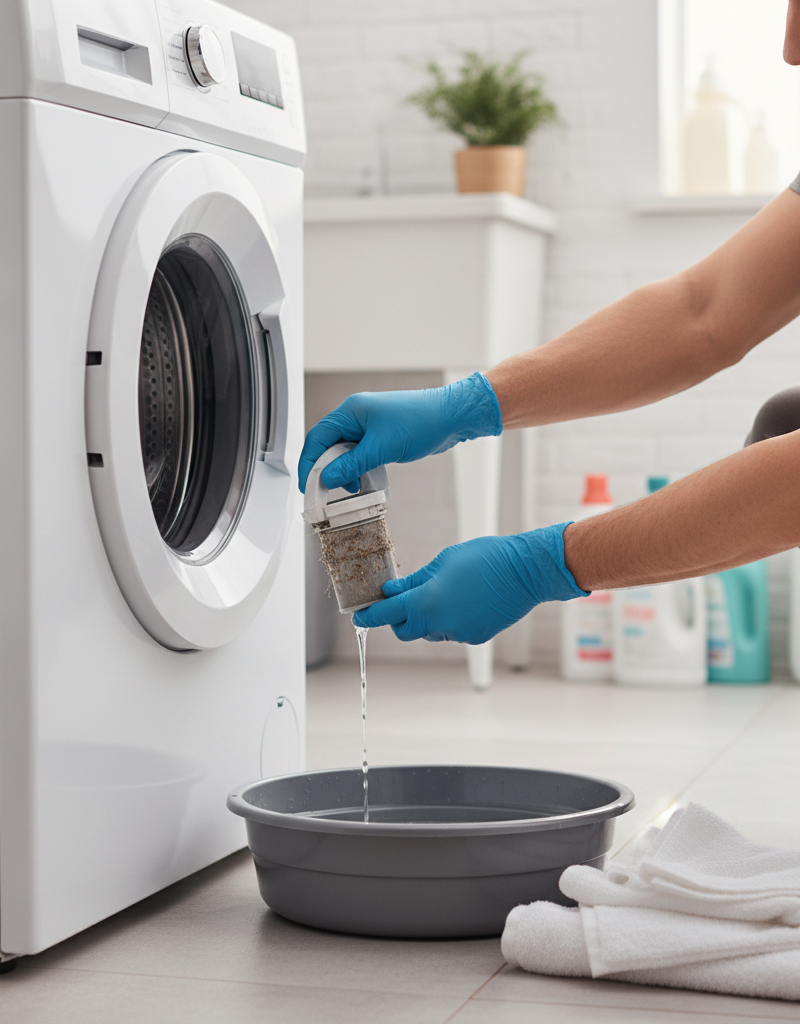
Especially in front-loading machines, a small pump filter (also known as a coin trap or lint filter) is designed to catch loose items like coins, buttons, and lint before they reach the drain pump. If this filter gets clogged, it can lead to draining issues, error codes, and strain on the pump.
- Safety Note: Always unplug the washing machine from the power outlet before accessing the pump filter to prevent electrical shock.
- How to: Locate the pump filter – typically behind a small access panel near the bottom front of the machine. Place towels on the floor to catch any water. Carefully unscrew or unclip the small drain hose (if present) and let any residual water drain into a shallow pan. Then, slowly twist and remove the main pump filter. Clean off all lint, hair, coins, and debris. Use a small brush if necessary. Inspect the housing for any additional buildup. Replace the filter securely. Re-attach the drain hose and close the access panel. Perform this cleaning at least every 3 months.
- Tools: Shallow pan, towels, old toothbrush (optional).
4. Inspect and Clean Hoses – Prevent leaks and ensure good water flow.
Hoses can develop kinks, cracks, or accumulate sediment over time, leading to leaks or reduced water pressure. The mesh screens where the fill hoses connect to the machine can also get clogged with sediment.
- Safety Note: Turn off the water supply valves to the washing machine before disconnecting any hoses. Unplug the machine.
- How to: Visually inspect both hot and cold fill hoses for any bulges, cracks, or signs of wear. If hoses are older than 5 years, consider replacing them with stainless steel braided hoses for added durability. At the back of the washer, where the fill hoses connect, you'll find small mesh screens. Use needle-nose pliers to carefully pull out these screens. Rinse them under running water to remove any sediment or rust particles. Reinsert the screens and reattach the hoses securely, hand-tightening, then giving a quarter-turn with pliers. Check the drain hose for kinks or blockages. Ensure it's not pushed too far down the standpipe (leaving an air gap to prevent siphoning) and is securely fastened.
- Tools: Needle-nose pliers, towels, replacement hoses (if needed).
5. Clean the Door Gasket/Bellow (Front-Loaders) – Eliminate mold and prevent odors.
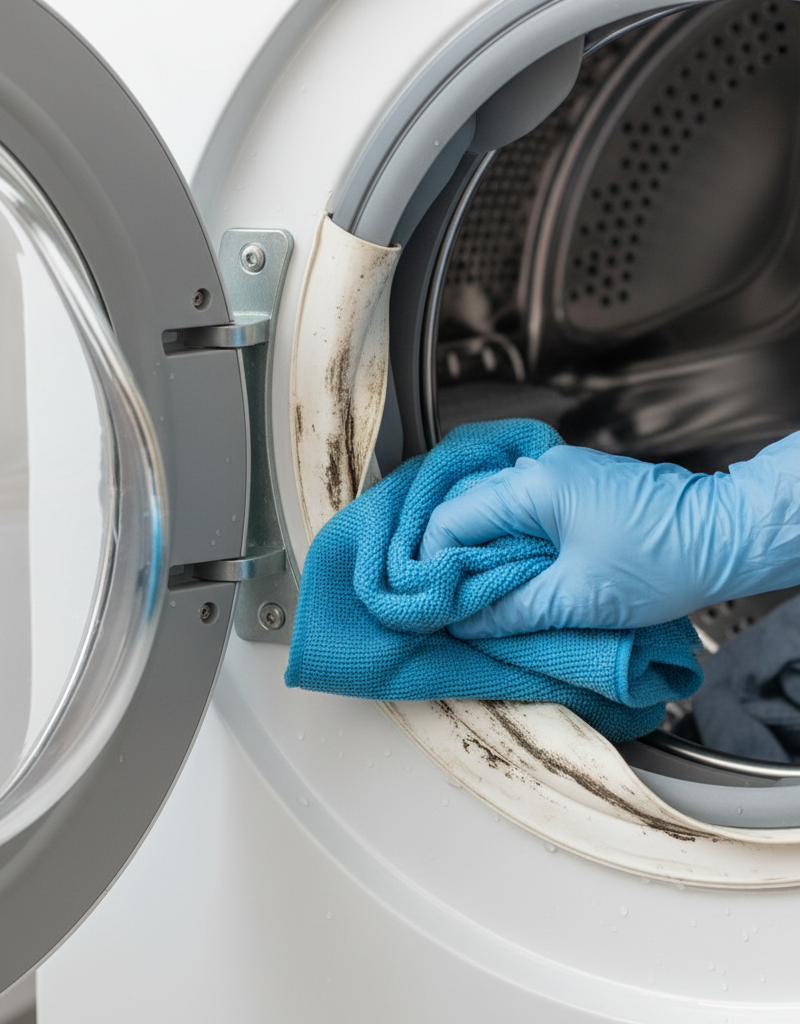
The rubber gasket or bellow around the door opening of front-loading machines is prone to trapping water, lint, and detergent residue, creating a perfect environment for mold and mildew to thrive. This causes unpleasant odors that transfer to clothes.
- How to: Peel back the folds of the rubber gasket. Use a spray bottle with a 50/50 solution of white vinegar and water, or a mild detergent. Spray generously into all crevices. Use an old cloth or paper towels to thoroughly wipe away all visible mold, mildew, hair, and grime. Pay close attention to the bottom sections where water tends to pool. For stubborn mold, a paste of baking soda and a little water can be applied, left for 15 minutes, then scrubbed away. After cleaning, always leave the washing machine door ajar for a few hours after each load to allow the gasket to air dry completely. This is the single best preventative measure.
- Tools: Spray bottle, white vinegar, old cloth/paper towels, old toothbrush (for tight spots).
Common Causes
- Excessive Detergent Use: Using too much detergent, especially in high-efficiency (HE) machines, creates excessive suds that don't rinse away completely. This leads to residue buildup inside the machine, on clothes, and in the drain system, fostering mold and odors. It also puts extra strain on the pump as it tries to clear the suds.
- Hard Water: Water with high mineral content (calcium and magnesium) leaves behind scale deposits. These deposits can accumulate on heating elements, hoses, and the drum, reducing efficiency, promoting bacterial growth, and causing wear and tear on components over time.
- Neglected Filters: The pump filter (in front-loaders) and the water inlet screens are crucial for catching debris. When clogged, they restrict water flow, impede drainage, and can cause the machine to work harder, leading to pump failure or sensor errors.
- Improper Loading: Overloading the machine prevents clothes from tumbling or agitating effectively, meaning detergent and soil aren't fully rinsed away. It also creates imbalance, stressing the motor, bearings, and suspension system.
- Ignoring Odors or Residue: Persistent musty smells or visible scum on clothes are clear indicators of internal buildup. Ignoring these signs allows the problem to worsen, making it harder to clean and potentially leading to more severe issues.
- Dirty / Damp Gasket (Front-Loaders): The rubber seal around the door of front-loading machines can trap moisture and lint, creating a perfect environment for black mold and mildew if not regularly wiped dry and allowed to air out.
Common Mistakes
- Using Non-HE Detergent in an HE Machine: HE machines require low-sudsing HE detergent. Using regular detergent creates excessive suds that can overflow, leave residue, and damage the machine's sensors and pump. Always check the detergent label for the HE symbol.
- Overdosing Detergent: More detergent does NOT mean cleaner clothes. Modern concentrated detergents and HE machines require significantly less product. Follow the manufacturer's recommendations; typically, only 1-2 tablespoons per load is sufficient. Overdosing leads to residue and odors.
- Leaving the Door Closed on a Front-Loader: After each cycle, leave the door (and dispenser drawer) of a front-loading machine ajar for several hours. This allows air circulation to dry out the drum and gasket, preventing mold and mildew growth that causes foul odors.
- Not Cleaning the Pump Filter (Front-Loaders): Many homeowners are unaware this filter even exists. Neglecting it is a surefire way to cause drainage problems, error codes, and even pump failure. Make it a routine quarterly task.
- Ignoring Vibration or Strange Noises: Washing machines shouldn't violently shake or make grinding noises during operation. Ignoring these symptoms can lead to more extensive and costly damage to bearings, suspension rods, or the motor. Ensure the machine is level and on a sturdy floor; otherwise, call a professional.
- Not Checking Pockets: Coins, keys, and small foreign objects are notorious for getting lodged in the pump or drain hose, causing blockages and even damage. Always check pockets before loading clothes.
Cost & Time Breakdown
| Task | DIY cost | Pro cost | Time |
|---|---|---|---|
| Deep Clean Drum (Vinegar/Bake) | $2–$5 | N/A | 1–4 hours (soak) |
| Clean Detergent Dispenser | $0–$2 | N/A | 10–20 minutes |
| Clean Pump Filter | $0 | N/A | 15–30 minutes |
| Inspect/Clean Hoses & Screens | $5–$20 (hoses) | N/A | 30–60 minutes |
| Clean Door Gasket | $0–$2 | N/A | 15–20 minutes |
Tips & Prevention
- Use the Right Detergent, Right Amount: Always use high-efficiency (HE) detergent in HE machines. Measure detergent precisely – refer to the product's cap or your machine's manual. Typically, 1-2 tablespoons are enough for a regular load.
- Leave the Door Ajar: For front-loading machines, leave the door and dispenser drawer slightly open after each wash to allow air circulation and prevent mold/mildew from forming in the drum and gasket.
- Monthly Maintenance Cycle: Run an empty hot water cycle with white vinegar (2 cups) or a washing machine cleaning tablet once a month to break down residue and eliminate odors.
- Wipe Down Gasket: After each front-loader use, quickly wipe down the rubber door gasket with a clean cloth to remove moisture and lint, preventing mold.
- Check Hoses Annually: Inspect fill hoses for cracks, bulges, or leaks once a year. Replace rubber hoses every 3-5 years, or upgrade to stainless steel braided hoses for greater durability.
- Balance Loads: Avoid overloading the machine. Distribute clothes evenly to maintain balance during the spin cycle, reducing stress on the bearings and suspension system.
When to Call a Professional
While routine maintenance can prevent many common washing machine problems, certain issues require the expertise of a licensed appliance repair technician. If your machine is leaking significantly from underneath (not just from the pump filter), making loud grinding or banging noises during operation, or if the drum isn't spinning at all, it's time to call a pro. Persistent error codes that don't clear after basic troubleshooting, a pervasive burning smell, or a complete lack of power also indicate a more serious underlying mechanical or electrical problem that DIY fixes cannot address. Additionally, if you suspect a problem with the internal pump, motor, or the main control board, these are complex repairs best left to a trained professional to ensure safety and proper functionality. Attempting advanced repairs yourself can lead to further damage, void your warranty, or pose electrical hazards.
Related Articles
Keep troubleshooting with these hand-picked guides from FixlyGuide:
- The #1 Washing Machine Killer (It's Not Overloading!) — And How to Prevent It — Discover the surprising culprit behind premature washing machine failure and learn simple, actionable steps to extend its lifespan and keep…
- The 3 Washing Machine Mistakes That Cost You Hundreds (And How to Fix Them Forever) — Avoid costly repairs and premature replacement by learning three common washing machine mistakes and how to fix them for good.
- The 3 Washing Machine Mistakes That Cost You Hundreds (And How to Fix Them) — Avoid costly repairs and extend the life of your washing machine by understanding three common mistakes and how to prevent them.
- The 7 Sneaky Ways Winter Damages Your Home (And How to Fix Them Fast) — Discover how winter weather secretly harms your home and learn quick, actionable steps to identify and repair the damage before it escalate…
- The 3 Critical Mistakes Homeowners Make Inspecting Their Roof (From the Ground) — Learn how to spot damaging roof problems safely from the ground, avoiding common pitfalls and knowing exactly what to look for.
- Is Your Gutter Sagging After Every Storm? The Hidden Flaw Most Homeowners Miss — Discover the overlooked reason your gutters sag after every storm and learn the lasting fix that most homeowners miss.
Your seasonal maintenance checklist
The small jobs that prevent the expensive repairs. Tick them off — progress saves on this device.
Free, no signup. Skip anything that requires roof access or working near live electrical.
What should this project cost?
Enter your project details for a realistic cost range before you call anyone.
Cost depends heavily on which system turns out to be the source.
- Regional adjustment
- National average
- Labor share (typical)
- ~$1,620
- Quotes to collect
- 3 written estimates
Educational estimate based on national averages — not a binding quote. Always confirm with written local estimates.
Stay ahead of the next repair
Turn this guide into a schedule you will actually follow.
- Is this a safe DIY job?Check permits, tools, and risk before you start the steps below.Open
- Estimate this projectGet a cost range for your scope and ZIP before you call anyone.Open
Free, no signup required. Estimates are educational guidance, not a quote or an inspection.
Recommended for DIYers & woodworkers
Sponsored
The Top 20 Tools for Workshops of Any Budget
No stationary machines or power tools required — plus 3 fundamental tools that can't be bought at any price.
Get the free guide
Ted's Woodworking — The #1 Woodworking Resource
Detailed instructions, dimensioned drawings, materials & cutting lists, and 3D schematics for every skill level.
See the plansSponsored: links above are affiliate links. FixlyGuide may earn a commission on qualifying purchases — at no extra cost to you.
Frequently asked questions
How often should I clean my washing machine?+
For optimal performance and to prevent odors, deep clean your washing machine's drum monthly with hot water and vinegar/baking soda. The detergent dispenser should be cleaned monthly, and the pump filter (if applicable to your model) at least every 3 months. The door gasket of a front-loader should be wiped after every use.
Can using too much detergent damage my washing machine?+
Yes, absolutely. Using too much detergent, especially non-HE detergent in an HE machine, creates excessive suds and residue. This residue can clog hoses, foul sensors, promote mold growth, cause odors, and put undue strain on the drain pump, significantly shortening your machine's life and leading to costly repairs and poor cleaning performance.
Why does my front-load washing machine smell bad?+
A common cause of odors in front-load washing machines is mold and mildew growth in the rubber door gasket and drum due to trapped moisture and detergent residue. To prevent this, regularly clean the gasket, leave the door ajar after each use, and run monthly hot water cleaning cycles with vinegar or a dedicated washer cleaner.
Should I leave my washing machine door open or closed?+
For front-loading washing machines, always leave the door (and the detergent dispenser drawer) slightly ajar after each use. This allows air to circulate, drying out the drum and gasket, which prevent the growth of odor-causing mold and mildew. For top-loaders, leaving the lid open can also help with air circulation.
Discussion
Loading comments…