- Electric: Find your main electrical panel. The breaker for your water heater might be labeled, typically a double-pole 240V breaker.
- Gas: The control knob is usually on the front of the gas valve assembly. Twist it to the indicated 'OFF' or 'PILOT' position.
- Crucial Step: Ensure the valve is fully closed to prevent backfilling during the flush.
- Tip: This also helps cool down the water in the tank slightly, making subsequent steps safer.
- Warning: The water will be very hot. Avoid directing it onto concrete that may crack from thermal shock.
Plumbing · Water heater problem
| Project category | Plumbing |
|---|---|
| Problem type | Water heater problem |
| Trade required | Plumbing |
| Urgency | Urgent — within days |
| Safety risk | Moderate safety risk |
| DIY suitability | Pro recommended |
| Cost category | Moderate cost |
| Typical timeline | Diagnosis same day; replacement typically a half-day install |
| Contractor type | Licensed plumber |
Repair option
Element, thermostat, or thermocouple replacement on a tank still in good condition.
Replacement option
Full replacement once the tank leaks or passes roughly a decade of service.
Common causes
- Failed heating element or thermocouple
- Sediment buildup reducing capacity
- Tank corrosion at end of service life
Relevant tools:repair or replaceproject cost estimator
Published May 3, 2026Last updated August 17, 2026
Tools & materials you'll need
Affiliate links- AmazonWater hardness test kit (optional)to assess water quality
As an Amazon Associate FixlyGuide earns from qualifying purchases — at no extra cost to you. Prices and availability are accurate as of publication and subject to change.
Quick Answer
A popping noise emanating from your water heater is a strong indicator of sediment accumulation at the bottom of the tank. This sediment, primarily composed of minerals like calcium and magnesium from hard water, traps small pockets of water. As the heating elements heat the water, these trapped pockets vaporize into steam, causing small, percussive explosions that manifest as the popping sound you hear. Fortunately, this is a common and usually fixable issue, most often by performing a thorough flush of your water heater tank.
The Problem
The most common and significant problem indicated by a popping water heater is an excessive buildup of sediment. Over time, minerals present in your tap water, particularly in areas with hard water, precipitate out and settle at the bottom of your water heater tank. This layer of sediment acts as an insulator, creating several issues. Firstly, it makes your water heater less efficient because the heating elements have to work harder and longer to transfer heat through the sediment layer to the water above. This increases energy consumption and, consequently, your utility bills. Secondly, and directly related to the popping sound, the sediment traps small amounts of water. As the heating element attempts to heat the water, the water trapped beneath the sediment layer heats rapidly and turns to steam. This steam then forces its way out of the sediment, creating miniature explosions that resonate through the metal tank, resulting in the distinct popping, cracking, or rumbling noises you hear. Beyond the noise, this issue can lead to premature failure of the heating elements, damage to the tank lining, and even the eventual need for a full water heater replacement if left unaddressed. It's a clear signal that your water heater's performance and lifespan are being compromised.
How It Works
To understand why sediment causes popping, it helps to grasp the basic mechanics of a typical residential tank-style water heater. Cold water enters the tank through a dip tube, descending to the bottom. In gas water heaters, a burner assembly beneath the tank heats the water. In electric models, one or two electric heating elements, often submerged towards the bottom of the tank, do the job. A thermostat regulates the water temperature, activating the heating mechanism when the temperature drops below the set point. Hot water, being less dense, rises to the top of the tank and is drawn out through the hot water outlet to your fixtures.
Now, introduce sediment. Hard water contains dissolved minerals like calcium carbonate and magnesium. Over time, as water is heated, these minerals precipitate out of the solution and settle at the bottom of the tank, forming a hard, rocky layer. This layer can be several inches thick in neglected tanks. When the heating elements or burner underneath try to heat the water, they first have to heat this insulating layer of sediment. Water inevitably gets trapped within the porous sediment. As this trapped water is heated beyond its boiling point, it rapidly converts to steam. Since steam occupies significantly more space than water, it expands explosively as it tries to escape through the sediment layer. This rapid expansion and forceful release create the percussive popping, crackling, or rumbling sounds. Imagine trying to heat a pot of water with gravel at the bottom – the gravel heats unevenly, and steam pockets form and burst, making noise. This process not only causes the noise but also stresses the tank and elements, reducing efficiency and lifespan.
Step-by-Step Fix
Safety First — Before you begin any work on your water heater, especially if it's a gas model, ensure you understand how to safely shut off the power or gas supply. Always wear appropriate personal protective equipment, including work gloves and eye protection. Hot water can cause severe burns.
- Shut Off Power or Gas — *Locate the circuit breaker for an electric water heater and switch it to the 'OFF' position. For a gas water heater, turn the gas control knob on the unit to 'PILOT' or 'OFF'. If you have a gas supply valve, turn it to the 'OFF' position as well. This prevents the unit from heating while you work.
- Electric: Find your main electrical panel. The breaker for your water heater might be labeled, typically a double-pole 240V breaker.
- Gas: The control knob is usually on the front of the gas valve assembly. Twist it to the indicated 'OFF' or 'PILOT' position.
- Turn Off Cold Water Supply — *Locate the cold water inlet pipe at the top of the water heater tank. There should be a shut-off valve on this pipe. Turn it clockwise until it's completely closed. This stops new water from entering the tank during the flushing process.
- Crucial Step: Ensure the valve is fully closed to prevent backfilling during the flush.
- Open a Hot Water Faucet — *Go to a nearby sink or bathtub and open a hot water faucet. Let it run until the water stops flowing, indicating that pressure has been relieved from the hot water lines. This also helps prevent a vacuum from forming inside the tank during drainage.
- Tip: This also helps cool down the water in the tank slightly, making subsequent steps safer.
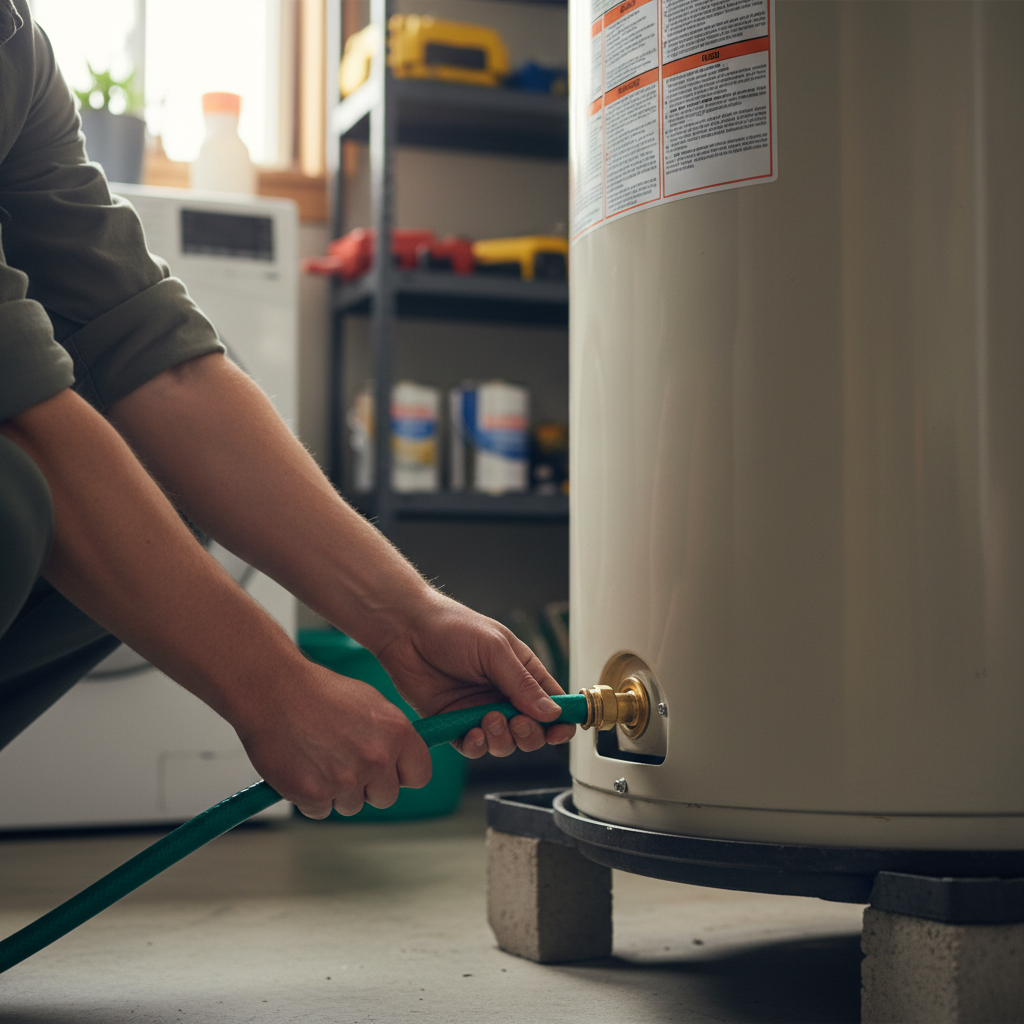
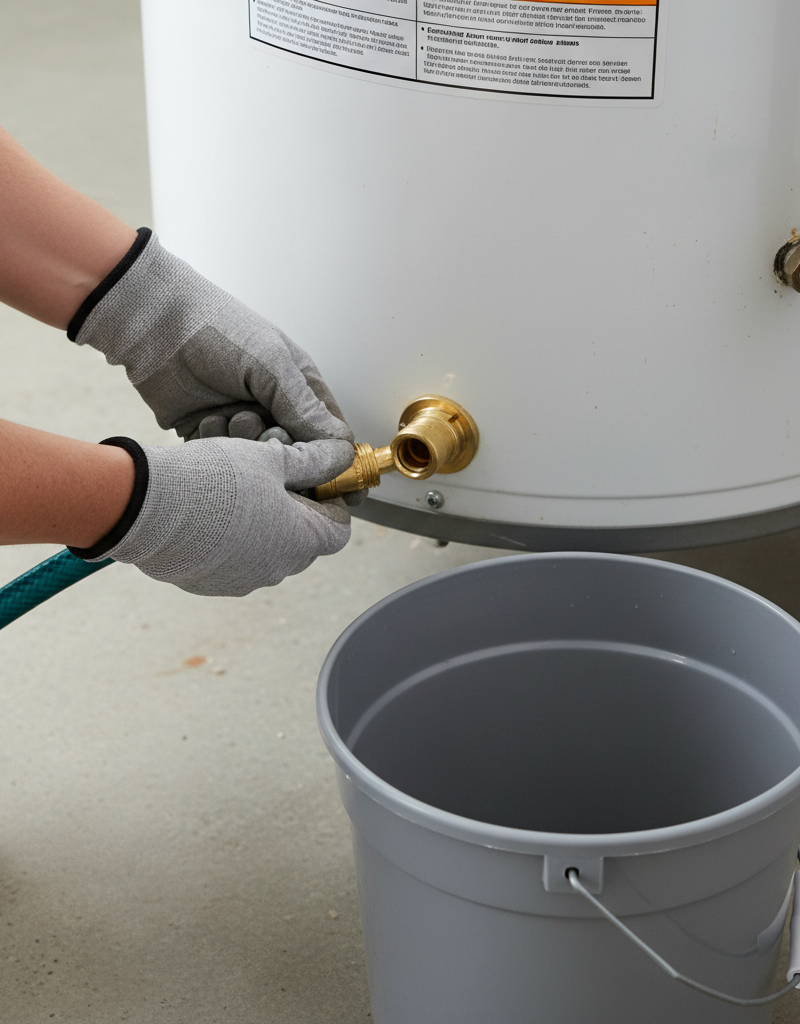
- Connect a Garden Hose — *Locate the drain valve at the bottom of the water heater tank. It typically looks like a spigot. Attach one end of a standard garden hose to this drain valve. Route the other end of the hose to a floor drain, a large utility sink, or outside to an area where hot, possibly sediment-laden water can safely drain without causing damage to plants or surfaces.
- Warning: The water will be very hot. Avoid directing it onto concrete that may crack from thermal shock.
- If no nearby drain: Use a large bucket, but be prepared for multiple trips and the weight of water.
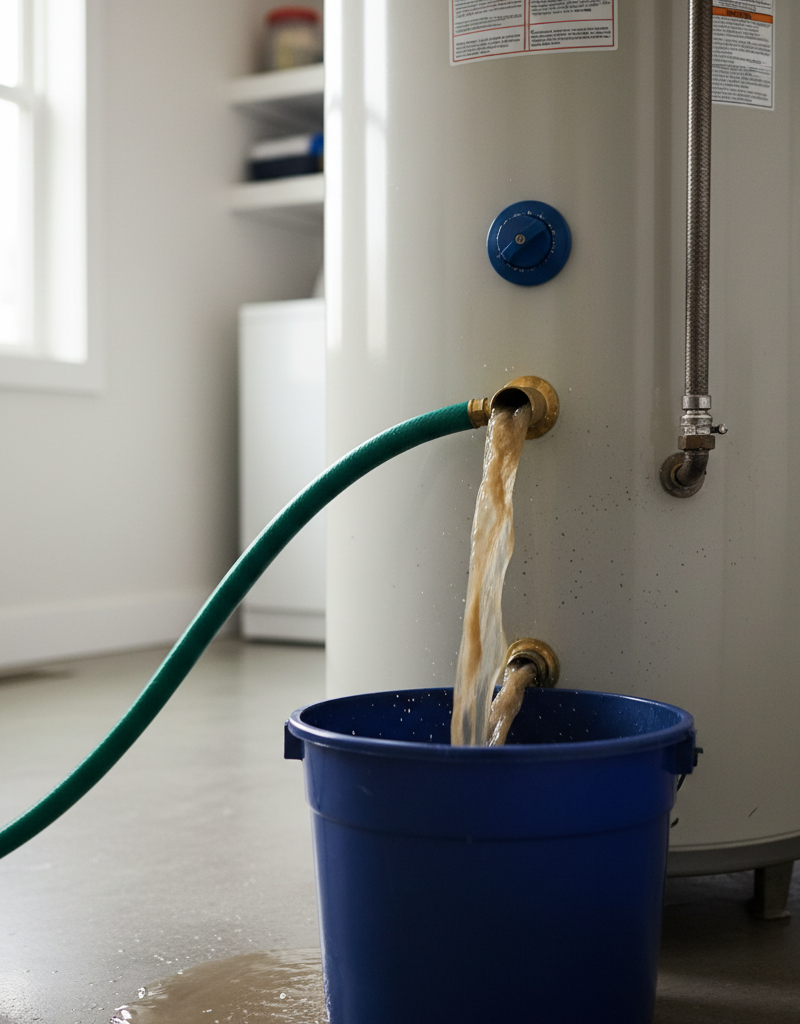
- Open the Drain Valve — *Carefully open the drain valve on the water heater. You can use a flathead screwdriver or adjustable wrench, depending on the valve type. Water, potentially murky with sediment, will begin to flow out of the hose. Allow the tank to drain completely. This can take 20-45 minutes depending on the tank size and sediment amount.
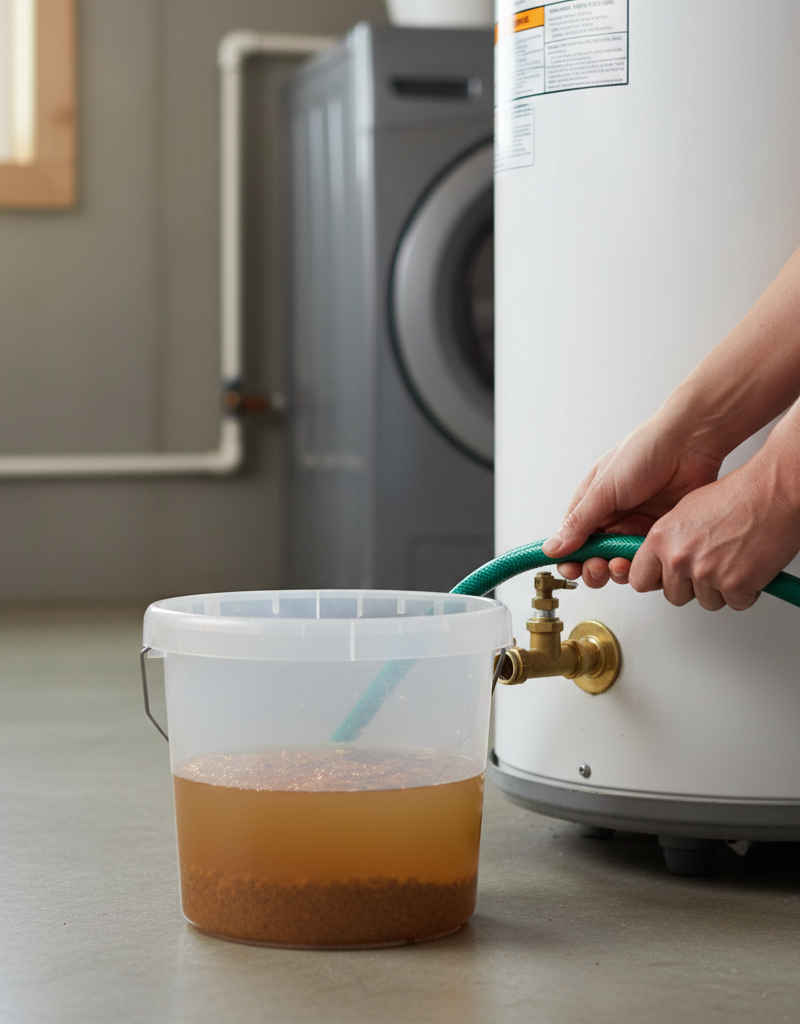
- Observe: Watch the water flowing out. Initially, it might be cloudy, sandy, or even contain small chunks of mineral buildup. Continue draining until the water runs clear.
- Backflush (Optional but Recommended) — *Once the tank is mostly drained, close the main cold water supply valve to the water heater again. Then, briefly open the cold water supply valve to the house, allowing cold water to rush into the hot water outlet and create turbulence in the tank. You can also open and close the main cold water supply valve to the water heater several times to stir up more sediment. This backflushing action helps dislodge stubborn sediment.
- Repeat: Close the cold water supply to the heater and open the drain valve again to flush out the newly dislodged sediment. Repeat this open/close sequence a few times until the water runs clear consistently.
- Close Drain Valve and Refill Tank — *Once the water runs completely clear from the hose, close the drain valve on the water heater securely. Disconnect the garden hose. Then, open the cold water supply valve to the water heater slowly. You'll hear the tank refilling. Let it fill completely. Continue to leave the nearby hot water faucet open until water flows steadily and without air bubbles, indicating the tank is full.
- Crucial: Ensure the tank is completely full before restoring power/gas. Heating an empty tank can cause severe damage.
- Restore Power/Gas and Relight Pilot — *Once the tank is full and water is flowing steadily from the hot faucet, close the hot water faucet. For an electric water heater, return the circuit breaker to the 'ON' position. For a gas water heater, turn the gas control knob back to its 'ON' position and follow the manufacturer's instructions for relighting the pilot light, if necessary. Allow the water heater to heat the water to your desired temperature.
- Safety Note: If relighting a gas pilot, follow all instructions precisely. If you smell gas at any point, immediately shut off the gas supply and ventilate the area. Do NOT attempt to relight.
- Check for Leaks and Restore Settings — After the tank has refilled and the heating is restored, check around the drain valve and supply lines for any leaks. Tighten connections if necessary. You can now adjust your thermostat to your preferred temperature setting. If the popping continues after a thorough flush, consider potential heater element failure or a severely corroded tank. In these cases, professional diagnosis is recommended.
Common Causes
- Hard Water: This is the overwhelming primary cause. Water with high mineral content (calcium, magnesium) leads to mineral deposits forming inside the tank much faster than in soft water areas. These minerals precipitate out when heated and settle at the bottom. Check your municipal water report or use a home test kit to determine your water hardness.
- Lack of Regular Flushing: Most manufacturers recommend flushing your water heater annually, or even more frequently in hard water areas. Skipping this routine maintenance allows sediment to accumulate undisturbed, hardening into a thick layer.
- Aging Water Heater: Older water heaters are more susceptible to sediment buildup. Over decades, even with some flushing, mineral accumulation can become more significant and harder to dislodge. The interior lining may also start to degrade, contributing to debris.
- Heating Element Issues (Electric Water Heaters): While less common, a failing lower heating element can cause localized boiling and popping. If sediment has continuously covered the element for a long time, it can overheat and eventually fail. Sediment acts as an insulator, making the element work harder and hotter.
- Tank Corrosion: In rare cases, severe internal corrosion of the tank itself can lead to bits of metal flaking off and contributing to sediment, or create areas where heat transfer is impaired, leading to localized boiling.
Common Mistakes
- Not Shutting Off Power/Gas: Forgetting to turn off the power supply (electric) or gas and pilot (gas) before draining is a major safety hazard and can damage the heating elements if they activate in an empty tank. Always confirm power/gas is off.
- Forgetting to Open a Hot Water Faucet: Opening a hot water faucet elsewhere in the house relieves pressure and prevents a vacuum lock, allowing the tank to drain properly. Skipping this step can make draining difficult or impossible.
- Not Draining Completely or Until Water is Clear: A quick partial flush won't remove all the sediment. You need to drain the tank completely and ideally perform a backflush until the water running out of the hose is crystal clear. Impatience here means the problem will reappear quickly.
- Ignoring the Water Temperature: The water coming out of the drain valve will be very hot. Failing to direct it safely or take precautions can lead to severe burns. Always respect the temperature of the water.
- Not Refilling Before Turning On: This is critical! Turning on an electric water heater without a full tank will immediately burn out the heating elements. For gas water heaters, it can damage the tank. Always ensure the tank is completely full before restoring power or gas.
- Over-tightening the Drain Valve: The drain valve is often plastic. Over-tightening it when reattaching the hose or closing it can crack the valve, leading to a leak and potentially a much bigger repair job.
Cost & Time Breakdown
| Task | DIY Cost | Pro Cost | Time |
|---|---|---|---|
| Water Heater Flush | $0–$15 | $100–$250 | 45–90 minutes |
| Replacement Drain Valve | $10–$30 | $75–$150 (incl. labor) | 30–60 minutes |
| Water Hardness Test Kit | $10–$20 | N/A | 5 minutes |
| New Heating Element (Electric) | $30–$60 (per) | $200–$400 | 1–2 hours |
| Anode Rod Replacement | $20–$50 | $150–$300 | 30–60 minutes |
Tips & Prevention
- Regular Flushing: The single most effective preventative measure. Flush your water heater at least once a year, or every six months if you live in an area with particularly hard water. Mark it on your calendar!
- Install a Water Softener: If you have exceptionally hard water, a whole-house water softener can significantly reduce mineral buildup not only in your water heater but also in all your plumbing fixtures and appliances, extending their lifespan and improving efficiency.
- Check Anode Rod Annually: The anode rod is a sacrificial rod designed to corrode before the steel tank does. It collects corrosive elements. Inspect and replace it every 3-5 years, or more often in hard water areas, to prolong your tank's life. A failing anode rod can also contribute to sediment if it breaks apart.
- Monitor for Warning Signs: Don't wait for loud popping. Keep an ear out for subtle rumbling or cracking noises. Also, watch for reduced hot water capacity, longer heating times, or cloudy hot water, all of which can indicate sediment buildup.
- Adjust Temperature Settings: While not a direct sediment prevention, keeping your water heater thermostat set to 120°F (49°C) can reduce the rate of mineral precipitation compared to higher temperatures, while still being hot enough for most household uses.
When to Call a Professional
While flushing a water heater is a manageable DIY task for most homeowners, there are specific situations where calling a licensed plumbing professional is the wisest course of action. If you have followed the flushing steps diligently and the popping noise persists, it could indicate a more serious underlying issue such as a severely corroded tank, a failing heating element (which can be a more complex repair on an electric unit, potentially involving electrical work), or a compromised dip tube. If your water heater is old (over 10-12 years), the sediment might be too compacted and hardened to be removed by a standard flush, making professional intervention necessary to assess the feasibility of repair versus replacement. Any signs of leaks from the tank itself, discolored or metallic-smelling hot water after a flush, or a lack of confidence in performing the maintenance safely, especially with gas models, are clear signals to contact a professional. Gas water heaters, in particular, always warrant professional attention if you are uncomfortable working with gas lines or pilot lights, as improper handling can pose significant safety risks including gas leaks or carbon monoxide exposure. A professional can diagnose accurately, perform repairs safely, and advise on the remaining lifespan of your unit.
Related Articles
Keep troubleshooting with these hand-picked guides from FixlyGuide:
- Is Your Water Heater Secretly Draining Your Wallet? — Flushing your water heater annually removes sediment buildup, improving efficiency and extending its lifespan. This guide provides a simple…
- The Surprising Reason Your Hot Water Heater Dies Young (And the 20-Minute Fix) — Discover how a simple 20-minute annual flush can prevent premature water heater failure, restore heating efficiency, and improve your hot w…
- The #1 Mistake Homeowners Make Flushing a Water Heater (And How to Do It Right) — Discover the crucial mistake most homeowners make when flushing their water heater and follow our step-by-step guide to properly maintain y…
- The #1 Mistake Homeowners Make When Their AC Drain Clogs (And The $5 Fix) — Discover the most common error homeowners make when tackling a clogged AC drain line and learn a simple, inexpensive solution to prevent co…
- That 5-Minute Shower? Your Water Heater's Secret Problem — Your hot water is likely running out quickly due to a broken internal dip tube, a massive buildup of mineral sediment, or a failing heating…
- The 4 Hidden Reasons Your Entire Home Has Low Water Pressure (And the Easy Fixes) — Low water pressure throughout your entire home can be a frustrating and often misunderstood problem, with several common culprits. Learn to…
What should this project cost?
Enter your project details for a realistic cost range before you call anyone.
Common repairs run $150–$650; repipes and water-heater replacements reach $1,500–$4,500.
- Regional adjustment
- National average
- Labor share (typical)
- ~$754
- Quotes to collect
- 3 written estimates
Educational estimate based on national averages — not a binding quote. Always confirm with written local estimates.
Fixly Project Decision Box
- DIY difficulty
- Moderate
- Estimated time
- 30 minutes – half a day
- Cost level
- Moderate
Main tools / materials
- Adjustable wrench
- Plunger or drain auger
- Bucket and towels
- Thread tape
When to stop and call a pro
- Water you cannot shut off at the fixture or main
- Sewage backing up into more than one fixture
- Water near electrical panels or outlets
- Gas water heater work beyond relighting a pilot
Need professional help?
Get a Licensed PlumberGet the print-ready PDF of this guide
A clean, ad-free, printable version you can keep on your phone or pin to the workshop wall. Free with a FixlyGuide account.
- Print-optimized layout
- Tools, materials & every step included
- Saved to your account
Frequently asked questions
What causes a water heater to make a popping sound?+
A popping sound from your water heater is almost always caused by sediment buildup at the bottom of the tank. As the heating element heats the water, trapped pockets of water within the sediment turn to steam, creating the popping noise.
Is a popping water heater dangerous?+
While typically not immediately dangerous, a popping water heater signals sediment buildup, which reduces efficiency and can shorten the lifespan of your unit. Over time, it can lead to premature element failure or tank corrosion. Address the issue promptly to prevent more serious problems.
How do I stop my water heater from popping?+
The most effective way to stop a water heater from popping is to flush the tank thoroughly to remove accumulated sediment. This involves shutting off power/gas and the cold water supply, draining the tank, and refilling it. Regular annual flushing can prevent the issue from recurring.
How often should I flush my water heater?+
It is recommended to flush your water heater at least once a year. If you live in an area with particularly hard water, flushing it every six months can be beneficial to prevent sediment buildup and maintain efficiency.
Can I fix a popping water heater myself?+
Yes, flushing a water heater to remove sediment is a common DIY task that most homeowners can perform with basic tools and careful attention to safety instructions. However, if the noise persists after flushing, or if you are uncomfortable working with gas or electrical components, it's best to call a licensed professional.
Discussion
Loading comments…