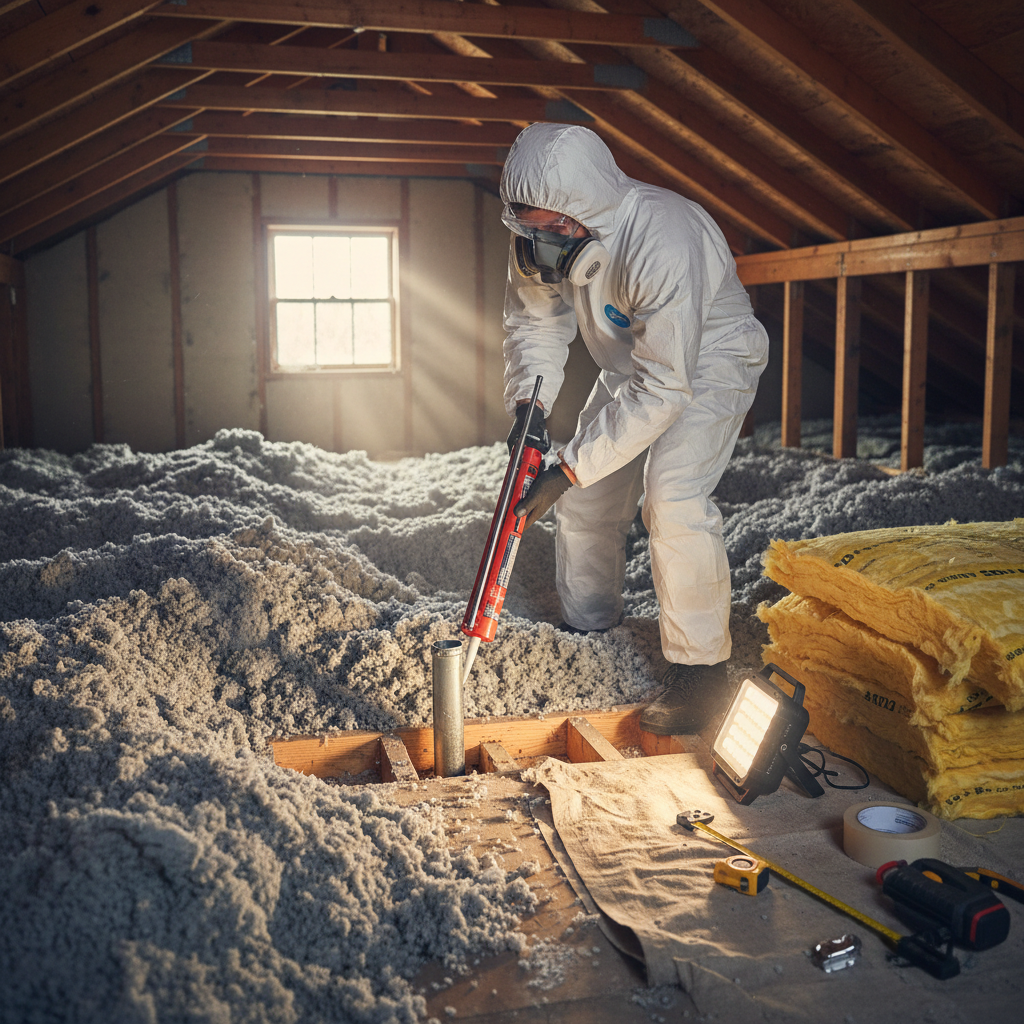
- Safety First — Before you do anything, prioritize safety.
- Wear a respirator, gloves, long sleeves, pants, and eye protection. Insulation fibers can cause skin and respiratory irritation. Work in good lighting.
- If your attic has exposed wiring or an older electrical system, consider consulting an electrician before proceeding. Never work near live electrical wires without proper training and safety precautions.
- Ensure the attic has adequate ventilation. Open attic vents or a window if possible. If the attic is extremely hot, wait for a cooler part of the day.
- Map out joist locations with a stud finder for safe walking surfaces. Avoid stepping on drywall or insulation between joists.
Published May 27, 2026Last updated August 17, 2026
Tools & materials you'll need
Affiliate linksAs an Amazon Associate FixlyGuide earns from qualifying purchases — at no extra cost to you. Prices and availability are accurate as of publication and subject to change.
Quick Answer
Sealing and insulating your attic is one of the most cost-effective ways to make your home more resilient to heat waves and reduce air conditioning expenses. By preventing conditioned air from escaping and hot air from entering through the attic, you create a more stable indoor temperature, leading to lower energy consumption and a more comfortable living environment. This project typically involves sealing air leaks around penetrations and then adding a sufficient layer of insulation to meet or exceed recommended R-values for your climate zone.
The Problem
Imagine constantly leaving a window slightly ajar during summer, letting your expensive, cooled air escape while hot, humid air streams in. That's essentially what an unsealed or under-insulated attic does to your home. On a scorching summer day, attic temperatures can soar to 150°F or even higher. This superheated air isn't content to stay put; it radiates downwards into your living spaces and finds any tiny crack or gap to infiltrate. Meanwhile, the cooler, conditioned air from your HVAC system rises and readily escapes through the same pathways in the attic floor and ceiling. This constant transfer of heat drives up your air conditioning workload, causing your AC to run longer, work harder, and ultimately consume more energy, leading to significantly higher utility bills. Beyond the financial drain, it creates uneven temperatures, hot spots, and reduces overall indoor comfort, making your home a less pleasant refuge from the heat.
How It Works
Your attic works as a crucial thermal barrier between your conditioned living space and the extreme temperatures of the outdoors. Its effectiveness hinges on two primary components: air sealing and insulation. Think of your ceiling as the floor of your attic. Throughout this 'floor' there are numerous penetrations: electrical wires for lights, plumbing vent stacks, HVAC ducts, exhaust fan ducts, and the attic access hatch itself. Each of these penetrations, if not properly sealed, creates a direct pathway for air movement. In summer, hot, unconditioned attic air infiltrates your home, and inversely, cool, conditioned air leaks out. This uncontrolled air movement, known as convection, bypasses your insulation entirely, rendering it less effective.
Insulation, on the other hand, works by creating resistance to heat flow, measured by its R-value. The higher the R-value, the greater its insulating power. Materials like fiberglass, cellulose, and mineral wool trap tiny pockets of air, slowing the transfer of heat through conduction. In summer, insulation in your attic floor reduces the amount of heat radiating from the blazing hot attic down into your cooler living spaces. A properly sealed and insulated attic creates a 'thermal envelope' that maintains a more consistent temperature in your home, preventing heat gain from the outside and heat loss from the inside, significantly reducing the load on your HVAC system.
Step-by-Step Fix
-
Safety First — Before you do anything, prioritize safety.
- Wear a respirator, gloves, long sleeves, pants, and eye protection. Insulation fibers can cause skin and respiratory irritation. Work in good lighting.
- If your attic has exposed wiring or an older electrical system, consider consulting an electrician before proceeding. Never work near live electrical wires without proper training and safety precautions.
- Ensure the attic has adequate ventilation. Open attic vents or a window if possible. If the attic is extremely hot, wait for a cooler part of the day.
- Map out joist locations with a stud finder for safe walking surfaces. Avoid stepping on drywall or insulation between joists.
-
Clear the Way — Remove old or damaged insulation if necessary.
- If your existing insulation is wet, moldy, pest-infested, or severely compressed, it's best to remove it first. Rent an insulation vacuum for larger jobs or carefully bag and remove smaller sections. This step is often skipped if existing insulation is in good condition, as you can often add new insulation over old. Consult local disposal guidelines for insulation materials.
-
Seal the Leaks — The most crucial step: find and plug air leaks.
- The Smoke Trick: With your HVAC fan running (but not heating/cooling), light an incense stick or use a thermal leak detector. Pass it over areas where air leaks are common: around plumbing vent pipes, electrical wires entering the attic floor, recessed light fixtures (especially older, non-IC rated ones), chimney chases, and the attic access hatch.
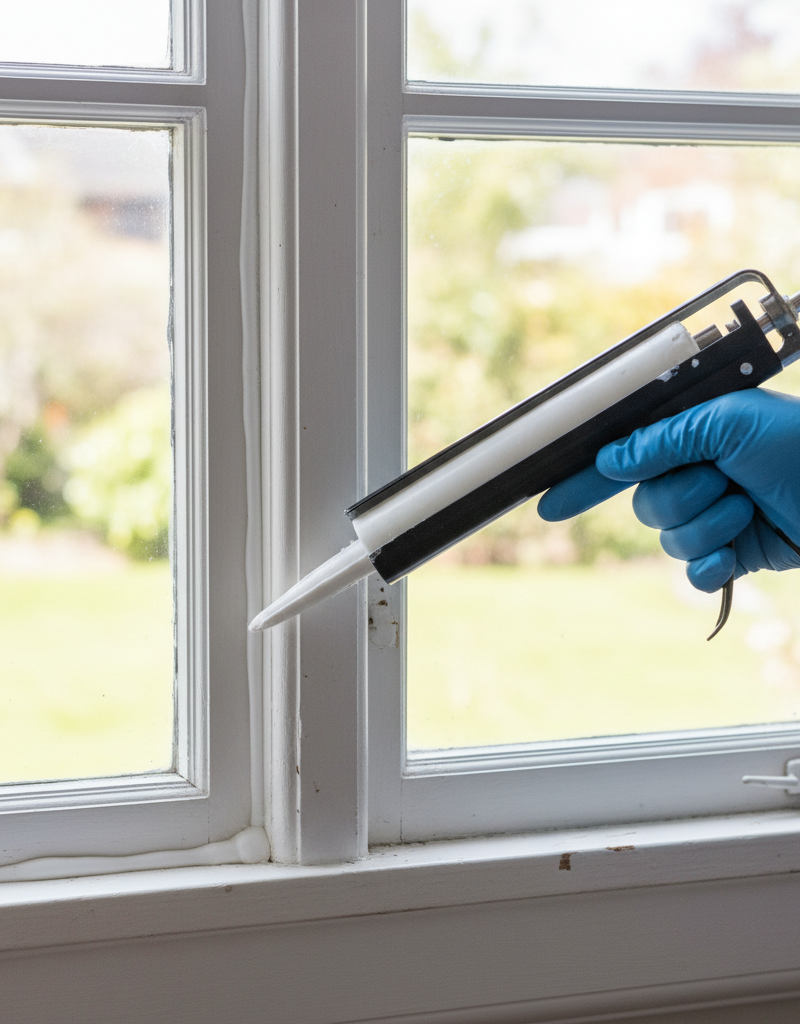
- Caulk & Foam: For smaller gaps (up to 1/4 inch), use fire-rated caulk (red for fire caulk) around wires, pipes, and electrical boxes. For larger gaps (1/4 inch to 3 inches), apply expanding foam sealant (low-expansion foam for smaller gaps near electrical, high-expansion for larger voids). Ensure foam is compatible with plastics if used near wiring.
- Ductwork: Inspect all HVAC ducts for gaps or disconnections, especially at seams and where they connect to the main unit or registers. Seal these thoroughly with mastic sealant or metallic foil tape (not duct tape, which degrades over time). Wrap any exposed ductwork with insulation sleeves or blankets.
-
Seal the Attic Hatch — A major culprit for air leakage.
- Install a weatherstrip around the perimeter of your attic access hatch. Use foam gasket tape for an airtight seal. On pull-down stair models, fill any gaps around the frame with expanding foam and ensure the entire hatch assembly is well sealed.
- Consider adding an insulation board or an attic stair cover kit directly onto the attic side of the hatch to reduce heat transfer through the hatch itself.
-
Address Recessed Lighting — These fixtures are notorious for air leaks.
- If you have recessed lights, identify if they are
Related Articles
Keep troubleshooting with these hand-picked guides from FixlyGuide:
- The Hidden Reason Your GFCI Trips (and Why Most Homeowners Miss It) — A continuously tripping GFCI outlet is a safety warning, often signaling common but overlooked issues like moisture intrusion, appliance fa…
- The Secret Window AC Trick That Slashes Your Summer Electric Bill By 30% — Mastering simple window AC maintenance can significantly reduce your cooling costs and extend the life of your unit, often by more than 30%.
- The Surprising Trick to Cutting Your Dryer Bill By $100 Per Year — Installing a clothesline can significantly reduce your energy bills and add a fresh scent to your laundry. This guide covers how to choose…
- 7 Inspection Red Flags That Secretly Signal a $20,000 Bill — Don't let your dream home become a money pit. Many buyers and even some inspectors overlook subtle home inspection red flags that lead to f…
- The 12 Checks That Prevent 80% of Costly Home Repairs — Don't wait for a disaster. Our comprehensive monthly home maintenance checklist reveals the surprising, simple tasks that catch small issue…
- The 7 Critical Home Inspection Checks Most Homeowners Miss (And How to Spot Them) — Discover the crucial annual home inspection checks often overlooked by homeowners, and learn how to identify potential issues before they b…
What should this project cost?
Enter your project details for a realistic cost range before you call anyone.
Cost depends heavily on which system turns out to be the source.
- Regional adjustment
- National average
- Labor share (typical)
- ~$1,620
- Quotes to collect
- 3 written estimates
Educational estimate based on national averages — not a binding quote. Always confirm with written local estimates.
Fixly Project Decision Box
- DIY difficulty
- Advanced
- Estimated time
- Homeowner checks 20–30 minutes
- Cost level
- Moderate
Main tools / materials
- Clean air filter
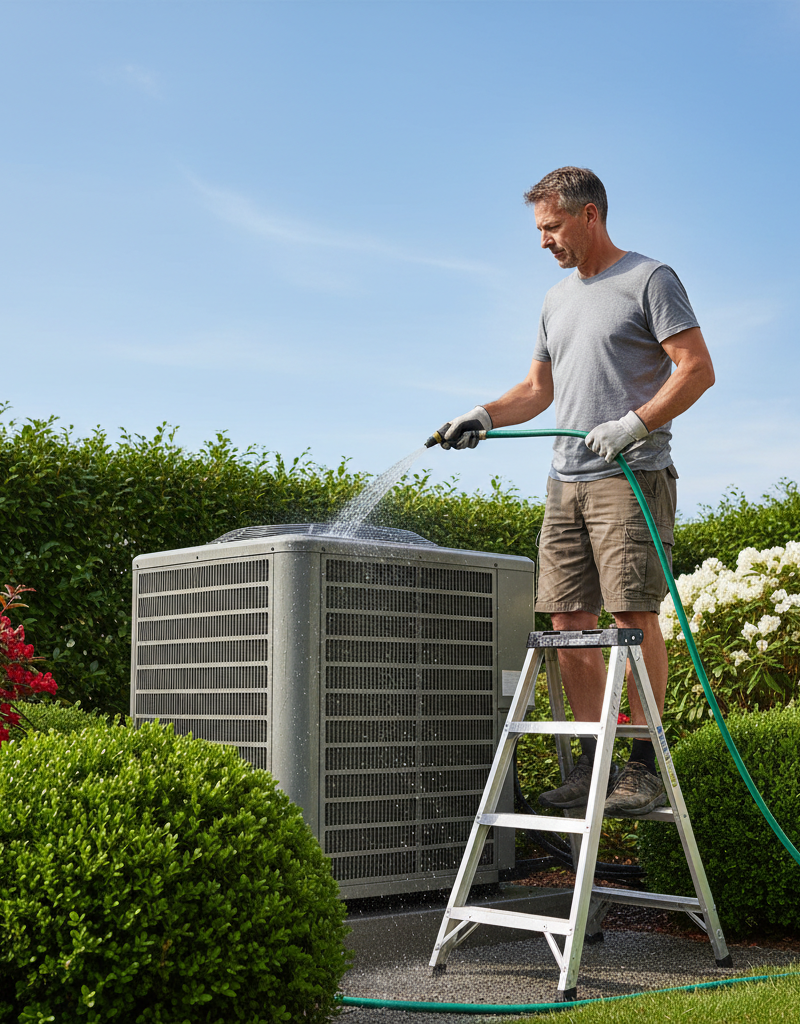
- Garden hose for condenser coils
- Shop vac for the condensate line
When to stop and call a pro
- Burning smell, smoke, or a tripping breaker
- Refrigerant lines iced over or hissing
- Any work inside the sealed refrigerant circuit (EPA-licensed only)
- Gas smell near a furnace — leave and call the utility
Need professional help?
Find an HVAC Pro Near YouDecide what your roof needs
Two minutes of questions turns "something is wrong up there" into a clear next step.
- Repair or replace your roof?Answer 10 questions about age, leaks, and damage to get a clear next step.Open
- Compare contractor quotesScore up to four bids on price, warranty, licensing, and timeline.Open
- Get local estimatesSend one request and compare written estimates from vetted pros.Open
Free, no signup required. Estimates are educational guidance, not a quote or an inspection.
Get the print-ready PDF of this guide
A clean, ad-free, printable version you can keep on your phone or pin to the workshop wall. Free with a FixlyGuide account.
- Print-optimized layout
- Tools, materials & every step included
- Saved to your account
This article was independently written by FixlyGuide based on the source topic.
Frequently asked questions
How much does it cost to seal and insulate an attic DIY?+
The cost for DIY attic sealing and insulation typically ranges from $40 to $300, depending on the materials used and the amount of new insulation needed. This primarily covers the cost of caulk, expanding foam, and insulation batts or blown-in cellulose/fiberglass bought in bags.
How long does attic sealing and insulation take?+
For a typical homeowner, sealing and insulating an attic can take anywhere from 4 to 8 hours for a small to medium-sized attic, or up to 1-2 full days for a larger or more complex attic with significant air leakage to address.
What R-value should my attic insulation be?+
The recommended R-value for attic insulation varies by climate zone. For most US regions, R-values between R-38 and R-60 are recommended. Refer to the Department of Energy's recommendations for your specific zip code to ensure optimal energy efficiency.
Can I put new insulation over old insulation?+
Yes, in most cases, you can add new insulation over existing insulation, provided the old insulation is dry, free of mold, and not severely compressed or infested with pests. Ensure that adding new layers doesn't compress or damage existing insulation, which would reduce its R-value.
Discussion
Loading comments…