- The 1 Mistake Homeowners Make When Their Dryer Stops Drying (And How to Fix It Free) — If your dryer is taking too long to dry clothes, the most common culprit is a clogged vent, which can be easily fixed with simple tools.
- The 1 Mistake Homeowners Make When Their Dishwasher Stops Cleaning (And the Simple Fix) — Discover the most common reason your dishwasher isn't cleaning dishes and learn a simple, effective fix you can do yourself in minutes.
- The 1 Mistake Wrecking Your Dishwasher's Cleaning Power (And the 10-Minute Fix) — Discover the most common, overlooked reason your dishwasher isn't cleaning dishes properly and how a simple 10-minute fix can restore its p…
- The 1 Mistake Homeowners Make When Their Dryer Stops Drying (It's Not the Lint Trap) — A common, easily overlooked issue often causes dryers to take too long to dry clothes: a clogged dryer vent, restricting airflow and drying…
- The 1 Mistake Homeowners Make When Their Dryer Is Taking Too Long — Before you call a repairman, learn the most common, easily overlooked reason your dryer isn't drying clothes efficiently and how to fix it…
Plumbing · Clog
| Project category | Plumbing |
|---|---|
| Problem type | Clog |
| Trade required | Plumbing |
| Urgency | Soon — within weeks |
| Safety risk | Low safety risk |
| DIY suitability | DIY friendly |
| Cost category | Low cost |
| Typical timeline | Same-day DIY attempt; pro visit within a day or two |
| Contractor type | Licensed plumber |
Repair option
Plunger, hand auger, or trap cleanout before chemicals.
Replacement option
Line replacement when clogs return in the same spot repeatedly.
Common causes
- Hair and soap buildup in the trap
- Grease cooling in the branch line
- Flushed wipes or foreign objects
Relevant tools:diy difficultydiy or hire a pro
Published May 30, 2026Last updated August 17, 2026
Tools & materials you'll need
Affiliate linksAs an Amazon Associate FixlyGuide earns from qualifying purchases — at no extra cost to you. Prices and availability are accurate as of publication and subject to change.
Quick Answer
If your dryer is taking an unusually long time to dry clothes, the most common culprit is a restricted airflow. This restriction is almost always due to lint accumulation, not just on the visible lint screen, but within the lint screen housing and the entire dryer vent system. A thorough cleaning of these components will dramatically improve drying performance, reduce energy consumption, and significantly lower the risk of a dryer fire.
The Problem
You toss a load of wet laundry into the dryer, set it to your usual cycle, and come back an hour later only to find the clothes still damp. Frustrating, right? You might try running it again, only for the same disappointing result. This isn't just an inconvenience; it's a sign that your dryer isn't working efficiently, which translates to wasted energy, higher utility bills, and increased wear and tear on your appliance. More critically, a clogged dryer vent system is a serious fire hazard. Lint is highly flammable, and when it accumulates in the hot environment of a dryer and its exhaust system, it can ignite.
How It Works
dryers operate by drawing in ambient air, heating it with an electric heating element or a gas burner, and then tumbling it through your wet clothes. The hot, dry air absorbs moisture from the clothes, becoming humid. This humid air is then expelled out of the dryer and through an exhaust duct to the outside of your home. The entire process relies on a continuous, strong airflow to efficiently remove moisture. The lint screen is the first line of defense, designed to catch loose fibers shed from clothes, preventing them from entering the exhaust system. However, even with diligent cleaning of the visible lint screen, microscopic lint particles, fabric softener residue, and airborne debris can bypass the screen and accumulate in the lint screen housing and further down the vent duct. As these blockages grow, the dryer can no longer effectively expel humid air, causing the hot, moist air to recirculate within the drum. This significantly reduces the dryer's ability to evaporate water from your clothes, leading to longer drying times, hotter operation, and inefficient performance. The motor and heating element work harder, shortening their lifespan, and the trapped heat increases the risk of combustion within the trapped lint.
Step-by-Step Fix
Safety First – Always unplug your electric dryer or shut off the gas supply and unplug a gas dryer before performing any maintenance or cleaning. Also, wear gloves and a dust mask, especially when dealing with older, heavily linted systems.
1. Disconnect Power – Ensure the dryer is completely de-energized.
Unplug the dryer from the wall outlet. For gas dryers, in addition to unplugging, turn off the gas supply valve, typically located behind the dryer, often a yellow handle parallel to the gas line when open, perpendicular when closed. This is a critical safety step to prevent electrical shock or gas leaks.
2. Remove and Deep Clean the Lint Screen – Don't just brush it off.
Pull out your dryer's lint screen, usually located just inside the dryer door or on top of the dryer. While you likely clean this regularly, it often has an invisible film of fabric softener or detergent residue that traps lint more effectively. Wash the screen with warm water and a small amount of liquid dish soap. Use a soft brush (an old toothbrush works well) to gently scrub both sides. Rinse thoroughly and let it air dry completely before returning it to the dryer. This simple step can dramatically improve airflow.
3. Clean the Lint Trap Housing – Target the hidden lint below the screen.
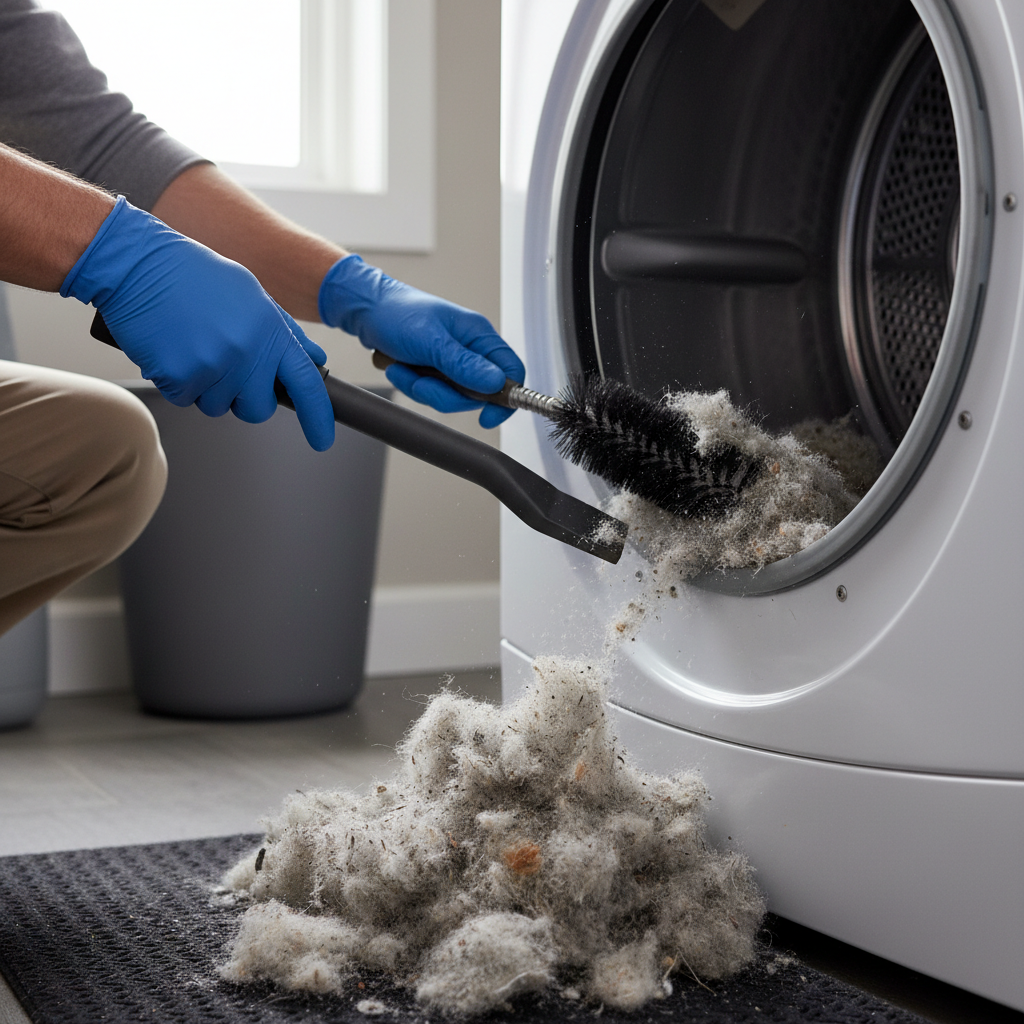
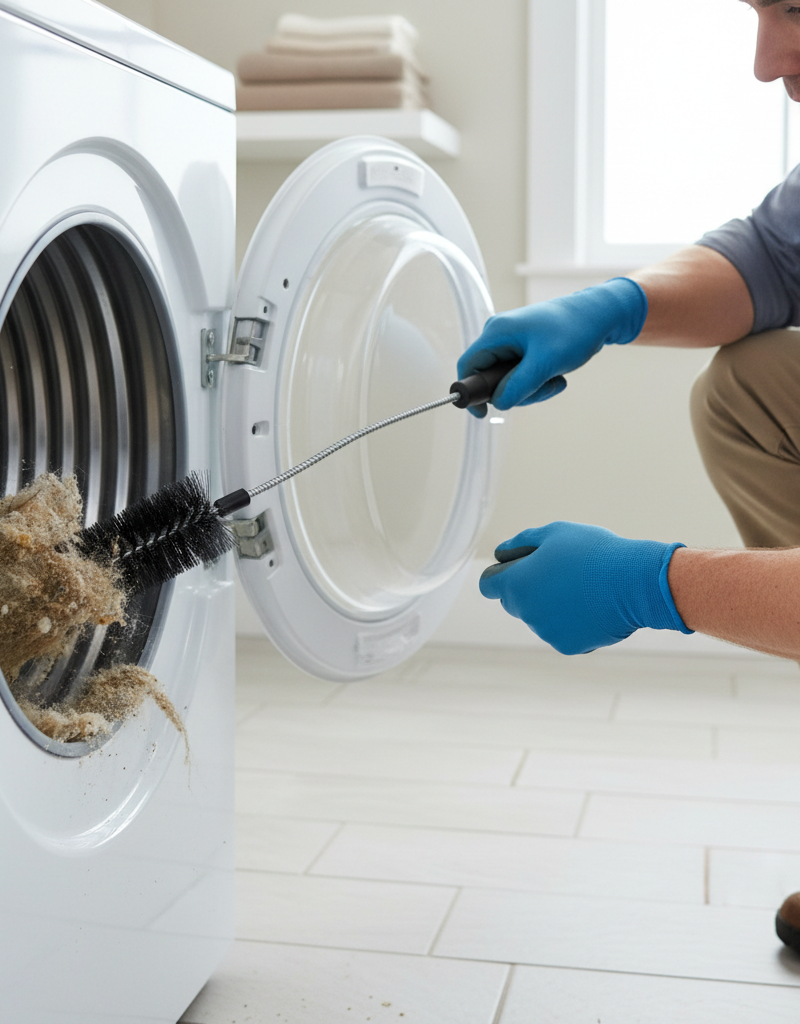
Even after cleaning the screen, lint often builds up in the cavity where the lint screen sits. Use a vacuum cleaner with a crevice tool attachment to reach deep into this housing. Move the attachment around to dislodge and suck up any accumulated lint, dust, or debris. A specialized dryer vent brush (a long, flexible brush on a wire handle) is even better for reaching further down into the initial part of the vent duct.
4. Disconnect the Dryer Vent Hose – Access the main exhaust duct.
Carefully pull the dryer away from the wall, allowing enough space to work behind it. Locate the exhaust hose, usually a flexible aluminum duct, connecting the dryer to the wall vent. Loosen the clamps (often screw clamps or spring clamps) securing the hose to both the dryer's exhaust port and the wall vent. Gently twist and pull the hose free from both connections. Be careful not to tear the hose.
5. Inspect and Clean the Exhaust Hose – Remove blockages from the flexible duct.
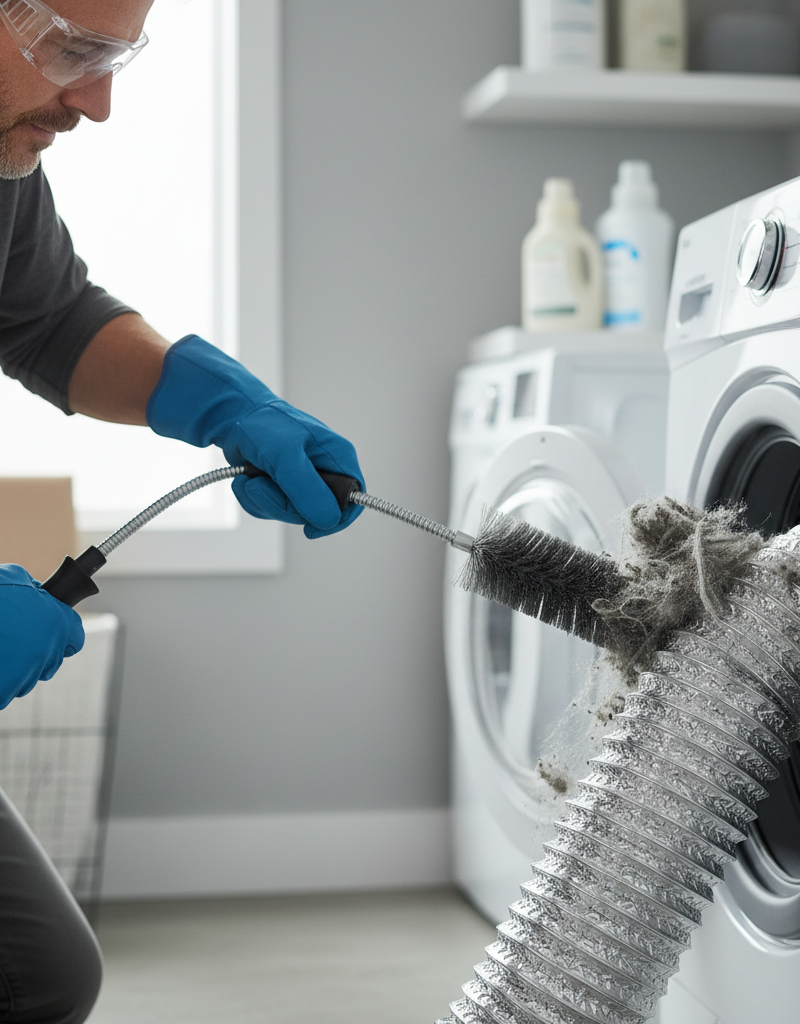
Once disconnected, inspect the entire length of the flexible exhaust hose. You'll likely find significant lint buildup, especially in any bends or kinks. Take the hose outside and shake it vigorously to dislodge loose lint. Use a dryer vent cleaning brush kit (available at hardware stores, typically a brush head with extendable rods) to scrub the inside of the hose, pushing lint out. If the hose is damaged, crushed, or heavily clogged beyond easy cleaning, consider replacing it with a new, rigid metal or semi-rigid aluminum duct, which offers superior airflow and is less prone to kinking than flexible foil ducts.
6. Clean the Dryer's Exhaust Port – Clear the machine's direct exit.
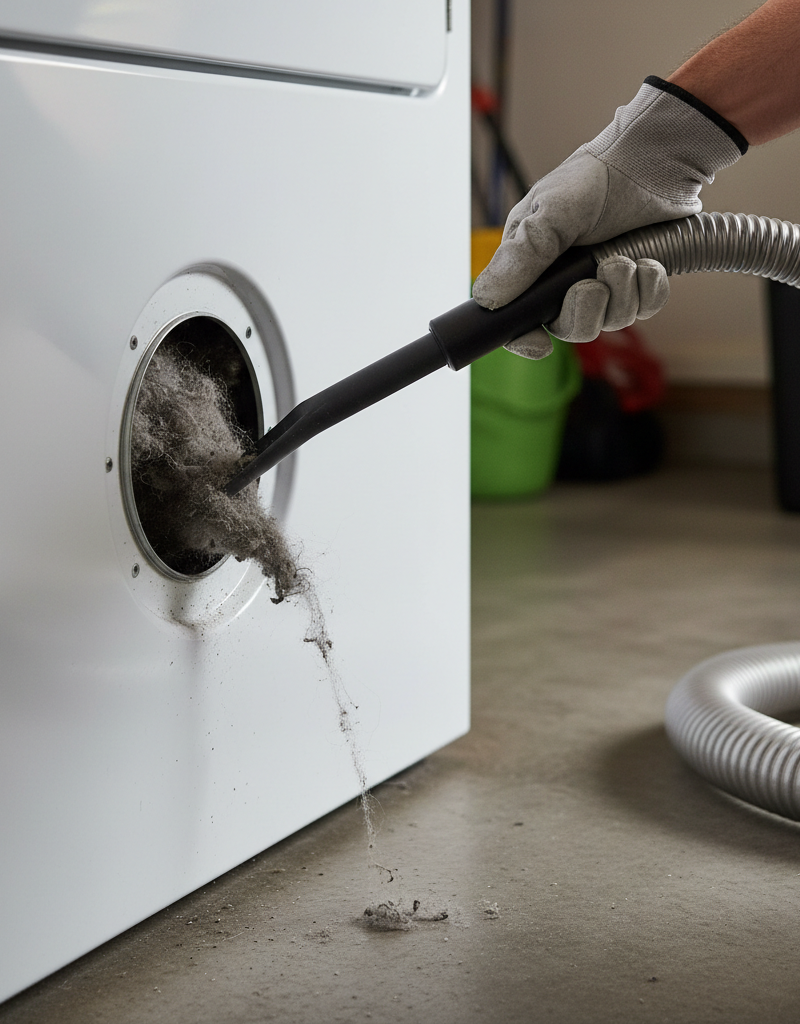
With the exhaust hose removed, you'll see the dryer's exhaust port. Use your vacuum's crevice tool or a small brush to clean any lint from this opening. Ensure there are no blockages directly at the dryer's exit point.
7. Clean the Wall Vent Duct (Interior Section) – The longest path for lint.
Shine a flashlight into the wall vent opening. You'll often see a surprising amount of lint. Use your dryer vent cleaning brush kit, extending the rods as needed, to push through and clean the entire length of the wall vent duct. Work from the inside out, if possible. If you encounter significant resistance or a major blockage, you may need to go outside for the next step.
8. Clean the Exterior Vent Hood – Don't forget the outdoor exit.
Go outside to locate the dryer vent hood on the exterior wall of your home. This hood often has a flap or small slats that open to let air out. These can become caked with lint, preventing proper airflow and sometimes even sticking closed. Carefully remove any visible lint from around and inside the hood. If the hood is removable (some are screwed or clipped on), take it off for a more thorough cleaning. Use a brush or your hand to clear away lint. Ensure the flap can open freely. Consider installing a vent hood design that's less prone to clogging and easier to clean.
9. Reconnect and Test – Secure everything before drying.
Once all components are clean, carefully reattach the exhaust hose to the dryer's exhaust port and the wall vent. Secure the connections tightly with the clamps. Push the dryer back into place, ensuring the hose isn't crushed or kinked. Plug the dryer back in and turn on the gas supply if it's a gas model. Run a small load of damp towels or a
Related Articles
Keep troubleshooting with these hand-picked guides from FixlyGuide:
- The #1 Mistake Homeowners Make When Their Dryer Stops Drying (And How to Fix It Free) — If your dryer is taking too long to dry clothes, the most common culprit is a clogged vent, which can be easily fixed with simple tools.
- The #1 Mistake Homeowners Make When Their Dishwasher Stops Cleaning (And the Simple Fix) — Discover the most common reason your dishwasher isn't cleaning dishes and learn a simple, effective fix you can do yourself in minutes.
- The #1 Mistake Wrecking Your Dishwasher's Cleaning Power (And the 10-Minute Fix) — Discover the most common, overlooked reason your dishwasher isn't cleaning dishes properly and how a simple 10-minute fix can restore its p…
- The #1 Mistake Homeowners Make When Their Dryer Stops Drying (It's Not the Lint Trap) — A common, easily overlooked issue often causes dryers to take too long to dry clothes: a clogged dryer vent, restricting airflow and drying…
- The #1 Mistake Homeowners Make When Their Dryer Is Taking Too Long — Before you call a repairman, learn the most common, easily overlooked reason your dryer isn't drying clothes efficiently and how to fix it…
- The Dryer Vent Fire Trap: 3 Hidden Signs Your Home Is at Risk — Learn the critical signs your dryer vent is clogged and how to safely clean it to prevent a dangerous house fire.
Should you do this yourself?
Answer five quick questions before you start. Safety outranks savings every time.
Your experience with work like this
How high do you have to work?
Does the job involve any of these?
Will it need a permit?
Specialty tools
Free and instant. Educational guidance only — not a quote, inspection, or professional diagnosis.
What should this project cost?
Enter your project details for a realistic cost range before you call anyone.
Cost depends heavily on which system turns out to be the source.
- Regional adjustment
- National average
- Labor share (typical)
- ~$1,620
- Quotes to collect
- 3 written estimates
Educational estimate based on national averages — not a binding quote. Always confirm with written local estimates.
Before you start
Check the difficulty, permits, and safety risk — then decide whether to call a pro.
- Estimate this projectGet a cost range for your scope and ZIP before you call anyone.Open
- Get local estimatesSend one request and compare written estimates from vetted pros.Open
Free, no signup required. Estimates are educational guidance, not a quote or an inspection.
Frequently asked questions
How often should I clean my dryer vent?+
You should clean the visible lint screen after every load. The dryer vent duct system (from the dryer to the exterior) should be inspected and cleaned at least once a year, or more frequently if you do a lot of laundry, own pets, or notice clothes taking longer to dry.
Can a clogged dryer vent cause a fire?+
Yes, absolutely. Lint is highly flammable, and when it accumulates in the hot environment of a dryer and its exhaust system, it can easily ignite. This is a leading cause of house fires.
What are the signs of a clogged dryer vent?+
Key signs include clothes taking much longer to dry than usual, clothes feeling unusually hot to the touch after a cycle, the dryer itself feeling excessively hot, a burning smell, and a noticeable lack of lint on the lint screen (meaning it's bypassing it and getting trapped elsewhere).
Can I use flexible foil ducting for my dryer vent?+
While flexible foil ducts are commonly used, rigid metal or semi-rigid aluminum ducts are superior. They offer better airflow, are less prone to crushing or kinking, and collect less lint, making them safer and more efficient. If your current ducting is flexible foil, consider upgrading.
How much does it cost to have a professional clean a dryer vent?+
Professional dryer vent cleaning typically costs between $100 and $200, depending on the length and complexity of the vent system. This is a worthwhile investment for safety and efficiency if you're uncomfortable doing it yourself.
Discussion
Loading comments…