- Clogged Lint Filter: The most frequent culprit. Even a thin layer reduces airflow significantly. Often, fabric softener residue also builds up, creating an invisible barrier.
- Obstructed Dryer Vent Duct: Lint accumulates in the transition hose or rigid ductwork over time, narrowing the path for moist air to exit. This is a major fire hazard.
- Kinked or Crushed Transition Hose: The flexible hose directly behind the dryer can easily get crimped when the dryer is pushed too close to the wall, severely restricting airflow.
- Blocked Exterior Vent Cap: Birds, rodent nests, or excessive lint can completely block the outside opening, trapping hot, humid air inside the system.
- Overloaded Dryer: Stuffing too many clothes into the drum prevents proper tumbling and air circulation, meaning hot air can't effectively reach all surfaces to evaporate moisture.
HVAC · High energy usage
| Project category | HVAC |
|---|---|
| Problem type | High energy usage |
| Trade required | HVAC |
| Urgency | Planned project |
| Safety risk | Low safety risk |
| DIY suitability | DIY for experienced homeowners |
| Cost category | High cost |
| Typical timeline | Assessment within weeks; replacement planned off-season |
| Contractor type | Licensed HVAC technician |
Repair option
Duct sealing, insulation, and a tune-up before touching the equipment.
Replacement option
High-efficiency replacement sized by a load calculation, not a rule of thumb.
Common causes
- Aging, low-efficiency equipment
- Leaking ducts losing conditioned air
- Insufficient attic insulation
- Oversized system short-cycling
Relevant tools:project cost estimatorrepair or replace
Published May 30, 2026Last updated August 17, 2026
Tools & materials you'll need
Affiliate linksAs an Amazon Associate FixlyGuide earns from qualifying purchases — at no extra cost to you. Prices and availability are accurate as of publication and subject to change.
Quick Answer
Dryers that take an excessive amount of time to dry clothes commonly suffer from restricted airflow, most often due to a clogged lint filter or a blocked dryer vent. Addressing these obstructions allows the dryer to operate efficiently, removing moisture effectively and reducing drying times. Regular cleaning of the lint filter after every load and periodic inspection and cleaning of the dryer vent system are crucial for maintaining optimal dryer performance and preventing frustratingly long drying cycles.
The Problem
Imagine throwing a load of laundry into the dryer, expecting dry clothes in an hour, only to return and find them still damp, or even worse, requiring multiple cycles to finally dry. This frustrating scenario is a common complaint among homeowners and almost always points to an underlying issue with your dryer's ability to move air effectively. When your dryer takes an unusually long time to dry clothes, it's not just an inconvenience; it can also lead to increased energy bills, excessive wear and tear on your appliance, and in some cases, a potential fire hazard. The core of the problem lies in the principle of how a dryer works: it heats air, tumbles clothes to expose them to that hot air, and then expels the moisture-laden air outside. If any part of this airflow path is obstructed, the dryer struggles to remove moisture from your clothes, prolonging the drying cycle.
This isn't just about a slightly longer drying time; it's about a significant, noticeable increase. You might find yourself running two or three cycles for a load that used to take one, or sensing that the clothes are still somewhat damp even after a full cycle. Sometimes, the clothes will feel unusually hot to the touch, and the laundry room itself might feel excessively humid or warm. Overloading the dryer, while a common habit, often exacerbates an existing airflow issue rather than being the sole cause. Ultimately, an inefficient dryer steals your time, wastes energy, and can hide a serious safety risk.
How It Works
To understand why your dryer is taking too long, it helps to grasp the basic mechanics of how it dries clothes. The process begins with the heating element, which warms the air drawn into the dryer drum. As the drum tumbles, wet clothes are exposed to this hot, dry air. The heat causes the water in the clothes to evaporate, turning into moisture-laden warm air. A powerful fan, known as the blower wheel, then pulls this humid air from the drum, through the lint filter, and into the dryer's exhaust duct system. This duct system typically consists of a flexible transition hose connected to a rigid duct that runs through a wall or floor to an external vent cap, usually located on the side or back of your house.
Efficient drying relies on a continuous flow of hot, dry air into the drum and the rapid expulsion of cool, humid air out of the system. This constant exchange maintains a low humidity environment inside the dryer, allowing more water to evaporate from the clothes. If the airflow is restricted at any point – whether by a clogged lint screen, a kinked transition hose, an internal clog in the rigid ductwork, or a blocked exterior vent cap – the humid air cannot escape efficiently. This leads to a higher humidity level within the drum, reducing the rate of evaporation. The dryer then has to run longer and hotter to try and counteract this, resulting in damp clothes, overheating, and increased energy consumption. The heating element itself might be working just fine; the problem is the system's inability to remove the moist air it creates.
Step-by-Step Fix
1. Clean the Lint Filter Thoroughly — This sounds obvious, but many homeowners only remove the visible lint. Pull out your dryer's lint screen and remove all accumulated lint. Hold it up to a light source – if you can't see light clearly through the mesh, it's coated with fabric softener residue. Wash the screen with hot, soapy water and a brush, rinse thoroughly, and let it air dry completely before returning it to the dryer.
*   **Tools:** Mild dish soap, soft brush (e.g., old toothbrush)
*   **Safety:** Ensure the dryer is off before removing the lint filter.
2. Inspect the Transition Hose for Kinks and Damage — Pull the dryer away from the wall to access the back. Examine the flexible transition hose that connects the dryer to the wall vent. Ensure it's not crushed, kinked, or clogged with lint. Straighten any kinks and replace it if it's damaged or made of flimsy vinyl (opt for rigid or semi-rigid metal ducting).
*   **Tools:** Gloves (optional, for dust)
*   **If this doesn't work:** A heavily kinked or punctured hose will severely restrict airflow and must be replaced.
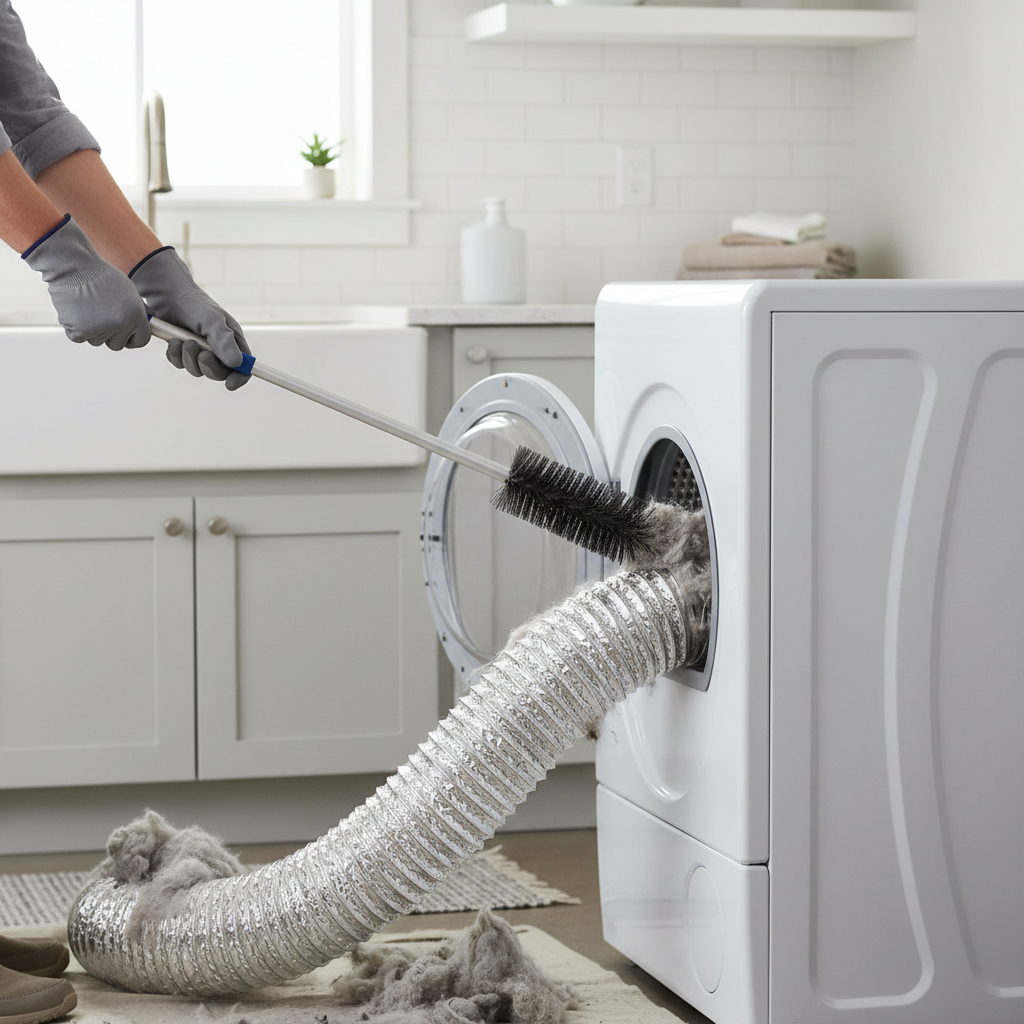
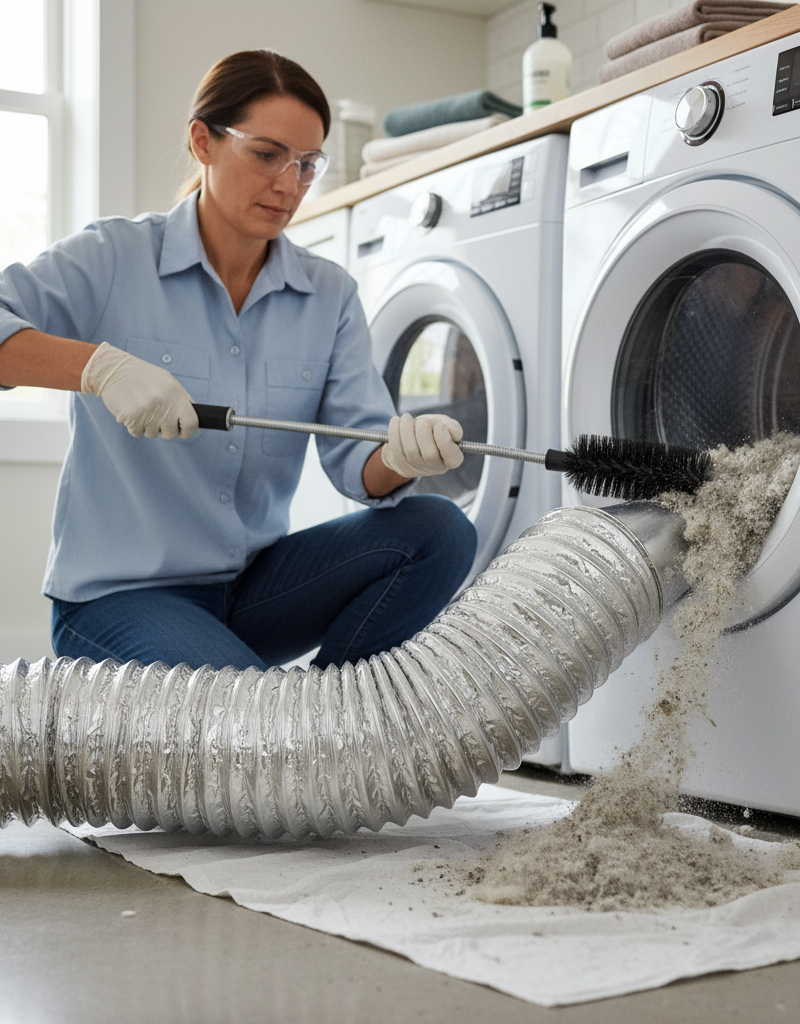
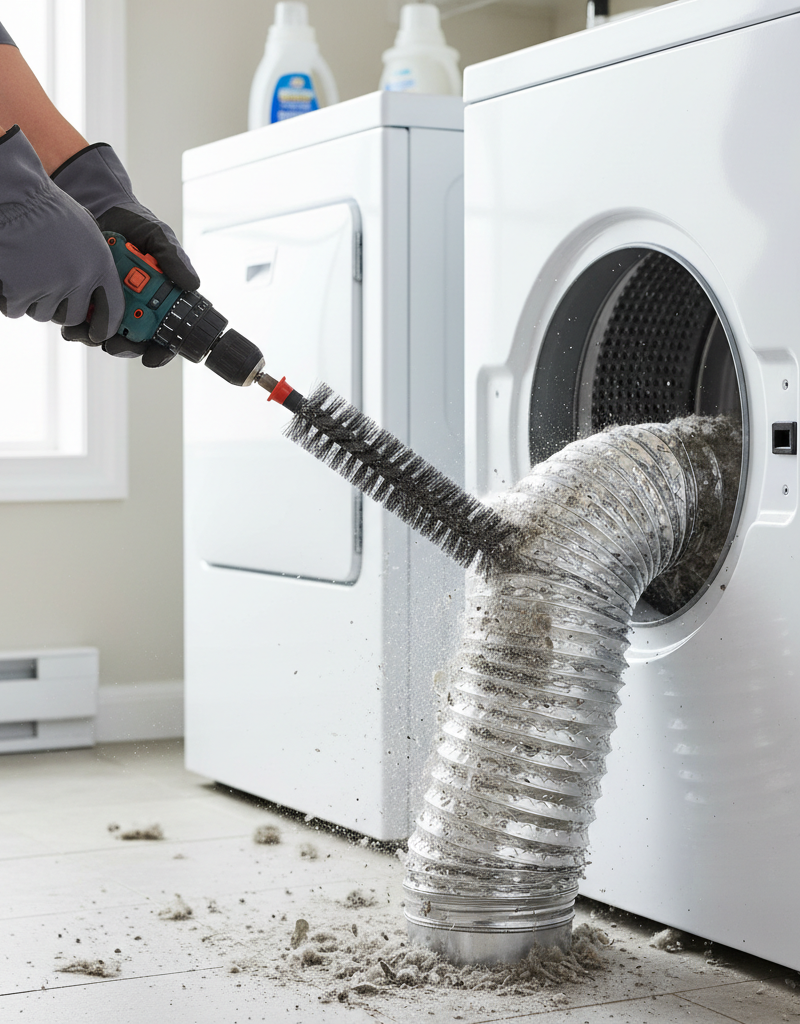
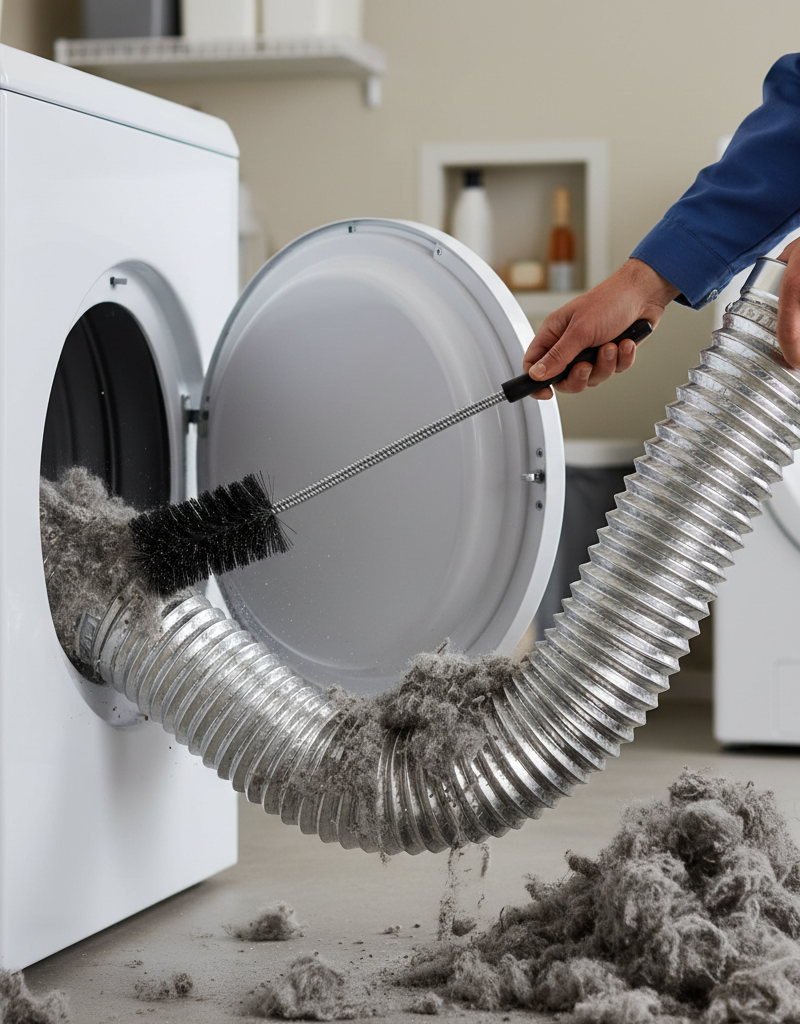
3. Clean the Dryer Vent Duct from the Inside (at the Wall) — With the dryer still pulled out, disconnect the transition hose from the wall vent opening. Use a vacuum cleaner with a crevice tool or a dryer vent brush kit to reach as far as possible into the wall duct opening. Extract any lint build-up you find.
*   **Tools:** Shop vac with crevice tool, flexible dryer vent brush kit
*   **Safety:** Unplug the dryer from the electrical outlet before disconnecting ducts.
4. Clear the Exterior Dryer Vent Cap — Go outside to locate your dryer's external vent cap, typically on a side wall. Open the flap (or remove the cover, depending on its design) and clear out any lint, bird nests, or debris that might be blocking it. Use a brush or your hand to remove obstructions.
*   **Tools:** Flashlight (optional), gloves (optional)
*   **Tip:** Check this annually, especially in spring, as birds love to nest in them.
5. Clean the Dryer's Internal Lint Trap Area — After removing the lint screen, look into the slot where it sits. Lint often collects below the screen. Use a vacuum cleaner attachment (a narrow one is best) to remove any accumulated lint from this area. A long, flexible brush from a dryer vent cleaning kit can also be helpful here.
*   **Tools:** Vacuum with narrow attachment, dryer vent brush kit
*   **Safety:** Ensure the dryer is unplugged.
6. Check for Overloading and Proper Load Size — Overloading your dryer is a common mistake that severely impacts drying efficiency. Clothes need space to tumble and allow hot air to circulate. Fill the dryer drum no more than two-thirds full, especially with bulky items. Also, ensure you're not mixing heavy items (like jeans) with light items (like t-shirts), as they have different drying times.
* **Tip:** If you're drying towels or heavy bedding, consider adding a few dryer balls to help separate items and improve airflow.
7. Verify Washing Machine Spin Cycle Effectiveness — Your washing machine's spin cycle removes the majority of water from your clothes. If your washer isn't spinning effectively, clothes will enter the dryer much wetter than they should, leading to longer drying times. Check if clothes are excessively wet after the wash cycle. If so, your washer may need attention.
* **If this doesn't work:** This indicates a separate issue with your washing machine; consult its manual or a professional.
8. Check for a Malfunctioning Heating Element (Less Common DIY) — If, after all airflow checks, your dryer still takes too long and the air coming from the vent is not hot, your heating element might be failing. This is a more advanced diagnostic. You'd need to unplug the dryer, remove the rear panel, and visually inspect the heating element for breaks or use a multimeter to test for continuity. If it's broken, calling a professional is recommended unless you are experienced with appliance repair.
*   **Tools:** Multimeter (for advanced users), screwdriver set
*   **Safety:** HIGH VOLTAGE. UNPLUG THE DRYER BEFORE ANY INSPECTION. IF UNSURE, CALL A PRO.
Common Causes
- Clogged Lint Filter: The most frequent culprit. Even a thin layer reduces airflow significantly. Often, fabric softener residue also builds up, creating an invisible barrier.
- Obstructed Dryer Vent Duct: Lint accumulates in the transition hose or rigid ductwork over time, narrowing the path for moist air to exit. This is a major fire hazard.
- Kinked or Crushed Transition Hose: The flexible hose directly behind the dryer can easily get crimped when the dryer is pushed too close to the wall, severely restricting airflow.
- Blocked Exterior Vent Cap: Birds, rodent nests, or excessive lint can completely block the outside opening, trapping hot, humid air inside the system.
- Overloaded Dryer: Stuffing too many clothes into the drum prevents proper tumbling and air circulation, meaning hot air can't effectively reach all surfaces to evaporate moisture.
- Ineffective Washing Machine Spin Cycle: If clothes come out of the washer still excessively wet, the dryer has to work much harder and longer to evaporate the extra water.
- Failing Heating Element: While less common than airflow issues, a partially or completely failed heating element will prevent the air from getting hot enough to evaporate water efficiently. This usually results in clothes that are still damp and cool or only mildly warm after a cycle.
Common Mistakes
- Ignoring the Lint Trap After Every Load: Many homeowners clean it only sporadically, allowing lint to build up and hinder airflow immediately. Instead: Make it a habit to clean the lint filter before or after every single load.
- Using Flimsy Vinyl Transition Hoses: These hoses are prone to kinking, tearing, and are not fire-resistant. Instead: Replace any vinyl or foil accordion-style hoses with rigid or semi-rigid metal ducting for better airflow and safety.
- Pushing the Dryer Too Close to the Wall: This crushes the flexible transition hose, creating an immediate and severe airflow restriction. Instead: Leave several inches of space between the dryer and the wall to allow the hose to maintain its full diameter.
- Forgetting About the Exterior Vent Cap: The outside opening is often neglected, becoming a prime spot for lint accumulation, dust, and animal nests. Instead: Periodically check and clean the exterior vent cap, especially during seasonal changes.
- Overloading the Dryer Drum: While tempting to save time, overfilling reduces tumbling action and air circulation, increasing drying time and machine wear. Instead: Load the dryer no more than two-thirds full to ensure adequate space for clothes to tumble freely and air to circulate.
- Assuming the Problem is Always the Dryer Itself: Sometimes, the washing machine's poor spin cycle is the root cause of extra wet clothes entering the dryer. Instead: Before troubleshooting the dryer extensively, check if your clothes are adequately spun dry after the wash cycle.
Cost & Time Breakdown
| Task | DIY cost | Pro cost | Time |
|---|---|---|---|
| Clean lint filter and internal trap | $0 | N/A | 5 minutes |
| Inspect and clean transition hose | $0 | N/A | 10 minutes |
| Clean exterior vent cap | $0 | N/A | 10 minutes |
| Clean vent duct with brush kit | $20–$40 | $150–$250 | 30–60 minutes |
| Replace transition hose (metal) | $25–$50 | $75–$150 | 30 minutes |
| Replace heating element (part only) | $30–$80 | $150–$300 | 45–90 minutes |
Tips & Prevention
- Clean the Lint Filter with Every Load: This cannot be stressed enough. It's the simplest and most effective preventative measure.
- Deep Clean Lint Filter Monthly: Wash your lint filter with soap and water once a month to remove fabric softener residue that can build up and impede airflow.
- Annual Vent Cleaning: Invest in a dryer vent cleaning kit and thoroughly clean your entire dryer vent system (from the dryer to the exterior cap) at least once a year, or more often if you use your dryer frequently or have pets.
- Use Rigid or Semi-Rigid Metal Ducting: Avoid flexible vinyl or foil hoses, which are prone to kinks and are less durable. Metal ducts offer superior airflow and are more fire-resistant.
- Maintain Proper Dryer Placement: Ensure there's enough space (at least 4-6 inches) behind your dryer for the transition hose to run smoothly without kinking.
- Don't Overload: Stick to two-thirds full for optimal drying. This saves energy, extends the life of your dryer, and fully dries clothes faster.
- Check Washer Spin Cycle: Routinely ensure your washing machine is effectively spinning water out of clothes before they go into the dryer.
When to Call a Professional
While many long drying time issues are resolvable by homeowners, there are specific situations where calling a licensed professional is the safest and most efficient path. If you've meticulously followed all the airflow cleaning steps – including the lint filter, transition hose, internal duct, and exterior vent cap – and your dryer still isn't drying effectively, especially if the air isn't getting consistently hot, it could indicate a failing heating element, thermal fuse, or a problem with the thermostat or igniter in gas dryers. These components involve electrical diagnostics or gas line servicing that are best left to trained technicians. Additionally, if your dryer vent system runs through complex or inaccessible areas of your home, a professional has specialized tools to clean the entire length of the duct thoroughly and safely. Any persistent burning smell, error codes on newer machines after troubleshooting, or feeling uncomfortable working with electrical components are also clear signals to cease DIY efforts and contact an appliance repair specialist.
Related Articles
Keep troubleshooting with these hand-picked guides from FixlyGuide:
- The #1 Mistake Homeowners Make When Their Dryer Stops Drying (And How to Fix It Free) — If your dryer is taking too long to dry clothes, the most common culprit is a clogged vent, which can be easily fixed with simple tools.
- The #1 Mistake Homeowners Make When Their Ice Maker Stops (And the Easy Fix) — Is your refrigerator ice maker on strike? Often, a simple oversight or minor clog is the culprit, easily fixable with basic tools.
- The #1 Mistake Homeowners Make When Their Dryer Stops Drying (It's Not the Lint Trap) — A common, easily overlooked issue often causes dryers to take too long to dry clothes: a clogged dryer vent, restricting airflow and drying…
- The #1 Reason Your Fridge Ice Maker Stops—And the 20-Minute Fix — Uncover the most common culprit behind a non-producing ice maker and learn how to implement a quick, effective fix in about 20 minutes.
- The 3 Hidden Reasons Your Dryer Takes Forever – And the Easy Fixes — If your dryer is taking too long to dry clothes, the culprit is often reduced airflow, which can be easily resolved with a few simple check…
- The 9 Sneaky Filters Stealing Your Home's Efficiency (And How to Fix It) — Unseen or neglected filters throughout your home can secretly inflate utility bills, degrade air quality, and lead to expensive appliance b…
Should you do this yourself?
Answer five quick questions before you start. Safety outranks savings every time.
Your experience with work like this
How high do you have to work?
Does the job involve any of these?
Will it need a permit?
Specialty tools
Free and instant. Educational guidance only — not a quote, inspection, or professional diagnosis.
What should this project cost?
Enter your project details for a realistic cost range before you call anyone.
Cost depends heavily on which system turns out to be the source.
- Regional adjustment
- National average
- Labor share (typical)
- ~$1,620
- Quotes to collect
- 3 written estimates
Educational estimate based on national averages — not a binding quote. Always confirm with written local estimates.
Fixly Project Decision Box
- DIY difficulty
- Advanced
- Estimated time
- Homeowner checks 20–30 minutes
- Cost level
- Moderate
Main tools / materials
- Clean air filter
- Garden hose for condenser coils
- Shop vac for the condensate line
When to stop and call a pro
- Burning smell, smoke, or a tripping breaker
- Refrigerant lines iced over or hissing
- Any work inside the sealed refrigerant circuit (EPA-licensed only)
- Gas smell near a furnace — leave and call the utility
Need professional help?
Find an HVAC Pro Near YouFrequently asked questions
How often should I clean my dryer vent?+
You should clean your dryer vent system, from the back of the dryer to the exterior cap, at least once a year. If you have a large household, frequently use your dryer, or have pets, consider cleaning it every 6 months to prevent lint buildup and maintain efficiency.
Can a clogged dryer vent cause a fire?+
Yes, absolutely. A clogged dryer vent is a significant fire hazard. Lint is highly flammable, and when it accumulates in the vent, it can ignite from the dryer's heat, leading to a house fire. Regular cleaning is crucial for safety.
Why are my clothes still damp after a full dryer cycle?+
The most common reasons for clothes remaining damp after a cycle are restricted airflow due to a clogged lint filter or vent, an overloaded dryer, or clothes entering the dryer too wet from the washing machine. Less commonly, a failing heating element can also be the cause.
Discussion
Loading comments…