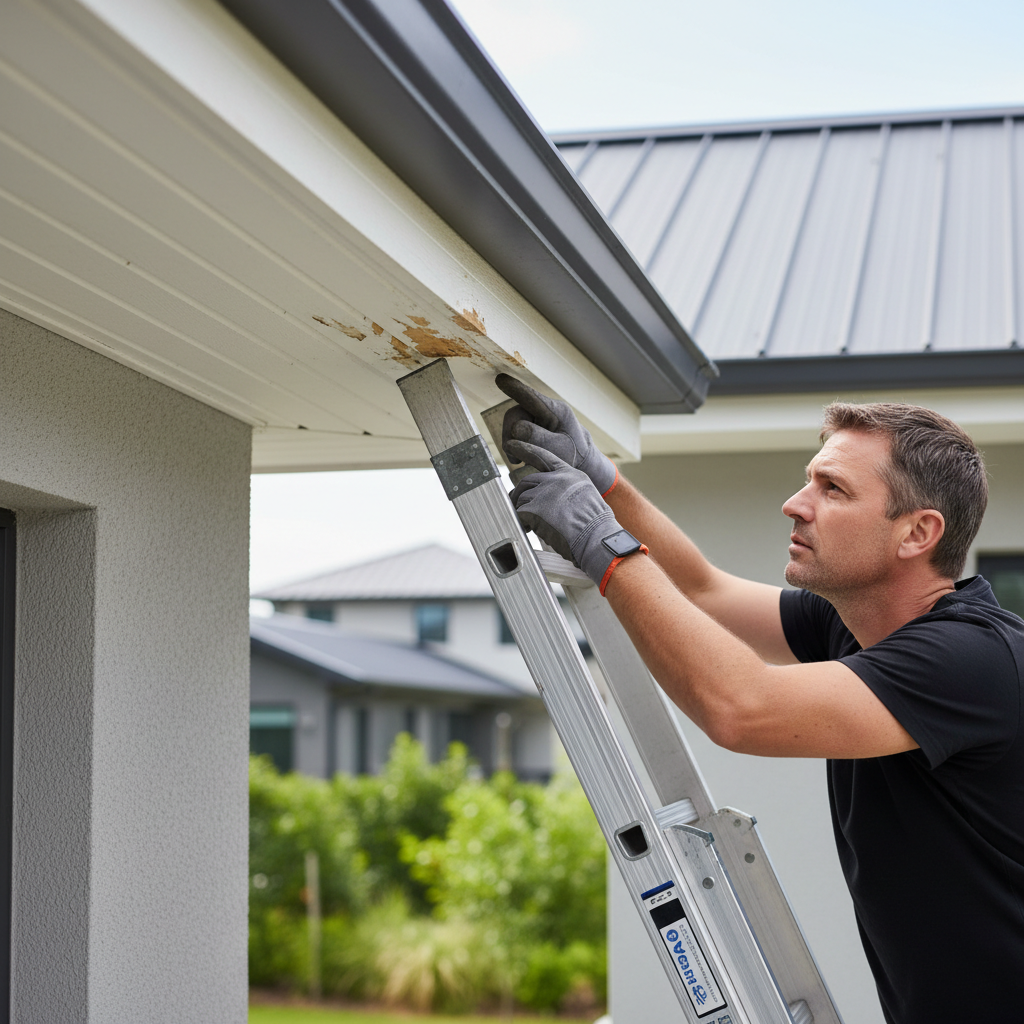
- Poor Gutter Maintenance: Clogged gutters or improperly pitched gutters allow water to overflow, constantly soaking the fascia and leading to rot and deterioration. This is perhaps the most common culprit.
- Lack of Proper Ventilation: Inadequate attic ventilation can lead to a buildup of heat and moisture, which condenses on the underside of the roof decking and can cause the soffit and fascia to rot from the inside out.
- Age and Weather Exposure: Over time, constant exposure to sun, rain, snow, and extreme temperature fluctuations will cause even well-maintained soffit and fascia to degrade. Wood finishes wear down, allowing moisture intrusion.
- Pest Infestation: Birds, squirrels, raccoons, and insects (especially carpenter bees and termites) can chew through or nest in soffit and fascia, creating openings for water and further damage.
- Improper Installation: If the original soffit and fascia were not installed correctly, with inadequate flashing or poor fastening, they are more susceptible to water damage and premature failure.
General remodeling · Renovation planning
| Project category | General remodeling |
|---|---|
| Problem type | Renovation planning |
| Trade required | General contracting |
| Urgency | Planned project |
| Safety risk | Low safety risk |
| DIY suitability | Pro recommended |
| Cost category | Major investment |
| Typical timeline | Design and permitting often 2–4 months before work starts |
| Contractor type | General contractor |
Repair option
Phase the work and fix the building envelope first.
Replacement option
Full renovation with permits, design, and a general contractor.
Common causes
- Space no longer fits how the household lives
- Resale preparation
- Deferred maintenance stacking up
Relevant tools:project cost estimatorcompare quoteshome improvement material prices
Published July 18, 2026Last updated August 17, 2026
Tools & materials you'll need
Affiliate linksAs an Amazon Associate FixlyGuide earns from qualifying purchases — at no extra cost to you. Prices and availability are accurate as of publication and subject to change.
Quick Answer
Damaged soffit and fascia can lead to significant structural issues and pest infestations if neglected. Key indicators include peeling paint, visible rot or holes, sagging sections, and recurring pest entry points. Most minor damage can be remedied by carefully replacing compromised sections, ensuring proper ventilation and effective water diversion away from your home's eaves.
The Problem
Your home's soffit and fascia, while often overlooked, are critical components of your roof and attic system. They work together to protect your rafters from weather, water damage, and pests, while also ensuring proper attic ventilation. When these elements begin to fail, the consequences can range from unsightly cosmetic issues to serious structural damage, mold growth, and expensive pest infestations. Water that bypasses compromised fascia can rot the ends of your rafters and sheathing, leading to costly roof repairs down the line. Similarly, damaged soffit provides an open invitation for birds, rodents, and insects to nest in your attic, potentially damaging wiring, insulation, and compromising indoor air quality.
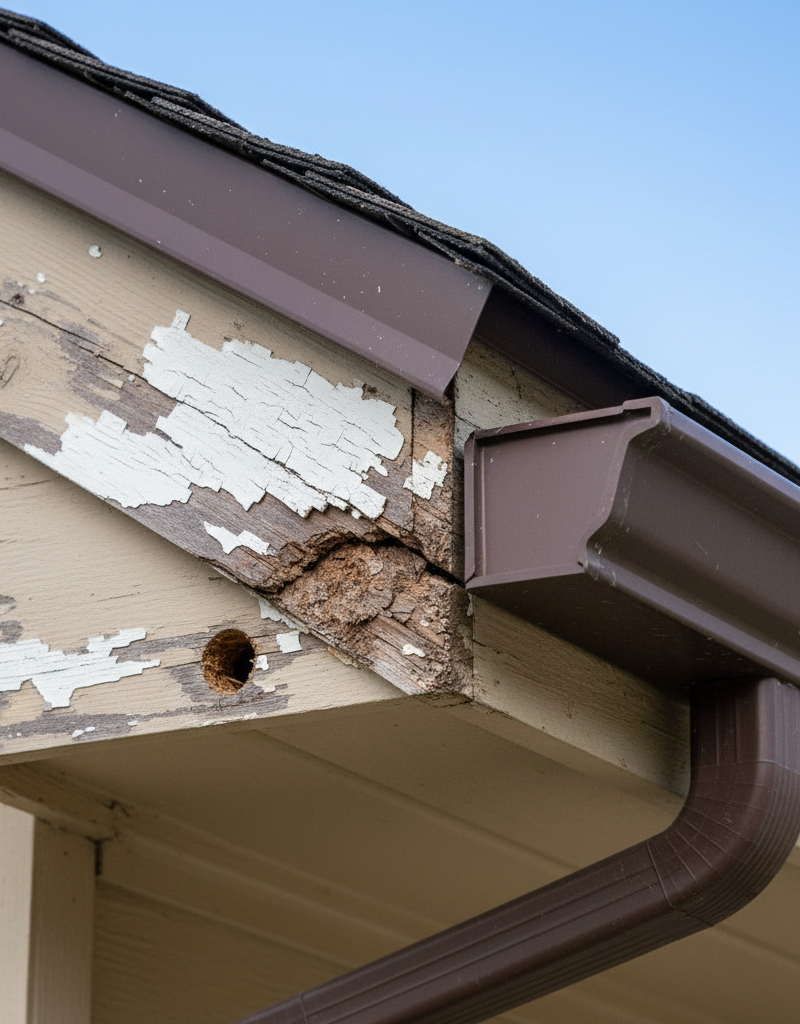
Identifying damage early is key to preventing minor repairs from escalating into major projects. Many homeowners mistakenly believe that a little peeling paint or a small hole is just a cosmetic issue. However, these are often early warning signs of more extensive, hidden water damage or pest activity that could already be compromising the structural integrity of your eaves.
How It Works
To understand the repair, it's vital to grasp the function of the soffit and fascia. The fascia board is the long, straight board that runs along the lower edge of the roof, directly behind the gutters. Its primary role is to protect the ends of the roof rafters from weather and provide a surface to which the gutters are attached. Without sound fascia, water can seep directly into the rafter tails, leading to rot and structural instability. Fascia is typically made from wood (cedar, pine, or fir), but can also be PVC or aluminum.
The soffit is the material that forms the underside of your roof's eaves, spanning the distance between the exterior wall and the fascia board. Its main purpose is twofold: to protect the underside of your roof's overhang from the elements and pests, and crucially, to facilitate attic ventilation. Most soffit panels are vented, allowing cooler outside air to enter the attic. This air then rises and exits through ridge vents or gable vents, creating a continuous airflow that helps regulate attic temperature and prevent moisture buildup. This ventilation pathway is critical for preventing ice dams in winter and reducing air conditioning costs in summer. Soffit can be made from wood, vinyl (the most common modern material), fiber cement, or aluminum. When either of these components deteriorates, the entire system is compromised, opening your home to the elements and unwelcome guests.
Step-by-Step Fix
Safety First: When working at heights, always use a sturdy ladder and have a spotter if possible. Wear appropriate safety gear, including gloves and eye protection. If working with power tools, be extra cautious.
1. Inspect and Assess Damage
— Thoroughly examine the affected areas before starting any work. Look for soft spots, discoloration, rot, holes, or signs of pest entry. Tap along fascia boards with a hammer; a dull thud indicates rot. Note the extent and type of material (wood, vinyl, aluminum).
*   **Tools:** Ladder, flashlight, small hammer or screwdriver.
*   **If you find extensive rot deep into the rafters:** This is beyond a simple DIY fix. Call a licensed roofing contractor immediately.
2. Gather Tools & Materials
— Ensure you have everything you need before climbing the ladder. For wood repairs, you'll need new lumber (cedar or pressure-treated pine is recommended), exterior-grade caulk, wood filler, and appropriate fasteners. For vinyl/aluminum, you'll need matching replacement panels and specialized snips.
* **Materials:** New fascia board (e.g., 1x6 cedar), new soffit panel (matching existing material), exterior-grade wood glue, 2-inch exterior screws, Zinsser B-I-N primer, exterior paint.
3. Remove Damaged Soffit
— Carefully pry away or cut out the compromised sections of the soffit. If wood, use a pry bar and hammer. For vinyl, use a utility knife or snips to cut along the nearest clean joist or support. Be gentle to avoid damaging surrounding, healthy material.
*   **Tools:** Pry bar, hammer, utility knife, snips.
*   **Safety:** Watch for old nails or sharp edges.
4. Address Underlying Issues
— Before installing new material, check for rotten rafter tails or moisture problems. If you find minor rot on rafter ends, use a wood hardener or epoxy filler to stabilize it. Ensure gutters are clean and draining properly to prevent future water damage.
*   **Tools:** Wood hardener, epoxy wood filler.
*   **If significant rafter rot is present:** Contact a professional to assess structural integrity.
5. Cut and Install New Soffit
— Measure and cut your new soffit panel to size, ensuring proper ventilation if needed. For wood, pre-drill pilot holes to prevent splitting. For vinyl, allow for expansion and contraction. Secure new soffit panels firmly to the soffit framing or wall F-channel.
* **Tips:** If replacing vented soffit, ensure the new piece is also vented to maintain attic airflow.
6. Remove Damaged Fascia
— Carefully detach the damaged fascia board. Use a pry bar to gently pull it away from the rafter tails. Be mindful of gutter attachments; you may need to temporarily remove a section of gutter if it's impeding access.
* **Tools:** Pry bar, hammer, drill/driver for gutter screws.
7. Prepare and Install New Fascia
— Cut your new fascia board to the correct length. Apply a bead of exterior-grade construction adhesive to the back of the board where it contacts the rafter tails. Secure it with exterior screws, driving them into the rafter ends. Ensure the top edge is flush with the roof decking.
* **Materials:** New fascia board, exterior-grade construction adhesive, 2.5-inch exterior screws.
8. Finish and Paint
— Fill any screw holes or minor gaps with exterior wood filler, then sand smooth. Apply a high-quality exterior primer (like Zinsser B-I-N for stain-blocking) and two coats of exterior paint matching your home's trim. This protects the wood and blends the repair seamlessly.
*   **Materials:** Exterior wood filler, sandpaper (120-grit), exterior primer, exterior paint, painter's tape.
*   **Pro Tip:** Use a good quality exterior caulk to seal any joints or gaps against moisture intrusion.
Common Causes
- Poor Gutter Maintenance: Clogged gutters or improperly pitched gutters allow water to overflow, constantly soaking the fascia and leading to rot and deterioration. This is perhaps the most common culprit.
- Lack of Proper Ventilation: Inadequate attic ventilation can lead to a buildup of heat and moisture, which condenses on the underside of the roof decking and can cause the soffit and fascia to rot from the inside out.
- Age and Weather Exposure: Over time, constant exposure to sun, rain, snow, and extreme temperature fluctuations will cause even well-maintained soffit and fascia to degrade. Wood finishes wear down, allowing moisture intrusion.
- Pest Infestation: Birds, squirrels, raccoons, and insects (especially carpenter bees and termites) can chew through or nest in soffit and fascia, creating openings for water and further damage.
- Improper Installation: If the original soffit and fascia were not installed correctly, with inadequate flashing or poor fastening, they are more susceptible to water damage and premature failure.
- Lack of Paint or Sealer: Unprotected wood fascia and soffit are highly vulnerable to moisture. A failing paint or sealer coat allows water to penetrate the wood fibers, accelerating rot.
Common Mistakes
- Ignoring the Underlying Problem: Many DIYers simply patch over damaged areas without addressing why the damage occurred. If you don't fix the clogged gutter or ventilation issue, the problem will quickly return.
- Using Interior-Grade Materials: Applying interior caulk, paint, or wood filler won't stand up to outdoor elements and will fail prematurely, leading to repeated repairs.
- Skipping Primer: Especially when painting wood, skipping a good exterior primer allows moisture to seep in and reduces the adhesion and durability of your topcoat, leading to peeling paint.
- Not Checking for Pest Nests: If you find a hole, don't just patch it. Inspect the area for active nests or signs of lingering pests. Sealing pests inside can lead to bigger problems.
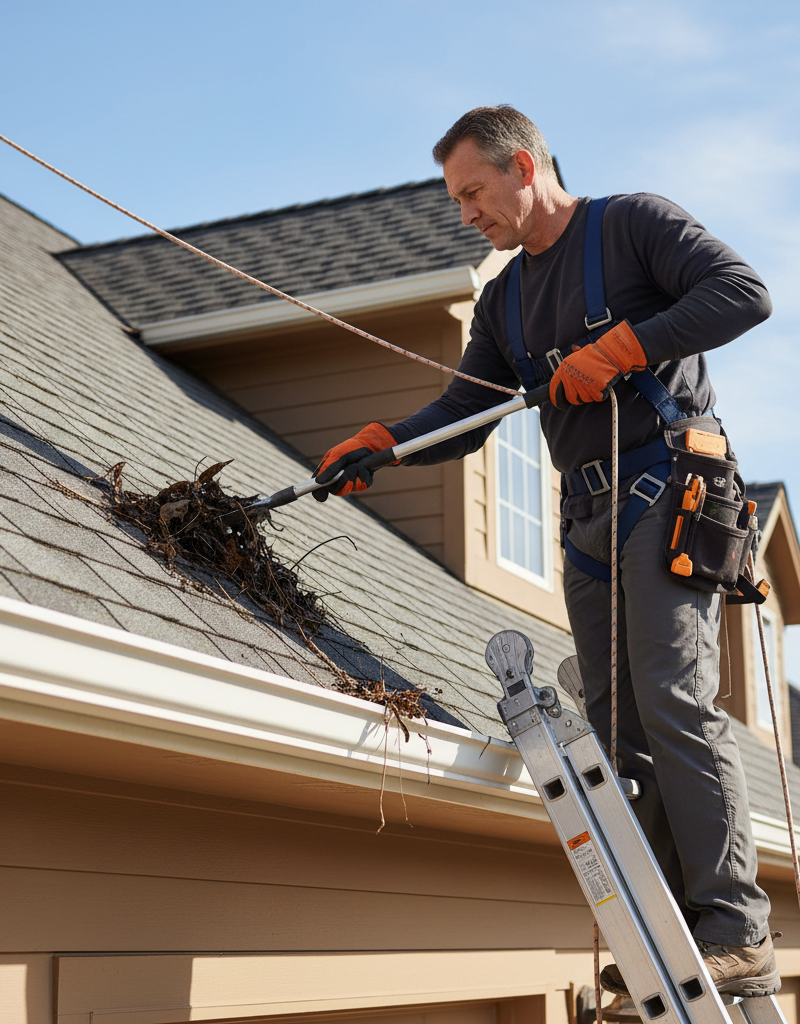
- Improper Ladder Safety: Falls from ladders are a leading cause of home repair injuries. Always ensure your ladder is stable, on level ground, and rated for your weight. Never overreach.
- Mismatched Materials: Using a different type or style of soffit/fascia than the existing material can look unsightly and may not integrate properly with the ventilation system, creating moisture issues.
Cost & Time Breakdown
| Task | DIY Cost | Pro Cost | Time |
|---|---|---|---|
| Materials (wood, vinyl, paint) | $50–$200 | Included in labor | — |
| Small Spot Repair (1-2 ft) | $50–$100 | $200–$400 | 1–2 hours |
| Medium Repair (5-10 ft) | $100–$250 | $400–$800 | 3–5 hours |
| Extensive Repair (Full Gable) | $250–$500+ | $800–$1,500+ | 6–10 hours+ |
| Gutter Cleaning/Repair | $0–$50 | $100–$250 | 1 hour |
Tips & Prevention
- Regular Gutter Cleaning: Clean your gutters at least twice a year (spring and fall) to prevent clogs and overflow that can damage fascia and soffit. Ensure downspouts are clear and directing water away from your foundation.
- Inspect Annually: Once a year, walk around your home and visually inspect your soffit and fascia. Look for peeling paint, discoloration, gaps, or signs of pest entry. Early detection saves money and effort.
- Maintain Paint and Sealant: For wood soffit and fascia, keep the paint or sealant in good condition. Repaint or re-seal every 5-7 years, or as soon as you notice cracking or flaking, to provide a protective barrier against moisture.
- Ensure Proper Ventilation: Check that your attic vents (soffit vents, ridge vents) are not blocked by insulation or debris. Good airflow is crucial for preventing moisture buildup in the attic.
- Address Pest Issues Promptly: If you notice birds or squirrels trying to nest in your eaves, address it immediately. Seal small holes with appropriate materials and consider installing pest deterrents if needed.
- Consider Upgrades: If you have persistent issues with wood components, consider upgrading to more durable, low-maintenance materials like vinyl or aluminum soffit and fascia, which are less susceptible to rot and pests.
When to Call a Professional
You should call a licensed roofing contractor or experienced carpenter if you encounter extensive damage that goes beyond surface-level repairs. This includes significant rot that has spread into the rafter tails or sheathing, as this indicates a potential structural compromise of your roof system. Any signs of active or past termite damage, widespread mold growth in the attic, or if you discover the damage is due to complex underlying issues like a faulty roofline or flashing, warrant professional intervention. Additionally, if the repair requires working at extreme heights, involves significant sections of your roof, or if you simply don't feel comfortable or equipped to handle the repair safely, it's always best to consult with a professional to prevent further damage or injury.
Related Articles
Keep troubleshooting with these hand-picked guides from FixlyGuide:
- The 4 Hidden Signs Your Soffit & Fascia Are Failing (And What To Do) — Spotting early signs of soffit and fascia damage can prevent costly repairs and protect your home's structure from water and pest intrusion.
- The #1 Mistake Homeowners Make When Spotting Soffit Damage — Ignoring early signs of soffit and fascia damage can lead to costly structural issues. Learn to identify and fix common problems the right…
- The 5 Hidden Signs Your Soffit and Fascia Are Failing (Before It's Too Late) — Learn to identify the key signs of damaged soffit and fascia to prevent costly structural issues and protect your home's integrity.
- Is Your Roofline Hiding a $10,000 Secret? 7 Soffit & Fascia Warning Signs — Discover the critical warning signs of soffit and fascia damage, why these often-overlooked components are crucial, and how to tackle commo…
- The 3 Hidden Reasons Your Baseboards Are Pulling Away (And How to Fix It Right) — Don’t just nail it back! Discover the real reasons your baseboards are separating from the wall and how to achieve a lasting repair.
- Is Your Gutter Sagging After Every Storm? The Hidden Flaw Most Homeowners Miss — Discover the overlooked reason your gutters sag after every storm and learn the lasting fix that most homeowners miss.
Should you do this yourself?
Answer five quick questions before you start. Safety outranks savings every time.
Your experience with work like this
How high do you have to work?
Does the job involve any of these?
Will it need a permit?
Specialty tools
Free and instant. Educational guidance only — not a quote, inspection, or professional diagnosis.
Estimate your own project cost
National averages are a starting point. Enter your details for a range that fits your house.
Roof replacement cost
- Per square (installed)$604 – $866
Add $500–$2,500 if decking is rotten and needs replacement. Storm damage may be covered by insurance.
Educational estimate only — always confirm with written local bids.
What should this project cost?
Enter your project details for a realistic cost range before you call anyone.
Spot repairs commonly run $400–$1,800; full replacement typically $9,000–$18,000 for an average home.
- Regional adjustment
- National average
- Labor share (typical)
- ~$2,948
- Quotes to collect
- 3 written estimates
Educational estimate based on national averages — not a binding quote. Always confirm with written local estimates.
Fixly Project Decision Box
- DIY difficulty
- Professional Recommended
- Estimated time
- Inspection 1–2 hours · repairs 1–3 days
- Cost level
- High
Main tools / materials
- Binoculars for a ground-level look
- Flashlight for attic checks
- Moisture meter
- Roofing cement (temporary patch only)
When to stop and call a pro
- Active leak near lights, fans, or any wiring
- Sagging, bulging, or water-filled ceiling
- Steep, wet, or two-story roof — do not climb it
- Storm or hail damage you plan to claim on insurance
Need professional help?
Free roof assessment first — no phone calls until you ask for them.
Get Local Roofing HelpDecide what your roof needs
Two minutes of questions turns "something is wrong up there" into a clear next step.
- Repair or replace your roof?Answer 10 questions about age, leaks, and damage to get a clear next step.Open
- Compare contractor quotesScore up to four bids on price, warranty, licensing, and timeline.Open
- Get local estimatesSend one request and compare written estimates from vetted pros.Open
Free, no signup required. Estimates are educational guidance, not a quote or an inspection.
Recommended for DIYers & woodworkers
Sponsored
The Top 20 Tools for Workshops of Any Budget
No stationary machines or power tools required — plus 3 fundamental tools that can't be bought at any price.
Get the free guide
Ted's Woodworking — The #1 Woodworking Resource
Detailed instructions, dimensioned drawings, materials & cutting lists, and 3D schematics for every skill level.
See the plansSponsored: links above are affiliate links. FixlyGuide may earn a commission on qualifying purchases — at no extra cost to you.
Frequently asked questions
How often should I inspect my soffit and fascia?+
You should inspect your soffit and fascia at least once a year, ideally in the spring or fall, to catch any potential damage early. Pay close attention after severe storms.
Can I paint vinyl soffit and fascia?+
Yes, you can paint vinyl soffit and fascia, but it requires specific preparation. Use a high-quality exterior acrylic latex paint formulated for vinyl, often referred to as 'vinyl-safe' paints, which contain LRV (Light Reflective Value) technology to prevent warping from heat absorption. Always clean the surface thoroughly and use a primer designed for plastics if recommended by the paint manufacturer.
What's the difference between soffit and fascia?+
The fascia board is the long, straight board that runs along the lower edge of the roof, providing a surface for gutters and protecting rafter ends. The soffit is the material on the underside of your roof's eaves, spanning from the exterior wall to the fascia, providing ventilation to the attic and protecting against pests and weather.
How much does it cost to replace a section of soffit or fascia?+
A small DIY repair for 1-2 feet of soffit or fascia can cost as little as $50-$100 for materials if you already own basic tools. Professional repairs for similar sections typically range from $200-$400 due to labor, depending on the material and complexity.
What happens if I ignore damaged soffit and fascia?+
Ignoring damaged soffit and fascia can lead to severe problems including extensive water damage to your roof rafters and sheathing, potentially requiring costly roof replacement. It also creates entry points for pests like rodents, birds, and insects into your attic, leading to insulation damage, unsanitary conditions, and potential disease transmission.

Discussion
Loading comments…