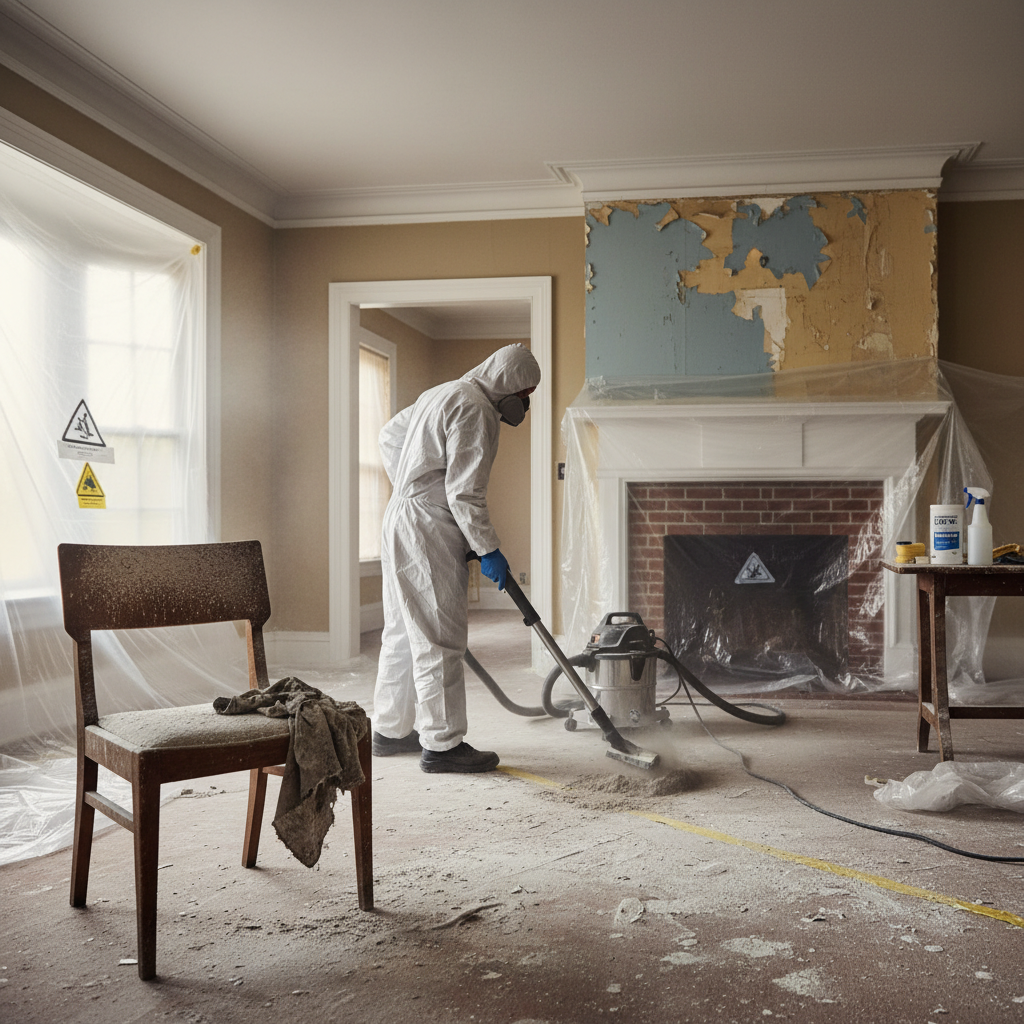
- Respirator: Use an N100 or P100 lead-specific respirator, not just a dust mask. Ensure it fits snugly. Beards can compromise the seal.
- Disposable Coveralls: Wear disposable coveralls with a hood and foot covers to prevent lead dust from settling on your clothing.
- Gloves and Eyewear: Use disposable gloves (nitrile or latex) and unvented safety goggles or a face shield.
Published May 30, 2026Last updated September 4, 2026
Tools & materials you'll need
Affiliate linksAs an Amazon Associate FixlyGuide earns from qualifying purchases — at no extra cost to you. Prices and availability are accurate as of publication and subject to change.
Quick Answer
If your home was constructed before 1978, all painted surfaces should be presumed to contain lead-based paint. The most significant hazard arises not from undisturbed paint, but from the creation and spread of lead-contaminated dust and chips during home repairs or renovations. Activities such as sanding, scraping, drilling, or demolition can release microscopic lead particles into the air, posing serious health risks if inhaled or ingested, particularly for young children and pregnant women. Implementing strict containment, personal protective equipment, and specialized cleaning techniques is essential to ensure safety.
The Problem
Many homeowners undertaking DIY projects in older homes are unknowingly creating a silent hazard: lead dust. While a beautiful coat of paint might seem harmless, if that paint was applied before 1978, it likely contains lead. When this paint is disturbed—through actions as simple as opening and closing a sticky window, or more aggressive tasks like sanding a doorframe or patching a wall—it generates fine particles of lead-infused dust. This dust can settle on surfaces, circulate in the air, and be easily tracked throughout the house. Children, who often put their hands in their mouths and play on floors, are particularly vulnerable to lead poisoning from even minute amounts of dust. Adults can also suffer from lead exposure, experiencing symptoms ranging from fatigue and headaches to more severe kidney damage or neurological issues. The insidious nature of lead poisoning means symptoms can be subtle and develop over time, making prevention paramount.
How It Works
Lead-based paint was widely used in homes before 1978 due to its durability, vibrant colors, and moisture-resistant properties. The lead compounds within the paint are chemically bonded, so as long as the paint is in good condition—not chipping, peeling, or chalking—it generally poses a low direct exposure risk. The danger emerges when these bonds are broken and the lead becomes bioavailable, meaning it can enter the body. This typically happens through mechanical abrasion. Imagine sanding a window sill: the friction grinds the paint into fine powder. Drilling into a wall chipboard causes paint particles to become airborne. Scraping old paint creates flakes and dust. Even impact from a door repeatedly hitting a frame can create microscopic lead dust over time.
Once created, lead dust is extremely difficult to see and can remain airborne for hours, eventually settling on floors, furniture, and other surfaces. It can also be spread through HVAC systems to other rooms. Children are especially at risk because their developing nervous systems are more susceptible to lead's neurotoxic effects, and their hand-to-mouth behaviors mean they can ingest significant amounts of dust from contaminated surfaces. For adults, inhalation is a primary route of exposure, along with accidental ingestion if hands are not properly washed before eating or drinking. Understanding this mechanism – that intact paint is generally safe, but disturbed paint is not – is the crucial context for any homeowner planning repairs in an older home.
Step-by-Step Fix
1. Test, Don't Guess – Use a lead test kit on painted surfaces before starting any work.
-
- If your home was built before 1978: Assume lead paint is present unless tests prove otherwise. Even if one area tests negative, other areas might contain lead. Always err on the side of caution.
- Test Kits: Purchase EPA-recognized lead test kits from hardware stores. Follow instructions carefully. A positive result means you definitely have lead paint.
2. Prepare Your Work Area – Create a containment zone to stop lead dust spread.
- Clear the Room: Remove all furniture, curtains, rugs, and personal items from the work area. If items cannot be removed, cover them completely with two layers of 6-mil plastic sheeting and tape seams securely.
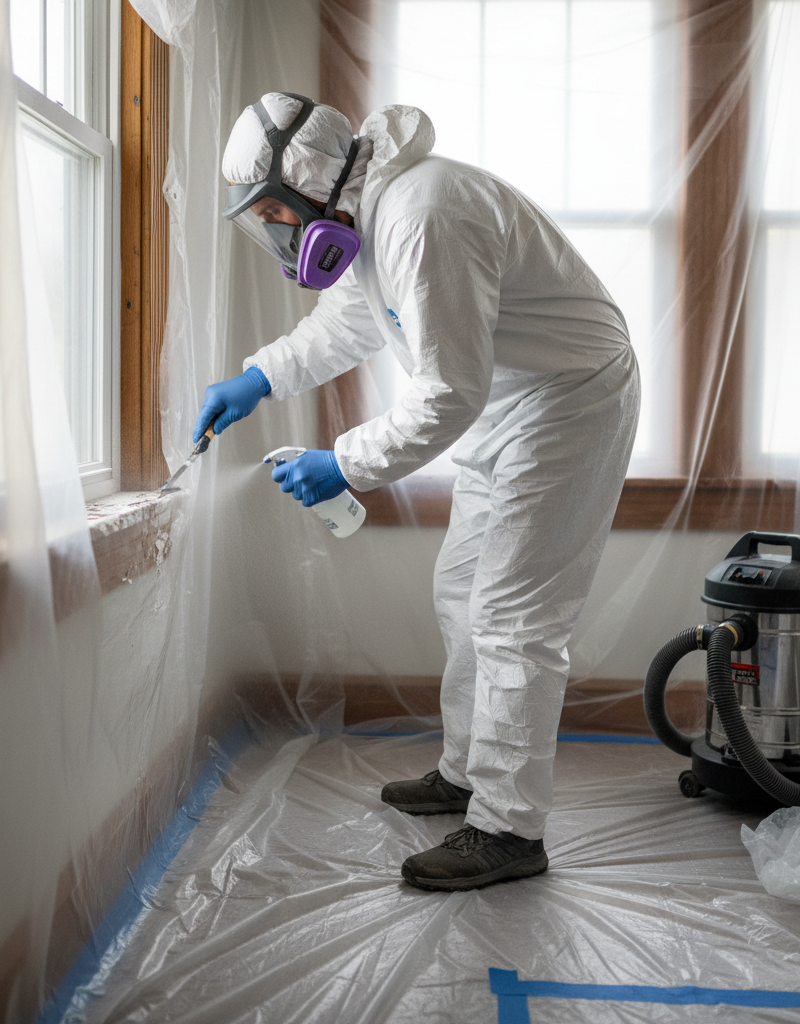
- Seal Off: Close and seal all doors, windows (if not working on them), and HVAC vents leading out of the work area with 6-mil plastic sheeting and painter's tape. Create an airlock by sealing off the doorway with two layers of plastic, allowing one to be opened to pass through, then pulling the other closed.
- Cover Floors: Lay down two layers of 6-mil plastic sheeting, extending at least 6 feet beyond where you will be working. Tape all seams with duct tape and extend the plastic up walls by at least 6 inches, taping it securely.
3. Don Your Personal Protective Equipment (PPE) – Protect yourself from inhaling or ingesting lead dust.
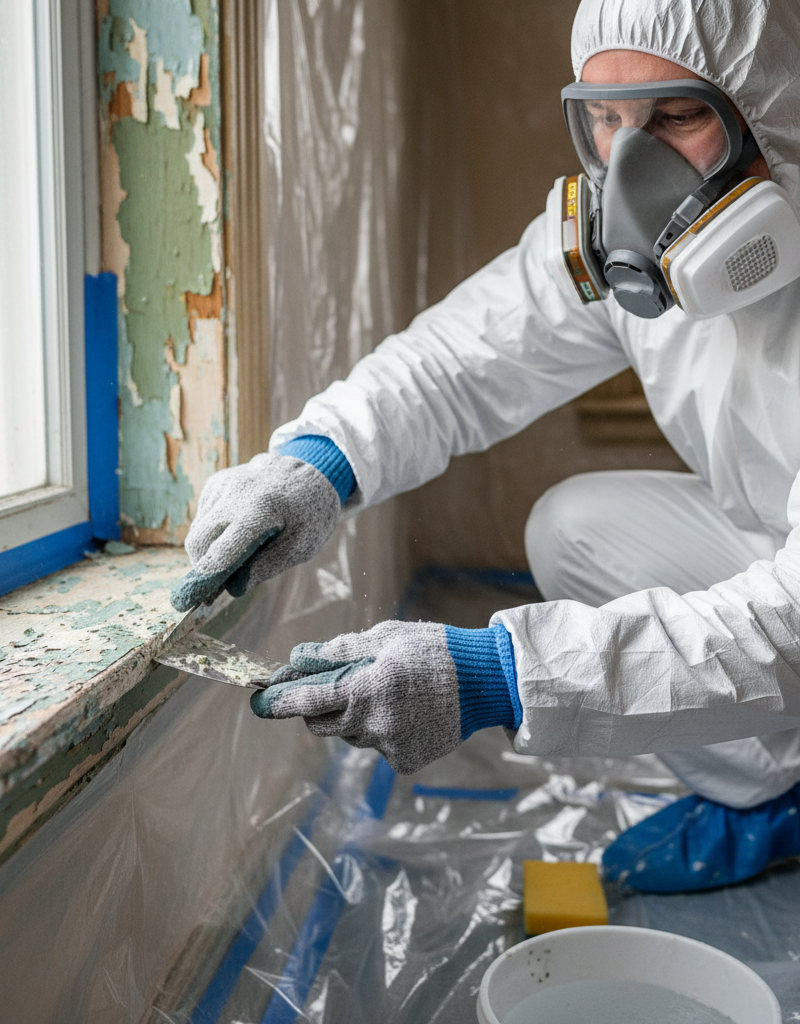
- Respirator: Use an N100 or P100 lead-specific respirator, not just a dust mask. Ensure it fits snugly. Beards can compromise the seal.
- Disposable Coveralls: Wear disposable coveralls with a hood and foot covers to prevent lead dust from settling on your clothing.
- Gloves and Eyewear: Use disposable gloves (nitrile or latex) and unvented safety goggles or a face shield.
4. Minimize Dust Generation – Choose methods that create less dust than traditional techniques.
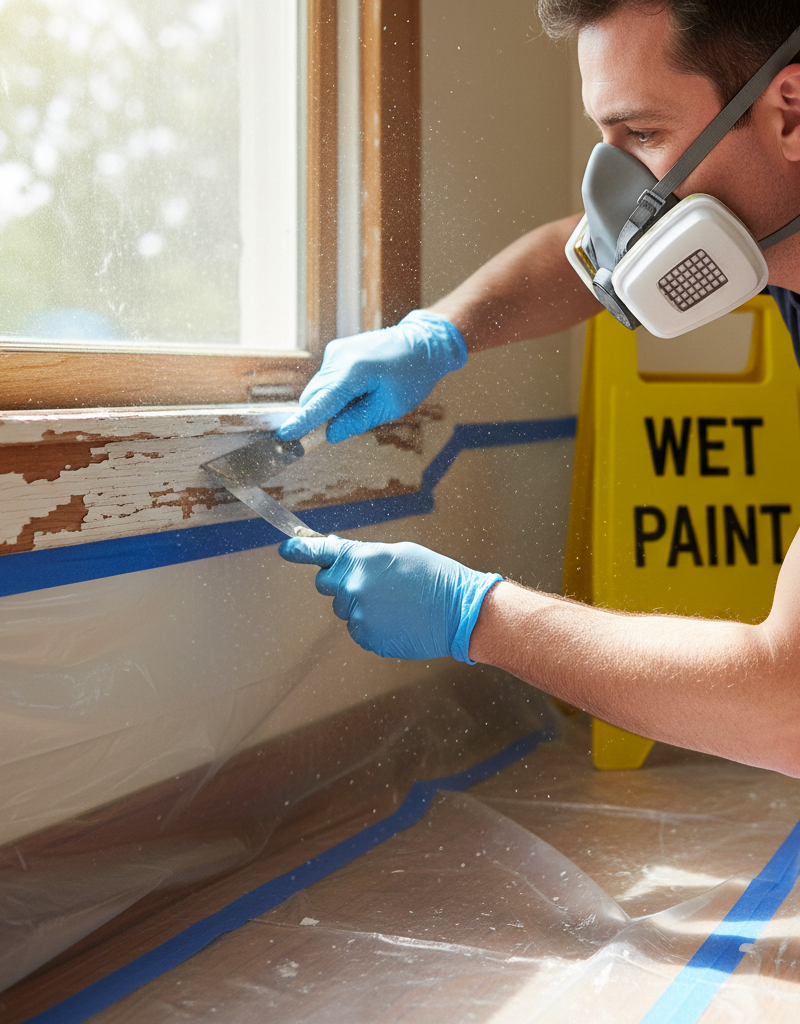
- Wet Scraping/Sanding: Dampen the paint surface with a spray bottle before scraping or sanding. This significantly reduces airborne dust.
- Chemical Strippers: Use EPA-approved chemical paint strippers (always read safety instructions for ventilation and skin contact). Avoid heat guns above 1100°F (593°C) as they can vaporize lead.
- HEPA Tools: If power tools are necessary, use ones equipped with HEPA-filtered vacuum attachments to capture dust at the source.
5. Contain Debris Safely – Prevent lead-contaminated materials from scattering.
- Drop Cloths: Keep a dedicated plastic drop cloth directly under your work area to catch any chips or debris. Don't let debris fall onto unprepared surfaces.
- Seal As You Go: As you generate paint chips or dust, immediately sweep or vacuum (with a HEPA vacuum) them into a heavy-duty plastic bag. Don't let piles accumulate.
6. Clean Thoroughly – This is the most critical step to ensure no lead residue remains.
- Option 1 - HEPA Vacuum First: Use an industrial-grade HEPA vacuum cleaner to thoroughly vacuum all surfaces: floors, walls, and any unremovable items. Regular vacuums will only spread lead dust.
- Option 2 - Wet Wipe: After HEPA vacuuming, perform a two-bucket wet-wiping method. Fill one bucket with water and an all-purpose cleaner, the other with clean rinse water. Use disposable rags. Dip a rag in the cleaning solution, wipe a small area, then rinse the rag in the rinse bucket. Never dip a dirty rag back into the clean solution bucket. Change water frequently. Wipe all surfaces: floors, window sills, doorframes, and walls.
- Dispose of Rags: Place all used rags, plastic sheeting, and disposable PPE into heavy-duty plastic bags.
7. Proper Waste Disposal – Lead waste is hazardous and requires special handling.
- Double Bag: Place all contaminated waste (plastic sheeting, rags, PPE, paint chips) into two heavy-duty plastic garbage bags. Seal them tightly.
- Check Local Regulations: Contact your local waste management facility or health department for specific guidance on disposing of lead-contaminated waste in your area. Do not dispose of it with regular household trash.
8. Personal Decontamination – Ensure you don't track lead dust out of the work zone.
- Before Exiting: Remove disposable coveralls and gloves inside the containment area, turning them inside out as you remove them to trap dust. Place them in a secure waste bag.
- Wash Up: Immediately wash your hands and face thoroughly with soap and water after exiting the containment area, and before eating, drinking, or smoking. If possible, shower and change into clean clothes.
Common Causes
- Age of Home: The most common cause is simply owning a home built before 1978. The older the home, the higher the likelihood and concentration of lead paint.
- Renovation & Repair Activities: Sanding, scraping, drilling, cutting, or demolishing painted surfaces without proper containment are the primary drivers of lead dust creation.
- Friction & Impact Surfaces: Repeated friction on surfaces like old windows (sashes rubbing against frames), doors that stick, or banisters that receive constant wear can generate lead dust even without active renovation.
- Deteriorated Paint: Chipping, peeling, flaking, or chalking paint in older homes will naturally release lead particles into the environment over time, even with no human intervention.
- Aggressive Cleaning: Dry sweeping or using a regular vacuum cleaner on surfaces contaminated with lead paint chips or dust will spread the lead, not remove it.
Common Mistakes
- Assuming No Lead: The biggest mistake is assuming your pre-1978 home doesn't have lead paint without testing. Always assume it does until proven otherwise.
- Using a Regular Vacuum: A standard household vacuum cleaner's filter cannot trap microscopic lead particles. It will simply aerosolize them, spreading the hazard further throughout your home.
- Dry Sanding/Scraping: These methods create vast amounts of airborne lead dust. Always use wet methods or tools with HEPA attachments.
- Inadequate PPE: Relying on simple dust masks or no protection at all exposes you directly to lead inhalation and ingestion. An N100/P100 respirator is critical.
- Poor Containment: Failing to properly seal off the work area and cover surfaces allows lead dust to escape and contaminate other parts of your home.
- Improper Disposal: Throwing lead-contaminated debris into regular trash can expose sanitation workers and contaminate landfills. Always follow local hazardous waste guidelines.
Cost & Time Breakdown
| Task | DIY cost | Pro cost | Time |
|---|---|---|---|
| Lead Test Kits | $20–$50 | Included in quote | 15–30 min |
| Containment Supplies (Plastic, Tape) | $50–$100 | Included in quote | 1–2 hours |
| PPE (Respirator, Coveralls, Gloves) | $40–$70 | Included in quote | 15 min |
| Wet Prep & Dust Minimization | Minimal | $500–$2000+ | 1–4 hours |
| HEPA Vacuum Rental / Purchase | $50–$150/day (rent) / $300-$800 (buy) | Included in quote | 2–6 hours |
| Specialized Cleaning & Disposal | $20–$50 (bags, rags) | $1000–$5000+ | 4–8 hours |
Tips & Prevention
- Regular Inspections: Periodically check painted surfaces in older homes for chips, peeling, or chalking, especially in high-traffic areas or around windows and doors. Address issues promptly to prevent deterioration.
- Wet Mop & Wipe: Clean floors and hard surfaces regularly with a wet mop or damp cloth. This effectively picks up dust rather than spreading it. Avoid dry sweeping.
- Window Maintenance: If you have old, painted wood windows, keep them in good repair. Lubricate moving parts to reduce friction that can generate lead dust.
- Foot Mats: Use door mats at all entrances to trap soil and dust that might contain lead from exterior paint or contaminated soil.
- Handwashing: Emphasize frequent handwashing for everyone, especially children, before meals and after playing outdoors or in older areas of the home.
- Professional Abatement: For large-scale renovations or widespread lead paint issues, consider professional lead abatement. It's an investment in long-term health and safety.
When to Call a Professional
While vigilant DIYers can safely handle small, contained lead paint disturbances, there are clear instances when professional intervention is not just recommended, but essential. If you are dealing with large areas of lead paint (more than a few square feet), extensive demolition, or highly deteriorated paint spreading throughout your home, the risk of significant lead exposure becomes too high for a DIY approach. Similarly, if your lead test results show extremely high concentrations, or if you are renovating a home where children or pregnant women reside, even small projects warrant professional assessment. Licensed lead abatement contractors are trained, certified, and equipped with specialized tools and experience to safely encapsulate, remove, or enclose lead-based paint according to EPA guidelines. They possess the necessary high-efficiency particulate air (HEPA) vacuums, containment systems, and disposal protocols to prevent widespread contamination. Attempting major lead paint removal without proper training and equipment can inadvertently create a much larger, more dangerous problem for your household's health that could cost significantly more to remediate in the long run. Prioritize health over perceived savings when the scope or risk is substantial.
Related Articles
Keep troubleshooting with these hand-picked guides from FixlyGuide:
- The Secret to Lush Raised Beds? It's Not Just About How You Water — Smart irrigation for raised garden beds isn't just about automation; it's about delivering the right amount of water precisely when your pl…
- The 5-Minute Trick to Vacation-Proof Your Garden (Before You Leave Town) — Prevent your garden from wilting while you're away with simple, proactive steps that ensure lush growth and minimal fuss upon your return.
- The Hidden Reason Your GFCI Trips (It's Not Always a Faulty Outlet) — A continuously tripping GFCI outlet is a critical safety warning, often indicating moisture, a faulty appliance, or a wiring problem that r…
- The Secret to Scoring Deep Grill Discounts (Before Everyone Else Does) — Unlock massive savings on top-brand grills and outdoor cooking essentials by understanding the overlooked retail inventory cycles before Me…
- The Hidden Reason Your AC Isn't Cooling (And Why Most Homeowners Get It Wrong) — Is your central AC blowing warm air or struggling to cool your home? The culprit is often a silent but serious issue many homeowners overlo…
- The #1 Mistake Homeowners Make When Caulking a Bathroom Sink (And How to Fix It) — Discover the most common caulk mistake homeowners make around bathroom sinks and follow simple steps to achieve a lasting, watertight seal.
Should you do this yourself?
Answer five quick questions before you start. Safety outranks savings every time.
Your experience with work like this
How high do you have to work?
Does the job involve any of these?
Will it need a permit?
Specialty tools
Free and instant. Educational guidance only — not a quote, inspection, or professional diagnosis.
Estimate your own project cost
National averages are a starting point. Enter your details for a range that fits your house.
Interior paint estimator
- Paint$96
- Supplies (tape, rollers, drop cloth)$35
- Estimated total (DIY)$131
Hiring a pro? Add roughly $1.50–$4.00/sq ft for labor depending on prep work and trim detail.
Educational estimate only — always confirm with written local bids.
What should this project cost?
Enter your project details for a realistic cost range before you call anyone.
Cost depends heavily on which system turns out to be the source.
- Regional adjustment
- National average
- Labor share (typical)
- ~$1,620
- Quotes to collect
- 3 written estimates
Educational estimate based on national averages — not a binding quote. Always confirm with written local estimates.
This article was independently written by FixlyGuide based on the source topic.
Frequently asked questions
How do I know if my home has lead paint?+
The only definitive way to know is to test. If your home was built before 1978, assume lead paint is present until tests prove otherwise. You can buy EPA-recognized lead test kits or hire a certified lead inspector for a comprehensive assessment.
Is it safe to paint over lead paint?+
Encapsulating intact lead paint with a fresh coat of high-quality paint can be a temporary solution, especially if the underlying lead paint is stable and not chipping. However, this does not remove the lead hazard. Any future disturbance of the encapsulated layers still poses a risk, and it's not a permanent abatement solution.
What kind of vacuum do I need for lead dust?+
You *must* use a HEPA-filtered vacuum cleaner. A regular household vacuum will not trap microscopic lead particles and will instead blow them back into the air, spreading the contamination. HEPA vacuums are specifically designed to trap these fine particles.
How do I dispose of lead-contaminated waste?+
Lead-contaminated waste (debris, plastic sheeting, rags, PPE) is considered hazardous. It should be double-bagged in heavy-duty plastic and sealed. Contact your local waste management facility or health department for specific instructions on hazardous waste disposal in your area. Never put it in regular household trash.
Discussion
Loading comments…