- Contractor Ignorance or Malice: Some contractors genuinely don't understand permitting requirements in a new area. Others intentionally use permit mills to cut costs, speed up a project, or hide substandard work and unlicensed tradespeople.
- Homeowner Urgency or Ignorance: Homeowners, eager to start a project or unaware of the rules, might rush into agreements without proper due diligence on permits.
- Cost Cutting: Permits and associated inspections add to project costs and timelines. Fraudulent contractors bypass this to offer lower bids, making them seem more attractive.
- Complexity of Permitting: Building codes and permitting processes can be complex and vary by jurisdiction, making it easier for homeowners to be misled.
- Lack of Oversight: In some areas, building departments may be understaffed, making it harder to catch fraudulent permits quickly.
General remodeling · Renovation planning
| Project category | General remodeling |
|---|---|
| Problem type | Renovation planning |
| Trade required | General contracting |
| Urgency | Planned project |
| Safety risk | Low safety risk |
| DIY suitability | Pro recommended |
| Cost category | Major investment |
| Typical timeline | Design and permitting often 2–4 months before work starts |
| Contractor type | General contractor |
Repair option
Phase the work and fix the building envelope first.
Replacement option
Full renovation with permits, design, and a general contractor.
Common causes
- Space no longer fits how the household lives
- Resale preparation
- Deferred maintenance stacking up
Relevant tools:project cost estimatorcompare quoteshome improvement material prices
Published May 27, 2026Last updated August 17, 2026
Tools & materials you'll need
Affiliate linksAs an Amazon Associate FixlyGuide earns from qualifying purchases — at no extra cost to you. Prices and availability are accurate as of publication and subject to change.
Quick Answer
A"permit mill" is a fraudulent scheme where contractors bypass proper permitting procedures, often obtaining generic, incorrect, or even entirely fabricated permits for your home renovation project. This leaves you, the homeowner, exposed to significant risks, including fines, required demolition and reconstruction, invalidated insurance claims, and difficulty selling your home. Always confirm that your contractor is licensed, and personally verify that all permits issued explicitly match your project scope and property address with your local building department.
The Problem
You've hired a contractor, the work is underway, and everything seems fine. You might even have a permit posted on your window. But what if that permit is a fake, or for a different project entirely? This is the insidious trap of the "permit mill." Unscrupulous contractors, often unlicensed or cutting corners, use these fraudulent services to create the illusion of legitimate permitting. They might obtain a permit for a minor repair when the actual work involves a major structural alteration, or they might even forge a permit document outright. Homeowners, typically unaware of the intricate permitting process, trust their contractor to handle this crucial step. The danger isn't immediately apparent; the problem often surfaces during a home inspection when trying to sell the property, during a routine code enforcement visit, or tragically, after a failure related to uninspected work, leaving the homeowner with significant financial and legal burdens.
How It Works
Every significant home renovation or alteration—from adding a deck to finishing a basement, moving walls, or upgrading electrical systems—requires a building permit from your local municipality. This isn't just bureaucracy; permits ensure that construction meets safety standards, local zoning laws, and building codes. The process typically involves submitting detailed plans to the building department, which then reviews them for compliance. Once approved, inspections are conducted at various stages of the project (e.g., foundation, framing, electrical rough-in, plumbing rough-in, final) to verify that the work adheres to the approved plans and codes. Each inspection must pass before the next phase of work can proceed. When a contractor uses a "permit mill," they circumvent this crucial oversight. They might pay a third party to generate a permit for a different address, a different type of work (e.g., a "shed repair" permit for a major addition), or even produce a convincing but fake document. These "mills" exploit the complexity of permitting and a homeowner's trust. The contractor can then claim they've secured the necessary permits, allowing them to proceed with uninspected, potentially substandard, or non-compliant work, saving themselves time and money, but exposing the homeowner to all the risk. When your local building department has no record of a legitimate permit for your specific job, it's as if the work was never permitted at all.
Step-by-Step Fix
If you suspect unpermitted work has been done on your home, or you're planning a renovation and want to avoid permit mill scams, here's how to address it:
-
Verify Your Contractor's License and References – Before any work begins, always check your contractor's credentials.
- Action: Contact your state's contractor licensing board (e.g., CSLB in California) and your local building department to confirm their license is active, legitimate, and covers the type of work you need. Get at least three references and call them, asking specific questions about permitting.
- If this doesn't work: If the contractor is unlicensed or their license can't be verified, do NOT proceed. This is a massive red flag.
-
Understand Your Project's Permitting Needs – Educate yourself on what requires a permit in your area.
- Action: Visit your city or county's building department website or call their office. Explain your proposed project (e.g., "I want to add a new bathroom," "I'm replacing my roof") and ask what permits are required and what the application process entails. Many departments have homeowner guides available.
-
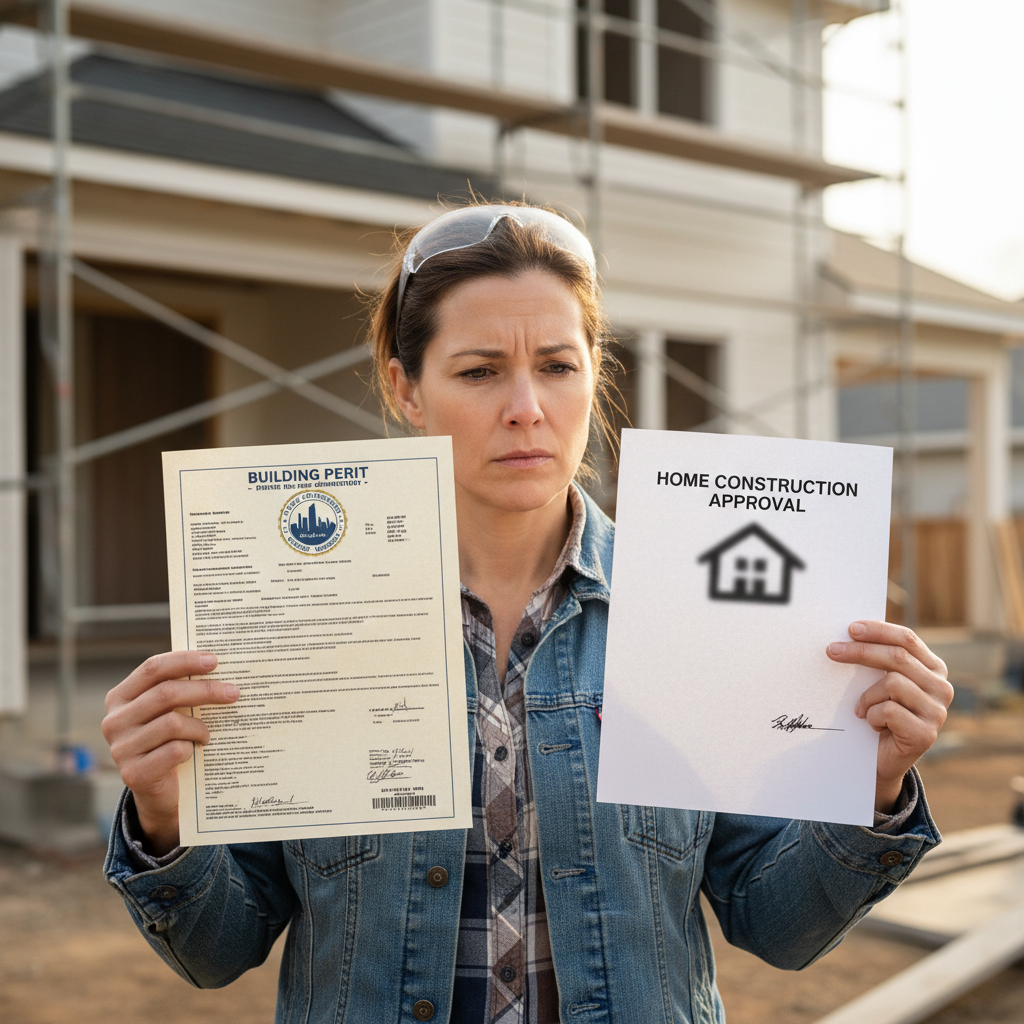
Insist on Seeing the Official Permit – Do not rely on a contractor's word.
- Action: BEFORE any work starts, demand to see the official, stamped permit issued by your local building department. Verify that the address, project description, and permit number match your specific renovation. Most permits are public documents and should be posted on-site.
- Safety Note: Never start work without a valid permit. Unpermitted work can be dangerous if not done to code.
-
Verify the Permit with the Authority Directly – The ultimate safeguard.
- Action: Call or visit your local building department. Provide them with your property address and the permit number (if the contractor has given you one). Ask them to confirm that the permit is legitimate, active, and specifically for the work being performed at your property. Many municipalities also allow online permit lookups.
- If this doesn't work: If the building department has no record, or the permit details don't match, immediately stop all work and contact a legal professional specializing in construction law.
-
Document Everything Rigorously – Your paper trail is your protection.
- Action: Keep copies of all contracts, plans, emails, invoices, payment records, and especially the official permit (both the physical one and verification from the building department). Take photos of the work at different stages.
-
Schedule and Monitor Inspections – Ensure the permitted work is inspected.
- Action: Know which inspections are required for your project (e.g., rough electrical, rough plumbing, framing, final). Confirm with the building department that these inspections are scheduled and passed. You should receive a signed inspection card or an online record of approval for each stage. If a contractor claims an inspection passed but you have no proof, follow up with the building department.
-
Address Unpermitted Work – If you discover past work was unpermitted.
- Action: This is a tricky situation. First, consult with a qualified, licensed general contractor and possibly a real estate attorney. Often, you'll need to apply for a "retroactive permit," which may require opening up walls for inspection, paying fines, and bringing the work up to current code. Be prepared for potential demolition and reconstruction.
- Pro Callout: For significant unpermitted work, especially structural or electrical, always involve a professional contractor and legal counsel.
Common Causes
- Contractor Ignorance or Malice: Some contractors genuinely don't understand permitting requirements in a new area. Others intentionally use permit mills to cut costs, speed up a project, or hide substandard work and unlicensed tradespeople.
- Homeowner Urgency or Ignorance: Homeowners, eager to start a project or unaware of the rules, might rush into agreements without proper due diligence on permits.
- Cost Cutting: Permits and associated inspections add to project costs and timelines. Fraudulent contractors bypass this to offer lower bids, making them seem more attractive.
- Complexity of Permitting: Building codes and permitting processes can be complex and vary by jurisdiction, making it easier for homeowners to be misled.
- Lack of Oversight: In some areas, building departments may be understaffed, making it harder to catch fraudulent permits quickly.
Common Mistakes
- Assuming the Contractor Handles Everything Correctly: Many homeowners hand over the reins completely, assuming the contractor will secure all valid permits. Always verify independently.
- Not Asking for Proof of Permit Before Work Starts: Allowing construction to begin before confirming a legitimate permit is a critical error.
- Accepting a Generic Permit: If the permit just says "general repair" for a major addition, it's a red flag. The permit should specifically describe the work being done on your property.
- Ignoring Inspection Requirements: The permit approval is just the start; inspections are vital. Not ensuring inspections are scheduled and passed leaves you with unverified work.
- Paying in Full Before Final Inspection: Never pay the final balance until all work is complete, all final inspections have passed, and you have a Certificate of Occupancy (if applicable) or final sign-off from the building department.
- Not Contacting the Building Department Directly: Relying solely on information from the contractor is a mistake. Always confirm permit validity and inspection status directly with the issuing authority.
Cost & Time Breakdown
| Task | DIY cost | Pro cost | Time |
|---|---|---|---|
| Permitting Application | $50–$500+ | Included in bid | 1–4 weeks |
| Permit Verification | $0 | $0 | 15–30 minutes |
| Addressing Code Violations | $500–$10,000+ | $1,000–$25,000+ | Weeks to months |
| Correcting Substandard Work | $1,000–$30,000+ | $2,000–$50,000+ | Weeks to months |
| Legal Consultation (if fraud) | $500–$5,000+ | $500–$5,000+ | Ongoing |
| Delayed Home Sale | Opportunity cost | Opportunity cost | Months |
Tips & Prevention
- Vet Contractors Thoroughly: Check licenses, insurance, references, and online reviews. A legitimate contractor will never object to this.
- Get Multiple Bids: Compare bids not just on price, but on scope of work, including how permits and inspections are handled.
- Understand Your Contract: Read the contract carefully. It should clearly state who is responsible for obtaining permits and for ensuring inspections pass.
- Hold Back Payment: Use a payment schedule tied to concrete milestones, including passed inspections. Never pay a large upfront deposit.
- Document Everything: Keep a detailed folder of all project-related documents: contracts, plans, permits, receipts, communications, and photos.
- Know Your Local Codes: Familiarize yourself with basic building code requirements for your specific project. Your building department is a resource, not an adversary.
- Be Wary of "Cash Only" Deals: Contractors who insist on cash only often do so to avoid taxes or leave no paper trail for unpermitted work.
- Trust Your Gut: If something feels off—too cheap, too fast, unusual requests—investigate further.
When to Call a Professional
If you suspect that your contractor has obtained fraudulent permits, or if you discover unpermitted work has been completed on your property, immediately cease all work and contact a qualified professional. This includes an experienced real estate attorney specializing in construction law, who can advise you on your legal rights and recourse. You should also contact your local building department directly to report your concerns and understand the process for regularizing unpermitted work, which may involve fines and mandatory demolition or reconstruction. Do not attempt to rectify significant unpermitted structural, electrical, or plumbing work yourself, as this can pose serious safety risks and further legal complications. A licensed general contractor can provide an assessment of the unpermitted work and estimate the cost and time required to bring it up to code, but seek legal advice first to protect yourself. ", meta_title=
Related Articles
Keep troubleshooting with these hand-picked guides from FixlyGuide:
- 7 Hidden Equity Drains Costing You Thousands Annually — Your home is an asset, but silent problems like minor leaks, poor insulation, and deferred maintenance can drain its value. Discover the se…
- The Surprising Trick to Cutting Your Dryer Bill By $100 Per Year — Installing a clothesline can significantly reduce your energy bills and add a fresh scent to your laundry. This guide covers how to choose…
- The Single Board Secret to Attracting Bluebirds: A Quick DIY House — Discover how to construct an ideal bluebird house using just one cedar board, providing a safe and inviting home for these cherished backya…
- The Hidden Reason Your AC Isn't Cooling (And 7 Fixes Homeowners Miss) — If your central AC isn't cooling your home, the culprit often lies in an overlooked issue that's simple to fix, preventing costly professio…
- The Hidden Culprit Behind Your AC Not Cooling (and How to Find It) — If your central AC isn't cooling your home, the issue often stems from a surprisingly simple problem that's easy to overlook. Learn how to…
- Why Your Wall Switch Feels Hot: The Hidden Danger Most Homeowners Miss — A hot light switch isn't just uncomfortable; it's a critical warning sign of potential electrical hazards that demand immediate attention.
What should this project cost?
Enter your project details for a realistic cost range before you call anyone.
Cost depends heavily on which system turns out to be the source.
- Regional adjustment
- National average
- Labor share (typical)
- ~$1,620
- Quotes to collect
- 3 written estimates
Educational estimate based on national averages — not a binding quote. Always confirm with written local estimates.
Get the print-ready PDF of this guide
A clean, ad-free, printable version you can keep on your phone or pin to the workshop wall. Free with a FixlyGuide account.
- Print-optimized layout
- Tools, materials & every step included
- Saved to your account
This article was independently written by FixlyGuide based on the source topic.
Frequently asked questions
What is a 'permit mill'?+
A 'permit mill' is a deceptive practice where contractors obtain generic, incorrect, or fraudulent building permits, bypassing proper municipal review and leaving the homeowner with illegal, uninspected work.
How can I verify my building permit?+
Always contact your local city or county building department directly. Provide your property address and the permit number (if you have one) and ask them to confirm its legitimacy, activity, and whether it specifically covers your project scope.
What happens if I have unpermitted work on my home?+
Unpermitted work can lead to fines, forced demolition and reconstruction, difficulty selling your home, invalidated homeowner's insurance claims in case of damage, and potential safety hazards. You may need to apply for retroactive permits and bring the work up to current code.
Can I get a permit myself as a homeowner?+
Yes, in many jurisdictions, homeowners can pull permits for projects on their primary residence, provided they are performing the work themselves. However, for complex projects or if hiring a contractor, the contractor typically pulls the permit.
When should I call a professional if I suspect a permit mill scam?+
If you suspect contractor fraud or discover significant unpermitted work, immediately stop the project and contact a real estate attorney and your local building department. Do not try to fix complex unpermitted work yourself.

Discussion
Loading comments…