- The 5-Minute Fix for a Dead Range Hood Fan (and When to Call a Pro) — Don't panic if your range hood fan suddenly stops working. Often, a simple circuit breaker reset or a quick filter check can restore airflo…
- The 5-Minute Trick When Your Range Hood Fan Suddenly Dies (It's Not Always the Motor) — Before you panic about a broken motor, learn the quick diagnostic steps to revive a dead range hood fan and restore proper kitchen ventilat…
- The Hidden Reason Your GFCI Won't Reset (And It's Not Always a Short) — When your GFCI outlet refuses to reset, it's often more than a simple tripped circuit, pointing to underlying electrical issues you can saf…
- The 1 Mistake Homeowners Make When Their Range Hood Fan Stops Humming — Before you call an electrician, check the simplest — and most overlooked — cause for a dead range hood fan: a tripped circuit breaker or a…
- The Hidden Reason Your Ceiling Fan Wobbles (And 3 Cheap Fixes) — A wobbling ceiling fan isn’t just annoying; it can be a sign of imbalance or loose connections that are simple to fix with the right approa…
Electrical · Panel or service upgrade
| Project category | Electrical |
|---|---|
| Problem type | Panel or service upgrade |
| Trade required | Electrical |
| Urgency | Planned project |
| Safety risk | High safety risk |
| DIY suitability | Licensed pro only |
| Cost category | High cost |
| Typical timeline | Permit plus utility scheduling, commonly 2–6 weeks |
| Contractor type | Licensed electrician |
Repair option
Add a subpanel when the main service is adequate.
Replacement option
Full service upgrade with utility coordination and permits.
Common causes
- Obsolete or recalled panel brands
- Service capacity too small for added loads
- No room for required AFCI/GFCI breakers
Relevant tools:project cost estimatorcompare quotes
Published May 23, 2026Last updated August 17, 2026
Tools & materials you'll need
Affiliate linksAs an Amazon Associate FixlyGuide earns from qualifying purchases — at no extra cost to you. Prices and availability are accurate as of publication and subject to change.
Quick Answer
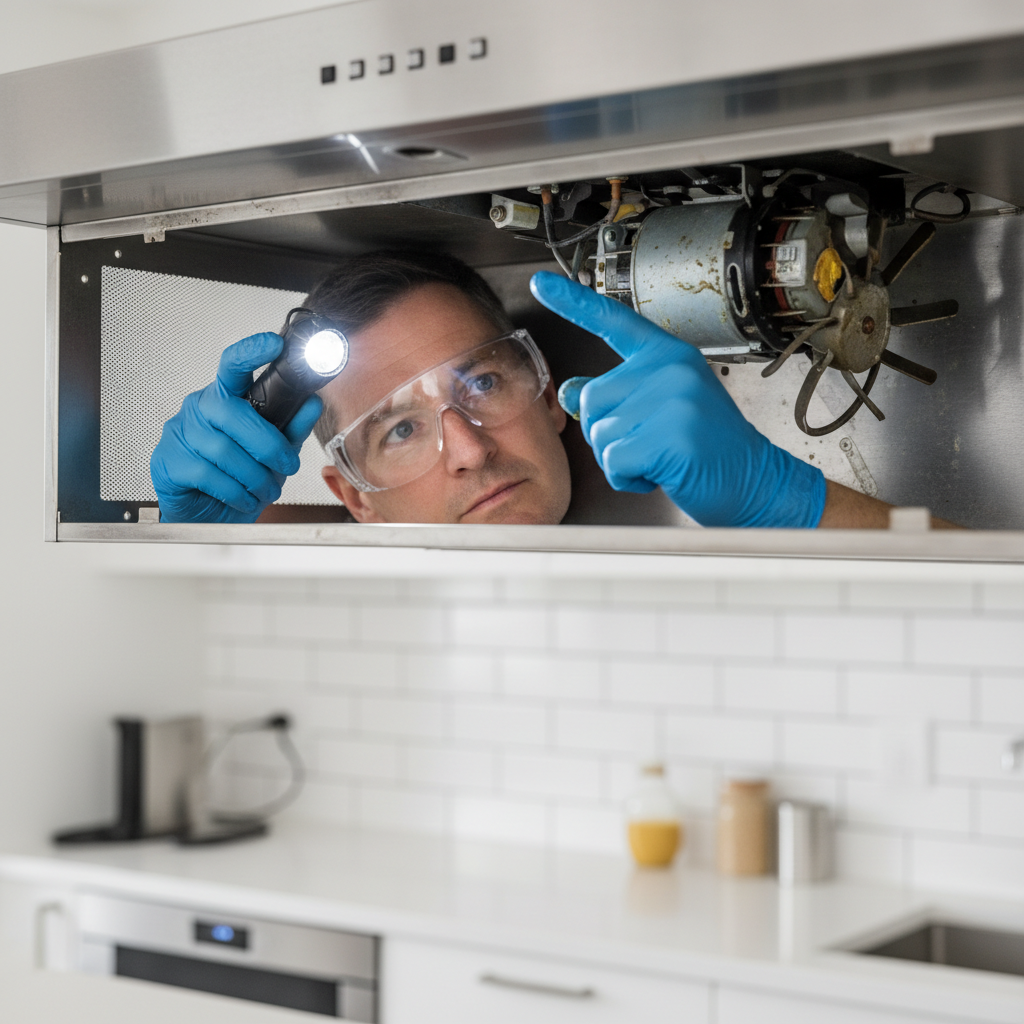
If your range hood fan is humming but not effectively moving air, the problem often lies with a seized motor or an obstruction preventing the fan blades from rotating. This issue can typically be resolved by safely disconnecting power, inspecting the fan blades for any debris, and verifying that the motor shaft can rotate freely. For minor issues like obstructions, a simple cleaning might suffice. However, if the motor is seized, it may require replacement or, in some cases, the capacitor might need to be replaced.
The Problem
Imagine you're cooking a delicious meal, the aroma filling your kitchen, but instead of the range hood whisking away steam and odors, you hear a sad, whirring hum. The motor is clearly trying to work, but the fan blades remain stubbornly still, or move so slowly they're ineffective. This isn't just an annoyance; it means smoke, grease, and cooking odors are lingering, potentially triggering smoke alarms and creating a greasy film on your kitchen surfaces. A humming noise without proper fan movement points directly to mechanical resistance or an electrical component preventing the motor from operating at full capacity. This problem is common and, thankfully, often fixable with a bit of DIY know-how.
How It Works
Understanding how your range hood fan operates is key to diagnosing issues. At its core, a range hood uses an electric motor to spin a fan or blower wheel. This spinning action creates a pressure differential, drawing air (along with smoke, steam, and odors) from above your stovetop and expelling it through a duct system to the outside or filtering it and recirculating it back into the kitchen. Most residential range hoods use a single-phase AC motor. When you switch on the fan, electricity flows to the motor. In many motors, a capacitor acts like a temporary battery, providing an initial boost of power to help the motor overcome inertia and start spinning. Once running, the motor continues to spin as long as power is supplied. A control switch allows you to select different fan speeds, adjusting the power supplied to the motor and thus its rotational speed. The air path involves an intake grille, the fan blades (either a centrifugal blower wheel or an axial fan blade), and a discharge opening leading to the ductwork. Filters, usually mesh grease filters, are positioned at the intake to trap grease particles before they reach the fan motor, protecting it and the ductwork from buildup. If any part of this system — the motor, the capacitor, the switch, or the physical fan blades — malfunctions or becomes obstructed, the entire exhaust process can be compromised, leading to the dreaded hum without effective air movement.
Step-by-Step Fix
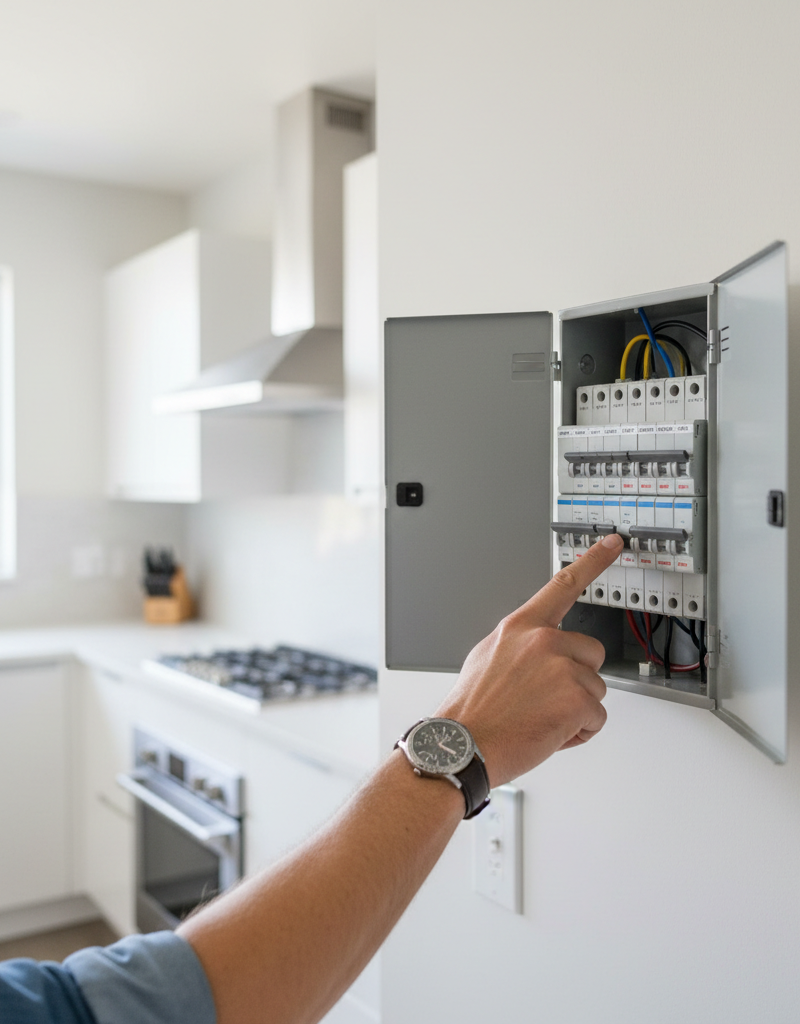
1. Safety First – Always disconnect power before working on electrical appliances.
*   **Action:** Turn off the circuit breaker that supplies power to your range hood. If you're unsure which breaker it is, turn off the main breaker to your kitchen or even the whole house. Test the range hood's light or fan switch to confirm the power is off.
*   **Safety Note:** Never work on an energized appliance. This can lead to serious electrical shock.
2. Remove Filters and Light Covers – Gain access to the fan assembly.
*   **Action:** Locate the grease filters, typically metal mesh panels, and remove them according to your hood's manual (often by pulling a latch or sliding them out). You may also need to remove any light covers or bulbs to get a clearer view and access.
*   **Tool:** Small flathead screwdriver (for some light covers).
3. Inspect Fan Blades for Obstructions – Look for anything physically blocking the fan.
*   **Action:** Visually inspect the fan blades or blower wheel. Look for accumulated grease, food debris, paper, or anything else that might be caught within the blades or between the blades and the housing. Gently try to rotate the fan blades by hand (with power OFF!). They should spin relatively freely. If they feel stiff or completely stuck, you've likely found a physical obstruction.
*   **Common Obstructions:** Dried grease buildup, small utensils, packaging material, or even pest nests.
*   **If Stuck:** Use a stiff brush, a degreaser, or even a vacuum cleaner to carefully remove any debris. For stubborn grease, a dedicated kitchen degreaser and some elbow grease might be necessary. Wipe down the blades thoroughly.
4. Check for Motor Seizure – Determine if the motor itself is stuck.
*   **Action:** Even after clearing visible obstructions, if the fan blades don't spin freely by hand, the motor shaft itself might be seized due to excessive grease buildup or wear. Try to gently rock the fan blades back and forth. If there's significant resistance, or no movement at all, the motor bearings might be failing or completely caked with old, hardened grease.
*   **If Resistant:** Spray a small amount of penetrating oil (like WD-40) onto the motor shaft where it enters the motor housing, if accessible. Allow it to soak for 15-20 minutes, then try to gently work the fan blades back and forth again. This might free up lightly seized bearings. If this doesn't work, motor replacement is likely.
5. Examine the Motor Capacitor (If Applicable) – A common culprit for a humming but non-starting motor.
*   **Action:** Many range hood motors use a starting capacitor to give them the initial torque to spin. Locate the capacitor – it's usually a cylindrical component attached to the motor wiring, often visible once filters are removed. Look for any signs of bulging, leaking fluid, or burn marks. These are clear indicators of a failed capacitor.
*   **Safety Note:** Even when power is off, a capacitor can store an electrical charge. Do NOT touch the terminals directly. If you plan to replace it, discharge it first by shorting the terminals with a screwdriver handle wrapped in electrical tape, touching the metal tip to both terminals simultaneously (some people recommend using a resistor, but for small motor start capacitors, a quick short is often sufficient; be cautious and wear safety glasses).
6. Test Power to the Motor – Verify the motor is receiving electricity.
*   **Action:** If the fan blades are clear and the motor isn't seized, the problem could be electrical. With the power still *off*, use a multimeter to check for continuity in the wiring leading to the motor. Once filters are back in place and all hands are clear, carefully restore power for a brief test. With the range hood set to the lowest fan speed, use the multimeter (set to AC voltage) to measure the voltage at the motor's terminals. Compare this to the voltage rating on the motor or in the manual (usually 120V AC). If there's no voltage or significantly reduced voltage, the issue lies further up the electrical chain – possibly the switch or wiring.
*   **Tool:** Multimeter.
*   **Pro Callout:** If you are uncomfortable working with live electricity or don't have experience with a multimeter, call an electrician. Diagnosing live electrical components carries a risk of shock.
7. Consider Motor Replacement – The final step if all else fails.
*   **Action:** If the motor is seized, the capacitor is good, and it's receiving proper voltage, the motor itself has failed. Note down the model number of your range hood and the motor to order a replacement part. Replacing the motor involves disconnecting wires (taking a photo beforehand helps), unbolting the old motor, installing the new one, and reconnecting. This can be intricate, requiring careful handling of wiring and mounting.
*   **Tool:** Screwdriver set, nut drivers/wrenches.
*   **If Unsure:** If motor replacement feels beyond your comfort level, consider calling a professional appliance repair technician.
Common Causes
- Grease Accumulation: Over time, cooking grease can build up on fan blades, within the motor housing, and especially on motor bearings, leading to increased friction and eventual seizure. This is the most common cause of a humming, non-moving fan.
- Failed Motor Capacitor: The capacitor provides the initial electrical
Related Articles
Keep troubleshooting with these hand-picked guides from FixlyGuide:
- The 5-Minute Fix for a Dead Range Hood Fan (and When to Call a Pro) — Don't panic if your range hood fan suddenly stops working. Often, a simple circuit breaker reset or a quick filter check can restore airflo…
- The 5-Minute Trick When Your Range Hood Fan Suddenly Dies (It's Not Always the Motor) — Before you panic about a broken motor, learn the quick diagnostic steps to revive a dead range hood fan and restore proper kitchen ventilat…
- The Hidden Reason Your GFCI Won't Reset (And It's Not Always a Short) — When your GFCI outlet refuses to reset, it's often more than a simple tripped circuit, pointing to underlying electrical issues you can saf…
- The #1 Mistake Homeowners Make When Their Range Hood Fan Stops Humming — Before you call an electrician, check the simplest — and most overlooked — cause for a dead range hood fan: a tripped circuit breaker or a…
- The Hidden Reason Your Ceiling Fan Wobbles (And 3 Cheap Fixes) — A wobbling ceiling fan isn’t just annoying; it can be a sign of imbalance or loose connections that are simple to fix with the right approa…
- The #1 Reason Your Sprinkler Head Won't Pop Up (And How to Fix It in 15 Minutes) — Most sprinkler heads fail to pop up due to a clogged nozzle or debris in the sprinkler body, a common issue with a straightforward fix.
Should you do this yourself?
Answer five quick questions before you start. Safety outranks savings every time.
Your experience with work like this
How high do you have to work?
Does the job involve any of these?
Will it need a permit?
Specialty tools
Free and instant. Educational guidance only — not a quote, inspection, or professional diagnosis.
What should this project cost?
Enter your project details for a realistic cost range before you call anyone.
Outlet and switch work usually $150–$400; panel upgrades commonly $1,800–$4,200.
- Regional adjustment
- National average
- Labor share (typical)
- ~$709
- Quotes to collect
- 3 written estimates
Educational estimate based on national averages — not a binding quote. Always confirm with written local estimates.
Before you start
Check the difficulty, permits, and safety risk — then decide whether to call a pro.
- Estimate this projectGet a cost range for your scope and ZIP before you call anyone.Open
- Get local estimatesSend one request and compare written estimates from vetted pros.Open
Free, no signup required. Estimates are educational guidance, not a quote or an inspection.
Frequently asked questions
Why is my range hood fan humming but not spinning?+
A humming but non-spinning range hood fan typically indicates either a physical obstruction in the fan blades preventing rotation, or a failed motor component such as the starting capacitor or the motor itself being seized due to grease or wear.
How do I know if my range hood motor is seized?+
With the power completely off, try to manually spin the fan blades. If they resist movement significantly or do not move at all, even after clearing any visible obstructions, the motor is likely seized.
Can I replace a range hood capacitor myself?+
Yes, replacing a capacitor is a common DIY fix. Always ensure the power is off and discharge the capacitor safely before touching its terminals. Match the replacement capacitor's microfarad (µF) and voltage ratings exactly to the original.
How often should I clean my range hood filters?+
For optimal performance and to prevent grease buildup, clean your range hood filters every 3-6 weeks, or more frequently if you cook often, especially with greasy foods. Most mesh filters are dishwasher safe.
When should I call a professional for my range hood?+
Call a professional if you are uncomfortable with electrical work, if troubleshooting steps don't resolve the issue, if the motor needs replacing and it seems too complex, or if you suspect an issue with the electrical wiring beyond the appliance.
Discussion
Loading comments…