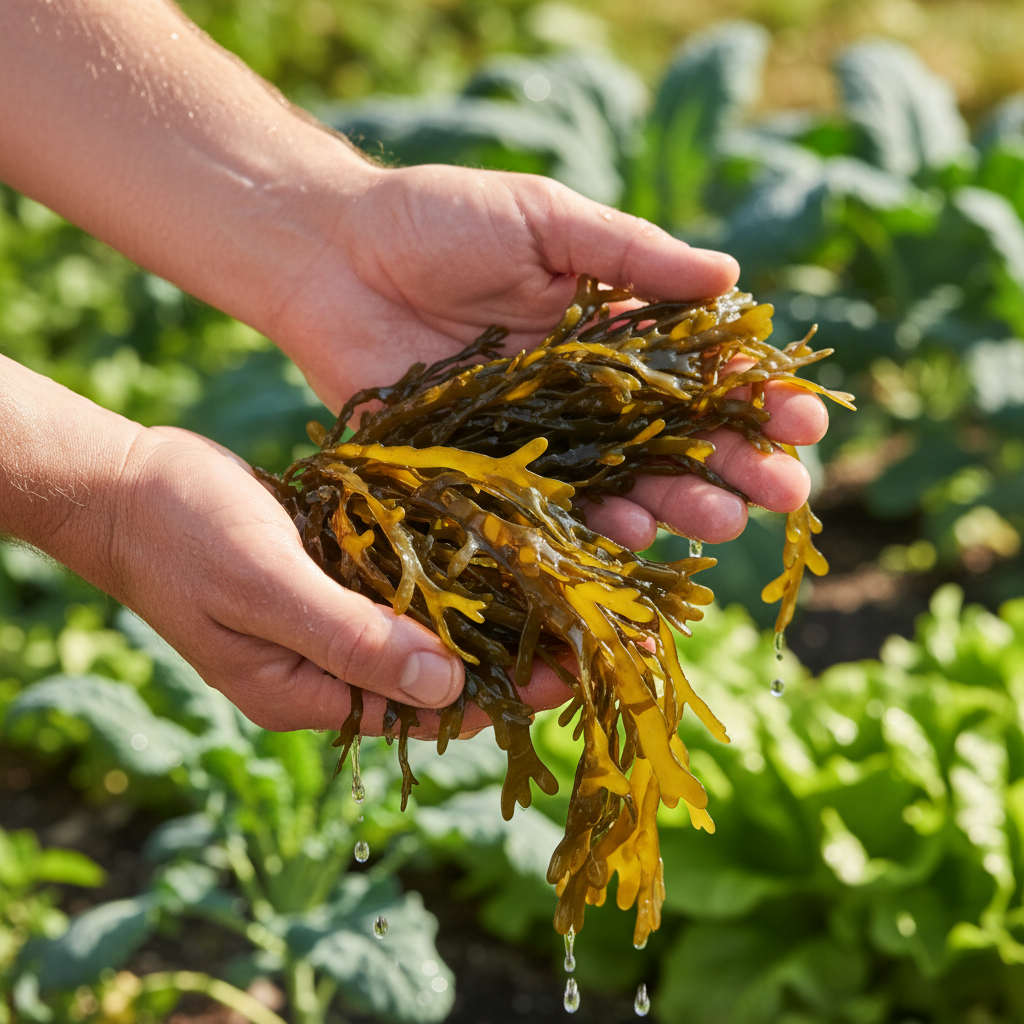
- Rich Mineral Content: Coastal plants are naturally exposed to a vast array of minerals dissolved in seawater, which they absorb and concentrate. This provides a more diverse nutrient profile than most land-based organic matter.
- Natural Plant Hormones: Seaweed synthesizes various growth regulators (auxins, cytokinins, gibberellins) that directly benefit plant development by enhancing root growth, promoting flowering, and improving stress resistance.
- Alginates and Humic Substances: These compounds act as soil conditioners, improving soil structure, enhancing water retention, and increasing cation exchange capacity (the soil's ability to hold onto nutrients).
- Beneficial Microbes: Seaweed introduces a host of beneficial marine microbes to the soil, which contribute to nutrient cycling and the suppression of soil-borne pathogens.
- Slow-Release Nutrition: Unlike fast-acting synthetic fertilizers, seaweed breaks down gradually, providing a steady supply of nutrients over an extended period, preventing nutrient leaching and promoting sustained plant health.
Published June 1, 2026Last updated August 17, 2026
Tools & materials you'll need
Affiliate links- AmazonDurable glovesTo protect hands during collection and rinsing.
- AmazonLarge bucket or mesh bag1 · For collecting and transporting seaweed.
- AmazonGarden fork or shovelOptional, for scooping larger amounts of seaweed.
- AmazonGarden hose with sprayerFor rinsing seaweed effectively.
- AmazonSharp pruners or scissorsFor chopping seaweed (if desired).
- AmazonEmpty 5-gallon bucket with lid1 · For preparing liquid seaweed tea (optional).
No materials required.
As an Amazon Associate FixlyGuide earns from qualifying purchases — at no extra cost to you. Prices and availability are accurate as of publication and subject to change.
Quick Answer
Seaweed is a powerful, free, and sustainable organic fertilizer that dramatically improves soil health and plant vitality. Rich in micronutrients, trace minerals, amino acids, and plant growth hormones (like auxins and cytokinins), it enhances root development, boosts disease resistance, improves moisture retention, and provides a slow-release nutrient boost to all your garden plants. Homeowners can easily collect fresh seaweed from local coastlines, rinse it to remove excess salt, and integrate it into their gardens as a mulch, compost amendment, or potent liquid feed.
The Problem
Most home gardens suffer from nutrient deficiencies that lead to stunted growth, weak plants, and poor harvests. Synthetic chemical fertilizers offer a quick fix but often deplete beneficial soil microbes, create nutrient imbalances, and can harm the environment through runoff. Homeowners are often left searching for an effective, affordable, and eco-friendly way to enrich their soil and provide their plants with the comprehensive nutrition they need, without resorting to expensive or harmful products. The challenge is finding a natural, readily available resource that delivers a full spectrum of plant-benefiting compounds.
How It Works
Seaweed, particularly kelp and other common sea algae, is a powerhouse of over 60 essential micronutrients and trace minerals, including nitrogen, phosphorus, potassium (NPK), magnesium, calcium, iron, zinc, and iodine, many of which are scarce in terrestrial soils. Beyond these foundational elements, seaweed boasts a significant presence of beneficial plant hormones such as auxins, cytokinins, and gibberellins. Auxins are critical for root elongation and cell division, cytokinins promote shoot development and delay senescence (aging), and gibberellins stimulate stem growth and germination. These hormones contribute to vigorous growth, better flowering, and increased fruit set.
Furthermore, seaweed contains alginates, complex carbohydrates that, when incorporated into soil, bind soil particles together. This action improves soil structure, particularly in sandy soils by enhancing water retention and in clay soils by improving drainage and aeration. The mucilaginous texture of seaweed also acts like a sponge, helping the soil hold onto moisture more effectively, which reduces the frequency of watering. As seaweed breaks down, it slowly releases its nutrients, providing a consistent, long-term food source for plants and feeding beneficial soil microorganisms like bacteria and fungi, which are vital for a healthy soil food web. This microbial activity further enhances nutrient cycling and availability to plant roots. The natural compounds in seaweed also help to naturally repel certain garden pests and bolster a plant's natural defenses against diseases, creating a more resilient and productive garden ecosystem without chemical intervention.
Step-by-Step Fix
Here’s how to safely and effectively harvest and prepare seaweed for your home garden.
1. Identify Your Collection Zones — Always check local regulations before harvesting.
- Choose clean shorelines: Look for unpolluted coastal areas, far from industrial discharge points or storm drains. Public beaches, state parks, and conservation areas often have rules against harvesting, so verify permissions first.
- Safety Note: Never harvest from contaminated waters. If the water looks or smells oily, or if there's visible trash, find another location. Local environmental agencies can sometimes provide guidance on water quality.
2. Select the Right Seaweed — Not all seaweed is created equal for gardening.
- Prioritize fresh, washed-ashore seaweed: Focus on kelp, rockweed, and other common seaweeds that have recently washed onto the beach. These are easiest to gather and most potent. Avoid seaweed that is old, dried out, sandy, or smells strongly putrid – a mild, ocean smell is fine.
- Gather sustainably: If harvesting directly from rocks, cut only parts of the plant, leaving the holdfast (root-like structure) intact to allow for regrowth. Do not rip entire plants from their anchors.
3. Rinse Thoroughly — Remove excess salt for plant health.
- Cold water rinse: Once home, rinse the seaweed thoroughly under cold tap water. This is crucial to remove sand, debris, and, most importantly, the majority of the salt, which can be detrimental to garden plants in high concentrations.
- Multiple rinses (optional but recommended): For an extra precaution, especially if you have sensitive plants, you can soak the seaweed in a bucket of fresh water for a few hours, then drain and rinse again. This further dilutes any remaining salt.
4. Choose Your Application Method — Different techniques suit different needs.
- As a soil mulch: Lay rinsed seaweed directly around plants as a 2–4 inch thick layer. As it breaks down, it slowly releases nutrients, suppresses weeds, and conserves soil moisture. It's excellent for vegetables, ornamentals, and fruit trees. This method also deters slugs and snails due to its texture and salt residue (even after rinsing, a slight amount remains).
- Into a compost pile: Chop rinsed seaweed into smaller pieces (1–2 inches) and mix it into your compost pile. Its high nitrogen content and beneficial microbes will accelerate decomposition and enrich your finished compost. Aim for no more than 10-20% seaweed by volume in your pile to maintain a balanced carbon-to-nitrogen ratio.
- As a liquid 'tea': Place rinsed seaweed in a large bucket (a 5-gallon bucket works well) and fill it with water. Let it steep for 2-4 weeks, stirring occasionally. The water will turn dark brown as the nutrients leach out. Dilute this 'seaweed tea' with fresh water (1 part tea to 10 parts water) before using it as a foliar spray or soil drench for a quick nutrient boost.
5. Apply to Your Garden — Observe and adjust as needed.
- Mulch application: Apply the seaweed mulch around established plants, keeping it a few inches away from the stems to prevent rot. Replenish as it breaks down, typically every 2-3 months during the growing season.
- Compost incorporation: Turn your compost pile regularly to ensure even distribution and aeration. The finished, dark compost can be mixed into garden beds or used for potting mixes.
- Liquid feed: Apply the diluted seaweed tea directly to the plant's leaves (foliar feeding) in the early morning or late afternoon to avoid leaf burn, or pour it around the base of plants as a soil drench. Repeat every 2-4 weeks during the growing season.
Common Causes
Seaweed's efficacy as a garden amendment stems from several key factors:
- Rich Mineral Content: Coastal plants are naturally exposed to a vast array of minerals dissolved in seawater, which they absorb and concentrate. This provides a more diverse nutrient profile than most land-based organic matter.
- Natural Plant Hormones: Seaweed synthesizes various growth regulators (auxins, cytokinins, gibberellins) that directly benefit plant development by enhancing root growth, promoting flowering, and improving stress resistance.
- Alginates and Humic Substances: These compounds act as soil conditioners, improving soil structure, enhancing water retention, and increasing cation exchange capacity (the soil's ability to hold onto nutrients).
- Beneficial Microbes: Seaweed introduces a host of beneficial marine microbes to the soil, which contribute to nutrient cycling and the suppression of soil-borne pathogens.
- Slow-Release Nutrition: Unlike fast-acting synthetic fertilizers, seaweed breaks down gradually, providing a steady supply of nutrients over an extended period, preventing nutrient leaching and promoting sustained plant health.
Common Mistakes
While using seaweed in the garden is straightforward, avoiding these common errors will ensure the best results:
- Not rinsing seaweed: Applying unrinsed seaweed can introduce excessive salt to your soil, dehydrating plants and potentially causing root burn. Always rinse thoroughly.
- Applying too thick as mulch: While seaweed is excellent mulch, an excessively thick, wet layer can become anaerobic, create unpleasant odors, and, in some cases, smother smaller plants or encourage fungal growth if not turned or allowed to dry slightly.
- Using seaweed from polluted areas: Contaminants like heavy metals, oil, or chemicals can leach into your garden soil, harming plants and potentially making your produce unsafe. Always harvest from clean, designated areas.
- Ripping seaweed from living holdfasts: This unsustainable practice damages the marine ecosystem and prevents the seaweed from regrowing. Cut only a portion of the fronds if harvesting from living plants on rocks.
- Expecting immediate results: Seaweed is a slow-release organic amendment. Its benefits accumulate over time as it breaks down and integrates into the soil structure. Be patient; consistent use yields the best long-term results.
- Not diversifying: While seaweed is fantastic, it's best used as part of a broader organic gardening strategy, alongside compost, cover crops, and other amendments, for truly balanced soil health.
Cost & Time Breakdown
| Task | DIY cost | Pro cost | Time |
|---|---|---|---|
| Seaweed collection | $0 (free) | N/A | 1–2 hours |
| Rinsing and preparation | $0 (water) | N/A | 15–30 minutes |
| Mulch application | $0 | N/A | 30–60 minutes |
| Composting (chopping/mixing) | $0 | N/A | 20–40 minutes |
| Liquid tea preparation | $0 | N/A | 15 minutes |
| Liquid feed application | $0 (water) | N/A | 10–20 minutes |
Tips & Prevention
- Start small: If you're new to using seaweed, try it on a small section of your garden first to observe its effects before applying broadly.
- Chop for faster breakdown: Smaller pieces of seaweed will decompose more quickly, making their nutrients available to plants sooner than large, intact fronds.
- Combine with other organic matter: For optimal soil health, integrate seaweed with other organic amendments like leaf mold, wood chips, and finished compost.
- Check local regulations: Before heading to the beach, always check with local authorities for rules regarding seaweed collection, as some areas may have restrictions or require permits.
- Store extra seaweed: If you collect a large amount, you can dry it in the sun and store it in breathable bags for later use, or freeze it in smaller portions. Dried seaweed can be rehydrated before use.
- Observe plant response: Pay attention to how your plants react. If you notice any signs of distress (which are rare with properly prepared seaweed), reduce the amount or frequency of application.
When to Call a Professional
While harvesting and applying seaweed is a safe and beneficial DIY task, a gardening professional can provide valuable insights if you're experiencing persistent soil health issues despite your best efforts. Consider consulting with a local arborist, landscaper, or agricultural extension agent if your plants consistently show severe nutrient deficiencies after prolonged seaweed use, if you suspect soil contamination in your garden area, or if you need advanced soil testing and tailored amendment recommendations beyond basic organic practices. They can help diagnose complex soil problems and recommend a comprehensive soil improvement plan.
Related Articles
Keep troubleshooting with these hand-picked guides from FixlyGuide:
- The Secret to Lush Raised Beds? It's Not Just About How You Water — Smart irrigation for raised garden beds isn't just about automation; it's about delivering the right amount of water precisely when your pl…
- The Secret to Scoring Deep Grill Discounts (Before Everyone Else Does) — Unlock massive savings on top-brand grills and outdoor cooking essentials by understanding the overlooked retail inventory cycles before Me…
- The 5-Minute Trick to Vacation-Proof Your Garden (Before You Leave Town) — Prevent your garden from wilting while you're away with simple, proactive steps that ensure lush growth and minimal fuss upon your return.
- Is That Sweet Car Smell a Secret Killer? (& 6 Other Odors to Watch For) — Unusual odors in your car aren't just unpleasant; they're often critical warnings of underlying mechanical issues that could compromise saf…
- The Sneaky Way a Gas Tax Freeze Could Raise Your Property Bill — A gas tax freeze promises immediate relief at the pump, but for homeowners, it can trigger hidden costs, from deteriorating roads to potent…
- The 3 Mulching Mistakes That Are Secretly Killing Your Plants — Discover the three common mulching errors that inadvertently harm your garden plants and learn how to apply mulch correctly for thriving, h…
Should you do this yourself?
Answer five quick questions before you start. Safety outranks savings every time.
Your experience with work like this
How high do you have to work?
Does the job involve any of these?
Will it need a permit?
Specialty tools
Free and instant. Educational guidance only — not a quote, inspection, or professional diagnosis.
What should this project cost?
Enter your project details for a realistic cost range before you call anyone.
Cost depends heavily on which system turns out to be the source.
- Regional adjustment
- National average
- Labor share (typical)
- ~$1,620
- Quotes to collect
- 3 written estimates
Educational estimate based on national averages — not a binding quote. Always confirm with written local estimates.
Before you start
Check the difficulty, permits, and safety risk — then decide whether to call a pro.
- Estimate this projectGet a cost range for your scope and ZIP before you call anyone.Open
- Get local estimatesSend one request and compare written estimates from vetted pros.Open
Free, no signup required. Estimates are educational guidance, not a quote or an inspection.
This article was independently written by FixlyGuide based on the source topic.
Frequently asked questions
Is salt in seaweed bad for plants?+
Yes, high levels of salt can dehydrate plants and damage roots. It's crucial to thoroughly rinse fresh seaweed with fresh water before applying it to your garden to remove excess salt.
How often can I apply seaweed to my garden?+
As a mulch, seaweed can be refreshed every 2-3 months as it breaks down. As a liquid 'seaweed tea', it can be applied every 2-4 weeks during the growing season for a nutrient boost.
Can I use dried seaweed in my garden?+
Yes, dried seaweed is also beneficial. You can crumble it directly into the soil or rehydrate it to make a liquid feed. Ensure it's sourced from clean areas and doesn't contain excessive sand or debris.
What kind of seaweed is best for gardening?+
Kelp, rockweed, and other common brown and green seaweeds found washed ashore are excellent choices. They are rich in a wide range of nutrients and plant growth hormones. Avoid red algae as some types are less suitable.



Discussion
Loading comments…