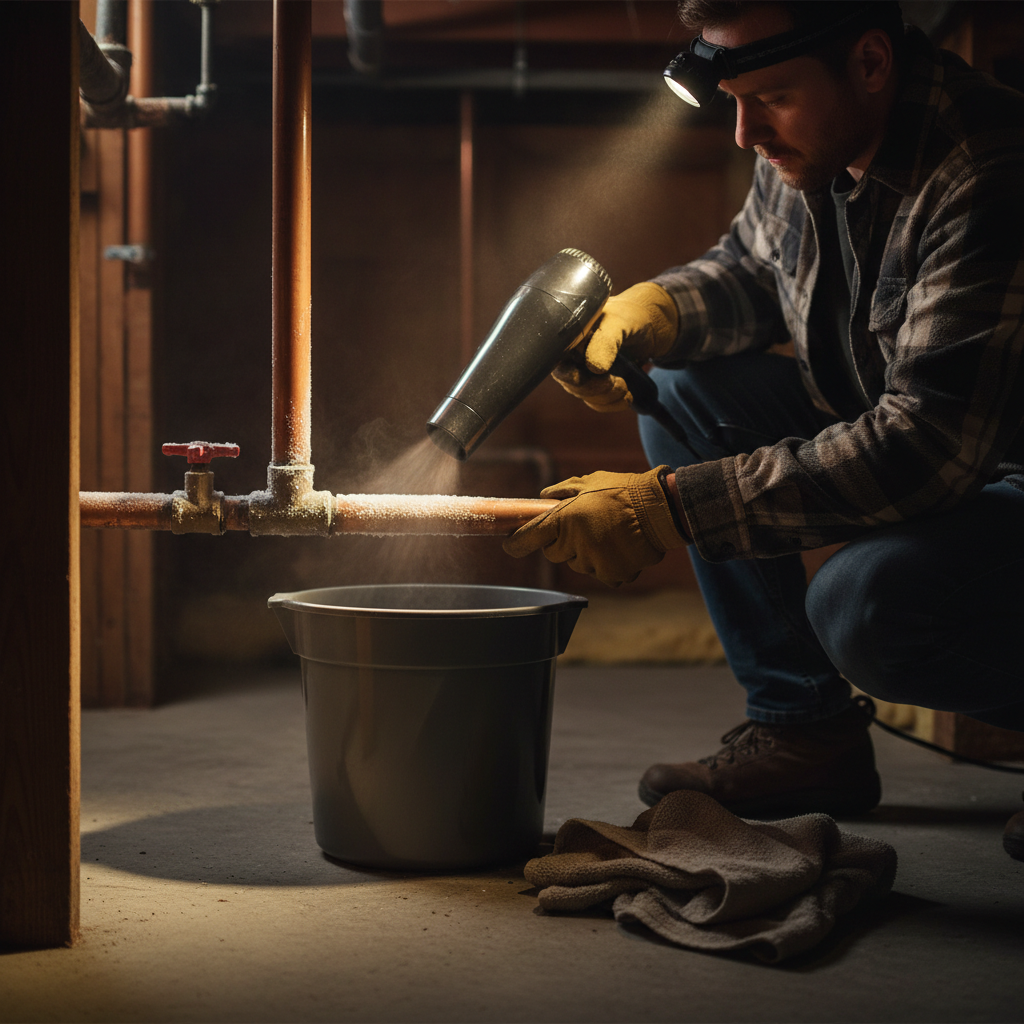
- Look for visible frost on the pipe, a bulge, or a lack of water flow from a specific faucet.
- Start checking pipes in unheated areas: basements, crawl spaces, attics, garages, and under sinks next to exterior walls. The frozen section will likely feel colder to the touch than surrounding pipes.
- If water isn't flowing from any faucet, the blockage might be in the main supply line entering your home.
Plumbing · Pipe damage
| Project category | Plumbing |
|---|---|
| Problem type | Pipe damage |
| Trade required | Plumbing |
| Urgency | Emergency — act now |
| Safety risk | High safety risk |
| DIY suitability | Licensed pro only |
| Cost category | High cost |
| Typical timeline | Emergency shutoff now; repipes commonly 2–5 days |
| Contractor type | Licensed plumber |
Repair option
Cut out and replace the damaged section with a coupling or new run.
Replacement option
Whole-home repipe when the material itself is the problem.
Common causes
- Freeze-thaw expansion in an uninsulated run
- Corrosion in aging galvanized or polybutylene
- Shifting foundation stressing a slab line
Relevant tools:emergency checklistcompare quotes
Published June 11, 2026Last updated August 17, 2026
Tools & materials you'll need
Affiliate linksAs an Amazon Associate FixlyGuide earns from qualifying purchases — at no extra cost to you. Prices and availability are accurate as of publication and subject to change.
Quick Answer
Safely thawing a frozen pipe requires immediate action and the right tools to prevent bursting and water damage. The key is to apply gradual, even heat to the frozen section, typically using a hairdryer, heat gun, or towels soaked in hot water, while keeping the water faucet open. Never use open flames, boiling water directly, or high-heat devices like blowtorches, as these can cause pipes to burst, lead to severe burns, or even start a house fire.
The Problem
Winter's chill can bring a homeowner's worst nightmare: a frozen pipe. This isn't just an inconvenience; it's a ticking time bomb. When water freezes, it expands, exerting immense pressure on the pipe walls. This pressure can reach up to 2,000 pounds per square inch (psi), far exceeding what most residential plumbing systems are designed to withstand. The immediate consequence is often a burst pipe when the ice melts, leading to significant water damage, structural issues, and costly repairs. Even if the pipe doesn't burst immediately, repeated freezing and thawing cycles can weaken its integrity, making it susceptible to future failures. The primary challenge for homeowners is identifying a frozen pipe early and thawing it safely and effectively, avoiding methods that can cause further damage or present fire and electrical hazards.
How It Works
Water moves through your home's pipes under pressure, supplied by your municipal water system or well. When temperatures drop below freezing (32°F or 0°C), water inside pipes exposed to cold air can turn to ice. This typically occurs in pipes located in unheated areas like basements, crawl spaces, attics, outside walls, or under sinks against exterior walls. As water freezes, it expands by about 9%. This expansion doesn't just push out from the inside; it creates pressure in both directions, towards the faucet and back towards the main water supply. The most common location for a burst is not necessarily at the point where the ice forms, but in a section of the pipe between the ice blockage and a closed faucet. When ice forms, it creates a blockage. If a faucet downstream from this blockage is closed, the expanding ice has no escape route, and the pressure builds until the pipe ruptures. The goal of thawing is to melt this ice blockage in a controlled manner, allowing the pressure to dissipate and water to flow freely again without damaging the pipe. Opening a faucet downstream from the blockage is crucial, as it provides a pathway for melting ice and releasing pressure.
Step-by-Step Fix
Step 1: Identify the Frozen Section — Locate the precise area where the pipe is frozen.
- Look for visible frost on the pipe, a bulge, or a lack of water flow from a specific faucet.
- Start checking pipes in unheated areas: basements, crawl spaces, attics, garages, and under sinks next to exterior walls. The frozen section will likely feel colder to the touch than surrounding pipes.
- If water isn't flowing from any faucet, the blockage might be in the main supply line entering your home.
Step 2: Open a Faucet — Provide an escape route for melting water and pressure.
- Open the cold water faucet associated with the frozen pipe. If multiple pipes are frozen, open faucets for all of them.
- This allows water to flow out as the ice melts, relieving pressure and accelerating the thawing process.
- Keep the faucet open throughout the entire thawing process.
Step 3: Clear the Area and Prepare for Water — Ensure safety and readiness for potential leaks.
- Clear away any flammable materials from around the pipe.
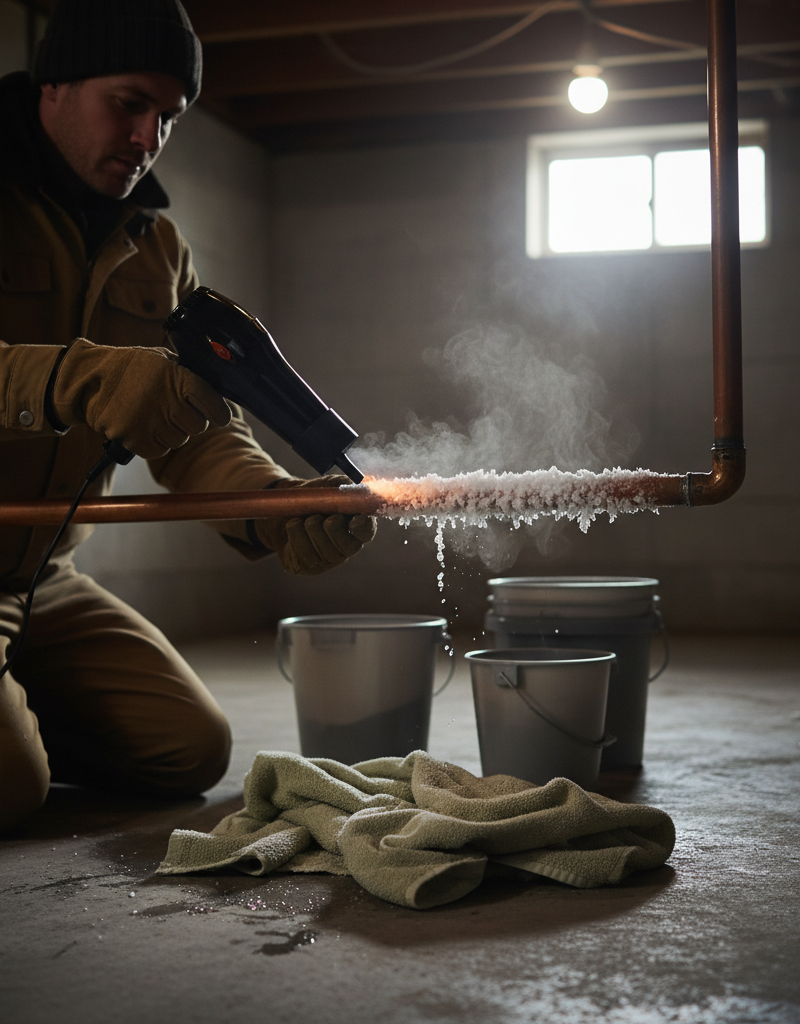
- Place old towels, buckets, or a shallow pan underneath the frozen section to catch any water if the pipe has already burst and will begin leaking once thawed.
- Have a flashlight ready for better visibility in dimly lit areas.
⚠ Safety Note: Always be mindful of electrical outlets and appliances when working with water. Ensure your hands and the area are dry before handling electrical tools like hairdryers or heat guns. Never stand in water while using electrical devices.
Step 4: Apply Gentle, Gradual Heat — Select your heat source and begin thawing.
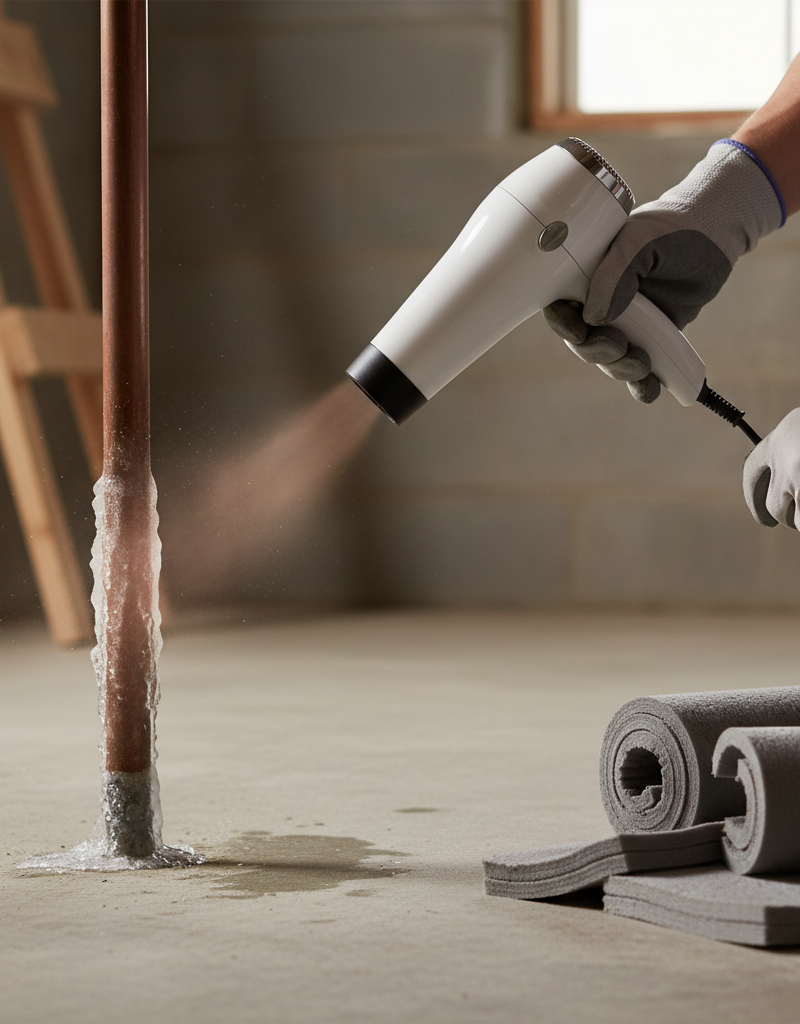
- Option A: Hairdryer: This is often the safest and most common method. Set it to a medium or low heat setting and continuously move it back and forth along the frozen section. Do not hold it stationary on one spot, as this can overheat the pipe.
- Option B: Heat Gun: Use a heat gun on its lowest setting, maintaining a distance of at least 6-8 inches from the pipe and keeping it constantly moving. Heat guns get much hotter than hairdryers, so extra caution is needed to avoid overheating or melting plastic pipes or solder joints.
- Option C: Electric Heating Pad/Tape: Wrap an electric heating pad (not a microwaveable one) around the pipe, or use specialized electrical heating tape designed for pipes. Follow the manufacturer's instructions carefully. This method offers a more passive form of heat.
- Option D: Hot Towels/Rags: Soak towels or rags in hot water (not boiling) and wrap them around the frozen pipe. Replace with fresh hot towels as they cool. This is a good option if you don't have electrical tools or prefer a non-electrical approach.
- Option E: Portable Space Heater (indirect): If the frozen pipe is in an enclosed, unheated space like a cabinet, place a portable space heater (electric only, never propane or kerosene indoors due to carbon monoxide risk) in the room. Keep it a safe distance from the pipe and flammable materials, allowing the ambient air to warm the pipe slowly. Do not point it directly at the pipe.
Step 5: Work from the Faucet Backwards — Thaw the pipe in a logical direction.
- Begin applying heat closer to the open faucet and gradually work your way back towards the main water supply.
- This allows melting ice to escape through the opened faucet, preventing pressure buildup between the ice blockage and the faucet.
- If you heat the pipe from the middle or supply side first, you could trap the melting water and create more pressure, potentially causing the pipe to burst.
Step 6: Monitor Water Flow and Pressure — Observe for signs of successful thawing.
- Continue heating until water begins to flow steadily from the open faucet. It may start as a trickle and gradually increase.
- Listen for any unusual sounds, like hissing or dripping, which could indicate a burst pipe. If you hear these, immediately turn off the main water supply valve to your home (see Step 7).
Step 7: Check for Leaks — Inspect the pipe for damage once water is flowing normally.
- Once water is flowing freely, carefully inspect the thawed section of the pipe and surrounding areas for any signs of leaks, drips, or cracks.
- Run water slowly at first to verify the integrity of the pipe.
- If you find a leak, immediately turn off your home's main water supply valve and call a licensed plumber. Do not try to repair a burst pipe yourself unless you have advanced plumbing knowledge.
Step 8: Restore Heat and Prevent Future Freezing — Take steps to protect your pipes.
- Once the pipe is thawed and leak-free, ensure the area is adequately heated to prevent refreezing.
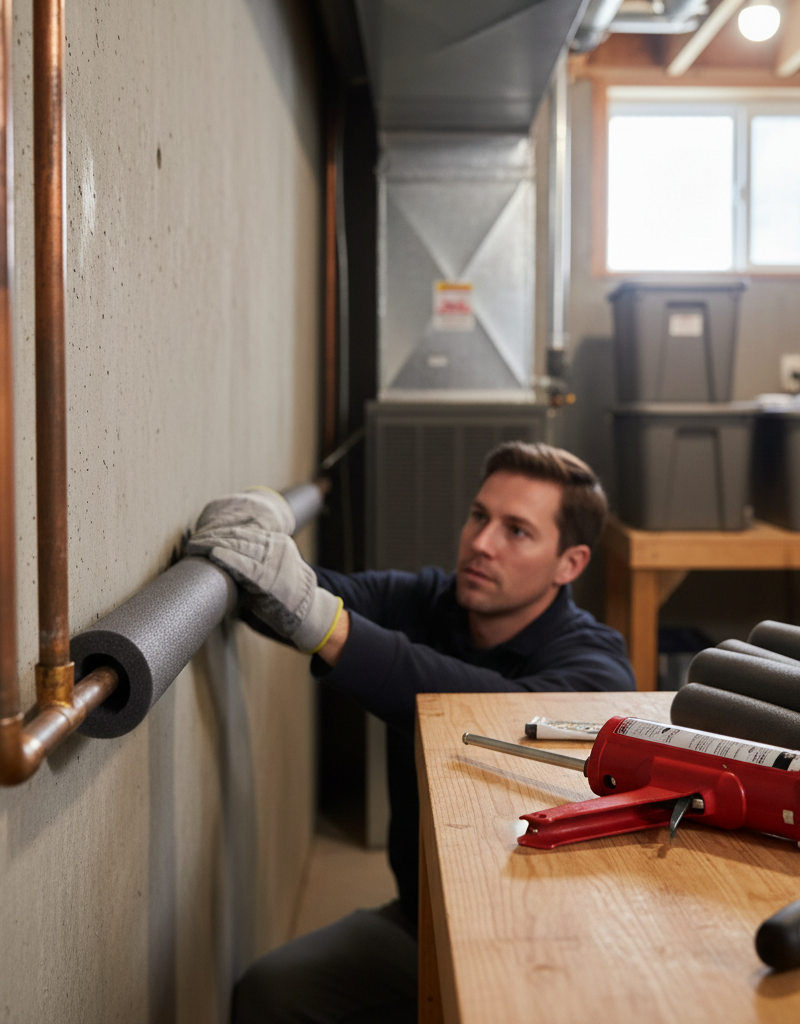
- Consider adding insulation to pipes in vulnerable areas or sealing air leaks in your home's foundation or exterior walls.
- For frequently freezing pipes, consider drip-proofing (leaving a faucet dripping slightly) during extreme cold snaps, especially overnight.
Common Causes
- Lack of Insulation: Pipes running through unheated spaces like attics, crawl spaces, garages, or exterior walls without proper insulation are highly susceptible to freezing.
- Exposure to Cold Air: Gaps or cracks in foundational walls, open crawl space vents, or unsealed exterior wall penetrations allow frigid air to directly contact pipes.
- Sudden Temperature Drops: Even well-insulated pipes can freeze during prolonged periods of extreme cold or sudden, sharp temperature declines, especially if water isn't moving through them.
- Poor Pipe Placement: Pipes installed on exterior walls or in poorly heated areas are inherently at higher risk.
- Thermostat Set Too Low: If the thermostat is set too low or turned off when leaving home for an extended period during winter, the ambient temperature inside the house can drop enough for pipes to freeze.
- Vacant Homes: Homes left unoccupied and unheated during cold weather are extremely vulnerable to widespread pipe freezing.
Common Mistakes
- Using Open Flames or High Heat: Never use a blowtorch, propane heater, charcoal grill, or any open flame to thaw pipes. This is an extreme fire hazard, can damage or melt plastic pipes, and can cause metal pipes to explode due to rapid expansion.
- Applying Boiling Water Directly: Pouring boiling water directly onto a frozen pipe can cause a sudden temperature shock, leading to brittle pipes cracking or bursting, especially with older or plastic pipes.
- Heating a Single Spot Intensively: Concentrating heat on one small area can cause the water inside to boil and create steam, leading to dangerous pressure buildup and potential pipe rupture. Always move the heat source.
- Forgetting to Open a Faucet: Thawing a pipe without an open faucet downstream is a critical error. The expanding melted water will have nowhere to go, increasing pressure dramatically and almost guaranteeing a burst.
- Ignoring the Main Water Shut-Off: Not knowing where or how to turn off your main water supply can turn a small leak from a burst pipe into a catastrophic flood. Always know this location before a plumbing emergency occurs.
- Attempting Complex Repairs Yourself: If a pipe has already burst, attempting a DIY repair without proper plumbing knowledge can lead to improper fixes, recurring leaks, or further damage. Call a pro for burst pipes.
Cost & Time Breakdown
| Task | DIY Cost | Pro Cost | Time |
|---|---|---|---|
| Thawing a single pipe | $0–$30 | $150–$400 | 30 min – 2 hours |
| Inspecting for damage | $0 | Included in thawing | 10–20 minutes |
| Main water shut-off (if needed) | $0 | $0 | 1 minute |
| Repairing a burst pipe | $50–$200 (parts) | $300–$800+ (incl. labor) | 2–4+ hours |
| Water damage clean up | Varies (DIY supplies) | $500–$5000+ (professional remediation) | Varies |
Tips & Prevention
- Insulate Exposed Pipes: Pay special attention to pipes in unheated areas like crawl spaces, attics, basements, and exterior walls. Use foam pipe insulation sleeves, fiberglass insulation, or heat tape (with a thermostat to prevent overheating).
- Seal Air Leaks: Caulk or seal any cracks and openings in foundation walls, around outdoor faucets, and where pipes enter exterior walls. Even small drafts can significantly lower pipe temperatures.
- Maintain Indoor Heat: During cold snaps, keep your thermostat set to at least 55°F (13°C), even if you're away. Open cabinet doors under sinks on exterior walls to allow warmer room air to circulate around pipes.
- Drip Faucets Strategically: If temperatures are extremely low, or if you have pipes historically prone to freezing, allow a small trickle of cold water to flow from the faucets in question. Moving water is less likely to freeze.
- Drain Outdoor Faucets/Hoses: Disconnect and drain garden hoses. Close the shut-off valve to outdoor faucets (hose bibs) inside your home, then open the outdoor faucet to drain any remaining water.
- Locate Your Main Water Shut-Off: Before winter, ensure everyone in your household knows where the main water shut-off valve is located and how to operate it. This is critical in case of a burst pipe.
- Consider Smart Home Monitoring: For vacant properties or frequent travelers, smart home devices can monitor temperature and send alerts if it drops too low, allowing you to react before pipes freeze.
When to Call a Professional
While thawing a visible, accessible frozen pipe is a manageable DIY task for many homeowners, there are specific situations where calling a licensed plumber is not just advisable but essential. Immediately contact a professional if you suspect the frozen pipe is located within a wall, ceiling, or any inaccessible area. These hidden leaks can cause extensive, unseen damage before you even realize it. If you've attempted to thaw a pipe and find it has burst, even a small leak, turn off your main water supply and call a plumber. Burst pipe repairs often require soldering, replumbing sections, or specialized tools that most homeowners don't possess, and improper repairs can lead to catastrophic water damage down the line. Furthermore, if your entire home's water supply is frozen, indicating a blockage in the main water line or multiple extensive freezes, a professional has the equipment and expertise to diagnose and resolve the issue safely. Never attempt to thaw gas lines, as this presents an extreme explosion hazard. Any suspicion of a frozen sewer line also warrants immediate professional attention due to potential health risks and complex repair procedures.
Related Articles
Keep troubleshooting with these hand-picked guides from FixlyGuide:
- The 3 Hidden Reasons Your Pipes Freeze (and How to Thaw Them Fast) — Discover the real culprits behind frozen pipes and learn safe, effective methods to thaw them quickly, preventing costly damage to your hom…
- The 3 Hidden Reasons Your Pipes Freeze (And How to Thaw Them Fast) — Discover the real culprits behind frozen pipes and learn a step-by-step method to safely thaw them, preventing costly damage.
- The 3 Hidden Dangers of Frozen Pipes (And How to Thaw Them Safely) — Frozen pipes can burst, causing extensive water damage. Learn to safely thaw them and prevent costly repairs.
- The 90-Minute Hidden Danger of a Frozen Pipe (And the DIY Fix) — Thawing a frozen pipe quickly and safely is crucial to prevent bursting and extensive water damage to your home.
- The 3 Hidden Reasons Your Pipe Froze (And How to Thaw It Fast) — Thawing a frozen pipe safely requires understanding the underlying causes and applying gentle, consistent heat to prevent further damage.
- The #1 Hidden Culprit Behind Your Whole-House Low Water Pressure (It's Not Your City!) — Discover the most common, often overlooked cause of low water pressure throughout your entire home and how to fix it yourself.
Should you do this yourself?
Answer five quick questions before you start. Safety outranks savings every time.
Your experience with work like this
How high do you have to work?
Does the job involve any of these?
Will it need a permit?
Specialty tools
Free and instant. Educational guidance only — not a quote, inspection, or professional diagnosis.
What should this project cost?
Enter your project details for a realistic cost range before you call anyone.
Common repairs run $150–$650; repipes and water-heater replacements reach $1,500–$4,500.
- Regional adjustment
- National average
- Labor share (typical)
- ~$754
- Quotes to collect
- 3 written estimates
Educational estimate based on national averages — not a binding quote. Always confirm with written local estimates.
Fixly Project Decision Box
- DIY difficulty
- Moderate
- Estimated time
- 30 minutes – half a day
- Cost level
- Moderate
Main tools / materials
- Adjustable wrench
- Plunger or drain auger
- Bucket and towels
- Thread tape
When to stop and call a pro
- Water you cannot shut off at the fixture or main
- Sewage backing up into more than one fixture
- Water near electrical panels or outlets
- Gas water heater work beyond relighting a pilot
Need professional help?
Get a Licensed PlumberBefore you start
Check the difficulty, permits, and safety risk — then decide whether to call a pro.
- Estimate this projectGet a cost range for your scope and ZIP before you call anyone.Open
- Get local estimatesSend one request and compare written estimates from vetted pros.Open
Free, no signup required. Estimates are educational guidance, not a quote or an inspection.
Frequently asked questions
How long does it take to thaw a frozen pipe?+
The time it takes to thaw a frozen pipe varies depending on the severity of the freeze, the pipe's location, and the thawing method. A small, accessible section might thaw in 30 minutes, while a more extensive freeze could take several hours of continuous, gentle heat. Patience is key to prevent damage.
What's the safest way to thaw a pipe?+
The safest ways to thaw a frozen pipe involve gradual heat application. A hairdryer on a low or medium setting, an electric heating pad, heat tape, or towels soaked in hot water are all effective and minimize the risk of pipe damage or fire. Always keep a faucet open while thawing.
Can I use a heat gun to thaw a frozen pipe?+
Yes, a heat gun can be used but with extreme caution. Set it to the lowest heat setting and keep it moving constantly, at least 6-8 inches away from the pipe. Heat guns produce much higher temperatures than hairdryers and can easily melt plastic pipes or damage solder joints if held too close or left stationary.
What should I do if a pipe bursts?+
If a pipe bursts, immediately turn off your home's main water supply valve to prevent further water damage. Then, call a licensed plumber to assess the damage and perform the necessary repairs. Do not attempt to repair a burst pipe yourself unless you are an experienced plumber.
Discussion
Loading comments…