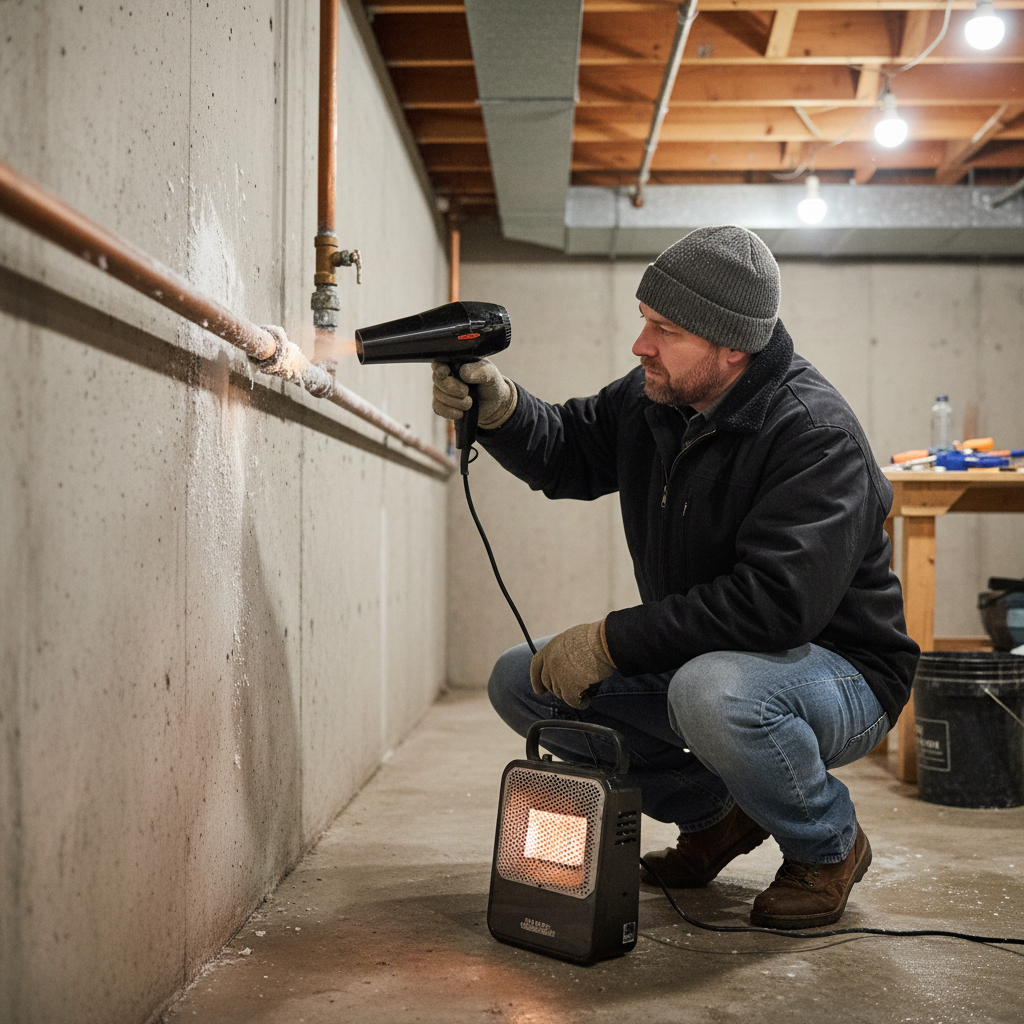
- Locate the Frozen Section – The first diagnostic move.
- Identify which faucets aren't working. If only a cold water line is affected, the freeze is likely on that specific line. If both hot and cold are out, the freeze could be on the main water supply line or a shared branch.
- Listen for dripping or gurgling sounds as the ice begins to melt – this indicates progress.
Plumbing · Leak
| Project category | Plumbing |
|---|---|
| Problem type | Leak |
| Trade required | Plumbing |
| Urgency | Emergency — act now |
| Safety risk | High safety risk |
| DIY suitability | DIY for experienced homeowners |
| Cost category | Low cost |
| Typical timeline | Shut water off now; repair usually same or next day |
| Contractor type | Licensed plumber |
Repair option
Isolate at the shutoff, replace the failed component, and dry the cavity fully.
Replacement option
Repipe the run or the branch when corrosion is widespread.
Common causes
- Failed supply line or shutoff valve
- Worn washers, cartridges, or P-trap connections
- Pinhole corrosion in older copper
Relevant tools:emergency checklistdiy or hire a pro
Published June 2, 2026Last updated August 17, 2026
Tools & materials you'll need
Affiliate links- AmazonHairdryerOr a heat gun on its lowest setting
- AmazonBucket or large bowlTo catch water if pipe leaks or bursts
- AmazonWork glovesFor protection while handling tools
- AmazonFlashlight or headlampFor inspecting pipes in dark areas
- AmazonSmall portable electric space heaterOptional, for warming enclosed spaces. Ensure it has tip-over protection.
As an Amazon Associate FixlyGuide earns from qualifying purchases — at no extra cost to you. Prices and availability are accurate as of publication and subject to change.
Quick Answer
Safely thawing a frozen pipe involves identifying the frozen section and gradually applying heat. Start by opening the nearest faucet, then use a hairdryer, heat gun on its lowest setting, or warm towels to slowly warm the pipe. Never use an open flame, and be prepared to shut off the main water supply if the pipe bursts during thawing.
The Problem
Imagine waking up on a frigid morning, turning on the faucet, and nothing comes out—or worse, just a trickle. You’ve got a frozen pipe. This isn't just an inconvenience; it's a ticking time bomb. As water freezes, it expands, creating immense pressure within your pipes. This pressure can cause the pipe to burst, leading to catastrophic water damage, expensive repairs, and a significant headache. The immediate problem is a lack of water flow, but the underlying danger is a burst pipe, which often occurs not at the point of freezing, but further down the line where the water is trapped between the ice blockage and a closed faucet. Knowing how to safely and effectively thaw a frozen pipe can save you thousands of dollars and untold stress.
How It Works
Water pipes, typically made of copper, PEX, or PVC, are designed to transport water under pressure. When the ambient temperature around a section of pipe drops below 32°F (0°C) for an extended period, the water inside can turn to ice. This process doesn't happen instantly; it requires sustained cold. Several factors contribute to freezing: poor insulation in walls or attics, pipes running along unheated exterior walls, crawl spaces, or garages, and even relatively consistent but low temperatures in basements.
The thermodynamics of freezing are simple but powerful. As water transforms into ice, its volume increases by about 9%. This expansion exerts tremendous force on the pipe walls, eventually exceeding the material's tensile strength. Contrary to popular belief, the pipe often doesn't burst at the ice blockage. Instead, the ice forms a plug, and as more ice forms behind it (or if water pressure from the municipal side continues), the pressure builds up in the section of pipe between the ice plug and the nearest closed faucet. This trapped water, with no escape route as it expands, is what causes the burst. The goal of thawing is to gently reintroduce heat, melting the ice plug and allowing water to flow again, thereby relieving the dangerous pressure. Slow and steady heat application prevents rapid expansion or contraction of the pipe material, which could also lead to damage.
Step-by-Step Fix
Safety First! Before attempting any thawing, locate your main water shut-off valve. Knowing its location and how to operate it is critical in case a pipe bursts during thawing.
-
Locate the Frozen Section – The first diagnostic move.
- Identify which faucets aren't working. If only a cold water line is affected, the freeze is likely on that specific line. If both hot and cold are out, the freeze could be on the main water supply line or a shared branch.
- Visually inspect exposed pipes in basements, crawl spaces, under sinks, and near exterior walls. Look for frost on the pipe, a slight bulge, or condensation, which can indicate the cold spot. Sometimes, the pipe may even feel colder to the touch than surrounding pipes.
- Listen for dripping or gurgling sounds as the ice begins to melt – this indicates progress.
-
Open the Faucet – Relieve pressure and allow water to flow.
- Open the cold water faucet associated with the frozen pipe, or both hot and cold if the main line is suspected.
- Leave the faucet open to a trickle. This provides an exit for the melting ice and relieves pressure buildup as the water expands, preventing further damage. It also helps you confirm when water flow is restored.
-
Clear the Area – Ensure safe access.
- Remove any flammable materials, chemicals, or easily damaged items from around the pipe. You'll be using heat, so creating a safe working environment is paramount.
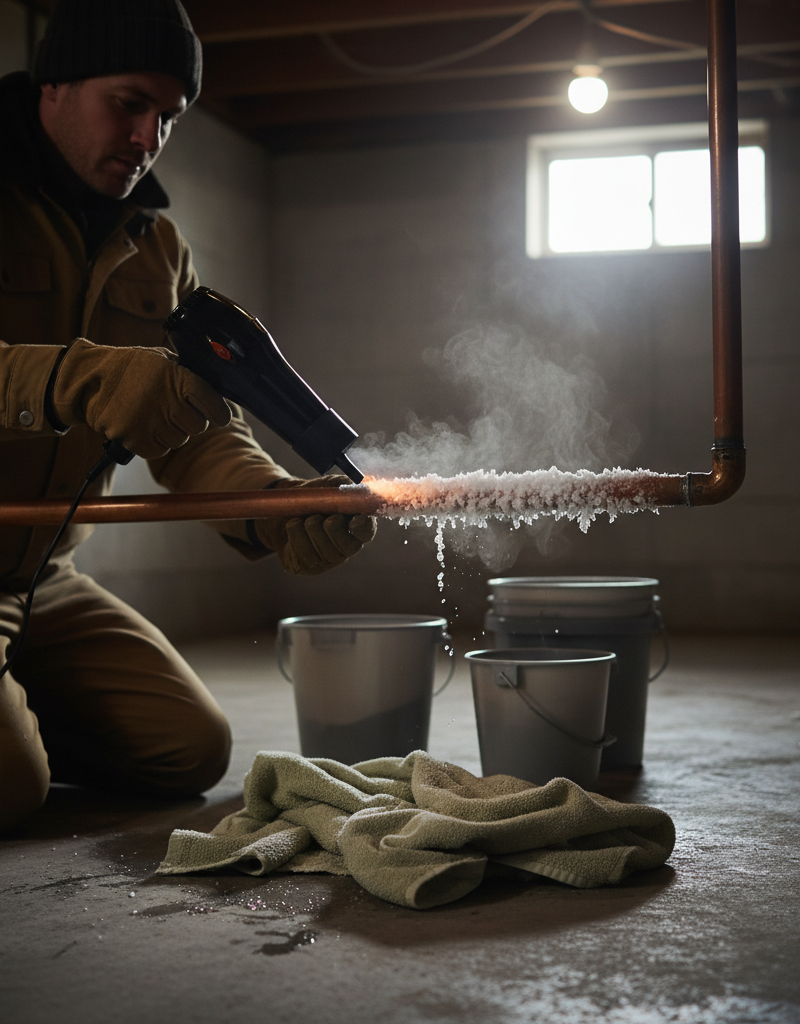
- Lay down old towels or blankets to catch any drips or potential leaks once the pipe thaws.
-
Apply Gentle Heat – The slow and steady wins the race.
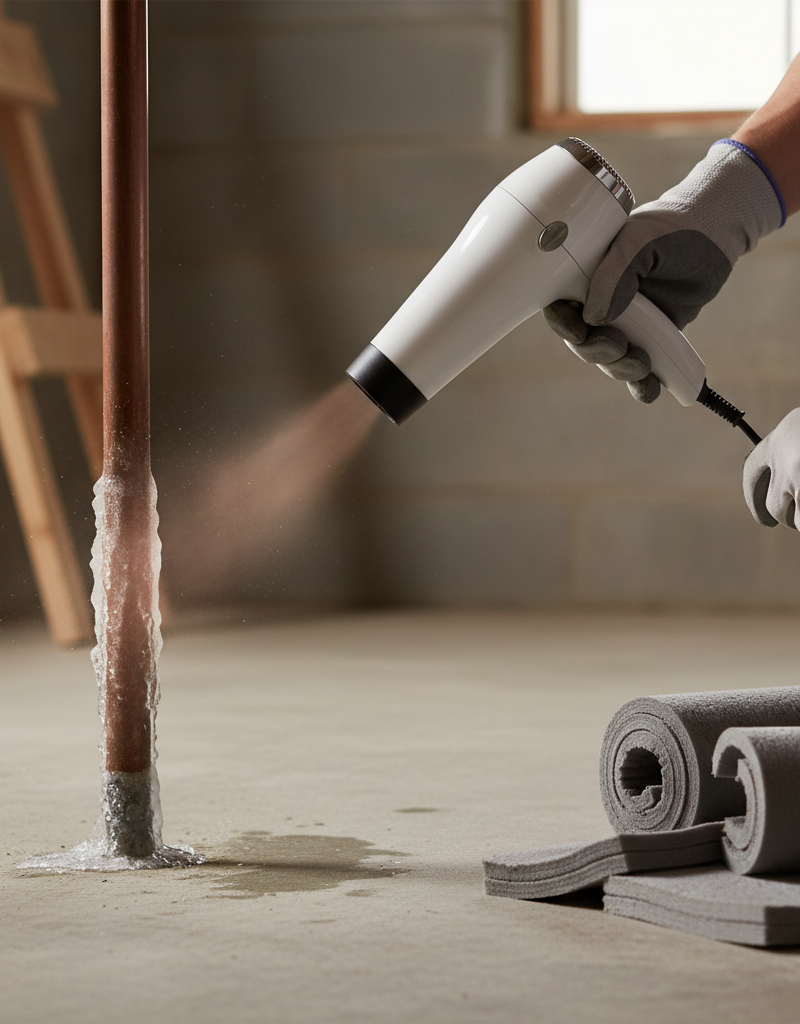
- Hairdryer: The safest and most common method. Set it to a medium or high setting and move it back and forth along the frozen section, starting closer to the faucet and working your way back towards the main water supply. Keep the hairdryer moving to prevent overheating a single spot.
- Heat Gun: Use only on the lowest setting and maintain a safe distance (at least 6-8 inches) from the pipe. Keep it constantly moving. This is more powerful than a hairdryer, so exercise extra caution, especially on plastic pipes.
- Warm Towels: Soak towels in hot water (not boiling), wring them out, and wrap them around the frozen pipe. Replace them frequently as they cool. This is a very safe but slower method, best for minor freezes or hard-to-reach areas where electrical tools are risky.
- Portable Space Heater: If the frozen pipe is in an enclosed, unheated space like a cabinet, basement room, or crawl space, positioning a small electric space heater nearby can warm the ambient air and slowly thaw the pipe. Ensure it's on a stable, non-flammable surface and away from any combustible materials.
- Pro Tip: If the pipe is against a wall, try warming the wall itself with a hairdryer. The heat will conduct through to the pipe.
-
Monitor for Leaks – The moment of truth.
- As the ice melts and water flow resumes, carefully inspect the thawed section of pipe and surrounding areas for any signs of cracks, drips, or leaks.
- Pay close attention to fittings and joints, as these are often vulnerable points.
- If you spot a leak, immediately shut off your main water supply and call a licensed plumber. Do not attempt to patch a leaking pipe yourself if it's a pressurized line; a professional repair is essential.
-
Restore Water Flow Gradually – Ensure everything is stable.
- Once water is flowing freely from the open faucet, continue applying heat for a few more minutes to ensure the entire ice blockage has cleared.
- Slowly close the faucet.
- Check other water fixtures in your home to ensure all lines are clear and water pressure is normal.
-
Insulate and Prevent Future Freezes – Prevent recurrence.
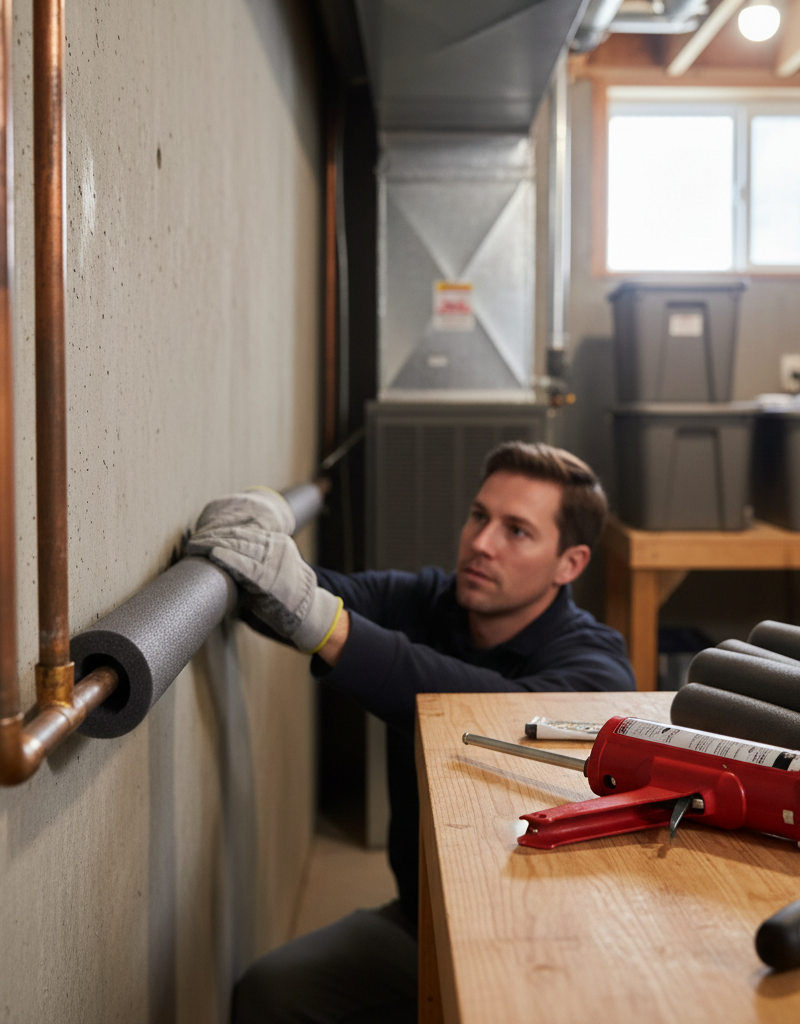
- Once the pipe is fully thawed and confirmed leak-free, take steps to prevent it from freezing again. This might involve adding pipe insulation sleeves, sealing cracks and holes in exterior walls and foundations, or keeping cabinet doors open during extreme cold to allow warmer indoor air to circulate around pipes under sinks.
Common Causes
- Exterior Exposure: Pipes running along uninsulated exterior walls, in unheated garages, crawl spaces, or attics are highly susceptible to freezing.
- Poor Insulation: Inadequate insulation in wall cavities or around pipes allows cold air to penetrate and lower pipe temperatures below freezing.
- Sudden Temperature Drops: A rapid and significant decrease in outdoor temperature, especially when combined with insufficient heating, can catch pipes unprepared.
- Thermostat Set Too Low: Leaving your thermostat too low, or turning off the heat when away from home for extended periods during winter, greatly increases the risk of pipes freezing.
- Hose Bibs Not Drained: Outdoor hose bibs (spigots) that aren't properly drained and winterized can freeze, and the ice can then extend into the interior piping.
- Unsealed Openings: Gaps or cracks in your home's foundation or exterior walls can allow frigid drafts to reach interior plumbing.
Common Mistakes
- Using an Open Flame: Never use a propane torch or any other open flame to thaw pipes. This is an extreme fire hazard, can damage the pipe material (especially plastic), and can cause steam to build up rapidly, leading to explosive bursts.
- Ignoring the Faucet: Forgetting to open the affected faucet during the thawing process. This prevents pressure relief and a path for the melting ice, which can lead to a burst pipe even after the ice starts to melt.
- Overheating One Spot: Applying intense heat to a single spot on the pipe. This can cause the pipe to expand too quickly and unevenly, leading to cracks or bursts.
- Thawing Too Quickly: Rushing the thawing process. Patience is key. Gradual heat application is safer and more effective than a rapid thaw.
- Ignoring Leaks: Assuming a pipe is fine once water flows again without thoroughly checking for leaks. A pipe might show no signs of a leak until pressure is fully restored.
- Not Shutting Off Water Supply: Failing to locate and know how to operate the main water shut-off valve before beginning the thawing process. This can turn a minor leak into a major flood if a pipe bursts.
Cost & Time Breakdown
| Task | DIY Cost | Pro Cost | Time |
|---|---|---|---|
| Thawing a frozen pipe | $0–$15 | $150–$400 | 30 min – 2 hours |
| Pipe insulation (DIY) | $10–$50 | $50–$150 | 1–2 hours |
| Sealing air leaks (DIY) | $5–$25 | $100–$300 | 1–3 hours |
| Burst pipe repair (pro) | N/A | $200–$1,500+ | 2–6 hours |
Tips & Prevention
- Insulate Exposed Pipes: Wrap any exposed pipes in unheated areas (basements, crawl spaces, attics, under sinks) with foam pipe insulation sleeves. This is a cheap and effective preventative measure.
- Seal Air Leaks: Caulk or seal any cracks and holes in exterior walls, foundations, and around utility penetrations to prevent cold air drafts from reaching pipes.
- Keep Cabinet Doors Open: During severe cold snaps, open cabinet doors under sinks on exterior walls to allow warmer room air to circulate around the pipes.
- Drip Faucets: If temperatures are expected to drop below freezing, allow a small trickle of water (hot and cold) to run from faucets connected to pipes vulnerable to freezing. Moving water is less likely to freeze.
- Maintain Heat: Keep your thermostat set to at least 55°F (13°C), even when you're away from home, especially in winter. Consider smart thermostats for remote control.
- Drain Outdoor Hoses & Faucets: Disconnect garden hoses and drain outdoor hose bibs before winter. If you have interior shut-off valves for outdoor spigots, close them and drain the exterior portion.
When to Call a Professional
You should immediately call a licensed plumber if you suspect a frozen pipe in a wall or ceiling where you cannot directly access it, or if you apply heat and no water starts flowing after a couple of hours. Any sign of a leak, even a small drip, during or after thawing also warrants an immediate call; a professional can assess the integrity of the pipe and make proper repairs to prevent a more catastrophic burst. If you have significant water damage from a burst pipe, a plumber can address the plumbing repair, and you may also need to contact a water damage restoration specialist. Finally, if you are uncomfortable or unsure about any step of the thawing process, it's always safer to rely on the expertise of a professional to prevent further damage or injury.
Related Articles
Keep troubleshooting with these hand-picked guides from FixlyGuide:
- The 3 Hidden Reasons Your Pipes Freeze (And How to Thaw Them Fast) — Discover the real culprits behind frozen pipes and learn a step-by-step method to safely thaw them, preventing costly damage.
- The 3 Hidden Reasons Your Pipes Freeze (and How to Thaw Them Fast) — Discover the real culprits behind frozen pipes and learn safe, effective methods to thaw them quickly, preventing costly damage to your hom…
- The 3 Hidden Dangers of Frozen Pipes (And How to Thaw Them Safely) — Safely thawing a frozen pipe is crucial to prevent bursting, water damage, and costly repairs; acting quickly and correctly can save your h…
- The 3 Hidden Dangers of Frozen Pipes (And How to Thaw Them Safely) — Frozen pipes can burst, causing extensive water damage. Learn to safely thaw them and prevent costly repairs.
- The 3 Hidden Reasons Your Bathroom Sink Stinks (And the 20-Minute Fix) — Uncover the surprising causes behind a foul-smelling bathroom sink drain and learn a simple, effective fix in just 20 minutes.
- The $30 Trick to Melting Ice Dams (Before They Destroy Your Roof) — Discover how to safely remove ice dams from your roof instantly with common household items, preventing costly damage. Stay safe while tack…
What should this project cost?
Enter your project details for a realistic cost range before you call anyone.
Common repairs run $150–$650; repipes and water-heater replacements reach $1,500–$4,500.
- Regional adjustment
- National average
- Labor share (typical)
- ~$754
- Quotes to collect
- 3 written estimates
Educational estimate based on national averages — not a binding quote. Always confirm with written local estimates.
Fixly Project Decision Box
- DIY difficulty
- Moderate
- Estimated time
- 30 minutes – half a day
- Cost level
- Moderate
Main tools / materials
- Adjustable wrench
- Plunger or drain auger
- Bucket and towels
- Thread tape
When to stop and call a pro
- Water you cannot shut off at the fixture or main
- Sewage backing up into more than one fixture
- Water near electrical panels or outlets
- Gas water heater work beyond relighting a pilot
Need professional help?
Get a Licensed PlumberGet the print-ready PDF of this guide
A clean, ad-free, printable version you can keep on your phone or pin to the workshop wall. Free with a FixlyGuide account.
- Print-optimized layout
- Tools, materials & every step included
- Saved to your account
Frequently asked questions
How long does it take to thaw a frozen pipe?+
The time it takes to thaw a frozen pipe varies depending on the severity and location of the freeze. A minor freeze might clear in 20-30 minutes with a hairdryer, while a more significant blockage in a less accessible area could take 1-2 hours or more. Patience and continuous gentle heat are key.
What happens if a frozen pipe bursts?+
If a frozen pipe bursts, it can cause significant water damage to your home, including saturated drywall, ruined flooring, damaged insulation, and potential mold growth. The cost of repairs for a burst pipe can range from hundreds to thousands of dollars, depending on the extent of the damage. Immediately shut off your main water supply if a burst occurs.
Can I use a heat gun to thaw a frozen pipe?+
Yes, a heat gun can be used, but with extreme caution. Always set it to the lowest heat setting and keep it moving constantly at least 6-8 inches away from the pipe. Never concentrate heat on one spot, especially with plastic pipes, as this can cause rapid expansion, melting, or cracking.
How do I prevent pipes from freezing in the future?+
To prevent future pipe freezes, insulate exposed pipes in unheated areas with foam sleeves, seal air leaks in your home's exterior, keep cabinet doors open under sinks during cold spells, and maintain your home's thermostat at 55°F (13°C) or higher, even when away. Draining outdoor hose bibs is also crucial.
Should I call a plumber for a frozen pipe?+
You should call a licensed plumber if you cannot locate the frozen section, if the pipe is inside a wall or ceiling, if you have applied heat for several hours without success, or if you notice any leaks or drips after thawing. It's always best to call a professional if you're unsure or uncomfortable attempting the repair yourself to prevent further damage.
Discussion
Loading comments…