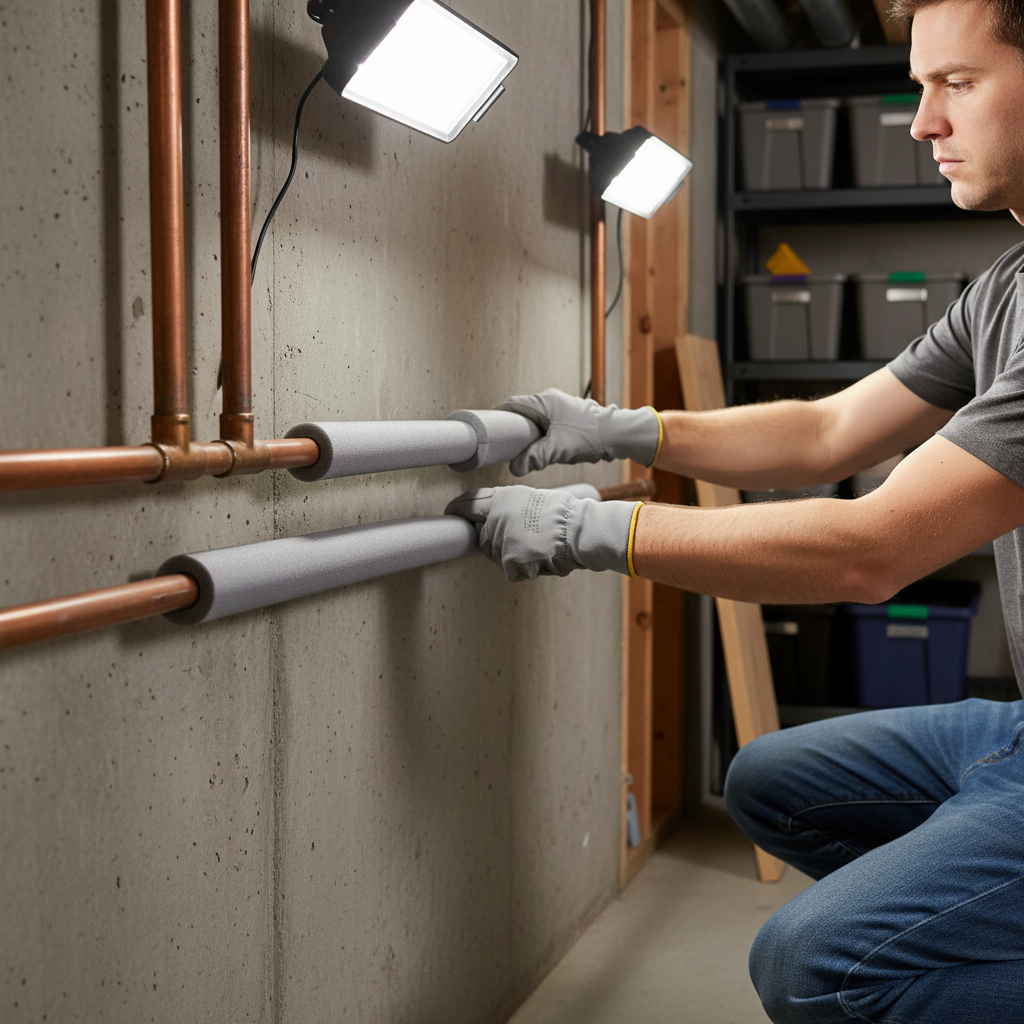
- Insulate Vulnerable Pipes — Add a protective layer to prevent heat loss.
- Tools/Materials: Foam pipe insulation, duct tape or zip ties.
- Important: Pay special attention to hot water pipes as well; while less likely to freeze, they can still be affected, and insulating them also improves energy efficiency.
Plumbing · Pipe damage
| Project category | Plumbing |
|---|---|
| Problem type | Pipe damage |
| Trade required | Plumbing |
| Urgency | Emergency — act now |
| Safety risk | High safety risk |
| DIY suitability | Licensed pro only |
| Cost category | High cost |
| Typical timeline | Emergency shutoff now; repipes commonly 2–5 days |
| Contractor type | Licensed plumber |
Repair option
Cut out and replace the damaged section with a coupling or new run.
Replacement option
Whole-home repipe when the material itself is the problem.
Common causes
- Freeze-thaw expansion in an uninsulated run
- Corrosion in aging galvanized or polybutylene
- Shifting foundation stressing a slab line
Relevant tools:emergency checklistcompare quotes
Published May 23, 2026Last updated August 17, 2026
Tools & materials you'll need
Affiliate linksAs an Amazon Associate FixlyGuide earns from qualifying purchases — at no extra cost to you. Prices and availability are accurate as of publication and subject to change.
Quick Answer
Preventing frozen pipes is crucial for avoiding expensive water damage. The quickest solutions involve insulating exposed pipes, sealing air leaks in your home's foundation and exterior walls, and allowing a small drip from faucets connected to pipes in vulnerable areas during severe cold snaps. These steps help maintain water flow and keep pipes above freezing, even in the coldest temperatures.
The Problem
Frozen pipes are a homeowner's nightmare. Beyond the immediate inconvenience of no water, the real danger lies in the pipes bursting. When water freezes, it expands, creating immense pressure within your plumbing system. This pressure can cause pipes to crack and rupture, leading to significant water leaks and extensive damage once the ice melts. The repair costs for burst pipes can range from hundreds to thousands of dollars, depending on the location and extent of the damage, not to mention the secondary costs of repairing water-damaged drywall, flooring, and insulation. Homes in colder climates are obviously more susceptible, but even a brief cold snap can be enough to freeze vulnerable pipes in any region, especially those running through unheated spaces like crawl spaces, attics, garages, and exterior walls.
How It Works
Water freezes at 32°F (0°C). However, pipes don't instantly freeze just because the ambient air temperature drops below this point. It takes sustained cold for the temperature inside the pipe to reach freezing. Several factors contribute to how quickly and easily a pipe will freeze. The most common scenario involves pipes located in unheated areas or near poorly insulated exterior walls where they are exposed to prolonged freezing temperatures. As the water inside slows or stops moving, it begins to cool. Once it hits 32°F, ice crystals form. Unlike many liquids, water expands as it freezes, increasing its volume by about 9%. This expansion generates incredible pressure—up to 2,000 pounds per square inch (psi) within a confined pipe. It's not always the initial block of ice that causes the burst; often, it's the pressure building behind the ice blockage, between the blockage and a closed faucet, as more water continues to freeze and expand. Without an escape route, this pressure will eventually find the weakest point in the pipe or a fitting, causing it to rupture. Even a small crack can release gallons of water per minute once thawed, leading to rapid and severe flooding.
Step-by-Step Fix
Here's how to proactively protect your pipes before winter sets in or during a cold snap:
-
Seal Air Leaks — Identify and eliminate cold drafts.
- Inspect your home's foundation, exterior walls, and around windows and doors for cracks and gaps. Use caulk to seal small openings and expanding foam sealant for larger gaps, especially where pipes or electrical lines enter the house. Even a small draft can significantly lower the temperature around exposed pipes.
- If this doesn't work: Check attic access points and crawl space vents. Ensure these are properly sealed or closed in winter months to prevent cold air infiltration.
-
Insulate Vulnerable Pipes — Add a protective layer to prevent heat loss.
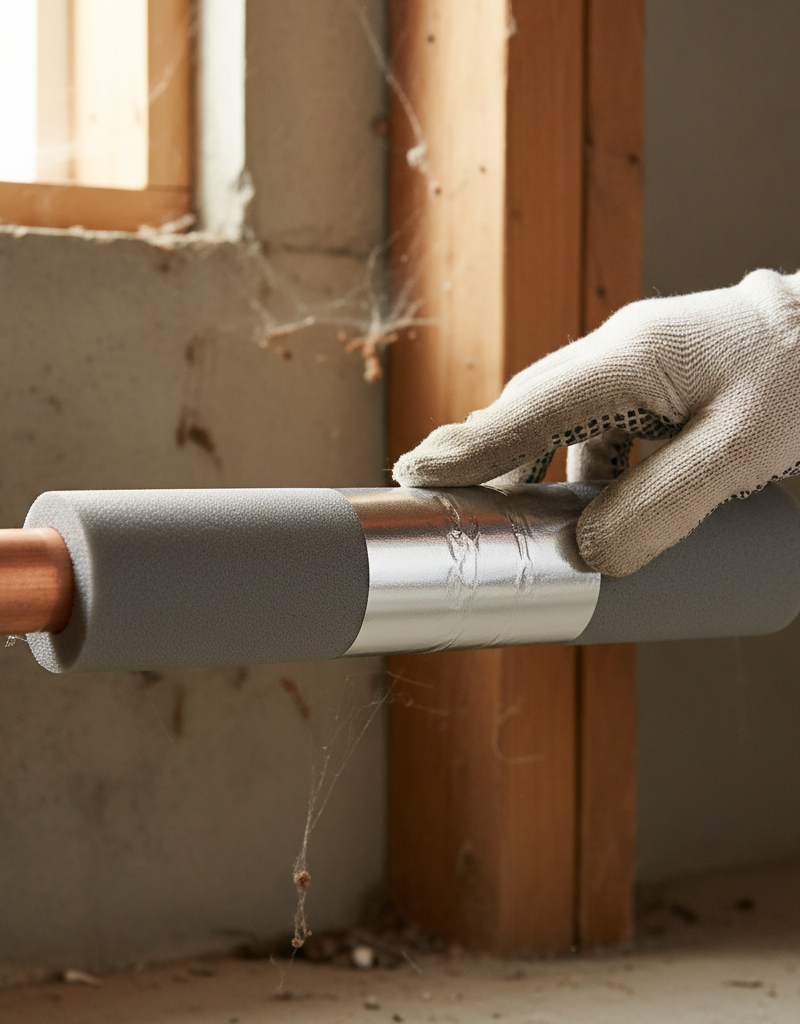
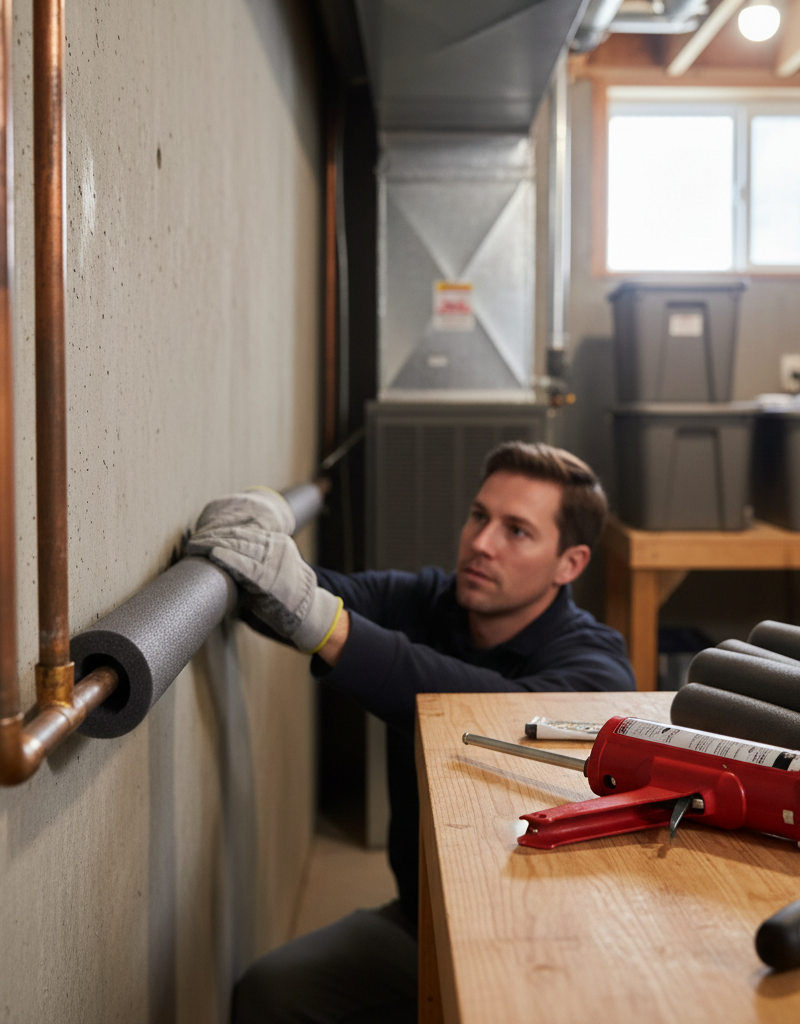
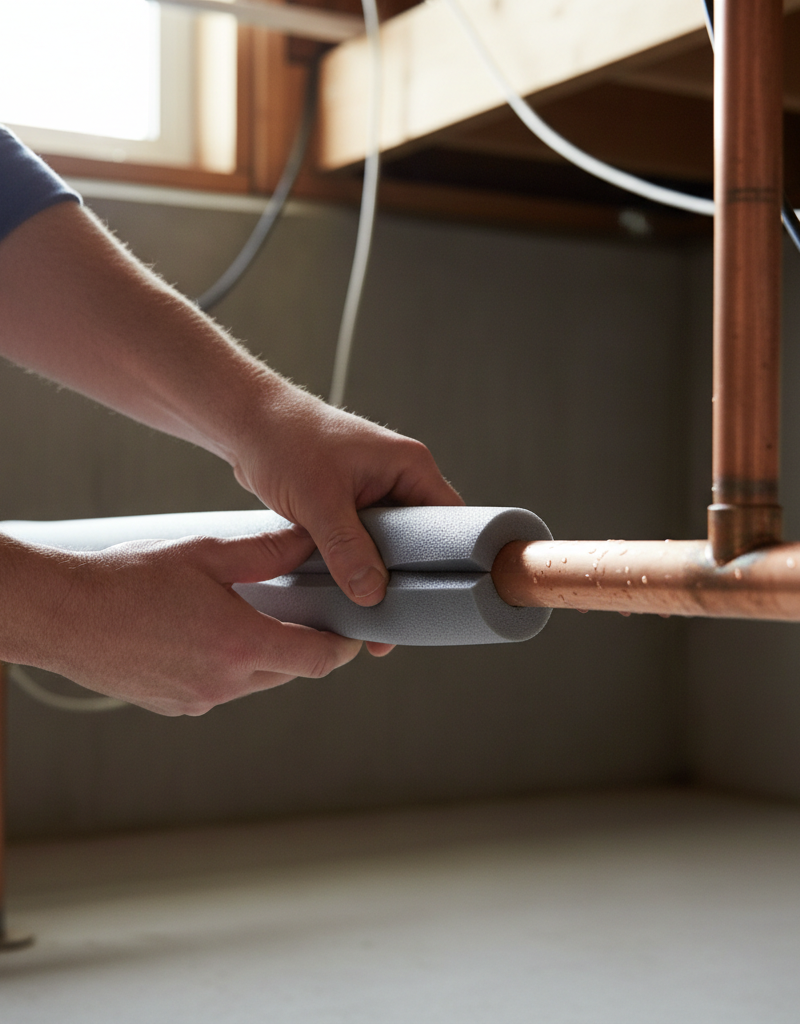
- Wrap pipes in unheated areas (basements, crawl spaces, attics, garages, under sinks along exterior walls) with foam pipe insulation sleeves. These are inexpensive and easy to install, typically just snapping around the pipe. Ensure a snug fit with no gaps.
- Tools/Materials: Foam pipe insulation, duct tape or zip ties.
- Important: Pay special attention to hot water pipes as well; while less likely to freeze, they can still be affected, and insulating them also improves energy efficiency.
-
Use Heat Cables or Tape — Apply targeted warmth to high-risk areas.
- For pipes in extremely cold or hard-to-insulate areas, consider thermostatically controlled heat cables or heat tape. These devices wrap around pipes and turn on automatically when temperatures drop, providing constant, gentle warmth. Follow manufacturer instructions carefully for installation.
- Safety Note: Ensure heat tapes are UL-listed and have a ground fault circuit interrupter (GFCI) protected outlet. Never overlap heat tape unless specifically instructed by the manufacturer, as this can create a fire hazard.
-
Disconnect Outdoor Hoses & Drain Sprinklers — Remove water from exterior lines.
- Before the first hard freeze, disconnect all garden hoses from outdoor spigots. Leaving them connected can cause water to back up and freeze inside the spigot and connecting pipes, leading to burst pipes inside your wall.
- Drain and winterize your sprinkler system. This usually involves shutting off the main water supply to the system and using an air compressor to blow out any remaining water from the lines.
-
Open Cabinet Doors & interior Doors — Allow warm air to circulate.
- During severe cold snaps, open cabinet doors under sinks on exterior walls, especially in kitchens and bathrooms. This allows warmer air from the heated living space to circulate around the pipes, potentially keeping them above freezing.
- Also, keep interior doors open to promote better heat distribution throughout your home.
-
Maintain a Slight Drip — Keep water moving during extreme cold.
- If temperatures are expected to plummet significantly, or if you have known problem pipes, consider letting a faucet (both hot and cold sides) trickle slowly. A continuous drip, even a very small one, keeps water moving within the pipes, making it much harder for ice to form and preventing pressure buildup.
- Tip: Place a bucket under the dripping faucet to collect water for later use or to minimize waste.
-
Keep Your Home Warm — Don't drop the thermostat too low.
- If you plan to be away during winter, do not turn your thermostat off completely. Set it to at least 55°F (13°C). While this uses energy, it's far less costly than repairing burst pipes.
- Ensure all rooms are heated, not just central areas. Close off rooms will quickly drop in temperature and lead to frozen pipes.
-
Know Your Main Water Shut-Off — Be prepared for an emergency.
- Locate your main water shut-off valve. In case a pipe does burst, knowing how to quickly turn off the water supply will minimize damage. Test it periodically to ensure it's not seized.
Common Causes
- Lack of Insulation: Pipes in uninsulated walls, attics, crawl spaces, or basements are highly exposed to freezing temperatures.
- Air Leaks: Gaps or cracks in exterior walls and foundations allow frigid air to reach pipes, bypassing any insulation.
- Poorly Circulated Heat: Rooms or areas of the home that are not adequately heated, especially those on exterior walls, leave pipes vulnerable.
- Exterior Water Sources: Garden hoses left connected or undrained sprinkler systems provide pathways for ice to form and expand back into interior plumbing.
- Sudden Temperature Drops: While generally resilient, plumbing can be caught off guard by rapid, severe drops in ambient temperature without adequate preventative measures.
- Extended Vacancies: When a home is left unheated or with the thermostat set too low for an extended period during cold weather.
Common Mistakes
- Ignoring Drafts: Many homeowners focus only on pipe insulation, forgetting that cold air infiltration through small cracks can negate insulation efforts.
- Turning Heat Off While Away: While trying to save on heating bills, turning the thermostat off or too low when leaving town can be a disastrous mistake, leading to significant freeze damage.
- Forgetting Outdoor Spigots: Even if disconnected, if the internal shut-off for an outdoor spigot isn't closed, residual water can still freeze and burst the pipe behind the wall.
- Overlapping Heat Tape: Incorrectly applying electric heat tape by overlapping sections can cause overheating, melting, or even fires.
- Only Insulating Hot Water Pipes: While less common, cold water pipes can also freeze and burst, requiring insulation for both supply lines.
- Using a Hair Dryer on a Frozen Pipe: While a hair dryer can sometimes thaw a small, easily accessible section, it's a slow and ineffective method for a truly frozen pipe and can even be dangerous due to electrical shock risk if water is present. Never use open flames.
Cost & Time Breakdown
| Task | DIY Cost | Pro Cost | Time |
|---|---|---|---|
| Seal Air Leaks (caulk/foam) | $10–$50 | N/A | 30 min – 2 hrs |
| Pipe Insulation Sleeves | $20–$100 | N/A | 1–3 hours |
| Heat Cable/Tape Installation | $40–$150 | $150–$300 | 1–2 hours |
| Disconnect Hoses/Drain Sprinklers | $0 | $100–$250 | 15 min – 1 hr |
| Winterizing Vacant Home | $0 (DIY heat) | $200–$500 (Pro) | Varies |
Tips & Prevention
- Regular Inspections: Annually, before winter, inspect your basement, crawl space, and attic for exposed pipes and air leaks. Address any issues proactively.
- Upgrade Insulation: Consider adding insulation to unheated areas of your home (attic, crawl space walls) to raise ambient temperatures around pipes.
- Outdoor Faucet Covers: Install insulated covers over outdoor spigots for an extra layer of protection against freezing.
- Smart Thermostats: Use a smart thermostat to monitor and adjust your home's temperature remotely, ensuring pipes stay warm even when you're away.
- Know Your Home's Cold Spots: Pay attention to which faucets or pipes might have frozen in the past, or identify areas that feel significantly colder than others, and target those with extra protection.
- Emergency Kit: Have a small emergency kit ready with towels, a bucket, and contact information for your plumber, just in case a pipe does burst.
When to Call a Professional
While many preventative measures are DIY-friendly, certain situations warrant calling a licensed plumbing professional. If you suspect a pipe has already frozen and burst, or if you notice a significant drop in water pressure coupled with no water from certain faucets, it's time to call a pro immediately. Professionals have specialized tools like thermal cameras to locate frozen sections within walls and safe thawing equipment. Furthermore, if you're uncomfortable draining complex sprinkler systems, installing electric heat tracing, or if your home's plumbing is very old and fragile, a professional can assess vulnerabilities and recommend the most effective, safest solutions. Never attempt to thaw a pipe with an open flame, and if you can't locate your main water shut-off or it's seized, call a plumber for assistance before a cold snap hits.
Related Articles
Keep troubleshooting with these hand-picked guides from FixlyGuide:
- The 3 Hidden Reasons Your Pipes Freeze (and How to Thaw Them Fast) — Discover the real culprits behind frozen pipes and learn safe, effective methods to thaw them quickly, preventing costly damage to your hom…
- The 3 Hidden Reasons Your Pipes Freeze (And How to Thaw Them Fast) — Discover the real culprits behind frozen pipes and learn a step-by-step method to safely thaw them, preventing costly damage.
- The 3 Hidden Reasons Your Refrigerator Leaks Water (And How to Fix Them in 30 Minutes) — Discover the surprising culprits behind a leaking refrigerator and learn simple, effective fixes you can do yourself in under an hour.
- The #1 Mistake Homeowners Make to Burst Pipes (and 5 Ways to Prevent It) — Learn the critical mistake most homeowners make when trying to prevent frozen pipes and discover five actionable strategies to protect your…
- The Nasty Truth About Your Smelly Bathroom Sink: It's Not Always the Drain — Uncover the surprising culprits behind your stinky bathroom sink and learn how to banish those foul odors with simple, effective troublesho…
- The 3 Hidden Reasons Your Deck Boards Warp (and How to Fix Them Forever) — Uncover the surprising culprits behind warped deck boards and learn the actionable steps to straighten them, reinforcing your deck against…
Your seasonal maintenance checklist
The small jobs that prevent the expensive repairs. Tick them off — progress saves on this device.
Free, no signup. Skip anything that requires roof access or working near live electrical.
What should this project cost?
Enter your project details for a realistic cost range before you call anyone.
Common repairs run $150–$650; repipes and water-heater replacements reach $1,500–$4,500.
- Regional adjustment
- National average
- Labor share (typical)
- ~$754
- Quotes to collect
- 3 written estimates
Educational estimate based on national averages — not a binding quote. Always confirm with written local estimates.
Fixly Project Decision Box
- DIY difficulty
- Moderate
- Estimated time
- 30 minutes – half a day
- Cost level
- Moderate
Main tools / materials
- Adjustable wrench
- Plunger or drain auger
- Bucket and towels
- Thread tape
When to stop and call a pro
- Water you cannot shut off at the fixture or main
- Sewage backing up into more than one fixture
- Water near electrical panels or outlets
- Gas water heater work beyond relighting a pilot
Need professional help?
Get a Licensed PlumberBefore you start
Check the difficulty, permits, and safety risk — then decide whether to call a pro.
- Is this a safe DIY job?Check permits, tools, and risk before you start the steps below.Open
- Estimate this projectGet a cost range for your scope and ZIP before you call anyone.Open
- Get local estimatesSend one request and compare written estimates from vetted pros.Open
Free, no signup required. Estimates are educational guidance, not a quote or an inspection.
Get the print-ready PDF of this guide
A clean, ad-free, printable version you can keep on your phone or pin to the workshop wall. Free with a FixlyGuide account.
- Print-optimized layout
- Tools, materials & every step included
- Saved to your account
Frequently asked questions
How cold does it have to be for pipes to freeze?+
Pipes can begin to freeze when temperatures drop to 32°F (0°C) or below. However, it usually takes sustained freezing temperatures over several hours for the water inside pipes to reach the freezing point, especially if the pipes are inside a somewhat insulated space.
Should I drip all faucets or just one to prevent freezing?+
It's best to drip faucets that are supplied by pipes in unheated or vulnerable areas, typically those on exterior walls in kitchens or bathrooms. You can drip both hot and cold sides of the faucet to ensure water movement in both lines.
What's the best way to insulate pipes?+
The most common and effective DIY method is to use foam pipe insulation sleeves, which are inexpensive and easy to install. For pipes in extremely cold areas, electric heat cables or tapes controlled by a thermostat offer additional protection. Ensure you also seal any air leaks that expose pipes to cold drafts.
Can leaving the heat on low prevent pipes from freezing?+
Yes, maintaining a thermostat setting of at least 55°F (13°C) throughout your home, especially when you're away, is a critical step in preventing pipes from freezing. This ensures that colder areas of your home, where pipes are often located, remain above freezing temperatures.
What should I do if my pipes are already frozen?+
If you suspect your pipes are frozen but not yet burst, immediately turn off the main water supply to your home. You can try to gently thaw accessible frozen sections with a hairdryer or a space heater (kept at a safe distance), or by wrapping them with warm towels. Never use an open flame. If you can't locate the frozen section, or if a pipe appears to have burst, call a licensed plumber immediately.
Discussion
Loading comments…