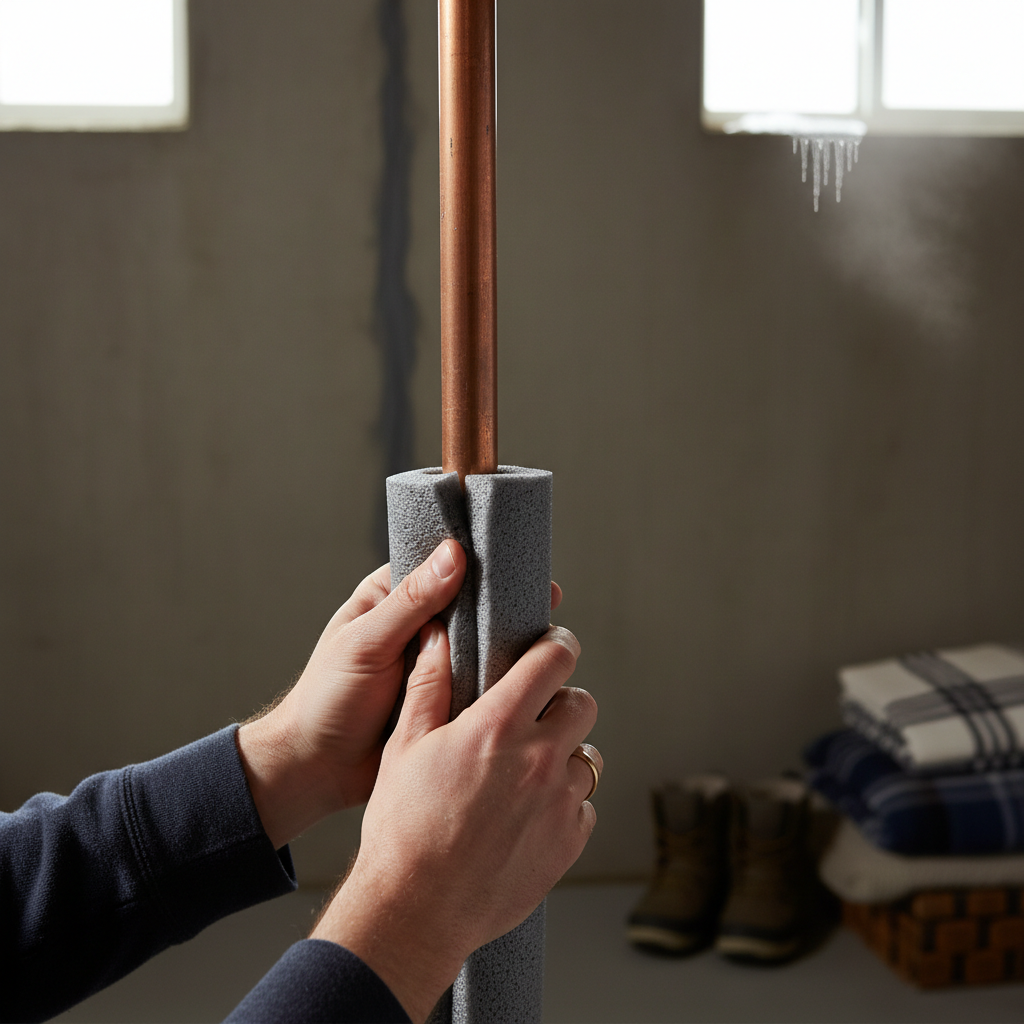
- Poor Insulation: Pipes in unheated areas (crawl spaces, attics, garages, basements) or those running along exterior walls without adequate insulation are the most common culprits.
- Air Leaks: Gaps and cracks in exterior walls, foundations, or around utility penetrations allow frigid outdoor air to directly expose pipes to freezing temperatures.
- Sudden Temperature Drops: Rapid and severe plunges in outdoor temperatures can overwhelm existing insulation and lead to quick freezing.
- Thermostat Set Too Low: Homeowners trying to save on heating bills by lowering the thermostat below 55°F (13°C) when away or asleep significantly increase the risk.
- Unwinterized Outdoor Fixtures: Garden hoses left connected and sprinkler systems not properly drained before winter allow water to freeze back into the home's plumbing.
Plumbing · Leak
| Project category | Plumbing |
|---|---|
| Problem type | Leak |
| Trade required | Plumbing |
| Urgency | Emergency — act now |
| Safety risk | High safety risk |
| DIY suitability | DIY for experienced homeowners |
| Cost category | Low cost |
| Typical timeline | Shut water off now; repair usually same or next day |
| Contractor type | Licensed plumber |
Repair option
Isolate at the shutoff, replace the failed component, and dry the cavity fully.
Replacement option
Repipe the run or the branch when corrosion is widespread.
Common causes
- Failed supply line or shutoff valve
- Worn washers, cartridges, or P-trap connections
- Pinhole corrosion in older copper
Relevant tools:emergency checklistdiy or hire a pro
Published April 30, 2026Last updated August 17, 2026
Tools & materials you'll need
Affiliate linksAs an Amazon Associate FixlyGuide earns from qualifying purchases — at no extra cost to you. Prices and availability are accurate as of publication and subject to change.
Quick Answer
Preventing frozen pipes is crucial for avoiding costly water damage and involves identifying and addressing vulnerabilities in your home's plumbing. Key strategies include sealing air leaks, properly insulating pipes in unheated areas, maintaining a consistent indoor temperature, and allowing faucets to drip during severe cold snaps. Understanding where pipes are most susceptible and taking proactive measures can prevent a winter disaster.
The Problem
Every winter, thousands of homeowners face the nightmare of burst pipes. The scenario often unfolds like this: a sudden drop in temperature, a drafty cabinet under the sink, or an uninsulated pipe in the crawl space. Water inside the pipe freezes, expands, and creates immense pressure, eventually rupturing the pipe wall. When temperatures rise, the ice melts, and water gushes out, causing extensive damage to walls, flooring, furniture, and even structural elements. The financial cost can easily run into thousands, or even tens of thousands, of dollars, not to mention the emotional toll and disruption to daily life. Many homeowners underestimate the risk or make common mistakes, leading to preventable and expensive repairs.
How It Works
Water is unique because it expands by about 9% when it freezes. While it's commonly thought that the ice expanding in place causes the rupture, the actual mechanism is more insidious. When a section of pipe freezes, it creates a blockage. As water continues to freeze and expand behind this blockage (closer to the water source), it generates an enormous amount of hydraulic pressure between the ice blockage and a closed faucet or another ice blockage farther down the line. This pressure can reach upwards of 2,500 pounds per square inch (psi) – far exceeding the typical 60-80 psi a household plumbing system is designed to withstand. The pipe doesn't necessarily burst at the point of freezing but often at a weaker point upstream, closer to the water meter, where the intense pressure has nowhere else to go. This typically occurs in unheated areas like basements, crawl spaces, attics, garages, or along exterior walls where pipes are exposed to freezing air. Pipes made of copper, PEX, or PVC are all susceptible, though copper may be slightly more resistant to cracking than rigid PVC.
Step-by-Step Fix
1. Seal Air Leaks Around Pipes – Stop cold drafts at the source.
Cold air infiltration is a primary cause of frozen pipes. Inspect areas where pipes pass through exterior walls, foundations, or unheated spaces like garages and crawl spaces. Use expanding foam sealant or silicone caulk to seal any gaps, holes, or cracks. Pay close attention to utility penetrations. This prevents frigid air from directly chilling pipe surfaces.
- Tools: Caulk gun, utility knife, expanding foam sealant or silicone caulk.
- If this doesn't work: Consider adding fiberglass insulation batts around pipes after sealing, especially in large cavities.
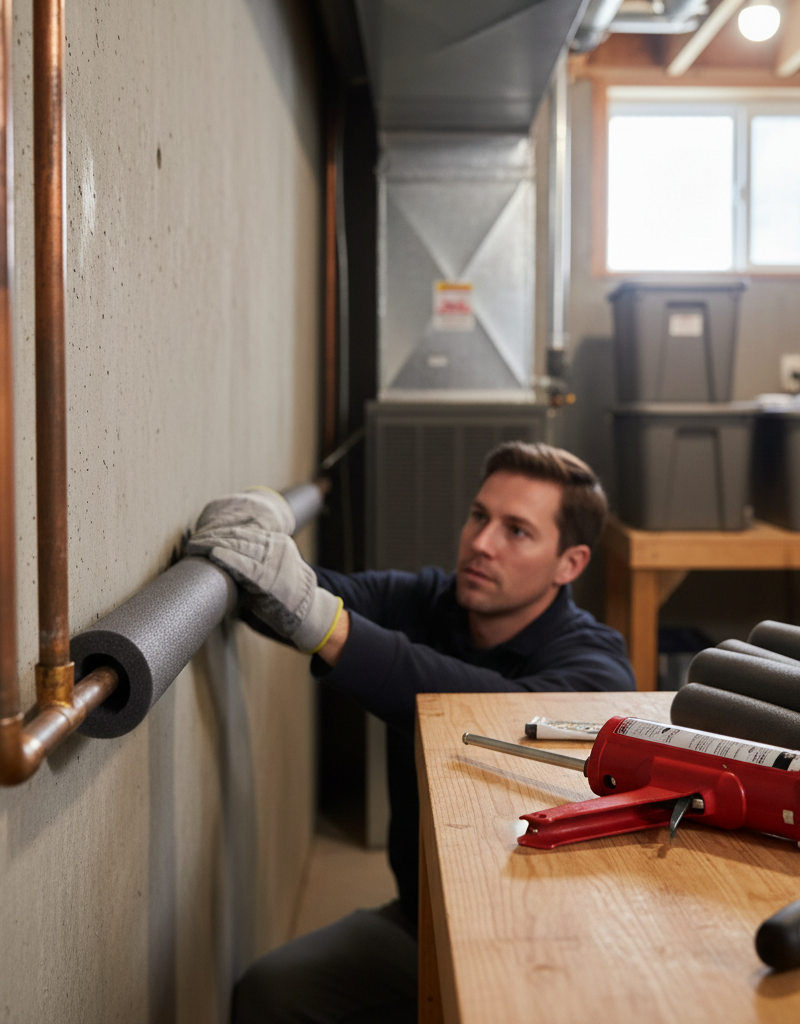
2. Insulate Exposed Pipes in Unheated Areas – Create a protective barrier.
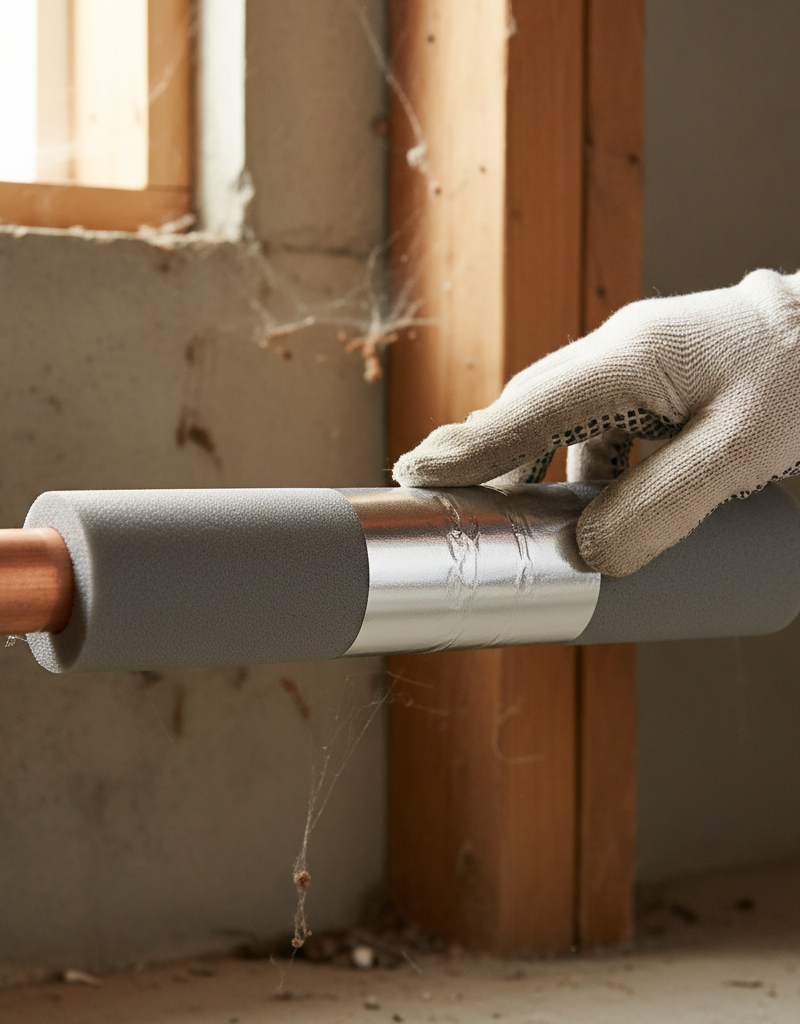
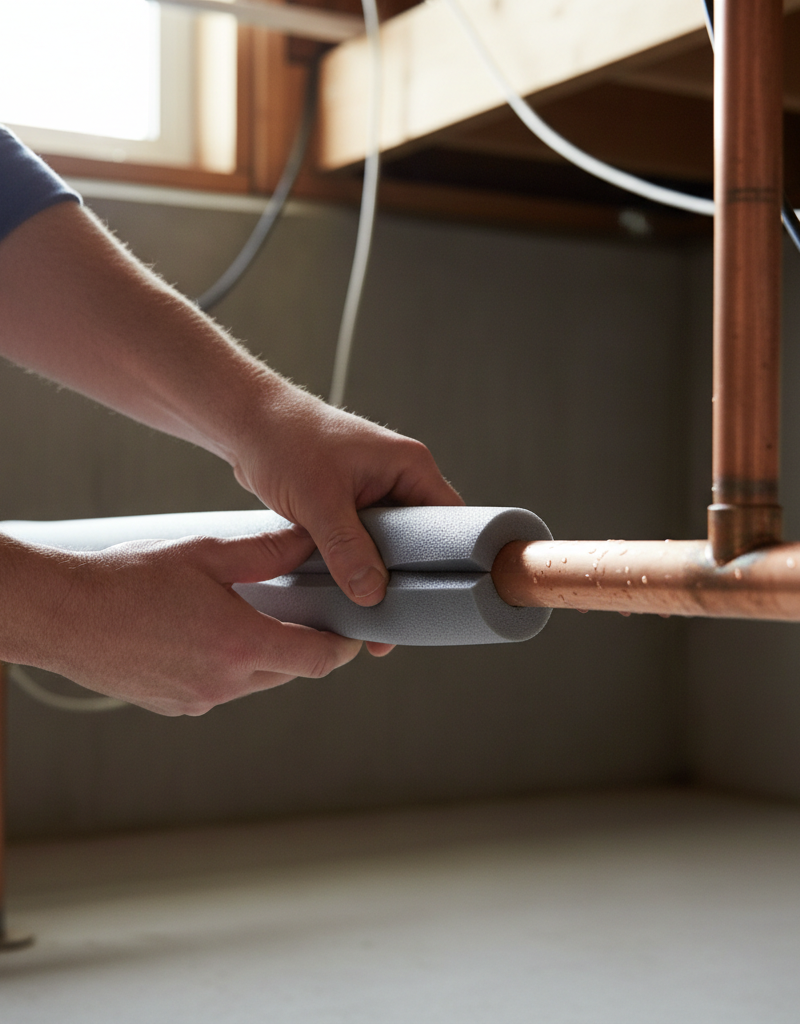
Pipes in basements, crawl spaces, attics, and garages are highly vulnerable. Wrap these pipes with foam pipe insulation sleeves. Measure and cut the insulation to fit snugly, using duct tape or zip ties to secure the seams. For pipes close to exterior walls, use thicker insulation or consider an additional layer of fiberglass insulation.
- Materials: Foam pipe insulation (various diameters), duct tape or zip ties.
- Safety Note: Wear gloves and eye protection when working with fiberglass insulation.
3. Insize Pipes in Cabinets & Vanities – Don't forget overlooked spots.
Pipes under kitchen and bathroom sinks, especially those on exterior walls, are common freezing points. Open cabinet doors during cold snaps to allow warmer room air to circulate around the pipes. For added protection, you can place a small space heater (away from flammable materials, on a timer) in front of the open cabinet overnight during extreme cold.
- Tip: Ensure adequate airflow; don't block heat vents.
- If you have an older home: Check for missing insulation behind the cabinet wall if it's an exterior wall.
4. Disconnect Outdoor Hoses & Drain Sprinkler Lines – Protect exterior spigots.
Before the first hard freeze, disconnect all garden hoses from outdoor spigots. Left connected, water trapped in the hose can freeze back into the spigot, causing it to burst. If you have an in-ground sprinkler system, follow the manufacturer's instructions for winterizing, which typically involves blowing out the lines with an air compressor.
- Warning: Failure to properly drain outdoor lines can lead to costly foundation leaks.
5. Maintain Consistent Indoor Temperatures – Steady warmth is key.
Keep your thermostat set to at least 55°F (13°C) even when you're away from home. While you might want to save on heating bills, the cost of repairing burst pipes will far outweigh any savings. A consistent temperature prevents cold spots from developing, particularly near exterior walls where pipes often run.
- Consider: Smart thermostats can help you monitor and adjust temperatures remotely.
6. Allow Faucets to Drip During Extreme Cold – Relieve pressure build-up.
During prolonged periods of extreme cold (below 20°F / -6°C), a slow, steady drip from both hot and cold faucets that are connected to vulnerable pipes can prevent freezing. The constant movement of water, even a trickle, reduces the chances of ice forming and, more importantly, relieves pressure build-up within the pipe should a freeze occur.
- Which pipes? Focus on faucets in exterior walls or unheated areas.
- Remember: A pencil-thin stream is not necessary; a slow drip is enough.
7. Locate Your Main Water Shut-Off Valve – Your emergency plan.
Know exactly where your main water shut-off valve is located (usually in the basement, crawl space, or near the water meter) and how to operate it. In case of a burst pipe, shutting off the main water supply immediately can significantly minimize water damage until repairs can be made. Test it periodically to ensure it's not seized.
- Family Prep: Show all adult family members how to turn off the water.
- If it's seized: Call a plumber to replace or repair the valve before winter.
Common Causes
- Poor Insulation: Pipes in unheated areas (crawl spaces, attics, garages, basements) or those running along exterior walls without adequate insulation are the most common culprits.
- Air Leaks: Gaps and cracks in exterior walls, foundations, or around utility penetrations allow frigid outdoor air to directly expose pipes to freezing temperatures.
- Sudden Temperature Drops: Rapid and severe plunges in outdoor temperatures can overwhelm existing insulation and lead to quick freezing.
- Thermostat Set Too Low: Homeowners trying to save on heating bills by lowering the thermostat below 55°F (13°C) when away or asleep significantly increase the risk.
- Unwinterized Outdoor Fixtures: Garden hoses left connected and sprinkler systems not properly drained before winter allow water to freeze back into the home's plumbing.
- Lack of Water Movement: Stagnant water in pipes is more prone to freezing. Pipes to seldom-used areas or vacant properties are especially vulnerable.
Common Mistakes
- Ignoring Drafty Basements/Crawl Spaces: Many homeowners focus only on above-ground living spaces, forgetting that unheated lower levels are prime targets for freezing pipes. Instead: Treat these areas as critical points for insulation and air sealing.
- Assuming Indoor Pipes Are Safe: Pipes running through kitchen or bathroom cabinets on exterior walls are still vulnerable, especially if the cabinet doors are kept closed. Instead: Open cabinet doors during cold snaps to allow warm air in.
- Over-Reliance on Heat Tape (Without Proper Installation): Heat tape can be effective but must be installed correctly and inspected annually. Incorrect installation can create fire hazards or not provide sufficient heat. Instead: Consider heat tape as a secondary measure and ensure professional installation or careful DIY adherence to instructions.
- Shutting Off Heat Completely When Away: While energy-saving, turning heat off entirely is a recipe for disaster in winter. Instead: Set your thermostat to at least 55°F (13°C) to maintain ambient warmth.
- Forgetting Outdoor Faucets: Leaving garden hoses connected is one of the most common and easiest-to-fix mistakes. Instead: Disconnect and drain all garden hoses and winterize sprinkler systems before the first hard freeze.
- Not Knowing Your Main Shut-Off: In a pipe emergency, every second counts. Not knowing how to turn off your water can lead to catastrophic damage. Instead: Locate and test your main water shut-off valve and ensure all adult household members know its location and operation.
Cost & Time Breakdown
| Task | DIY Cost | Pro Cost | Time |
|---|---|---|---|
| Seal air leaks | $10–$50 | N/A | 1–2 hours |
| Pipe insulation | $20–$100 | N/A | 2–4 hours |
| Disconnect hoses/drain lines | $0 | $50–$150 (sprinkler) | 10–30 minutes |
| Thermostat setting | $0 (potential energy increase) | N/A | Ongoing |
| Identify shut-off valve | $0 | N/A | 5 minutes |
| Emergency thawing/repair | $50–$200+ | $200–$1,000+ | 1–4 hours (DIY) |
Tips & Prevention
- Annual Home Energy Audit: Consider a professional energy audit to identify hidden air leaks and insulation deficiencies throughout your home, not just around pipes.
- Smart Thermostat: Install a smart thermostat to easily monitor and adjust your home's temperature remotely, ensuring warmth even when you're away.
- Hose Bib Covers: For added protection, install insulated covers over outdoor hose spigots. These are inexpensive and can prevent the faucet from freezing and bursting.
- Drain Vacation Homes: If you have a vacation home that will be unoccupied during winter, the safest approach is to completely drain the plumbing system. This is a job for a professional plumber.
- Temporary Measures: During extreme cold, if you suspect a pipe might freeze, open the cabinet doors under sinks on exterior walls, run a small fan in unheated areas (like a damp basement) to circulate warmer air, and open interior doors to allow heat to spread.
- Regular Inspections: Periodically check your basement, crawl space, and attic for new air gaps, deteriorating insulation, or signs of water damage that could indicate a slow leak or previous freeze event.
When to Call a Professional
While many preventative measures are DIY-friendly, certain situations warrant calling a licensed professional. If you discover a burst pipe, immediately shut off your main water supply and call a plumber. Do not attempt to thaw a visibly burst pipe yourself, as water damage can occur rapidly. If you suspect a major pipe freeze and cannot locate the frozen section, or if thawing efforts are unsuccessful, a plumber has specialized tools like thermal cameras and pipe-thawing equipment. Furthermore, if your home has complex plumbing, unheated additions, or if you're unsure about the extent of pipe insulation needed in inaccessible areas like behind walls or ceilings, a professional can assess vulnerabilities and recommend appropriate solutions. For winterizing complex outdoor systems like sprinkler systems or draining an entire vacation home's plumbing, always enlist a qualified professional to avoid improper draining and subsequent damage.
Related Articles
Keep troubleshooting with these hand-picked guides from FixlyGuide:
- The #1 Mistake Homeowners Make When Protecting Pipes From Freezing — Preventing frozen pipes is crucial for winter home maintenance. Learn the key mistake homeowners make and how to properly prepare your plum…
- The 3 Hidden Dangers of Frozen Pipes (And How to Thaw Them Safely) — Safely thawing a frozen pipe is critical to prevent costly damage, but many DIYers overlook hidden risks and choose ineffective methods.
- The #1 Mistake Homeowners Make When Their AC Drain Clogs (And The $5 Fix) — Discover the most common error homeowners make when tackling a clogged AC drain line and learn a simple, inexpensive solution to prevent co…
- The 3 Hidden Reasons Your Pipes Freeze (And How to Thaw Them Fast) — Discover the real culprits behind frozen pipes and learn a step-by-step method to safely thaw them, preventing costly damage.
- Is a frozen pipe about to burst? 3 ways to fix it fast — Safely thawing a frozen pipe can prevent costly damage. This guide provides step-by-step instructions for homeowners to resolve a common pl…
- The #1 Mistake Homeowners Make Winterizing Sprinklers (and How to Avoid Burst Pipes) — Discover the biggest mistake homeowners make when winterizing their sprinkler system and learn the proper steps to prevent costly burst pip…
Should you do this yourself?
Answer five quick questions before you start. Safety outranks savings every time.
Your experience with work like this
How high do you have to work?
Does the job involve any of these?
Will it need a permit?
Specialty tools
Free and instant. Educational guidance only — not a quote, inspection, or professional diagnosis.
Questions to ask before you sign
Ask every contractor the same questions and the cheapest bid stops looking cheapest. Check them off as you go — your progress is saved on this device.
Free, no signup. Bring this to every walkthrough so you compare bids on the same terms.
What should this project cost?
Enter your project details for a realistic cost range before you call anyone.
Common repairs run $150–$650; repipes and water-heater replacements reach $1,500–$4,500.
- Regional adjustment
- National average
- Labor share (typical)
- ~$754
- Quotes to collect
- 3 written estimates
Educational estimate based on national averages — not a binding quote. Always confirm with written local estimates.
Handle this before it gets worse
First steps that limit damage, then a way to reach a qualified pro.
- Emergency repair checklistThe first steps that limit damage before a pro arrives.Open
- Get local estimatesSend one request and compare written estimates from vetted pros.Open
- Estimate this projectGet a cost range for your scope and ZIP before you call anyone.Open
Free, no signup required. Estimates are educational guidance, not a quote or an inspection.
Frequently asked questions
How cold does it have to be for pipes to freeze?+
Pipes can begin to freeze when temperatures drop below 32°F (0°C). However, the risk significantly increases when outdoor temperatures are consistently below 20°F (-6°C), especially for pipes in unheated areas or along exterior walls.
Should I drip all my faucets to prevent freezing?+
No, you usually only need to drip faucets that are on an exterior wall or in an unheated part of your home. A slow, steady drip from both hot and cold lines is sufficient. Draining all faucets can waste a lot of water and isn't necessary for most interior pipes.
Can opening cabinet doors prevent pipes from freezing?+
Yes, opening cabinet doors under sinks, especially those on exterior walls, allows warmer room air to circulate around the pipes. This simple step can make a big difference during cold snaps.
How do I know if a pipe has frozen but not burst yet?+
Signs of a frozen pipe include no water coming out of a faucet (or only a trickle), visible frost on an exposed pipe, or a bulging section of pipe. If you suspect a freeze, locate the main water shut-off immediately and attempt gentle thawing, but be ready to shut off the water if it bursts.
Is heat tape safe for preventing frozen pipes?+
When installed correctly and used according to manufacturer instructions, heat tape can be a safe and effective way to protect vulnerable pipes. However, improper installation or damaged tape can pose a fire hazard, so inspect it regularly and ensure it's rated for your pipe type and outdoor use.
Discussion
Loading comments…