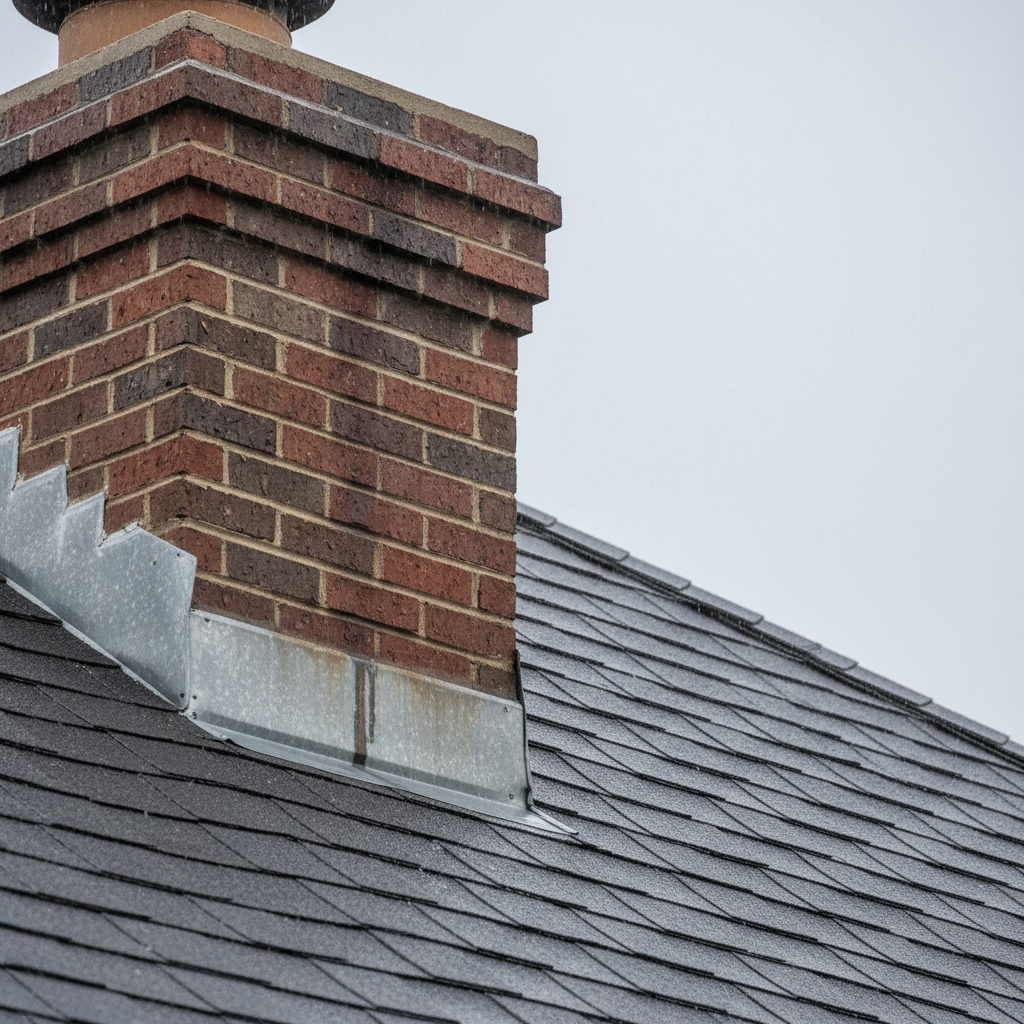
- Damaged or Missing Chimney Cap: The primary defense against direct rain entry into the flue. A missing or rusted cap allows water to pour straight down.
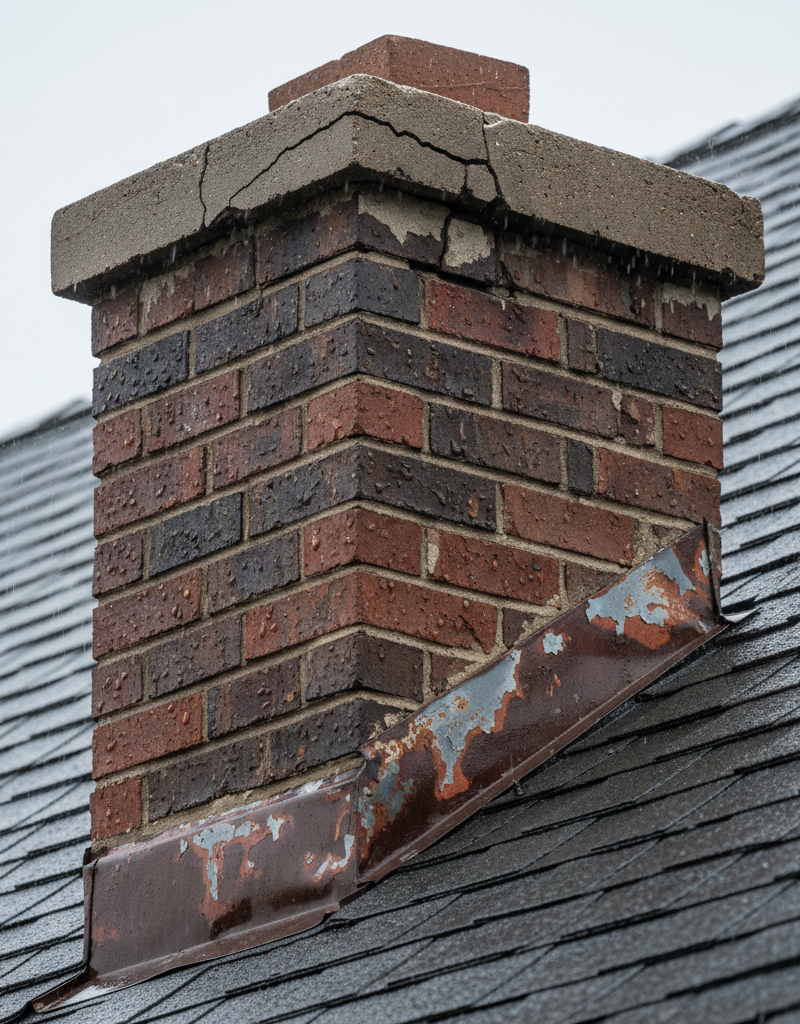
- Cracked Chimney Crown: The concrete slab on top of the chimney can develop cracks due to weathering and thermal expansion, allowing water to seep into the masonry below.
- Compromised Flashing: This is the most frequent culprit. Over time, the sealant around the flashing can degrade, or the metal itself can lift, rust, or be damaged by high winds or critters, creating openings for water.
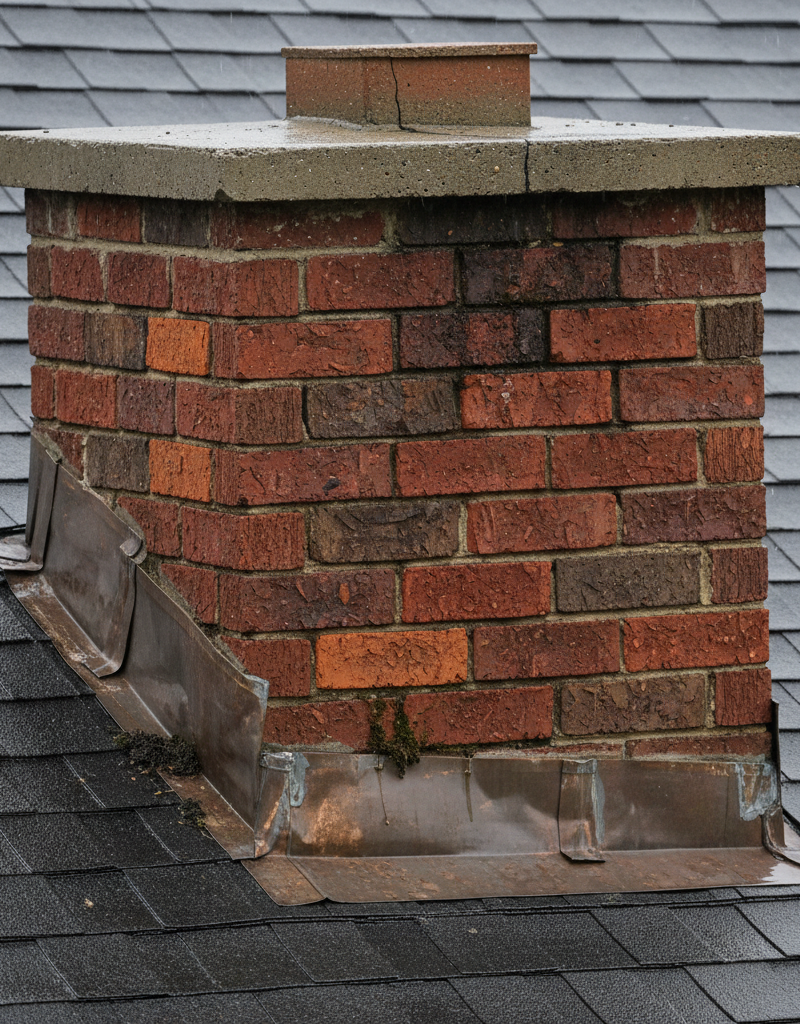
- Deteriorated Mortar Joints: The mortar between bricks can crack, crumble, and become porous, allowing water to wick into the chimney structure. This is especially common on older chimneys.
- Spalled Bricks: Bricks that have lost their hard outer surface due to repeated freeze-thaw cycles become highly absorbent, soaking up water that then travels inward.
Plumbing · Leak
| Project category | Plumbing |
|---|---|
| Problem type | Leak |
| Trade required | Plumbing |
| Urgency | Emergency — act now |
| Safety risk | High safety risk |
| DIY suitability | DIY for experienced homeowners |
| Cost category | Low cost |
| Typical timeline | Shut water off now; repair usually same or next day |
| Contractor type | Licensed plumber |
Repair option
Isolate at the shutoff, replace the failed component, and dry the cavity fully.
Replacement option
Repipe the run or the branch when corrosion is widespread.
Common causes
- Failed supply line or shutoff valve
- Worn washers, cartridges, or P-trap connections
- Pinhole corrosion in older copper
Relevant tools:emergency checklistdiy or hire a pro
Published May 6, 2026Last updated August 17, 2026
Tools & materials you'll need
Affiliate linksAs an Amazon Associate FixlyGuide earns from qualifying purchases — at no extra cost to you. Prices and availability are accurate as of publication and subject to change.
Quick Answer
A chimney leaking during rain is most often caused by issues with the chimney cap, flashing, deteriorated mortar joints, or a clogged cricket. Diagnosing the exact source involves a visual inspection from the roof to assess the condition of these components. Simple fixes often involve sealing cracks, applying new caulk, or clearing debris, but more significant damage like compromised flashing may require professional repair.
The Problem
Rain dripping, staining, or puddling around your fireplace can be incredibly unsettling. It's not just an aesthetic issue; persistent moisture can lead to significant structural damage, rot in nearby framing, mold growth, and even compromise the integrity of your chimney flue. What seems like a simple drip can quickly escalate into a costly repair if not addressed promptly. The challenge often lies in pinpointing the exact entry point of the water, as symptoms inside your home might appear away from the actual leak source. Understanding the common culprits and how your chimney is designed to repel water is the first step toward a dry and safe home.
How It Works
Your chimney is a complex structure designed not only to vent smoke and gases but also to withstand the elements, especially rain. Several key components work in concert to keep water out. At the very top, the chimney cap (or rain cap) acts like an umbrella, preventing rain, snow, and debris from entering the flue. Below the cap, the crown (or wash) is a concrete or metal slab that slopes away from the flue, directing water off the top of the chimney masonry. This slope is crucial for shedding water rather than allowing it to pool. The main body of the chimney, constructed from bricks and mortar, relies on intact mortar joints and sound bricks to prevent water absorption and penetration. Over time, these materials can degrade, creating pathways for water.
Perhaps the most common leak point, and often the most overlooked, is the chimney flashing. This is a system of metal sheets (typically aluminum or copper) that creates a watertight seal where the chimney protrudes through the roof. It’s installed in overlapping layers, counter-flashing over step flashing, to ensure water runs down and away, rather than into, the roof-to-chimney joint. If the flashing is bent, rusted, or if the sealant around it cracks, water will find its way in. Finally, for wider chimneys on sloped roofs, a chimney cricket (a small, tent-shaped diversion structure) is often built on the uphill side. Its purpose is to divert water and debris around the chimney, preventing a damming effect that could lead to water pooling against the chimney base and ultimately leaking.
Step-by-Step Fix
1. Gear Up Safely — Before ascending to your roof, always prioritize safety.
- Safety First: Ensure you have sturdy, non-slip work boots. Use a reliable extension ladder that extends at least three feet above the edge of the roof. Have a spotter if possible. Never work on a wet, icy, or excessively windy roof. For steep roofs, consider hiring a professional.
- Tools: Ladder, safety glasses, heavy-duty gloves, bucket or tool belt for carrying tools.
2. Inspect the Chimney Cap and Crown — Start your inspection at the very top.
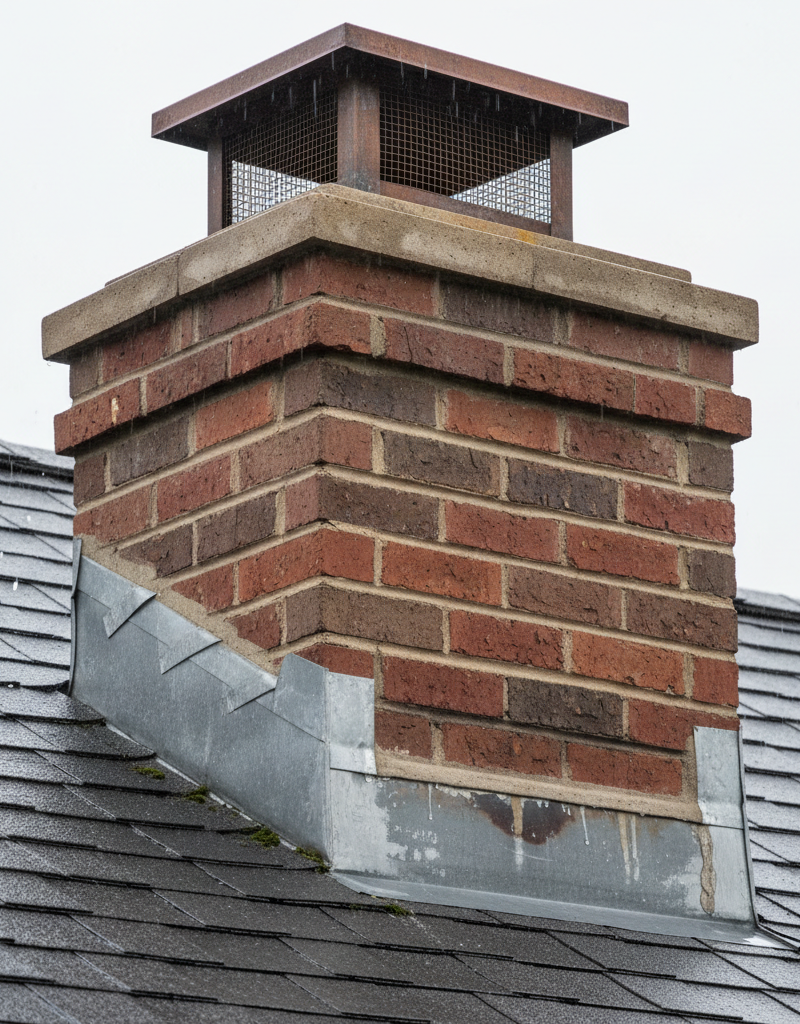
- Chimney Cap: Look for rust, holes, or missing sections. The mesh screen should be intact to prevent animal entry. If damaged, a replacement is likely needed.
- Chimney Crown: Examine the concrete or metal cap that covers the top of the masonry. Are there any cracks, especially around the flue liner? Even hairline cracks can allow water to seep in. If cracks are present, clean the area thoroughly and apply a high-quality, flexible concrete sealant or crown repair product. If the crown is severely disintegrated, it may need professional recasting.
3. Examine the Mortar Joints and Bricks — Look for signs of deterioration in the main structure.
- Mortar Joints: Scan the entire visible chimney stack for crumbling, missing, or recessed mortar. Pay close attention to horizontal joints where water can sit. Use a trowel to gently probe any suspicious areas. If you find minor deterioration, you can sometimes carefully rake out loose mortar (to about half an inch deep) and apply new mortar (repointing) using a hawk and trowel. For widespread damage, a professional tuckpointing job is required.
- Bricks: Check for spalling (flaking or crumbling surfaces) or efflorescence (white, powdery residue), which indicate the bricks are absorbing excessive moisture. Severely spalled bricks should be replaced by a professional.
4. Scrutinize the Chimney Flashing — This is the most common leak area and requires careful inspection.
- Visual Inspection: Look for lifted, bent, torn, rusted, or missing pieces of metal flashing where the chimney meets the roof. Check the caulk or sealant lines along the top edge of the counter-flashing – are they dry, cracked, or missing entirely? Even a tiny gap can let in a lot of water.
- Sealant Repair: For minor cracks or gaps in existing caulk, clean the area meticulously and apply exterior-grade, flexible polyurethane sealant. Ensure a continuous, watertight bead. If the flashing itself is compromised (bent, torn, rusted), temporary repairs with flashing tape might work, but a permanent fix will likely involve replacing the damaged sections of flashing. This is often a job for a qualified roofer or chimney repair specialist due to the complexities of proper overlapping and seal.
5. Check the Chimney Cricket (if present) — Ensure water is properly diverted around the chimney.
- Debris Buildup: On the uphill side of the chimney, where the cricket is located, check for built-up leaves, pine needles, or other debris. This debris can trap water, allowing it to pool against the chimney and eventually find a way into your home.
- Cricket Condition: Inspect the cricket's own flashing and sealing. Just like the main chimney flashing, cracks in the sealant or damaged metal can lead to leaks. Clear any debris and address any visible flashing issues as described in Step 4.
6. Interior Scan for Water Intrusion — Identify patterns of water stain.
- Flashlight Examination: From inside your attic or around the fireplace, use a powerful flashlight to look for water stains, mold, or drips on the framing, insulation, or chimney chase walls. Sometimes, water travels along a rafter or joist before appearing in an unexpected spot.
- Hose Test (Advanced): If you can’t locate the leak visually, a controlled hose test can pinpoint the source. Do this with two people and extreme caution. Have one person on the roof systematically wetting different sections of the chimney (cap, crown, each side of the masonry, each section of flashing) for several minutes at a time while the other person monitors inside for drips. Start at the lowest point of the flashing and work your way up to avoid misidentifying the source. ONLY use a garden hose, not a pressure washer.
Common Causes
- Damaged or Missing Chimney Cap: The primary defense against direct rain entry into the flue. A missing or rusted cap allows water to pour straight down.
- Cracked Chimney Crown: The concrete slab on top of the chimney can develop cracks due to weathering and thermal expansion, allowing water to seep into the masonry below.
- Compromised Flashing: This is the most frequent culprit. Over time, the sealant around the flashing can degrade, or the metal itself can lift, rust, or be damaged by high winds or critters, creating openings for water.
- Deteriorated Mortar Joints: The mortar between bricks can crack, crumble, and become porous, allowing water to wick into the chimney structure. This is especially common on older chimneys.
- Spalled Bricks: Bricks that have lost their hard outer surface due to repeated freeze-thaw cycles become highly absorbent, soaking up water that then travels inward.
- Clogged Chimney Cricket: Debris accumulation behind the cricket can create a dam, causing water to pool and bypass the flashing, especially on the uphill side of the chimney.
Common Mistakes
- Ignoring the Leak: Thinking a small drip will go away or isn't a big deal. Even minor leaks can lead to significant structural damage, mold, and costly repairs over time.
- Using the Wrong Sealant: Applying standard caulk to flashing or mortar cracks. You need a high-quality, flexible, exterior-grade polyurethane or silicone sealant specifically designed for roofing or masonry to withstand weather and temperature fluctuations.
- Patching Instead of Replacing: Attempting to patch severely rusted or torn flashing instead of replacing it. Temporary patches rarely last and often lead to recurring leaks.
- Overlooking the Cricket: Forgetting to inspect and clear debris from the chimney cricket, which can create a hidden damming effect on the uphill side of the chimney.
- Working on a Wet or Unsafe Roof: Prioritizing fixing the leak over personal safety. Never work on a slippery roof. If you're uncomfortable or the roof is too steep, call a pro.
- Misdiagnosing the Source: Assuming the water stain directly indicates the point of entry. Water can travel along rafters or joists, so the actual leak might be several feet uphill from where it appears indoors. A systematic inspection is key.
Cost & Time Breakdown
| Task | DIY cost | Pro cost | Time |
|---|---|---|---|
| Inspect cap, crown, masonry | $0 (if tools owned) | $150–$300 (inspection only) | 30–60 minutes |
| Seal crown cracks | $20–$50 | Included in repair | 1–2 hours |
| Seal minor flashing gaps | $15–$30 | Included in repair | 1–2 hours |
| Replace chimney cap | $50–$250 | $200–$600 | 1–2 hours |
| Minor mortar repair (spot) | $30–$70 | Included in repair | 2–4 hours |
| Full flashing replacement | (Not recommended DIY) | $400–$1,000+ | 1–2 days |
| Tuckpointing (full chimney) | (Not recommended DIY) | $800–$2,500+ | 1–3 days |
Tips & Prevention
- Annual Visual Inspection: At least once a year, preferably in spring or fall, give your chimney a thorough visual inspection from the ground with binoculars, and from the roof if safe to do so. Look for any new cracks, missing mortar, or compromised flashing.
- Clear Debris Regularly: Keep the roof around your chimney clean of leaves, pine needles, and other debris, especially behind the chimney cricket. This prevents water from pooling.
- Maintain Chimney Cap: Ensure your chimney cap is always in good condition and securely fastened. A properly functioning cap is the first line of defense against both rain and animal intrusion.
- Consider a Chimney Waterproofing Sealant: After ensuring all repairs are made, a breathable, vapor-permeable chimney sealant can be applied to the masonry to reduce water absorption without trapping moisture inside.
- Prompt Repair of Small Issues: Don't let small cracks in the crown or failing caulk around flashing linger. Addressing minor issues quickly prevents them from escalating into major, costly leaks.
- Professional Chimney Sweeping & Inspection: Schedule a professional chimney sweep and inspection annually. These experts can spot nascent problems with your flue, firebox, and exterior masonry and flashing that you might miss.
When to Call a Professional
While some minor repairs, like sealing small cracks in the chimney crown or recaulking flashing, are within the scope of an experienced DIYer, many chimney leak issues warrant professional attention. You should call a licensed chimney technician or qualified roofer if you suspect or identify significant flashing damage (tears, widespread rust, or detachment), extensive mortar deterioration requiring tuckpointing, or deeply spalled bricks that need replacement. Any work that involves dismantling or rebuilding parts of the chimney structure, or if you are uncomfortable or unsafe performing work on your roof, should be left to certified professionals. These experts have the necessary safety equipment, specialized tools, and experienced knowledge to accurately diagnose and permanently repair complex chimney leaks, ensuring the long-term integrity and safety of your home.
Related Articles
Keep troubleshooting with these hand-picked guides from FixlyGuide:
- The Secret Culprit Behind Your Leaky Chimney (It’s Not Always the Obvious Flashing) — Discover the often-overlooked causes of chimney leaks during rain and how to tackle them with effective DIY solutions and prevention tips.
- The Silent Destroyer: 7 Hidden Signs Your Roof Has a Leak (Before You Need a New Ceiling) — Catching roof leaks early can save your home from extensive damage and costly repairs. Learn the subtle indicators that reveal hidden water…
- The Secret Culprit Behind Your Leaky Refrigerator (It’s Not Always a Hose) — Discover the hidden causes of your refrigerator leaking water and how to fix them with our comprehensive troubleshooting guide.
- The Secret Culprit Behind Your Leaky Chimney (It’s Not Always the Obvious Fix) — A leaky chimney during rain can indicate several issues, from simple flashing problems to complex crown damage, requiring homeowners to dia…
- The 4-Step Water Heater Flush That Adds Years to Its Life (and Cures 3 Common Problems) — Flushing your water heater annually is a quick DIY task that prevents sediment buildup, extends the unit's lifespan, and improves efficienc…
- The 3 Hidden Reasons Your Gutters Fail in Heavy Rain (It’s Not Just Leaves) — Overflowing gutters during heavy rain often stem from a few common, yet overlooked, issues beyond simple leaf clogs, leading to potential s…
What should this project cost?
Enter your project details for a realistic cost range before you call anyone.
Common repairs run $150–$650; repipes and water-heater replacements reach $1,500–$4,500.
- Regional adjustment
- National average
- Labor share (typical)
- ~$754
- Quotes to collect
- 3 written estimates
Educational estimate based on national averages — not a binding quote. Always confirm with written local estimates.
Fixly Project Decision Box
- DIY difficulty
- Professional Recommended
- Estimated time
- Inspection 1–2 hours · repairs 1–3 days
- Cost level
- High
Main tools / materials
- Binoculars for a ground-level look
- Flashlight for attic checks
- Moisture meter
- Roofing cement (temporary patch only)
When to stop and call a pro
- Active leak near lights, fans, or any wiring
- Sagging, bulging, or water-filled ceiling
- Steep, wet, or two-story roof — do not climb it
- Storm or hail damage you plan to claim on insurance
Need professional help?
Free roof assessment first — no phone calls until you ask for them.
Get Local Roofing HelpDecide what your roof needs
Two minutes of questions turns "something is wrong up there" into a clear next step.
- Repair or replace your roof?Answer 10 questions about age, leaks, and damage to get a clear next step.Open
- Compare contractor quotesScore up to four bids on price, warranty, licensing, and timeline.Open
- Get local estimatesSend one request and compare written estimates from vetted pros.Open
Free, no signup required. Estimates are educational guidance, not a quote or an inspection.
Frequently asked questions
Why does my chimney leak only when it rains heavily?+
Heavy rain can expose weaknesses that minor rainfall might not. This often points to issues with the chimney cap, crown, or flashing where a significant volume of water overwhelms a compromised seal or small crack, allowing more water to penetrate than usual.
Can a clogged chimney cause a leak?+
Yes, indirectly. A clogged flue itself won't cause a leak, but if debris builds up on the chimney crown or behind a chimney cricket, it can create a damming effect, causing water to pool and eventually find its way into the chimney structure through cracks or compromised flashing.
How much does it cost to fix a leaky chimney?+
The cost varies significantly depending on the issue. Minor fixes like sealing cracks might be $15-$50 for DIY materials. Replacing a chimney cap costs $200-$600 professionally, while full flashing replacement or tuckpointing for extensive mortar damage can range from $400 to over $2,500 due to labor and material costs.
Discussion
Loading comments…