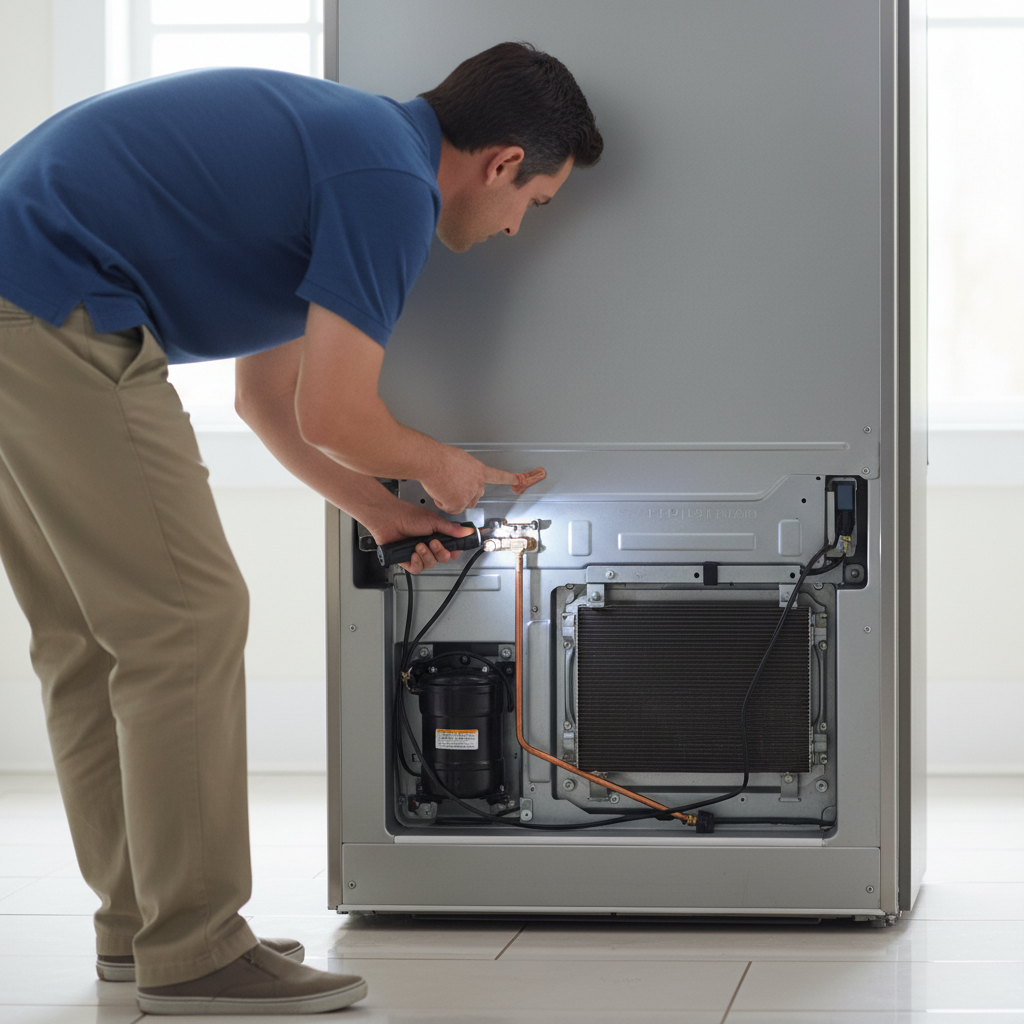
- Faulty Water Inlet Valve: This valve controls the flow of water to the ice maker and water dispenser. If the valve cracks, becomes loose, or malfunctions, it can drip water internally or externally, leading to puddles.
- Cracked or Misaligned Drain Pan: The large pan at the bottom of the refrigerator that collects and evaporates defrost water can crack due to age or impact. If it's not properly seated after maintenance, water can spill over.
- Leveling Issues: While less common for direct leaks, an unlevel refrigerator can sometimes cause water to pool unevenly in the drain pan, potentially overflowing if severe.
Plumbing · Leak
| Project category | Plumbing |
|---|---|
| Problem type | Leak |
| Trade required | Plumbing |
| Urgency | Emergency — act now |
| Safety risk | High safety risk |
| DIY suitability | DIY for experienced homeowners |
| Cost category | Low cost |
| Typical timeline | Shut water off now; repair usually same or next day |
| Contractor type | Licensed plumber |
Repair option
Isolate at the shutoff, replace the failed component, and dry the cavity fully.
Replacement option
Repipe the run or the branch when corrosion is widespread.
Common causes
- Failed supply line or shutoff valve
- Worn washers, cartridges, or P-trap connections
- Pinhole corrosion in older copper
Relevant tools:emergency checklistdiy or hire a pro
Published May 17, 2026Last updated August 18, 2026
Tools & materials you'll need
Affiliate links- AmazonAdjustable wrenchFor tightening or loosening water line connections
- AmazonScrewdriver setPhillips and flathead for removing back panels and freezer components
- AmazonSmall bucket or containerTo catch water during flushing or valve replacement
- AmazonFlexible drain brushLong, thin brush for clearing defrost drain lines
- AmazonTurkey baster or syringeFor flushing the defrost drain line with warm water
- AmazonHair dryerOptional, for melting ice in the drain line (on low heat only)
As an Amazon Associate FixlyGuide earns from qualifying purchases — at no extra cost to you. Prices and availability are accurate as of publication and subject to change.
Quick Answer
When your refrigerator starts leaving puddles on the kitchen floor, it's almost always due to one of three common issues: a blocked defrost drain tube, a malfunctioning water inlet valve, or a damaged water supply line. Each of these problems has distinct symptoms and straightforward DIY solutions, allowing most homeowners to quickly identify and resolve the leak without professional help.
The Problem
You wake up to find a persistent puddle beneath your refrigerator. It’s not just annoying; it’s a slipping hazard, a potential source of subfloor damage, and a clear sign that something is amiss with your appliance. The water might appear intermittently, growing over hours, or seemingly overnight, leaving you wondering where it’s coming from and how serious the problem might be. The good news is that most refrigerator leaks are not emergencies and can be traced back to a handful of predictable sources that are well within the average homeowner’s ability to fix.
How It Works
To understand why your refrigerator might be leaking, it helps to know a bit about how it handles water. Modern refrigerators, especially those with ice makers and water dispensers, have a complex internal plumbing system. First, there's the main water supply, usually a small copper or braided stainless steel line connected to a cold water pipe in your home. This line feeds into a water inlet valve, which is an electrically controlled solenoid valve that opens and closes to allow water into the refrigerator's internal components, such as the ice maker and water dispenser. Pressure from your home's water supply pushes water through this valve. Inside the freezer compartment, an evaporator coil gets very cold, removing heat from the air and causing moisture to condense and freeze as frost. Periodically, the refrigerator goes through a defrost cycle where a heater melts this frost. The melted water then drips into a drain pan below the evaporator coil and flows down a defrost drain tube, through the back of the refrigerator, and into a larger drain pan (or evaporation pan) located usually above the compressor at the bottom rear. The heat from the compressor then causes this water to evaporate. Leaks occur when one of these critical pathways — the supply, the valve, or the drainage for defrost water — fails or gets obstructed.
Step-by-Step Fix
1. Unplug the Refrigerator and Move It Out
— Before performing any diagnostic or repair work, always prioritize your safety. Unplug the refrigerator from the wall outlet completely. Then, carefully pull the refrigerator away from the wall to access the back panel and water connections. If it has adjustable feet, you might need to lift the front slightly or use a furniture dolly.
2. Check the Water Supply Line and Connections
— Examine the water line running from your wall connection to the back of the refrigerator. Look for obvious signs of kinks, tears, or perforations in the tubing itself. Pay close attention to the connection points at both the wall and the refrigerator's water inlet valve, feeling for dampness or seeing visible drips. Tighten any loose compression fittings with a wrench, but do not overtighten as this can damage the line or valve.
- *If you see a crack or significant damage in a plastic line, you'll need to replace the entire section. For copper lines, a small pinhole might be temporarily sealed with a repair clamp, but replacement is the better long-term solution. Always use the correct type and size of replacement line.
3. Inspect the Water Inlet Valve
— Locate the water inlet valve, typically a brass or plastic component on the lower rear of the refrigerator where the supply line connects. Check for any cracks in the valve body or signs of corrosion and water staining. If water is dripping directly from the valve itself, it's likely faulty and needs replacement. Take a photo of the wiring and tubing connections before disconnecting anything to aid reassembly.
- *To replace a faulty valve, shut off your home's main water supply. Disconnect the old valve, then connect the new valve, ensuring all connections are secure and leak-free. Turn the water supply back on slowly and check for leaks before pushing the refrigerator back.
4. Clear a Clogged Defrost Drain Line
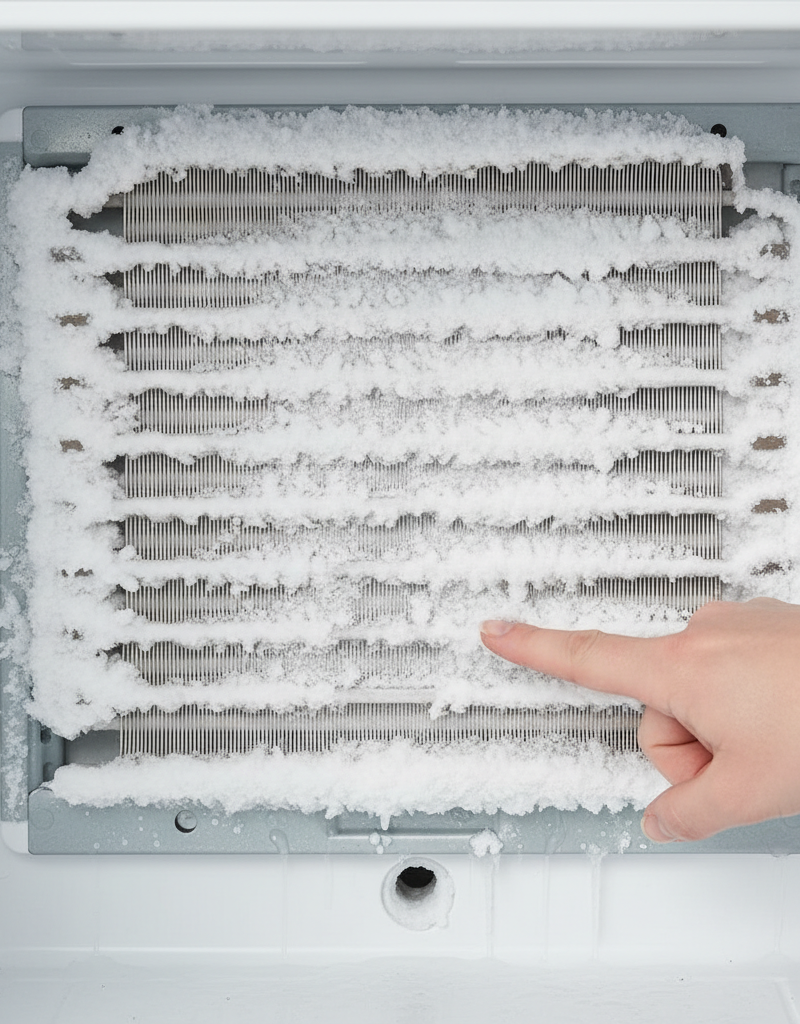
— This is the most common cause of leaks. First, access the freezer compartment and remove any shelves, drawers, and the back panel (usually held by a few screws) to expose the evaporator coil and drain opening. You'll likely see a build-up of ice around the drain opening. Use a hairdryer on a low setting or a bowl of hot water to melt this ice, collecting the water with towels. Once clear, use a long, flexible brush (like a refrigerator drain clog remover tool) or a turkey baster filled with warm water and a small amount of bleach to flush the drain line from inside the freezer down to the drain pan at the back of the refrigerator. You may need to repeatedly flush until debris is clear and water flows freely.
- *If the clog is stubborn, you might need to access the drain pan from the back of the refrigerator and clear the end of the tube there. Often, slime and food particles accumulate at the exit point, forming a blockage.
5. Check the Defrost Drain Pan
— After clearing the drain line, inspect the external drain pan (also called the evaporation pan) at the bottom rear of the refrigerator, positioned above the compressor. Ensure it's not cracked, overflowing, or misaligned. If it's cracked, it will need to be replaced. If it’s merely overflowing, it indicates the defrost drain line was severely clogged, and you’ve hopefully resolved that in the previous step.
6. Reassemble and Test
— Once you've addressed the potential leak source, reattach any panels, plug the refrigerator back in, and carefully push it into place. Monitor the area beneath the refrigerator for several hours, or even a full day, to ensure the leak has stopped. You might want to place a piece of paper towel or a dry cloth on the floor to easily spot any new drips.
Common Causes
- Clogged or Frozen Defrost Drain Line: The most frequent culprit. Over time, food particles, ice, and mold can build up in the defrost drain tube, preventing meltwater from reaching the evaporation pan. The water then overflows inside the freezer or refrigerator, dripping onto the floor.
- Faulty Water Inlet Valve: This valve controls the flow of water to the ice maker and water dispenser. If the valve cracks, becomes loose, or malfunctions, it can drip water internally or externally, leading to puddles.
- Damaged Water Supply Line: The plastic or copper line bringing water to the refrigerator can kink, crack, or develop a puncture, especially if the refrigerator is moved frequently or installed improperly. Loose connections at either end can also slowly drip.
- Cracked or Misaligned Drain Pan: The large pan at the bottom of the refrigerator that collects and evaporates defrost water can crack due to age or impact. If it's not properly seated after maintenance, water can spill over.
- Leveling Issues: While less common for direct leaks, an unlevel refrigerator can sometimes cause water to pool unevenly in the drain pan, potentially overflowing if severe.
Common Mistakes
- Ignoring the Supply Line: Many DIYers focus only on the internal drains, overlooking the simpler issue of a loose or damaged external water supply line. Always check this first.
- Overtightening Connections: When tightening water supply lines or valve connections, excessive force can strip threads or crack plastic components, creating a worse leak than you started with. Tighten until snug, then a quarter turn more.
- Not Unplugging the Refrigerator: Attempting any repair or diagnostic work on an electrical appliance without first unplugging it is a serious safety hazard, risking electrical shock.
- Using Sharp Objects to Clear Ice: Poking at ice build-up with metal tools can puncture the evaporator coils, leading to a much more expensive refrigerant leak and requiring professional repair.
- Forgetting to Check the Drain Pan's Position: After accessing the back of the unit, ensure the external drain pan is correctly seated and hasn't been dislodged, or else it won't catch water properly.
- Assuming the Problem is Complex: Most refrigerator leaks are straightforward mechanical issues. Don't immediately assume the worst; start with the simplest checks.
Cost & Time Breakdown
| Task | DIY Cost | Pro Cost | Time |
|---|---|---|---|
| Inspect and Tighten Lines | $0 | $75–$150 | 15–30 minutes |
| Clear Defrost Drain Clog | $0–$15 | $100–$250 | 30–60 minutes |
| Replace Water Inlet Valve | $30–$80 | $150–$300 | 45–90 minutes |
| Replace Water Supply Line | $15–$40 | $120–$250 | 30–60 minutes |
| Replace Drain Pan | $20–$60 | $100–$200 | 30–45 minutes |
Tips & Prevention
- Routine Drain Flushing: Annually, or if you notice slow drainage, flush your defrost drain line with a mixture of warm water and a tablespoon of baking soda or vinegar to prevent clogs from building up. You can often do this from the freezer side.
- Check Water Filter: While not a direct leak cause, a clogged water filter can sometimes put extra strain on the water system, potentially exacerbating minor leaks. Replace your filter every 6 months.
- Keep Refrigerator Level: Ensure your refrigerator is level using a bubble level. This helps ensure proper water flow in the drain pan and prevents unnecessary stress on components.
- Avoid Overstuffing: Overstuffing the freezer can impede airflow, leading to excessive frost buildup and increasing the likelihood of a frozen drain line.
- Inspect Water Line Periodically: Whenever you move the refrigerator for cleaning, take a moment to inspect the water supply line and connections for any wear or drips.
When to Call a Professional
While many refrigerator leaks are DIY-friendly, certain situations warrant calling a licensed appliance repair technician. If you've methodically worked through all the diagnostic steps and still can't identify the source of the leak, or if the leak persists despite your efforts, a professional may have specialized tools or deeper diagnostic knowledge. Call a pro if you suspect the leak is coming from a sealed refrigerant system (indicated by cooling issues alongside the leak), if you're uncomfortable working with water lines or electrical components, or if the repair requires specialized parts or extensive disassembly beyond your comfort level. Furthermore, if the leak is substantial and causing significant water damage or could lead to structural issues, don't hesitate to seek expert help immediately.
Related Articles
Keep troubleshooting with these hand-picked guides from FixlyGuide:
- The 3 Hidden Reasons Your Refrigerator Leaks Water (And How to Fix Them in 30 Minutes) — Discover the most common culprits behind a leaking refrigerator and learn how to diagnose and fix them quickly with this comprehensive guid…
- The Secret Culprit Behind Your Leaky Refrigerator (It’s Not Always a Hose) — Discover the hidden causes of your refrigerator leaking water and how to fix them with our comprehensive troubleshooting guide.
- The 4 Secret Reasons Your Refrigerator Leaks Water (And How to Fix Them Forever) — A common refrigerator leak often stems from a clogged defrost drain, a simple issue homeowners can fix with basic tools and a few minutes.
- The Secret Culprit Behind Your Slow Toilet Fill (It's Not Clogs!) — A slow-filling toilet tank is usually caused by issues with the fill valve, not clogs, affecting both water pressure and flush efficiency.…
- The 3 Hidden Reasons Your Toilet Tank Fills Slowly (And How to Fix Each) — Discover the common culprits behind a slow-filling toilet tank, from crucial valve issues to subtle obstructions, and learn how to restore…
- The #1 Reason Your Fridge Ice Maker Stops—And the 20-Minute Fix — Uncover the most common culprit behind a non-producing ice maker and learn how to implement a quick, effective fix in about 20 minutes.
Should you do this yourself?
Answer five quick questions before you start. Safety outranks savings every time.
Your experience with work like this
How high do you have to work?
Does the job involve any of these?
Will it need a permit?
Specialty tools
Free and instant. Educational guidance only — not a quote, inspection, or professional diagnosis.
Estimate your own project cost
National averages are a starting point. Enter your details for a range that fits your house.
Flooring cost estimator
- Material$498 – $1,095
- Installation labor$360 – $720
Tile installs and stairs increase labor cost. Get 2–3 quotes for jobs over 200 sq ft.
Educational estimate only — always confirm with written local bids.
Before you start
Check the difficulty, permits, and safety risk — then decide whether to call a pro.
Free, no signup required. Estimates are educational guidance, not a quote or an inspection.
Frequently asked questions
How do I find out where my refrigerator is leaking?+
Start by moving the refrigerator out from the wall and unplugging it. Check the water supply line and its connections at the back first. Then, inspect the water inlet valve. If no external leaks are found, the issue is likely internal, such as a clogged defrost drain line or a cracked internal drain pan, which requires accessing components inside the freezer and at the bottom rear of the fridge.
What happens if a refrigerator defrost drain is clogged?+
If a refrigerator defrost drain is clogged, the meltwater from the defrost cycle cannot properly drain to the evaporation pan. This water will then build up in the freezer, often freezing around the evaporator coils, and eventually overflow into the refrigerator compartment or drip down to the floor, causing puddles.
Can a clogged water filter cause a refrigerator to leak?+
No, a clogged water filter itself does not typically cause a refrigerator to leak water on the floor. However, a severely clogged filter can reduce water pressure to the ice maker or dispenser, and in some rare cases, might indirectly stress other components. The actual leak sources are usually the water supply line, inlet valve, or the defrost drain system.
How much does it cost to fix a leaking refrigerator?+
The cost to fix a leaking refrigerator varies. DIY repairs for common issues like a clogged defrost drain typically cost $0–$15 for basic cleaning tools. Replacing a water inlet valve or supply line DIY can range from $15–$80 for parts. Professional repair by an appliance technician can range from $100–$300, depending on the complexity of the issue and parts needed.
Discussion
Loading comments…