- Flashing Inspection and Repair — Secure and seal vulnerable transition points.
- Tools: Caulk gun, roofing cement (trowel-grade), galvanized roofing nails, hammer, pry bar (for lifting loose flashing).
- Safety Note: This step often requires working on the roof. Ensure extreme caution. If flashing is extensively corroded or damaged, professional replacement is advised.
Plumbing · Leak
| Project category | Plumbing |
|---|---|
| Problem type | Leak |
| Trade required | Plumbing |
| Urgency | Emergency — act now |
| Safety risk | High safety risk |
| DIY suitability | DIY for experienced homeowners |
| Cost category | Low cost |
| Typical timeline | Shut water off now; repair usually same or next day |
| Contractor type | Licensed plumber |
Repair option
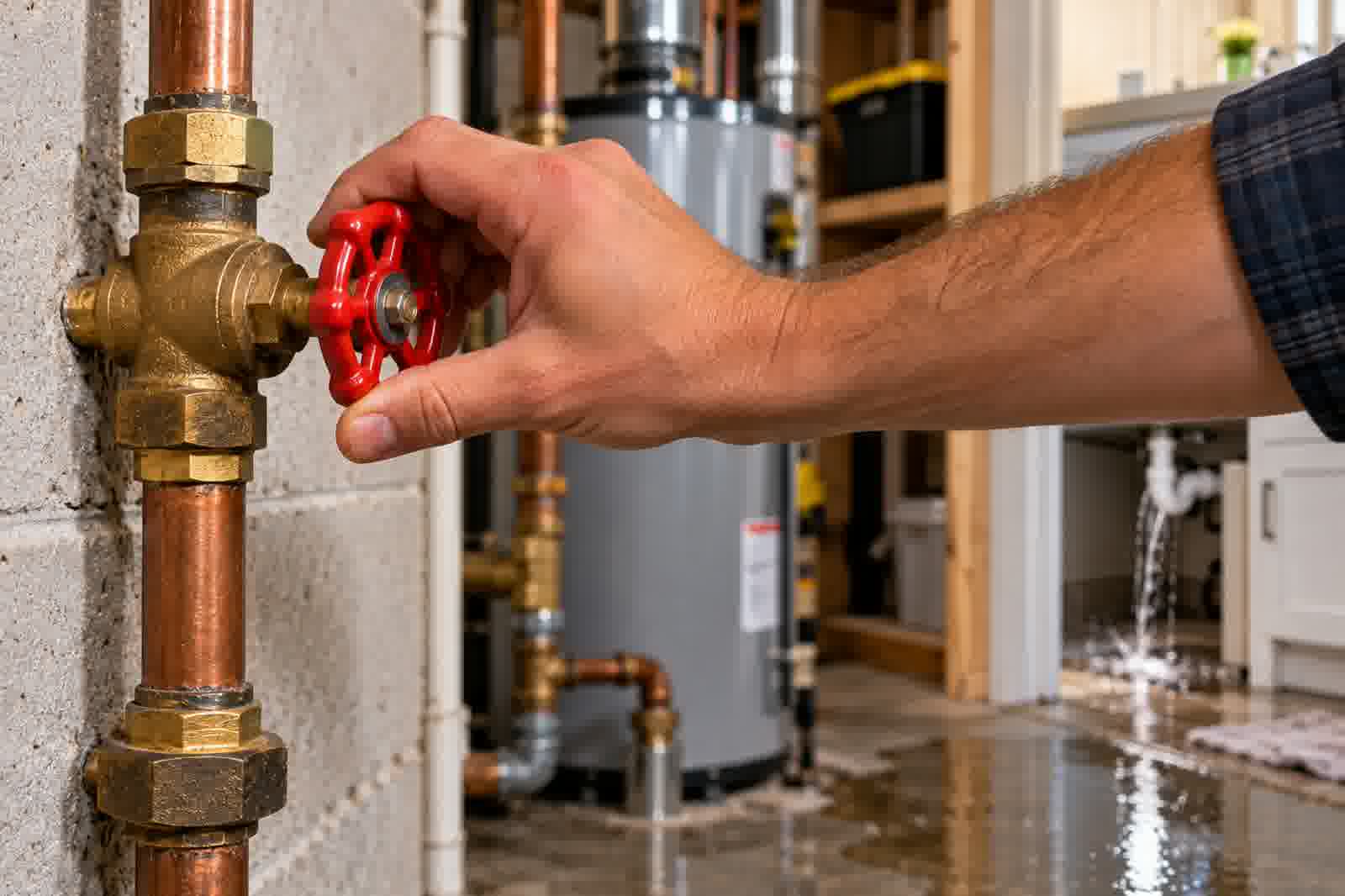
Isolate at the shutoff, replace the failed component, and dry the cavity fully.
Replacement option
Repipe the run or the branch when corrosion is widespread.
Common causes
- Failed supply line or shutoff valve
- Worn washers, cartridges, or P-trap connections
- Pinhole corrosion in older copper
Relevant tools:emergency checklistdiy or hire a pro
Published June 1, 2026Last updated August 17, 2026
Tools & materials you'll need
Affiliate linksAs an Amazon Associate FixlyGuide earns from qualifying purchases — at no extra cost to you. Prices and availability are accurate as of publication and subject to change.
Quick Answer
Catching a roof leak before it escalates into major water damage, rotting wood, or mold growth is crucial for preserving your home's structural integrity. The most effective strategy involves regular, proactive inspections of both your roof's exterior and your home's interior, especially the attic. Look for subtle signs like granular loss from shingles, minor displacement of flashing, or a persistent musty smell. Addressing these early indicators can often prevent costly repairs that stem from prolonged water intrusion.
The Problem
Many homeowners only discover a roof leak when water stains appear on their ceiling or walls – by then, significant damage has already occurred. Water can travel a long way from the actual point of entry on your roof before it becomes visible inside your home. This hidden migration of water can lead to saturated insulation, rotting roof sheathing and rafters, damaged drywall, and mold or mildew growth, all of which are expensive and time-consuming to mitigate. The problem isn't just the leak itself, but the silent, progressive destruction it causes before manifesting as an obvious visual cue. Understanding the less obvious, 'pre-stain' warning signs is key to preventative home maintenance and avoiding a far greater headache down the line.
How It Works
Your roof is a complex system designed to shed water efficiently. At its most basic, it consists of a series of layers: the roof deck (usually plywood or OSB sheathing), an underlayment (felt paper or synthetic material for secondary water resistance), and the primary roofing material (shingles, tiles, metal panels). Flashing – thin pieces of metal – are installed at vulnerable points like valleys, around chimneys, skylights, and vents, to create a water-tight seal where different planes meet or where materials are penetrated. Granules on asphalt shingles offer UV protection and wear resistance. When any part of this system fails, water finds an entry point.
Rainwater, instead of flowing down and off the roof into gutters, can penetrate compromised shingles, cracked flashing, or worn-out sealant. Once past the primary barrier, it hits the underlayment. If the underlayment is also compromised (e.g., torn or improperly installed), water then reaches the roof deck. From the roof deck, gravity pulls the water downward, often along rafters or inside wall cavities. The water can travel horizontally along ceiling joists for considerable distances before it saturates enough material (like insulation or drywall) to become visible as a drip or stain. This journey can take weeks or even months, allowing extensive unseen damage to accumulate in the attic, wall cavities, and framing. Wind-driven rain can also push water up under shingles, exacerbating the problem, especially on lower-sloped roofs. Understanding this journey helps explain why small, seemingly insignificant exterior issues can lead to major interior problems.
Step-by-Step Fix
Addressing a roof leak effectively involves a methodical inspection and targeted repair. This guide focuses on identifying the causes of leaks and making minor, preventative repairs. For extensive damage or active heavy leaks, a professional is always recommended.
-
Safety First Inspection — Before anything, prioritize safety.
- Tools: Sturdy ladder, non-slip shoes, work gloves, safety glasses.
- Always use a spotter when on a ladder. Ensure the ladder is firmly placed on level ground. Avoid going on the roof on windy or wet days. If you are uncomfortable with heights, or if your roof pitch is steep, conduct ground-level observations only and call a professional for closer inspection.
-
Attic Examination for Early Clues — Look for subtle signs of moisture.
- Tools: Flashlight, a simple moisture meter (optional, but very helpful).
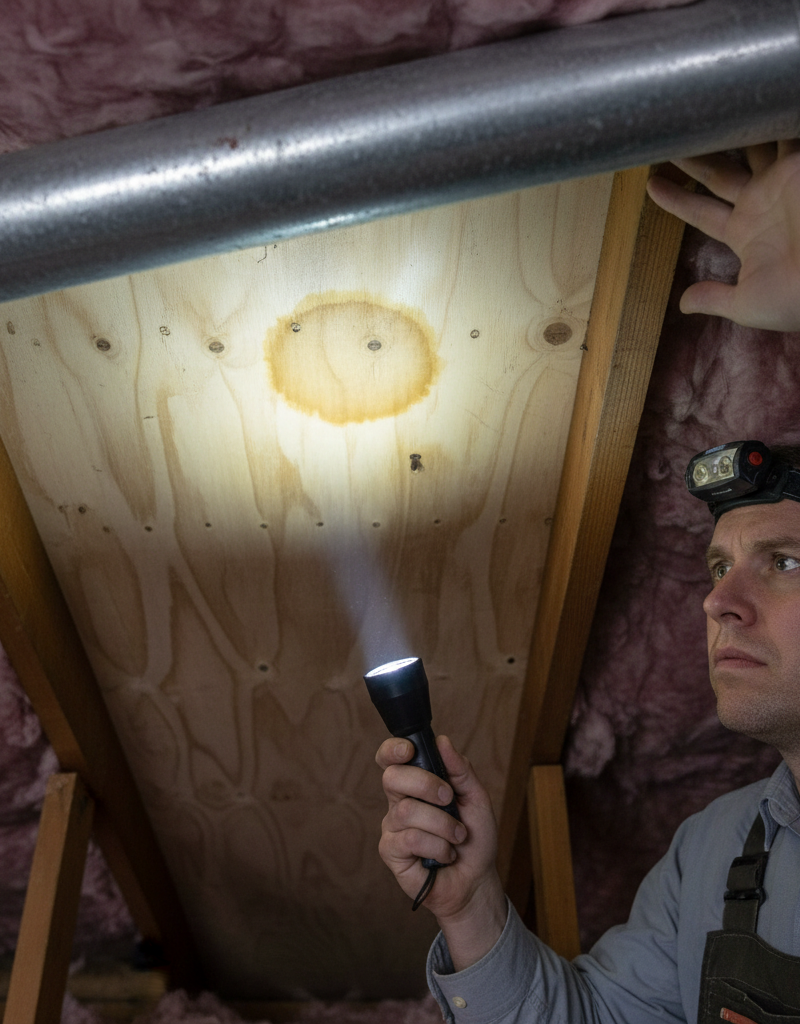
- In the daylight, go into your attic. Turn off the lights and look for pinpricks of light coming through the roof deck – these are definite entry points for water. Use your flashlight to scan rafters, the underside of the roof sheathing, and insulation for any discoloration, dark spots, or dampness. Even a slight musty smell without visible water can indicate hidden moisture or mold. Pay close attention around chimneys, vents, and skylights.
-
Exterior Roof Scan from the Ground — Identify visible signs of wear and tear.
- Tools: Binoculars (optional, but useful for detail).
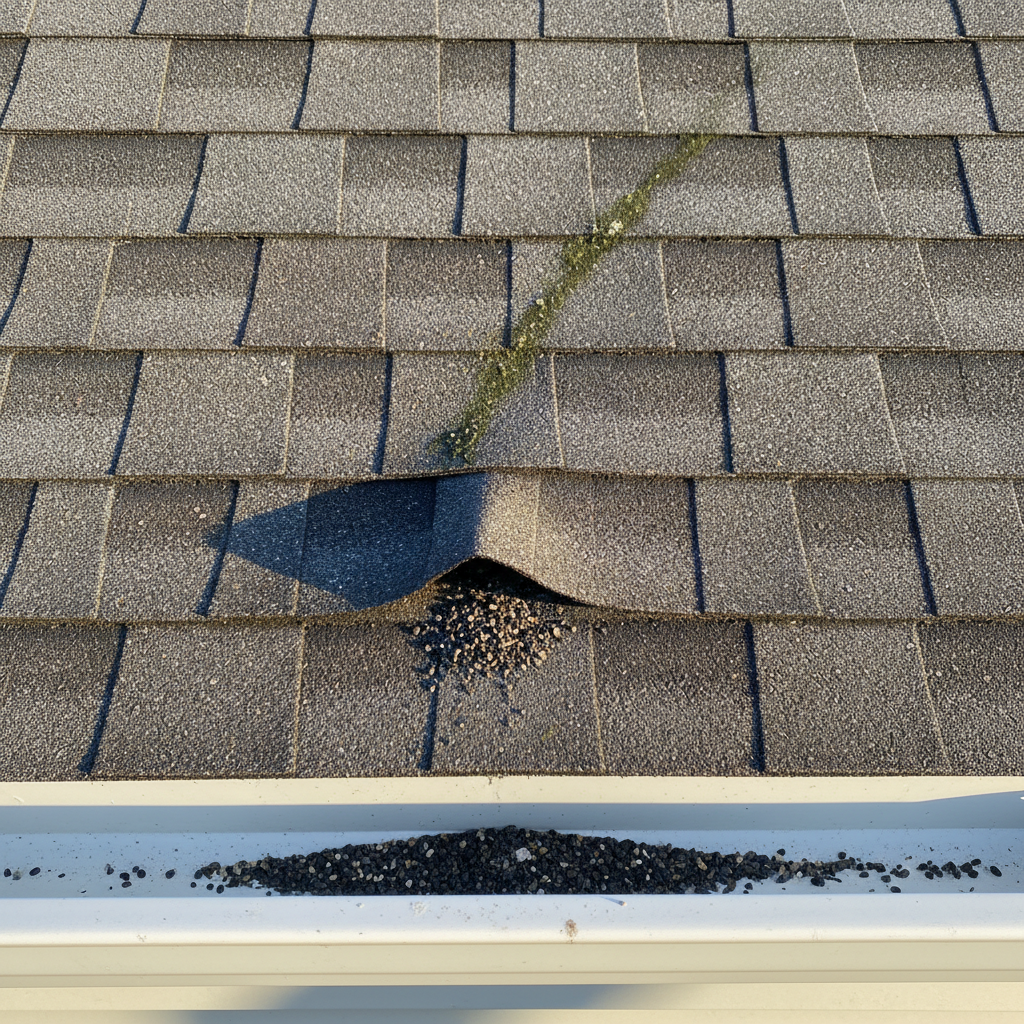
- Walk around the perimeter of your home. Use your eyes (and binoculars) to scan the roof surface. Look for: missing or cracked shingles, curled shingle edges, excessive granule loss (often visible in gutters), bent or corroded flashing around chimneys, vents, and skylights, and sagging sections of the roofline. Pay attention to valleys where two roof planes meet, as these are common leak points.
-
Gutter & Downspout Check-Up — Ensure proper drainage to prevent water backup.
- Tools: Work gloves, small scoop or trowel, garden hose.
- Clear gutters of leaves and debris. Clogged gutters can cause water to back up under roofing materials, especially at the eaves, leading to leaks. Once cleared, run water through the gutters with a hose to ensure proper drainage and identify any leaks in the gutter system itself.
-
Flashing Inspection and Repair — Secure and seal vulnerable transition points.
- Tools: Caulk gun, roofing cement (trowel-grade), galvanized roofing nails, hammer, pry bar (for lifting loose flashing).
- Carefully inspect all flashing – around chimneys, vent pipes, skylights, and in valleys. Look for cracks, rust, gaps, or areas where the flashing has pulled away from the roof or vertical surfaces. For loose flashing, carefully lift it, apply roofing cement underneath, and re-nail it with galvanized nails. If cracks are small, clean the area thoroughly and apply a good bead of high-quality roofing cement or sealant.
- Safety Note: This step often requires working on the roof. Ensure extreme caution. If flashing is extensively corroded or damaged, professional replacement is advised.
-
Shingle Repair/Replacement — Address compromised roofing material promptly.
- Tools: Flat pry bar, utility knife, roofing cement, new shingles (matching existing ones), hammer, galvanized roofing nails.
- For individual curled or lifted shingles: apply a dab of roofing cement underneath and firmly press them down. For cracked or missing shingles: carefully lift the tabs of the surrounding shingles with a pry bar, remove the old shingle by cutting through its sealant and nails, slide a new shingle into place, secure it with 4 roofing nails (covered by the overlaying shingle), and apply dabs of roofing cement under the tabs of the overlaying shingles to seal them down.
- If this doesn't work: If you find widespread shingle damage, it may indicate your roof is nearing the end of its lifespan, and a full roof replacement might be more cost-effective than piecemeal repairs.
-
Vent and Pipe Boot Assessment — Seal common penetration points.
- Tools: Caulk gun, roofing cement, utility knife, new pipe boot (if replacement is needed).
- Inspect all roof vents and pipe boots (the rubber or metal collars around vent pipes). Look for cracks in the rubber, loose seals, or rusted metal. Small cracks can be sealed with roofing cement. If the rubber boot is severely degraded and brittle, it will need to be replaced. This involves carefully prying up surrounding shingles, removing the old boot, sliding on the new one, and re-sealing/re-nailing the shingles.
-
Chemical Gutter Cleaning (If Moss/Algae is Present) — Prevent water retention and shingle degradation.
- Tools: Gutter cleaner solution (e.g., sodium hypochlorite-based), soft bristled brush, garden hose, safety glasses, gloves.
- If you notice significant moss, algae, or lichen growth on your roof, particularly on shaded areas, it can trap moisture and accelerate shingle degradation. Apply a roof cleaner according to product instructions, then gently rinse. This is not a fix for a current leak but a preventative measure against future ones.
Common Causes
- Damaged or Missing Shingles: High winds, hail, or natural aging can cause shingles to crack, curl, or blow off, exposing the underlayment and allowing water penetration.
- Failing Flashing: Metal flashing around chimneys, skylights, vents, and in valleys can rust, crack, or become dislodged over time, creating gaps for water to enter.
- Clogged Gutters & Downspouts: When gutters are blocked, water can back up, pool on the roof, or seep behind the fascia boards, leading to leaks, especially at the eaves.
- Worn-Out Sealants: Sealants used around vent pipes, skylights, and other roof penetrations degrade from UV exposure, crack, and lose their watertight seal.
- Improper Installation: Poorly installed roofing or flashing can leave vulnerable areas from day one, which only become apparent as the roof ages and minor issues magnify.
- Ventilation Issues: Poor attic ventilation can lead to ice dams in cold climates, where melting and refreezing water backs up under shingles. It can also cause premature aging of shingles due to excessive heat buildup.
- Physical Damage: Falling branches, animals, or foot traffic can directly damage roofing materials, creating immediate points of entry for water.
Common Mistakes
- Ignoring Subtle Signs: Many homeowners wait for visible ceiling stains, missing out on crucial early detection. Address discoloration in the attic, musty smells, or a single shifted shingle immediately.
- DIYing Dangerous Repairs: Attempting complex or high-pitch roof repairs without proper safety equipment or experience is extremely dangerous and can lead to serious injury. Know when to call a professional.
- Using the Wrong Sealants: Not all caulks are suitable for roofing. Using standard silicone caulk instead of roofing-grade cement or specialized sealants designed for extreme temperatures and UV exposure will lead to premature failure.
- Walking on the Roof Incorrectly: Arbitrarily walking on an asphalt shingle roof, especially on a hot day, can dislodge granules and damage the integrity of the shingles. Walk carefully, only when necessary, and ideally along the strong points like rafters.
- Patching Without Diagnosis: Simply patching a visible leak without identifying its actual origin on the roof is a common mistake. Water travels, and the stain inside might be far from the entry point outside, leading to recurring leaks.
- Neglecting Gutter Maintenance: Assuming gutters are unrelated to roof leaks. Clogged gutters are a primary cause of water pooling and backing up into the roof structure.
Cost & Time Breakdown
| Task | DIY cost | Pro cost | Time |
|---|---|---|---|
| Attic Inspection | $0 (flashlight) | $75–$150 | 15–30 mins |
| Gutter Cleaning & Inspection | $0–$10 | $100–$250 | 30–60 mins |
| Basic Flashing Repair (seal) | $15–$30 | $150–$400 | 30–60 mins |
| Shingle Replacement (1–3) | $20–$50 | $200–$500 | 1–2 hours |
| Pipe Boot Replacement | $30–$70 | $250–$600 | 1–2 hours |
| Minor Roof Sealing (vents) | $15–$30 | $100–$300 | 30–45 mins |
Tips & Prevention
- Regular Attic Checks: At least twice a year (spring and fall), inspect your attic for signs of moisture, mold, or light penetration. This is often your first line of defense against hidden leaks.
- Annual Roof Inspection (Ground Level): Walk around your home annually after major storms, looking for damaged shingles, flashing issues, or debris. Use binoculars for a closer look without getting on the roof.
- Keep Gutters Clear: Clean your gutters at least twice a year, or more frequently if you have many trees, to ensure proper water flow away from your roof and foundation.
- Trim Overhanging Branches: Remove any tree branches that directly overhang your roof. These can cause abrasion to shingles, drop leaves and debris, and pose a fall risk during storms.
- Monitor Utility Bills: An unexplained increase in heating or cooling costs could indicate saturated attic insulation from a leak, reducing its effectiveness.
- Check for Granule Loss: If you see excessive shingle granules accumulating in your gutters, it's a sign your shingles are aging and losing their protective layer, making them more prone to leaks.
When to Call a Professional
While identifying early signs of a leak is a great DIY skill, knowing when to call a licensed roofing professional is crucial. You should immediately contact a pro if you discover significant water intrusion in your attic or home, witness large sections of damaged or missing shingles, or if flashing is extensively corroded or has separated beyond a simple caulk fix. Any repair that requires extensive work on a steep-pitch roof or involves structural damage to the roof deck, rafters, or trusses mandates professional expertise due to safety risks and the complexity of ensuring a watertight seal. If you suspect an issue but can't confidently diagnose or safely access the area, a professional inspection can pinpoint the problem accurately and provide lasting solutions, preventing further, more costly damage.
Related Articles
Keep troubleshooting with these hand-picked guides from FixlyGuide:
- The One Hidden Sign of a Roof Leak Most Homeowners Miss (And the $10 Fix) — Catching a roof leak early can save thousands in repairs. Learn the elusive signs and a simple, effective fix before minor issues become ma…
- The Silent Destroyer: 7 Hidden Signs Your Roof Has a Leak (Before You Need a New Ceiling) — Catching roof leaks early can save your home from extensive damage and costly repairs. Learn the subtle indicators that reveal hidden water…
- The 3 Hidden Dangers of Frozen Pipes (And How to Thaw Them Safely) — Safely thawing a frozen pipe is crucial to prevent bursting, water damage, and costly repairs; acting quickly and correctly can save your h…
- The $5 Secret to Fixing a Clogged AC Drain Line (and Avoiding a Costly Flood) — A clogged AC drain line can lead to water damage and mold, but a simple, inexpensive DIY fix can prevent costly repairs.
- The $7 Trick That Unclogs Your AC Drain Line (And Prevents Costly Leaks) — A clogged AC drain line can lead to water damage and mold, but a simple, inexpensive trick can clear it and prevent future issues.
- The 9 Sneaky Signs Your Roof Is Failing (And How to Spot Them From the Ground) — Learn to spot critical signs of roof damage from the safety of the ground, potentially saving thousands in repairs.
Should you do this yourself?
Answer five quick questions before you start. Safety outranks savings every time.
Your experience with work like this
How high do you have to work?
Does the job involve any of these?
Will it need a permit?
Specialty tools
Free and instant. Educational guidance only — not a quote, inspection, or professional diagnosis.
Questions to ask before you sign
Ask every contractor the same questions and the cheapest bid stops looking cheapest. Check them off as you go — your progress is saved on this device.
Free, no signup. Bring this to every walkthrough so you compare bids on the same terms.
What should this project cost?
Enter your project details for a realistic cost range before you call anyone.
Common repairs run $150–$650; repipes and water-heater replacements reach $1,500–$4,500.
- Regional adjustment
- National average
- Labor share (typical)
- ~$754
- Quotes to collect
- 3 written estimates
Educational estimate based on national averages — not a binding quote. Always confirm with written local estimates.
Fixly Project Decision Box
- DIY difficulty
- Professional Recommended
- Estimated time
- Inspection 1–2 hours · repairs 1–3 days
- Cost level
- High
Main tools / materials
- Binoculars for a ground-level look
- Flashlight for attic checks
- Moisture meter
- Roofing cement (temporary patch only)
When to stop and call a pro
- Active leak near lights, fans, or any wiring
- Sagging, bulging, or water-filled ceiling
- Steep, wet, or two-story roof — do not climb it
- Storm or hail damage you plan to claim on insurance
Need professional help?
Free roof assessment first — no phone calls until you ask for them.
Get Local Roofing HelpGet help with your roof now
Stay off the roof. These free tools help you protect the house and reach the right professional fast.
- Emergency repair checklistThe first steps that limit damage before a pro arrives.Open
- Repair or replace your roof?Answer 10 questions about age, leaks, and damage to get a clear next step.Open
- Get local estimatesSend one request and compare written estimates from vetted pros.Open
Free, no signup required. Estimates are educational guidance, not a quote or an inspection.
Get the print-ready PDF of this guide
A clean, ad-free, printable version you can keep on your phone or pin to the workshop wall. Free with a FixlyGuide account.
- Print-optimized layout
- Tools, materials & every step included
- Saved to your account
Frequently asked questions
What are the earliest signs of a roof leak inside the house?+
The earliest signs inside your home often include a persistent musty odor in the attic or upper floors, subtle discoloration or softening of drywall (even without a full stain), or unexplained increases in your heating and cooling bills due to compromised insulation.
How often should I inspect my roof for potential leaks?+
Experts recommend a thorough visual inspection from the ground at least twice a year (spring and fall) and after any major storm. An attic inspection for subtle signs of moisture should also be done annually.
Can a clogged gutter really cause a roof leak?+
Yes, absolutely. Clogged gutters prevent water from draining properly, causing it to pool and back up under the bottom edge of your roof's shingles, especially at the fascia and eaves. This can lead to water seeping into the roof deck and attic.
Discussion
Loading comments…