- Sudden Temperature Drops: Rapid and prolonged drops in outdoor temperature, especially when combined with high winds (wind chill), can quickly bring pipes to freezing temperatures.
- Air Leaks and Gaps: Small cracks or openings in walls, foundations, or around utility penetrations allow frigid external air to flow directly onto plumbing, creating localized cold spots.
- Exterior Wall Placement: Plumbing lines located in or against exterior walls are inherently more exposed to cold. Kitchen sinks and bathroom vanity sinks often have pipes running along these walls.
- Lack of Water Flow: Stagnant water within pipes freezes much faster than moving water. This is why pipes in vacant homes, infrequently used guest bathrooms, or sprinkler systems are at higher risk.
- Open Garage Doors: Leaving a garage door open for extended periods in freezing temperatures can expose any water lines running through the garage (e.g., laundry hookups or utility sinks) to dangerously cold air.
Plumbing · Pipe damage
| Project category | Plumbing |
|---|---|
| Problem type | Pipe damage |
| Trade required | Plumbing |
| Urgency | Emergency — act now |
| Safety risk | High safety risk |
| DIY suitability | Licensed pro only |
| Cost category | High cost |
| Typical timeline | Emergency shutoff now; repipes commonly 2–5 days |
| Contractor type | Licensed plumber |
Repair option
Cut out and replace the damaged section with a coupling or new run.
Replacement option
Whole-home repipe when the material itself is the problem.
Common causes
- Freeze-thaw expansion in an uninsulated run
- Corrosion in aging galvanized or polybutylene
- Shifting foundation stressing a slab line
Relevant tools:emergency checklistcompare quotes
Published May 27, 2026Last updated August 17, 2026
Tools & materials you'll need
Affiliate links- AmazonFoam pipe insulationmultiple sections
- AmazonWeather-resistant caulk1–2 tubes
- AmazonExpanding spray foam sealant1 can
- AmazonHeat tape (optional)length as needed · Only if pipes are in extremely cold zones and traditional insulation isn't enough
- AmazonZip ties or duct tapeTo secure pipe insulation
As an Amazon Associate FixlyGuide earns from qualifying purchases — at no extra cost to you. Prices and availability are accurate as of publication and subject to change.
Quick Answer
Preventing frozen pipes is critical to avoid costly water damage. While insulation is important, the most effective strategies involve controlling ambient temperatures around pipes, maintaining slight water flow, and addressing specific vulnerabilities in your home's structure. Proactive measures, rather than reactive ones, are key to safeguarding your plumbing system during winter.
The Problem
Every winter, thousands of homeowners face the nightmare of frozen and burst pipes. The sight of drywall stained by water, ceilings caving in, and floors ruined by flooding is a devastating and expensive consequence of underestimating the power of freezing water. A single burst pipe can release hundreds of gallons of water per hour, causing tens of thousands of dollars in damage, not to mention the inconvenience and disruption to daily life. Many assume pipes freeze simply because the outside air is cold, but the reality is more nuanced. Factors like poor insulation, unexpected drafts, sudden temperature drops, and even stagnant water within the pipes play significant roles. Understanding these underlying mechanisms is the first step toward effective prevention, protecting your home, and avoiding a costly insurance claim.
How It Works
Water’s unique property of expanding by about 9% when it freezes is the primary culprit behind burst pipes. When water inside a pipe turns to ice, it creates immense pressure, not necessarily where the ice plug forms, but between the ice plug and any closed faucet or valve. This trapped water has nowhere to go as more ice forms and expands, leading to pressures that can exceed 2,000 pounds per square inch (psi) – far more than typical residential pipes are designed to withstand. This pressure can cause even robust copper or PEX pipes to split, often along a seam or at a fitting, though sometimes in the middle of a pipe run itself.
The freezing process often begins in the least insulated or most exposed sections of your plumbing. These commonly include pipes in unheated basements, crawl spaces, attics, outside walls, or near air leaks. Cold air infiltration through small cracks and openings can create localized freezing zones. Furthermore, pipes with little to no water flow are more susceptible to freezing because the moving water carries some residual heat, delaying the freezing process. When water stops moving, such as overnight or when you're away, it cools down to the ambient temperature much faster. Even internal pipes can freeze if your home's furnace fails or if interior doors are left closed, preventing warm air from circulating into areas like under sinks or in utility closets. The type of pipe material also plays a role. While copper and PEX are more resilient than older galvanized steel, none are impervious to the forces of expanding ice.
Step-by-Step Fix
1. Locate Vulnerable Pipes — *Identify which pipes in your home are most at risk.
- Walk through your home and identify all pipes running through unheated spaces: crawl spaces, attics, garages, exterior walls, and under sinks against outside walls. Pay special attention to pipes near vents, windows, or any noticeable drafts. These are your priority targets for prevention.
- If this doesn't work: Consider checking your home's blueprint or consulting a plumber for a professional assessment of your plumbing layout. They can identify high-risk areas you might overlook.
2. Seal Air Leaks — *Eliminate cold air infiltration around pipes.
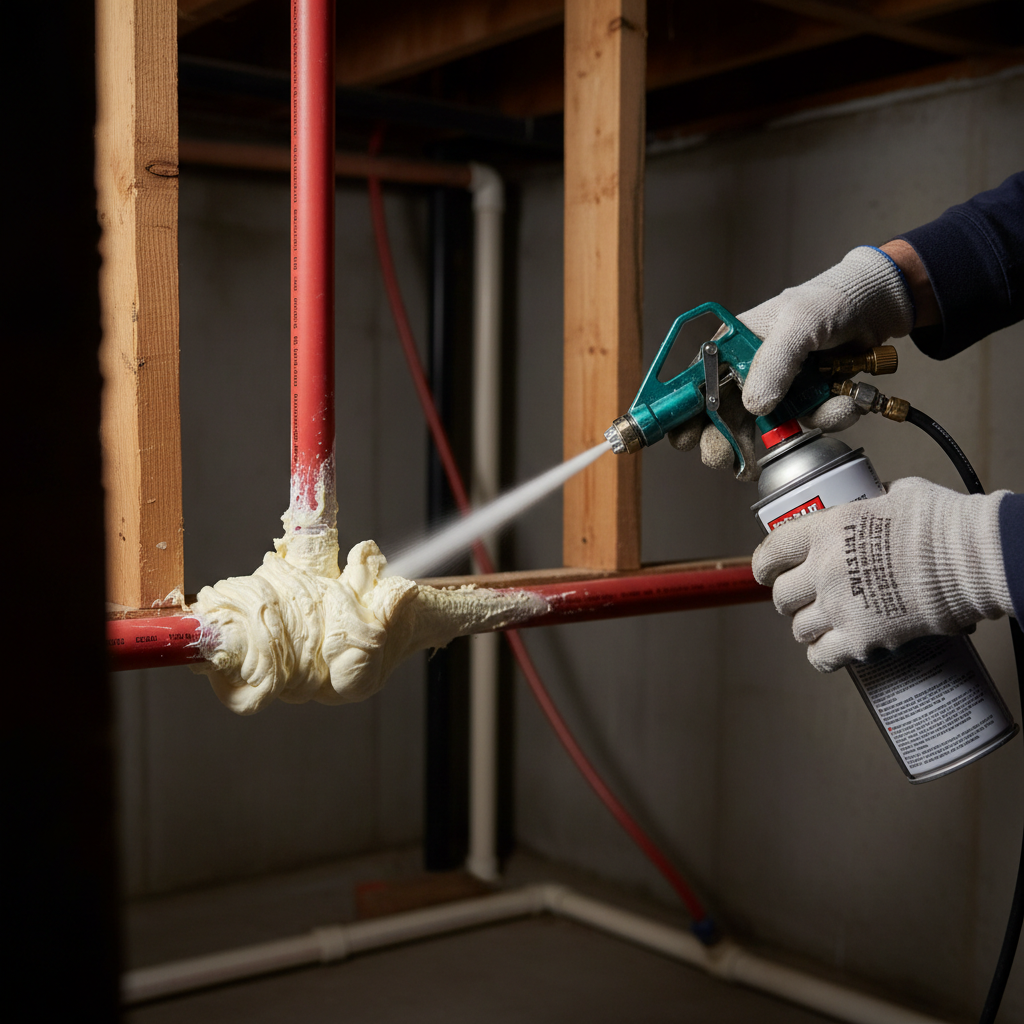
- Inspect exterior walls, foundations, and utility penetrations (where pipes or wires enter the house) for gaps and cracks. Use caulk to seal small openings and expanding foam insulation for larger gaps (e.g., around dryer vents or outdoor hose bibs).
- Focus on areas where pipes are visible, such as under sinks that are on exterior walls. Even a small draft can drop the temperature around a pipe significantly.
3. Insulate Exposed Pipes — *Add a layer of protective insulation.
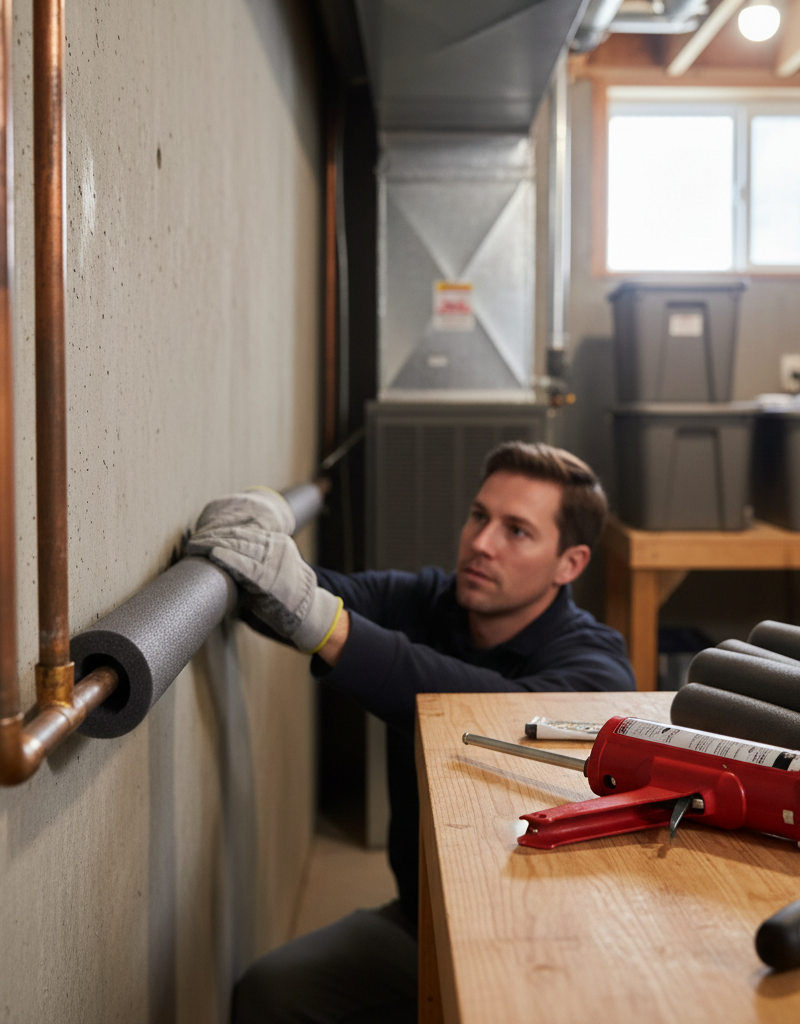
- Purchase foam pipe insulation (often pre-slit tubes) or fiberglass insulation (for larger pipes or irregular shapes). Wrap all exposed pipes in unheated areas. Ensure there are no gaps in the insulation, especially at elbows and joints. Secure foam insulation with zip ties or tape.
- Material Tip: For pipes in extremely cold areas, consider using heat tape (an electrical heating cable) in conjunction with foam insulation, but always follow manufacturer instructions carefully for safe installation.
4. Open Cabinet Doors — *Allow warm air to circulate around under-sink pipes.
- During severe cold snaps, open cabinet doors under sinks, especially those on exterior walls. This allows warmer air from your heated living space to reach pipes that might otherwise be exposed to colder temperatures within the cabinet.
- Safety Note: If you have small children or pets, ensure that any hazardous cleaning supplies or chemicals stored in these cabinets are secured or moved out of reach before opening the doors.
5. Keep the Heat On — *Maintain a minimum temperature throughout your home.
- If you plan to be away during winter, never turn your heat off completely. Set your thermostat to at least 55°F (13°C) to ensure a baseline temperature that helps prevent all pipes from freezing. This is significantly cheaper than dealing with burst pipes.
- Budget Hack: While away, close off rooms you don't need heated and keep interior doors open for better heat distribution to vulnerable areas.
6. Drip Faucets Strategically — *Relieve pressure in the plumbing system.
- During periods of extreme cold (e.g., overnight when temperatures drop below 20°F/-7°C), allow a small, continuous drip of cold water from faucets served by pipes running through vulnerable areas. A pencil-lead-thin stream is sufficient. This constant movement prevents water from completely freezing and, more importantly, relieves pressure within the pipe system, even if ice forms.
- Warning: Drip only one or two faucets, prioritizing ones on exterior walls or far from the main water inlet. Excessive dripping can waste water.
7. Disconnect Garden Hoses — *Protect outdoor spigots.
- Before the first freeze, disconnect all garden hoses from outdoor spigots and drain them completely. Turn off the water supply to outdoor spigots from the interior shut-off valve (if your home has one) and open the spigot to drain any remaining water.
- Maintenance Tip: If you don't have interior shut-off valves for outdoor spigots, consider having a plumber install frost-proof spigots in the future.
8. Insulate Your Water Heater — *Improve efficiency and protect nearby pipes.
- Wrap older water heaters (especially electric ones) with an insulation blanket. This not only improves efficiency but can also slightly raise the ambient temperature in an unheated utility closet or basement where pipes may be exposed. Ensure the blanket doesn't cover the thermostat, pressure relief valve, or burner access panel on gas models.
- Pro Tip: For gas water heaters, only use insulation blankets specifically designed for gas models, which include cutouts for ventilation.
Common Causes
- Sudden Temperature Drops: Rapid and prolonged drops in outdoor temperature, especially when combined with high winds (wind chill), can quickly bring pipes to freezing temperatures.
- Poorly Insulated Pipes: Pipes running through unheated areas like crawl spaces, attics, garages, or exterior walls without adequate insulation are prime targets. Even pipes in finished basements can be vulnerable if they are located near foundation walls.
- Air Leaks and Gaps: Small cracks or openings in walls, foundations, or around utility penetrations allow frigid external air to flow directly onto plumbing, creating localized cold spots.
- Exterior Wall Placement: Plumbing lines located in or against exterior walls are inherently more exposed to cold. Kitchen sinks and bathroom vanity sinks often have pipes running along these walls.
- Lack of Water Flow: Stagnant water within pipes freezes much faster than moving water. This is why pipes in vacant homes, infrequently used guest bathrooms, or sprinkler systems are at higher risk.
- Open Garage Doors: Leaving a garage door open for extended periods in freezing temperatures can expose any water lines running through the garage (e.g., laundry hookups or utility sinks) to dangerously cold air.
Common Mistakes
- Turning Off Heat When Away: Many homeowners turn off their heating completely to save money when leaving for extended periods. This is a false economy that almost guarantees frozen pipes in colder climates. Always set the thermostat to at least 55°F (13°C).
- Relying Solely on Insulation: While crucial, pipe insulation alone isn't a silver bullet. If the ambient temperature around the pipe drops low enough for long enough, insulation only delays the freezing, it doesn't prevent it entirely. Combine it with other strategies.
- Ignoring Drafts: Overlooking small air leaks around window frames, utility line penetrations, or foundation cracks can create powerful cold drafts directly hitting pipes. Seal these points aggressively.
- Forgetting Outdoor Faucets: Failing to disconnect garden hoses and drain outdoor spigots before winter is a very common oversight, leading to burst spigots and potentially pipe damage inside the wall.
- Not Opening Cabinet Doors: Keeping cabinet doors under sinks on exterior walls closed traps cold air, lowering the temperature around vulnerable pipes, especially overnight.
- Only Dripping Hot Water: If you choose to drip faucets, ensure you drip cold water, or both hot and cold. The cold water line is often the most vulnerable as it's not warmed by the water heater.
Cost & Time Breakdown
| Task | DIY Cost | Pro Cost | Time |
|---|---|---|---|
| Pipe Insulation (materials) | $20–$100 | Included in service | 1–3 hours |
| Caulk/Foam (draft sealing) | $10–$30 | Included in service | 30 mins – 1 hour |
| Heat Tape (optional) | $30–$80 per pipe | $150–$300 per pipe | 1–2 hours |
| Sprinkler Winterization | $0 (DIY) | $75–$150 | 30 mins |
| Professional Pipe Assessment | N/A | $100–$250 | 1 hour |
Tips & Prevention
- Annual Sprinkler Blowout: If you have an in-ground sprinkler system, schedule a professional blowout or DIY using an air compressor to remove all water before the first hard freeze. Residual water is a common cause of burst lines and valves.
- Monitor Weather Forecasts: Pay close attention to local weather predictions. When temperatures are expected to drop significantly below freezing (especially into the single digits or teens), activate all your prevention strategies.
- Improve Basement/Crawl Space Insulation: Beyond just pipes, consider insulating the walls or ceiling of unheated basements and crawl spaces. This raises the ambient temperature, benefiting all plumbing and improving overall home energy efficiency.
- Smart Thermostat Utilization: Use a smart thermostat that allows you to monitor and adjust your home's temperature remotely. Some models can even alert you if temperatures drop too low, providing crucial time to react.
- Know Your Main Shut-Off Valve: In an emergency (e.g., a burst pipe), knowing how to quickly turn off your home's main water supply can minimize damage. Locate it, test it annually, and ensure it's easily accessible.
- Consider a Home Monitoring System: For properties left vacant, systems that detect temperature drops or water leaks can send immediate alerts to your phone, potentially averting disaster.
When to Call a Professional
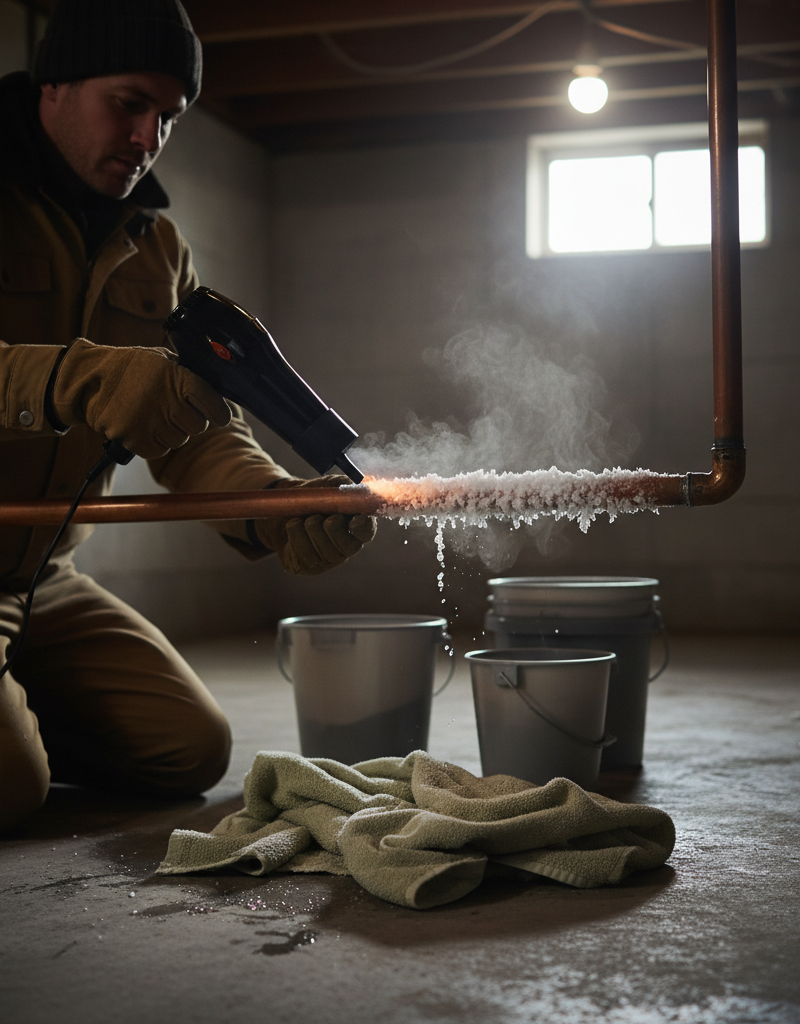
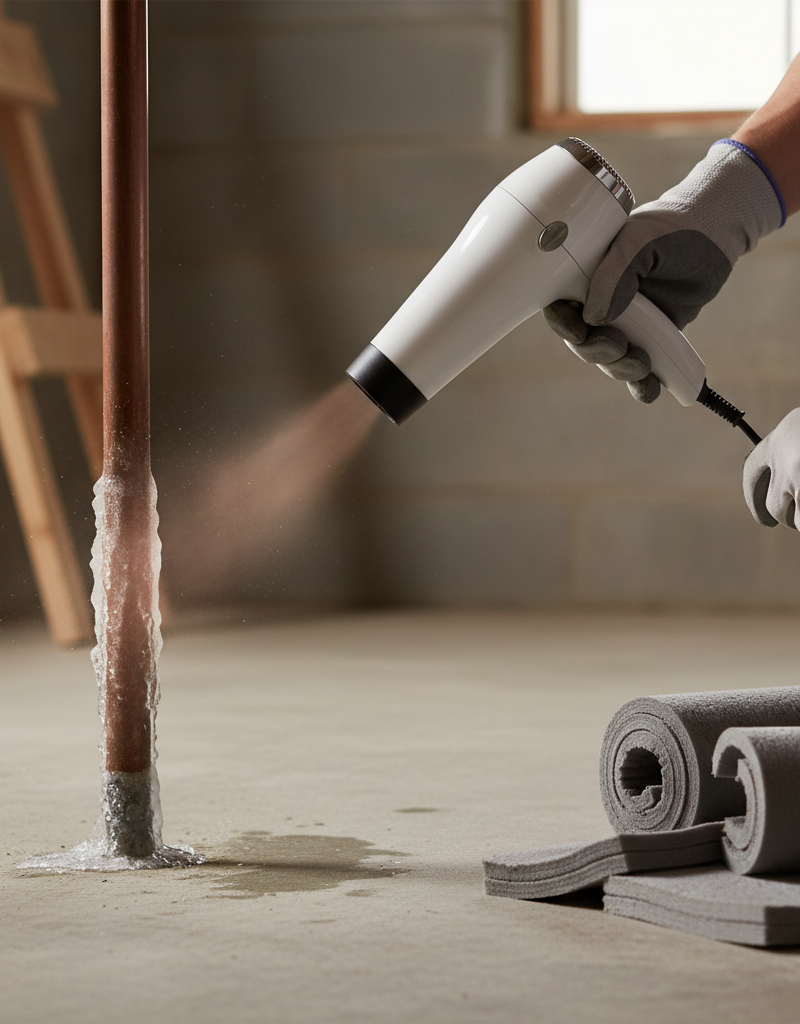
If you discover a pipe has already frozen, resist the urge to thaw it aggressively with a blowtorch or high-heat device, as this can cause the pipe to burst or even start a fire. Instead, immediately locate your main water shut-off valve and turn off the water supply to your home to prevent flooding if the pipe has already burst or when it thaws. Then, open a faucet near the frozen pipe to relieve pressure as it thaws. If you suspect a pipe has burst, cannot locate the frozen section, or are dealing with a significant ice blockage that doesn't respond to gentle heat (like a hairdryer on its lowest setting), it is time to call a licensed plumber. They have specialized tools, such as pipe-thawing machines, and the expertise to safely unfreeze pipes and repair any damage without causing further complications. Never attempt to repair a visibly burst pipe yourself; this requires professional attention to ensure proper sealing and code compliance.
Related Articles
Keep troubleshooting with these hand-picked guides from FixlyGuide:
- The 3 Hidden Reasons Your Pipes Freeze (and How to Thaw Them Fast) — Discover the real culprits behind frozen pipes and learn safe, effective methods to thaw them quickly, preventing costly damage to your hom…
- The 3 Hidden Dangers of Frozen Pipes (And How to Thaw Them Safely) — Frozen pipes can burst, causing extensive water damage. Learn to safely thaw them and prevent costly repairs.
- The 3 Hidden Reasons Your Pipes Freeze (And How to Thaw Them Fast) — Discover the real culprits behind frozen pipes and learn a step-by-step method to safely thaw them, preventing costly damage.
- The 3 Hidden Dangers of Frozen Pipes (And How to Thaw Them Safely) — Safely thawing a frozen pipe is crucial to prevent bursting, water damage, and costly repairs; acting quickly and correctly can save your h…
- The #1 Mistake Homeowners Make When Protecting Pipes From Freezing — Preventing frozen pipes is crucial in winter; many homeowners make a common mistake that leaves their plumbing vulnerable.
- The 3 Hidden Reasons Your Roof Gets Ice Dams (and the Easy Fixes) — Ice dams are a common winter problem that can cause significant damage to your roof and home if not addressed safely and effectively.
Should you do this yourself?
Answer five quick questions before you start. Safety outranks savings every time.
Your experience with work like this
How high do you have to work?
Does the job involve any of these?
Will it need a permit?
Specialty tools
Free and instant. Educational guidance only — not a quote, inspection, or professional diagnosis.
Questions to ask before you sign
Ask every contractor the same questions and the cheapest bid stops looking cheapest. Check them off as you go — your progress is saved on this device.
Free, no signup. Bring this to every walkthrough so you compare bids on the same terms.
What should this project cost?
Enter your project details for a realistic cost range before you call anyone.
Common repairs run $150–$650; repipes and water-heater replacements reach $1,500–$4,500.
- Regional adjustment
- National average
- Labor share (typical)
- ~$754
- Quotes to collect
- 3 written estimates
Educational estimate based on national averages — not a binding quote. Always confirm with written local estimates.
Handle this before it gets worse
First steps that limit damage, then a way to reach a qualified pro.
- Emergency repair checklistThe first steps that limit damage before a pro arrives.Open
- Get local estimatesSend one request and compare written estimates from vetted pros.Open
- Estimate this projectGet a cost range for your scope and ZIP before you call anyone.Open
Free, no signup required. Estimates are educational guidance, not a quote or an inspection.
Frequently asked questions
How cold does it have to be for pipes to freeze?+
Pipes can begin to freeze when temperatures drop below 32°F (0°C). However, the risk significantly increases when temperatures fall into the teens or single digits (-7°C to -12°C or lower), especially if sustained for several hours or overnight.
Should I drip both hot and cold water to prevent freezing?+
It is generally sufficient to drip only cold water from a vulnerable faucet, as the cold water line is typically more susceptible to freezing. However, dripping both ensures comprehensive protection and pressure relief for both lines.
Can I use a space heater to prevent pipes from freezing?+
Yes, a space heater can be effective in an unheated room, basement, or crawl space near vulnerable pipes. Ensure it's placed safely, away from flammable materials, and used only according to manufacturer instructions. Never leave it unattended for long periods.
How do I know if a pipe is frozen?+
Signs of a frozen pipe include no water coming out of a faucet, or only a trickle. If you hear banging or gurgling sounds, or see frost on a section of exposed pipe, these are strong indicators of a freeze. Be vigilant for any unusual dampness or pooling water, which could signal a burst pipe.
What if I discover a pipe has already burst?+
If you discover a burst pipe, immediately shut off your home's main water supply valve to stop the flow of water and minimize damage. Then, contact a licensed plumber for emergency repair. Do not attempt to repair a burst pipe yourself, as it requires specialized tools and expertise.
Discussion
Loading comments…