- Safety First – Protect yourself from falling debris and sun exposure.
- Wear gloves if handling sharp branches.
- Use appropriate eye protection.
- Stay hydrated if working in the sun.
Landscaping · Deck or fence project
| Project category | Landscaping |
|---|---|
| Problem type | Deck or fence project |
| Trade required | Landscaping |
| Urgency | Planned project |
| Safety risk | Moderate safety risk |
| DIY suitability | DIY for experienced homeowners |
| Cost category | High cost |
| Typical timeline | Most builds 3–10 days depending on size |
| Contractor type | Landscaping contractor |
Repair option
Replace failed boards, posts, and hardware; reseal the surface.
Replacement option
Rebuild when framing or the ledger connection is unsafe.
Common causes
- Rot at posts and ledger
- Storm damage
- Adding outdoor living space
Relevant tools:home improvement material pricesproject cost estimator
Published May 16, 2026Last updated August 18, 2026
Tools & materials you'll need
Affiliate links- AmazonOrganic mulch (wood chips, shredded bark)1-2 bags
As an Amazon Associate FixlyGuide earns from qualifying purchases — at no extra cost to you. Prices and availability are accurate as of publication and subject to change.
Quick Answer
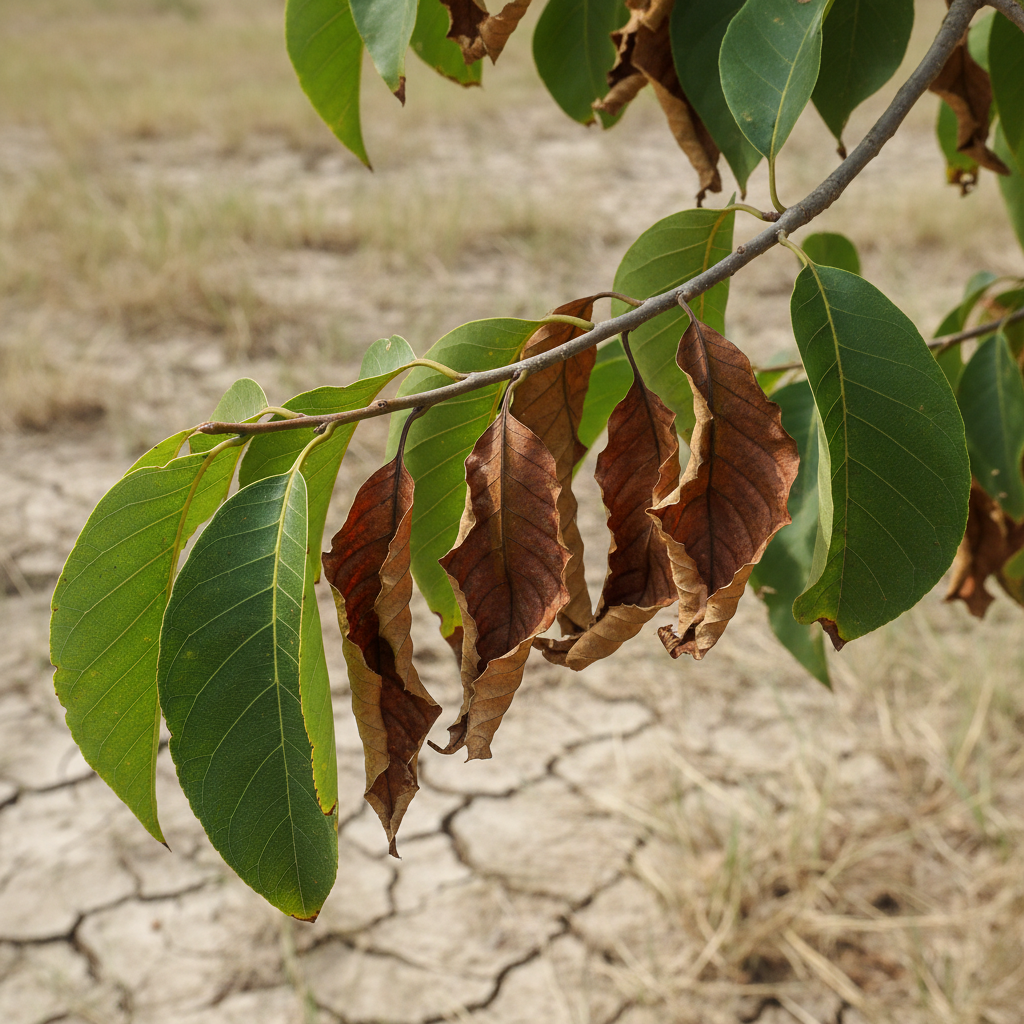
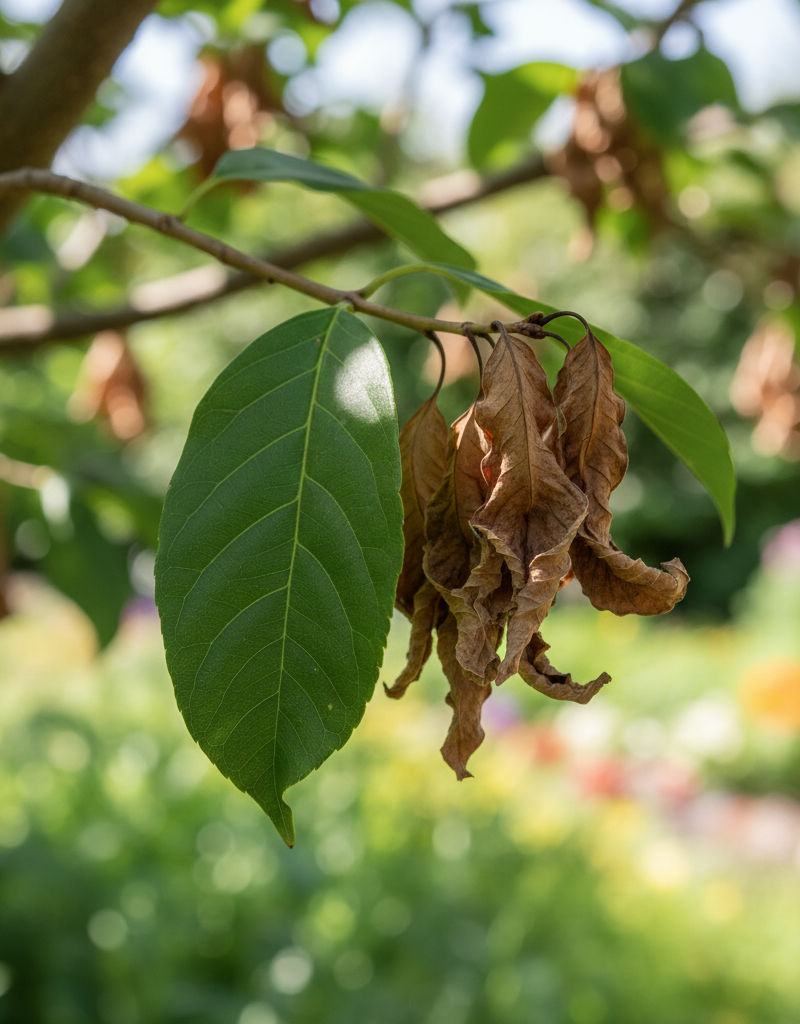
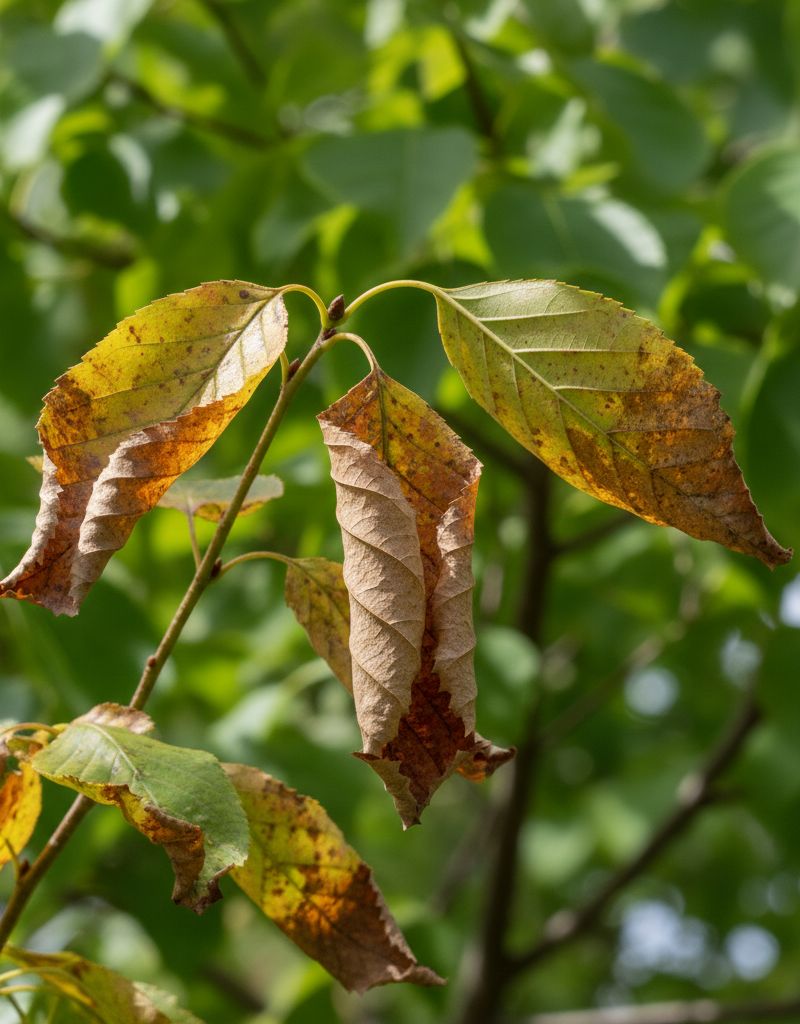
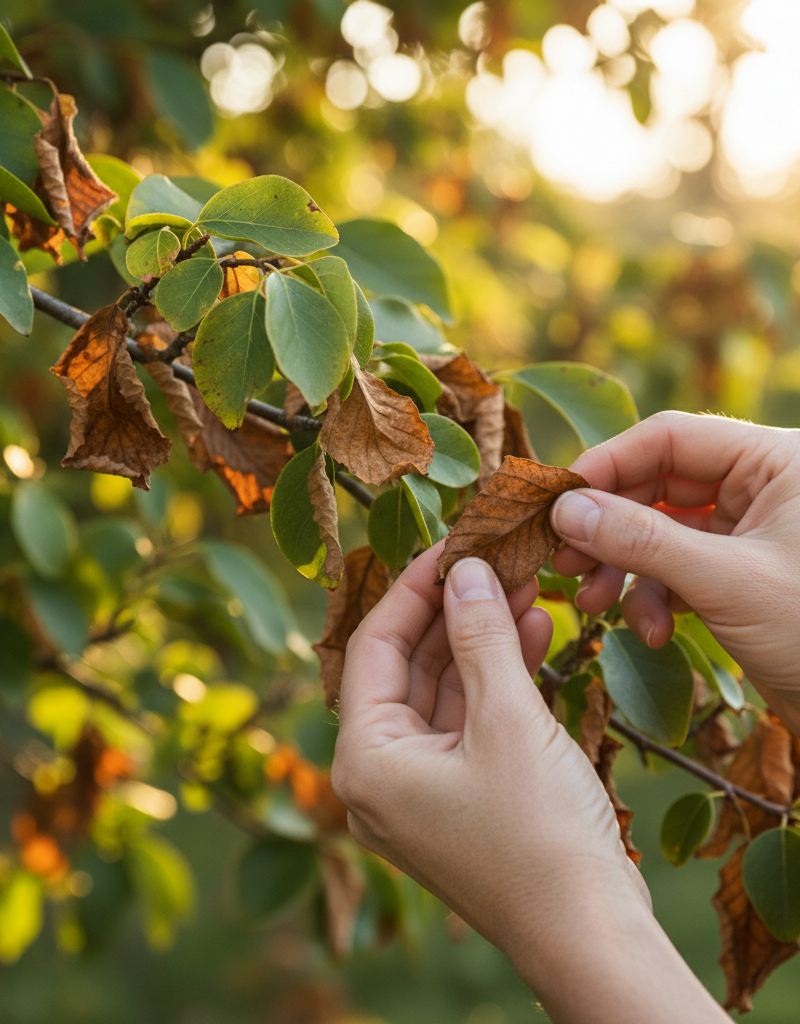
Brown tree leaves, particularly during periods of heat or drought, are most commonly a clear signal of dehydration. While a range of issues can cause leaves to brown, inadequate or incorrect watering patterns consistently lead to tree stress, manifesting as discolored leaves, wilting, and eventual browning as the tree struggles to maintain its internal moisture balance and nutrient transport.
The Problem
You look out at your once vibrant shade tree, only to see its leaves, once a lush green, now brittle and brown. It's a disheartening sight that often triggers worry about disease or pests. While those certainly can be factors, the most frequent and often overlooked problem behind browning tree leaves is simply that the tree isn't getting enough water or isn't getting it properly. Dehydration starves the tree's cells, preventing photosynthesis and nutrient distribution, ultimately leading to leaf tissue death. This issue is particularly prevalent in newly planted trees, trees in urban environments, or during prolonged dry spells.
How It Works
Trees, like all living organisms, rely heavily on water for survival. Water is absorbed by the roots and then transported up through the xylem – a network of microscopic tubes – to every leaf, branch, and twig. This process is called transpiration, where water evaporates from the leaves, creating a pulling force that draws more water up from the roots. This constant flow is crucial for several reasons:
First, water is a primary ingredient in photosynthesis, the process by which leaves convert sunlight into energy. Without sufficient water, this energy production grinds to a halt, weakening the tree.
Second, water helps maintain turgor pressure within the plant cells. This pressure is what keeps leaves firm and extended. When a tree is dehydrated, turgor pressure drops, causing leaves to wilt and droop, an early sign of stress.
Third, water acts as a solvent, carrying essential nutrients dissolved in the soil up to the leaves and other parts of the tree where they are needed for growth and metabolic functions.
When a tree experiences water stress, its stomata – tiny pores on the leaf surface – close to conserve moisture. While this is a survival mechanism, it also stops carbon dioxide intake, halting photosynthesis. Prolonged closure leads to cell death as the leaves essentially suffocate and starve, turning brown and crispy. The tree may also shed leaves prematurely to reduce its evaporative surface area, another desperate attempt to conserve water. Understanding this crucial role of water helps homeowners diagnose and effectively treat the problem of browning leaves.
Step-by-Step Fix
Before you start, assess your tree and its environment. Look at the browning pattern – is it uniform, or are some branches worse than others? Check the soil moisture by hand.
-
Safety First – Protect yourself from falling debris and sun exposure.
- Wear gloves if handling sharp branches.
- Use appropriate eye protection.
- Stay hydrated if working in the sun.
-
Assess Soil Moisture – Don't guess, check the soil.
- Push a trowel or a long screwdriver into the soil about 6-12 inches deep, about 1-2 feet from the tree trunk. The soil should feel consistently moist, like a wrung-out sponge.
- If dry and crumbly: Your tree is likely dehydrated.
- If soaking wet and muddy: You might be overwatering, which can also cause browning due to root rot (a topic for another article, but worth noting).
-
Implement a Deep Watering Strategy – Water deeply and slowly to encourage root growth.
- For established trees, aim for 10 gallons of water per inch of trunk diameter, spread over the tree's drip line (the imaginary circle on the ground directly beneath the outer circumference of the branches).
- Use a soaker hose, drip irrigation, or a watering bag that slowly releases water over several hours. This allows water to penetrate deeply into the soil rather than running off.
- Water every 7-10 days during dry periods. Younger trees (under 3 years old) may need water 2-3 times per week.
-
Check Drainage – Ensure water isn't pooling or running off.
- If water pools on the surface and doesn't soak in, your soil might be compacted. Gently aerate the soil around the drip line with a garden fork, being careful not to damage surface roots.
- Consider creating a small berm (soil ridge) around the drip line to hold water and encourage it to soak in.
-
Apply Mulch – Mulch is a game-changer for moisture retention.
- Spread a 2-4 inch layer of organic mulch (like wood chips or shredded bark) in a circle around the tree trunk, extending to the drip line.
- Keep mulch about 6 inches away from the trunk to prevent pest and moisture issues. Mulch conserves soil moisture, regulates soil temperature, and suppresses weeds which compete for water.
-
Prune Dead or Heavily Damaged Leaves/Branches (Carefully) – Remove what's beyond saving to re-direct resources.
- Only prune if the browning is extensive and the leaves are completely dead and crispy.
- Use sharp, clean pruning shears. Sterilize blades between cuts with rubbing alcohol to prevent disease spread.
- Focus on removing only the obviously dead material. Avoid aggressive pruning of partially brown leaves, as they may still be contributing to the tree's energy production. This step is about triage, not rehabilitation.
-
Monitor and Adjust – Trees don't follow a calendar; observe their needs.
- During prolonged heatwaves or droughts, increase watering frequency.
- If heavy rains occur, reduce or skip watering for a period.
- Continue to check soil moisture before each watering.
- Observe new leaf growth for signs of improvement.
-
Consider a Soil Test (If No Improvement) – Rule out nutrient deficiencies if dehydration isn't the sole issue.
- If proper watering doesn't resolve the browning after a few weeks, a soil test can reveal nutrient imbalances that might be exacerbating stress despite adequate water.
- Contact your local extension office for soil testing kits and recommendations.
Common Causes
While dehydration is the primary focus, several factors often contribute to or exacerbate a tree's water stress, leading to brown leaves:
- Insufficient Watering: The most obvious cause. Many homeowners underwater, especially new trees, believing natural rainfall is enough. Often, the water doesn't penetrate deeply enough to reach the main root ball.
- Shallow Watering: Frequent, light watering encourages surface root growth, making the tree more susceptible to drought and unable to access deeper soil moisture.
- Soil Compaction: Heavy foot traffic, construction, or even lawn mowers can compact soil, reducing pore space and making it difficult for water, nutrients, and oxygen to penetrate to the roots.
- Recent Transplant Shock: Newly planted trees have a reduced root system and struggle to absorb enough water, especially during their first 1-2 growing seasons. This is often called
Related Articles
Keep troubleshooting with these hand-picked guides from FixlyGuide:
- The #1 Mistake Killing Your Tree Leaves (It’s Not What You Think) — Discover the shocking truth behind why your tree leaves are turning brown and how a simple change can revive your tree’s health.
- The 3 Hidden Reasons Your Tree Leaves Turn Brown (and the Easy Fixes) — Discover the often-overlooked environmental stressors and specific diseases that cause tree leaves to brown, and learn simple, actionable s…
- The #1 Mistake Killing Your Tree's Leaves (It's Not Pests) — Discover why your tree's leaves are turning brown and how to reliably diagnose and solve the most common causes of tree leaf discoloration.
- The #1 Mistake Killing Your Tree's Leaves (and How to Spot the Real Cause) — Brown tree leaves are a distress signal, often pointing to solvable issues like improper watering, nutrient deficiencies, or pest infestati…
- The 7 Surprising Reasons Your Tree Leaves Turn Brown (It's Not Always Drought!) — Discover the hidden culprits behind browning tree leaves, from common stressors to unexpected issues, and learn actionable steps to revive…
- The Secret Culprit Behind Your Leaky Refrigerator (It’s Not Always the Water Line) — Discover the most common, often overlooked, reasons your refrigerator is leaking water and how to fix them with simple DIY steps.
What should this project cost?
Enter your project details for a realistic cost range before you call anyone.
Cost depends heavily on which system turns out to be the source.
- Regional adjustment
- National average
- Labor share (typical)
- ~$1,620
- Quotes to collect
- 3 written estimates
Educational estimate based on national averages — not a binding quote. Always confirm with written local estimates.
Get the print-ready PDF of this guide
A clean, ad-free, printable version you can keep on your phone or pin to the workshop wall. Free with a FixlyGuide account.
- Print-optimized layout
- Tools, materials & every step included
- Saved to your account
Frequently asked questions
How can I tell if my tree is getting enough water?+
The best way is to check the soil moisture. Push a trowel or a long screwdriver 6-12 inches deep into the soil about 1-2 feet from the trunk. The soil should feel consistently moist, not soggy or bone dry. If it's dry, your tree needs water.
Can overwatering cause brown leaves?+
Yes, surprisingly, overwatering can also lead to brown leaves. Excess water deprives roots of oxygen, causing them to rot. Damaged roots can't absorb water or nutrients, leading to symptoms similar to dehydration. Always check soil moisture before watering to avoid this.
How much water does an established tree need?+
A good rule of thumb is to provide about 10 gallons of water per inch of the tree's trunk diameter (measured at chest height) every 7-10 days during dry conditions. Apply this water slowly over the tree's drip line to encourage deep penetration.
What is the 'drip line' and why is it important?+
The drip line is the imaginary circle on the ground directly beneath the outermost branches of the tree. This area contains the majority of the tree's critical feeder roots, so watering within this zone ensures the roots can effectively absorb the moisture.
Discussion
Loading comments…