- Seal Air Leaks and Structural Thermal Gaps — Check window frames, exterior door thresholds, and attic pull-down stairs for drafts. Cold air sneaks in fast, and once the wall cavities drop, any plumbing tucked in there can freeze in a hurry.
- Material: Closed-cell foam weatherstripping tape or temporary silicone peelable caulk.
- Roll dense towels or silicone draft stoppers along the bottom of exterior doors that lead to unheated garages or porches.
Plumbing · Leak
| Project category | Plumbing |
|---|---|
| Problem type | Leak |
| Trade required | Plumbing |
| Urgency | Emergency — act now |
| Safety risk | High safety risk |
| DIY suitability | DIY for experienced homeowners |
| Cost category | Low cost |
| Typical timeline | Shut water off now; repair usually same or next day |
| Contractor type | Licensed plumber |
Repair option
Isolate at the shutoff, replace the failed component, and dry the cavity fully.
Replacement option
Repipe the run or the branch when corrosion is widespread.
Common causes
- Failed supply line or shutoff valve
- Worn washers, cartridges, or P-trap connections
- Pinhole corrosion in older copper
Relevant tools:emergency checklistdiy or hire a pro
Published November 4, 2026Last updated November 4, 2026
Tools & materials you'll need
Affiliate linksAs an Amazon Associate FixlyGuide earns from qualifying purchases — at no extra cost to you. Prices and availability are accurate as of publication and subject to change.
Quick Answer
A Winter Storm Watch means nasty winter weather might be headed your way within 48 to 72 hours—that’s your cue to get the house ready, drag in supplies, and check anything that’s vulnerable. A Winter Storm Warning means dangerous conditions are either happening now or they’re about to hit within 12 to 36 hours with a high degree of confidence; at that point, the outside work stops and you hunker down. I tell folks to think of a watch as prep time for pipes and roofing, and a warning as the point where you lock the place up and stay put.
The Problem
Every winter, your phone starts chirping with National Weather Service (NWS) alerts: watches, warnings, advisories, special weather statements, the whole parade. Most homeowners tune it out until the lights flicker, tree limbs take out service drops, and a pipe lets go behind the drywall.
The problem usually isn’t the weather itself—it’s the timing. Mix up a watch and a warning, and you’ll either waste daylight at the hardware store buying faucet covers when you should be sheltering in place, or you’ll sit on your hands during the early watch until the shelves are stripped clean of rock salt and generator oil. Winter storms cause billions of dollars in residential damage through freeze breaks, ice dams, and roof collapses. If you know exactly what window each alert gives you, you can stay warm by the gas fireplace instead of staring at a $15,000 whole-house flood remediation bill.
How It Works
The National Weather Service issues severe winter alerts based on ensemble forecast models, pressure tracking, and confidence thresholds. An NWS storm alert isn’t just about snow depth; it’s about sleet, freezing rain, sustained wind speeds, and what the ground temperature’s doing.
When meteorologists see the ingredients lining up—a polar jet dip meeting Gulf moisture, for instance—they watch the storm track. Once confidence gets to roughly 50% that hazardous conditions will meet local criteria, they issue a Winter Storm Watch about 48 to 72 hours before arrival. That gives utilities and homeowners a chance to stage supplies and get organized.
As the system closes in and radar guidance tightens up, confidence climbs to 80% or higher. If hazardous conditions—usually something like 4 to 6 inches of snow in 12 hours, or nasty freezing rain and sleet—are expected within 12 to 36 hours, they bump it up to a Winter Storm Warning. And that’s where the house starts feeling it fast. During a watch, moisture can sit in gutters and foundation soil without much fuss. During a warning, plunging pressure and sub-freezing temps freeze exterior lines, stack hundreds of pounds per square foot on roof trusses with dense snow and ice, and push the electrical grid harder than it wants to go.
Step-by-Step Fix
Here’s the exact game plan I’d want you running the minute an alert hits your county.
-
Verify the Alert Type and Timeline — Check the official National Weather Service portal (weather.gov), not some random weather app. Confirm whether you’re under a Watch or a Warning, and look at the main hazard: heavy wet snow, ice buildup, or brutal wind chill.
- Tool: NOAA Weather Radio or NWS mobile feed.
- If freezing rain goes past 0.25 inches, expect utility poles and power lines to start giving up within hours.
-
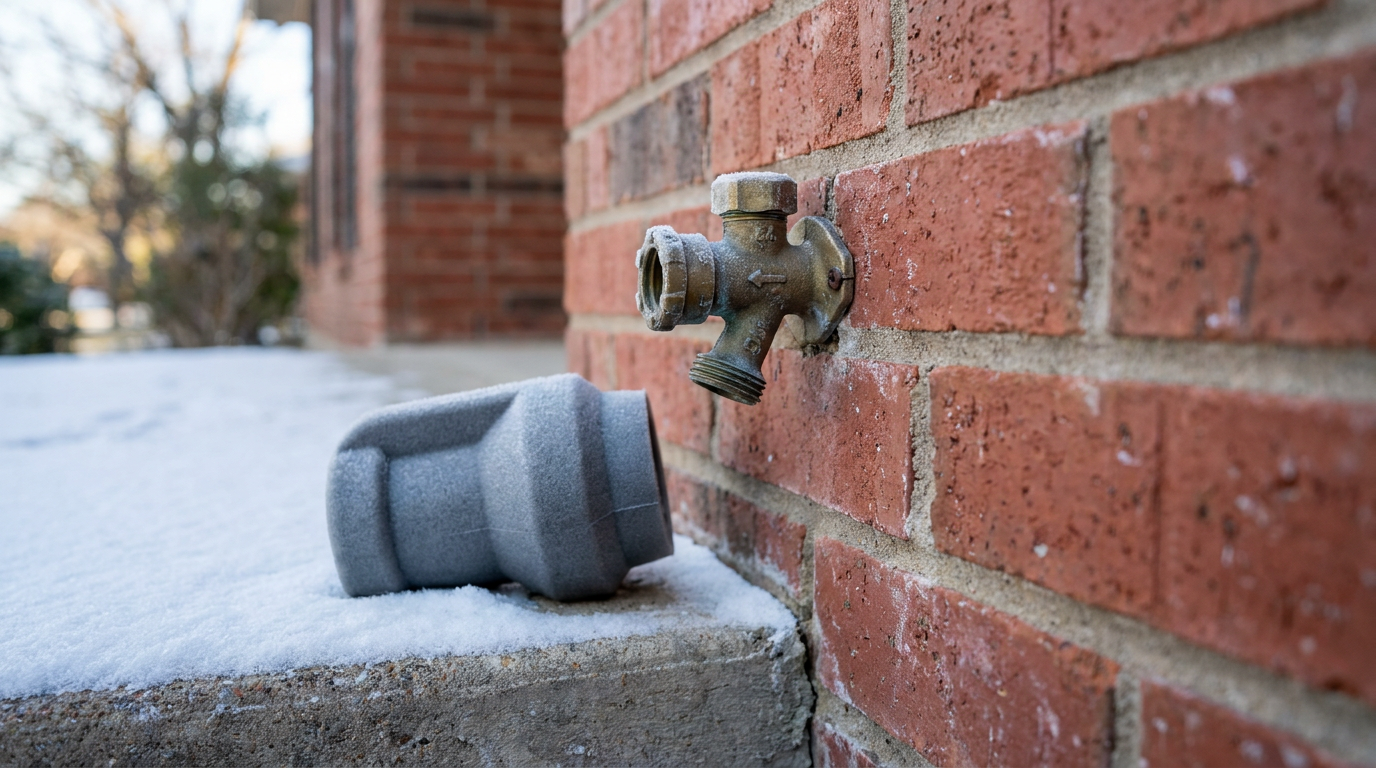
Isolate and Drain Exterior Plumbing — Pull every rubber garden hose off the outdoor spigots right away; water trapped in an attached hose can burst the brass bibb stem inside the wall. Shut the interior valve feeding each exterior hose bibb, then crack the outside spigot open to bleed off the leftover water.
- Tool: Insulated foam outdoor faucet covers ($4–$8 each).
- If you don’t have interior shutoffs, slide thick molded-foam insulating bibb jackets over the faucets and cinch the cords tight against the siding.
-
Stage Your Heating System and Set Baseline Temps — Bring your central thermostat up to 70°F or 72°F during the watch phase so the framing and drywall hold a good thermal buffer. If you’ve got a heat pump, make sure the auxiliary heat strips kick on without popping the 60-amp breakers at the air handler.
- Swap out any dirty 1-inch or 4-inch pleated furnace filters now so you get decent airflow across the heat exchanger.
- If you heat with wood, haul in at least two to three days’ worth of seasoned hardwood so it stays dry and ready.
-
Protect Critical Interior Water Lines — Open the vanity cabinet and kitchen sink doors on exterior walls so warm room air can wash around the P-traps and copper or PEX lines. If the forecast says sub-freezing temps under 20°F for more than 24 hours, set a pencil-lead-thin drip on the fixture farthest from the main water meter.
- A moving stream makes ice crystals work a lot harder.
- Find your whole-house main shutoff valve—crawlspace, basement, front yard curb stop, wherever it lives—and make sure the gate or ball valve turns without a fight.
-
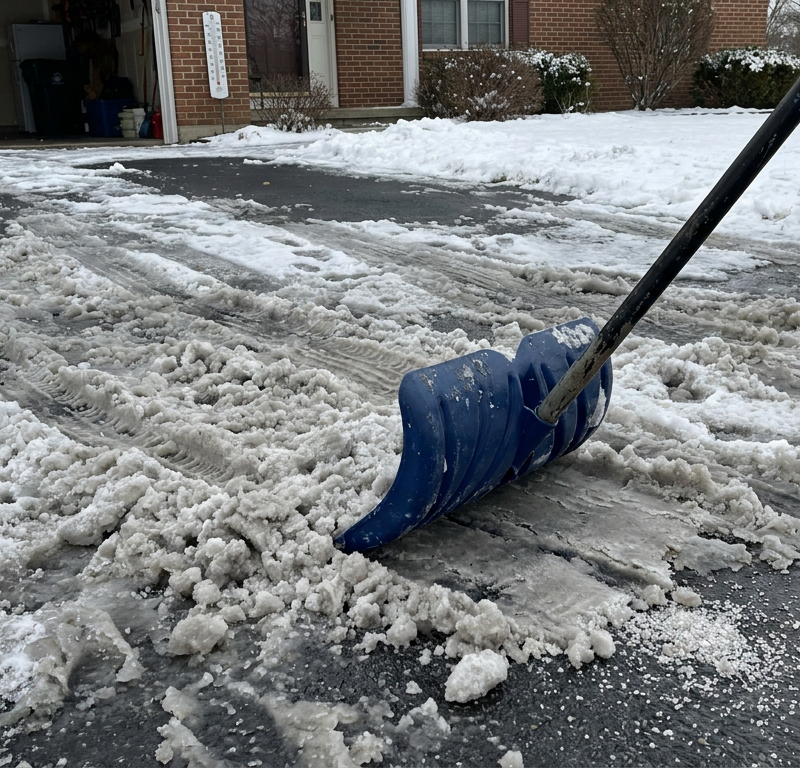
Clear Roof Drainage and Inspect Trees — During the Watch, get the packed leaves out of the gutters and downspout boots before sleet glazes everything over. Ice dams show up when melting snow backs up behind frozen gutters and drives water up under the shingles. Ugly mess.
- Tool: Telescoping roof rake and safety glasses.
- Cut back dead or overhanging limbs within 10 feet of your service drop or roofline; a half-inch glaze of ice can add roughly 500 pounds of weight to mature branches.
-
Inspect and Test Standby Power Equipment — Roll your portable generator to an open, well-ventilated outdoor spot at least 20 feet away from windows, doors, or soffit vents. Check the oil, usually 5W-30 or 10W-30 synthetic for cold weather, top off fresh non-ethanol gasoline treated with stabilizer, and run it under load for 15 minutes.
- Don’t ever backfeed through a dryer outlet; use a dedicated mechanical interlock kit on the main panel or run heavy-duty 10-gauge or 12-gauge outdoor extension cords straight to the critical appliances.
- Test every battery-operated carbon monoxide detector on every floor of the house.
-
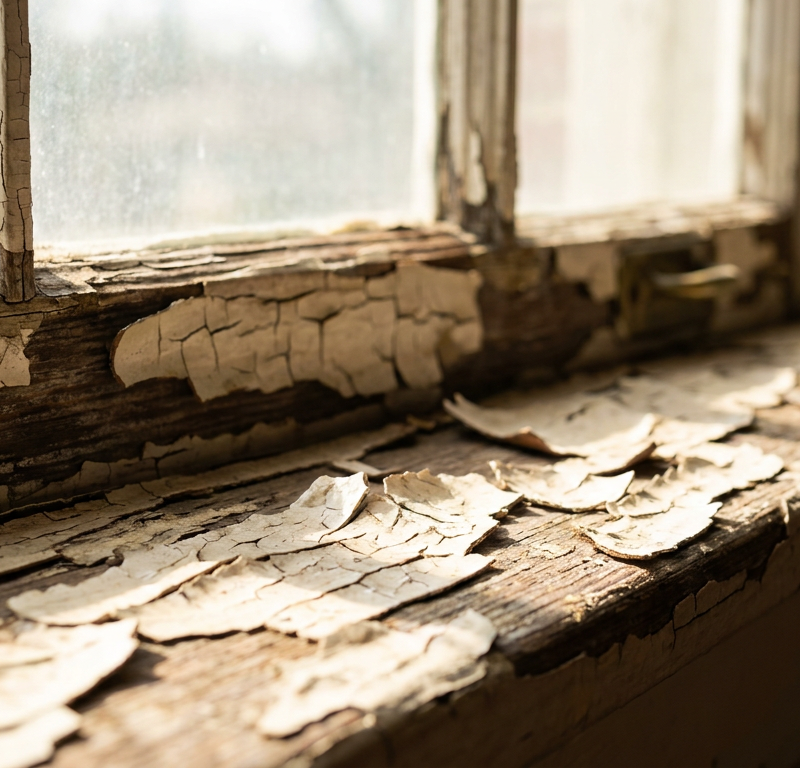
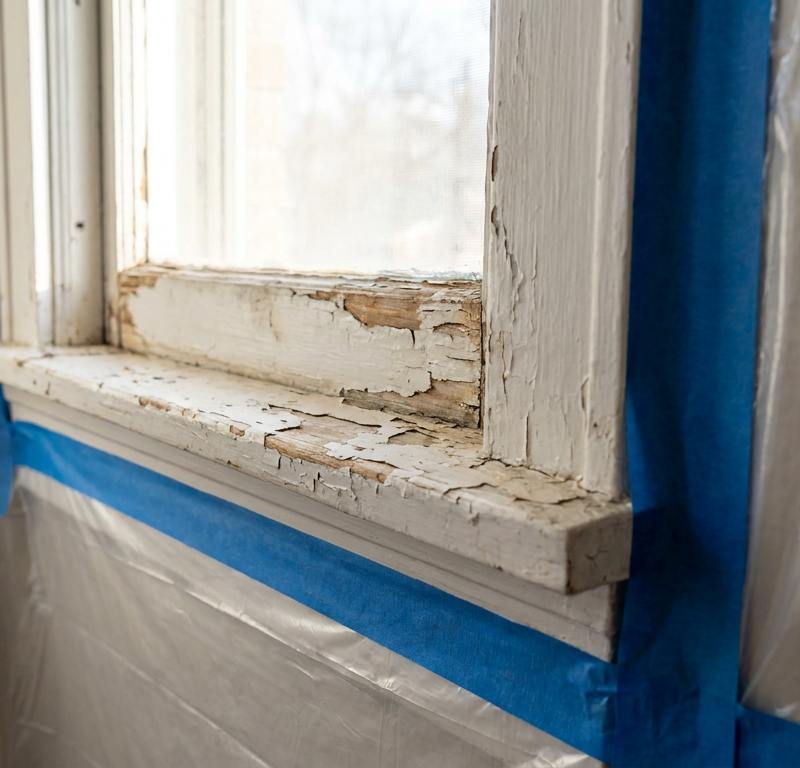
Seal Air Leaks and Structural Thermal Gaps — Check window frames, exterior door thresholds, and attic pull-down stairs for drafts. Cold air sneaks in fast, and once the wall cavities drop, any plumbing tucked in there can freeze in a hurry.
- Material: Closed-cell foam weatherstripping tape or temporary silicone peelable caulk.
- Roll dense towels or silicone draft stoppers along the bottom of exterior doors that lead to unheated garages or porches.
-
Secure Clean Water and Drainage Sanitation — Clean and sanitize bathtubs, then fill them with cold water so you’ve got manual flushing water for gravity-tank toilets if municipal pressure drops or the well pump loses power. Keep at least one gallon of potable water per person per day for a minimum of 72 hours.
- Pour a half-cup of non-toxic RV antifreeze (propylene glycol) into basement floor drains and rarely used utility sink traps so sewer gas doesn’t come up if the P-traps dry out or freeze.
-
Transition to Lockdown Mode Upon Warning Issuance — Once the NWS upgrades your area to a Winter Storm Warning, pull the vehicles into the garage, shut the overhead door, and stay off the road. Check fuel during the watch so you’re not forced to brave slick streets during the warning.
- Pull interior blinds and thermal curtains shut to cut radiant heat loss through the glass.
- Keep your cell phones, tablets, and lithium power banks charged to 100% and flip them into low-power mode.
Common Causes
Why do these alerts get issued, and why do they wreck homes in such different ways?
- Rapid Cyclogenesis (Bomb Cyclone): When central pressure drops fast, freezing polar air gets pulled into moist subtropical jet streams. That’s how you get 1 to 3 inches per hour and roof trusses that start begging for mercy.
- Warm Air Advection Inversions: Cold sub-freezing air gets trapped near the ground while warmer air sits at 3,000 to 5,000 feet. Snow melts up high and turns into supercooled droplets that freeze on roofs, power lines, and brick—classic Ice Storm Warning territory.
- Thermal Inefficiency in Residential Construction: Houses with uninsulated attic kneewalls, leaky rim joists, or unconditioned crawlspaces just can’t hold pipe temperatures when the air drops below 20°F.
- Tree Canopy Neglect: Dead or overgrown hardwoods can’t handle the load from ice coatings over 0.25 inches, so limbs come down on service masts and roofs. I pulled a water heater in Frisco last month that had exactly this kind of failure chain—limb, line, outage, then frozen pipes all over the place.
Common Mistakes
- Waiting for the Warning to Buy Supplies: If you hit the big-box store after a Winter Storm Warning is posted, you’re usually too late. Shelves are bare, faucet covers are gone, space heaters are sold out, and the roads are already slick. Shop when the Watch first goes up.
- Running a Generator Inside an Enclosed Space: Every winter, folks get carbon monoxide poisoning from portable generators running in garages, breezeways, or covered porches. You need at least 20 feet of clear outdoor space, and the exhaust has to point away from openings.
- Using Open Flames or Torches on Frozen Pipes: A propane torch near copper pipe behind a wall cavity can light off dry framing lumber or old fiberglass facing in a heartbeat. If a pipe freezes, open the faucet and warm the area gently with an electric heat gun, hair dryer, or radiant room heater.
- Ignoring the Main Water Shutoff Until Catastrophe Strikes: If a freeze crack happens, water can blast out at 40 to 80 PSI the second the ice plug melts. If you don’t know where the shutoff is—or it’s seized solid—you’ll be watching gallons flood the living room while you wait on a utility crew.
- Leaving Heating Zones Turned Off to "Save Money": Dropping unused bedrooms or basements to 55°F creates dead, cold pockets where hidden branch lines freeze fast. Keep all zones at least 65°F during severe cold snaps.
Cost & Time Breakdown
| Task | DIY Cost | Pro Cost | Time |
|---|---|---|---|
| Insulate outdoor hose bibbs & exposed crawlspace pipes | $15–$45 | $150–$300 | 30–45 mins |
| Clear gutters and inspect downspouts | $0–$25 | $125–$250 | 1–2 hours |
| Generator maintenance, fuel staging & test run | $30–$75 | $150–$250 | 45 mins |
| Furnace filter swap & auxiliary heat check | $15–$40 | $100–$175 | 15 mins |
| Emergency supply run (water, shelf food, batteries) | $50–$120 | N/A | 1–2 hours |
| Pre-storm tree trimming near service lines | $0 (hand pole saw) | $400–$1,200 | 2–4 hours |
Tips & Prevention
- Insulate Water Lines Every Autumn: Walk the attic, crawlspace, and garage before winter hits. Put split-foam polyethylene pipe insulation, minimum 1/2-inch wall thickness, over every exposed pipe and tape the joints with heavy-duty PVC pipe wrap.
- Install Frost-Free Sillcocks: Swap out old outdoor brass hose bibbs for modern 8-inch to 12-inch frost-free anti-siphon sillcocks. That puts the valve seat deep inside the heated wall cavity where freezing air can’t get to it.
- Maintain a Dedicated Fuel Stash: Keep 10 to 15 gallons of fresh non-ethanol gasoline or two 20-pound propane tanks on hand through winter. Rotate the fuel into a daily vehicle every 6 months so it doesn’t varnish up the generator carburetor.
- Install Smart Freeze Sensors: Put battery-operated smart water and temperature pucks in vulnerable spots like the crawlspace, by the water heater, and behind the washing machine. Set them to ping your phone whenever temps dip below 45°F.
- Clear Flues and Intake Terminals: High-efficiency furnaces and tankless water heaters vent through white PVC pipes that exit the side of the house. Heavy drifting snow can block those pipes and shut the system down on a safety fault right in the middle of a freeze.
When to Call a Professional
Some storm prep jobs and winter failures are just plain outside the DIY lane. If you spot sagging overhead service lines or limbs laying across electrical conductors, call your local electric utility provider right away—don’t touch anything near live lines and don’t try to clear branches yourself.
Call a licensed master plumber if a burst pipe happens inside a wall or ceiling cavity, or if you turn on faucets during a freeze thaw and get zero flow, which usually means you’ve got a deep pressurized ice block ready to split the lines. If your roof develops big ice dams and water is dripping through drywall seams or down ceiling light fixtures, get an emergency roofing crew with commercial low-pressure steam machines. And if your furnace won’t ignite or keeps tripping its primary high-limit sensor, bring in an HVAC tech instead of bypassing the safety controls.
FAQs
What is the core difference between a Winter Storm Watch and a Winter Storm Warning?
A Winter Storm Watch goes out 48 to 72 hours ahead of time when conditions look good for hazardous winter weather, but the exact track and intensity are still uncertain. A Winter Storm Warning hits 12 to 36 hours before arrival when forecasters have high confidence—typically 80% or greater—that severe conditions like heavy snow, sleet, or ice will cause dangerous impacts.
What does a Winter Weather Advisory mean compared to a Warning?
A Winter Weather Advisory means winter conditions are expected, but they’re less severe than warning-level events. I’d call an advisory a heads-up for slippery, inconvenient conditions that call for caution, while a warning means life-threatening conditions and serious travel or structural hazards.
How much snow triggers an official Winter Storm Warning?
The criteria change by region because local infrastructure handles snow differently. In northern states, a warning often takes 6 to 8 inches of snow within 12 hours. In southern climates that don’t deal with winter weather much, as little as 2 to 3 inches of snow or a light glaze of freezing rain can trigger the full warning.
What should I do first when a Winter Storm Watch is announced?
Check your heating fuel and generator supplies, test your carbon monoxide alarms, and isolate all exterior plumbing. Pull off garden hoses and put insulated bibb covers on outdoor faucets before freezing rain or sleet makes outside work miserable.
Should I let my indoor faucets drip during a Watch or wait for a Warning?
Keep the faucets closed during the Watch as long as normal temperatures are still hanging on. Once the Winter Storm Warning kicks in and temps drop below 20°F—especially overnight—set a slow, steady trickle of cold water on faucets fed by pipes running along exterior walls.
How do I prevent ice dams before a winter storm hits?
During the Watch window, use a roof rake to pull snow off the lower 3 to 4 feet of the roof deck and clear every downspout opening. Make sure the attic floor is well air-sealed and insulated so heat doesn’t leak into the roof space and melt snow unevenly.
Is it safe to use a propane camp heater indoors if the power goes out?
No. Don’t use outdoor-rated fuel heaters, charcoal grills, or camp stoves inside an enclosed home. That’s a carbon monoxide disaster waiting to happen. Only use heaters that are explicitly rated and certified for indoor residential use with built-in low-oxygen sensors, and keep a working battery-operated carbon monoxide detector in the same room.
What should I do if my home's power cuts out during a Winter Storm Warning?
Start by closing off unused rooms so the home can hold heat in one central area, and shut the heavy drapes. Turn off major appliances and electronics at the breaker so you don’t get hit with surges when the grid comes back. If indoor temps start sliding toward freezing, shut off the main water valve and open all faucets to drain the interior plumbing before it freezes and cracks.
Repair or replace this system?
Plug in four numbers and see which choice holds up financially.
Free and instant. Educational guidance only — not a quote, inspection, or professional diagnosis.
Questions to ask before you sign
Ask every contractor the same questions and the cheapest bid stops looking cheapest. Check them off as you go — your progress is saved on this device.
Free, no signup. Bring this to every walkthrough so you compare bids on the same terms.
What should this project cost?
Enter your project details for a realistic cost range before you call anyone.
Common repairs run $150–$650; repipes and water-heater replacements reach $1,500–$4,500.
- Regional adjustment
- National average
- Labor share (typical)
- ~$754
- Quotes to collect
- 3 written estimates
Educational estimate based on national averages — not a binding quote. Always confirm with written local estimates.
Handle this before it gets worse
First steps that limit damage, then a way to reach a qualified pro.
- Emergency repair checklistThe first steps that limit damage before a pro arrives.Open
- Get local estimatesSend one request and compare written estimates from vetted pros.Open
- Estimate this projectGet a cost range for your scope and ZIP before you call anyone.Open
Free, no signup required. Estimates are educational guidance, not a quote or an inspection.
Get the print-ready PDF of this guide
A clean, ad-free, printable version you can keep on your phone or pin to the workshop wall. Free with a FixlyGuide account.
- Print-optimized layout
- Tools, materials & every step included
- Saved to your account
This article was independently written by FixlyGuide based on the source topic.
Frequently asked questions
What is the core difference between a Winter Storm Watch and a Winter Storm Warning?+
A Winter Storm Watch is issued 48 to 72 hours in advance when conditions are favorable for hazardous winter weather, but the exact track and intensity remain uncertain. A Winter Storm Warning is issued 12 to 36 hours before arrival when forecasters have high confidence (typically 80% or greater) that severe conditions—such as heavy snow, sleet, or ice—will create dangerous impacts.
What does a Winter Weather Advisory mean compared to a Warning?+
A Winter Weather Advisory indicates winter conditions are expected, but they will be less severe than warning-level events. Think of an advisory as an alert for inconvenient, slippery conditions that require extra caution, whereas a warning signals life-threatening conditions and major structural or travel hazards.
How much snow triggers an official Winter Storm Warning?+
Criteria vary by geographic region because local infrastructure handles snow differently. In northern states, a warning often requires 6 to 8 inches of snow within 12 hours. In southern climates unaccustomed to winter storms, as little as 2 to 3 inches of snow or a light glaze of freezing rain will trigger a full warning.
What should I do first when a Winter Storm Watch is announced?+
Check your heating fuel and generator supplies, test your carbon monoxide alarms, and isolate all exterior plumbing. Disconnect garden hoses and install insulated bibb covers over outdoor faucets before freezing rain or sleet makes outdoor tasks dangerous.
Should I let my indoor faucets drip during a Watch or wait for a Warning?+
Keep your faucets closed during the Watch phase while normal temperatures persist. Once the Winter Storm Warning takes effect and temperatures drop below 20°F—especially overnight—turn on a slow, steady trickle of cold water on faucets fed by pipes running along exterior walls.
How do I prevent ice dams before a winter storm hits?+
During the Watch window, use a roof rake to pull existing snow off the lower 3 to 4 feet of your roof deck and clear all downspout openings. Ensuring your attic floor is thoroughly air-sealed and insulated prevents heat from escaping into the roof space and melting snow unevenly.
Is it safe to use a propane camp heater indoors if the power goes out?+
No. Never use outdoor-rated fuel heaters, charcoal grills, or camp stoves inside an enclosed home due to extreme carbon monoxide poisoning hazards. Only run heaters that are explicitly rated and certified for indoor residential use with built-in low-oxygen sensors, and always keep a working battery-operated carbon monoxide detector in the same room.
What should I do if my home's power cuts out during a Winter Storm Warning?+
First, close off unused rooms to concentrate your home's thermal heat in a central living area, and pull heavy drapes shut. Turn off major electrical appliances and electronic equipment at the breaker to avoid power surges when the grid restores. If indoor temperatures begin falling toward freezing, shut off your main water valve and open all faucets to drain your interior plumbing lines before they freeze and crack.
Discussion
Loading comments…