- Class A: Ordinary combustibles (wood, paper, cloth, trash).
- Class B: Flammable liquids and gases (grease, oil, paint, propane).
- Class C: Energized electrical equipment (appliances, wiring).
- Class D: Combustible metals (special industrial applications, not typically found in homes).
- Class K: Cooking oils and fats (specifically for commercial kitchens, but good to know if you're a serious home chef).
Published May 27, 2026Last updated August 17, 2026
Tools & materials you'll need
Affiliate links- AmazonABC-rated fire extinguisherat least 1
As an Amazon Associate FixlyGuide earns from qualifying purchases — at no extra cost to you. Prices and availability are accurate as of publication and subject to change.
Quick Answer
Many homeowners mistakenly believe simply owning a fire extinguisher is enough for fire safety. However, common errors like neglecting the pressure gauge, not knowing the correct extinguisher type for different fires, and improper usage can render them useless in an emergency. Regularly inspect your extinguishers, understand fire classifications (A, B, C, D, K), and practice the P.A.S.S. method (Pull, Aim, Squeeze, Sweep) to ensure you're prepared. Strategic placement, awareness of expiration dates, and knowing when to evacuate are vital for effective fire response.
The Problem
You've invested in fire extinguishers, placing them dutifully around your home. You feel a sense of security, believing you're prepared should a small fire erupt. Yet, statistics show that a significant number of home fires result in substantial damage or injury, even when extinguishers are present. The disconnect often lies in critical misunderstandings about these essential safety devices. It's not enough to simply have an extinguisher; you must know if it's functional, the right type for the job, and how to use it effectively. A malfunctioning or improperly used extinguisher can waste precious seconds, allowing a small, manageable fire to escalate into a life-threatening blaze. The real problem isn't the lack of extinguishers, but the widespread lack of knowledge regarding their maintenance, selection, and deployment.
How It Works
Fire extinguishers operate on the principle of removing one or more elements of the fire triangle: heat, fuel, or oxygen. Different extinguishing agents achieve this in various ways.
Water extinguishers (Class A) primarily cool the fuel, reducing the temperature below its ignition point. They are highly effective on ordinary combustibles like wood, paper, and textiles. However, using water on electrical fires can worsen the situation by conducting electricity, and on grease fires, it can spread the burning oil.
Dry chemical extinguishers (Classes A, B, C), commonly found in homes as ABC-rated units, use a finely powdered chemical, often monoammonium phosphate. This powder works in two ways: it physically separates the fuel from the oxygen and chemically interferes with the fire's combustion process. For Class A fires, it forms a smothering layer on molten materials. For Class B (flammable liquids) and Class C (electrical) fires, it smothers the flames and interrupts the chemical chain reaction. The powder leaves a corrosive residue that needs thorough cleanup.
Carbon dioxide (CO2) extinguishers (Classes B, C) displace oxygen and cool the fire. CO2 is a non-conductive gas, making it excellent for electrical fires, and it leaves no residue, which is beneficial for sensitive equipment. However, it's less effective on Class A fires as it doesn't cool the material sufficiently to prevent re-ignition, and the gas dissipates quickly.
Wet chemical extinguishers (Class K) are specifically designed for kitchen fires involving cooking oils and fats. They create a saponification effect, forming a foam blanket that cools the fire and prevents re-ignition. They are often found in commercial kitchens but some smaller versions are available for home use.
Understanding these mechanisms is crucial because using the wrong type of extinguisher can be ineffective or even dangerous. The type of fire dictates the extinguishing agent needed to break the fire triangle safely and efficiently.
Step-by-Step Fix
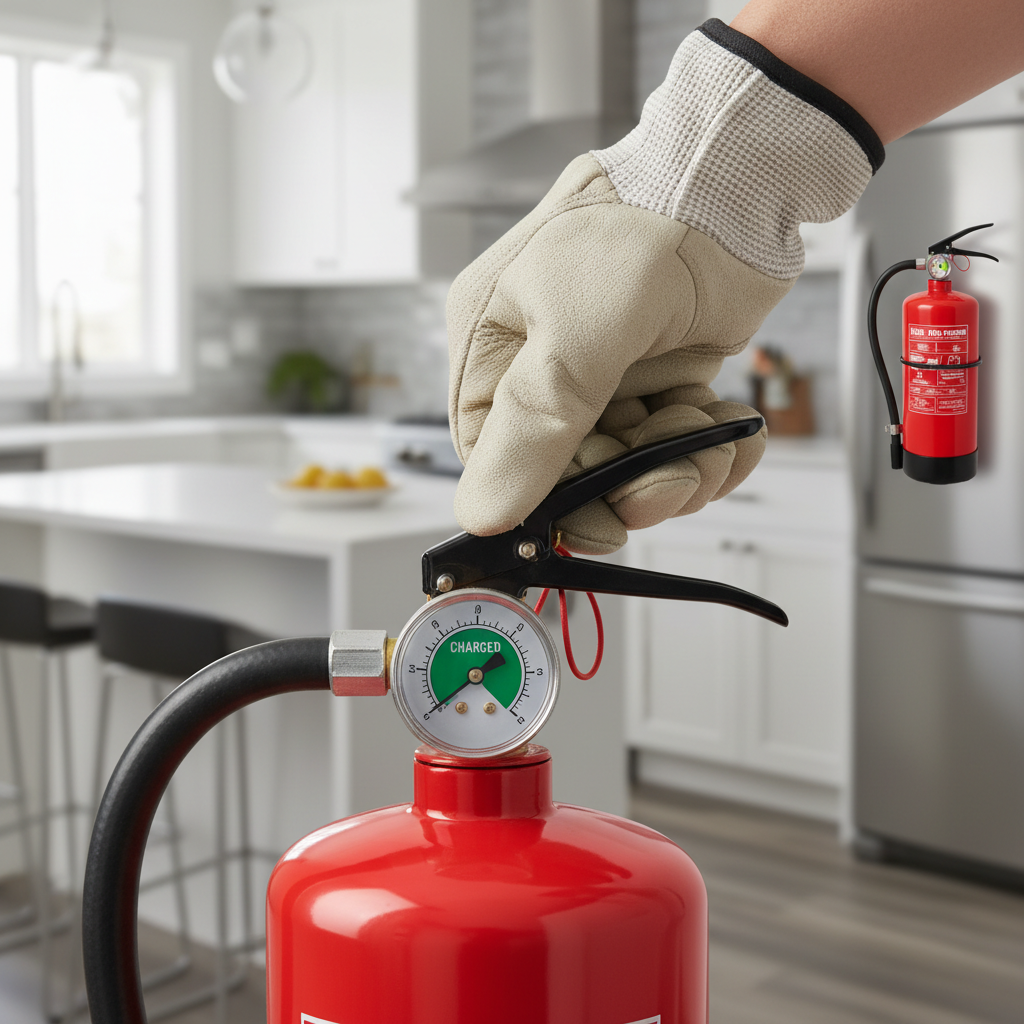
1. Inspect Your Extinguisher Regularly — Check the pressure gauge and look for physical damage.
Ensure your extinguisher is charged and in good condition. The pressure gauge on your extinguisher should always point to the green area, indicating it's properly pressurized. If it's in the red, the extinguisher needs to be recharged or replaced. Also, check for any visible signs of damage, such as a clogged nozzle, a broken tamper seal, or rust on the cylinder.
- Tool: None
- Frequency: Monthly or at least quarterly.
- If this doesn't work: If the gauge is in the red, do not attempt to fix it yourself. Take it to a professional fire equipment service for recharging or replacement. Never rely on a depressurized extinguisher.
2. Understand Fire Classes — Know which extinguisher matches which fire type.
Before you ever need to use an extinguisher, learn the different fire classifications and what type of extinguisher works for each. Most home extinguishers are ABC-rated, meaning they handle common household fires.
-
Class A: Ordinary combustibles (wood, paper, cloth, trash).
-
Class B: Flammable liquids and gases (grease, oil, paint, propane).
-
Class C: Energized electrical equipment (appliances, wiring).
-
Class D: Combustible metals (special industrial applications, not typically found in homes).
-
Class K: Cooking oils and fats (specifically for commercial kitchens, but good to know if you're a serious home chef).
-
Safety Note: Using a water extinguisher (Class A) on a grease or electrical fire can spread the fire or cause electrocution. Always match the extinguisher type to the fire classification denoted on its label.
3. Strategic Placement for Accessibility — Install extinguishers where they're most likely to be needed.
Don't just hide your extinguishers in a closet. Place them in highly accessible locations, particularly near fire hazards like the kitchen, garage, and workshop. They should be mounted on a wall bracket where they are easily visible and reachable, ideally near an exit route.
- Recommended Locations: One in the kitchen (within 10 feet of cooking equipment), one in the garage, and one on each additional living level.
- Important: Ensure they are mounted at an appropriate height; typically, the top of the extinguisher should be no more than 5 feet from the floor for heavier units, and 3.5 feet for lighter units, to allow quick access for all household members.
4. Learn the P.A.S.S. Method — Practice proper usage before an emergency.
The P.A.S.S. method is a simple acronym to remember how to operate a fire extinguisher:
-
P – Pull: Pull the pin at the top of the extinguisher. This breaks the tamper seal.
-
A – Aim: Aim the nozzle or hose at the base of the fire, not the flames themselves. Targeting the base extinguishes the fuel source.
-
S – Squeeze: Squeeze the handle to release the extinguishing agent. Release to stop the discharge.
-
S – Sweep: Sweep the nozzle from side to side at the base of the fire until the fire appears to be out. Keep an eye on the area for re-ignition.
-
Safety Note: Always maintain a safe distance, typically 6-8 feet, from the fire. If the fire grows or spreads, or if you feel unsafe, evacuate immediately.
5. Know When to Evacuate — Prioritize personal safety over property.
Understand that a fire extinguisher is designed for small, incipient-stage fires – fires that are just starting and confined to a small area. If the fire is growing rapidly, producing dense smoke, blocking your escape route, or if you're unsure, do not attempt to fight it. Evacuate immediately and call 911.
- Rule of Thumb: If it’s bigger than a wastebasket, it’s probably too big to handle with a portable extinguisher.
- Action: Ensure everyone knows the escape plan and designated meeting point outside the home.
Common Causes
- Kitchen Fires: Unattended cooking, grease fires, overloaded electrical outlets for appliances.
- Electrical Fires: Faulty wiring, overloaded circuits, damaged cords, outdated appliances.
- Heating Equipment Malfunctions: Furnaces, space heaters, chimneys not properly maintained.
- Smoking Materials: Discarded cigarettes, especially near flammable materials.
- Candles: Unattended candles, placed too close to combustibles.
- Flammable Liquids: Improper storage or handling of gasoline, paints, solvents in garages or workshops.
Common Mistakes
- Forgetting to Check the Gauge: Many homeowners assume their extinguisher is ready, only to find the pressure gauge in the red during an emergency. Make monthly inspections a habit.
- Using the Wrong Extinguisher Type: Attempting to put out a grease fire with a water extinguisher can cause the burning grease to spread rapidly, escalating the hazard.
- Placing Extinguishers Out of Reach: Hiding extinguishers in a pantry or deep closet means critical seconds are lost in an emergency. They should be highly visible and easily accessible.
- Not Knowing the P.A.S.S. Method: Panicking and not knowing how to properly operate the extinguisher can lead to ineffective use or even injury.
- Fighting Fires That Are Too Large: Overestimating an extinguisher's capability or one's own bravery can lead to serious injury or property damage if a fire is already too large or spreading rapidly.
- Ignoring Expiration/Service Dates: Extinguishers have a lifespan; chemical agents can degrade, and seals can fail. Check the manufacturer's recommendations for recharging or replacement, typically every 5 to 12 years.
Cost & Time Breakdown
| Task | DIY cost | Pro cost | Time |
|---|---|---|---|
| Purchase new ABC extinguisher | $30–$80 | N/A | N/A |
| Monthly visual inspection | $0 | N/A | 1–2 minutes |
| Professional annual inspection | N/A | $20–$50 per unit | 30–60 minutes |
| Extinguisher recharging | N/A | $15–$50 per unit | 1–2 hours |
| Replacement after discharge | $30–$80 | N/A | N/A |
| Training course (optional) | $0–$100 | N/A | 1–3 hours |
Tips & Prevention
- Schedule Monthly Checks: Add a recurring reminder to your phone or calendar to check all your fire extinguishers' gauges and physical condition. A quick glance can save lives.
- Review Fire Escape Plan Annually: Practice your family's fire escape plan at least once a year, including two ways out of every room and a designated outside meeting point.
- Maintain Smoke Detectors: Test smoke detectors monthly and replace batteries twice a year. Replace units every 10 years. Smoke detectors give you precious time to respond to a fire.
- Kitchen Safety First: Never leave cooking unattended. Keep flammable items away from heat sources. Clean grease from stovetops and exhaust fans regularly. Consider a fire blanket for small kitchen fires.
- Electrical System Check: Regularly inspect electrical cords for fraying or damage. Don't overload outlets. Have a qualified electrician inspect old wiring.
- Be Mindful of Heating: Keep anything flammable at least three feet away from space heaters, fireplaces, and furnaces. Have chimneys professionally cleaned annually.
When to Call a Professional
While knowing how to use a fire extinguisher is vital, recognize its limitations. You should call 911 immediately if a fire is spreading beyond a very small, contained area, (e.g., larger than a wastebasket). Also call emergency services if the fire involves hazardous materials, if your escape route is compromised, or if heavy, dark smoke reduces visibility. If you have any doubt about your ability to safely extinguish the fire, or if you feel any personal risk, evacuate your home and let professional firefighters handle the situation. A professional fire equipment service should be called for annual inspections of your extinguishers, especially those serving commercial-grade kitchens, or for recharging units after any use or if the pressure gauge drops into the red zone. Never attempt to refill or repair a fire extinguisher yourself as it requires specialized equipment and training. Your safety is paramount; don’t hesitate to call for help.
Related Articles
Keep troubleshooting with these hand-picked guides from FixlyGuide:
- The Secret to Lush Raised Beds? It's Not Just About How You Water — Smart irrigation for raised garden beds isn't just about automation; it's about delivering the right amount of water precisely when your pl…
- The Hidden Reason Your GFCI Trips (It's Not Always a Faulty Outlet) — A continuously tripping GFCI outlet is a critical safety warning, often indicating moisture, a faulty appliance, or a wiring problem that r…
- The Hidden Reason Your AC Isn't Cooling (And Why Most Homeowners Get It Wrong) — Is your central AC blowing warm air or struggling to cool your home? The culprit is often a silent but serious issue many homeowners overlo…
- The #1 Mistake Homeowners Make When Fighting Backyard Bugs (And 7 Fixes) — Many homeowners unknowingly make a critical mistake that sabotages their efforts to control backyard bugs, but seven effective fixes can he…
- The Sneaky Way a Gas Tax Freeze Could Raise Your Property Bill — A gas tax freeze promises immediate relief at the pump, but for homeowners, it can trigger hidden costs, from deteriorating roads to potent…
- The #1 Mistake Homeowners Make After Finding Missing Shingles (And How to Fix It Right) — Discover the crucial steps to take after a storm rips shingles from your roof, ensuring a proper, lasting repair and preventing costly futu…
What should this project cost?
Enter your project details for a realistic cost range before you call anyone.
Cost depends heavily on which system turns out to be the source.
- Regional adjustment
- National average
- Labor share (typical)
- ~$1,620
- Quotes to collect
- 3 written estimates
Educational estimate based on national averages — not a binding quote. Always confirm with written local estimates.
This article was independently written by FixlyGuide based on the source topic.
Frequently asked questions
How often should I check my home fire extinguisher?+
You should visually inspect your fire extinguisher at least once a month. Check the pressure gauge to ensure it's in the green zone, and look for any signs of physical damage or a broken tamper seal. Mark the inspection date on the tag attached to the extinguisher.
What does an ABC-rated fire extinguisher mean?+
An ABC-rated fire extinguisher is designed to combat Class A, Class B, and Class C fires. Class A fires involve ordinary combustibles like wood and paper; Class B fires involve flammable liquids and gases such as grease, oil, and paint; and Class C fires involve energized electrical equipment. Most home fire extinguishers are ABC-rated for versatility.
When should I replace my fire extinguisher?+
Fire extinguishers don't have a strict expiration date like food, but they do have a lifespan. Disposable units should be replaced after 10-12 years or immediately after any use. Rechargeable units need professional servicing and recharging after any use or if the pressure gauge falls into the red. Always follow the manufacturer's specific guidelines.
Can I put out a grease fire with water?+
Absolutely not. Using water on a grease fire is extremely dangerous. Water can cause the burning grease to spatter and spread the fire rapidly, potentially causing severe burns or extending the blaze. For a small grease fire, try to smother it with a metal lid or use a Class B or ABC-rated fire extinguisher.
Discussion
Loading comments…