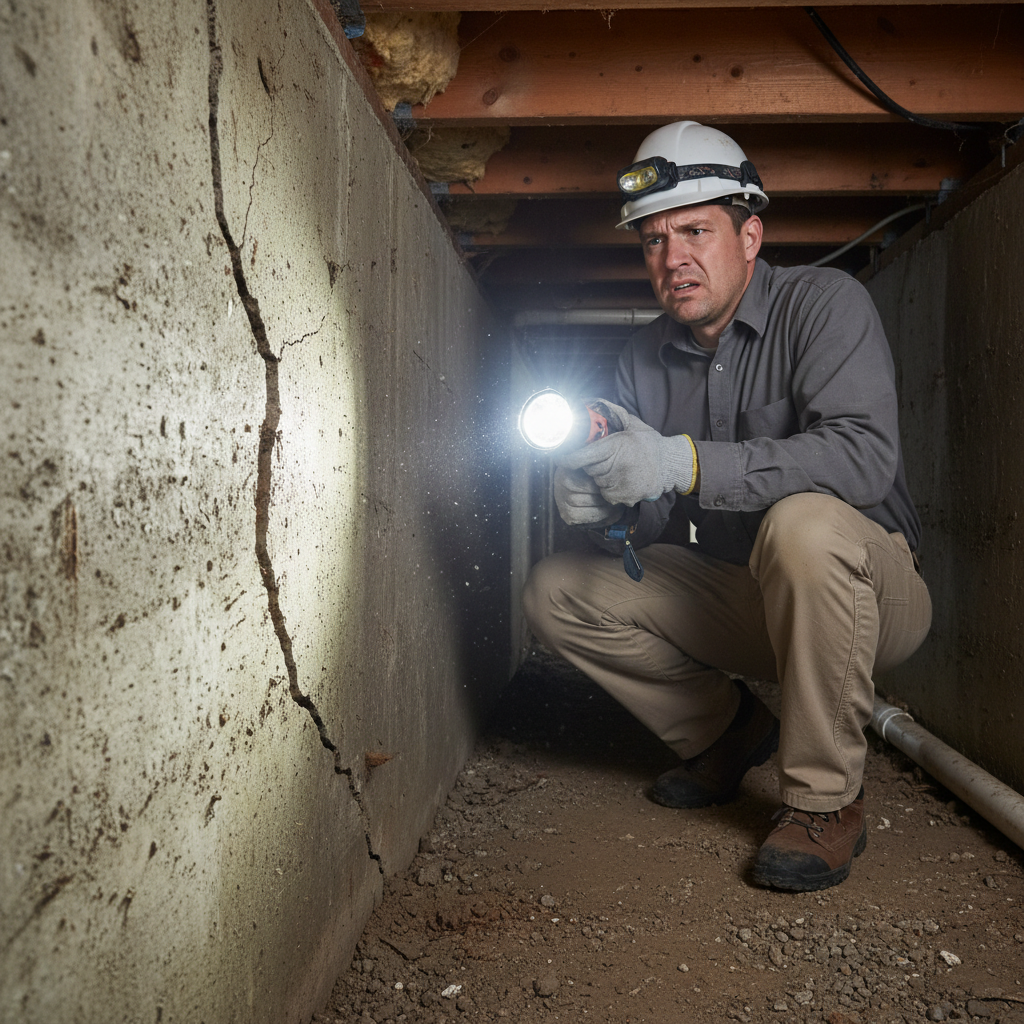
- Ignoring the Inspector's Advice: You hired a professional for their expertise. If they flag an issue as serious, take it seriously and investigate further.
- Not Getting Specialist Evaluations: Relying solely on the general inspector's report for a major issue like a foundation crack is a huge error. A structural engineer’s report is required for a true diagnosis.
- Underestimating Repair Costs: Without multiple written quotes from contractors, any repair cost figure is pure speculation. A "small crack" can easily turn into a $30,000 foundation piering project.
- Falling in Love with the House: Emotional attachment can blind you to serious flaws. You must be willing to walk away, no matter how much you love the paint colors or the backyard.
- Waiving the Inspection Contingency: In a hot market, buyers are sometimes tempted to waive the inspection to make their offer more attractive. This is extremely risky and can leave you with no recourse if major defects are discovered later.
Foundation · Cracks or settlement
| Project category | Foundation |
|---|---|
| Problem type | Cracks or settlement |
| Trade required | Foundation repair |
| Urgency | Soon — within weeks |
| Safety risk | High safety risk |
| DIY suitability | Licensed pro only |
| Cost category | Major investment |
| Typical timeline | Engineer report first; work typically several days |
| Contractor type | Foundation repair company with a structural engineer report |
Repair option
Drainage correction and targeted pier installation where movement is measured.
Replacement option
Full underpinning when settlement is widespread.
Common causes
- Expansive clay soil cycling wet and dry
- Poor drainage or downspouts dumping at the slab
- Plumbing leak washing out soil under the foundation
Relevant tools:compare quotesproject cost estimator
Published August 7, 2026Last updated August 17, 2026
Tools & materials you'll need
Affiliate linksNo materials required.
As an Amazon Associate FixlyGuide earns from qualifying purchases — at no extra cost to you. Prices and availability are accurate as of publication and subject to change.
Quick Answer
The most serious home inspection red flags are foundational issues, evidence of mold or water damage, outdated electrical systems, major roof problems, and signs of pests like termites. These issues often cost tens of thousands of dollars to fix and can threaten the structural integrity and safety of the home, making them valid reasons to walk away from the purchase.
The Problem
You’ve found a house you love. It has the right number of bedrooms, a great kitchen, and a yard with mature trees. You made an offer, it was accepted, and now you’re under contract. The next crucial step is the home inspection—a top-to-bottom examination of the property's condition. While most inspections uncover a list of minor issues, some reveal problems so significant and costly they should give any buyer serious pause. These are the dreaded home inspection red flags. A cracked foundation, a failing roof, or a moldy basement aren't just minor inconveniences; they are potential financial catastrophes that can turn your dream home into a perpetual money pit. Ignoring these warning signs is one of the biggest mistakes a homebuyer can make. The emotional attachment to a house can make it tempting to overlook a "small" foundation crack or some "minor" knob-and-tube wiring, but the reality is that these problems are rarely small or minor. They represent significant safety hazards and expenses that can easily spiral out of control, far exceeding your budget and causing immense stress for years to come. Understanding which issues are deal-breakers is essential for protecting your investment and ensuring you buy a safe, sound home.
How It Works
A home inspection is a non-invasive, visual examination of a residential dwelling, performed by a licensed professional home inspector. The inspector’s job is to evaluate the property's physical condition and identify any components that are defective or nearing the end of their service life. This process typically takes 2-4 hours, during which the inspector methodically moves through the home’s interior and exterior, from the foundation to the roof. They follow a comprehensive checklist, examining key systems and structures including the HVAC (Heating, Ventilation, and Air Conditioning), plumbing, electrical systems, roofing, attic, insulation, walls, ceilings, floors, windows, doors, foundation, basement, and structural components. The inspector is not there to pass or fail the house, but to provide a detailed, objective report on its condition at the time of the inspection. After the physical inspection, the inspector will compile their findings into a lengthy written report, often 50-100 pages long, complete with photographs, descriptions of defects, and recommendations. This report is your guide to the home's health. It categorizes issues by severity, distinguishing between minor maintenance items (e.g., a dripping faucet), significant defects (e.g., a leaking water heater), and major home inspection red flags (e.g., a bowed foundation wall). The goal is to give you a clear, unbiased picture of what you’re buying, allowing you to make an informed decision. Based on these findings, you can decide to proceed with the purchase, renegotiate the price with the seller to cover repairs, ask the seller to make repairs before closing, or, if the problems are severe enough, walk away from the deal entirely.
Step-by-Step Fix
While you can't "fix" the inspection report itself, you can follow a strategic process to address the red flags it raises. Your goal is to gather information, get professional cost estimates, and decide on a course of action.
-
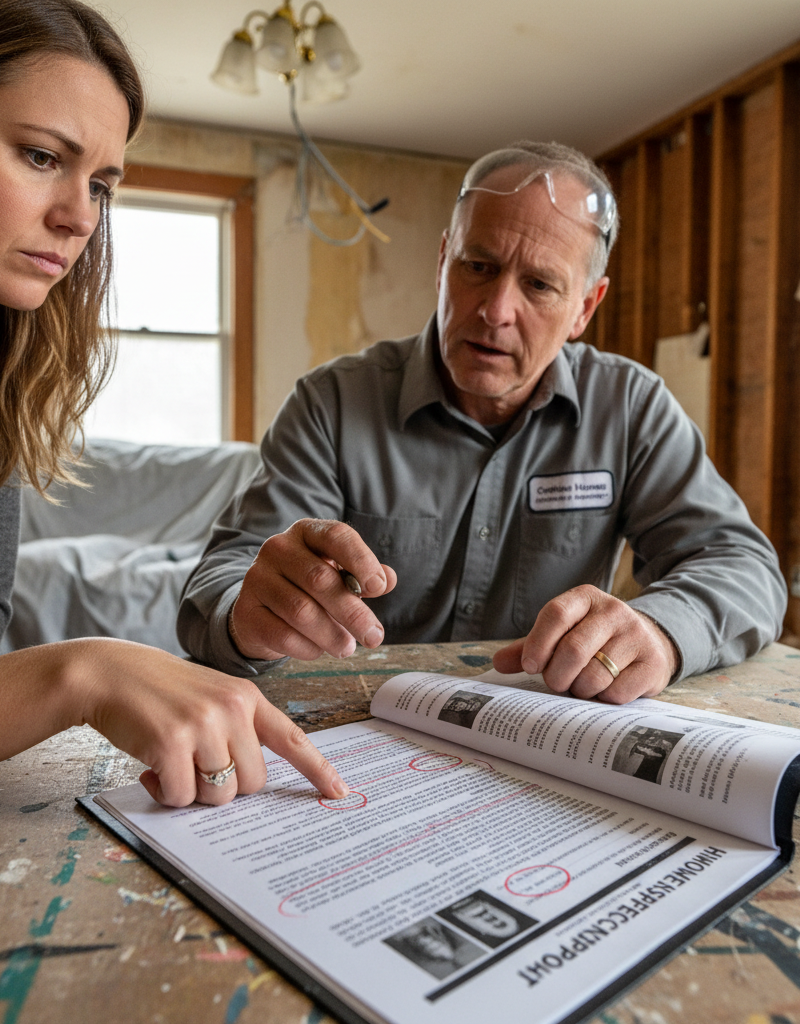
Review the Report Thoroughly — Don’t just skim the summary. Read the entire inspection report from start to finish, paying close attention to the photos and the inspector’s specific comments. Categorize each issue into three groups: minor maintenance, moderate repairs, and major red flags.
-
Consult with Your Inspector — Schedule a follow-up call with your home inspector to discuss their findings. Ask them to elaborate on the most serious issues. Questions like, "In your professional opinion, how urgent is this repair?" and "Have you seen this issue in other homes, and what was the typical outcome?" can provide valuable context.
-
Bring in the Specialists — A home inspector is a generalist. For any major home inspection red flags like foundation, roof, mold, or electrical problems, you must hire a specialist for a more detailed evaluation. For example, have a structural engineer assess foundation cracks or a licensed roofing contractor evaluate a failing roof.
-
Get Multiple Repair Estimates — Once the specialists have diagnosed the full extent of the problem, get at least three written quotes for the necessary repairs from reputable, licensed contractors. This is non-negotiable. A single quote may be inflated; multiple quotes will give you a realistic understanding of the true cost to cure the defect.
-
Analyze the Financial Impact — With firm numbers in hand, analyze the total cost of repairs. Does this figure push the home beyond your budget? Consider not only the immediate cost but also the potential for future related expenses. A new roof might solve the immediate leak, but what about the water damage to the attic framing?
-
Consult Your Real Estate Agent — Your agent is your advocate. Discuss the findings and repair costs with them. They can advise you on the best negotiation strategy based on the current market and the specifics of your contract’s inspection contingency clause.
-
Formulate a Negotiation Strategy — You have three primary options: ask the seller for a credit at closing to cover the repair costs, request that the seller complete the repairs before closing (be sure to specify licensed contractors and require receipts and warranties), or a combination of both.
-
Submit a Repair Addendum — Your agent will draft a formal addendum to the purchase agreement outlining your requests. Be specific about the work to be done or the credit you are seeking. The seller can accept, reject, or make a counter-offer.
-
Prepare to Walk Away — If the seller refuses to negotiate, or if the specialist’s report reveals the problem is worse than initially thought, you must be prepared to terminate the contract. It’s painful, but far less painful than a six-figure repair bill on a house you just bought.
-
Get a Final Walk-Through — If the seller agreed to make repairs, conduct a final walk-through before closing to ensure the work was completed to a satisfactory standard. Collect all warranties and receipts for your records.
Common Causes
Certain home inspection red flags appear more frequently than others. They are often rooted in deferred maintenance, poor original construction, or simply the age of the home. Understanding the cause can help you anticipate the severity.
- Foundation and Structural Issues: These are often caused by soil and water. Expansive clay soils that swell when wet and shrink when dry, poor drainage that allows water to pool against the foundation, or large tree roots growing too close to the house can all cause shifting, cracking, and bowing.
- Water Intrusion and Mold: Leaks are the primary culprit. A failing roof, cracked siding, poorly sealed windows, or plumbing leaks can introduce moisture into the building envelope. Combined with a lack of ventilation, especially in basements and attics, this creates the perfect breeding ground for mold.
- Outdated or Unsafe Electrical Systems: Homes built before the 1970s may still have knob-and-tube wiring, aluminum wiring, or undersized electrical panels (60-100 amps). These systems were not designed for the demands of modern electronics and appliances, posing a significant fire risk.
- Major Roof Problems: Roofs have a finite lifespan (15-30 years for asphalt shingles). Exposure to sun, wind, and rain eventually wears them out. Deferred maintenance, like failing to replace missing shingles, can accelerate decay and lead to widespread leaks.
- HVAC System Failure: Like roofs, HVAC systems have a typical lifespan of 15-20 years. Neglect, such as not changing filters or having regular tune-ups, can lead to premature failure of the furnace or air conditioner.
- Pest Infestations (Termites, Carpenter Ants): These pests are drawn to wood, especially wood that is softened by moisture. A leaky pipe or poor drainage can create the ideal conditions for a termite or carpenter ant colony to establish itself and begin damaging the home’s structure.
Common Mistakes
Buyers often make emotional decisions when faced with a scary inspection report. Avoiding these common mistakes is crucial for making a sound financial choice.
- Ignoring the Inspector's Advice: You hired a professional for their expertise. If they flag an issue as serious, take it seriously and investigate further.
- Not Getting Specialist Evaluations: Relying solely on the general inspector's report for a major issue like a foundation crack is a huge error. A structural engineer’s report is required for a true diagnosis.
- Underestimating Repair Costs: Without multiple written quotes from contractors, any repair cost figure is pure speculation. A "small crack" can easily turn into a $30,000 foundation piering project.
- Falling in Love with the House: Emotional attachment can blind you to serious flaws. You must be willing to walk away, no matter how much you love the paint colors or the backyard.
- Letting the Seller Do the Repairs Without Oversight: If you ask the seller to make repairs, specify that the work must be done by a licensed and insured contractor. Insist on seeing permits, invoices, and warranties before closing. Otherwise, they may opt for the cheapest, quickest patch job.
- Waiving the Inspection Contingency: In a hot market, buyers are sometimes tempted to waive the inspection to make their offer more attractive. This is extremely risky and can leave you with no recourse if major defects are discovered later.
Cost & Time Breakdown
Repairing major red flags is expensive and time-consuming. This table illustrates potential costs and timelines for some of the most serious issues. Costs are estimates and can vary significantly by location and the extent of the damage.
| Task | DIY Cost | Pro Cost | Time |
|---|---|---|---|
| Foundation Repair (Major Crack/Bowing) | Not a DIY job | $10,000 - $40,000+ | 1-3 weeks |
| Whole-Home Mold Remediation | Not a DIY job | $15,000 - $35,000 | 1-2 weeks |
| Complete Roof Replacement (Asphalt) | Not recommended | $8,000 - $20,000 | 3-5 days |
| Full Electrical Rewire (2,000 sq ft) | Not a DIY job | $15,000 - $25,000 | 1-2 weeks |
| Sewer Line Replacement | Not a DIY job | $5,000 - $15,000 | 2-4 days |
| Termite Damage Repair & Treatment | Not a DIY job | $3,000 - $10,000+ | 4-7 days |
Tips & Prevention
While you can't prevent issues in a house you don't own yet, you can be a smarter buyer. And once you own a home, preventative maintenance is key.
- Attend the Full Inspection: Walk through the property with the inspector. This allows you to see the issues firsthand and ask questions in real time. It’s much more impactful than just reading the report.
- Look for Telltale Signs Yourself: Before you even make an offer, look for obvious warning signs: a musty smell in the basement, stains on the ceilings, significant cracks in drywall or exterior brick, or a steeply sloped floor.
- Research the Home’s History: Look at the seller’s disclosures for any past issues. Ask your agent if they can find out the age of major systems like the roof and HVAC.
- Prioritize Water Management: Once you own a home, keeping water away from it is the #1 priority. Keep gutters clean, ensure downspouts extend at least 6 feet from the foundation, and maintain a positive grade so soil slopes away from the house.
- Schedule Regular Professional Maintenance: Have your HVAC system serviced annually, your roof inspected every 3-5 years, and a pest inspection performed yearly. This proactive approach can catch small problems before they become major home inspection red flags.
- Don't Defer Maintenance: When small issues pop up—a curled shingle, a small leak under the sink, a cracked window pane—fix them immediately. Deferred maintenance is the root cause of almost all major inspection issues.
When to Call a Professional
The entire home inspection process revolves around professional expertise. From the moment you hire the initial home inspector, you are relying on a trained eye to protect your interests. It is absolutely critical to call in specialized professionals for any significant issues uncovered in the report. A general home inspector can identify a symptom, like a large crack in the foundation wall, but only a licensed structural engineer can diagnose the cause and design a proper repair. Similarly, if the inspector’s moisture meter gets high readings inside a wall, you need a mold remediation specialist to assess the extent of the growth and provide a remediation plan. For an outdated electrical panel or evidence of faulty wiring, only a licensed electrician can determine the safety risk and the cost to upgrade the system. Trying to self-diagnose these major home inspection red flags or relying on a handyman’s opinion is a recipe for disaster. These are not areas for amateur guesswork; they require certified experts who can give you a binding quote and a detailed scope of work. This specialist report is the ammunition you need to either negotiate effectively with the seller or make the difficult but wise decision to walk away from the purchase.
What should this project cost?
Enter your project details for a realistic cost range before you call anyone.
Outlet and switch work usually $150–$400; panel upgrades commonly $1,800–$4,200.
- Regional adjustment
- National average
- Labor share (typical)
- ~$709
- Quotes to collect
- 3 written estimates
Educational estimate based on national averages — not a binding quote. Always confirm with written local estimates.
Fixly Project Decision Box
- DIY difficulty
- Professional Recommended
- Estimated time
- Diagnosis 1–2 hours
- Cost level
- Moderate
Main tools / materials
- Non-contact voltage tester
- Outlet tester
- Flashlight
When to stop and call a pro
- Burning smell, scorch marks, or a warm outlet or switch plate
- A breaker that trips again right after being reset
- Any work inside the service panel
- Aluminum wiring or cloth-insulated wiring
Need professional help?
Talk to a Licensed ElectricianGet the print-ready PDF of this guide
A clean, ad-free, printable version you can keep on your phone or pin to the workshop wall. Free with a FixlyGuide account.
- Print-optimized layout
- Tools, materials & every step included
- Saved to your account
Frequently asked questions
What are some automatic deal breakers in a home inspection?+
While every buyer's tolerance is different, automatic deal breakers often include severe foundation issues (bowing walls, major cracks), evidence of widespread mold, outdated and unsafe electrical systems (like knob-and-tube), and significant termite damage. These problems are extremely expensive to fix and compromise the home's safety and structural integrity.
How much repair cost is too much after a home inspection?+
There's no magic number, as it depends on your budget and the home's price. However, a good rule of thumb is if the total estimated cost of critical repairs exceeds 5-10% of the home's purchase price, you should seriously consider walking away, especially if the seller is unwilling to offer a significant credit.
Can I walk away after a bad home inspection?+
Yes, if your purchase agreement includes a home inspection contingency. This clause gives you a specified period (e.g., 7-14 days) to conduct an inspection. If the results are unsatisfactory, you can legally terminate the contract and get your earnest money back.
Should I buy a house with foundation issues?+
Buying a house with foundation issues is very risky. Minor hairline cracks might be acceptable, but significant problems like long horizontal cracks, bowing walls, or major settling require extensive and costly repairs (often $10,000-$40,000+). Unless you are getting the house at a massive discount and have the cash reserves to fix it, it's usually wise to walk away.
Is mold a reason to not buy a house?+
It depends on the extent. A small amount of surface mold in a shower is a simple cleaning task. However, if the inspection reveals widespread mold in the walls, attic, or basement, it indicates a significant, ongoing moisture problem. Remediation can cost tens of thousands and poses health risks, making it a very strong reason to walk away.


Discussion
Loading comments…