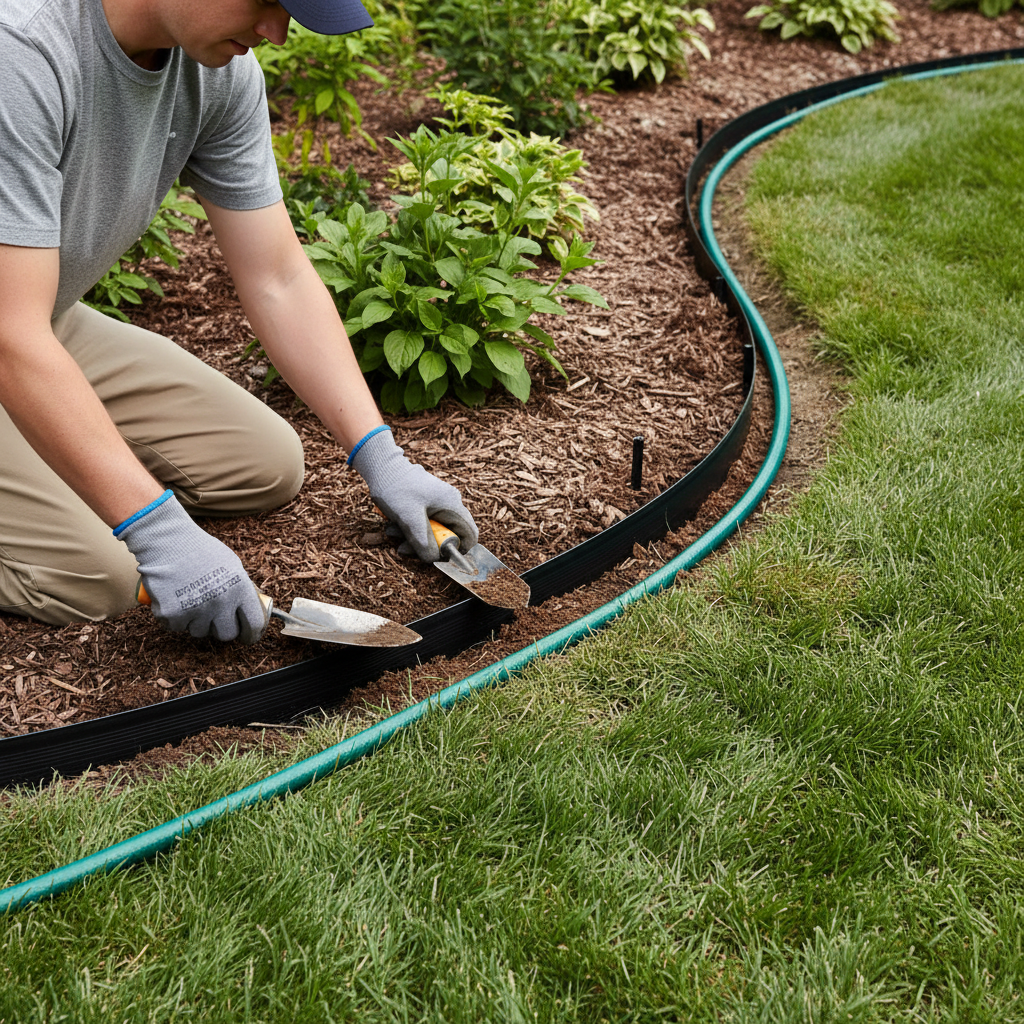
- Uneven and Wavy Lines: The edging doesn't follow a smooth curve or straight line, making the bed look messy.
- Shifting and Heaving: Over time, the edging pops out of the ground, shifts horizontally, or lifts vertically, especially after rain or frost.
- Weed and Grass Invasion: Despite the edging, grass and weeds still manage to grow underneath or through gaps, defeating the purpose.
- Visible Stakes/Connectors: The hardware meant to secure the edging is unsightly or easily dislodged.
- Damage from Mowers/Trimmers: The edging gets nicked, broken, or pushed down by yard equipment.
Landscaping · Deck or fence project
| Project category | Landscaping |
|---|---|
| Problem type | Deck or fence project |
| Trade required | Landscaping |
| Urgency | Planned project |
| Safety risk | Moderate safety risk |
| DIY suitability | DIY for experienced homeowners |
| Cost category | High cost |
| Typical timeline | Most builds 3–10 days depending on size |
| Contractor type | Landscaping contractor |
Repair option
Replace failed boards, posts, and hardware; reseal the surface.
Replacement option
Rebuild when framing or the ledger connection is unsafe.
Common causes
- Rot at posts and ledger
- Storm damage
- Adding outdoor living space
Relevant tools:home improvement material pricesproject cost estimator
Published May 18, 2026Last updated August 18, 2026
Tools & materials you'll need
Affiliate linksAs an Amazon Associate FixlyGuide earns from qualifying purchases — at no extra cost to you. Prices and availability are accurate as of publication and subject to change.
Quick Answer
Many homeowners struggle to achieve straight, stable, and weed-resistant landscape edging. The primary culprit is often an inadequate trench and poor anchoring. This leads to edging that buckles, shifts, allows grass to invade, or becomes a tripping hazard. By focusing on precise trenching, correct depth, and robust anchoring techniques, you can overcome these issues and create a clean, durable border that elevates your flower beds and simplifies yard maintenance.
The Problem
Landscape edging is a fantastic way to define flower beds, pathways, and lawns, giving your yard a polished, intentional look. It also serves a practical purpose: preventing grass and weeds from creeping into your beds and keeping mulch or gravel contained. However, if not installed correctly, landscape edging can quickly become a source of frustration rather than pride.
The most frequent complaints we hear from homeowners include:
- Uneven and Wavy Lines: The edging doesn't follow a smooth curve or straight line, making the bed look messy.
- Shifting and Heaving: Over time, the edging pops out of the ground, shifts horizontally, or lifts vertically, especially after rain or frost.
- Weed and Grass Invasion: Despite the edging, grass and weeds still manage to grow underneath or through gaps, defeating the purpose.
- Visible Stakes/Connectors: The hardware meant to secure the edging is unsightly or easily dislodged.
- Damage from Mowers/Trimmers: The edging gets nicked, broken, or pushed down by yard equipment.
These problems almost always trace back to a few fundamental errors during installation, primarily inadequate preparation of the site, incorrect depth setting, and insufficient anchoring. It’s akin to building a house without a proper foundation – no matter how good the walls look, they won't stand the test of time.
How It Works
Successful landscape edging relies on a few key principles to create a stable, long-lasting barrier. Think of it as creating a miniature foundation for your garden border.
First, there's trenching. This isn't just digging a shallow groove; it's about creating a stable, level, and appropriately shaped bed for your chosen edging material. Different edging types (plastic, metal, paver) require different trench profiles. For flexible plastic or metal edging, a V-shaped or narrow vertical trench often works best, allowing the material to flex while being firmly seated. For paver or block edging, a wider, flat-bottomed trench is essential to support the weight and prevent shifting. The depth is critical: the bottom of the edging should be set deep enough to resist frost heave and mower blades, while the top edge should be at the right height to provide both aesthetic appeal and a practical barrier against grass.
Next is material choice and placement. Flexible edging (like plastic or aluminum) is designed to create curves and can be easier for DIYers but relies heavily on strong anchoring. Rigid edging (like pavers, bricks, or steel) offers a more formal look and excellent durability but demands meticulous leveling and a more robust base. The material itself acts as a physical block against root systems and provides a crisp visual break. When placed correctly, with the top edge flush or slightly proud of the finished grade, it creates a subtle yet effective barrier.
Finally, anchoring is the unsung hero. Whether it's specialized stakes for plastic edging, the weight and interlock of pavers, or rebar for concrete borders, proper anchoring prevents movement. Without effective anchoring, even perfectly trenched edging will eventually succumb to foot traffic, weed pressure, ground freezing and thawing (frost heave), and the simple force of gravity. Stakes should be long enough to bite firmly into the subsoil, and used at intervals appropriate for the edging's flexibility and the soil conditions. The goal is to make the edging feel like a permanent, integral part of the landscape, not an afterthought.
Step-by-Step Fix
Step 1: Plan Your Layout — Define Your Lines Precisely
Before you dig, clearly mark where your edging will go. This is crucial for avoiding wavy lines and ensuring your beds look intentionally designed. Experiment with the shape until you're happy with it.
- Tools: Garden hose, spray paint, measuring tape.
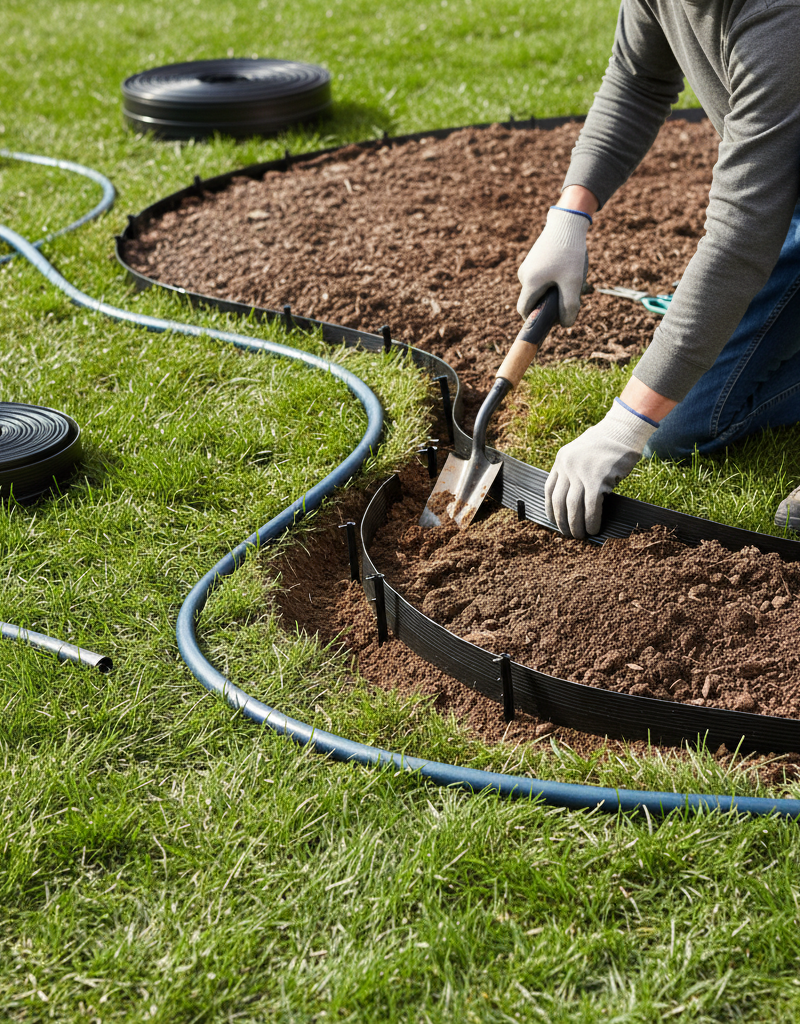
- How-To: Lay a garden hose along the desired edge. Adjust it until you achieve perfectly smooth curves or straight lines. Once satisfied, use landscape spray paint to mark the exact path. For straight lines, use stakes and string for precision. Step back and view your marked lines from different angles to ensure they meet your vision before digging.
- If this doesn't work: Your lines might be off due to uneven terrain. Consider grading the area slightly or adjusting your design to accommodate slopes naturally instead of forcing the edging.
Step 2: Clear the Area — Create a Clean Workspace
Remove any existing grass, weeds, or debris from the marked trench area. A clean base is essential for stability and professional appearance.
- Tools: Shovel, garden trowel, hoe, rake.
- How-To: Using a sharp spade or half-moon edger, cut along the spray-painted line. Dig up and remove all grass, weeds, and rocks from the immediate path where the trench will be. Ensure the area is clear of roots that could interfere with edging placement.
- Safety Note: Wear sturdy gloves to protect your hands from blisters and sharp objects.
Step 3: Dig the Trench — Establish a Stable Foundation
The most critical step for stable edging is digging the correct trench. The depth and width depend on your chosen edging material.
- Tools: Flat-bladed spade, trenching shovel, hand trowel, level.
- How-To for flexible plastic/metal edging: Dig a V-shaped trench or a narrow, vertical-sided trench approximately 4-6 inches deep and 2-3 inches wide. The depth should allow the bulk of the edging material to be buried, with only 1/2 to 1 inch exposed above the finished grade for a mower-friendly edge, or 2-3 inches for a more decorative barrier. The bottom of the trench should be firm and relatively level. Compact the soil in the trench slightly with your foot or a tamper if the soil is very loose.
- How-To for paver/brick edging: Dig a flat-bottomed trench slightly wider than your pavers (e.g., 6-8 inches for 4-inch wide pavers) and 4-6 inches deep. Add 1-2 inches of paver base (crushed gravel or screening) to the trench, then compact it thoroughly with a hand tamper. Place a thin layer (1/2 inch) of leveling sand on top of the compacted base, screeding it level with a straight board.
- If this doesn't work: Digging with a regular shovel can create an uneven trench. Consider renting a trenching tool if you have a very long run or if precision is difficult with hand tools.
Step 4: Install the Edging Material — Proper Placement is Key
Carefully place your chosen edging into the prepared trench, ensuring it sits correctly and maintains the desired height.
- Tools: Rubber mallet, snips (for plastic/metal), level, straight edge.
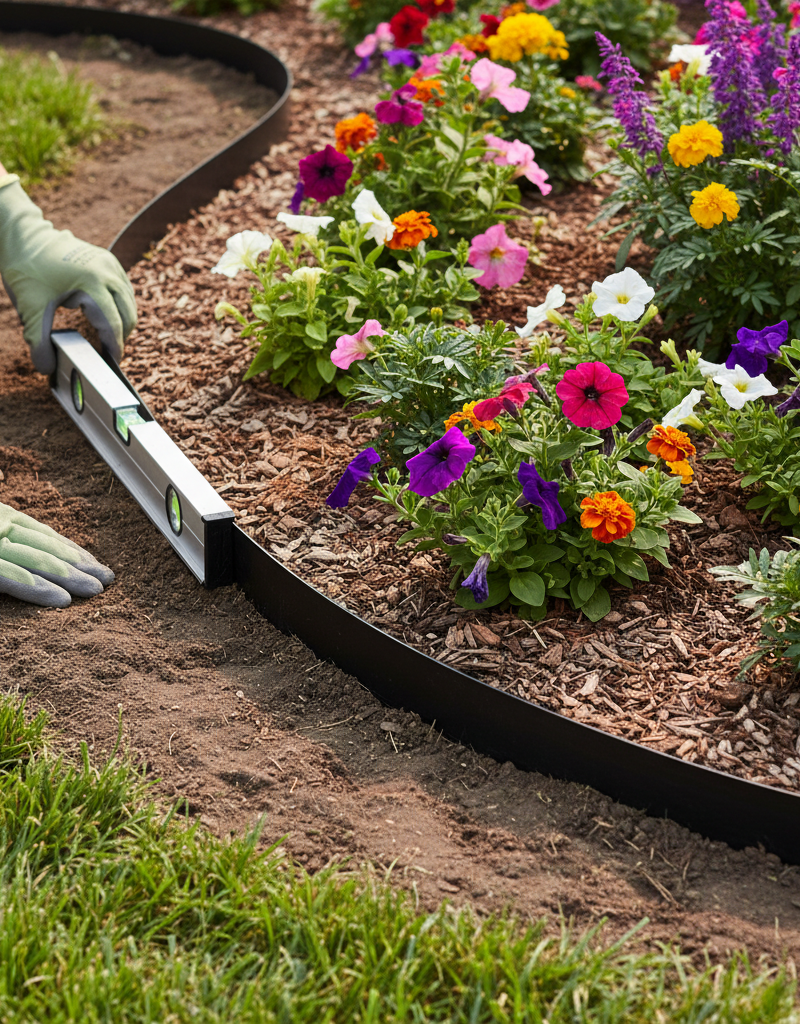
- How-To for flexible plastic/metal edging: Unroll and gradually feed the edging into the V-shaped trench, following your marked line. For curves, the V-trench helps the edging bend smoothly. For straight runs, use a long level or straight board to ensure the top edge is perfectly level and consistent in height. Overlap ends by a few inches if connecting multiple pieces and secure with connectors if provided. The top of the edging should be flush with or slightly above the finished grade of your lawn to create a mowing strip, typically no more than half an inch above ground.
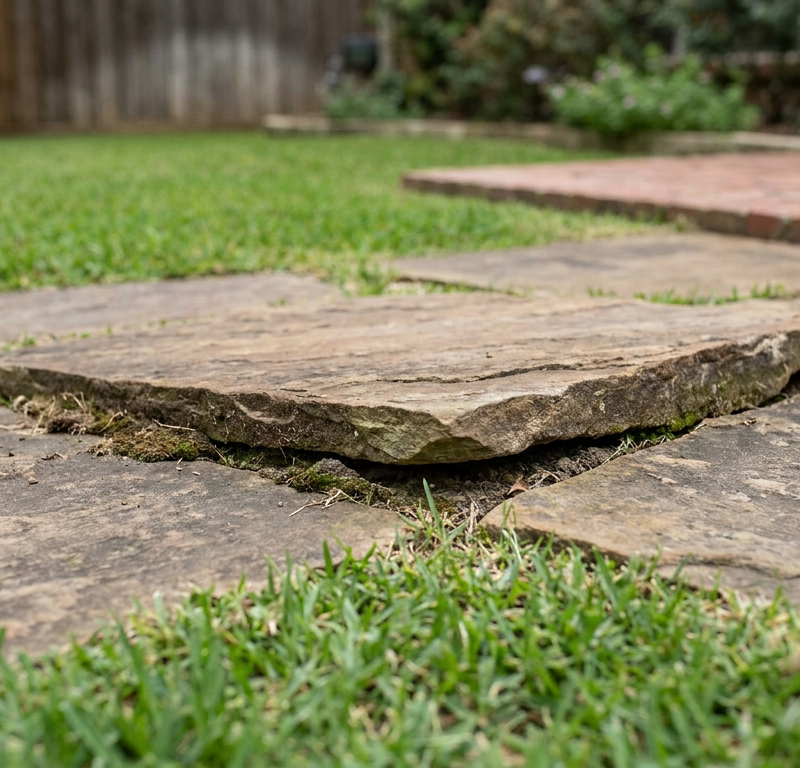
- How-To for paver/brick edging: Place your pavers or bricks onto the leveling sand, tapping them gently with a rubber mallet to seat them firmly. Use a level to ensure each paver is level and consistent with its neighbors. Check the overall level and height frequently. If needed, add or remove sand underneath individual pavers to adjust their position. For tighter curves, use smaller, specific edging pavers made for curves.
Step 5: Secure the Edging — Prevent Future Shifting
Anchoring is crucial to prevent the edging from shifting, heaving, or rising out of the ground.
- Tools: Edging stakes/spikes, hammer or mallet, drill (for pilot holes in tough ground).
- How-To for flexible plastic/metal edging: Drive the manufacturer-recommended stakes or spikes through the pre-drilled holes in the edging (or just inside the lip for some designs) into the ground. Space stakes every 2-3 feet on straight runs, and every 12-18 inches on curves to maintain the shape. Ensure stakes are driven flush with or slightly below the top of the edging so they don't interfere with mowing or become a tripping hazard. If the ground is very hard, pre-drill pilot holes for the stakes.
- How-To for paver/brick edging: Once all pavers are set, install plastic or metal paver restraint along the outside edge of the border, securing it with 10-inch landscape spikes every 1-2 feet. This restraint holds the pavers in place. Alternatively, if using a concrete haunch (for a super rigid border), mix a small batch of concrete and trowel it in a triangular bead along the outside base of the pavers, extending about halfway up the paver's side. This provides unparalleled stability.
Step 6: Backfill and Finish — Lock It All In
Once the edging is secure, backfill the trench to lock it firmly in place and create a tidy appearance.
- Tools: Shovel, rake, hand tamper (optional).
- How-To: On the lawn side, backfill the trench with the excavated soil, compacting it gently as you go. Ensure the soil is mounded slightly against the trench side to prevent water from pooling. On the bed side, backfill with garden soil, mulch, or gravel, ensuring it comes up to the desired level of the edging, but not so high that it spills over. Smooth out any uneven areas and rake the surrounding landscape to blend everything seamlessly.
Common Causes
- Insufficient Trench Depth: If the trench isn't deep enough, the edging sits too high, making it unstable and prone to being hit by mowers or dislodged easily. It also allows grass roots to grow beneath it.
- Uneven Trench Bottom: A bumpy or sloped trench bottom prevents the edging from sitting level, leading to wavy lines and visible gaps.
- Lack of Proper Compaction: Loose soil in the trench or inadequate compaction of the base material (for pavers) means the edging has no solid foundation and will settle or shift over time.
- Not Enough Anchoring: Skimping on stakes or using stakes that are too short is the quickest way to end up with heaving or shifting flexible edging. Pavers without edge restraint will eventually spread.
- Ignoring Soil Type: Very loose, sandy soils require more aggressive compaction and possibly longer stakes. Clay soils that go through freeze-thaw cycles can cause significant heaving if not properly trenched and anchored.
- Rushing the Process: Trying to complete the job too quickly often leads to cutting corners on planning, trenching, and anchoring, resulting in a poor finish.
Common Mistakes
- Skipping the Marking Step: Freehand digging leads to crooked lines. Always use a hose/string and spray paint to visualize and mark your path before digging.
- Assuming One-Size-Fits-All Trenching: Different edging materials require different trenches. A paver trench is vastly different from a flexible plastic edging trench. Read your product's instructions.
- Not Considering Drainage: If your trench becomes a channel for water, it can lead to erosion and undermine the edging. Ensure the surrounding grade allows for proper water runoff away from the edging.
- Burying Flexible Edging Too Deep or Leaving It Too High: Buried too deep, it disappears and doesn't serve its purpose. Too high, it's a tripping hazard and prone to damage. Aim for a subtle, functional height.
- Using the Wrong Stakes: Generic tent stakes aren't sufficient. Use stout landscape spikes (minimum 8-10 inches) specifically designed for edging, especially in soft soils.
- Not Backfilling Properly: Simply throwing dirt back in without compacting it gently means the edging isn't fully supported and will eventually loosen.
Cost & Time Breakdown
| Task | DIY Cost | Pro Cost | Time |
|---|---|---|---|
| Planning & Marking | $0 | $0 | 15–30 minutes |
| Clearing & Trenching | $0–$100 (tool rental) | $150–$300 | 1–3 hours per 50 ft |
| Edging Material (50 ft) | $50–$200 | $100–$400 | — |
| Stakes/Connectors | $20–$50 | N/A | — |
| Paver Base/Sand (if needed) | $30–$80 | N/A | — |
| Installation & Backfilling | $0 | $200–$500 | 2–4 hours per 50 ft |
| Total (50 ft) | $100–$430 | $450–$1,200+ | 3–7 hours |
Tips & Prevention
- Choose the Right Edging: Select an edging material appropriate for your climate and the intended use. Metal and composite edgings are generally more durable than basic plastic for long-term stability.
- Regular Inspection: Periodically walk your garden beds and check your edging. Look for any areas that seem to have shifted, risen, or loosened. Address minor issues promptly before they become major problems.
- Mulch Management: Keep mulch level consistent behind the edging. Too much can spill over, too little can allow weeds. Replenish as needed.
- Mower/Trimmer Awareness: If you have an exposed edge, be mindful when mowing or trimming. Use a weed eater with caution to avoid damaging the edging. Consider a flush-mount edging if equipment damage is a recurring issue.
- Check for Buried Obstacles: Before digging, especially in older homes, be aware of potential buried utility lines (irrigation, low-voltage lighting). Call 811 before you dig if trenching deeply or extensively.
- Winter Prep: In areas with harsh winters, ensure your edging is well-seated before the ground freezes. Frost heave can be unforgiving on poorly installed borders.
When to Call a Professional
While installing landscape edging is a common DIY project, there are specific situations where calling a professional is highly advisable. If your project involves extensive grading, significant changes in elevation, or very long and complex bed designs, a landscaper has the equipment and expertise to ensure proper water drainage and structural integrity. For paver or brick edging, if you find it difficult to achieve a perfectly level and stable base, a hardscaper can provide guaranteed results, especially with complex patterns or large areas. Additionally, if your soil conditions are particularly challenging – for instance, excessively rocky ground that makes consistent trenching difficult, or very unstable, loose soil that requires specialized compaction techniques – a professional can prevent costly mistakes and ensure your investment lasts for years. They can also advise on the best edging materials and installation methods for your specific climate and aesthetic goals, often providing warranties on their work.
Related Articles
Keep troubleshooting with these hand-picked guides from FixlyGuide:
- The 3 Hidden Mistakes That Make Landscape Edging Fail (And How to Fix Them) — Discover common mistakes homeowners make when installing landscape edging and learn the correct methods to achieve a durable, professional-…
- The #1 Mistake Homeowners Make with Landscape Edging (and How to Fix It) — Discover the most common error in landscape edging installation that leads to weeds and an uneven look, and learn the easy fix for a clean,…
- The 3 Glaring Mistakes Most Homeowners Make with Landscape Edging (and How to Fix Them) — Avoid common pitfalls when installing landscape edging to keep your flower beds neat and prevent grass invasion with these simple fixes.
- The #1 Mistake Homeowners Make Installing Landscape Edging (and How to Fix It) — Discover the most common mistake DIYers make with landscape edging and learn how to perfect your flower beds with a long-lasting, professio…
- The #1 Mistake Homeowners Make with Landscape Edging (and How to Fix It) — Discover the common pitfalls in landscape edging installation and how to avoid them for a clean, long-lasting garden border.
- The Secret to Lush Raised Beds? It's Not Just About How You Water — Smart irrigation for raised garden beds isn't just about automation; it's about delivering the right amount of water precisely when your pl…
Should you do this yourself?
Answer five quick questions before you start. Safety outranks savings every time.
Your experience with work like this
How high do you have to work?
Does the job involve any of these?
Will it need a permit?
Specialty tools
Free and instant. Educational guidance only — not a quote, inspection, or professional diagnosis.
What should this project cost?
Enter your project details for a realistic cost range before you call anyone.
Cost depends heavily on which system turns out to be the source.
- Regional adjustment
- National average
- Labor share (typical)
- ~$1,620
- Quotes to collect
- 3 written estimates
Educational estimate based on national averages — not a binding quote. Always confirm with written local estimates.
Before you start
Check the difficulty, permits, and safety risk — then decide whether to call a pro.
- Estimate this projectGet a cost range for your scope and ZIP before you call anyone.Open
- Get local estimatesSend one request and compare written estimates from vetted pros.Open
Free, no signup required. Estimates are educational guidance, not a quote or an inspection.
Frequently asked questions
Why does my landscape edging keep shifting?+
Landscape edging often shifts due to insufficient trench depth, uneven trench bottoms, poor soil compaction, or inadequate anchoring. The key is to dig a stable trench, compact the base material, and use enough long stakes or proper edge restraint to hold it firmly in place against ground movement and frost heave.
How deep should landscape edging be buried?+
For most flexible plastic or metal edging, the bulk of the material should be buried, leaving only 1/2 to 1 inch visible above the finished grade if you want a mower-friendly edge. For a more decorative barrier, 2-3 inches can be exposed. Paver or brick edging typically sits nearly flush with the lawn, with the top edge matching the surrounding grade.
Can I install landscape edging without digging a trench?+
While some 'no-dig' edging products exist, they rarely provide the same stability or weed-blocking effectiveness as trenched edging. Without a proper trench, the edging is much more prone to shifting, heaving, and allowing grass or weeds to grow underneath or around it over time. For best results, a trench is almost always recommended.
What kind of landscape edging is best for curves?+
Flexible materials like plastic, composite, or aluminum edging are ideal for creating smooth curves because they can bend easily without kinking. For a more rigid, formal look on curves, specialized 'curve' pavers or smaller, individual bricks can be used, though these require more meticulous placement and a very stable base.
Discussion
Loading comments…