- HEPA Filter Vacuum (with attachments: crevice tool, upholstery brush, dusting brush)
- Microfiber Cloths (at least 10-12)
- High-Duster with Extension Pole
- Scrub Brushes (various sizes, including a grout brush)
- Spray Bottles (for custom dilutions)
Published June 3, 2026Last updated August 17, 2026
Tools & materials you'll need
Affiliate linksAs an Amazon Associate FixlyGuide earns from qualifying purchases — at no extra cost to you. Prices and availability are accurate as of publication and subject to change.
Quick Answer
A monthly deep clean is a systematic approach to tackle accumulated dirt, grime, and oils that daily tidying misses. By focusing on a rotating schedule of intensive tasks—like descaling appliances, washing baseboards, and degreasing kitchen cabinets—you prevent the heavy buildup that turns cleaning into a multi-day chore, keeping your home consistently fresh with less overall effort.
Why This Works
The key to a home that feels perpetually clean isn't endless daily scrubbing; it's about interrupting the "grime cycle" before it becomes a major project. Dirt doesn't just appear; it builds up in layers. This buildup is a complex matrix of dust, skin cells, cooking oils, soap scum, and microbial biofilms. A simple weekly wipe-down often only removes the top layer, leaving behind a sticky or textured foundation that attracts new dirt even faster. This monthly system is designed to break that foundation.
We leverage the principles of surface chemistry to do the heavy lifting. For greasy kitchen cabinets, we don't just scrub harder; we use a solvent-based degreaser like Krud Kutter. Its formulation is designed to break down long-chain fatty acids (oils and grease) into smaller, water-soluble molecules that can be easily wiped away. For soap scum in the shower, which is primarily a compound of hard water minerals (calcium and magnesium) and soap residue, we use an acidic cleaner like CLR (Calcium, Lime, Rust Remover) or even a strong vinegar solution. The acid chemically reacts with the alkaline mineral deposits, dissolving them so they release their grip on the surface. For organic stains and discoloration in grout or on laundry, an oxygen bleach like OxiClean is the hero. When mixed with water, it releases nascent oxygen, which is highly effective at breaking the chemical bonds in chromophores (the parts of molecules that give them color), effectively bleaching the stain without the harshness of chlorine bleach.
This approach also incorporates dwell time—the most underrated element of effective cleaning. Allowing a cleaner to sit on a surface for 5-15 minutes gives its active ingredients (surfactants, solvents, acids, or enzymes) the time they need to work at a molecular level. This means less physical effort (abrasion) from you and better results. By systematically targeting each type of grime with the correct chemical tool and sufficient dwell time once a month, you remove the deep-seated layers that weekly cleaning can't touch. This leaves surfaces truly clean, smoother, and less prone to re-soiling, making your regular tidying faster and more effective.
What You Need
Tools:
- HEPA Filter Vacuum (with attachments: crevice tool, upholstery brush, dusting brush)
- Microfiber Cloths (at least 10-12)
- High-Duster with Extension Pole
- Scrub Brushes (various sizes, including a grout brush)
- Squeegee
- Spray Bottles (for custom dilutions)
- Protective Gloves (Nitrile or Latex)
- Mr. Clean Magic Eraser
- Mop & Bucket (or a system like the O-Cedar EasyWring)
Materials:
- Krud Kutter Original Cleaner/Degreaser: For greasy kitchen surfaces.
- Dawn Powerwash: Excellent for targeted grease and grime.
- Bar Keepers Friend (Powdered Cleanser): For stainless steel sinks, rust stains, and tough pot marks. (Contains oxalic acid, an effective chelating agent.)
- White Vinegar (5% acidity): For descaling coffee makers and as a glass cleaner.
- OxiClean Versatile Stain Remover: For laundry boosting and grout cleaning.
- CLR (Calcium, Lime, Rust Remover): For hard water stains on faucets and showerheads.
- Folex Instant Carpet Spot Remover: For upholstery and carpet stains.
- All-Purpose Cleaner (e.g., Mr. Clean Clean Freak or a pH-neutral option for stone)
- Disinfectant (e.g., Lysol or a 70% isopropyl alcohol solution)
Step-by-Step Method
-
Systematic Declutter & Prep — Start by doing a 15-minute "reset" in each room. Grab a laundry basket and collect anything that doesn't belong. Put away stray items, stack paperwork, and clear all surfaces. This "mise en place" for cleaning prevents you from just moving piles around and gives you clear access to the surfaces you need to deep clean.
-
Tackle Gravity's Mess (Dusting) — Always work from top to bottom to avoid re-soiling clean areas. Use an extension duster to reach ceiling corners, light fixtures, the tops of cabinets, and ceiling fans. Then, work your way down, dusting window sills, door frames, and furniture. A dry microfiber cloth is your best tool here, as it traps dust particles electrostatically instead of just pushing them around.
-
Kitchen Appliance Reboot — This is a core monthly task. Microwave: Fill a microwave-safe bowl with 1 cup of water and 2 tablespoons of vinegar. Microwave on high for 3-4 minutes until steamy, then let it sit for another 5 minutes. The steam will soften caked-on food, which you can then wipe away easily with a microfiber cloth. Coffee Maker: Descale it by running a cycle with a 1:1 solution of white vinegar and water, followed by two cycles of plain water to rinse. Oven: Check your oven's self-clean function or use a dedicated oven cleaner, following the manufacturer's safety instructions carefully.
-
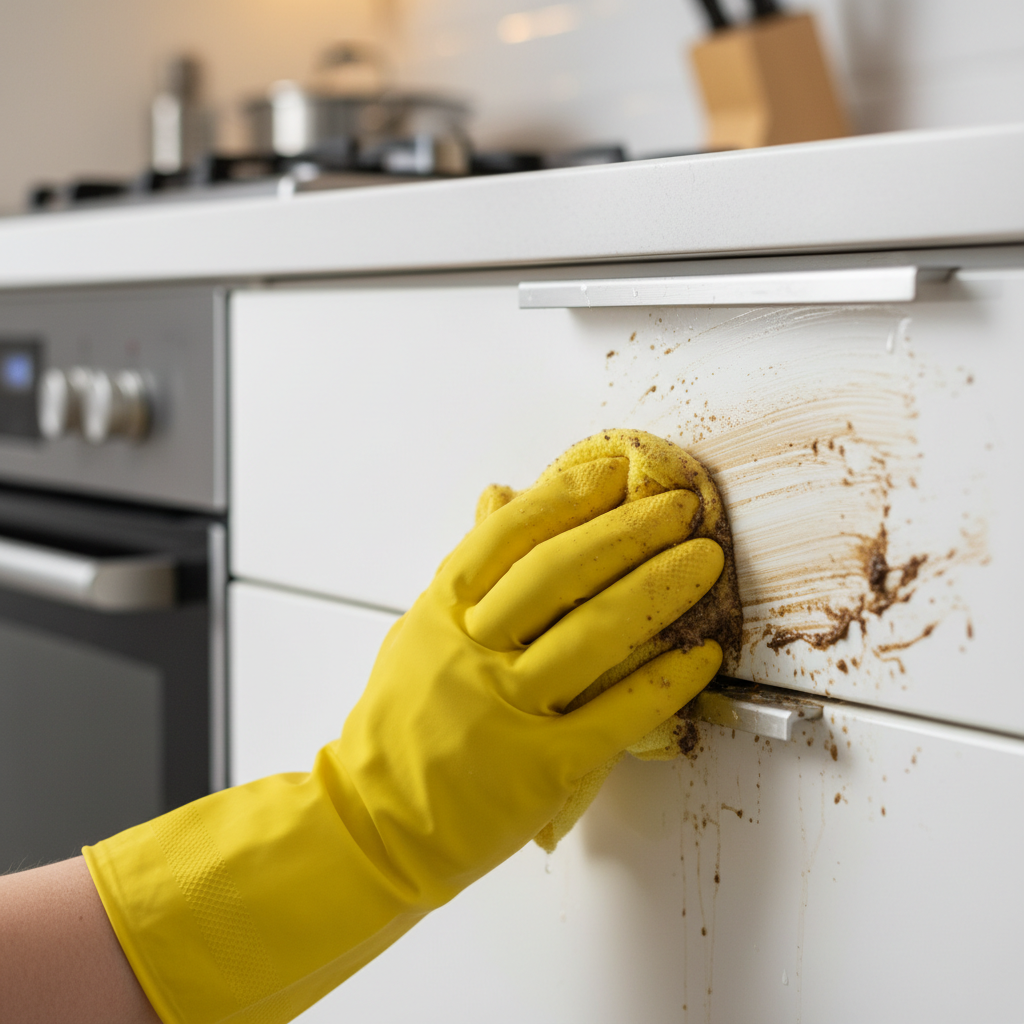
Degrease the Kitchen — Kitchen grime is mostly polymerized cooking oil. Spray cabinet fronts, the backsplash, and your range hood with Krud Kutter. Let it dwell for 5-10 minutes to dissolve the grease. You'll see the grime start to run. Wipe it clean with a damp microfiber cloth, rinsing the cloth frequently in hot water.
-
Sanitize the Bathrooms — Grout: Make a paste of OxiClean and a little water. Apply it to grout lines with a stiff brush, let it sit for 15-20 minutes, then scrub and rinse. Fixtures: To remove hard water buildup on your showerhead, fill a plastic bag with CLR or white vinegar, secure it over the head with a rubber band, and let it soak for at least an hour before scrubbing and rinsing. Toilet: Deep clean the toilet base, hinges, and the floor around it, areas often missed in a weekly wipe-down.
-
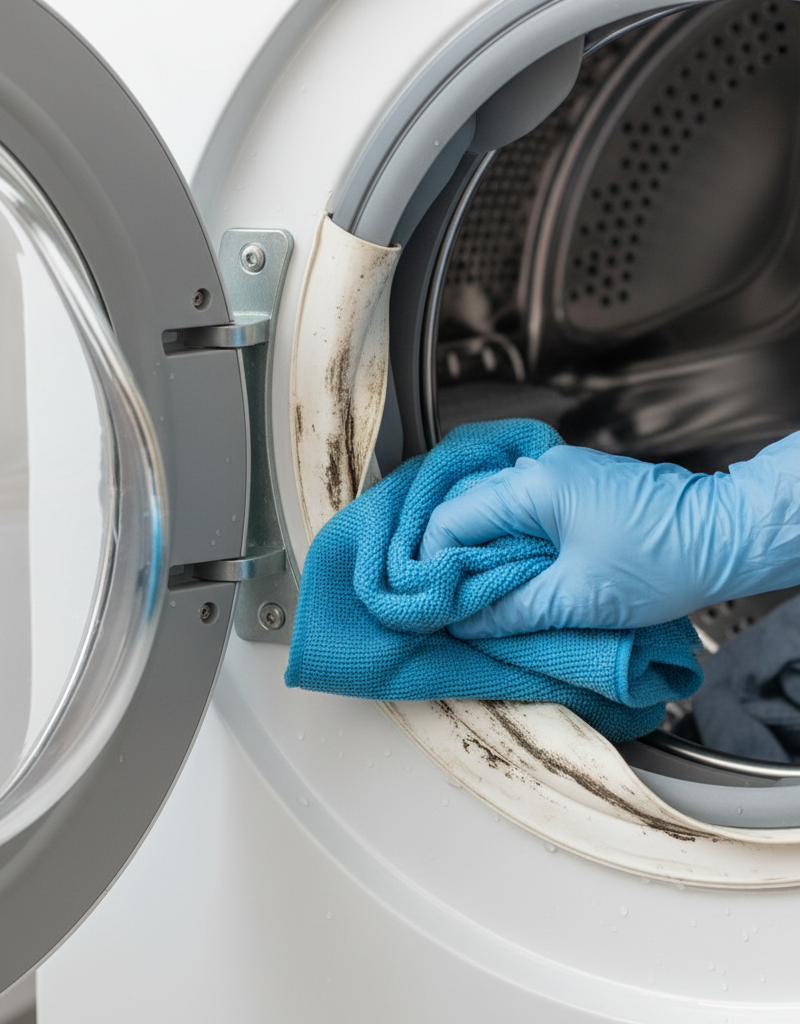
Launder Neglected Linens — Gather items that harbor dust and oils but are often forgotten. This includes shower curtain liners (wash with a few towels), bath mats, kitchen rugs, and any washable pillow covers or small throw blankets. Use a scoop of OxiClean in the wash to brighten and remove any musty odors.
-
Refresh Upholstery and Rugs — Sprinkle baking soda over couches, chairs, and area rugs. Let it sit for 30 minutes to absorb odors, then vacuum it up thoroughly using the upholstery attachment. Spot-treat any new stains with Folex, following the product directions. Be sure to vacuum under the cushions and furniture, where dust and crumbs accumulate.
-
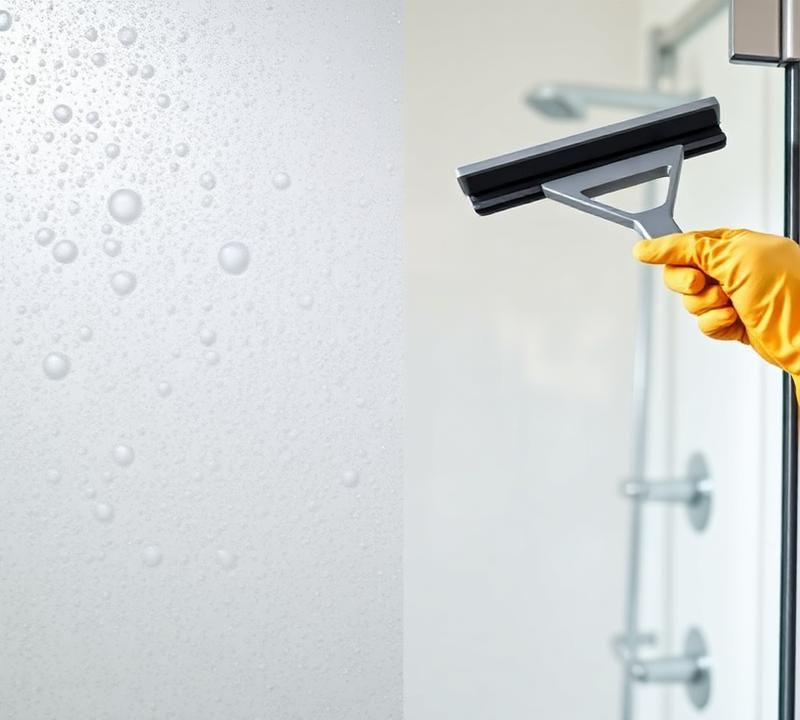
Achieve Streak-Free Windows & Mirrors — For a perfect, no-streak finish, mix a solution of 50% white vinegar and 50% distilled water in a spray bottle. Spray the glass, then use a squeegee to wipe it clean, overlapping each pass by an inch. Use a microfiber cloth to wipe the blade clean after each pass. This is far more effective than paper towels, which leave lint behind.
-
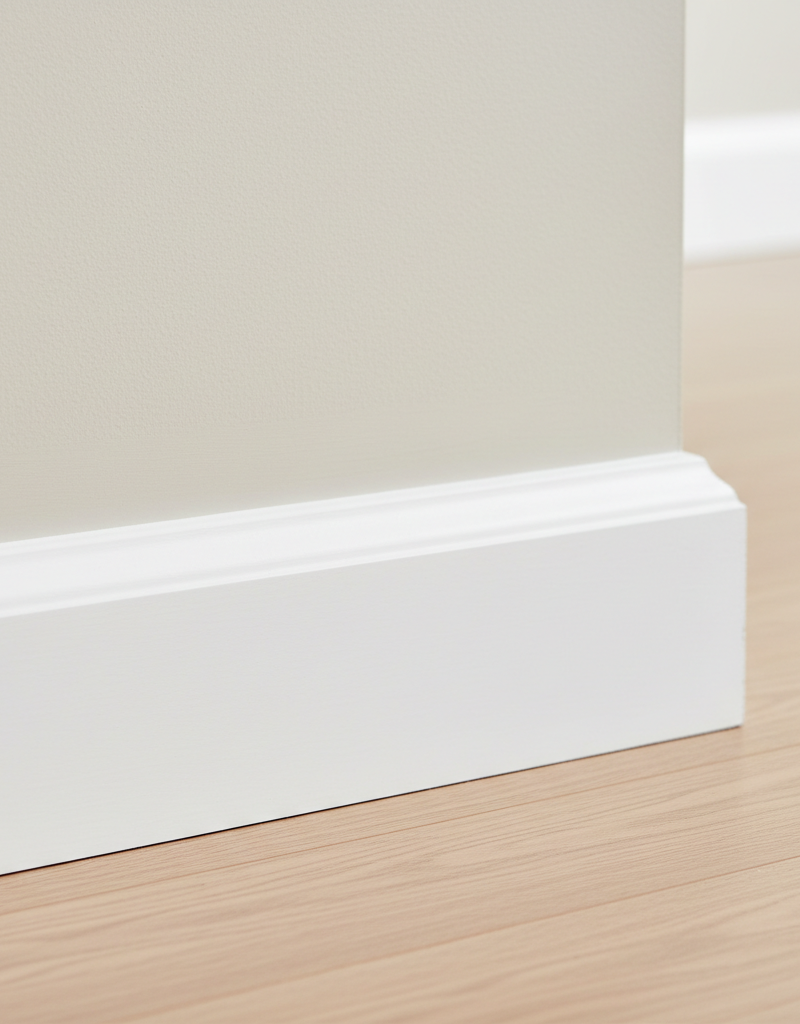
Detail Baseboards, Doors & Trim — These surfaces collect an incredible amount of dust. Use the brush attachment on your vacuum to do a first pass. Then, wipe them down with a damp microfiber cloth and a small amount of all-purpose cleaner. For scuff marks, a Mr. Clean Magic Eraser is exceptionally effective, but use gentle pressure as it is a micro-abrasive.
-
Reset All Floors — Now that all the dust and debris from above have settled, it's time for the final floor reset. Vacuum all flooring thoroughly, using the crevice tool along baseboards and in corners. For hard floors, mop using a solution appropriate for your surface type (e.g., a pH-neutral cleaner for natural stone or hardwood; a dash of Mr. Clean for tile or vinyl). Remember to change your mop water as soon as it looks dirty to avoid spreading grime.
Common Mistakes
- Mixing Cleaning Chemicals: NEVER mix bleach with ammonia (creates toxic chloramine gas) or bleach with acid like vinegar or Bar Keepers Friend (creates chlorine gas). Stick to one product at a time.
- Ignoring Dwell Time: Spraying and immediately wiping is a waste of product and energy. Let the cleaner sit on the surface for the recommended time to dissolve the grime chemically.
- Using the Wrong Cleaner for the Surface: Never use acidic cleaners (vinegar, CLR, Bar Keepers Friend) on natural stone like marble, travertine, or limestone, as it will etch the surface. Use a dedicated pH-neutral stone cleaner instead.
- Forgetting to Test in a Hidden Spot: Before using a new cleaner on upholstery, carpet, or a sensitive surface, always test it on an inconspicuous area (like behind a couch or in a closet) to ensure it doesn't cause discoloration.
- Cleaning with Dirty Tools: Using a dirty microfiber cloth or murky mop water only spreads dirt around. Start with fresh cloths and change your water frequently.
- Scrubbing Too Hard: Don't rely on elbow grease alone. Using the right chemical and giving it dwell time should do 90% of the work. Overly aggressive scrubbing can damage surfaces.
Cost & Time Breakdown
This plan is designed to be completed in one focused session. A full house may take 3-5 hours. Hiring a service for a comparable "deep clean" would be significantly more expensive.
| Task | DIY Cost (Materials) | Pro Cost (Estimate) | DIY Time |
|---|---|---|---|
| Full Kitchen Deep Clean | $5 - $10 | $150 - $250 | 60-90 minutes |
| Bathroom Sanitizing & Descale | $5 - $8 | $100 - $200 | 45-60 minutes |
| Interior Window Washing | $2 - $4 | $150 - $300 | 45-60 minutes |
| Baseboard & Trim Detailing | $1 - $3 | $75 - $150 | 30-45 minutes |
| Total | ~$25 | $475 - $900+ | 3-5 Hours |
Prevention & Maintenance
The purpose of this monthly deep clean is to make daily life easier. To extend that fresh feeling:
- Wipe as You Go: Clean up kitchen splatters and bathroom toothpaste drips as they happen.
- Squeegee the Shower: Keep a squeegee in your shower and wipe down the glass and tile after each use. This takes 30 seconds and dramatically reduces soap scum buildup.
- Use Exhaust Fans: Run your bathroom fan during and for 15 minutes after a shower to reduce humidity and mold growth. Use your kitchen range hood every time you cook to prevent grease from settling.
- Weekly Floor Care: A quick weekly vacuum and mop of high-traffic areas prevents dirt from being ground into floors.
- Keep Entryways Tidy: Use doormats at all entrances and have a designated spot for shoes to dramatically cut down on tracked-in dirt.
When to Call a Professional
While this DIY plan handles most situations, there are times when a pro is the smarter, safer choice. If you encounter extensive mold growth (larger than a few square feet), it's crucial to call a mold remediation specialist to address the source of the moisture and safely remove the contamination. For carpets with deep, set-in stains across a large area, or delicate natural fiber rugs (wool, silk), a professional carpet cleaner has the equipment and specialized knowledge to clean them without damage. If your grout is crumbling, cracked, or permanently stained, a tile and grout restoration company may be needed to reseal or even re-grout the area. Finally, if the sheer scale of the job feels overwhelming due to time constraints or physical limitations, hiring a reputable deep cleaning service can be a worthwhile investment in your home and well-being.
Your seasonal maintenance checklist
The small jobs that prevent the expensive repairs. Tick them off — progress saves on this device.
Free, no signup. Skip anything that requires roof access or working near live electrical.
What should this project cost?
Enter your project details for a realistic cost range before you call anyone.
Cosmetic refreshes start near $5,000; full remodels commonly $25,000–$45,000.
- Regional adjustment
- National average
- Labor share (typical)
- ~$8,550
- Quotes to collect
- 3 written estimates
Educational estimate based on national averages — not a binding quote. Always confirm with written local estimates.
Stay ahead of the next repair
Turn this guide into a schedule you will actually follow.
- Is this a safe DIY job?Check permits, tools, and risk before you start the steps below.Open
- Estimate this projectGet a cost range for your scope and ZIP before you call anyone.Open
Free, no signup required. Estimates are educational guidance, not a quote or an inspection.
Get the print-ready PDF of this guide
A clean, ad-free, printable version you can keep on your phone or pin to the workshop wall. Free with a FixlyGuide account.
- Print-optimized layout
- Tools, materials & every step included
- Saved to your account
Frequently asked questions
How long should a monthly deep clean actually take?+
For an average-sized home (1,500-2,500 sq ft), expect the full checklist to take between 3 to 5 hours. The time can vary based on the current condition of the home and your pace. The key is to be systematic and focused to get it done efficiently.
Can I use "natural" cleaners for this deep clean?+
Yes, to an extent. Vinegar and baking soda are great for many tasks like descaling and deodorizing. However, for heavy-duty jobs like dissolving polymerized kitchen grease or removing set-in stains, a specialized, stronger product like Krud Kutter or Folex will produce significantly better results in less time.
Is it better to do this all in one day or spread it out?+
This depends on your schedule and energy levels. Many people prefer to block off one morning or afternoon to get it all done at once. Others find success breaking it into two parts: a "wet" day for kitchens and baths, and a "dry" day for dusting, vacuuming, and laundry.
I have natural stone countertops. What should I use instead of the acidic cleaners?+
This is a crucial substitution. NEVER use vinegar, CLR, or Bar Keepers Friend on marble, granite, or limestone. Instead, purchase a dedicated pH-neutral stone cleaner. For deep cleaning, look for a stone-safe degreaser or poultice for specific stains. Always check the product label to ensure it explicitly states it is safe for natural stone.
Discussion
Loading comments…