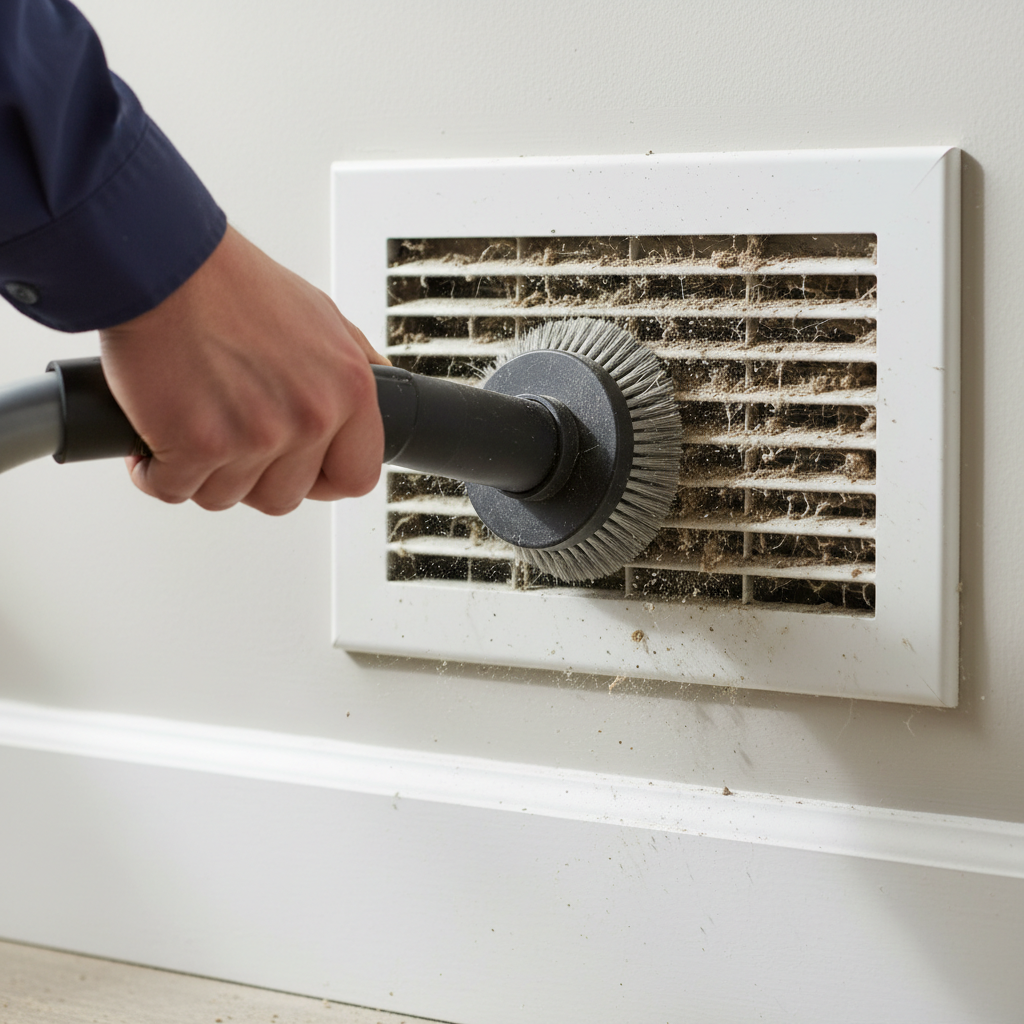
- Your house likely smells stale even after cleaning because of hidden dust, dander, and microscopic debris trapped in your HVAC system's air return vents and along baseboard cracks.
- To understand why this specific cleaning routine is so effective, you need to understand how your home "breathes" and where dust settles.
- SAFETY NOTE: Always turn off your HVAC system at the thermostat before cleaning air returns to prevent it from turning on while you work.
Published June 27, 2026Last updated August 17, 2026
Tools & materials you'll need
Affiliate linksAs an Amazon Associate FixlyGuide earns from qualifying purchases — at no extra cost to you. Prices and availability are accurate as of publication and subject to change.
Quick Answer
Your house likely smells stale even after cleaning because of hidden dust, dander, and microscopic debris trapped in your HVAC system's air return vents and along baseboard cracks. These areas accumulate smelly particles and then re-distribute them into the air, creating a persistent odor that surface cleaning alone can't eliminate. A deep cleaning of these often-overlooked zones is the key to truly fresh indoor air.
The Problem
You've spent hours cleaning. The floors are mopped, the countertops are gleaming, the bathrooms are sanitized, and yet, there it is: a subtle but persistent stale, musty, or just plain "off" smell that you can't seem to eradicate. It’s the phantom odor that undermines all your hard work, making your home feel less than truly clean. You might notice it more when you first walk in the door or when the house has been closed up for a few hours. This frustrating experience is incredibly common and leaves many homeowners wondering what they're missing. You’ve scrubbed every visible surface, used pleasant-smelling cleaners, and maybe even lit a candle, but the underlying staleness remains.
The issue isn’t a reflection of your cleaning efforts; it’s a sign that the source of the odor is hidden in plain sight, in places that are part of the very fabric and function of your home. Standard cleaning routines focus on surfaces we see and touch, like floors, furniture, and counters. The real problem lies in the places that manage your home's airflow and the nearly invisible ledges that collect years of fine, odor-causing dust. Every time your HVAC system kicks on, it pulls air through return vents, and with it, all the microscopic particles floating in your home. These particles—bits of dead skin, pet dander, pollen, cooking grease aerosols, and dust mite feces—get trapped on the grilles and inside the ducts, festering and creating a constant source of low-level odor. Similarly, the almost-invisible gap at the top of your baseboards and where they meet the floor becomes a linear landfill for the same smelly debris. Until you specifically target these two areas, you are fighting a losing battle against stale indoor air.
How It Works
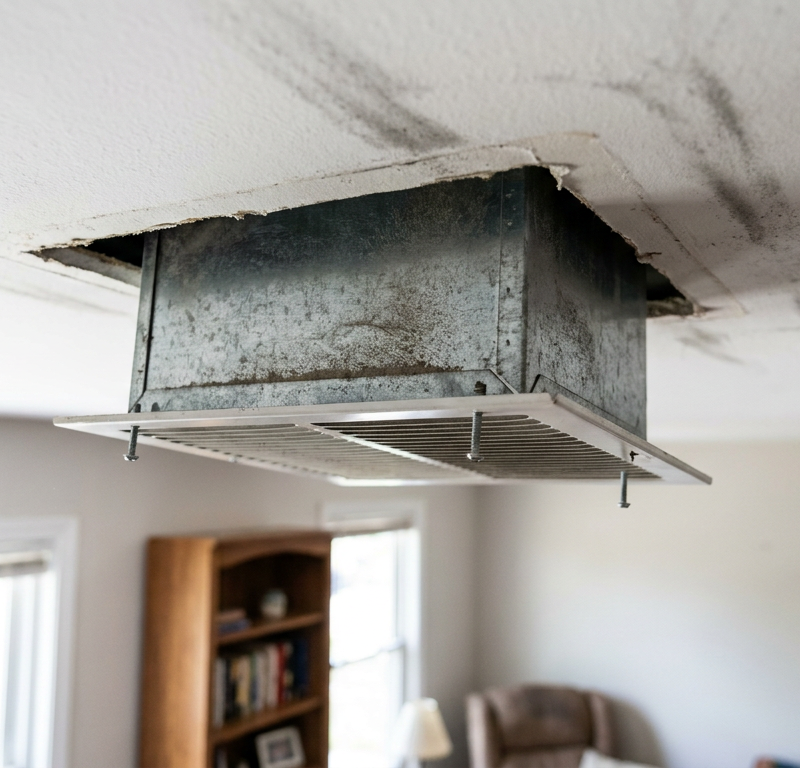
To understand why this specific cleaning routine is so effective, you need to understand how your home "breathes" and where dust settles. Your home's HVAC (Heating, Ventilation, and Air Conditioning) system functions like a set of lungs. The supply vents blow conditioned air out, while the return air vents (the larger, often grated vents on walls or ceilings) suck air in to be heated or cooled. This suction is powerful and constant whenever the system is running. It pulls in dust, pet dander, pollen, cooking vapors, and any other airborne particulates. While the furnace filter is designed to capture the majority of this debris before it enters the sensitive components of your air handler, it doesn’t stop everything. A significant amount of dust and grime sticks to the metal grille of the return vent itself, caked on by the oils from cooking or moisture in the air. Even more gets pulled just inside the duct opening, coating the first few feet of the ductwork in a thick, fuzzy layer of debris.
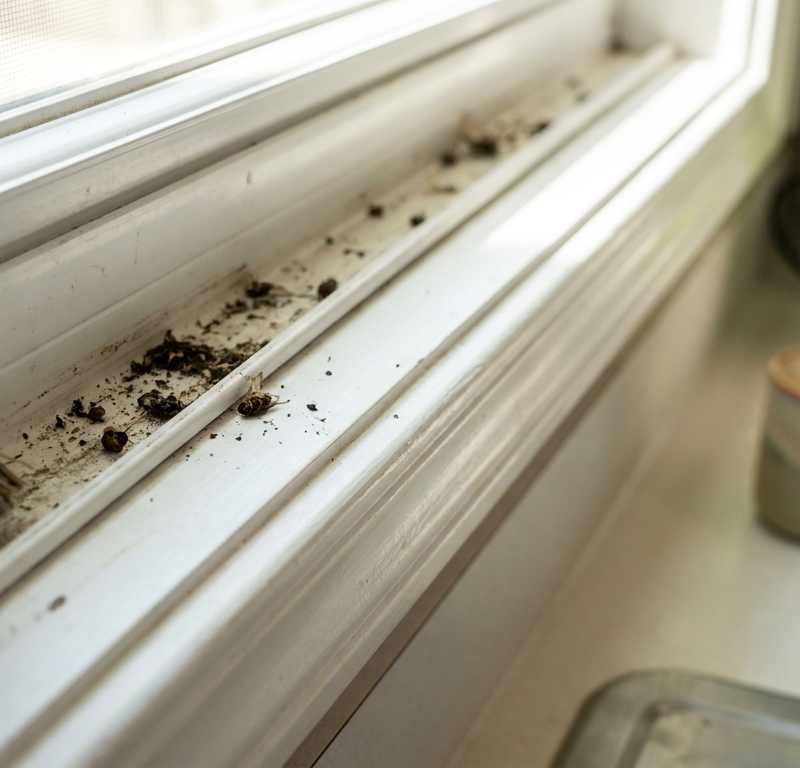
This accumulated matter is a "biofilm" of sorts, a combination of organic and inorganic material that is a perfect breeding ground for odor-causing bacteria and mold. When the air is pulled over this debris, it picks up smelly molecules and circulates them throughout your entire home. It’s a continuous cycle: the system pulls in stale particles, they get trapped, they fester, and then they contribute to the air smelling stale all over again. Regular surface cleaning doesn't touch this source. Baseboards, meanwhile, act as a final resting place for heavier dust particles that fall out of the air. The top edge, often only a quarter-inch wide, and the tiny crevice where the baseboard meets the floor are masterful dust collectors. This isn’t just inert dust; it’s the same organic-rich mix found in the air returns. Every shuffle of feet, every vibration from walking by, and every slight air current can kick these particles back into the air, contributing to the overall sense of staleness. By deep cleaning both the air returns and the baseboards in a single, methodical sweep, you are performing a two-pronged attack on the primary hidden sources of persistent household odors, removing the reservoirs of stale particles and stopping the cycle of redistribution.
Step-by-Step Fix
SAFETY NOTE: Always turn off your HVAC system at the thermostat before cleaning air returns to prevent it from turning on while you work. Wear gloves to protect your hands from sharp metal edges and grimy buildup. Use a mask to avoid inhaling stirred-up dust and allergens.
1. System Shutdown & Prep — Go to your thermostat and switch the system to "Off." This is a critical safety step to ensure the fan doesn’t kick on unexpectedly. Next, gather all your supplies. Lay a large drop cloth or old sheet on the floor beneath the first air return you plan to clean to catch falling dust and debris.
2. Initial Dry Removal — Using your vacuum with the soft brush attachment, thoroughly vacuum the entire surface of the air return grille. Go over the slats from multiple angles to remove as much loose surface dust as possible. This prevents you from turning dry dust into a wet, muddy mess in the next step.
3. Unscrew and Remove the Grille — With a screwdriver, carefully remove the screws holding the vent cover to the wall. They are often painted over, so you may need to apply firm, steady pressure. As you remove the final screw, hold the grille so it doesn’t fall and scratch your floor or wall.
4. Deep Clean the Grille — Take the removed grille to a bathtub or utility sink. Use a stiff-bristled brush and hot, soapy water with a degreasing dish soap like Dawn. Scrub every slat, front and back, paying special attention to the corners where grime accumulates. For extremely greasy buildup (common for returns near kitchens), a dedicated degreaser spray can be used. Rinse thoroughly with hot water and set it aside to air dry completely.
5. Clean the Return Duct Opening — Back at the wall opening, put on your mask and gloves. Reach into the duct with your vacuum’s crevice tool as far as you can comfortably go—typically 1 to 2 feet. Vacuum the bottom, sides, and top of the duct interior, removing the thick, fuzzy layers of dust. You’ll be amazed and horrified at what comes out.
6. Wet-Wipe the Duct Interior — Lightly dampen a microfiber cloth with an all-purpose cleaner or a 50/50 solution of white vinegar and water. Do not oversaturate the cloth; you want it damp, not dripping. Carefully wipe down the interior surfaces of the duct that you were just able to vacuum. This removes the fine, oily film that the vacuum can’t get. Safety warning: Be careful of sharp sheet metal edges or screws inside the duct.
7. Baseboard Dry-Dusting: The First Pass — While the vent grille is drying, move on to the baseboards. Attach the brush tool to your vacuum cleaner and do a thorough pass of all the baseboards in your home. Focus on sucking dust from the top ledge and the crevice where the trim meets the floor. This is much more effective than dry dusting with a cloth, which often just pushes dust into the air.
8. Baseboard Wet-Washing — Prepare a bucket of warm water with a few drops of dish soap or a capful of a gentle floor cleaner. Prepare a second bucket with clean, clear water for rinsing. Using a microfiber cloth, dip into the soapy water, wring it out until it's just damp, and wipe down the face of the baseboards, the top edge, and the shoe molding. Work in 10-15 foot sections.
9. The Critical Rinse Step — Immediately after washing a section, take a second, clean microfiber cloth, dip it in your rinse bucket, wring it out thoroughly, and wipe the baseboard again. This step is crucial because it removes any sticky soap residue that would otherwise attract new dust more quickly. Change your rinse water frequently to ensure you
What should this project cost?
Enter your project details for a realistic cost range before you call anyone.
Cost depends heavily on which system turns out to be the source.
- Regional adjustment
- National average
- Labor share (typical)
- ~$1,620
- Quotes to collect
- 3 written estimates
Educational estimate based on national averages — not a binding quote. Always confirm with written local estimates.
Frequently asked questions
How often should I clean my air returns and baseboards?+
For general maintenance, a thorough deep cleaning of air returns and baseboards like the one described should be done at least twice a year. If you have pets, smokers, or allergy sufferers in the home, you may want to do it quarterly. A quick vacuuming of the surfaces can be done monthly to prevent heavy buildup.
Can I use a scented cleaner to help with the smell?+
While a scented cleaner might provide a temporary pleasant smell, it only masks the underlying problem. The key to eliminating the stale odor is to physically remove the source—the dust, dander, and grime. A gentle, degreasing cleaner is more effective than a perfumed one for this task. Once the source is gone, the smell will be gone too.
What's the difference between an air return and a supply vent?+
An air return vent is part of the return side of your HVAC system; it sucks air FROM the room and sends it to the furnace/AC to be conditioned. These are typically larger than supply vents and do not have a lever to adjust airflow. A supply vent blows conditioned air INTO the room. You can easily tell the difference by holding a piece of paper up to it when the system is running: the paper will be sucked against a return vent and blown away from a supply vent.
Will cleaning the air returns help with my allergies?+
Absolutely. The dust and debris collected in your air returns are packed with common allergens like pollen, dust mites, and pet dander. By removing this buildup, you are eliminating a major reservoir of allergens and preventing them from being recirculated throughout your home, which can significantly reduce allergy symptoms.
Discussion
Loading comments…