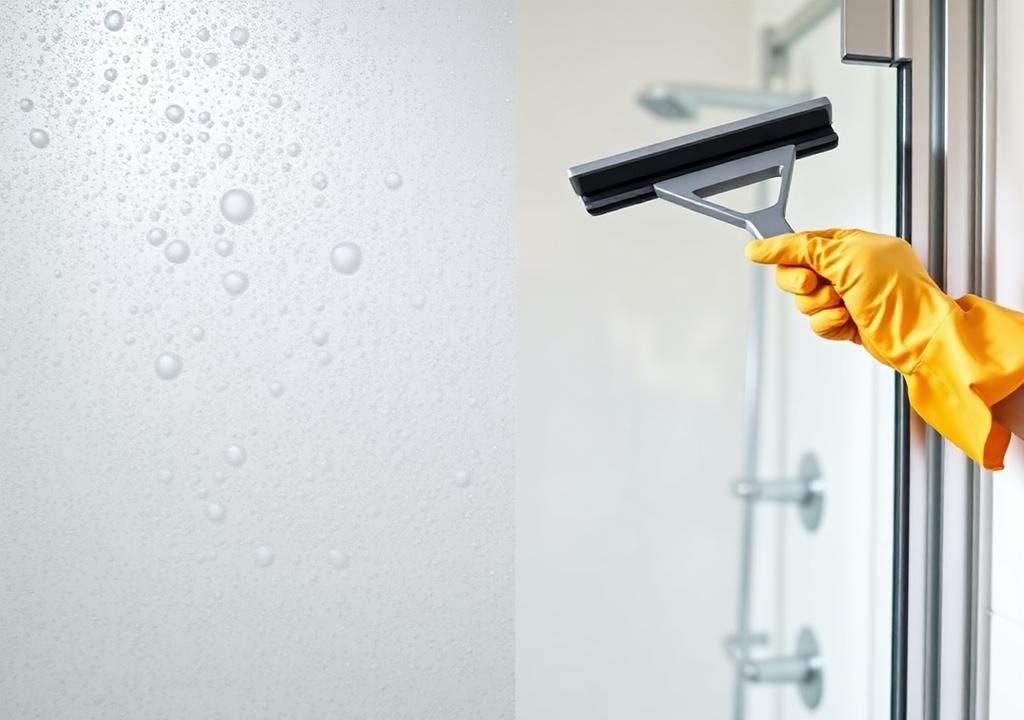
- Apply Acidic Cleaner (for hard water) – Attack the minerals
- Safety Note: Always wear rubber gloves and eye protection. Never mix acidic cleaners with bleach or ammonia — you’ll make toxic fumes.
- Tip: For stubborn spots, soak paper towels in vinegar and stick them right to the glass. Keeps the acid in contact longer.
Published August 30, 2026Last updated August 30, 2026
Tools & materials you'll need
Affiliate linksAs an Amazon Associate FixlyGuide earns from qualifying purchases — at no extra cost to you. Prices and availability are accurate as of publication and subject to change.
Quick Answer
Listen, if you’re like most homeowners, you’ve probably scrubbed those glass shower doors until your arm was barking, only to step back and see the same dull film staring right back at you. It’s not just dirt. It’s hard water minerals and soap scum welded together like they mean it. The real trick isn’t just working harder — it’s using the right cleaner to break those layers up, then keeping up with a simple routine so they don’t come roaring back. You’ve gotta dissolve the mineral crust first, then deal with the greasy soap residue that clings to it.
The Problem
I’ve seen a lot of showers in 25 years on the job, and cloudy glass doors are one of the complaints I hear all the time. People try all-purpose spray, dish soap, even straight vinegar, and still get nowhere. Why? Because this isn’t plain old grime. It’s a two-part headache: hard water and soap scum.
Your tap water — especially if you’re in hard-water country, which covers a lot of the Midwest and Southwest — carries dissolved minerals like calcium and magnesium. Once that water dries on the glass, those minerals stay put and leave behind a white, chalky crust we call limescale. Then you’ve got soap scum, which is what happens when the fatty acids in bar soap or even liquid body wash react with those same hard-water minerals. That gives you a waxy, sticky film that grabs onto the glass and hangs on for dear life.
It’s a lousy cycle. More mineral buildup means more texture on the glass, and that gives the soap scum even more to grab. A regular sponge swipe just smears it around. You’ve got to break it down, not just push it around.
How It Works
Think of the shower door like a job site that never gets a break. Every time you shower, water hits the glass. As it evaporates, it leaves minerals behind. Tiny deposits build up over time and roughen the surface.
Now toss in soap or body wash. When that mixes with water and lands on that mineral-coated glass, the fats and oils react with the calcium and magnesium. That reaction makes an insoluble mess — soap scum — and it sticks to the rough surface like glue.
That’s why the usual cleaners don’t always cut it. They’re not built to dissolve mineral scale or break up the greasy film. You’re basically trying to wipe off concrete with a wet rag. No dice.
The fix takes two moves. First, use an acid to soften and dissolve the mineral buildup. Then use a surfactant — that’s just a cleaner that breaks down oils and fats — along with some light abrasion to lift the soap scum. Simple enough once you know what you’re fighting, right?
Step-by-Step Fix
Getting shower doors sparkling again isn’t rocket science, but it does take more than a quick wipe. I’ve walked a lot of folks through this method, and it flat-out works. Just keep safety in mind. Gloves and ventilation aren’t optional.
-
Prep the Area – Clear out everything
Pull out all the bottles, scrubbers, kid toys, whatever’s sitting in there. You want a clean work area. Crack a window or kick on the exhaust fan so you’ve got some airflow, especially if you’re using stronger cleaners. -
Initial Rinse – Loosen up the loose stuff
Spray the doors down with hot water from the showerhead. That helps soften fresh soap scum and warms up the glass, which can help the cleaner work a little better. -
Apply Acidic Cleaner (for hard water) – Attack the minerals
Spray your acidic cleaner — distilled white vinegar, lemon juice, or a commercial limescale remover like CLR — generously over the glass. Cover the whole surface. If you’re using vinegar, you can use it straight or mix 50/50 with water if the buildup isn’t too ugly. If the stuff’s really baked on, a stronger commercial product might be the better play. Let it sit for at least 15-20 minutes. Bad buildup can take longer. The acid needs time to chew through those mineral bonds. I had a shower in Mesa, Arizona once where I had to let vinegar sit almost an hour because the hard water stains were ancient — looked like nobody had cleaned that thing since the Clinton years.- Safety Note: Always wear rubber gloves and eye protection. Never mix acidic cleaners with bleach or ammonia — you’ll make toxic fumes.
- Tip: For stubborn spots, soak paper towels in vinegar and stick them right to the glass. Keeps the acid in contact longer.
-
Scrub with Non-Scratch Scrubber – Agitate the gunk
After the soak, use a non-scratch scrubber, like a melamine foam eraser (Magic Eraser is a common brand) or a stiff-bristled nylon brush, and scrub the glass. Work in small, overlapping circles. You should start seeing the grime come off. If you’re using a commercial product, follow the manufacturer’s directions for the right scrub tool. -
Rinse Thoroughly – Wash away the dissolved mess
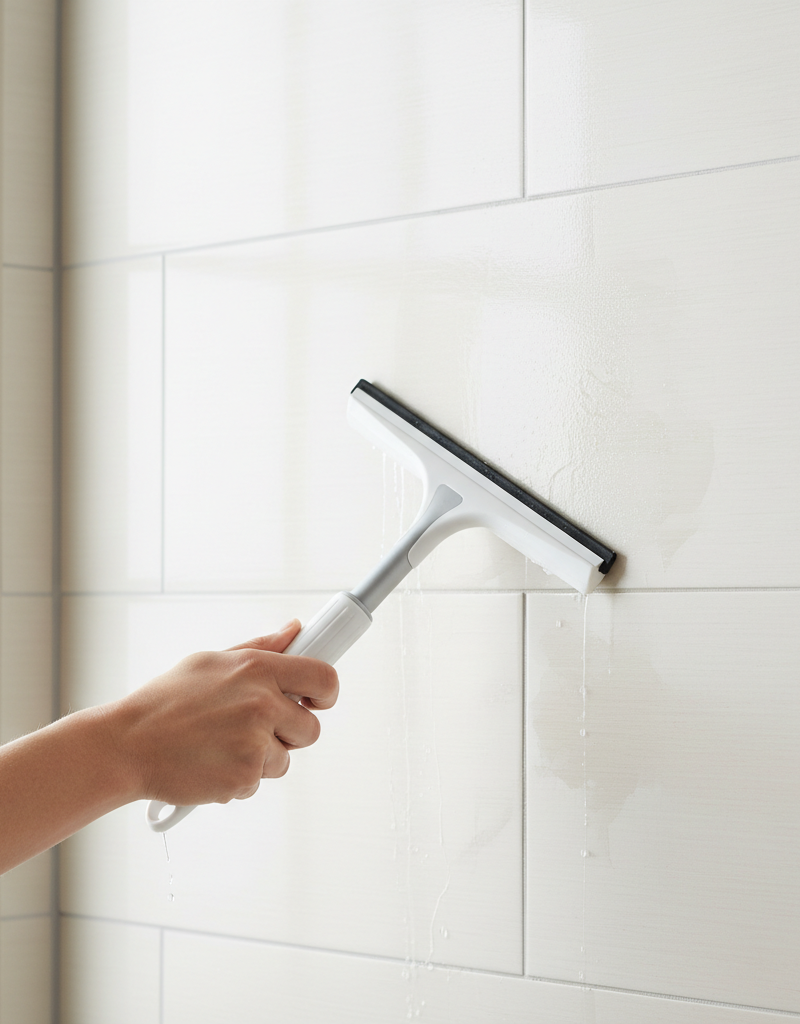
Rinse the doors completely with clean water. A spray bottle or the showerhead both work fine. You want every bit of cleaner and loosened gunk off the glass. Then grab a clean squeegee and pull off the excess water so you can see what’s left. -
Apply Soap Scum Remover – Tackle the sticky stuff
If there’s still a film hanging around — and there usually is, because the acid mostly handles the minerals — you’re probably looking at soap scum. Use a dedicated soap scum remover or make a paste with baking soda and a little water. Spread the baking soda paste with a damp cloth. It gives you a mild abrasive and a gentle alkaline cleaner that helps cut through the scum. If you’re using a commercial cleaner, follow the dwell time on the label. -
Scrub Again (if needed) – Second pass for sparkle
Use your non-scratch scrubber or a microfiber cloth to go back over the glass, focusing on the cloudy spots that didn’t clean up the first time. The paste or remover should lift the rest. You’ll usually feel the glass get smoother as the film comes off. -
Final Rinse and Dry – The reveal
Rinse the doors one last time. Then dry them right away with a clean squeegee or a lint-free microfiber cloth. Don’t skip the drying part — that’s what keeps new water spots from popping up. Step back and look at it. Much better, huh? -
Apply a Water Repellent (Optional but recommended) – Prevent future buildup
Once the glass is completely clean and dry, think about putting on a water repellent, like a car wax made for glass or a shower glass protector. That creates a hydrophobic barrier, so water beads up and rolls off instead of hanging around and leaving minerals behind. Follow the product directions for application and curing time.
Common Causes
- Hard Water: This is the big one. Water with a high mineral load leaves behind calcium and magnesium deposits when it dries. Areas with especially hard water, like parts of Texas or Florida, get hammered by this.
- Soap Scum: Bar soap, liquid body wash, and even some shampoos contain fatty acids. Those react with hard-water minerals and leave behind that sticky, waxy film that loves glass.
- Lack of Ventilation: If the shower stays damp too long, water droplets have more time to evaporate and leave minerals behind.
- Infrequent Cleaning: Let it sit for weeks or months and you’ve got a much bigger fight on your hands. A little regular maintenance goes a long way.
- Wrong Cleaning Products: General-purpose cleaners that aren’t made for mineral buildup or soap scum usually won’t do the job. They just don’t have enough bite.
- Not Drying the Glass: Walk away and leave the door wet, and you’re setting yourself up for new hard water spots every time.
Common Mistakes
- Using Abrasive Scrubbers: Steel wool, scouring pads, and harsh powdered cleansers can scratch the glass. Once that happens, grime settles into those scratches and makes life harder later. Stick with non-scratch tools.
- Mixing Chemicals: Big no-no. Don’t mix bleach with ammonia-based cleaners, and don’t mix acidic cleaners with bleach either. That can create dangerous fumes. Read the label before you crack it open.
- Not Letting Cleaners Dwell: If you spray and wipe right away, the cleaner doesn’t get time to do its job. Especially with hard-water stains, patience matters.
- Ignoring Ventilation: Skip the fan or forget to open a window, and you’ll make drying slower. That can make hard water and mold issues worse. Run that fan for at least 15-20 minutes after every shower.
- Forgetting the Squeegee: Easiest preventive step there is. If you don’t use a squeegee after every shower, the water dries on the glass and leaves buildup behind.
- Using Dirty Rags: A rag loaded with old cleaner residue or grit just smears the mess around and leaves streaks. Use clean microfiber cloths every time.
Cost & Time Breakdown
Here
Related Articles
Keep troubleshooting with these hand-picked guides from FixlyGuide:
- The Invisible Scum on Your Bathtub: How to Make It Gleam Again — Is your bathtub losing its luster, even after scrubbing? That invisible layer of soap scum and mineral deposits is the culprit. Learn how t…
- The Mystery Smell: Why Your Fridge Stinks (Even After Cleaning It) — That persistent, foul odor in your refrigerator isn't just gross; it's often a sign of hidden issues. Learn the real culprits behind linger…
- The Rusty Ring In Your Toilet? It's Not Just Ugly, It's a Symptom. — Stubborn rust rings in your toilet bowl are an eyesore and a sign of hard water or corroded pipes, but you can remove them with the right a…
- The Caulk Stain That Won't Quit: Why Your Shower Stays Grimy — Is that stubborn, discolored caulk making your clean shower look perpetually dirty? It's not just surface grime; it's often mold or mildew,…
- The Grimy Secret Under Your Oven: Why Your Kitchen Never Feels Truly Clean — Your oven and range hood are silent culprits in your kitchen's battle against persistent grease and grime. This guide tackles how to deep c…
- That Chalky Film on Your Dishes? It's Not Soap Scum — If your dishwasher is leaving a cloudy white film on your glassware and dishes, the culprit is likely hard water mineral deposits, not left…
What should this project cost?
Enter your project details for a realistic cost range before you call anyone.
Cost depends heavily on which system turns out to be the source.
- Regional adjustment
- National average
- Labor share (typical)
- ~$1,620
- Quotes to collect
- 3 written estimates
Educational estimate based on national averages — not a binding quote. Always confirm with written local estimates.
Get the print-ready PDF of this guide
A clean, ad-free, printable version you can keep on your phone or pin to the workshop wall. Free with a FixlyGuide account.
- Print-optimized layout
- Tools, materials & every step included
- Saved to your account
Frequently asked questions
How often should I deep clean my glass shower doors?+
For optimal results, aim for a deep clean every 2-4 weeks, depending on your water hardness and shower frequency. Regular squeegeeing after each use will significantly reduce the need for aggressive cleaning.
Can I use steel wool or harsh abrasives on my glass shower doors?+
Absolutely not. Steel wool and harsh abrasive pads can scratch the glass, creating tiny imperfections where soap scum and hard water can accumulate even faster, making future cleaning much harder. Stick to non-scratch scrubbers.
What's the best natural cleaner for hard water stains on glass?+
Distilled white vinegar is my go-to natural option for hard water. Its acidity effectively dissolves mineral deposits. For stubborn stains, soak paper towels in vinegar and adhere them to the glass to increase contact time.
Why does my shower door get cloudy even with liquid body wash, not bar soap?+
Even liquid body washes contain ingredients that can react with hard water minerals to form soap scum. While bar soap is often worse, any bathing product combined with hard water can contribute to the cloudy film.
Will a water softener help prevent shower door buildup?+
Yes, a whole-house water softener is highly effective at preventing hard water stains on shower doors (and throughout your home). It removes the minerals from your water supply, eliminating the primary cause of limescale and reducing soap scum formation.
How long should I let a cleaner sit on the glass?+
For acidic cleaners tackling hard water, I usually recommend 15-30 minutes, sometimes longer for really tough buildup. Always check the specific product instructions, but giving it time to work is crucial.
My shower door has etched spots. Can I fix that?+
If hard water has etched the glass (meaning it has permanently damaged the surface), it's very difficult, if not impossible, to fix completely with cleaning. Prevention is key; once etching occurs, you might need professional glass restoration or even replacement.
Are there any products that can prevent hard water stains from forming?+
Yes, after a thorough cleaning, you can apply a specialized shower glass protector or even a car wax designed for glass. These products create a hydrophobic barrier that makes water bead up and roll off, making daily squeegeeing even more effective.
What's the best way to clean the metal frame around the glass?+
For metal frames, use a non-abrasive bathroom cleaner suitable for the finish (chrome, brushed nickel, etc.). For hard water spots on metal, a vinegar-soaked cloth can work, but be cautious with prolonged contact on certain finishes as acid can discolor some metals.
Can I use a steam cleaner on my glass shower doors?+
A steam cleaner can help loosen soap scum and sanitize the surface, but it usually won't dissolve hard water minerals effectively on its own. It's a good tool to use in conjunction with an acidic cleaner and a good scrub.
Discussion
Loading comments…