- Neglect: Simple as that. You cook, grease flies, it settles. If you don’t wipe it up pretty quick, it starts baking on and turns into something that’s a whole lot harder to remove.
- Insufficient Ventilation: A weak or dirty range hood fan doesn’t pull enough air, so more grease escapes into your kitchen. If your hood isn’t venting well, you’ll notice more grime on nearby cabinets and walls.
- High-Heat Cooking: Frying, searing, and broiling kick up a lot of splatter and airborne grease. Those methods build crud a lot faster than boiling or steaming.
- Infrequent Deep Cleaning: The daily wipe-down isn’t enough. If you don’t get into the hood filters and oven interior once in a while, the mess just keeps stacking up.
- Wrong Cleaning Products: Using dish soap alone on baked-on carbonized grease is like trying to put out a bonfire with a squirt gun. You need the right heavy-duty cleaner for the job.
Kitchen · Kitchen remodel
| Project category | Kitchen |
|---|---|
| Problem type | Kitchen remodel |
| Trade required | General contracting |
| Urgency | Planned project |
| Safety risk | Low safety risk |
| DIY suitability | Pro recommended |
| Cost category | Major investment |
| Typical timeline | Design and cabinet lead time 8–16 weeks; build 4–8 weeks |
| Contractor type | Kitchen remodeler or general contractor |
Repair option
Refacing, new counters, or hardware for a fraction of a gut remodel.
Replacement option
Full remodel when layout, plumbing, or electrical needs to change.
Common causes
- Dated layout
- Failing cabinets or counters
- Adding function or resale value
Relevant tools:project cost estimatorcompare quoteshome improvement material prices
Published August 26, 2026Last updated August 26, 2026
Tools & materials you'll need
Affiliate links- AmazonHeavy-duty rubber glovesProtect your hands from harsh chemicals.
- AmazonSafety glassesEssential for eye protection.
- AmazonStiff scrub brushFor oven racks, grates, and tough spots.
- AmazonPlastic scraper or razor blade scraperFor baked-on oven door glass. Use carefully.
- AmazonLarge bucket or utility sinkFor soaking removable parts.
- AmazonNon-contact voltage testerTo confirm power is off.
As an Amazon Associate FixlyGuide earns from qualifying purchases — at no extra cost to you. Prices and availability are accurate as of publication and subject to change.
Quick Answer
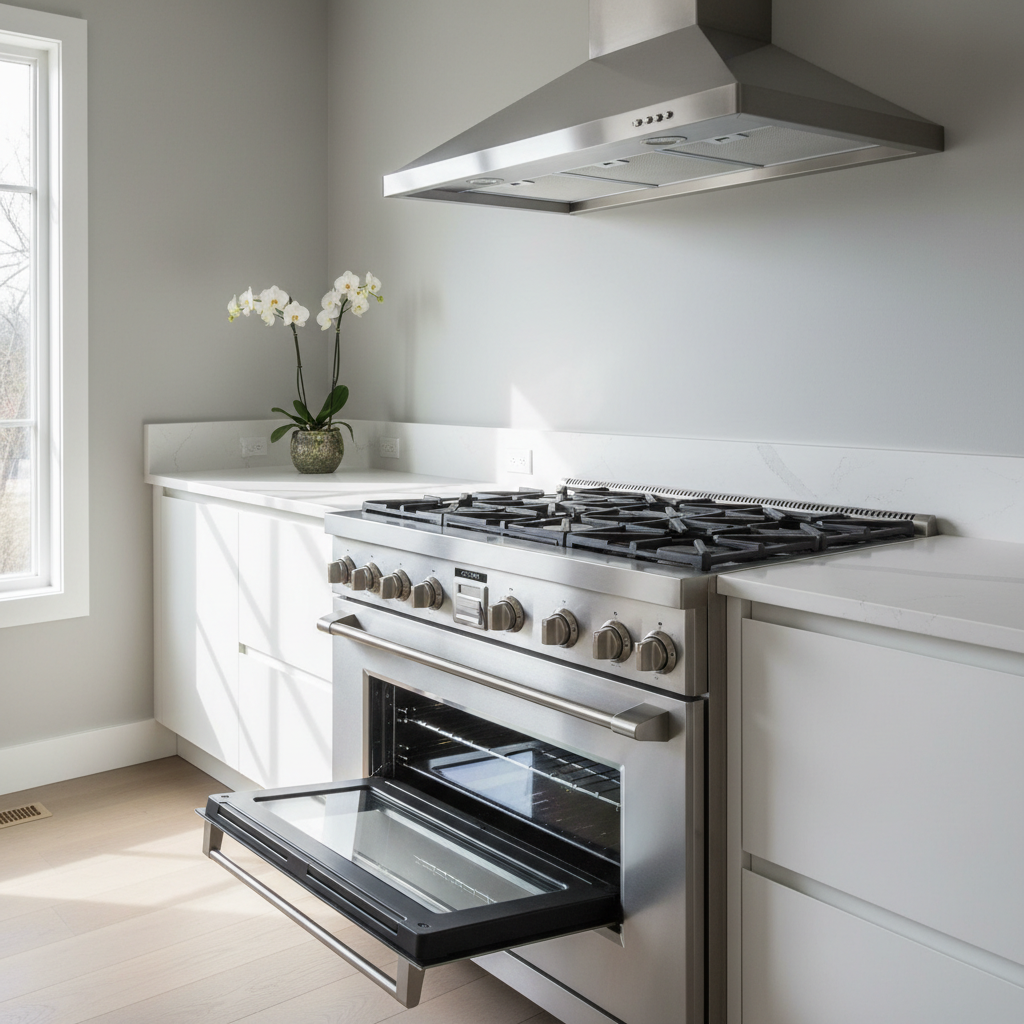
If your kitchen still smells a little “off” even after you’ve wiped everything down, or you’re seeing that sticky yellowish film creeping back, the culprit’s probably hiding in plain sight: your oven and range hood. Those things are grease traps. Plain and simple. A real deep clean means you’re not just swiping the surface—you’re getting into the nooks, crannies, filters, and all the ugly little spots where baked-on crud loves to hang out. Yeah, it’s a bit of work. But it’s the only way I know to knock out those stubborn odors and make the kitchen feel clean again.
The Problem
Alright, let’s talk kitchen grime, specifically your oven and range hood. You wipe the counters, scrub the sink, mop the floor, and still there’s that lingering funk, that faint tacky feel on surfaces you just cleaned. Or you crack open the oven and get hit with that old burnt-food smell that turns your stomach. That’s what happens after enough cooking. Every time you fry, roast, or even boil, microscopic grease particles and food splatter get airborne. They settle everywhere, but they really love warm, porous, or metallic surfaces—your oven interior, burner parts, and especially that range hood.
Over time, that’s not just ugly. It’s a dust magnet, a nice little home for bacteria, and a fire risk. Think about it: a thick coat of grease in the oven or caked on the range hood filters is basically fuel waiting around. I pulled a water heater in Frisco last month that had exactly this kind of buildup nearby—not an oven, sure, but the same greasy neglect, same nasty mess, same “how’d it get this far?” story. I’ve seen kitchens where the grease was dripping onto the stovetop. That’s a call for a pro, not a weekend project. Most homes, though? They just need a serious reset—a deep clean that goes way past the quick wipe.
It’s the sort of job folks put off because it looks like a bear, or they figure the self-clean cycle handles it. No dice. The self-clean cycle is good for carbonizing food bits inside the oven, but it doesn’t touch the door seals, the glass between the panes, the stovetop, or the hood filters. That’s where the real junk hides.
How It Works
If you understand how your oven and range hood get filthy—and why they’re such a pain to clean—you’ll attack the job a whole lot smarter. Cooking, especially with oils and fats, sends tiny grease particles into the air. When those particles hit cooler surfaces like cabinets or walls, they condense into a greasy film. But on hot surfaces, like inside your oven or on burner grates, that grease can polymerize, which just means it bakes on and hardens into a nasty dark crust. It’s not really grease anymore. It’s more like a shellacked mess that laughs at dish soap.
Your range hood, bless it, is supposed to catch all that airborne junk. It pulls cooking fumes, steam, and grease-laced air through a filter system. Most residential hoods use mesh filters—usually aluminum—that trap grease. After a few weeks or months, those filters get saturated. Once they’re overloaded, they can’t do their job worth a darn, and more grease escapes into the kitchen air. The fan blades and interior ductwork also collect that sticky residue, which chokes down airflow and turns the hood into a hidden storage spot for grime and odor.
Ovens are little infernos. Food spills, fat drips, and evaporating liquids create a cocktail of residue that, after enough high-heat cycles, turns into a ceramic-like coating. The self-clean feature works by superheating the oven interior—up to 900°F (482°C)—to burn those residues into ash. It does a decent job on the main cavity, sure, but it won’t fix the door gaskets, the splatter zones around the heating elements, or that weird space between the oven door glass panels nobody thinks about until it’s gross. Every appliance’s got its own weak spots—stainless steel, enamel, glass, plastic—and they all react a little differently to cleaners and heat. One-size-fits-all? Not here.
Step-by-Step Fix
Before you get rolling, crack a window or two and turn on the kitchen exhaust fan. You’re gonna be using some stronger stuff, and good airflow matters. Throw down old towels or newspaper too. You don’t want degreaser dripping onto your nice hardwood or tile. That thing’s toast if you do.
-
Safety First: Unplug and Disassemble — Before you touch anything, make sure the oven and range hood are completely disconnected from power. For the oven, pull the plug if it’s reachable or flip the breaker in your electrical panel. For the range hood, it’s usually a breaker. No surprises, no shocks. Pull out the oven racks, broiler pans, and anything else loose. On the range hood, unclip and remove the mesh filters. A lot of them have little tabs or springs you squeeze.
- Safety: Always verify power is off with a non-contact voltage tester if you’re unsure. No power, no shock.
-
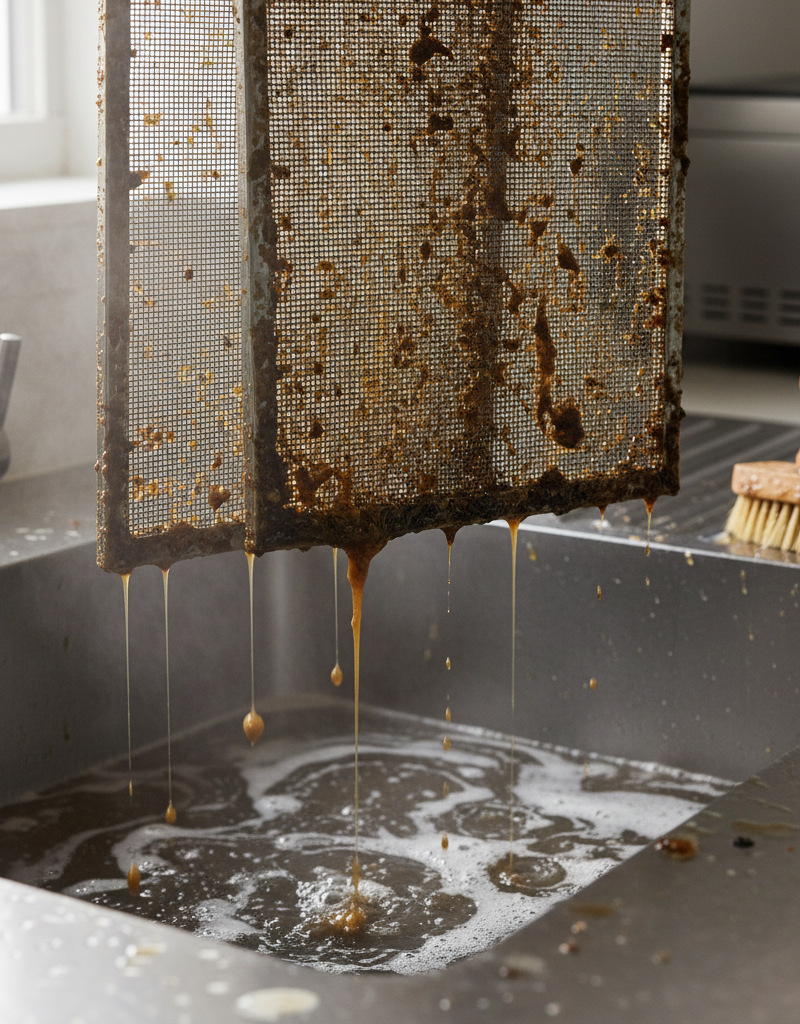
Soak the Removable Parts — Grab a big utility sink, a laundry tub, or even a heavy-duty trash bag. Fill it with very hot water and a generous dose of heavy-duty degreaser—concentrated dish soap or a dedicated appliance cleaner works fine. Drop in your oven racks, burner grates (if they come off), and range hood filters. Let them soak at least 30 minutes, or a few hours if they’re really nasty. This step does a lot of the heavy lifting for you.
- Tip: For seriously caked-on oven racks, a bathtub with an old towel on the bottom and a cup of dish soap can work wonders. Just don’t tell your spouse.
-
Attack the Oven Interior — If your oven has a self-clean cycle, run it before you start the deep clean. Once it cools down, wipe out the ash. For spots the self-clean misses, or if you don’t have one, spray the interior with a strong oven cleaner. Get the walls, bottom, and ceiling. Don’t spray the heating elements directly. Close the door and let it sit for the time listed on the product label—usually 2-4 hours, sometimes overnight if it’s a real horror show. This stuff needs time to do its job.
- Caution: Oven cleaners are harsh chemicals. Wear gloves and eye protection. Keep the area ventilated.
-
Tackle the Range Hood Interior & Exterior — While the oven cleaner’s working, turn to the hood. Spray the underside, where the filters were, and hit the fan blades with your degreaser. Use a scrub brush or a heavy-duty sponge and go to town. You’ll be shocked at what comes off. Wipe the outside of the hood with a milder degreaser or all-purpose cleaner, and pay attention to seams and crevices. On stainless steel, use a microfiber cloth so you don’t scratch it up.
- Pro Tip: If the fan blades have heavy grease buildup, a plastic scraper can knock off the thickest layers before you scrub.
-
Clean the Stovetop & Burner Area — For electric stovetops, lift the burner coils if you can and clean the drip pans underneath. For gas stovetops, pull the grates and burner caps. Use degreaser and a scrub brush on those areas. For stubborn spots, a paste of baking soda and a little water can help a lot. Let it sit for 15-20 minutes, then scrub.
- If your stovetop is a sealed unit: Spray the degreaser and wipe it down thoroughly. Don’t let liquids get into the control knobs or electronic parts.
-
Scrub and Rinse the Soaked Parts — Go back to your soaking oven racks, grates, and filters. Use a stiff brush—a grill brush works great on racks—to scrub off the softened grease and food bits. Rinse well with hot water. You might need to soak and scrub again for the stubborn stuff. For hood filters, make sure water runs clear through the mesh. That’s how you know the grease is finally gone.
-
Wipe Out the Oven — After the oven cleaner’s had time to sit, put on fresh gloves. Use a wet heavy-duty sponge or an old cloth to wipe out the softened gunk. It’ll be dark and gooey. Rinse the sponge often. You’ll need a few passes, maybe more. Finish by wiping with a clean damp cloth until there’s no residue left. For glass oven doors, use a razor blade scraper carefully on baked-on spots, then hit it with glass cleaner.
- Numeric Data: Most oven cleaners need at least 2 hours to penetrate effectively, but for heavy grime, I’ve let them sit for up to 12 hours overnight.
-
The Hidden Spot: Between the Oven Door Glass — This is where a lot of DIYers tap out. If your oven door has a gap between the inner and outer glass panes and you can see streaks, you can usually clean it. Look for small screws on the bottom edge or sides of the inner door panel. Unscrew them (often 6-8 screws), and you may be able to carefully separate the panels enough to slide a cloth on a hanger or a special tool between them. Clean it with glass cleaner and put it back together. This part can be fiddly—if you’re not comfortable, skip it instead of risking a cracked pane.
- Tool Tip: A long, thin microfiber wand or a cloth wrapped around a ruler can reach into tight spots.
-
Reassemble and Test — Once everything’s clean and dry, put it all back together: oven racks, burner grates, burner caps, and range hood filters. Close up any oven door panels you separated. Restore power to the oven and range hood. Give everything a quick wipe with a clean dry cloth to knock off fingerprints and water spots. Turn on the fan and make sure it’s running right.
-
A Final Polish and Prevention — For stainless steel surfaces, use a stainless steel cleaner and polish to bring back the shine. Wipe with the grain. To slow the buildup down, wipe your stovetop and the underside of the range hood after each cooking session. For light grease, a simple mix of dish soap and hot water goes a long way. Consider replacing your hood filters every 6-12 months, depending on how often you cook. You’ll be glad you did.
- Maintenance Tip: For families that cook every night, I tell ’em to wash their hood filters every 1-2 months in the dishwasher or sink. For folks who only cook once a week, 3-4 months might be fine.
Common Causes
- Neglect: Simple as that. You cook, grease flies, it settles. If you don’t wipe it up pretty quick, it starts baking on and turns into something that’s a whole lot harder to remove.
- Insufficient Ventilation: A weak or dirty range hood fan doesn’t pull enough air, so more grease escapes into your kitchen. If your hood isn’t venting well, you’ll notice more grime on nearby cabinets and walls.
- High-Heat Cooking: Frying, searing, and broiling kick up a lot of splatter and airborne grease. Those methods build crud a lot faster than boiling or steaming.
- Infrequent Deep Cleaning: The daily wipe-down isn’t enough. If you don’t get into the hood filters and oven interior once in a while, the mess just keeps stacking up.
- Wrong Cleaning Products: Using dish soap alone on baked-on carbonized grease is like trying to put out a bonfire with a squirt gun. You need the right heavy-duty cleaner for the job.
Common Mistakes
- Not Disconnecting Power: I’ve seen folks try to clean electric stovetops with the power still on. That’s just asking for a shock. Cut the power. Every time.
- Skipping the Soak: Trying to scrub baked-on grease before the degreaser or oven cleaner has time to work is a fast track to exhaustion and a sore back. Let the chemicals do some of the work.
- Using Abrasive Scrubbers on Stainless Steel: Wire brushes or rough pads will scratch stainless steel appliances and leave permanent marks. Stick with sponges, microfiber, or plastic scrapers.
- Spraying Oven Cleaner on Heating Elements: Oven cleaner’s corrosive. Spray it directly on heating elements, thermostats, or oven lights, and you can damage them fast and buy yourself an expensive repair.
- Ignoring the Range Hood Filters: These are the unsung heroes in the kitchen. If they’re clogged, your hood isn’t doing its job, and you’re breathing more fumes and grease.
- Putting Off the Job Too Long: The longer you wait, the harder the grease and carbon get. A semi-annual deep clean is a whole lot easier than wrestling with years of buildup.
Cost & Time Breakdown
| Task | DIY Cost | Pro Cost | Time |
|---|---|---|---|
| Oven Interior Clean | $10-$20 (cleaner) | $100-$250 | 2-4 hrs (active) |
| Range Hood Clean | $5-$15 (degreaser) | $75-$150 | 1-2 hrs (active) |
| Stovetop/Burner Clean | $5-$10 (cleaner) | Included in larger svc | 30-60 min (active) |
| Filter Replacement (if needed) | $20-$50 (per filter) | $20-$50 + labor | 10-15 min |
| Total Estimate | $20-$95 | $150-$450+ | 3-7 hours |
Tips & Prevention
- Wipe as You Go: A quick wipe down of your stovetop after every meal keeps most surface grease from baking on. Takes about 30 seconds.
- Use a Splatter Screen: When frying or sautéing, a simple mesh splatter screen can cut down airborne grease by over 70%. It’s a solid little helper.
- Run the Fan: Always turn on your range hood before you start cooking and leave it on for about 5-10 minutes after you finish. That clears out lingering odors and grease.
- Semi-Annual Deep Clean: Put a reminder on your calendar to deep clean your oven and range hood every six months. Moderate buildup is a lot easier than years of gunk.
- Inspect and Replace Filters: Check your range hood filters monthly. If they’re dark, sticky, and you can’t see through the mesh after a wash, it’s time for new ones. Most run about $20-$50 a pop. You’ll notice the difference in air quality and grease buildup pretty quick.
- Oven Liner: Consider using a non-stick oven liner on the bottom of your oven. It catches drips and spills and makes cleanup way easier. Just pull it out and wash it.
When to Call a Professional
Look, some jobs are just too much, and some wander into territory where you need a license. If you’ve got an industrial-grade range hood with complicated ductwork that needs internal cleaning, that’s a pro job. If your oven is a dual-fuel model and you suspect trouble with the gas line or electrical components, don’t mess with it—call a licensed appliance technician or a plumber. Same goes if the grease buildup is so bad it’s dripping onto other parts, or if you smell gas or burning plastic. Stop right there and call a certified pro. Better safe than sorry, every time. For the average home oven and range hood, though, you’ve got this.
Related Articles
Keep troubleshooting with these hand-picked guides from FixlyGuide:
- The Secret to Banishing Old Pet Odors (Even When You Can't Find the Stain) — Don't let hidden pet accidents ruin your home's fresh scent; this guide reveals how to find and eliminate old pet odors and their invisible…
- That Mystery Haze on Your Dishware? Your Dishwasher's the Culprit — If your 'clean' dishes come out looking cloudy, streaky, or gritty, it's not you – it's your dishwasher, and I'll show you how to fix it.
- The Secret to Dissolving Stubborn Kitchen Grease Buildup — Learn the chemistry-backed method to safely dissolve years of baked-on grease from your range hood and baffle filters, restoring performanc…
- The 'Triple Lift' Trick for Erasing Set-In Couch Stains — Don't despair over that old, set-in stain on your white sofa. Our guide reveals a powerful, three-phase cleaning method using targeted chem…
- The 48-Hour Plan for a Shockingly Clean Home — Forget marathon cleaning sessions; this strategic 48-hour plan breaks down a whole-house deep clean into manageable zones for pro-level res…
- Can Your Kitchen Wiring Handle a High-CFM Range Hood? — Discover if your home's existing electrical circuit can support a powerful, high-CFM range hood upgrade without the need for a costly, comp…
Should you do this yourself?
Answer five quick questions before you start. Safety outranks savings every time.
Your experience with work like this
How high do you have to work?
Does the job involve any of these?
Will it need a permit?
Specialty tools
Free and instant. Educational guidance only — not a quote, inspection, or professional diagnosis.
What should this project cost?
Enter your project details for a realistic cost range before you call anyone.
Cosmetic refreshes start near $5,000; full remodels commonly $25,000–$45,000.
- Regional adjustment
- National average
- Labor share (typical)
- ~$8,550
- Quotes to collect
- 3 written estimates
Educational estimate based on national averages — not a binding quote. Always confirm with written local estimates.
Before you start
Check the difficulty, permits, and safety risk — then decide whether to call a pro.
- Estimate this projectGet a cost range for your scope and ZIP before you call anyone.Open
- Get local estimatesSend one request and compare written estimates from vetted pros.Open
Free, no signup required. Estimates are educational guidance, not a quote or an inspection.
Get the print-ready PDF of this guide
A clean, ad-free, printable version you can keep on your phone or pin to the workshop wall. Free with a FixlyGuide account.
- Print-optimized layout
- Tools, materials & every step included
- Saved to your account
Frequently asked questions
How often should I deep clean my oven and range hood?+
For most households, a semi-annual deep clean (every 6 months) is ideal. If you cook frequently, especially with high-fat foods, you might consider a deep clean every 3-4 months to prevent excessive buildup.
Can I use natural cleaners like vinegar or baking soda for heavy grease?+
While vinegar and baking soda are great for light, fresh grease, they typically aren't strong enough for baked-on, carbonized grease in an oven or heavily saturated range hood filters. You'll need commercial-grade degreasers for those tougher jobs.
Is the self-clean oven function enough?+
No, the self-clean function is effective for carbonizing food residue inside the main oven cavity. However, it doesn't clean door seals, the areas around heating elements, the space between door glass panes, or your stovetop and range hood, which all require manual cleaning.
How do I prevent grease from building up so quickly?+
Regular maintenance is key. Wipe down your stovetop after each use, use a splatter screen when frying, and always run your range hood fan during and for 5-10 minutes after cooking. Washing hood filters monthly also helps a ton.
My range hood filters are really sticky. Can I put them in the dishwasher?+
Absolutely! Most aluminum mesh range hood filters are dishwasher-safe. Use a heavy-duty cycle with a good dishwashing detergent. For extremely caked-on filters, a pre-soak in hot, soapy water helps before the dishwasher.
What kind of oven cleaner should I use?+
Look for a heavy-duty, fumed or fume-free oven cleaner designed for baked-on grease. Always check the product label for specific instructions and safety warnings. Wear gloves and ensure good ventilation.
My oven door glass has streaks between the panes. How do I clean that?+
This usually requires carefully disassembling the oven door. Look for screws on the bottom or sides of the inner panel. After unscrewing, you can often gently separate the glass enough to slide a cloth on a long tool inside. Be extremely careful not to break the glass.
Why does my kitchen still smell greasy after cleaning?+
Lingering grease smells often come from hidden areas you missed, like saturated range hood filters, the fan blades inside the hood, or deeply embedded grime within the oven's crevices. A thorough deep clean targeting these spots should eliminate the odor.
Can a dirty oven or range hood be a fire hazard?+
Yes, absolutely. Accumulated grease and food debris, especially inside the oven or on range hood filters, are highly flammable. If temperatures get too high, this residue can ignite, leading to a grease fire. Regular cleaning significantly reduces this risk.
My oven is old and really bad. Should I try to clean it myself?+
If your oven has years of extremely heavy, hardened grease buildup, it might be more efficient and safer to call a professional cleaning service. They have industrial-strength tools and chemicals that can tackle severe cases more effectively and without damaging your appliance.
Discussion
Loading comments…