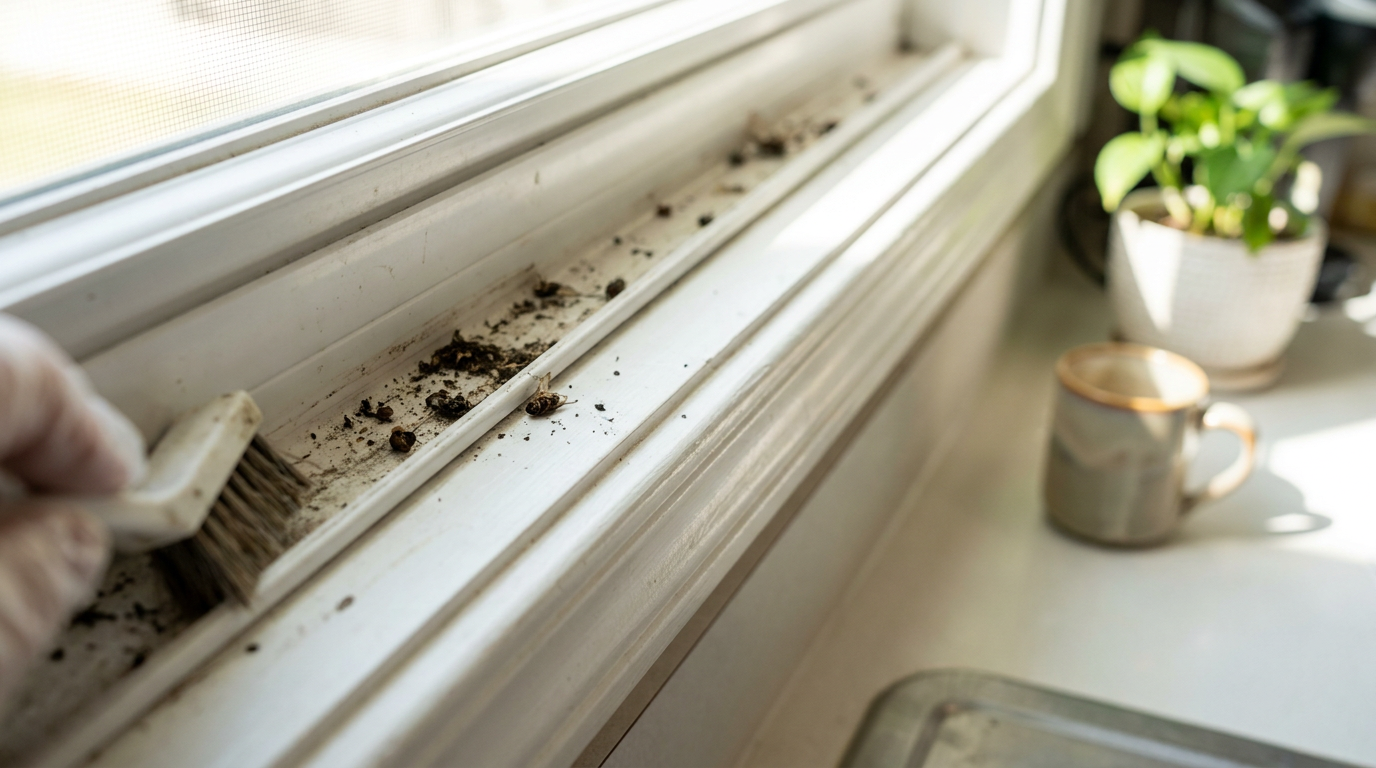
- Title: Final Rinse and Dry
- Tools: Spray bottle with clean water, dry cloth.
- Lightly spritz the track with clean water to rinse away any vinegar or cleaner residue. Then wipe it completely dry with another clean, dry cloth. Don’t leave water sitting in there. That just invites more dirt right back in.
Windows · Drafty or failed seal
| Project category | Windows |
|---|---|
| Problem type | Drafty or failed seal |
| Trade required | Window replacement |
| Urgency | Planned project |
| Safety risk | Low safety risk |
| DIY suitability | Pro recommended |
| Cost category | High cost |
| Typical timeline | Made-to-order lead times commonly 4–10 weeks |
| Contractor type | Window replacement contractor |
Repair option
Glass pack replacement or weatherstripping on a sound frame.
Replacement option
Full-frame replacement when the frame or sill is compromised.
Common causes
- Failed insulated glass seal
- Worn weatherstripping
- Rotted or racked frame
Relevant tools:project cost estimatorhome improvement material prices
Published October 10, 2026Last updated October 10, 2026
Tools & materials you'll need
Affiliate linksAs an Amazon Associate FixlyGuide earns from qualifying purchases — at no extra cost to you. Prices and availability are accurate as of publication and subject to change.
Quick Answer
To deep clean window tracks, I start by vacuuming out all the loose debris with a crevice tool. Then I spray the track with an all-purpose cleaner or a 50/50 solution of white vinegar and water, and I let it sit for 5-10 minutes so it can loosen that crusty grime. After that, I use a stiff brush and a microfiber cloth to scrub and wipe the track clean, and I get into the corners with a putty knife or flat-head screwdriver wrapped in a cloth.
The Problem
You keep your windows looking good, but the second you slide one open, there it is: a channel full of black gunk. It’s dust, pollen, dead bugs, pet dander, and rainwater that’s baked in the Texas sun into a nasty paste. Ugly? Sure. But it does more than look bad. That buildup can make your windows hard to open and close, and the debris grinds against the vinyl or aluminum, which can wear the frame down over time. It can also turn into a little breeding ground for allergens and mold that get pushed into your house every time there’s a breeze. Ignore it, and it just gets meaner. Every rainfall adds another layer, and before you know it, that loose dust turns into stubborn, caked-on muck that feels impossible to get out of the tiny crevices.
How It Works
Your window track, or "sash channel," is built to do two jobs: guide the window as it opens and closes, and seal out the weather when it’s shut. At the bottom of most modern double-hung or sliding windows, you’ll find a main channel where the window sash (the part that holds the glass) sits. Inside that area, or right alongside it, are weep holes—small slots or holes made to drain rainwater out and away from the frame.
That’s where the mess starts. Dust, pollen, and leaves settle in the track like they own the place. Then it rains, and that dry junk turns into muddy sludge. The weep holes are tiny, usually only about 1/4-inch wide, so they clog fast. Once they’re blocked, the water’s got nowhere to go. It pools in the track, mixes with dirt, and gives mold and mildew a nice little home. Then the sun bakes the whole mess into a hard, crusty layer. Over time, that buildup doesn’t just look rough—it puts extra strain on the opening mechanism, messes with the seal, and lets in drafts and more dust. If you understand that cycle of dirt, water, and drainage failure, you’re already halfway to fixing it right.
Step-by-Step Fix
This whole thing should take you about 15–20 minutes per window, depending on how ugly the track is.
-
Title: Clear the Loose Debris
- Tools: Vacuum with crevice and brush attachments.
- Open the window as far as it’ll go. Use the crevice tool and suck out every bit of loose dirt, dead bugs, cobwebs, and dust from the track. Don’t jam it in there or press hard—you’re just getting the easy stuff first. Then switch to a soft brush attachment and loosen anything that’s hanging on along the sides.
-
Title: Loosen the Baked-On Grime
- Tools: Spray bottle with white vinegar and water, or an all-purpose cleaner.
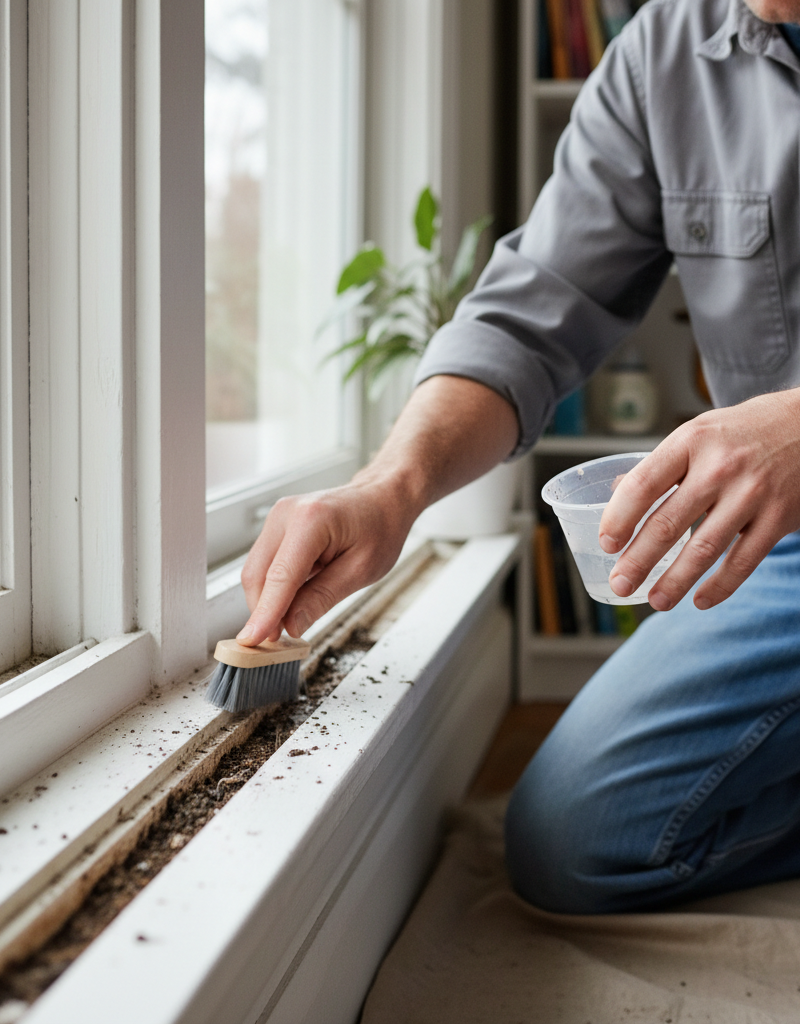
- Mix a 50/50 solution of white vinegar and warm water in a spray bottle. Spray the whole track generously, especially the corners and any spots with crusted-on dirt. Let it sit for 5–10 minutes. This step does the heavy lifting, and that’s the truth of it—it breaks down the sticky, hardened mess so you don’t have to fight it as hard. If you’d rather use a good all-purpose cleaner, that works too.
-
Title: Check the Weep Holes
- Tools: Paper clip or a length of stiff wire.
- While the cleaner is doing its thing, find the weep holes. Take a straightened paper clip or a piece of stiff wire and gently poke into the holes to clear any blockage. You’d be surprised how much dirt comes out of those little openings. If they’re clogged, you’ll be doing this again before long.
-
Title: Scrub the Main Channels
- Tools: Stiff-bristled brush (an old toothbrush is perfect).
- Once the grime softens up, scrub the main channels with your stiff brush. Work from one end to the other and use a back-and-forth motion. The vinegar mix will have turned that caked-on dirt into a slurry. Messy? Yep. But that’s fine—you’re wiping it out next.
-
Title: Detail the Corners
- Tools: Putty knife or flat-head screwdriver, microfiber cloth.
- Wrap a small section of microfiber cloth around the tip of a putty knife or a flat-head screwdriver. Use that to get into the sharp corners and narrow grooves your brush can’t reach. Scrape along the bottom and sides to pull out the gunk the brush loosened. Swap to a clean part of the cloth as it gets dirty. I pulled a window apart in Frisco last month that had exactly this kind of packed-in sludge, and no brush on earth was touching those corners.
-
Title: Wipe It All Clean
- Tools: Microfiber cloths or paper towels.
- Take a clean, absorbent microfiber cloth and wipe out all the loosened grime and leftover cleaner. You’ll probably need to rinse the cloth or grab a fresh one a few times. For the final pass, a paper towel can do a nice job soaking up the last bits of dirty liquid.
-
Title: Final Rinse and Dry
- Tools: Spray bottle with clean water, dry cloth.
- Lightly spritz the track with clean water to rinse away any vinegar or cleaner residue. Then wipe it completely dry with another clean, dry cloth. Don’t leave water sitting in there. That just invites more dirt right back in.
-
Title: Lubricate the Track
- Tools: Silicone-based lubricant spray.
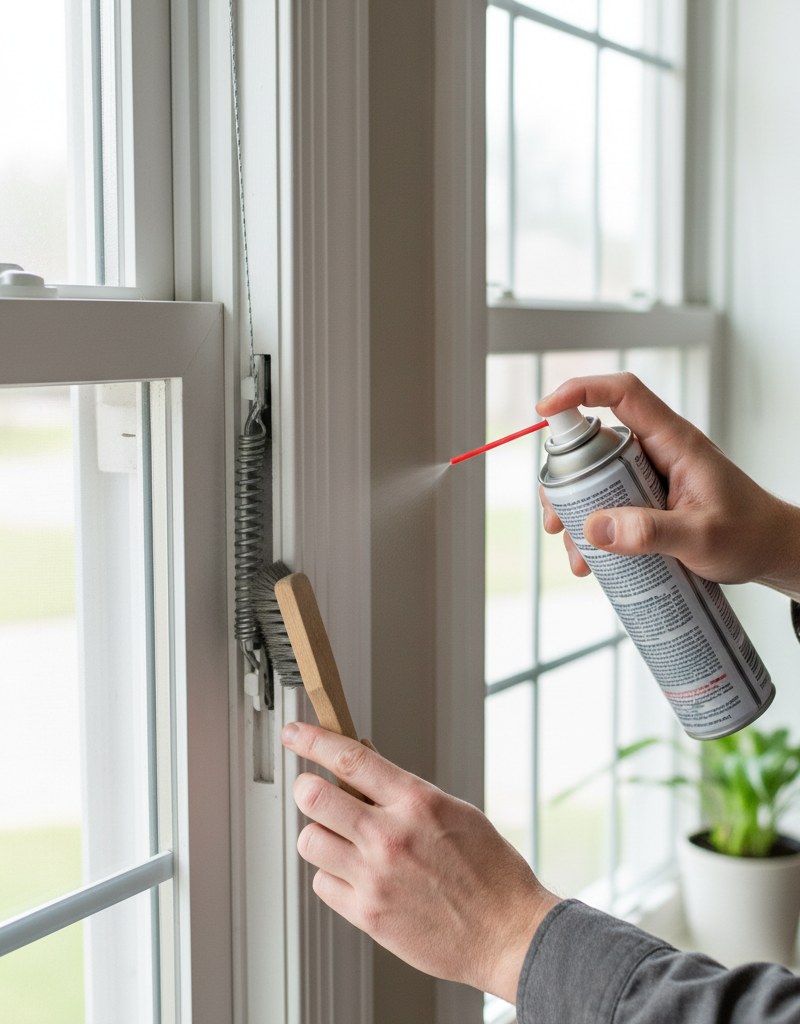
- Safety: Do NOT use an oil-based lubricant like WD-40. It’ll catch and hold dust, and you’ll end up with a sticky mess that’s worse than what you started with. A dry silicone lubricant is what you want.
- With the track clean and dry, give the inside of the track a quick, light spray of silicone-based lubricant. It helps the window glide smoother and can help repel future dirt and water. Wipe off any extra with a clean cloth.
Common Causes
- Clogged Weep Holes: This is the big one. When those tiny weep holes get blocked with debris, rainwater can’t get out, and dust turns into mud.
- Pollen and Dust: In North Texas, heavy spring pollen and dry, dusty summers keep feeding the problem. Fine particles settle into every nook and cranny.
- Condensation: In winter, moisture can build up on the inside of windows. That water drips into the track and mixes with indoor dust and pet dander.
- Decomposing Organic Matter: Dead insects, leaves, and grass clippings get trapped in the track and break down into a sticky, soil-like mess.
- Lack of Lubrication: A dry track has more friction, so it grinds dust and debris into the surface instead of letting it move on out.
Common Mistakes
- Using Oily Lubricants: Spraying WD-40 or other oil-based products in the track is a bad move. Oil attracts dirt like nobody’s business, and you’ll end up with a sticky black sludge that’s tougher to clean than the original problem.
- Scraping with Sharp Metal: Don’t go in there with a bare screwdriver or sharp metal scraper. You can gouge and permanently scratch vinyl or aluminum frames pretty easy.
- Forgetting the Weep Holes: If you scrub the track but don’t clear the weep holes, the problem’s coming right back with the next rain. That’s like mopping the floor while the pipe’s still leaking.
- Flooding the Track: Dumping a bucket of water in there feels quick, but it can force water into the wall cavity, especially if the window seals are old. Use a spray bottle so you’ve got control.
- Painting Over the Problem: Never paint over a dirty window track. The paint won’t stick right and it’ll peel, chip, and make the window harder to operate.
Cost & Time Breakdown
This is a pretty cheap DIY job. Mostly it just takes a little elbow grease.
| Task | DIY Cost | Pro Cost | Time (per window) |
|---|---|---|---|
| Vacuuming & Prep | $0 | (part of service) | 5 minutes |
| Soaking & Scrubbing | $0–$5 (for brush) | (part of service) | 10 minutes |
| Detailing & Wiping | $0 | (part of service) | 5 minutes |
| Lubricating | $5–$10 (for spray) | (part of service) | 1 minute |
| Total | $5–$15 | $75–$150 (as part of a full window cleaning service) | 20–25 minutes |
Tips & Prevention
- Quarterly Vacuuming: Best thing you can do is make window track vacuuming part of your regular cleaning routine. A quick pass with the crevice tool every few months takes seconds and keeps that first layer of dust from ever settling in.
- Check Weep Holes in Fall: Before the winter rains show up, poke a paper clip or pipe cleaner into the weep holes to make sure they’re open. This matters even more if you’ve got big trees nearby.
- Apply a Protectant: After a deep clean, a light mist of silicone spray doesn’t just lubricate—it leaves a barrier that helps repel dirt and water.
- Wipe After Rains: After a heavy rain, it’s a good habit to wipe down the visible parts of the track with a paper towel. That gets the moisture out before it has a chance to mix with dust.
When to Call a Professional
Call a professional window or handyman service if you’re seeing signs of a bigger issue. If the window frame is soft, warped, or starting to rot, that means water’s getting behind the frame and into the wall—and now you’re past simple cleaning. Same deal if you’re seeing serious mold growth, not just a few mildew spots, or if the window is really hard to open or looks "racked" in the frame. That can point to foundation movement or a bad installation. Don’t force a window that won’t budge. You could crack the glass or wreck the frame. A pro can figure out what’s really going on and keep it from turning into a bigger headache.
Related Articles
Keep troubleshooting with these hand-picked guides from FixlyGuide:
- The Grimy Secret Under Your Oven: Why Your Kitchen Never Feels Truly Clean — Your oven and range hood are silent culprits in your kitchen's battle against persistent grease and grime. This guide tackles how to deep c…
- The Grimy Gunk Under Your Washer: Why Your Laundry Still Smells — If your laundry comes out smelling less than fresh, the culprit might be hidden gunk and mildew in your washing machine. I'll show you how…
- That Gray, Greasy Stain on Your Pillowcase? Here's What It Is—and How to Get Rid of It — Tired of those stubborn, greasy gray stains on your pillowcases? We'll show you what causes them and a simple, effective method to make the…
- The Caulk Stain That Won't Quit: Why Your Shower Stays Grimy — Is that stubborn, discolored caulk making your clean shower look perpetually dirty? It's not just surface grime; it's often mold or mildew,…
- That Annoying Haze on Your Stainless Steel Sink? Here's How I Get It Out — I've seen it a hundred times: a cloudy, hazy film clinging to a stainless steel sink that just won't come clean. It's usually from hard wat…
- The Grimy Secret Why Your Window Sticks (And The 15-Minute Fix) — Don't let a stubborn window ruin your day; often, the culprit is simple dirt or dried paint that you can easily fix in under an hour.
Should you do this yourself?
Answer five quick questions before you start. Safety outranks savings every time.
Your experience with work like this
How high do you have to work?
Does the job involve any of these?
Will it need a permit?
Specialty tools
Free and instant. Educational guidance only — not a quote, inspection, or professional diagnosis.
What should this project cost?
Enter your project details for a realistic cost range before you call anyone.
Cost depends heavily on which system turns out to be the source.
- Regional adjustment
- National average
- Labor share (typical)
- ~$1,620
- Quotes to collect
- 3 written estimates
Educational estimate based on national averages — not a binding quote. Always confirm with written local estimates.
Before you start
Check the difficulty, permits, and safety risk — then decide whether to call a pro.
- Estimate this projectGet a cost range for your scope and ZIP before you call anyone.Open
- Get local estimatesSend one request and compare written estimates from vetted pros.Open
Free, no signup required. Estimates are educational guidance, not a quote or an inspection.
Get the print-ready PDF of this guide
A clean, ad-free, printable version you can keep on your phone or pin to the workshop wall. Free with a FixlyGuide account.
- Print-optimized layout
- Tools, materials & every step included
- Saved to your account
Frequently asked questions
How often should I clean my window tracks?+
A deep clean like this is usually needed once or twice a year. However, a quick vacuum of the tracks every 1-2 months is the best way to prevent major buildup and make the deep clean much easier.
Can I use bleach to clean my window tracks?+
It's best to avoid bleach. It can damage the finish on aluminum frames and is harsh on vinyl. A simple solution of vinegar and water or a mild all-purpose cleaner is safer and just as effective for typical grime.
What's the best brush for cleaning window tracks?+
An old toothbrush is perfect because its stiff bristles and small head can get into most of the track. For very narrow tracks, a dedicated crevice cleaning brush or even an artist's stiff-bristled paintbrush will work well.
Why are my window tracks sticky?+
Stickiness is usually caused by one of two things: someone used an oily lubricant (like WD-40) in the past, which has now attracted dirt, or sap and pollen have mixed with water and baked in the sun. A good degreasing cleaner can help break down the sticky residue before you scrub.
Is it safe to pour hot water in the tracks?+
No, you should avoid pouring hot water in the tracks. It can overwhelm the weep holes and potentially leak into your wall structure. It can also warp vinyl window frames. Stick to a spray bottle for better control.
What's the black stuff in my window tracks?+
Most of the time, the black stuff is a mixture of common dust, pollen, and decomposing organic material like dead bugs that has gotten wet and started to mildew. In humid conditions, it can also be mold. If it's widespread and fuzzy, you may want to have it tested.
My window is still hard to open after cleaning. What's wrong?+
If a thorough cleaning and lubricating doesn't fix it, the problem might be with the window's mechanical parts, like the rollers or balancers. The window could also be out of square due to house settling. At that point, it's best to call a window repair professional.
How do I clean the tracks on my sliding glass door?+
The process is exactly the same, just on a larger scale. You'll definitely want to use a vacuum first, as door tracks collect more dirt and debris from foot traffic. A stiff brush and a putty knife wrapped in a cloth are still your best tools for the job.
Discussion
Loading comments…