- Harsh Chemical Cleaners: Bleach, ammonia-based cleaners, or oven cleaners can stain, discolor, or even etch stainless steel if left on too long. They can break down that protective chromium oxide layer, leaving the surface vulnerable.
- Improper Drying: Simply letting your sink air dry allows hard water to evaporate, leaving behind mineral deposits. This is probably the second biggest culprit after hard water itself.
- Certain Foods/Acids: Leaving acidic foods like lemon wedges, tomato sauce, or even coffee grounds in the sink for extended periods can dull or etch the surface, leading to localized hazing or staining.
Published September 1, 2026Last updated September 1, 2026
Tools & materials you'll need
Affiliate linksAs an Amazon Associate FixlyGuide earns from qualifying purchases — at no extra cost to you. Prices and availability are accurate as of publication and subject to change.
Quick Answer
That dull, cloudy haze on your stainless steel sink? Yeah, I’ve seen it a hundred times. It’s usually hard water mineral deposits, sometimes from using the wrong cleaners, or even certain foods that leave a film behind. But don’t you worry, it’s not permanent. Most times, a little white vinegar to break down those minerals, followed by a good polish, and your sink’ll be looking sharp again. No fancy gadgets. No need to break the bank.
The Problem
Homeowners call me up all the time, frustrated, saying, “My stainless steel sink looks terrible! It’s cloudy, it’s streaky, it just won’t shine like it used to.” They’ve scrubbed it, they’ve bleached it, they’ve tried every all-purpose cleaner under the sun, and still, that stubborn haze just sits there. It’s not dirt, not really. It’s usually a build-up.
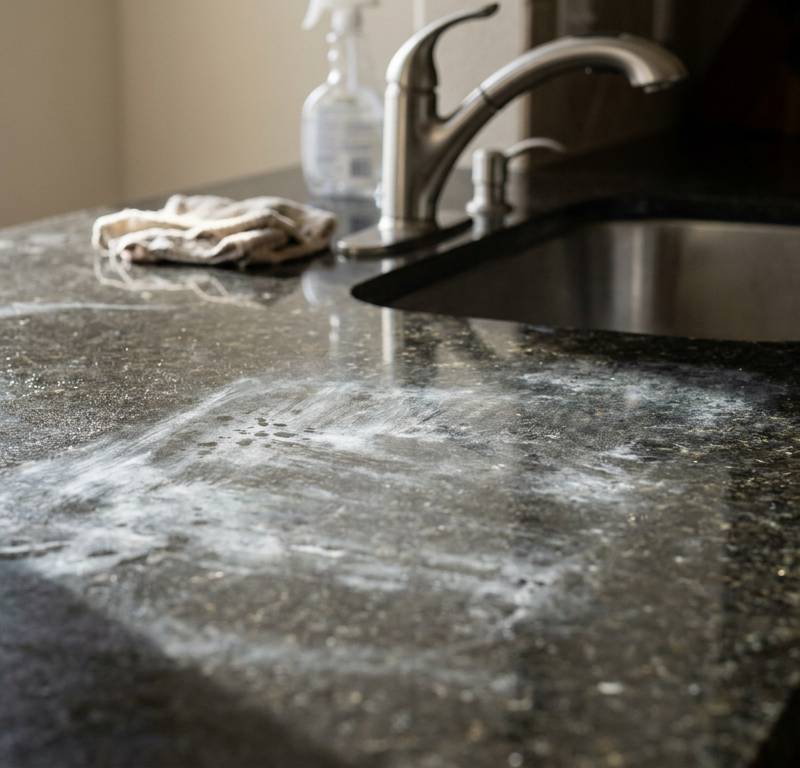
Think about it: every time you run water, especially if you’re in an area with hard water like my old stomping grounds in suburban Atlanta (got a call once about this very thing in Marietta, and the homeowner swore up and down they cleaned their sink daily), you’re leaving behind microscopic mineral deposits. Those deposits, mostly calcium and magnesium, bond to the stainless steel surface. Over time, they layer up, catching soap scum, food particles, and whatever else goes down the drain. You end up with a dull, white-ish film that makes even a freshly cleaned sink look grubby.
And what really ticks me off is when folks use abrasive cleaners or steel wool—that stuff can scratch the surface, making it more prone to hazing because it creates tiny crevices for minerals to latch onto.
How It Works
So, what’s actually happening with your stainless steel? Well, the "stainless" part comes from a thin, invisible layer of chromium oxide that forms on the surface. This layer, called the passive layer, is what protects the steel from rust and corrosion. When you get hard water deposits, or use certain chemicals, you’re either covering this passive layer or, in worse cases, damaging it.
Hard water contains dissolved minerals, primarily calcium carbonate and magnesium carbonate. When water evaporates, these minerals get left behind as tiny, white, crystalline residues. Those residues build up and create that cloudy film. Think of it like scale inside a teapot—same stuff, different surface.
Another culprit can be certain acidic foods or harsh cleaners. Lemon juice, tomato sauce, or even some strong bleach solutions, if left to sit, can react with the passive layer, dulling its appearance or causing etching. Abrasive scrubbing, especially with steel wool or harsh pads, can physically scratch this layer away, making the sink more susceptible to staining and hazing.
The goal, then, is two-fold: first, to gently dissolve these mineral deposits without damaging the passive layer, and second, to restore the surface's natural luster and help re-establish that protective layer. We’re basically giving the sink a gentle reset and then helping it defend itself better moving forward. Once that surface is clean and polished, water doesn’t cling as bad, and new deposits have a tougher time sticking.
Step-by-Step Fix
Alright, let’s get that sink sparkling again. Don’t rush it, and follow these steps. You’ll thank me later.
-
Empty and Rinse the Sink – Clear out the clutter First things first, get everything out of the sink. Dishes, sponges, drain stoppers—the works. Give it a good rinse with warm water to flush away any loose food particles or soap scum. You want a clean slate before you start treating the surface. Use a soft cloth or sponge for this.
-
Apply White Vinegar – Dissolve the mineral magic Pour undiluted white vinegar directly onto the hazy areas of your sink. Don’t be shy; you want good coverage. For really stubborn spots, you can dampen a paper towel with vinegar and lay it over the area to let it soak. Vinegar is a mild acid, and it’s fantastic at breaking down those hard water mineral deposits without harming the stainless steel. I usually let it sit for about 10 to 15 minutes. If it’s really bad, you can go up to 30 minutes, but keep an eye on it.
-
Gentle Scrubbing (With the Grain) – Work it in, don’t scratch it After the vinegar has had time to work, take a non-abrasive sponge or a soft brush. Gently scrub the sink with the grain of the stainless steel. You’ll see fine lines in the metal; always scrub in the direction of these lines. Going against the grain can create tiny scratches that dull the finish and invite more problems down the road. You should start seeing the haze lift. If it’s still there, reapply vinegar and let it sit a bit longer.
-
Rinse Thoroughly – Wash away the evidence Once you’re satisfied the haze is gone, rinse the entire sink thoroughly with warm water. Make sure you wash away all the vinegar. Any lingering acid can keep working on the surface, and we don’t want that. A good, solid rinse is key here.
-
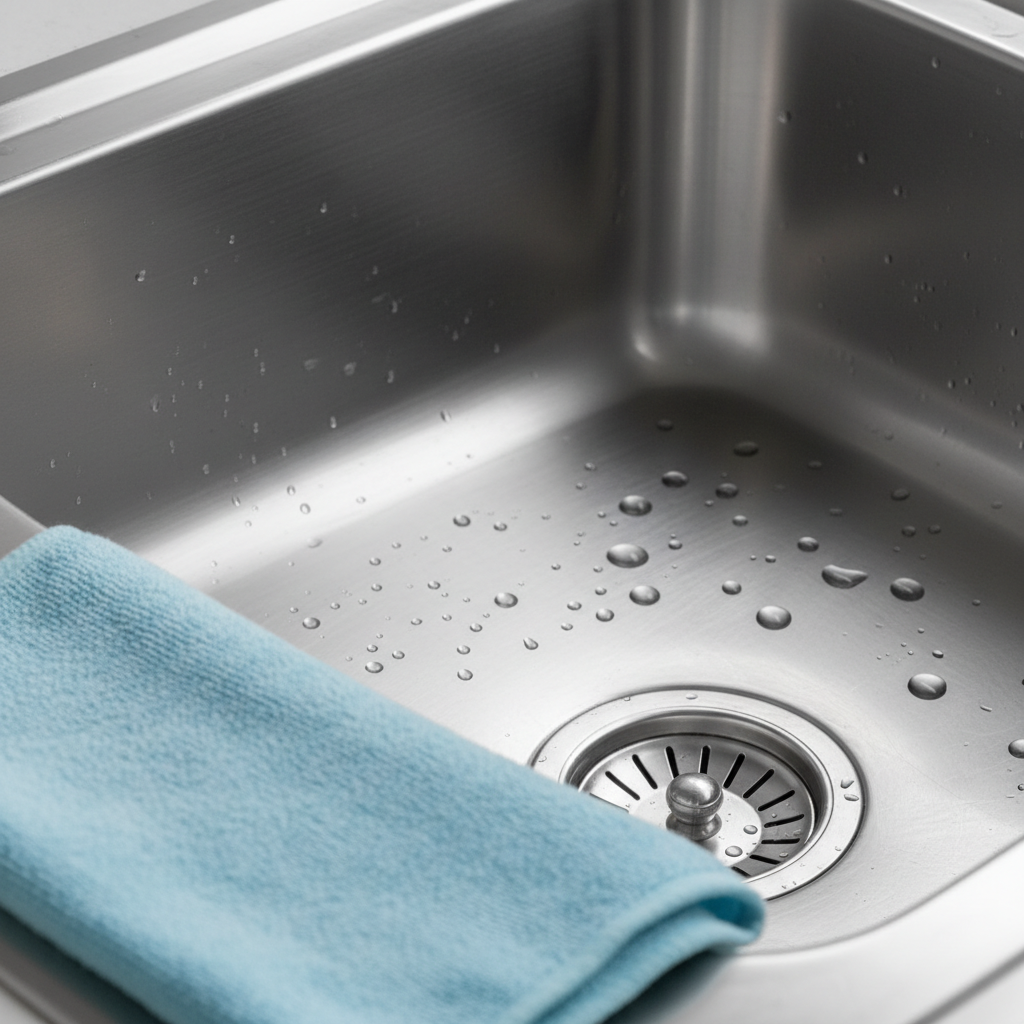
Dry Completely – No spots left behind Immediately dry the sink with a clean, soft cloth, like a microfiber towel. This step is crucial. Air drying lets new water spots form, especially if your water’s hard, which would defeat the whole purpose. Get it bone dry, and admire that clean, matte finish for a second.
-
Apply Stainless Steel Cleaner/Polish – Bring on the shine Now for the fun part: restoring that luster. Take a dedicated stainless steel cleaner and polish, following the product's instructions. Usually, you’ll spray a small amount onto a clean, soft cloth and then wipe it onto the sink, again, with the grain. This stuff not only polishes but also leaves a protective barrier that helps repel water and fingerprints. Alternatively, for a natural, budget-friendly option, you can use a small amount of olive oil or mineral oil. Just a few drops on a soft cloth, wipe with the grain, and then buff with a clean, dry cloth to remove any excess.
-
Buff to a Mirror Shine – The grand finale Using a separate, clean, dry microfiber cloth, buff the entire sink surface until it gleams. This removes any streaks from the cleaner/oil and enhances the shine. You’ll be amazed at the difference. I tell folks to imagine they’re polishing a fine piece of furniture—gentle, circular motions for the buffing, but still staying with the grain where possible. That’s how you get that factory-fresh look back.
-
Repeat as Needed for Maintenance – Keep it sparkling To prevent the haze from coming back, make a habit of drying your sink after every use. A quick wipe down with a microfiber cloth after washing dishes goes a long way. You don’t have to do the full vinegar treatment every day, but a weekly polish with stainless steel cleaner or oil will keep it looking top-notch.
Common Causes
- Hard Water Buildup: This is the big one. Minerals like calcium and magnesium in your tap water settle and crystalize on the surface as water evaporates, forming a dull, cloudy film. Especially common if you live in places like Phoenix or parts of Texas with very hard water. I’ve seen sinks in those parts of the country haze up in a matter of weeks if they’re not dried properly.
- Abrasive Cleaners/Pads: Using steel wool, highly abrasive scrubbers, or powdered cleansers can scratch the passive layer of the stainless steel. Those microscopic scratches then become prime spots for mineral deposits and dirt to collect, making the haze worse and harder to remove.
- Harsh Chemical Cleaners: Bleach, ammonia-based cleaners, or oven cleaners can stain, discolor, or even etch stainless steel if left on too long. They can break down that protective chromium oxide layer, leaving the surface vulnerable.
- Improper Drying: Simply letting your sink air dry allows hard water to evaporate, leaving behind mineral deposits. This is probably the second biggest culprit after hard water itself.
- Certain Foods/Acids: Leaving acidic foods like lemon wedges, tomato sauce, or even coffee grounds in the sink for extended periods can dull or etch the surface, leading to localized hazing or staining.
Common Mistakes
- Using Bleach or Ammonia: Seriously, don’t do it. Bleach can permanently stain or pit stainless steel, and ammonia-based cleaners can strip away the protective finish, leaving it vulnerable to corrosion and hazing. Stick to specialized stainless steel cleaners or mild solutions.
- Scrubbing Against the Grain: Stainless steel has a grain, just like wood. Scrubbing across it with anything even mildly abrasive creates tiny scratches that dull the finish and make it harder to clean. Always go with the grain to keep that factory look.
- Leaving It Wet: I can’t stress this enough. Every time you leave your sink to air dry, you’re inviting hard water spots and mineral buildup. A quick wipe with a microfiber cloth after each use takes literally 15 seconds and saves you a huge headache.
- Using Steel Wool or Rough Sponges: These will absolutely scratch your sink, making it look dull and creating new spots for grime to stick. Use soft cloths, microfiber towels, or non-abrasive sponges only.
- Ignoring the Problem: The longer hard water haze sits, the harder it is to remove. What starts as a light film can turn into a thick, calcified layer that needs more aggressive—and potentially damaging—methods to get off. Nip it in the bud.
- Over-Polishing with Oil: While oil helps, using too much or not buffing it off completely can leave a greasy residue that attracts dust and dirt, making your sink look even worse than when you started. A little goes a long way, and buffing is non-negotiable.
Cost & Time Breakdown
| Task | DIY cost | Pro cost | Time (DIY) |
|---|---|---|---|
| Initial Cleaning & Vinegar | $2–$5 | N/A | 15–30 min |
| Stainless Steel Cleaner/Polish | $10–$20 | N/A | 5–10 min |
| Regular Maintenance Cleaning | $0 | N/A | 2–5 min daily |
| Deep Cleaning (annual) | $15–$30 | $100–$200 | 1–2 hours |
Tips & Prevention
- Wipe Dry After Each Use: Seriously, this is the biggest game-changer. Keep a microfiber cloth handy and give your sink a quick wipe-down after you’re done with dishes. It takes literally seconds and prevents almost all hard water spotting.
- Regular Vinegar Rinse: Once a week, give your sink a quick wipe-down with a 50/50 white vinegar and water solution. Let it sit for a few minutes, then rinse and dry. This keeps mineral buildup from gaining a foothold.
- Use Soft Cleaners Only: Stick to dish soap for daily cleaning or specialized stainless steel cleaners. Avoid anything abrasive like Comet or Bar Keepers Friend for routine cleaning, and absolutely no steel wool.
- Consider a Water Softener: If you’re battling severe hard water, a whole-house water softener can dramatically reduce mineral buildup not just in your sink, but in your entire plumbing system and appliances. It’s an investment, but it pays off.
- Rinse Food Residues Promptly: Don’t let acidic foods like lemon peels, tomato sauce, or even salty brines sit in your sink for hours. Rinse them down the drain quickly to prevent potential etching or staining.
- Invest in a Good Microfiber Cloth: A high-quality microfiber cloth is your best friend for stainless steel. It absorbs water effectively and buffs to a streak-free shine without scratching.
When to Call a Professional
Look, cleaning a hazy stainless steel sink is usually a DIY job, but there are times when you might need to call in the cavalry. If you’ve got deep scratches, etching that you can feel with your fingernail, or significant discoloration that isn’t budging after repeated attempts with vinegar and polish, you might have gone beyond simple haze. Sometimes, aggressive scrubbing with the wrong tools can cause permanent damage to the passive layer, requiring professional restoration or even replacement if the damage is severe enough.
If the haze has turned into dark, pitted spots, or if you suspect it’s actually rust (which is rare on good quality stainless steel but can happen with cheaper alloys or if the passive layer is compromised), then it’s time to get a pro. A specialized cleaning or restoration service might be able to bring it back, but it won’t be cheap. For a simple hazy film, you’ve got this.
Related Articles
Keep troubleshooting with these hand-picked guides from FixlyGuide:
- Why Your Kitchen Sink Drain Stinks (Even After You've Cleaned It) — Don't just mask that foul odor from your kitchen sink; get rid of the gunk causing it with this pro-level cleaning method.
- The Rusty Ring In Your Toilet? It's Not Just Ugly, It's a Symptom. — Stubborn rust rings in your toilet bowl are an eyesore and a sign of hard water or corroded pipes, but you can remove them with the right a…
- The Mystery of the Sprouting Carpet Tuft (And How to Stop It) — Ever noticed little loops or long strands sticking up from your carpet after cleaning or heavy use? That's called sprouting, and it's not j…
- The Grimy Secret Behind Your Dull Bathroom Faucet — And How to Make It Shine — Discover the real culprit behind your bathroom faucet's dull, grimy appearance and how to quickly restore its shine with a few common house…
- The 3 Lies Your Carpet Cleaner Tells You (And Why Your Carpet Stinks) — Ever notice those 'cleaned' carpet stains pop right back up, or a lingering funk that just won't quit? It's not bad luck; it's bad science.
- Your Dishwasher Dishes Come Out Cloudy? It's This, Not Soap — Tired of cloudy glasses and spotty plates? The unsightly white residue from your dishwasher is almost always caused by hard water mineral d…
Should you do this yourself?
Answer five quick questions before you start. Safety outranks savings every time.
Your experience with work like this
How high do you have to work?
Does the job involve any of these?
Will it need a permit?
Specialty tools
Free and instant. Educational guidance only — not a quote, inspection, or professional diagnosis.
What should this project cost?
Enter your project details for a realistic cost range before you call anyone.
Cost depends heavily on which system turns out to be the source.
- Regional adjustment
- National average
- Labor share (typical)
- ~$1,620
- Quotes to collect
- 3 written estimates
Educational estimate based on national averages — not a binding quote. Always confirm with written local estimates.
Before you start
Check the difficulty, permits, and safety risk — then decide whether to call a pro.
- Estimate this projectGet a cost range for your scope and ZIP before you call anyone.Open
- Get local estimatesSend one request and compare written estimates from vetted pros.Open
Free, no signup required. Estimates are educational guidance, not a quote or an inspection.
Get the print-ready PDF of this guide
A clean, ad-free, printable version you can keep on your phone or pin to the workshop wall. Free with a FixlyGuide account.
- Print-optimized layout
- Tools, materials & every step included
- Saved to your account
Frequently asked questions
Why does my stainless steel sink look hazy?+
The haze on your stainless steel sink is most often caused by hard water mineral deposits, particularly calcium and magnesium, left behind when water evaporates. It can also be exacerbated by certain harsh cleaners or abrasive scrubbing, which damage the protective surface.
Can I use bleach on my stainless steel sink?+
No, absolutely not. Bleach can permanently stain, discolor, and even pit stainless steel by breaking down its protective chromium oxide layer. Always use mild cleaners or dedicated stainless steel products.
How do I remove hard water spots from my stainless steel sink?+
White vinegar is your best friend for hard water spots. Apply undiluted white vinegar, let it sit for 10-15 minutes, then scrub gently with a non-abrasive sponge in the direction of the grain. Rinse thoroughly and dry immediately.
What's the best way to prevent haze on my stainless steel sink?+
The single most effective prevention is to dry your sink completely with a microfiber cloth after every use. This stops mineral deposits from forming in the first place. Regular light cleaning with vinegar or a stainless steel cleaner also helps.
Can olive oil really clean stainless steel?+
Yes, olive oil (or mineral oil) is a great natural alternative to commercial stainless steel polishes. Apply a few drops to a soft cloth, wipe with the grain to polish, and then buff with a clean, dry cloth to remove excess and leave a streak-free shine.
What kind of sponge should I use on stainless steel?+
Always use a non-abrasive sponge, a soft cloth, or a microfiber towel. Never use steel wool, rough scrubbers, or scouring pads, as these will scratch the surface and make it more prone to future hazing and staining.
How often should I clean my stainless steel sink deeply?+
For routine maintenance, a quick wipe-down and dry after each use, plus a weekly light cleaning with vinegar or a mild cleaner, is usually sufficient. A deeper clean involving a polish can be done monthly or as needed when hazing reappears.
My sink has deep scratches. Can I fix them?+
Minor surface scratches can sometimes be minimized with specialized stainless steel scratch removal kits, but deep scratches that you can feel with your fingernail are often permanent. These might require professional restoration or, in severe cases, indicate it's time for a new sink.
Is it okay to use Bar Keepers Friend on stainless steel?+
While Bar Keepers Friend is popular, it contains oxalic acid and fine abrasives. Use it sparingly and gently, always with the grain, and rinse thoroughly. For everyday cleaning and haze prevention, milder options like vinegar or dish soap are safer to avoid micro-scratching the finish.
Why does my stainless steel sink still look streaky after cleaning?+
Streaks often come from not rinsing thoroughly enough to remove all cleaning residue, or more commonly, not drying the sink completely and immediately after cleaning. Air drying allows water to evaporate and leave new streaks or mineral deposits.
Discussion
Loading comments…