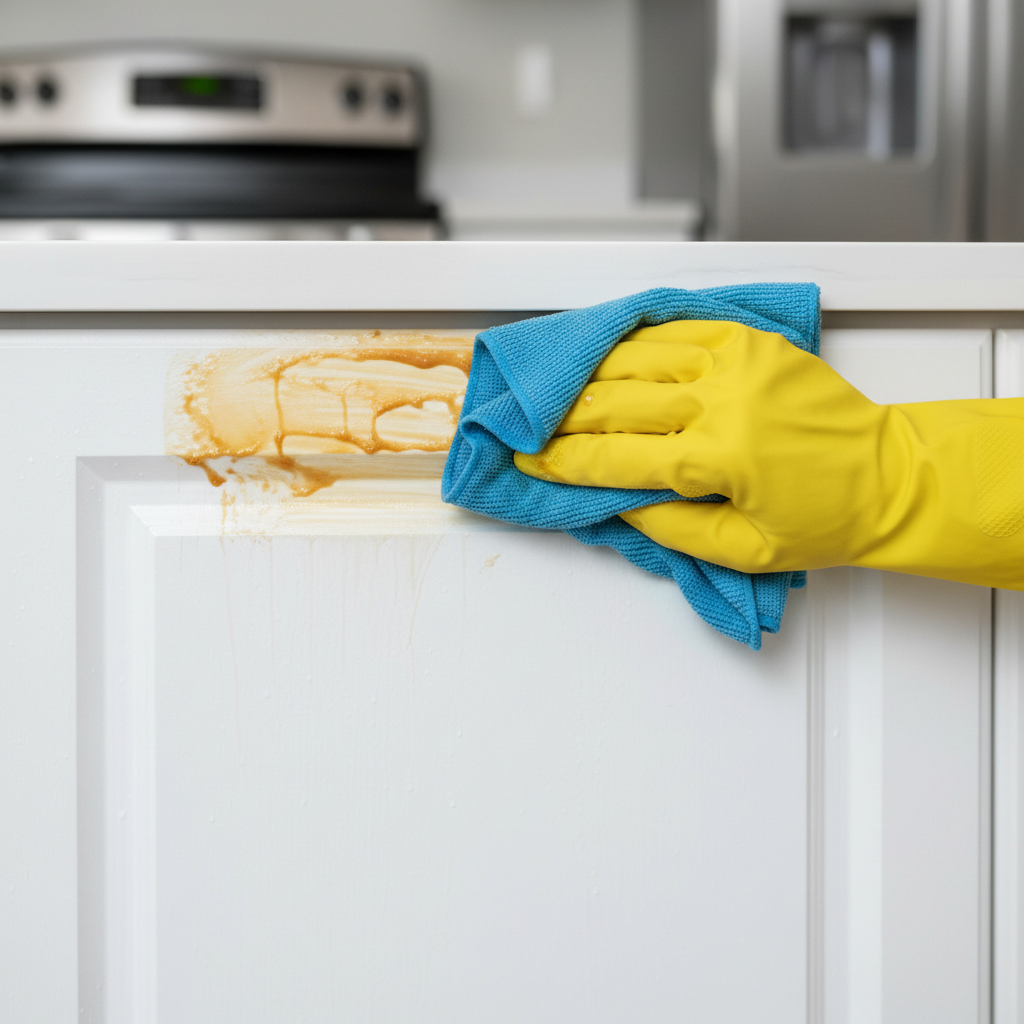
- Primary Cleaner (Gentle): Dawn Powerwash (or a mixture of 1 tsp Dawn dish soap in 2 cups of warm water).
- Secondary Cleaner (Tough Grease): Krud Kutter Original concentrate.
- Microfiber Cloths: At least 4-5 cloths. Use separate ones for cleaning and rinsing.
- Soft-Bristled Brush: An old toothbrush or a small detailing brush for crevices and hardware.
- Buckets: Two—one for your cleaning solution (if not using a spray) and one for clean rinse water.
Kitchen · Kitchen remodel
| Project category | Kitchen |
|---|---|
| Problem type | Kitchen remodel |
| Trade required | General contracting |
| Urgency | Planned project |
| Safety risk | Low safety risk |
| DIY suitability | Pro recommended |
| Cost category | Major investment |
| Typical timeline | Design and cabinet lead time 8–16 weeks; build 4–8 weeks |
| Contractor type | Kitchen remodeler or general contractor |
Repair option
Refacing, new counters, or hardware for a fraction of a gut remodel.
Replacement option
Full remodel when layout, plumbing, or electrical needs to change.
Common causes
- Dated layout
- Failing cabinets or counters
- Adding function or resale value
Relevant tools:project cost estimatorcompare quoteshome improvement material prices
Published June 3, 2026Last updated August 17, 2026
Tools & materials you'll need
Affiliate links- AmazonMicrofiber cloths4-5 · Use separate cloths for cleaning, rinsing, and drying.
- AmazonSoft-bristled brush1 · An old toothbrush works well for small details.
- AmazonBuckets2 · One for rinse water is essential.
- AmazonRubber gloves1 pair
- AmazonOld towels or drop cloths2-3 · To protect countertops and floors.
As an Amazon Associate FixlyGuide earns from qualifying purchases — at no extra cost to you. Prices and availability are accurate as of publication and subject to change.
Quick Answer
To effectively clean greasy painted kitchen cabinets without damaging the finish, start with the gentlest method. Mix a few drops of a strong degreasing dish soap, like Dawn, in a bucket of warm water. For more power, use a spray-on cleaner like Dawn Powerwash. If the grease is old and sticky, you'll need a solvent-based cleaner like Krud Kutter Original, which dissolves oil without harming most factory-painted or professionally painted surfaces. Always test any cleaner on a hidden spot first and use soft microfiber cloths instead of abrasive sponges.
Why This Works
Kitchen cabinet grease isn't just simple oil; it’s a complex, stubborn film. When you cook, aerosolized grease particles, steam, and microscopic food particles float through the air and settle on your cabinet surfaces. Over time, exposure to heat, light, and oxygen causes these oils to undergo a process called polymerization. The fatty acid chains link together, transforming the liquid grease into a hard, sticky, semi-solid varnish that regular cleaners can't touch. This is the same principle behind seasoning a cast-iron skillet.
Cleaning this polymerized layer requires a specific chemical approach. The goal is to break down the grease without harming the paint layer underneath. This is a delicate balance of solvency and pH neutrality.
-
Surfactants (The Emulsifiers): Cleaners like Dawn Powerwash are packed with surfactants. These are molecules with a dual personality: one end is hydrophilic (attracted to water), and the other is lipophilic (attracted to oil). When you spray it on the cabinet, the lipophilic tails burrow into the grease, surrounding tiny droplets of oil. When you wipe with a damp cloth, the hydrophilic heads grab onto the water and pull the encapsulated grease away from the surface. This is highly effective for fresh or moderately built-up grease.
-
Solvents (The Dissolvers): For tough, polymerized grease, surfactants alone may not be enough. This is where a product like Krud Kutter Original shines. It is a water-based, biodegradable cleaner that uses a blend of mild solvents. Unlike harsh chemical strippers, these solvents are designed to dissolve oils, polymers, and grime without being aggressive enough to dissolve the cured paint binder. It works by breaking the long, sticky polymer chains back down into smaller, more liquid molecules that can be easily wiped away. This is crucial—it removes the grease without relying on a dangerously high or low pH.
-
The pH Problem: Many general-purpose cleaners are too alkaline (like ammonia) or too acidic (like vinegar). While these can be effective at cleaning, they can be disastrous for painted surfaces. High alkalinity can soften and strip latex and oil-based paints, while strong acids can etch and dull the finish, creating a permanently cloudy appearance. This is why you should NEVER use products like CLR, straight vinegar, or ammonia-based window cleaners on your painted cabinets. Krud Kutter and Dawn are both close to pH neutral, making them much safer for your cabinet’s finish.
-
Abrasives vs. Agitation: It’s tempting to grab a Mr. Clean Magic Eraser or a scouring pad, but these are a terrible idea for painted surfaces. A Magic Eraser is essentially a superfine-grit sandpaper (melamine foam). It "cleans" by abrading the top layer of the surface. On paint, this means you are literally sanding away the finish, creating dull spots and potentially removing the paint entirely. The correct approach is gentle agitation with a soft-bristled brush or a microfiber cloth, which allows the chemical cleaner to do the work without physically damaging the surface.
What You Need
- Primary Cleaner (Gentle): Dawn Powerwash (or a mixture of 1 tsp Dawn dish soap in 2 cups of warm water).
- Secondary Cleaner (Tough Grease): Krud Kutter Original concentrate.
- Microfiber Cloths: At least 4-5 cloths. Use separate ones for cleaning and rinsing.
- Soft-Bristled Brush: An old toothbrush or a small detailing brush for crevices and hardware.
- Buckets: Two—one for your cleaning solution (if not using a spray) and one for clean rinse water.
- Rubber Gloves: To protect your hands from grease and cleaners.
- Old Towels or Drop Cloths: To protect your countertops and floors.
Step-by-Step Method
Follow this process, starting with the gentlest cleaner first. Only move on to the stronger solvent if necessary. This protects your paint and uses the least aggressive method required.
-
Prep Your Space — Lay down old towels or drop cloths on the countertops and floor beneath the cabinets you’re cleaning. This will catch any drips and make cleanup easier. Open a window or turn on the exhaust fan for good ventilation.
-
Do a Quick Dry Wipe — Before introducing any liquids, use a dry microfiber cloth to wipe down the cabinet faces. This removes any loose dust, cobwebs, and debris, allowing your cleaner to work directly on the grease itself.
-
Perform a Critical Spot Test — Choose a small, hidden area, like the back of a cabinet door or the inside of a rarely used door. Apply a small amount of your chosen cleaner (start with the Dawn solution), let it sit for a minute, and wipe it off. Check for any paint discoloration, softening, or dulling of the sheen. If it looks good, proceed. Do not skip this step.
-
Method 1: The Surfactant Wash — For light to moderate grease, spray the cabinet surfaces generously with Dawn Powerwash or use a microfiber cloth dipped in your warm water/dish soap solution. Let the cleaner dwell on the surface for 2-3 minutes. This dwell time is critical for the surfactants to begin emulsifying the grease.
-
Wipe and Agitate Gently — Using a clean, damp microfiber cloth, wipe the cabinet in the direction of the wood grain (if visible) or in a consistent top-to-bottom motion. The grease should start to lift. Apply light, even pressure. For detailed areas or hardware, use your soft-bristled brush to gently scrub.
-
Rinse Thoroughly — This is one of the most important steps. Dip a fresh microfiber cloth in your bucket of clean rinse water and wring it out until it’s just damp. Wipe down the entire cabinet surface to remove any soap residue. Soap left behind will attract new dust and grime, making your cabinets get dirty faster.
-
Dry Completely — Use a final, dry microfiber cloth to buff the cabinet surface dry. This prevents water spots and streaks, leaving a clean, non-sticky finish. If your cabinets are clean, you can stop here.
-
Method 2: The Solvent Tackle for Tough Grease — If the Dawn method left sticky patches behind, it’s time for Krud Kutter. Pour some Krud Kutter Original into a clean spray bottle (or use its built-in sprayer). Lightly spray the affected areas.
-
Let the Solvent Dwell — Allow the Krud Kutter to sit on the surface for 3-5 minutes. You may see the thick, polymerized grease start to dissolve or "run." This is the solvent breaking down the sticky varnish. Do not let it dry on the surface.
-
Wipe Away the Dissolved Grease — Take a clean, damp microfiber cloth and wipe firmly. You should see the sticky film lift off onto the cloth. You may need to rinse your cloth frequently or switch to a new one as it becomes saturated with grease.
-
Final Rinse and Dry — Just as with the soap method, you must rinse the surface to remove the solvent. Use a new, clean damp cloth to wipe everything down, followed by a dry cloth to eliminate all moisture and prevent streaking.
-
Clean and Polish Hardware — If you didn't remove the cabinet hardware, give it a final polish. Use your soft-bristled brush and a small amount of your chosen cleaner to get around handles and knobs, then wipe clean and dry. This finishing touch makes a huge difference.
Common Mistakes to Avoid
- Using Abrasive Sponges: Never use green scouring pads, steel wool, or even a Mr. Clean Magic Eraser. They will scratch, dull, and can even remove the paint finish.
- Skipping the Spot Test: Assuming a cleaner is safe can lead to disaster. Different paints (latex, acrylic, oil-based, factory enamel) react differently. Always test first.
- Using the Wrong Cleaners: Avoid ammonia, bleach, pure vinegar, or oven cleaner. These are either too acidic or too alkaline and will damage the paint.
- Letting the Cleaner Dry: Allowing a degreaser or solvent to dry on the cabinet can create a new, hard-to-remove film and may lead to discoloration.
- Not Rinsing Properly: Leftover soap or solvent residue acts as a magnet for new grease and dust, undoing all your hard work.
- Using Too Much Water: If your cabinet doors have MDF or particle board cores, excessive water can seep into the joints, causing swelling and irreversible damage. A damp cloth is all you need.
Cost & Time Breakdown
Cleaning greasy cabinets is a budget-friendly DIY project. The primary costs are the cleaning agents and quality microfiber cloths.
| Task | DIY Cost | Pro Cost (per hour) | Time Estimate (for a standard kitchen) |
|---|---|---|---|
| Materials Purchase | $15 - $30 | N/A | 30 minutes |
| Cabinet Cleaning | $0 | $40 - $75 | 1 - 3 hours |
| Hardware Polishing | $0 | Included in service | 30 minutes |
| Total | $15 - $30 | $50 - $150 | 1.5 - 4 hours |
Pro costs are based on hiring a general cleaning service. A specialized furniture/cabinet restorer would be significantly more expensive.
Prevention & Maintenance
Keeping your cabinets from getting a thick, greasy layer is far easier than removing it.
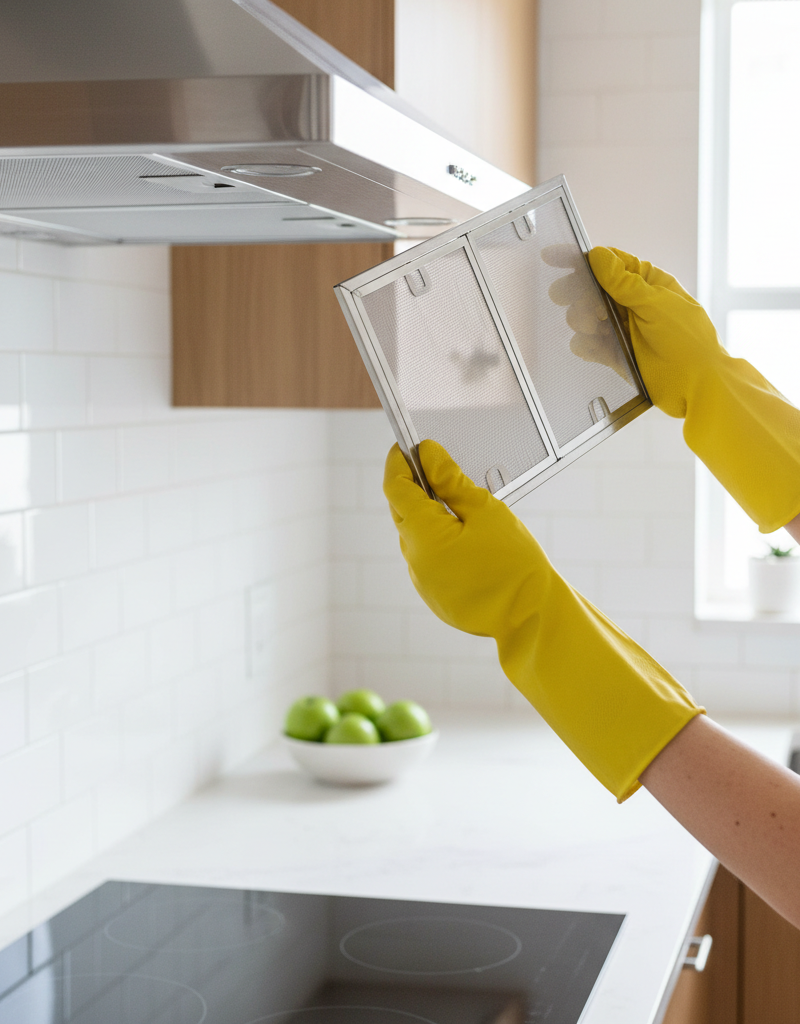
- Use Your Vent Hood: Make it a habit to turn on your range hood fan every single time you cook, especially when pan-frying or searing. This captures grease at the source.
- Wipe Down Weekly: Once a week, give your cabinet fronts a quick wipe-down with a damp microfiber cloth. This removes the fresh, un-polymerized grease before it has a chance to harden.
- Clean Spills Immediately: Addressed a splatter from a simmering sauce or sizzling pan right away. The longer it sits, the harder it is to remove.
- Consider a Sacrificial Barrier: For cabinets directly above the stove, you can apply a very thin layer of cabinet cream or wax (like a carnauba wax). This can create a barrier that makes grease easier to wipe off. Always test this on your finish first, as it can alter the sheen.
- Annual Deep Clean: No matter how vigilant you are, some grease will accumulate. Perform a deep clean using the methods above at least twice a year to keep things manageable.
When to Call a Professional
While DIY cleaning is effective in most cases, there are situations where calling a professional is the smarter choice. If you encounter any of the following, it’s best to put down the sponge and pick up the phone:
- The Paint is Already Chipping or Peeling: Aggressive cleaning will only make this worse. The cabinets likely need to be stripped and repainted. No amount of cleaning will fix a failing paint job. A professional painter can properly prep and refinish the surfaces for a durable, long-lasting result.
- Unknown or Delicate Finish: If you have custom-glazed, antique, or hand-painted cabinets, the risk of causing irreparable damage is high. A furniture restoration specialist has the experience to identify the finish and use appropriate, often specialized, products.
- The Grease is Black and Rock-Hard: In extreme cases of neglect, particularly in rental properties or commercial kitchens, the grease may have polymerized to a point where even strong solvents struggle. A professional may use thermal methods (steam) or more potent, controlled chemicals that are unsafe for untrained homeowners to handle.
- The Underlying Material is Damaged: If you see signs of water damage, swelling in the underlying MDF or particleboard, or delamination, a cleaning service won’t solve the problem. You may need a cabinet maker or a general contractor to assess whether the doors or boxes need to be repaired or replaced.
What should this project cost?
Enter your project details for a realistic cost range before you call anyone.
Cosmetic refreshes start near $5,000; full remodels commonly $25,000–$45,000.
- Regional adjustment
- National average
- Labor share (typical)
- ~$8,550
- Quotes to collect
- 3 written estimates
Educational estimate based on national averages — not a binding quote. Always confirm with written local estimates.
Get the print-ready PDF of this guide
A clean, ad-free, printable version you can keep on your phone or pin to the workshop wall. Free with a FixlyGuide account.
- Print-optimized layout
- Tools, materials & every step included
- Saved to your account
Frequently asked questions
Can I use a Mr. Clean Magic Eraser on my painted cabinets?+
No, you should never use a Magic Eraser on painted surfaces. It is a micro-abrasive and works like very fine sandpaper. It will dull your paint's sheen at best and strip the paint off entirely at worst.
Is vinegar a good degreaser for painted cabinets?+
Vinegar is not recommended. Its acidic nature can etch or dull the paint finish, cause discoloration, and is not as effective on polymerized grease as a proper surfactant or solvent-based cleaner.
What's the difference between regular grease and the sticky film on my cabinets?+
Fresh grease is just oil and can be wiped up easily. The sticky film is polymerized grease. Over time, heat, light, and air cause the oil molecules to link together, forming a hard, varnish-like layer that is much more difficult to remove and requires a stronger cleaner.
How often should I deep clean my kitchen cabinets?+
This depends on your cooking habits. If you frequently fry or cook with a lot of oil, you may need to deep clean every 3-4 months. For most households, a deep cleaning once or twice a year is sufficient, supplemented by weekly wipe-downs.

Discussion
Loading comments…