- Use a Splatter Guard: A simple mesh screen placed over your frying pan can drastically reduce the amount of oil that becomes airborne in the first place.
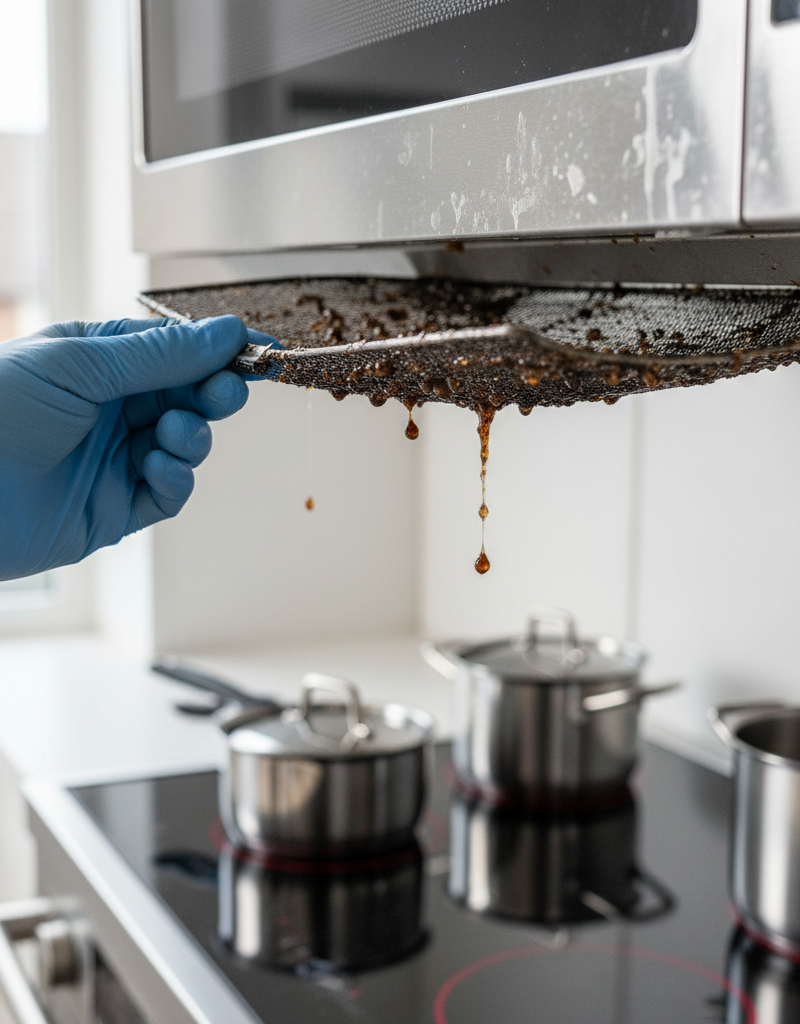
- Clean Your Vent Hood Filters: If you have a range hood, its metal mesh filters are your first line of defense. Wash them monthly in hot, soapy water or your dishwasher to keep them effective.
- Wipe Up Splatters Immediately: The moment you’re done cooking, while the stove area is still warm, use a soapy sponge to wipe down the wall behind it. This 30-second task prevents hours of scrubbing later.
Kitchen · Kitchen remodel
| Project category | Kitchen |
|---|---|
| Problem type | Kitchen remodel |
| Trade required | General contracting |
| Urgency | Planned project |
| Safety risk | Low safety risk |
| DIY suitability | Pro recommended |
| Cost category | Major investment |
| Typical timeline | Design and cabinet lead time 8–16 weeks; build 4–8 weeks |
| Contractor type | Kitchen remodeler or general contractor |
Repair option
Refacing, new counters, or hardware for a fraction of a gut remodel.
Replacement option
Full remodel when layout, plumbing, or electrical needs to change.
Common causes
- Dated layout
- Failing cabinets or counters
- Adding function or resale value
Relevant tools:project cost estimatorcompare quoteshome improvement material prices
Published June 11, 2026Last updated August 17, 2026
Tools & materials you'll need
Affiliate linksAs an Amazon Associate FixlyGuide earns from qualifying purchases — at no extra cost to you. Prices and availability are accurate as of publication and subject to change.
Quick Answer
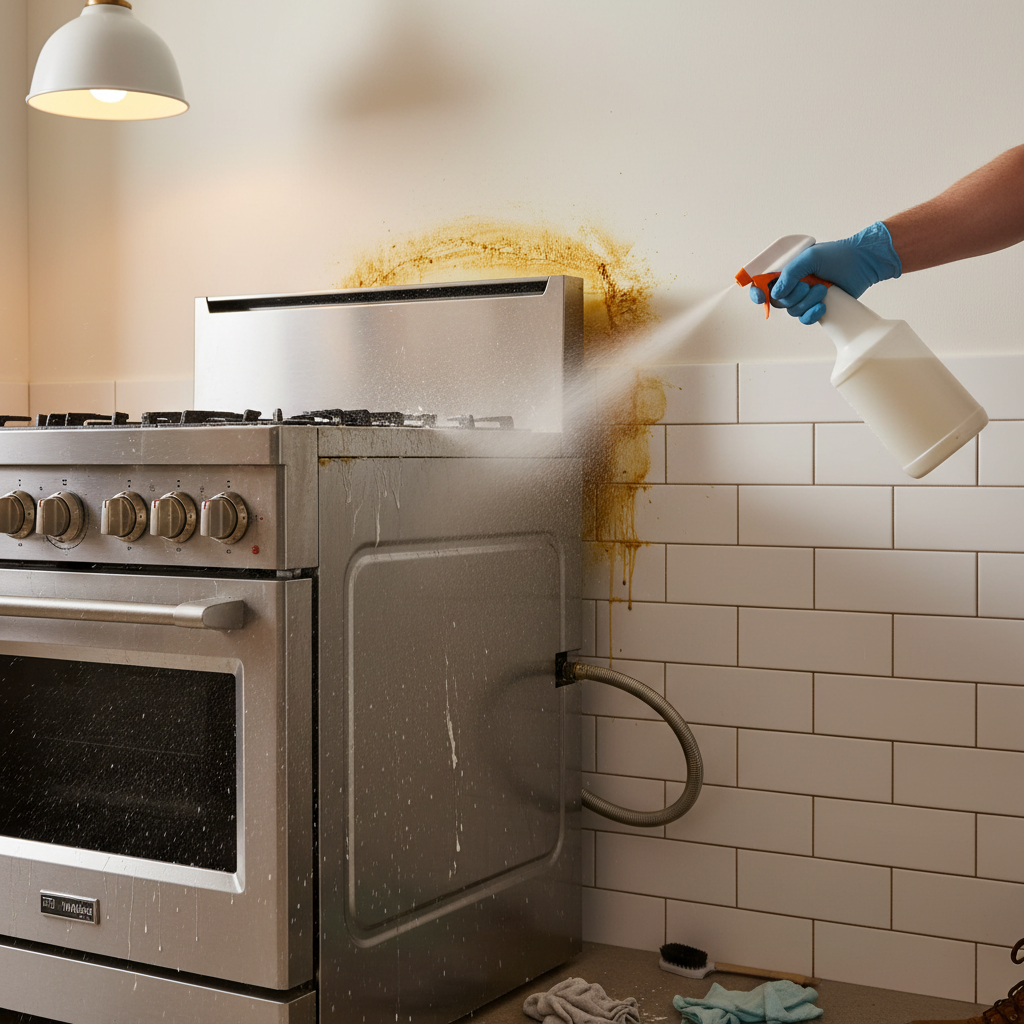
The sticky, yellowish-brown film behind your stove is polymerized grease. When you cook, especially when frying or searing, tiny droplets of fat and oil become airborne. These aerosolized particles land on the wall behind your stove. Over time, exposure to heat, light, and oxygen causes these fat molecules to link together and harden, a process called polymerization. This creates a durable, plastic-like coating that regular soap and water can't easily remove. The most effective removal method involves applying very hot water mixed with a potent alkaline degreaser. The heat begins to soften the hardened grease, while the alkaline solution chemically breaks down the fatty acid chains (a process called saponification), turning the solid gunk into a liquid, soap-like emulsion that can be easily wiped away.
The Problem
Pulling your stove away from the wall for the first time in months, or even years, can reveal a startlingly grimy secret: a sticky, stubborn, often amber-colored film coating the wall and the back of the appliance. This isn’t just a bit of dust or a simple food splash; it’s a uniquely tough substance that seems to laugh at a quick wipe with a wet sponge. This is polymerized grease, and it’s a far more formidable foe than your average kitchen spill.
The substance feels tacky to the touch and can range in color from a light yellow to a deep, dark brown, depending on its age and the types of oils cooked with. It stubbornly resists being scraped and will often just smear under pressure, making cleaning attempts frustrating and ineffective. Beyond its unsightly appearance, this buildup poses several real problems for your home. First and foremost, it’s a significant fire hazard. Grease is flammable, and a thick layer behind a heat-producing appliance is an unnecessary risk. An oven or cooktop failure could potentially ignite this material. Second, this sticky film is a magnet for dust, dirt, pet hair, and other debris, creating an even thicker, more unhygienic layer. Third, this organic buildup can attract pests like cockroaches and ants, who see it as a permanent buffet. Finally, as the grease ages, it can release unpleasant, rancid odors that permeate your kitchen.
How It Works
To defeat polymerized grease, you need to understand the chemistry that makes it so tough. The process starts with aerosolized lipids—tiny droplets of cooking oil and fat launched into the air by the heat of a sizzling pan. These droplets, less than 5 microns in diameter, are light enough to float on air currents and coat every surface in your kitchen, but are most concentrated on the wall directly behind the stove.
Once on the wall, these fat molecules begin to polymerize. Oxygen in the air attacks the double bonds in the unsaturated fatty acid chains, causing them to break and reform into new, longer, and more complex cross-linked molecules. Heat from the oven and cooktop, along with ambient light, acts as a catalyst, dramatically speeding up this reaction. The result is a hard, durable, semi-solid polymer—essentially a natural plastic—that is no longer soluble in water and is chemically very different from the liquid oil it started as.
This is why a simple soap-and-water scrub fails. You aren't just wiping oil; you're trying to scrub a thin layer of hardened varnish. The solution is a two-pronged chemical attack using heat and alkalinity. Applying intense heat (via near-boiling water or steam) provides the energy needed to soften the polymer and partially reverse the polymerization, making it more susceptible to chemical breakdown. Immediately following with a strong alkaline cleaner (with a pH of 11-13) initiates saponification. The hydroxide ions in the alkaline solution attack the ester bonds in the fat molecules, breaking them down into their component parts: fatty acid salts (which are, by definition, soap) and glycerol. You are, in effect, turning the hardened grease into a primitive, water-soluble soap that can be effortlessly wiped off the surface.
Step-by-Step Fix
Follow these steps precisely to dissolve years of polymerized grease in minutes, without damaging your wall. The key is the one-two punch of heat and a powerful degreasing agent.
-
Safety & Prep — Before moving any appliance, unplug it from the wall. If you have a gas stove, you must turn off the gas supply at the shutoff valve, which is typically located on the pipe behind the stove. Open a window or turn on your kitchen’s exhaust fan for ventilation, as degreasing products can have strong fumes.
-
Carefully Move the Stove — Gently slide the stove straight out from the wall. You may need a second person to help. Be mindful of the flooring; if you have vinyl or wood, lay down a piece of cardboard or a thin sheet of plywood to prevent scratches. Move it just far enough to give you comfortable access to the wall behind it.
-
Assemble Your Arsenal — Fill a bucket with one gallon of the hottest water your tap can produce. Add a healthy squirt of grease-cutting dish soap like Dawn. Have your primary weapon ready: a high-quality alkaline degreaser (such as Zep Heavy-Duty Citrus Degreaser or Krud Kutter). You’ll also need several microfiber cloths, a non-abrasive scrub sponge, and an empty spray bottle if your degreaser doesn't have one.
-
The Initial Heat Shock — Dip a microfiber cloth into the hot, soapy water (wear thick rubber gloves to protect your hands from the heat). Wring it out slightly and press it against a section of the greasy wall for 30-60 seconds. The goal is not to scrub, but to transfer heat and moisture to the polymerized grease, starting the softening process.
-
Apply the Degreaser — While the wall is still hot and damp, liberally spray the alkaline degreaser directly onto the sticky surface. Let it sit for 2-5 minutes as recommended by the product label. You may actually see the hardened grease begin to liquefy and run down the wall in brown, oily streaks. This is the saponification process in action.
-
Gentle Agitation — Take your non-abrasive scrub sponge, dip it in your bucket of hot, soapy water, and scrub the area in gentle, circular motions. You should not need to apply extreme pressure. The combination of heat and the chemical degreaser should be doing 90% of the work, turning the gunk into a loose, soupy mess.
-
Wipe and Reveal — Use a clean, damp microfiber cloth to wipe away the dissolved grease and cleaning solution. You will likely be shocked at how easily the grime lifts off, revealing the clean wall beneath. Continuously rinse your cloth in the hot water bucket or switch to a fresh one as it becomes saturated with grease.
-
Rinse the Surface — Once all the grease is removed, it’s crucial to rinse away any remaining chemical residue. Fill a separate bucket or bowl with clean, cool water. Wipe down the entire wall surface with a fresh, damp cloth to neutralize the surface and prevent the degreaser from attracting new dirt.
-
Dry and Inspect — Thoroughly dry the wall with a clean, dry microfiber cloth. Also, dry any part of the floor that got wet. Inspect the wall to ensure no spots were missed and that the paint or surface is undamaged.
-
Clean the Stove’s Backside — Before you push the stove back, use the same process to clean the greasy film off the back panel and sides of the appliance itself. A clean wall deserves a clean appliance.
-
Return to Position — Carefully slide the stove back into place, ensuring it is level. Reconnect the power cord or turn the gas valve back on. If you turned off the gas, it's a good time to check your connections for leaks with a soapy water solution.
Common Causes
Understanding why this greasy buildup occurs is the first step toward preventing it. The problem is multifaceted, stemming from your cooking habits, kitchen setup, and cleaning frequency.
- High-Heat Cooking: The primary culprit. Frying, searing, stir-frying, and even roasting at high temperatures aerosolizes oils. The hotter the pan, the more microscopic oil droplets are projected into the air.
- Ineffective Ventilation: A range hood that merely recirculates air through a charcoal filter is significantly less effective than one that vents to the outside. Recirculating hoods trap some grease, but a large portion of aerosolized particles escape and settle on surrounding surfaces, especially the wall right behind the stove.
- Delayed Cleaning: Small splatters that aren’t wiped up immediately after cooking begin the polymerization process. What could be wiped away in 10 seconds with a wet cloth becomes a stubborn, sticky spot after just a few days of repeated heat cycles from the stove.
- Stove Proximity to the Wall: Most freestanding ranges are installed with only a few inches of clearance. This tight, warm space has poor air circulation, allowing airborne grease particles to settle and concentrate on the wall surface undisturbed.
- Type of Cooking Oil: While all oils can polymerize, those high in polyunsaturated fats (like flaxseed or grapeseed oil) can polymerize faster than those high in monounsaturated (like olive oil) or saturated fats (like coconut oil or butter).
Common Mistakes to Avoid
Cleaning polymerized grease is straightforward if done correctly, but homeowners often make critical errors that create more work or even cause damage.
- Using Abrasive Scrubbers: Never use steel wool, scouring powders, or hard-bristled brushes on a painted wall. While they might remove the grease, they will also scratch, dull, or completely strip the paint, requiring you to repaint the entire section.
- Forgetting to Unplug the Stove: This is a major safety oversight. Moving an appliance while it’s live risks damaging the power cord or the outlet, creating a shock or fire hazard. For gas stoves, a damaged gas line is an even greater danger.
- Scrubbing a Cold, Dry Wall: Attacking hardened, polymerized grease without first applying heat and a chemical solvent is a recipe for frustration and a sore arm. You’ll expend immense energy with minimal results, often just smearing the sticky film around.
- Neglecting Ventilation: Degreasing chemicals, even citrus-based "green" ones, can release potent fumes (Volatile Organic Compounds). Working in a poorly ventilated space can lead to headaches, dizziness, and respiratory irritation.
- Not Rinsing Thoroughly: Leaving a film of degreaser residue on the wall can be counterproductive. The slightly sticky residue will act as a new magnet for dust and future grease particles, accelerating the buildup you just worked so hard to remove.
- Mixing Cleaning Chemicals: Never mix different cleaning products, especially bleach and ammonia-based cleaners. This can create toxic chloramine gas. Stick to one dedicated degreaser for this job.
Cost & Time Breakdown
Cleaning behind the stove is an extremely cost-effective DIY project. The professional cost is primarily for labor, as a cleaning service will use similar products.
| Task | DIY Cost | Pro Cost | Time |
|---|---|---|---|
| Move Appliance & Prep | $0 | (Included in Service) | 10-15 Minutes |
| Heavy-Duty Degreaser | $8 - $15 | (Included in Supplies) | N/A |
| Microfiber Cloths & Sponge | $10 - $20 | (Included in Supplies) | N/A |
| Grease Removal & Cleaning | $0 (Labor) | $75 - $150 | 30-60 Minutes |
| Wall Damage Repair (if needed) | $30 (Patch & Paint) | $150 - $400+ | 2-4 Hours |
Tips & Prevention
An ounce of prevention is worth a pound of degreaser. Incorporate these habits to keep the wall behind your stove clean for good.
- Use a Splatter Guard: A simple mesh screen placed over your frying pan can drastically reduce the amount of oil that becomes airborne in the first place.
- Clean Your Vent Hood Filters: If you have a range hood, its metal mesh filters are your first line of defense. Wash them monthly in hot, soapy water or your dishwasher to keep them effective.
- Consider a Backsplash: Installing a backsplash made of stainless steel, ceramic tile, or glass makes cleanup infinitely easier than cleaning a painted drywall surface. These non-porous surfaces resist polymerization and can be wiped clean in seconds.
- Perform Quarterly "Quick Cleans": You don't need to do a deep clean every time. Every three months, pull the stove out and give the wall a quick wipe-down with hot, soapy water. This removes the initial oily layer before it has a chance to polymerize.
- Wipe Up Splatters Immediately: The moment you’re done cooking, while the stove area is still warm, use a soapy sponge to wipe down the wall behind it. This 30-second task prevents hours of scrubbing later.
When to Call a Professional
While this is a manageable DIY task for most, there are situations where calling a professional cleaning service is the smarter, safer choice. If the grease buildup is the result of many years or even decades of neglect, it can be as hard as cement and may require industrial-strength steamers and specialized solvents that aren't readily available to consumers. If you attempt to clean and find that the grease has permanently stained the paint or caused the paint to peel and bubble, a simple cleaning won't suffice; you may need a handyman or painter to repair and repaint the wall surface.
Furthermore, if you are not physically able to safely move the heavy stove, or if you are uncomfortable with disconnecting and reconnecting a gas line, do not attempt it. The risk is not worth the savings. Professional cleaners have the experience, insurance, and proper equipment to move appliances safely. Finally, if you see any evidence of pests (droppings, chew marks) in the greasy buildup, it’s wise to call a professional cleaner first, followed immediately by an exterminator, to ensure the entire problem is resolved hygienically.
What should this project cost?
Enter your project details for a realistic cost range before you call anyone.
Cosmetic refreshes start near $5,000; full remodels commonly $25,000–$45,000.
- Regional adjustment
- National average
- Labor share (typical)
- ~$8,550
- Quotes to collect
- 3 written estimates
Educational estimate based on national averages — not a binding quote. Always confirm with written local estimates.
Get the print-ready PDF of this guide
A clean, ad-free, printable version you can keep on your phone or pin to the workshop wall. Free with a FixlyGuide account.
- Print-optimized layout
- Tools, materials & every step included
- Saved to your account
Frequently asked questions
What is the best type of cleaner for thick, sticky kitchen grease?+
The best cleaner is a high-alkaline, solvent-based degreaser, often labeled as 'heavy-duty' or 'commercial-style'. Look for products with a pH between 11 and 13. Citrus-based degreasers (with d-Limonene) are also very effective as the solvent helps break down the oils.
How often should I clean behind my stove to prevent buildup?+
For a deep clean like the one described, once a year is sufficient for most households. However, to make that job easier, you should perform a 'quick clean' by pulling the stove out and wiping the wall with hot soapy water every 3-4 months.
Is the sticky grease behind my stove a fire hazard?+
Yes, absolutely. Grease is a flammable material. A thick, caked-on layer of polymerized grease behind a heat-producing appliance like a stove or oven creates a significant and unnecessary fire risk in your kitchen.
Can I use an oven cleaner on the wall behind my stove?+
No, you should not use oven cleaner on a painted wall. Oven cleaners are extremely caustic and are designed for baked-on enamel surfaces inside an oven. They will almost certainly strip the paint off your drywall and may even damage the drywall paper itself.

Discussion
Loading comments…