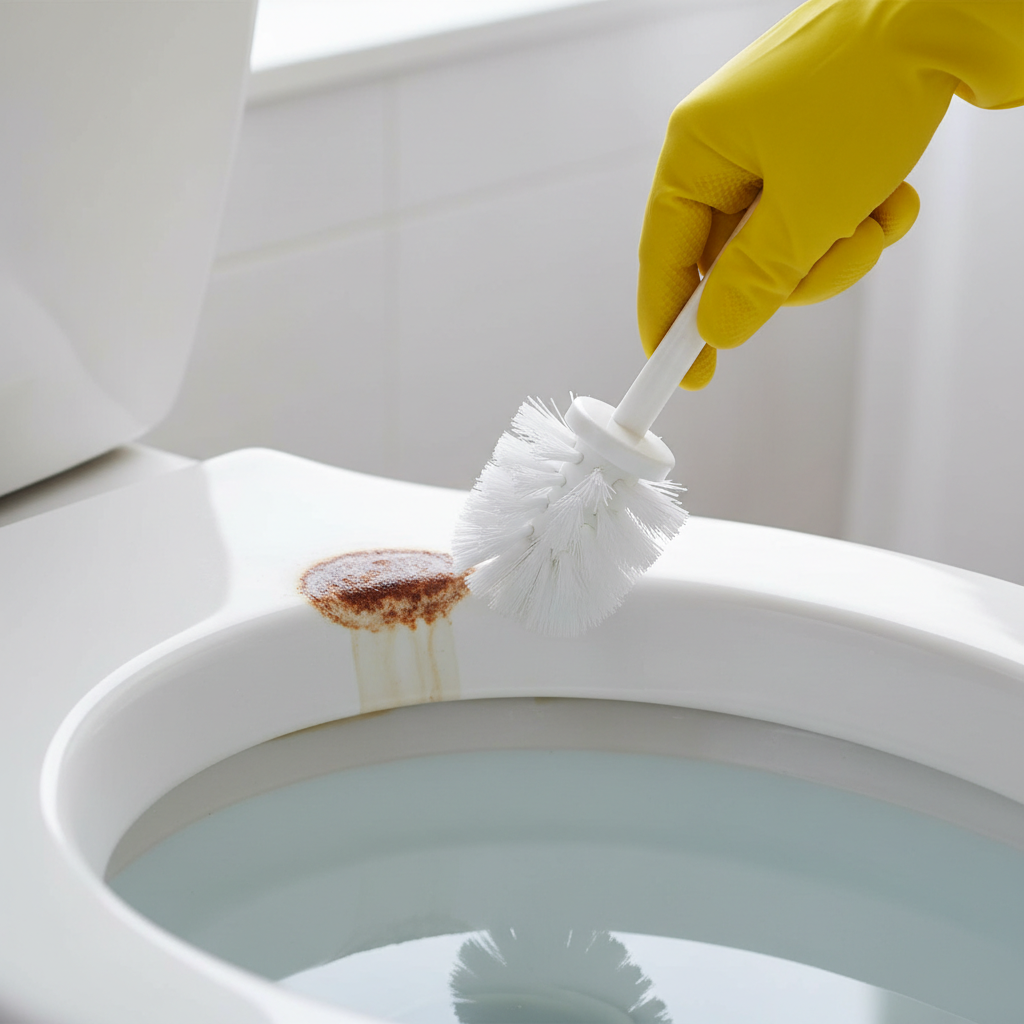
- High Iron Content in Water: This is the big one. If you're on well water, it's almost a sure thing. Municipal water can have iron too, especially if there's old pipe in the distribution system. Iron oxidizes, turns to rust. Simple as that.
- Old Galvanized Plumbing: If your house still has galvanized iron pipes, they're slowly corroding from the inside out. That dumps rust into your water supply, and it can hit not just the toilet but your sinks and tubs too.
- Infrequent Cleaning: This isn't a direct way of introducing iron, but if you don't clean the toilet often, small deposits get a chance to build up and turn into a stubborn stain that's a bear to remove.
- Leaving Water Stagnant: If a toilet sits unused for a long stretch — like in a guest bath or a vacant property — the water just sits there, giving the iron time to oxidize and settle out. I've seen some ugly stuff in foreclosed homes.
Plumbing · Pipe damage
| Project category | Plumbing |
|---|---|
| Problem type | Pipe damage |
| Trade required | Plumbing |
| Urgency | Emergency — act now |
| Safety risk | High safety risk |
| DIY suitability | Licensed pro only |
| Cost category | High cost |
| Typical timeline | Emergency shutoff now; repipes commonly 2–5 days |
| Contractor type | Licensed plumber |
Repair option
Cut out and replace the damaged section with a coupling or new run.
Replacement option
Whole-home repipe when the material itself is the problem.
Common causes
- Freeze-thaw expansion in an uninsulated run
- Corrosion in aging galvanized or polybutylene
- Shifting foundation stressing a slab line
Relevant tools:emergency checklistcompare quotes
Published August 29, 2026Last updated August 29, 2026
Tools & materials you'll need
Affiliate linksAs an Amazon Associate FixlyGuide earns from qualifying purchases — at no extra cost to you. Prices and availability are accurate as of publication and subject to change.
Quick Answer
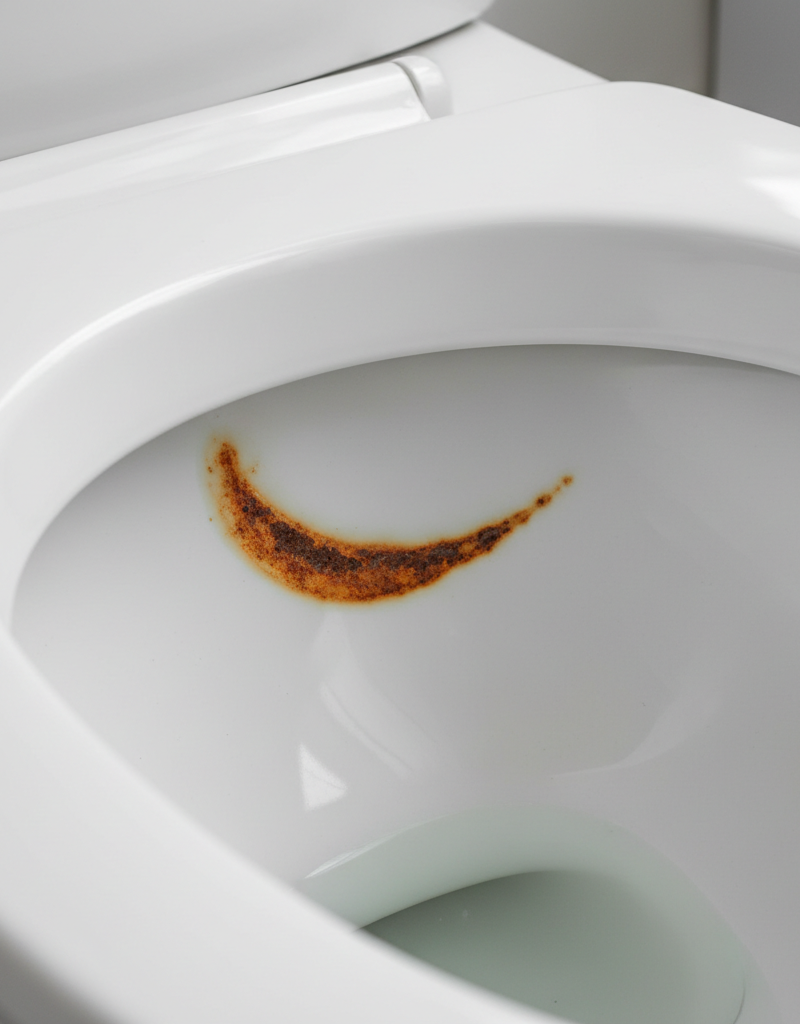
That ugly rusty ring in your toilet bowl isn't just a eyesore; it's usually a dead giveaway that you've got iron in the water, or metal parts in the tank breaking down. You can scrub till your arm's about to fall off, but if you don't deal with the source, that ring'll keep showing back up. The good news? There are a few solid ways to knock it out and keep it from coming back.
The Problem
I've been in more bathrooms than I can count over the last 25 years, and that reddish-brown ring in the bowl is one of those everyday homeowner gripes. Folks think it's just dirt. Nope. It's rust, plain and simple, and it grabs onto porcelain like it's got rent due. It's not only a cosmetic thing either; heavy mineral buildup can hurt flushing performance over time, though that's less common with rust rings specifically.
Here's what I tell homeowners in places like Phoenix, AZ, where hard water is just part of life: that ring's telling you something about your water or your plumbing. It's a symptom, not the whole story. If you ignore it, you're stuck in a losing game with cleaning products. You'll scrub, flush, and boom — it shows back up in a few days, sometimes hours if the problem's bad enough.
How It Works
So what's causing the rusty ring? Mostly iron. Iron shows up in water a couple different ways: dissolved (ferrous iron), which looks clear coming out of the tap but turns reddish-brown once it hits air — like in your toilet bowl; or particulate (ferric iron), which is already oxidized and shows up like tiny rust specks. As the water sits in the bowl and evaporates a bit, or as fresh water comes in with each flush, the iron oxidizes and drops out, sticking to the porcelain. Over time, those little particles stack up and make that ring.
Another common culprit? The parts inside the toilet tank. Older fill valves, flappers, and even the bolts that hold the tank to the bowl can corrode. Once they start rusting, tiny flakes break loose and wash into the bowl every flush, where they settle and stain. I've pulled out fill valves that looked like they'd been sitting at the bottom of a lake — crusty, pitted, total junk. When those parts are the source, the rust usually shows up right where the water enters the bowl, or around the bolt caps.
And if you've got an older house, especially one built before the 1970s, you might still have galvanized iron pipes feeding the fixtures. Those pipes corrode from the inside out over time. That corrosion sends rust particles straight into your water. Then your toilet gets blamed, but the toilet didn't start the fire. You may see the same reddish staining in sinks or tubs if galvanized piping is the issue. Figuring out where it's coming from — water, tank parts, or old pipes — is the whole ballgame if you want it gone for good.
Step-by-Step Fix
Alright, let's get rid of that ugly rust ring. Before you start, wear gloves and eye protection. Some of these cleaners are strong, and you don't want that stuff on your skin or in your eyes. Read the label too — I know, nobody's thrilled about that part, but it'll save you trouble.
-
Shut Off the Water & Flush — Drain the Bowl Turn the water supply valve off at the wall behind the toilet. It's usually a small silver knob or lever. Once it's off, flush the toilet to empty most of the water from the bowl. You want the cleaner hitting the stain, not getting watered down.
-
Apply Your Chosen Rust Remover — Target the Stain For lighter stains, a pumice stone made for porcelain can do the trick. Wet it first and rub the stain gently. For heavier rings, an oxalic acid-based cleaner like Bar Keepers Friend (powder) or a dedicated toilet rust remover (liquid) is the better move. If you're using powder, sprinkle it right onto the wet ring. With liquids, squirt it under the rim so it clings to the stain. Let it sit at least 15-20 minutes, or a couple of hours if it's really baked in. Some pros even leave it overnight. I had a job last month in a vacant rental in Glendale, AZ, where the toilet looked like a swamp. I hit it with a strong rust remover, let it sit for about 4 hours, and it came off like nothing. Good as gone.
-
Scrub Thoroughly — Elbow Grease Time After the cleaner has had time to work, grab your toilet brush and scrub the stained area. You should see the rust start to lift. For stubborn spots, you might need a non-scratch scouring pad or, again, a pumice stone made for toilets. Be firm, but don't get carried away. Don't use anything rough enough to scratch the porcelain, because once you do that, you're giving future stains a place to hide.
-
Flush & Inspect — Check Your Work Turn the water supply back on and let the tank refill. Flush the toilet. If the ring's gone, great. If not, you'll probably need to run steps 2 and 3 again. Sometimes a second round, or just giving it more time, is what finally does it. Don't expect a miracle from a quick once-over if that stain's been living there for years.
-
Identify the Source (Prevention Step 1) — Is it the Water? If the rust comes back fast, test your water for iron. You can buy a home water test kit or have a plumber check it for you. If iron levels are high (above 0.3 mg/L, according to the EPA), a whole-house water filter or water softener may be the fix. That's a bigger spend, sure, but it can save you a pile of cleaning and help protect other appliances too.
-
Inspect Tank Components (Prevention Step 2) — Look for Rust Inside Pop the tank lid off. Check the fill valve, flapper, and tank bolts. See any orange or reddish corrosion? If those parts are rusted, they're dropping iron particles into the bowl every time you flush. Replacing a fill valve or flapper is usually a pretty straightforward DIY job for most homeowners and typically costs less than $30 for the parts. It's usually a 30-45 minute job. If the bolts are rusted, you'll need to pull the tank off the bowl, which is a little more involved.
-
Consider a Tank Drop-In Tablet (Temporary Prevention) — Not My First Choice, But an Option Some homeowners use blue cleaning tablets that drop into the tank. Some of them have rust inhibitors, sure, but a lot of them can chew up the rubber and plastic parts inside the tank over time, and then you're dealing with leaks or a toilet that acts up. If you use one, pick a reputable brand that's specifically labeled safe for tank components. I don't love them for long-term use; I'd rather fix what's actually causing the problem.
-
Regular Cleaning (Ongoing Maintenance) — Stay Ahead of It Once the ring's gone, keep up with a mild toilet bowl cleaner that's non-abrasive. That'll help keep new buildup from sticking. Aim for once a week, or at least every other week. A quick scrub now beats fighting a crusty stain later.
Common Causes
- High Iron Content in Water: This is the big one. If you're on well water, it's almost a sure thing. Municipal water can have iron too, especially if there's old pipe in the distribution system. Iron oxidizes, turns to rust. Simple as that.
- Corroding Internal Toilet Parts: The metal bits inside your toilet tank — fill valves, flapper chains, tank bolts — can rust over time, especially in humid places or with certain water chemistry. Those flakes wash right into the bowl every flush.
- Old Galvanized Plumbing: If your house still has galvanized iron pipes, they're slowly corroding from the inside out. That dumps rust into your water supply, and it can hit not just the toilet but your sinks and tubs too.
- Infrequent Cleaning: This isn't a direct way of introducing iron, but if you don't clean the toilet often, small deposits get a chance to build up and turn into a stubborn stain that's a bear to remove.
- Leaving Water Stagnant: If a toilet sits unused for a long stretch — like in a guest bath or a vacant property — the water just sits there, giving the iron time to oxidize and settle out. I've seen some ugly stuff in foreclosed homes.
Common Mistakes
- Using Bleach-Based Cleaners: Bleach disinfects and whitens, but it doesn't remove rust. In some cases, it can actually react with iron and set the stain worse, which is a real pain. Stick with acidic rust removers.
- Aggressive Scrubbing with Abrasives: Steel wool, sandpaper, and harsh scouring pads will scratch the porcelain finish. Those scratches become tiny little pockets where stains grab on even harder. Use non-scratch tools instead.
- Not Draining the Bowl First: If you dump cleaner into a full bowl, you're just diluting it. That makes the product way less effective. Shut off the water and flush first so the cleaner can hit the stain properly.
- Ignoring the Source: Cleaning the ring without figuring out why it's happening is like patching a leaky roof with duct tape. Temporary, and not a real fix. You need to look at your water quality or what's going on inside the tank.
- Using Tank Drop-Ins Indiscriminately: Some are made to help, but plenty of those blue tablets contain chemicals that break down rubber gaskets and plastic parts in your toilet tank. That can lead to leaks, running toilets, and pricey repairs later. Read the label carefully.
- Not Wearing Protective Gear: Rust removers often contain strong acids. Skin contact can irritate you, and eye contact can do real damage. Wear rubber gloves and eye protection every time.
Cost & Time Breakdown
Here's a rough idea of what you're looking at to tackle that rust ring:
| Task | DIY Cost | Pro Cost | Time |
|---|---|---|---|
| Basic Ring Removal (Cleaners) | $5 – $20 | Not usually a pro job | 30 mins – 2 hours |
| Replace Toilet Fill Valve | $15 – $30 | $100 – $250 | 45 mins – 1.5 hours |
| Water Testing Kit | $15 – $50 | $50 – $150 (pro test) | 5 mins – 1 hour |
| Whole-House Water Filter | $200 – $1000+ | $500 – $2000+ | 4 – 8 hours |
| Toilet Replacement (if badly rusted inside pipes) | $150 – $500+ | $300 – $800+ | 2 – 4 hours |
Tips & Prevention
- Regular Cleaning: A quick weekly scrub with a mild, rust-safe toilet cleaner goes a long way. Check the label. Don't let small iron deposits turn into a full-on ring. It's a whole lot easier to stay ahead of it than to dig it out later.
- Inspect Tank Internals Annually: Pop the tank lid once a year and take a look at the fill valve, flapper, and chain. If you see rust or wear, go ahead and replace them before they start causing trouble. A $20 part can save you a headache.
- Consider a Water Softener/Filter: If you live somewhere with nasty hard, iron-rich water — a lot of the Southwest, for example — a whole-house water treatment system is the best long-term answer. It'll protect your toilet, sure, but also your showerheads, dishwasher, and water heater.
- Flush Infrequently Used Toilets: Got a guest bathroom or a toilet that hardly gets used? Flush it every few days. Keeps the water moving and keeps the iron from sitting there and staining.
- Don't Use Harsh Abrasives: Like I said, no steel wool and no sandpaper. You'll trash the finish. If you need a little more scrubbing power than a brush gives you, a toilet-specific pumice stone is the move.
- Address Leaky Toilets Promptly: A toilet that's constantly running means more water is moving through the bowl, which can bring in more iron and let it settle. Fix those leaks quick.
When to Call a Professional
You can handle most rust ring removal jobs and even basic toilet part replacement yourself. But there are times when it makes sense to bring in a pro. If you've cleaned it and the ring comes back in a few days, or if you think the problem is bigger — like corroding galvanized pipes through the house — that's plumber territory. They can test the water, look over the plumbing system, and recommend a whole-house fix like filtration or repiping sections of the home. If you don't feel comfortable replacing parts inside the tank, or if the toilet starts running or leaking after your DIY repair, don't force it. A good plumber can save you from a bigger mess later.
Related Articles
Keep troubleshooting with these hand-picked guides from FixlyGuide:
- The Mystery Smell: Why Your Fridge Stinks (Even After Cleaning It) — That persistent, foul odor in your refrigerator isn't just gross; it's often a sign of hidden issues. Learn the real culprits behind linger…
- The Caulk Stain That Won't Quit: Why Your Shower Stays Grimy — Is that stubborn, discolored caulk making your clean shower look perpetually dirty? It's not just surface grime; it's often mold or mildew,…
- The Grimy Secret Under Your Oven: Why Your Kitchen Never Feels Truly Clean — Your oven and range hood are silent culprits in your kitchen's battle against persistent grease and grime. This guide tackles how to deep c…
- The Grimy Secret Behind Your Dull Bathroom Faucet — And How to Make It Shine — Discover the real culprit behind your bathroom faucet's dull, grimy appearance and how to quickly restore its shine with a few common house…
- The Invisible Scum on Your Bathtub: How to Make It Gleam Again — Is your bathtub losing its luster, even after scrubbing? That invisible layer of soap scum and mineral deposits is the culprit. Learn how t…
- That White Crust On Your Faucet? It's A Big Problem — That chalky, white buildup on your fixtures isn't just ugly—it's limescale from hard water, and it's actively clogging, corroding, and ruin…
What should this project cost?
Enter your project details for a realistic cost range before you call anyone.
Common repairs run $150–$650; repipes and water-heater replacements reach $1,500–$4,500.
- Regional adjustment
- National average
- Labor share (typical)
- ~$754
- Quotes to collect
- 3 written estimates
Educational estimate based on national averages — not a binding quote. Always confirm with written local estimates.
Get the print-ready PDF of this guide
A clean, ad-free, printable version you can keep on your phone or pin to the workshop wall. Free with a FixlyGuide account.
- Print-optimized layout
- Tools, materials & every step included
- Saved to your account
Frequently asked questions
What causes the rust ring in my toilet?+
The rust ring is primarily caused by iron in your water supply, which oxidizes and stains the porcelain. It can also be from corroding metal components inside your toilet's tank, like the fill valve or tank bolts, releasing rust particles into the bowl.
Is it safe to use bleach to clean a rust ring?+
No, it's not safe or effective. Bleach can actually react with iron and make the rust stain more stubborn or even set it further into the porcelain. Always use an acid-based cleaner specifically designed for rust removal.
Will a water softener prevent toilet rust rings?+
If your rust rings are due to high iron content in your water (often called 'red water' iron), a water softener or dedicated iron filter can be very effective at preventing them. It removes the iron before it reaches your toilet.
How often should I clean my toilet to prevent rust?+
Once you've removed an existing rust ring, aim for a quick scrub with a mild, rust-safe cleaner at least once a week. This prevents small deposits from building up into a noticeable stain again.
Can a rusty fill valve cause the toilet ring?+
Absolutely. If the metal parts of your fill valve or flapper assembly are corroding, tiny rust particles will flake off into the toilet bowl with every flush, settling and contributing to the rust ring. Replacing these parts can solve the problem.
What's the best cleaner for toilet rust?+
Cleaners containing oxalic acid, like Bar Keepers Friend, or specialized rust removers (often found in the plumbing aisle) are generally most effective. Always check the label to ensure it's safe for porcelain and follow the directions carefully.
Should I call a plumber for a toilet rust ring?+
You can usually tackle rust rings yourself. However, if the ring returns quickly after cleaning, or if you suspect it's due to widespread issues like corroding galvanized pipes or you need help with water testing and filtration systems, then it's time to call a licensed plumber.
Can I use a pumice stone on my toilet?+
Yes, but use one specifically designed for porcelain toilets. Wet the stone and rub gently. A pumice stone can be very effective for removing stubborn stains without scratching, but avoid using it dry or too aggressively.
How long does it take for a rust ring to form?+
That depends on your water's iron content and how often the toilet is used. In areas with very high iron, a noticeable ring can appear within days or a week. With less iron, it might take several weeks or months.
Discussion
Loading comments…