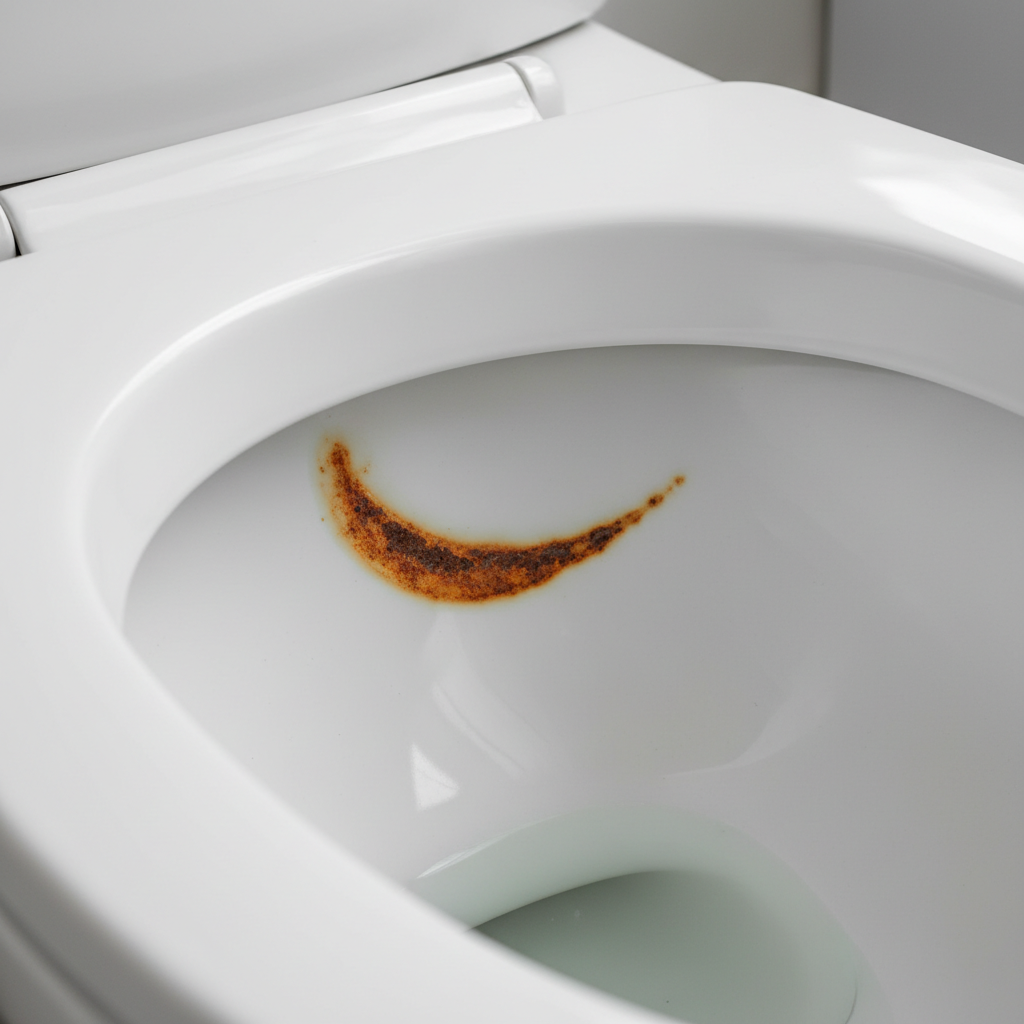
- High Iron Content in Water: This is the big one. If you’ve got well water, or you live in an area with old cast-iron pipes, your water’s likely carrying more iron than most. Once that iron hits the air, boom—rust.
- Corroding Pipes or Water Heater: Sometimes the water source isn’t the whole story. Older galvanized steel pipes or a water heater that’s rusting from the inside can leak iron into the water and leave those orange streaks behind.
- Leaky Faucets/Running Toilets: A constant trickle of water, even a small one, means a steady supply of iron-laced water to one spot in the toilet. That wetting and drying—or just plain wetting if it’s a full leak—speeds up rust formation.
- Abrasive Cleaners: Believe it or not, using cleaners that are too harsh or abrasive can slowly scratch the porcelain surface. Those tiny scratches make little landing spots where rust and other minerals grab on easier.
- Infrequent Cleaning: Let’s be honest, life gets away from us. But if you let mineral deposits build up without regular cleaning, they bond harder to the porcelain and turn into a real pain to remove later.
Bathroom · Bathroom remodel
| Project category | Bathroom |
|---|---|
| Problem type | Bathroom remodel |
| Trade required | General contracting |
| Urgency | Planned project |
| Safety risk | Low safety risk |
| DIY suitability | Pro recommended |
| Cost category | High cost |
| Typical timeline | Typically 2–4 weeks on site |
| Contractor type | Bathroom remodeler or licensed plumber |
Repair option
Refresh fixtures, grout, and vanity without moving plumbing.
Replacement option
Gut remodel when the pan leaks or the layout changes.
Common causes
- Dated finishes
- Failing tile or pan
- Accessibility needs
Relevant tools:project cost estimatorcompare quotes
Published September 25, 2026Last updated September 25, 2026
Tools & materials you'll need
Affiliate linksAs an Amazon Associate FixlyGuide earns from qualifying purchases — at no extra cost to you. Prices and availability are accurate as of publication and subject to change.
Quick Answer
That stubborn orange or reddish-brown stain messing up your toilet bowl usually isn’t dirt or mold, and it sure isn’t something bleach can fix. It’s almost always rust, which is just iron in your water reacting with oxygen and leaving mineral deposits behind. I’ve seen this plenty in homes on well water and in older houses with tired pipes. If you want it gone, you need a cleaner made to dissolve rust and minerals—not just something that sanitizes.
The Problem
I’ve walked into a lot of bathrooms where the homeowner’s thrown everything but the kitchen sink at these rust stains and still come up empty. They scrub, they pour in bleach, they let it sit—no dice. That’s because rust isn’t organic; it’s an inorganic mineral deposit. Bleach, for all its sanitizing power, is an oxidizer. It kills bacteria and lightens organic stains, but it doesn’t have the chemistry to break down iron oxide, which is what rust actually is. You can scrub till your arm feels like it’s about to fall off, but if you’re not using the right stuff, that ugly orange ring or streak is gonna hang around like a bad tenant. Frustrating? You bet. But once you know what you’re dealing with, the fix gets a whole lot simpler.
How It Works
Alright, let’s get a little scientific for a minute, but I’m gonna keep it plain. Your water supply, whether it comes from a city line or a well, carries dissolved minerals. One of the usual troublemakers behind these orange stains is iron. When water with even tiny amounts of dissolved iron—we’re talking parts per million here—hits the air inside your toilet bowl, that iron oxidizes. Same idea as a nail rusting, just happening on porcelain instead. That iron oxide then bonds to the microscopic pores in the ceramic surface of your toilet bowl. It builds up over time, layer after layer, especially around the water line where water and air keep meeting, or where a slow drip keeps things wet. That’s why you see rings or streaks so often. It isn’t alive, so bleach, which is great at killing living things like bacteria and mold, just slides right past it. You need an acid, something that can chemically react with the iron oxide and break those bonds so you can scrub the dissolved minerals away. Most commercial rust removers use hydrochloric acid or oxalic acid, and that’s exactly why they work. Even milder acids like citric acid (found in lemons) or acetic acid (in vinegar) can do the job, just slower and with a little more elbow grease, depending on how bad the stain is.
Step-by-Step Fix
When I’m taking on a rust stain, I don’t wing it. I’ve got a routine. Don’t go splashing chemicals around like a rookie. Here’s how I usually tell folks to handle it:
-
Prep the Toilet — Drain the bowl and turn off the water. First thing’s first, you gotta get that water out of the way so the cleaner can actually reach the stain. Reach behind the toilet and turn the shut-off valve clockwise until it’s snug. Then flush the toilet. Hold the handle down to pull as much water out as you can. You can even use a small cup or sponge to bail out whatever’s left in the bottom of the bowl. Less water means a stronger cleaner sitting right on the stain, and that’s what you want.
-
Safety First — Gear up before you start. You’re dealing with some potent chemicals here, even the so-called natural ones. I always tell homeowners: put on rubber gloves, wear safety glasses, and crack a window or run the fan. Good ventilation matters. Don’t gamble with your eyes or skin—I once had a splash of rust remover hit my cheek on a job in Frisco, and I can tell you straight up, it wasn’t a fun afternoon. Lesson learned, right?
-
Apply the Cleaner — Coat the stains thoroughly. Now grab your rust remover. If it’s liquid, pour or squirt it right onto the stained spots. If it’s powder, sprinkle it on generous-like. Make sure every bit of that orange stain is covered. Don’t skimp. If you’re using something milder like vinegar, really soak it. For heavier stains, I’ll sometimes soak paper towels in the cleaner and stick them to the bowl walls so the solution stays in contact with the stain. Let it sit for at least 15-30 minutes. For really stubborn stains, I’ve let commercial cleaners sit for an hour or more, but you’ve always got to follow the product’s instructions.
-
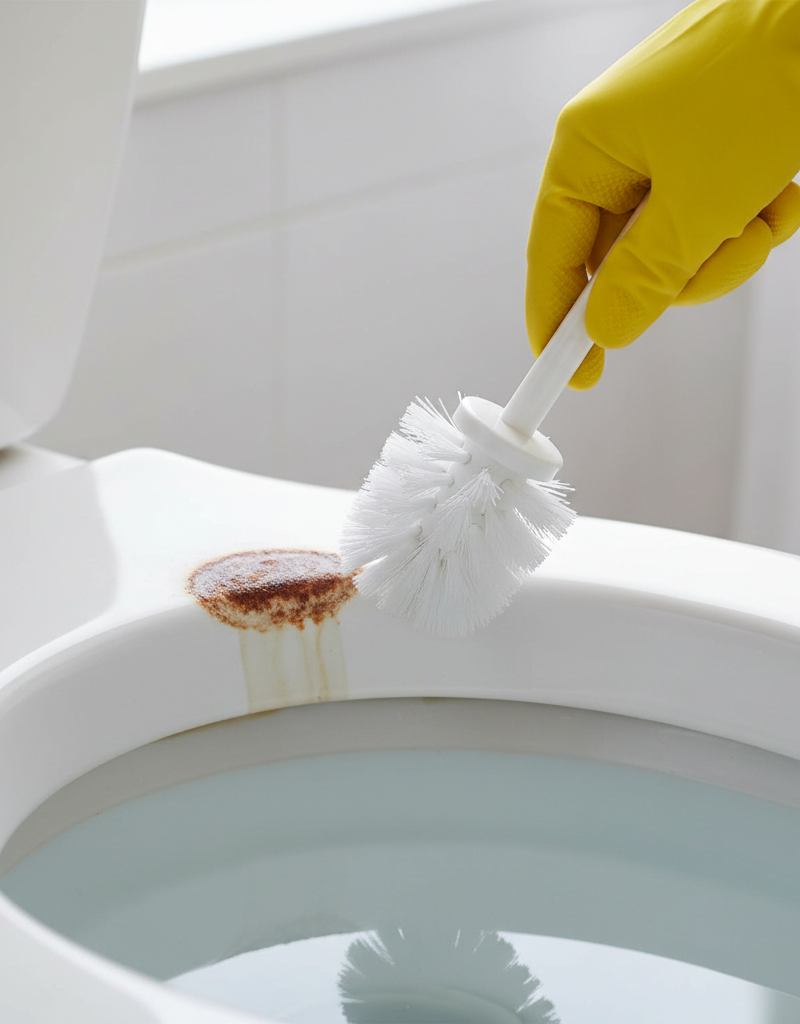
Scrub it Out — Put some muscle into it. After the cleaner’s had time to work, it’s time for a little old-fashioned scrubbing. Use a stiff-bristled toilet brush. Get in there and work the cleaner into the stain. You should start seeing that orange fade as you scrub. If it’s still hanging on, let it sit a bit longer, then come back at it. For stubborn spots, a pumice stone made for porcelain—not just any old chunk of pumice—can save the day. Go easy, though, and test it in an out-of-the-way spot first so you don’t scratch the enamel. I used one on a toilet in an old farmhouse up in Northwood last year, and it pulled out a ring that had probably been there for 20 years. That thing was baked on.
-
Rinse and Reassess — Flush away the residue. Once you’ve scrubbed, turn the water supply back on counter-clockwise and flush the toilet a few times to rinse out the cleaner and any loosened rust bits. Then take a hard look. Still seeing faint stains? Then you might need to repeat steps 3 and 4, or try a different cleaner if the first one didn’t put a dent in it. Sometimes a second pass is all it takes. Sometimes you need a stronger product.
-
Prevention is Key — Keep those stains from coming back. After all that work, you don’t want the stains showing back up a week later. Consider using a toilet bowl cleaner that’s made specifically for rust and hard water, like a tablet that slowly releases cleaning agents. If your water’s loaded with iron, a whole-house water filter or a water softener might be worth the money. That’s not just cleaning—that’s fixing the source. If you’re on well water, get the water tested so you know what’s actually in it.
Common Causes
- High Iron Content in Water: This is the big one. If you’ve got well water, or you live in an area with old cast-iron pipes, your water’s likely carrying more iron than most. Once that iron hits the air, boom—rust.
- Corroding Pipes or Water Heater: Sometimes the water source isn’t the whole story. Older galvanized steel pipes or a water heater that’s rusting from the inside can leak iron into the water and leave those orange streaks behind.
- Leaky Faucets/Running Toilets: A constant trickle of water, even a small one, means a steady supply of iron-laced water to one spot in the toilet. That wetting and drying—or just plain wetting if it’s a full leak—speeds up rust formation.
- Abrasive Cleaners: Believe it or not, using cleaners that are too harsh or abrasive can slowly scratch the porcelain surface. Those tiny scratches make little landing spots where rust and other minerals grab on easier.
- Infrequent Cleaning: Let’s be honest, life gets away from us. But if you let mineral deposits build up without regular cleaning, they bond harder to the porcelain and turn into a real pain to remove later.
Common Mistakes
- Using Bleach for Rust: I see this all the time. Bleach disinfects, but it won’t touch rust. You’re just wasting time and product.
- Not Draining the Bowl: Put cleaner into a bowl full of water and you’ve diluted it way too much. It needs to hit the stain concentrated.
- Ignoring Ventilation: Rust removers can kick off some strong fumes. Working in a closed bathroom with no airflow is a good way to earn yourself a headache, or worse.
- Using Metal Brushes or Scrapers: You might think a wire brush will muscle it off, but all you’ll do is scratch the porcelain and make more places for future stains to catch. Stick with plastic brushes or a purpose-made pumice stone.
- Mixing Cleaners: Never, ever mix cleaning products, especially bleach with anything acidic (like many rust removers). You can make dangerous toxic gases, including chlorine gas. No reason to go there.
- Not Addressing the Root Cause: Getting the stain off feels great, sure, but if your water still has a lot of iron or your pipes are corroding, those stains are coming back. Prevention matters.
Cost & Time Breakdown
| Task | DIY cost | Pro cost | Time |
|---|---|---|---|
| Basic Stain Removal (once) | $5–$20 | N/A | 30–60 minutes |
| Regular Maintenance Cleaners | $10–$30/year | N/A | 5–10 minutes/week |
| Water Testing | $20–$100 | $100–$250 | 1-2 hours (sample) |
| Water Softener Installation | $500–$3000 | $1500–$5000 | 4–8 hours |
| Whole-House Filter Install | $200–$800 | $500–$1500 | 3–6 hours |
| Pipe Replacement (if needed) | $1000–$10,000 | $3000–$20,000 | 1–5 days |
Tips & Prevention
- Regular Cleaning is Your Best Friend: Don’t let those stains settle in. A quick scrub once a week with a rust-preventative toilet bowl cleaner can save you a whole lot of grief later.
- Check for Leaks: A toilet that keeps running isn’t just wasting water—it’s feeding rust buildup nonstop. Fix those leaks sooner rather than later.
- Use the Right Products: Keep an acidic, rust-dissolving toilet bowl cleaner on hand. My go-to is usually something with oxalic acid. Just make sure the label says rust removal.
- Consider a Water Test: Especially if you’re on well water, or if rust stains keep showing up in more than one fixture around the house. A simple test can tell you a lot about the mineral content and help you figure out whether a water filtration system makes sense. You can get a home test kit for about 20 bucks online.
- Install a Toilet Tank Tablet: Some tablets are made to release rust and hard water removers slowly with each flush. Just check that they’re safe for the toilet’s internal parts; some cheap ones can wear out rubber seals over time.
- Vinegar for Light Stains: For very new or light rust stains, pouring a cup or two of white vinegar into the bowl, letting it sit for a few hours (or overnight), then scrubbing can sometimes knock it out. It’s a gentler, more natural option for maintenance.
When to Call a Professional
Most toilet rust stains are a DIY job, but there are times when you should just pick up the phone. If you’ve got heavy rust stains that keep coming back fast even after regular cleaning and dedicated rust removers, you may have a bigger problem underneath. That could mean badly corroded plumbing inside your walls, or a serious iron issue in your main water supply that a toilet cleaner can’t touch. If you think your water heater’s rusting internally and putting iron into your hot water, or if rust’s showing up at your faucets too, it’s time to call a plumber. They can track down plumbing problems, test your water properly, and steer you toward whole-house fixes like water softeners or filters that are a bit beyond the weekend-warrior lane. Don’t mess around with major plumbing or water quality issues—that’s when you bring in the big guns.
Related Articles
Keep troubleshooting with these hand-picked guides from FixlyGuide:
- The Rusty Ring In Your Toilet? It's Not Just Ugly, It's a Symptom. — Stubborn rust rings in your toilet bowl are an eyesore and a sign of hard water or corroded pipes, but you can remove them with the right a…
- The Mystery Smell: Why Your Fridge Stinks (Even After Cleaning It) — That persistent, foul odor in your refrigerator isn't just gross; it's often a sign of hidden issues. Learn the real culprits behind linger…
- The Invisible Scum on Your Bathtub: How to Make It Gleam Again — Is your bathtub losing its luster, even after scrubbing? That invisible layer of soap scum and mineral deposits is the culprit. Learn how t…
- That Stubborn Orange Slime Around Your Faucet? Here's the Real Culprit — That pinkish-orange buildup around your kitchen faucet isn't just unsightly; it's a bacterial party in progress, and I'll show you how to s…
- The Grimy Secret Behind Your Dull Bathroom Faucet — And How to Make It Shine — Discover the real culprit behind your bathroom faucet's dull, grimy appearance and how to quickly restore its shine with a few common house…
- The Grimy Secret: Why Your Toilet Bowl Stains Keep Coming Back — Fed up with scrubbing stubborn toilet bowl stains only for them to reappear days later? The real culprit is likely hiding in your tank, not…
What should this project cost?
Enter your project details for a realistic cost range before you call anyone.
Mid-range remodels commonly $12,000–$22,000; small repairs often under $600.
- Regional adjustment
- National average
- Labor share (typical)
- ~$5,603
- Quotes to collect
- 3 written estimates
Educational estimate based on national averages — not a binding quote. Always confirm with written local estimates.
Fixly Project Decision Box
- DIY difficulty
- Moderate
- Estimated time
- 30 minutes – half a day
- Cost level
- Moderate
Main tools / materials
- Adjustable wrench
- Plunger or drain auger
- Bucket and towels
- Thread tape
When to stop and call a pro
- Water you cannot shut off at the fixture or main
- Sewage backing up into more than one fixture
- Water near electrical panels or outlets
- Gas water heater work beyond relighting a pilot
Need professional help?
Get a Licensed PlumberGet the print-ready PDF of this guide
A clean, ad-free, printable version you can keep on your phone or pin to the workshop wall. Free with a FixlyGuide account.
- Print-optimized layout
- Tools, materials & every step included
- Saved to your account
Frequently asked questions
Why won't bleach remove rust stains from my toilet?+
Bleach is an oxidizer and disinfectant, designed to kill organic matter like mold and bacteria. Rust, however, is inorganic iron oxide. Bleach doesn't have the chemical properties to dissolve these mineral bonds, which is why it's ineffective against rust stains.
What's the best cleaner for rust stains in a toilet?+
Look for cleaners specifically designed for rust and hard water stains, often containing hydrochloric or oxalic acid. Products like CLR (Calcium, Lime, Rust Remover) or Zep Commercial Acidic Toilet Bowl Cleaner are effective. Always check the label for rust-removing capabilities.
Can I use natural remedies for toilet rust stains?+
Yes, for lighter stains, white vinegar or a paste of borax and lemon juice can work. Pour a few cups of white vinegar into the bowl and let it sit overnight before scrubbing. Repeat as needed for best results.
Is it safe to use a pumice stone on my toilet?+
A pumice stone can be effective for stubborn rust stains, but only use one designed for porcelain and test it in an inconspicuous area first. Always keep the stone and porcelain wet to prevent scratching the enamel surface.
How can I prevent rust stains from returning?+
Regular cleaning with a rust-preventative cleaner, fixing any toilet leaks, and considering a whole-house water filter or softener if you have high iron in your water supply are key prevention methods. A water test can pinpoint the issue.
What causes the orange stains in my toilet?+
The orange stains are primarily caused by iron and other mineral deposits present in your water supply. When this iron-rich water comes into contact with air, it oxidizes and forms iron oxide, or rust, which bonds to the toilet's porcelain surface.
Should I turn off the water supply before cleaning toilet rust?+
Yes, absolutely. Turning off the water supply and flushing the toilet to remove as much water as possible ensures that your rust remover can work in a concentrated form directly on the stains, rather than being diluted.
Can cleaning products damage my toilet?+
Using highly abrasive scrubbers like metal brushes can scratch the porcelain, making it more prone to future staining. Also, never mix different cleaning products, especially bleach with acid-based rust removers, as this can create dangerous toxic fumes.
How long should I let a rust remover sit in the toilet?+
Typically, you should let commercial rust removers sit for 15-30 minutes. For very stubborn or heavy stains, you might extend this to an hour or more, but always follow the specific instructions on the product label for optimal and safe results.
When should I call a plumber for toilet rust stains?+
If rust stains are a recurring and severe problem despite consistent cleaning, or if you notice rust in other fixtures or your hot water, it might indicate corroded pipes or a significant iron issue in your water supply. In these cases, a plumber can diagnose the root cause and recommend whole-house solutions.
Discussion
Loading comments…