- High Humidity & Poor Ventilation: The number one cause. Without an effective exhaust fan or open window, moisture lingers long after your shower, creating a perfect humid environment.
- Soap Scum Buildup: The bacteria feeds on lipids found in soap and shampoo residue. If you aren't regularly cleaning away soap scum, you're leaving out a perpetual buffet.
- Leaky Fixtures: A dripping showerhead or faucet provides a constant source of moisture, guaranteeing the area never fully dries out.
- Infrequent Use of Squeegee/Towel: Leaving water to air-dry on shower surfaces is an open invitation for bacterial growth.
- Well Water: Some households using well water may find the problem is more persistent, as Serratia marcescens can live in these water sources, introducing it more directly.
Published June 11, 2026Last updated August 17, 2026
Tools & materials you'll need
Affiliate linksAs an Amazon Associate FixlyGuide earns from qualifying purchases — at no extra cost to you. Prices and availability are accurate as of publication and subject to change.
'''
Quick Answer
That pink residue or 'pink mold' in your shower is not actually mold, but a common airborne bacterium called Serratia marcescens. It flourishes in damp environments by feeding on fatty deposits from soap and shampoo. To get rid of it, scrub the area with a paste of baking soda and water, then prevent its return by squeegeeing the shower after each use and spritzing it weekly with a solution of equal parts vinegar and water.
The Problem
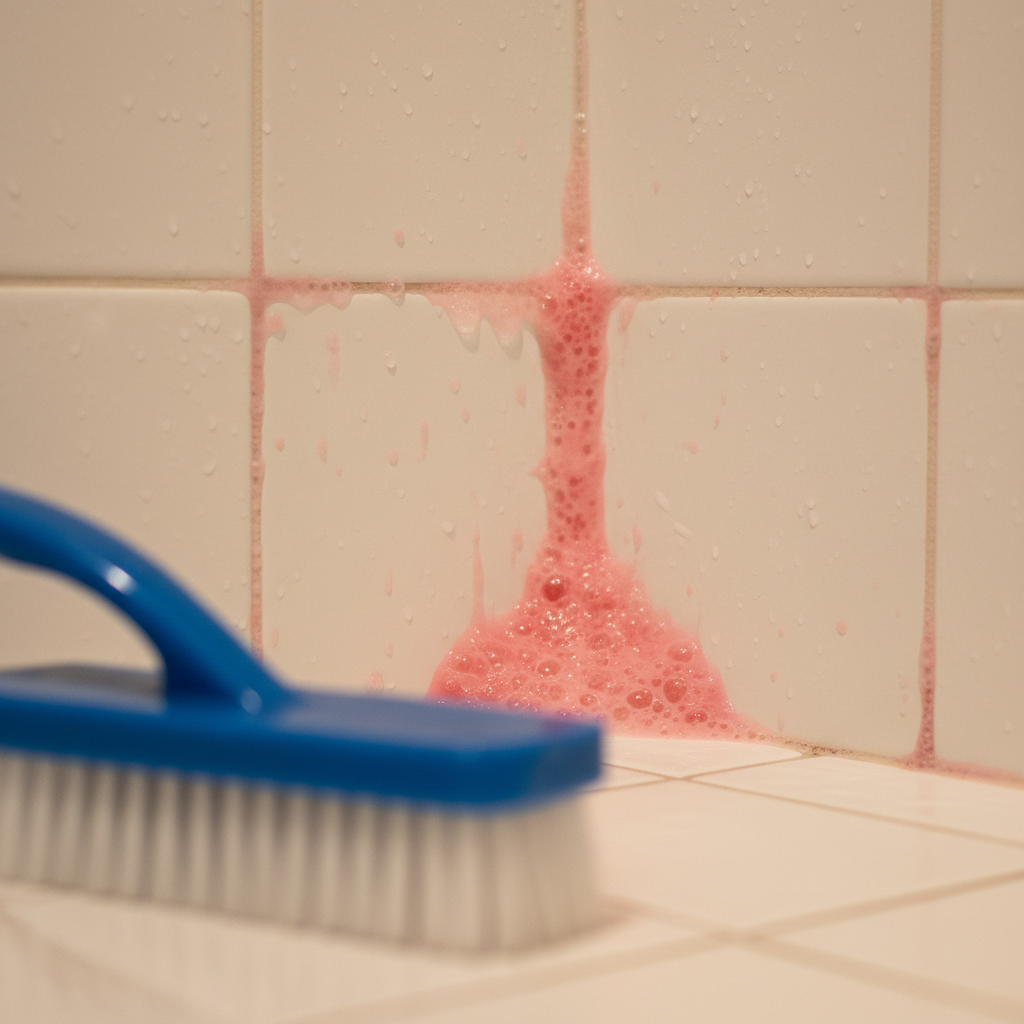
You see it creeping in the corners of your shower, a slimy, pinkish-orange film that seems to appear out of nowhere. It might be on the grout lines, at the base of your shampoo bottles, clinging to the shower curtain, or in the track of the shower door. Your first instinct might be to call it "pink mold," and you might even treat it like the more sinister black mold. However, this common bathroom invader is something else entirely. While unsightly, it's a sign of a specific environmental condition in your bathroom: excess moisture and a ready food source.
This pink slime is a bacterial colony, not a fungus. It feels slimy to the touch and can be easily smeared, unlike most molds, which are more filamentous or fuzzy in texture. Understanding that you're dealing with bacteria, not mold, is the key to defeating it. Mold-specific cleaners might work, but they don't address the root cause, and the slime will almost certainly return. The real issue is the persistent dampness and the residue left behind from your daily hygiene routine, which provides the perfect buffet for this unwelcome guest.
How It Works
The scientific name for your pink slime problem is Serratia marcescens. This is a bacterium that is extremely common in the environment. It can be found in soil, dust, and water systems. Its journey into your bathroom is an easy one—it travels through the air, entering through an open window or getting kicked up from the floor, and eventually settles on a welcoming surface.
What makes your shower so welcoming? Two things: water and food. Serratia marcescens is a water-loving bacterium that thrives in consistently damp, humid places. Your shower, especially right after you use it, is a five-star resort. The "food" it consumes is the fatty residue (lipids) left behind from soap scum, shower gels, and shampoo runoff. The combination of standing water and soap residue creates a perfect breeding ground.
The bacterium produces a characteristic pinkish-red pigment called prodigiosin as it multiplies and forms a protective biofilm. This biofilm is a slimy matrix that helps the bacteria cling to surfaces and protects it from being easily washed away. The color can range from a light pastel pink to a deeper, more alarming shade of orange or red, depending on the specific strain, the available nutrients, and the age of the colony.
For most healthy individuals, Serratia marcescens is largely harmless, more of a cosmetic nuisance than a health threat. However, it is an opportunistic pathogen. This means it can cause infections in individuals with compromised immune systems, the elderly, or infants. In hospital settings, it can be a source of urinary tract and respiratory infections. While the risk in a home environment is very low for healthy people, this is why it's important to take it seriously and remove it, especially if you share your home with anyone who is medically vulnerable.
Step-by-Step Fix
This two-stage process involves a thorough initial cleaning followed by establishing a simple, quick prevention routine. The goal is to eliminate the existing colony and remove the conditions that allow it to grow.
SAFETY NOTE: Always wear gloves when cleaning, even with gentle cleaners like baking soda and vinegar. Ensure your bathroom is well-ventilated by opening a window or turning on the exhaust fan. Never mix cleaning products, especially bleach and ammonia, which create toxic gas.
-
Safety and Prep — Put on your rubber gloves. Remove all shampoo bottles, soap bars, and loofahs from the affected area. These items are often the epicenter of the problem and need to be cleaned separately.
-
Mix Your Cleaning Paste — In a small bowl, create a thick paste by mixing about a half-cup of baking soda with a tablespoon of liquid dish soap and just enough water to get a frosting-like consistency. Baking soda acts as a gentle, non-abrasive scour, and the soap helps break down the greasy soap scum the bacteria feed on.
-
Apply the Paste — Using your gloved fingers or a spatula, liberally apply the paste directly onto all visible pink slime. Pay special attention to grout lines, corners, the shower door track, and around the drain.
-
Let It Dwell — Allow the paste to sit on the surfaces for 15-20 minutes. This gives the soap time to dissolve the biofilm and soap scum, and the baking soda time to start breaking down the grime, making scrubbing much easier.
-
Scrub Vigorously — Take a stiff-bristled scrub brush (an old toothbrush or a dedicated grout brush is perfect for tight spaces) and scrub all the areas where you applied the paste. You should see the pink slime and underlying grime lift away easily. Apply firm pressure to work the cleaner into the porous surface of the grout.
-
Rinse and Inspect — Thoroughly rinse all surfaces with warm water. Use your shower sprayer if you have one. Inspect the area to ensure all traces of the pink film are gone. For any stubborn spots, repeat the application and scrubbing process.
-
Create Your Prevention Spray — Now, shift to prevention mode. In a clean, empty spray bottle, mix a 50/50 solution of distilled white vinegar and water. The acetic acid in vinegar makes the surface inhospitable to bacteria and helps dissolve fresh soap scum.
-
Spray All Surfaces — Lightly mist the entire shower—walls, floor, fixtures, and curtain—with your vinegar solution. You don't need to drench it; a light, even coating is all that's needed. Let it sit for a few minutes while you complete the next step.
-
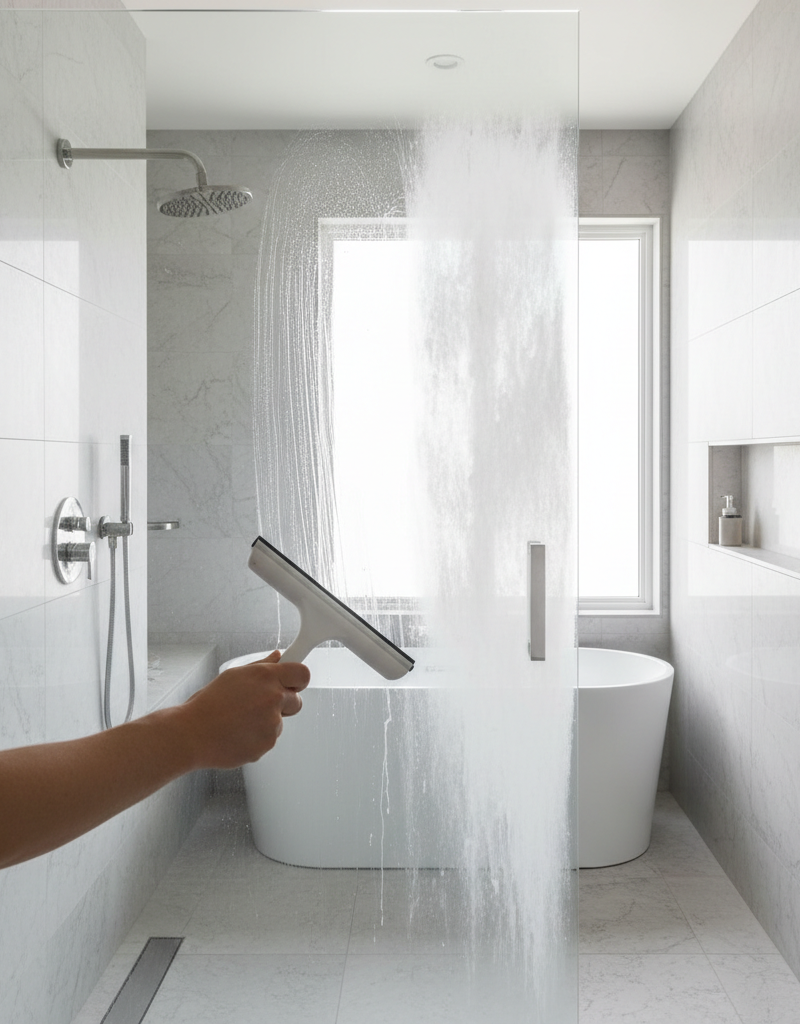
Squeegee Everything Dry — This is the single most important habit. Starting from the top, use a good-quality squeegee to wipe down every surface: the walls, the glass door, and even the tiled floor. This action physically removes the standing water that Serratia marcescens needs to survive. It should take less than 60 seconds.
-
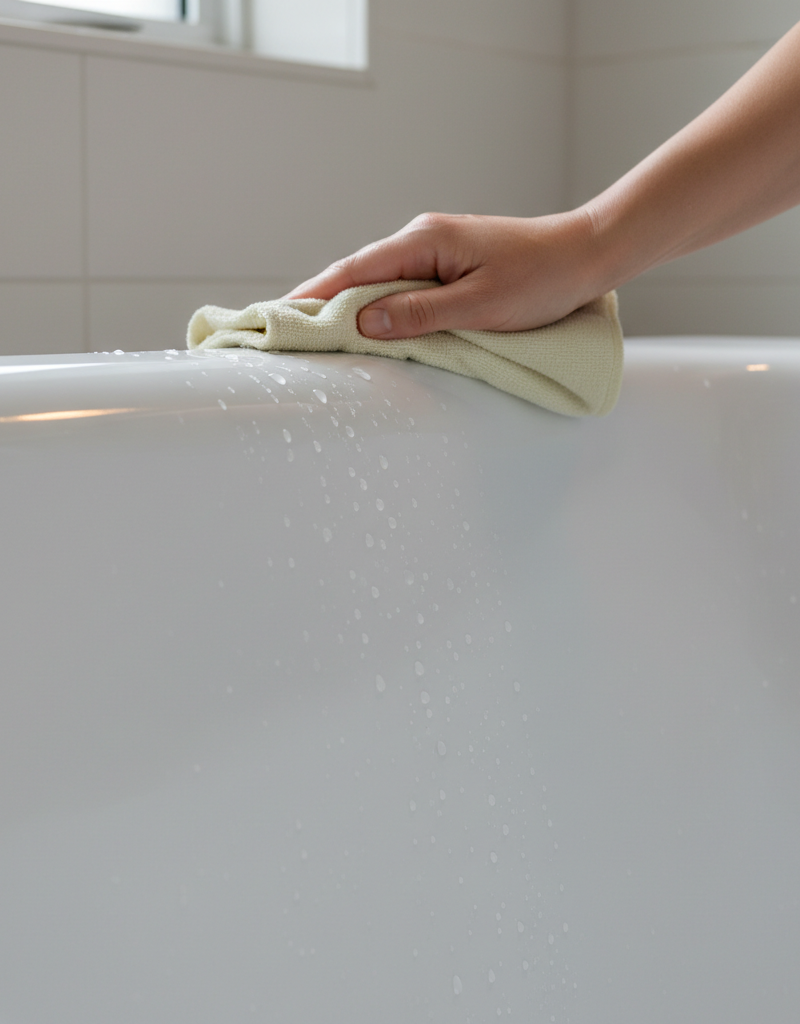
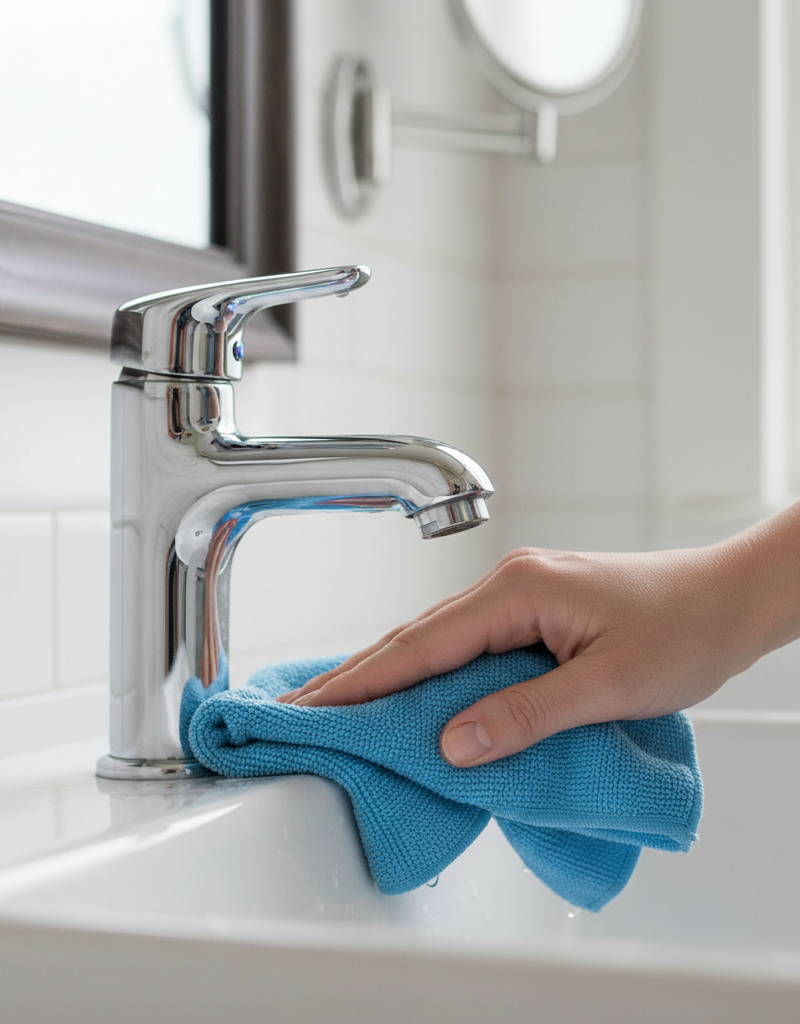
Final Wipe and Air Out — Use a microfiber cloth to quickly dry any remaining water on fixtures or in the corners. If you have a shower curtain, extend it fully so it can dry completely. Finally, leave the shower door open and run your bathroom's exhaust fan for at least 20-30 minutes to vent the moist air.
Common Causes
- High Humidity & Poor Ventilation: The number one cause. Without an effective exhaust fan or open window, moisture lingers long after your shower, creating a perfect humid environment.
- Soap Scum Buildup: The bacteria feeds on lipids found in soap and shampoo residue. If you aren't regularly cleaning away soap scum, you're leaving out a perpetual buffet.
- Leaky Fixtures: A dripping showerhead or faucet provides a constant source of moisture, guaranteeing the area never fully dries out.
- Infrequent Use of Squeegee/Towel: Leaving water to air-dry on shower surfaces is an open invitation for bacterial growth.
- Well Water: Some households using well water may find the problem is more persistent, as Serratia marcescens can live in these water sources, introducing it more directly.
Common Mistakes
- Treating it as a one-time problem. The key isn't just cleaning the slime but changing your daily and weekly habits to prevent its return. You cannot scrub it away once and expect it to stay gone.
- Relying solely on bleach. While bleach can kill the bacteria, it doesn't effectively remove the underlying soap scum (its food source) and can damage colored grout over time. A good scrub with a detergent is more important.
- Ignoring the shower curtain. The plastic liner of a shower curtain is a prime location for pink slime. It needs to be cleaned just as regularly as the tile and grout.
- Not running the exhaust fan long enough. Running the fan only while you're in the shower is not enough. You must run it for 20-30 minutes after you get out to properly vent the humid air.
- Leaving shampoo bottles on the floor. Bottles trap water underneath them, creating dark, damp micro-environments where the bacteria can flourish undisturbed. Store them on a hanging caddy.
Cost & Time Breakdown
| Task | DIY Cost | Pro Cost | Time Commitment |
|---|---|---|---|
| Initial Deep Clean | $5 - $15 (for baking soda, vinegar, brush if you don't have them) | $75 - $150 (as part of a professional bathroom cleaning service) | 30-45 minutes |
| Weekly Prevention Habit | <$1 (for vinegar/water spray) | N/A | 2-5 minutes after each shower / 10 minutes weekly |
| Grout Sealing (Long-term Prevention) | $20 - $40 (for sealer and applicator) | $200 - $400 (for professional grout cleaning and sealing) | 1-2 hours |
| Bathroom Exhaust Fan Upgrade | $75 - $250 (for a new fan unit) | $300 - $600 (includes fan and electrician labor) | 2-4 hours |
Tips & Prevention
- The Squeegee is Your Best Friend: Make it a non-negotiable habit to squeegee the shower walls and door after the last person has showered for the day. This is the most effective preventative step you can take.
- Improve Airflow: Always run your exhaust fan for 20-30 minutes post-shower. If you don't have a fan, crack open a window and leave the bathroom door wide open.
- Wash Your Shower Curtain: Once a month, put your fabric or plastic shower curtain and liner in the washing machine with a few old towels (which help scrub it clean) on a gentle cycle. You can add a half-cup of vinegar to the rinse cycle.
- Switch to a Hanging Caddy: Get those bottles off the floor and corners. A wire caddy that hangs from the showerhead allows water to drain away freely.
- Seal Your Grout: Most grout is cement-based and porous. Applying a quality penetrating grout sealer once a year will make it water-repellent, preventing moisture from soaking in and denying bacteria a place to live.
- Fix Leaks Immediately: That tiny drip from your showerhead can deposit gallons of water a week. Repairing a leaky faucet or showerhead eliminates a constant source of moisture.
When to Call a Professional
While tackling pink slime is typically an easy DIY job, there are situations where professional help is warranted. If you have followed a consistent and thorough cleaning and prevention routine for several weeks—including daily squeegeeing and weekly vinegar sprays—and the pink slime returns aggressively, it could signal a more significant underlying issue. A persistent, widespread problem may indicate a chronic leak from a pipe behind the wall or underneath the shower pan, creating a constant state of saturation that surface cleaning can't resolve. In this case, a plumber is needed to diagnose and repair the source of the leak.
Furthermore, if your bathroom exhaust fan seems weak (a simple test is to see if it can hold a single square of toilet paper against the grille while running), it may be time to call an electrician. They can install a more powerful, correctly sized fan that can properly ventilate the space. For homeowners who want a more permanent solution, a grout and tile contractor can professionally steam-clean and seal grout lines, making them far more resistant to future growth. Finally, if a member of your household is severely immunocompromised, you may want to consult with a professional cleaning service to ensure the environment is sanitized to the highest possible standard. '''
What should this project cost?
Enter your project details for a realistic cost range before you call anyone.
Mid-range remodels commonly $12,000–$22,000; small repairs often under $600.
- Regional adjustment
- National average
- Labor share (typical)
- ~$5,603
- Quotes to collect
- 3 written estimates
Educational estimate based on national averages — not a binding quote. Always confirm with written local estimates.
Get the print-ready PDF of this guide
A clean, ad-free, printable version you can keep on your phone or pin to the workshop wall. Free with a FixlyGuide account.
- Print-optimized layout
- Tools, materials & every step included
- Saved to your account
Frequently asked questions
Is the pink slime in my shower dangerous to my health?+
For most healthy people, the bacteria Serratia marcescens is not dangerous, though it can be an irritant. However, it is an opportunistic pathogen and can cause infections in individuals with compromised immune systems, infants, and the elderly. It's always best to clean it away promptly.
Does chlorine bleach kill the pink slime in the shower?+
Yes, a diluted bleach solution can kill Serratia marcescens. However, a baking soda scrub is often more effective because it physically removes the biofilm and soap scum the bacteria feeds on. A vinegar solution is a great preventative agent that is less harsh on grout than bleach.
Why does the pink slime keep coming back so quickly?+
It returns because the conditions it loves are still present: moisture and a food source (soap scum). Simply cleaning it without changing the environment (i.e., by not drying the shower after use) means the airborne bacteria will simply resettle and start a new colony within a week or two.
Can I use this same cleaning method on my toilet bowl?+
Yes. A pink ring in the toilet bowl is also commonly caused by Serratia marcescens. A baking soda scrub or a standard toilet bowl cleaner will effectively remove it. Ensuring the toilet is flushed regularly can help prevent its return.
Discussion
Loading comments…