- Acidic Cleaner: Distilled White Vinegar (5% acidity) and water for a 50/50 solution OR a commercial product like CLR Calcium, Lime & Rust Remover.
- Degreaser: Dawn Powerwash OR a solution of 1 tsp of regular Dawn dish soap per 16 oz of hot water.
- Mild Abrasive Cleaner (for stubborn spots): Bar Keepers Friend Soft Cleanser.
- Optional Water Repellent: Rain-X Original Glass Water Repellent.
Published June 3, 2026Last updated August 17, 2026
Tools & materials you'll need
Affiliate linksAs an Amazon Associate FixlyGuide earns from qualifying purchases — at no extra cost to you. Prices and availability are accurate as of publication and subject to change.
Quick Answer
To clean a cloudy glass shower door, first spray it with an acidic cleaner like a 50/50 white vinegar-water solution or CLR to dissolve mineral deposits. After a 10-minute dwell time, scrub with a non-scratch sponge. Next, tackle greasy soap scum with a degreasing dish soap like Dawn Powerwash. For stubborn spots, use a Mr. Clean Magic Eraser or a paste of Bar Keepers Friend, then rinse thoroughly and squeegee dry to prevent new spots.
Why This Works
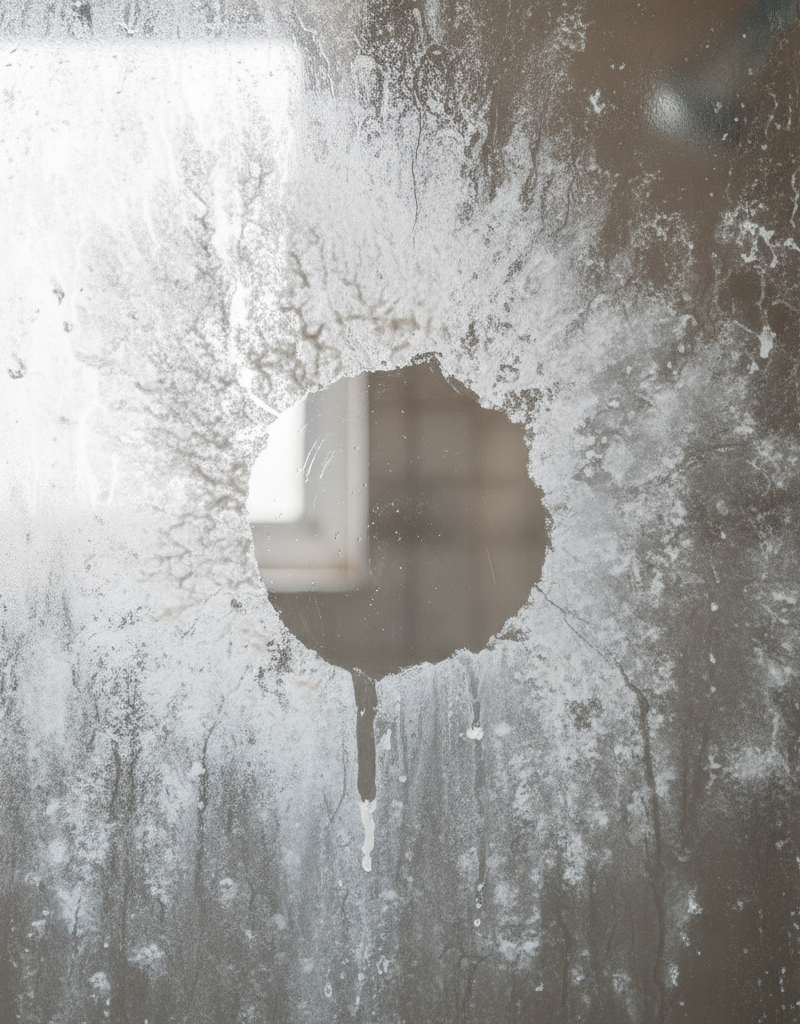
That frustrating, semi-opaque film on your shower door isn't just one thing; it's a stubborn combination of two distinct problems: hard water deposits and soap scum. Understanding the chemistry of this duo is the key to defeating it without damaging your glass.
First, let’s talk about hard water. The term "hard" refers to water with high levels of dissolved minerals, primarily calcium (Ca²⁺) and magnesium (Mg²⁺) ions. When this water evaporates on your shower door, it leaves these minerals behind. Over time, they build up into a chalky, whitish deposit of calcium carbonate and magnesium carbonate. These mineral compounds are alkaline, meaning they fall on the high end of the pH scale. To dissolve an alkali, you need an acid. This is why household white vinegar (acetic acid) or commercial products like CLR (which contains a blend of acids like lactic and gluconic acid) are so effective. The acid reacts with the alkaline mineral salts, breaking them down into water-soluble substances that can be easily wiped away. The "dwell time" is critical here; the acid needs several minutes to chemically react with and dissolve the mineral buildup.
Second, there’s soap scum. This is a more complex beast. It forms when the fatty acids and other ingredients in bar soap react with the calcium and magnesium ions from hard water. This reaction creates a new, insoluble, waxy substance called calcium stearate or magnesium stearate. This compound is water-resistant and sticks stubbornly to surfaces. Because it’s part mineral and part waxy/oily, an acid alone won't fully cut it. You also need a surfactant or a solvent to break down the greasy component. This is where a high-quality dish soap like Dawn Powerwash comes in. Its surfactants are designed to emulsify grease and oil, lifting the waxy soap scum from the glass surface so it can be rinsed away. For exceptionally tough buildup, a two-step approach—acid first for minerals, then surfactant for scum—is the most effective strategy.
Finally, for the most stubborn, layered-on spots, you may need a gentle mechanical cleaning boost. This is where products like a Mr. Clean Magic Eraser or Bar Keepers Friend Soft Cleanser come in. A Magic Eraser is made of melamine foam, which acts as an ultra-fine micro-abrasive—think of it as incredibly gentle sandpaper that lifts grime without visibly scratching the glass. Bar Keepers Friend contains oxalic acid (more mineral-dissolving power) and a very mild abrasive (feldspar). This combination provides a one-two punch of chemical and physical cleaning power to remove the last vestiges of the problem.
What You Need
Tools:
- 2-3 Spray Bottles
- Scotch-Brite Non-Scratch Scrub Sponge
- Mr. Clean Magic Eraser
- High-Quality Squeegee
- Several clean, dry Microfiber Towels
- Nitrile Gloves
- Safety Glasses
Materials:
- Acidic Cleaner: Distilled White Vinegar (5% acidity) and water for a 50/50 solution OR a commercial product like CLR Calcium, Lime & Rust Remover.
- Degreaser: Dawn Powerwash OR a solution of 1 tsp of regular Dawn dish soap per 16 oz of hot water.
- Mild Abrasive Cleaner (for stubborn spots): Bar Keepers Friend Soft Cleanser.
- Optional Water Repellent: Rain-X Original Glass Water Repellent.
SAFETY FIRST: Proper ventilation is crucial when working with these products. Open a window or turn on your bathroom's exhaust fan. Always wear gloves and safety glasses to protect your skin and eyes from splashes. NEVER mix cleaning chemicals, especially bleach with ammonia or any acid (like vinegar or CLR). The combination can release toxic chloramine or chlorine gas.
Step-by-Step Method
-
Gear Up and Ventilate — Before you start, put on your nitrile gloves and safety glasses. Open the bathroom window and turn on the exhaust fan. Good airflow is essential, especially when using products like CLR.
-
Perform a Spot Test — Always test new cleaners on a small, inconspicuous area of the glass (like the bottom corner) to ensure they don't cause unexpected discoloration or etching, especially if you're unsure if your door has a factory coating.
-
Apply the Acidic Cleaner — Fill a spray bottle with your chosen acidic solution: either a 50/50 mix of white vinegar and water or straight CLR. Spray the entire glass door liberally, starting from the top and working your way down. The goal is to saturate the surface completely.
-
Let It Dwell — This is the most important step for dissolving minerals. Let the acidic cleaner sit on the glass for a minimum of 5-10 minutes (15 minutes for very heavy buildup). Do not let it dry. Re-mist if necessary. You are letting chemistry do the hard work for you.
-
Scrub the Minerals Away — Take your Scotch-Brite Non-Scratch Scrub Sponge, dip it in water, and begin scrubbing the glass in firm, circular motions. You should feel the mineral deposits breaking loose. Apply consistent pressure across the entire door.
-
Rinse and Assess — Thoroughly rinse the glass door with warm water using your shower sprayer. At this point, the hard water deposits should be gone, but you might still see a hazy, greasy film of soap scum. Squeegee a small section dry to check your progress.
-
Degrease the Soap Scum — Spray the entire door with Dawn Powerwash, or your hot water and dish soap solution. This will attack the oily, waxy residue. Let it sit for a minute or two.
-
Tackle Stubborn Spots — For any remaining trouble areas, it's time to bring in reinforcements. Wet a Mr. Clean Magic Eraser and scrub the specific spots. Alternatively, apply a small amount of Bar Keepers Friend Soft Cleanser to your non-scratch sponge and gently polish the area. This provides the extra "bite" needed to remove the most calcified, layered-on scum.
-
Perform a Final, Thorough Rinse — Rinse the entire door from top to bottom with clean water. Make sure all traces of cleaners are washed away. Any residue left behind will attract new grime.
-
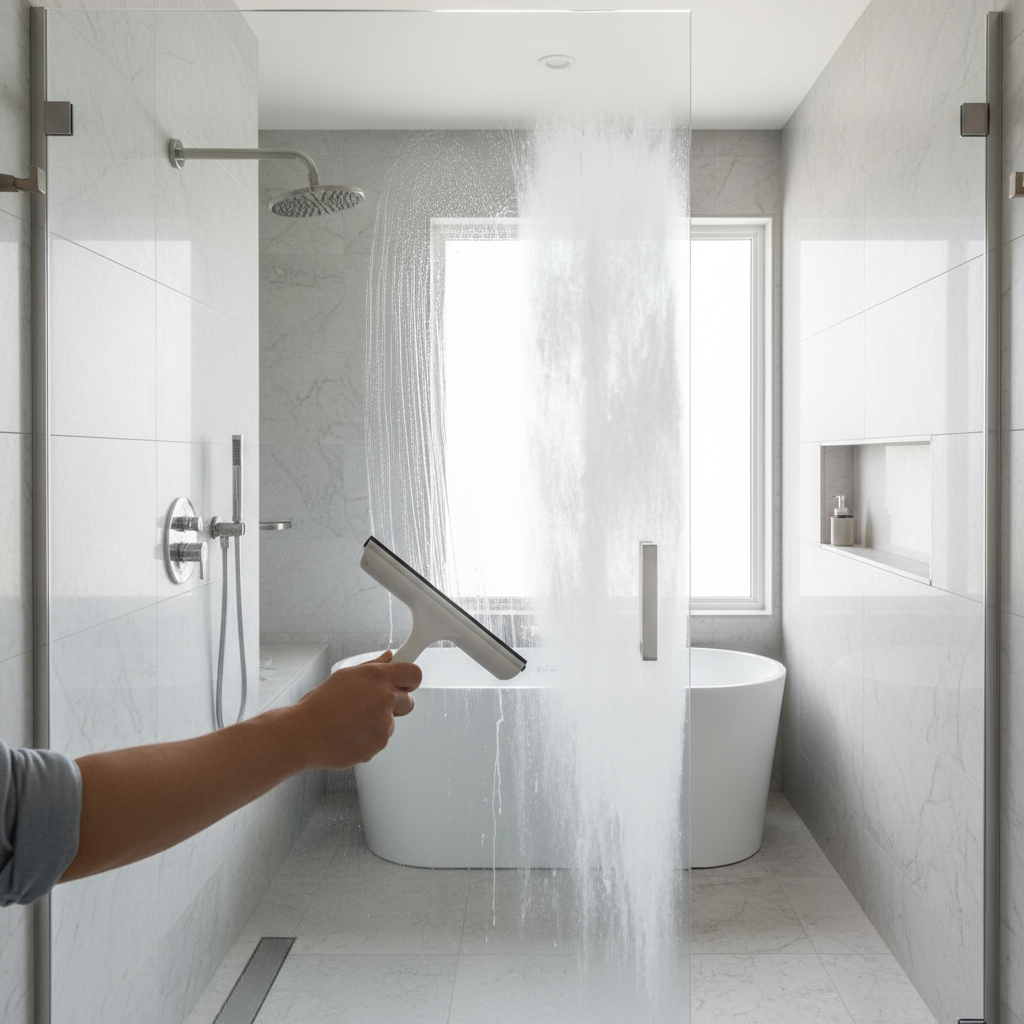
Squeegee and Dry Completely — This step is non-negotiable for a streak-free finish. Starting at the top corner, pull your squeegee down in a single, overlapping stroke. Wipe the squeegee blade with a microfiber towel after each pass. After squeegeeing, use a separate, clean microfiber towel to buff the glass and wipe any remaining water from the corners and edges.
-
Apply a Protective Barrier (Optional) — For long-lasting clarity, apply a water repellent like Rain-X. Ensure the glass is perfectly clean and dry. Apply a small amount to a microfiber towel, rub it onto the glass in a circular motion, let it haze over (per product instructions), and then buff it clear with a clean, dry towel. This hydrophobic coating will prevent water from sitting on the glass, dramatically reducing future buildup.
Common Mistakes
- Using Abrasives that Scratch: Never use steel wool, green scouring pads, or abrasive powders like Comet on glass. They will create a network of fine scratches that will permanently cloud the door and make it even more prone to buildup.
- Not Allowing Dwell Time: Simply spraying and immediately wiping is ineffective. The acidic cleaner needs at least 5-10 minutes to chemically react with and dissolve the mineral deposits.
- Letting the Glass Air Dry: Letting water droplets evaporate on the glass is how the mineral stains formed in the first place. Always squeegee or towel dry the door after cleaning and after every shower.
- Ignoring the Soap Component: Many people focus only on the mineral stains with vinegar but get frustrated when a greasy film remains. You must use a degreasing agent like Dawn to remove the waxy soap scum.
- Accidental Damage to Stone: If your shower has a natural stone (marble, travertine, limestone) floor or surround, be extremely careful. Acids will etch and permanently damage these surfaces. Protect them with plastic sheeting before spraying acidic cleaners.
- Forgetting to Rinse Between Steps: Failing to rinse the acidic cleaner off before applying the next product can reduce its effectiveness and leave behind a cocktail of residue.
Cost & Time Breakdown
| Task | DIY Cost | Pro Cost | Time Investment |
|---|---|---|---|
| Initial Deep Clean | $20 - $40 (for all materials) | $100 - $175 | 1 - 2 hours |
| Cleaning & Degreasing Agents | $15 - $25 | Included in service | N/A |
| Tools (Squeegee, Sponges) | $10 - $20 | Included in service | N/A |
| Protective Coating (Rain-X) | $8 - $12 | $25 - $50 (add-on) | 30 minutes |
| Professional Polishing/Etch Removal | N/A | $200 - $400+ | 2-4 hours |
Prevention & Maintenance
The best way to deal with hard water stains and soap scum is to prevent them from ever building up significantly.
- Squeegee After Every Shower: This is the single most effective habit. It takes 30 seconds but removes over 90% of the water before it can evaporate and leave minerals behind.
- Use a Daily Shower Spray: Keep a bottle of a commercial daily shower cleaner (like Method Daily Shower Spray) or a DIY mix (1 cup water, 1/2 cup vinegar, a few drops of dish soap) in your shower. Lightly mist the door after your final squeegee pass.
- Switch to Liquid Body Wash: Bar soaps are a primary culprit in soap scum formation. Most liquid body washes and shower gels use detergents instead of true soap, so they are less likely to create the waxy buildup.
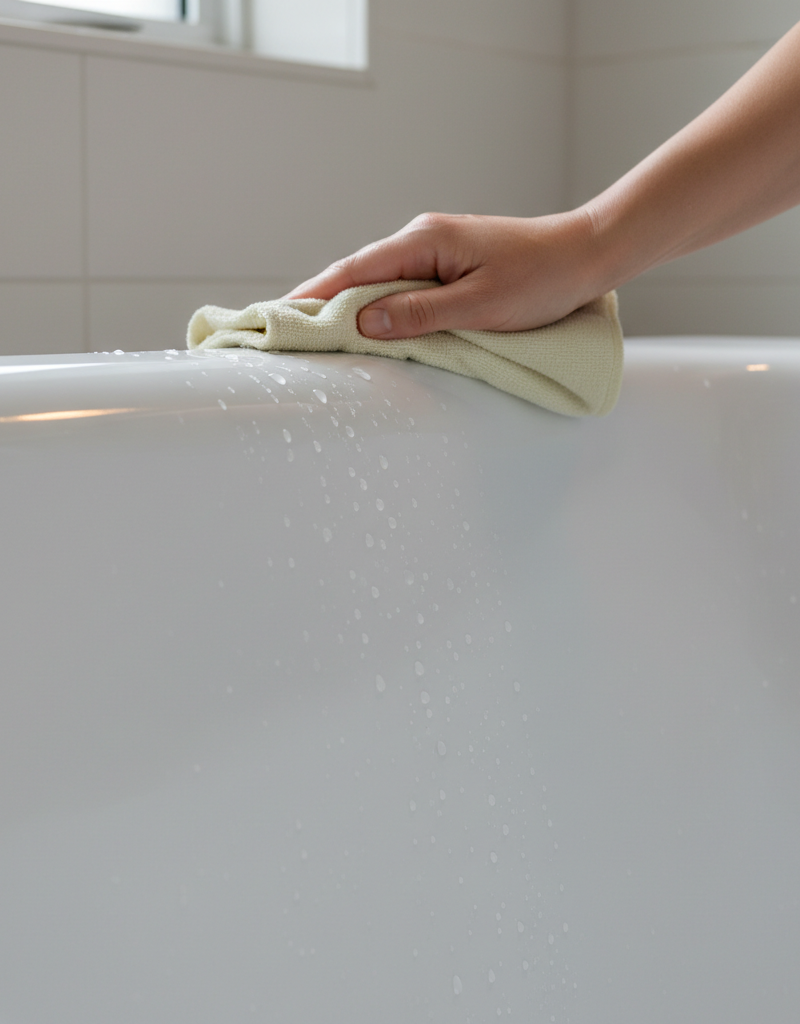
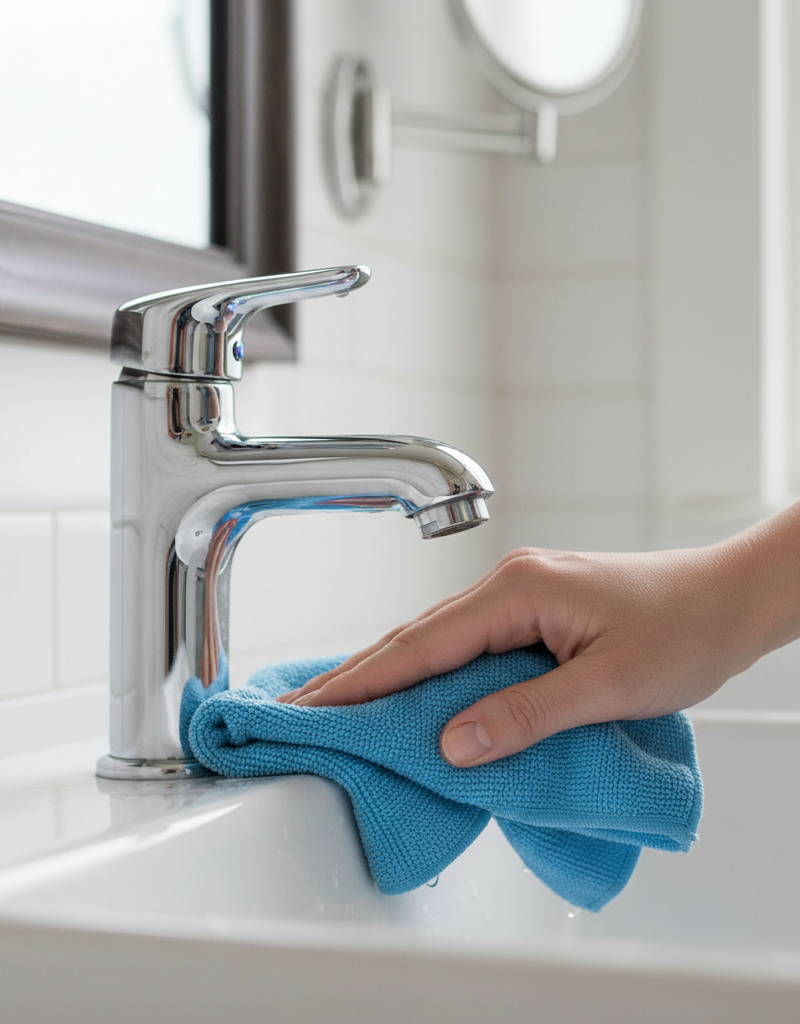
- Towel Dry: For the ultimate prevention, do a final wipe-down with a dedicated microfiber towel after squeegeeing to remove every last drop of water.
- Install a Water Softener: If you have very hard water, a whole-house water softener is the ultimate solution. It removes excess minerals at the source, which will prevent buildup not just on your shower door, but in all your pipes and appliances.
When to Call a Professional
While this DIY method is highly effective for most situations, there are times when it makes sense to call a glass or cleaning professional. If you've tried the steps above and the cloudiness persists, the glass itself may be etched. This happens when mineral deposits have been left on the surface for so long (years, typically) that they have physically corroded the surface of the glass, creating microscopic pitting. No amount of cleaning can remove etching. A professional may be able to polish the glass using specialized machinery and cerium oxide polish to restore clarity, though in severe cases the door may need to be replaced.
You should also consider a professional if you have an extremely large or complex glass enclosure, especially if it is integrated with delicate materials like unsealed travertine or marble that you are concerned about damaging. Finally, if the buildup is exceptionally thick and you lack the time or physical stamina for the intensive scrubbing required, a professional cleaning service can bring in the right equipment and experience to restore the glass efficiently.
Should you do this yourself?
Answer five quick questions before you start. Safety outranks savings every time.
Your experience with work like this
How high do you have to work?
Does the job involve any of these?
Will it need a permit?
Specialty tools
Free and instant. Educational guidance only — not a quote, inspection, or professional diagnosis.
What should this project cost?
Enter your project details for a realistic cost range before you call anyone.
Mid-range remodels commonly $12,000–$22,000; small repairs often under $600.
- Regional adjustment
- National average
- Labor share (typical)
- ~$5,603
- Quotes to collect
- 3 written estimates
Educational estimate based on national averages — not a binding quote. Always confirm with written local estimates.
Before you start
Check the difficulty, permits, and safety risk — then decide whether to call a pro.
- Estimate this projectGet a cost range for your scope and ZIP before you call anyone.Open
- Get local estimatesSend one request and compare written estimates from vetted pros.Open
Free, no signup required. Estimates are educational guidance, not a quote or an inspection.
Get the print-ready PDF of this guide
A clean, ad-free, printable version you can keep on your phone or pin to the workshop wall. Free with a FixlyGuide account.
- Print-optimized layout
- Tools, materials & every step included
- Saved to your account
Frequently asked questions
Can I use vinegar and baking soda to clean my shower door?+
While often touted as a cleaning solution, mixing vinegar (an acid) and baking soda (a base) primarily causes them to react and neutralize each other into saltwater, which isn't an effective cleaner. However, you can use them sequentially. First, use a vinegar spray to dissolve minerals, rinse, and then use a paste of baking soda and water as a mild abrasive to scrub away soap scum.
Will a Mr. Clean Magic Eraser scratch my glass shower door?+
Generally, a Magic Eraser is safe for glass and will not scratch it. It's a very fine micro-abrasive made of melamine foam. However, it's always the best practice to test it on a small, hidden corner of the door first, just to be absolutely certain, especially if your door has any special coatings.
How often should I deep clean my shower door?+
This depends heavily on your water hardness and how diligent you are with daily maintenance. With daily squeegeeing in a hard water area, a deep clean like this might be needed every 1-3 months. If you don't perform daily maintenance, you may need to do it monthly or even more frequently.
Why does my shower door still look cloudy after cleaning?+
If you have followed all the steps (acid for minerals, degreaser for soap scum) and the door is still cloudy, the glass is likely etched. This means years of mineral buildup have physically damaged the surface of the glass. At this point, no cleaner will work, and you may need to call a professional for glass polishing services.
Discussion
Loading comments…