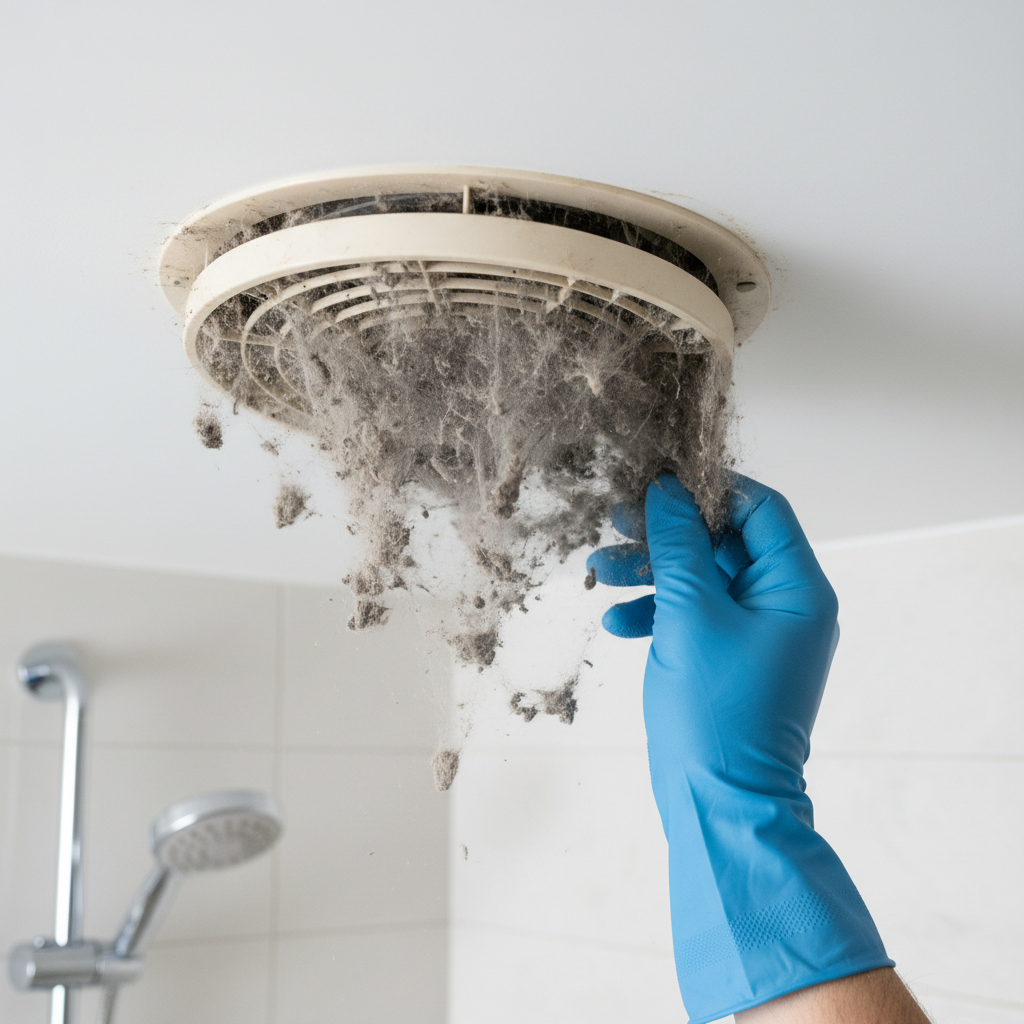
- Neglected Cleaning: The primary cause is simple neglect. Because it's out of sight, the fan is often forgotten during regular cleaning routines. A "set it and forget it" mentality allows years of buildup.
- High Humidity: Bathrooms are the most humid rooms in the house. The constant moisture from showers and baths acts like a glue, causing dust, lint, and hair to stick to the fan components.
- Aging Fan Motor: Older fan motors can run less efficiently and generate more static charge, attracting dust at a faster rate than newer, more energy-efficient models.
Bathroom · Bathroom remodel
| Project category | Bathroom |
|---|---|
| Problem type | Bathroom remodel |
| Trade required | General contracting |
| Urgency | Planned project |
| Safety risk | Low safety risk |
| DIY suitability | Pro recommended |
| Cost category | High cost |
| Typical timeline | Typically 2–4 weeks on site |
| Contractor type | Bathroom remodeler or licensed plumber |
Repair option
Refresh fixtures, grout, and vanity without moving plumbing.
Replacement option
Gut remodel when the pan leaks or the layout changes.
Common causes
- Dated finishes
- Failing tile or pan
- Accessibility needs
Relevant tools:project cost estimatorcompare quotes
Published June 11, 2026Last updated August 17, 2026
Tools & materials you'll need
Affiliate linksAs an Amazon Associate FixlyGuide earns from qualifying purchases — at no extra cost to you. Prices and availability are accurate as of publication and subject to change.
Quick Answer
Your bathroom exhaust fan cover and motor assembly act as a hidden trap for dust, lint, and moisture, creating a breeding ground for mold and mildew. This accumulation not only causes persistent musty odors but also dramatically reduces the fan's ability to properly ventilate your bathroom, leading to foggy mirrors and potential moisture damage.
The Problem
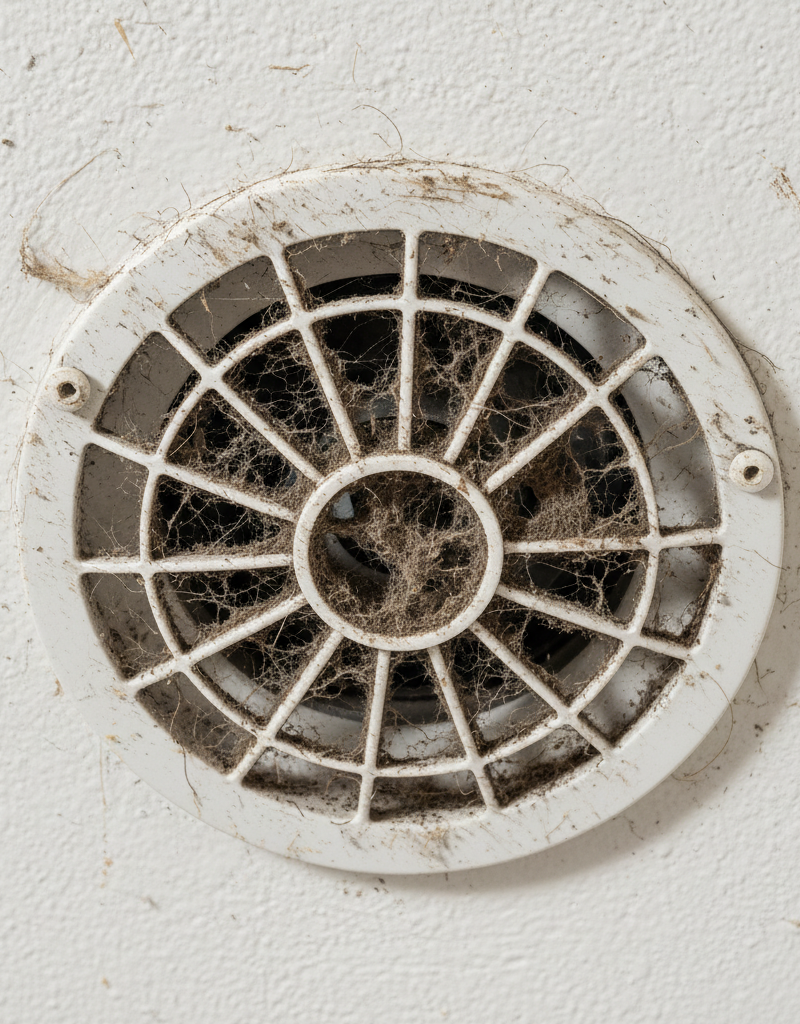
You diligently clean your toilet, scrub the shower, and wipe down the counters, yet a persistent, faintly musty smell lingers in your bathroom. You’ve checked for leaks and cleaned the P-traps, but the odor remains. The culprit is likely humming quietly above your head. The bathroom exhaust fan, a device designed to remove moisture and odors, often becomes a major source of them. Over months and years, the fan grille, motor, and housing accumulate an astonishing amount of dust, hair, lint, and aerosolized particles from products like hairspray and air fresheners. This debris becomes damp with every shower, creating a perfect, dark, and secluded environment for mold and mildew to flourish. The fan then circulates these musty, spore-laden fumes back into the very room it's supposed to be keeping fresh. This not only creates an unpleasant smell but also reduces the fan's efficiency, trapping more moisture and exacerbating the problem, potentially leading to peeling paint, damaged drywall, and more significant mold issues down the line.
How It Works
A bathroom exhaust fan operates on a simple but effective principle: negative pressure. When you switch it on, a small electric motor spins a series of fan blades, similar to a miniature airplane propeller. This spinning action pulls air from the bathroom into the fan's housing. From the housing, the captured air—along with moisture, odors, and airborne particles—is pushed into a duct system hidden within your ceiling or walls. This ductwork then terminates outside your home, usually through a vent on the roof or a side wall, safely expelling the unwanted air. The grille you see on the ceiling is the primary intake point, designed to prevent larger objects from entering the fan assembly. However, its slats are a magnet for airborne dust and lint. As air is pulled through the grille, these particles get trapped. The fan motor itself, often a shaded-pole or permanent split capacitor type, generates a small amount of heat and an electrostatic charge, which attracts finer dust particles that make it past the grille. This sticky, dense mat of debris builds up on the fan blades, the motor casing, and the interior of the housing, constricting airflow just like a clogged artery. The reduced airflow means the fan can't pull humidity out of the room effectively, leaving shower steam to condense on surfaces and feed the very mold and mildew growing in the fan itself.
Step-by-Step Fix
Safety First: Before starting any work, turn off the power to the exhaust fan at your home’s main electrical panel. Flick the fan switch on and off to confirm the power is completely disconnected. If you are using a stepladder, ensure it is placed on a stable, level surface.
-
Detach the Cover — Most fan covers are held in place by two metal spring clips. Gently pull the cover down about an inch from the ceiling. You should feel resistance from the clips. Squeeze the clips together with your fingers to release them from their slots in the fan housing and remove the cover completely. Some older or different models might use a central knob or screws.
-
Soak and Scrub the Grille — Take the plastic fan cover to a utility sink or bathtub. Fill the basin with warm water and a few drops of dish soap. Let the cover soak for at least 15-20 minutes to loosen the caked-on dust. After soaking, use a stiff-bristled brush, like a dish brush or old toothbrush, to scrub away all the grime from the slats and crevices. Rinse thoroughly and set it aside to air dry completely.
-
Unplug the Motor Assembly — Look inside the fan housing in the ceiling. You will see the fan motor, likely covered in a thick layer of dust. In most modern fans, the motor is connected to the housing’s electrical receptacle with a simple plug. Carefully unplug it. This disconnects the motor, allowing for safer and easier cleaning.
-
Remove the Motor Plate — The motor and fan blades are typically mounted on a metal plate that is then screwed into the main housing. Locate the screws holding this plate in place (usually 1 to 4 screws). Using a screwdriver or nut driver, remove these screws. Be prepared to support the motor assembly as you remove the final screw; it can be heavier than it looks.
-
Clean the Motor and Blades — Take the motor assembly to a well-ventilated area or outdoors. Use a vacuum cleaner with a brush attachment to remove the thickest layers of dust from the motor casing and fan blades. Afterward, use a can of compressed air to blow out the finer dust from inside the motor vents and other tight spaces. Important: Do not spray liquid cleaners directly onto the motor itself.
-
Wipe Down the Blades — After the initial dry cleaning, lightly dampen a microfiber cloth with an all-purpose cleaner or a 50/50 solution of water and distilled white vinegar. Carefully wipe down each fan blade and the motor plate to remove any remaining sticky residue. An old toothbrush can help with stubborn grime in tight corners. Ensure the assembly is completely dry before reinstallation.
-
Clean the Fan Housing — Back at the ceiling, use your vacuum’s crevice tool to remove all loose dust and debris from inside the metal housing. Then, wipe the entire interior surface with a cloth dampened with your cleaning solution. Pay close attention to the corners where mold and mildew are most likely to grow. For stubborn spots, a magic eraser can be very effective.
-
Check the Damper Flap — Inside the housing, where the fan connects to the exhaust duct, you’ll find a small flapper (the damper). This flap is designed to open when the fan is on and close when it's off to prevent outside air from coming in. Ensure this flap moves freely and is not stuck open or closed with debris. Wipe it clean.
-
Reinstall the Motor — Carefully guide the clean motor assembly back into the housing. Align the screw holes and secure it with the screws you removed earlier. Start all screws by hand to avoid cross-threading before tightening them snugly with your screwdriver. Don’t overtighten.
-
Reconnect and Test — Plug the motor’s electrical cord back into the receptacle inside the housing. At this point, it’s a good idea to go turn the power back on at the breaker panel and briefly flick the switch to ensure the fan runs smoothly and quietly before you put the cover on. If you hear any rattling, turn the power off and double-check that the motor plate is secure.
-
Reattach the Cover — With the fan confirmed to be working, turn the power off at the breaker one last time for safety. Take your clean, dry fan cover, squeeze the metal spring clips together, and guide them back into the slots inside the fan housing. Push the cover up until it sits flush against the ceiling.
-
Final Power-Up — Restore power at the main breaker. Turn on your freshly cleaned bathroom fan. You should notice a significant increase in airflow and a complete absence of that old, musty smell.
Common Causes
- Neglected Cleaning: The primary cause is simple neglect. Because it's out of sight, the fan is often forgotten during regular cleaning routines. A "set it and forget it" mentality allows years of buildup.
- High Humidity: Bathrooms are the most humid rooms in the house. The constant moisture from showers and baths acts like a glue, causing dust, lint, and hair to stick to the fan components.
- Use of Aerosol Products: Hairspray, dry shampoo, deodorants, and aerosol air fresheners contribute significantly to the problem. The sticky propellants and particles in these products get sucked into the fan, creating a tacky surface that traps even more dust.
- Improper Ducting: If the fan duct is not routed correctly to the exterior of the house (e.g., it terminates in the attic), moisture and dust are simply relocated, not removed. This can lead to severe mold problems in the attic and cause debris to fall back into the fan.
- Aging Fan Motor: Older fan motors can run less efficiently and generate more static charge, attracting dust at a faster rate than newer, more energy-efficient models.
Common Mistakes
- Forgetting to Kill the Power: This is the most critical safety mistake. Attempting to clean a fan while it's connected to power risks severe electrical shock and injury.
- Spraying Liquid Directly on the Motor: This can short out the motor windings and permanently damage the fan. Always apply liquid cleaners to a cloth first, and never saturate the motor area.
- Not Cleaning the Duct Connection: Simply cleaning the grille and visible blades is not enough. The housing interior and the damper flap leading to the duct are critical areas where airflow is restricted and mold grows.
- Using a Ladder Improperly: Reaching for the ceiling can be awkward. Ensure your stepladder is fully open, on even ground, and that you maintain three points of contact (two feet, one hand) whenever possible.
- Reinstalling a Wet Cover: A damp fan cover can promote new mold growth and potentially drip water onto the electrical components you just cleaned. Ensure it is bone dry before reattaching.
- Ignoring a Noisy Fan Post-Cleaning: If the fan makes rattling or grinding noises after you reassemble it, don't ignore it. It often means the fan blades are hitting the housing or the motor is not seated correctly. Turn it off immediately and investigate.
Cost & Time Breakdown
| Task | DIY Cost | Pro Cost | Time |
|---|---|---|---|
| Basic Fan Cleaning (Grille & Housing) | $5 - $15 (for cleaners, brushes) | $125 - $200 | 1 - 1.5 hours |
| Complete Motor & Duct Cleaning | $20 - $40 (incl. compressed air) | $200 - $350 | 1.5 - 2.5 hours |
| Fan Motor Replacement (if needed) | $50 - $120 (for new motor unit) | $250 - $450 | 2 - 3 hours |
| Duct Inspection & Repair/Replacement | Varies widely ($100 - $500+) | $500 - $1,500+ | 4 - 8 hours |
Tips & Prevention
- Run It Longer: Run your exhaust fan for at least 20-30 minutes after every shower to ensure all humidity is vented. Consider installing a timer switch to automate this.
- Quarterly Quick Clean: Every three months, pop off the fan cover and vacuum it and the visible parts of the fan housing. This 10-minute task prevents the heavy buildup that requires a deep clean.
- Annual Deep Clean: Perform the full step-by-step deep cleaning described above at least once a year to keep the motor, blades, and housing in optimal condition.
- Check the Exterior Vent: At least twice a year, make sure the exterior vent flap is not blocked by bird nests, leaves, or snow. A blocked vent renders your fan useless.
- Upgrade to a Better Fan: If you have an old, noisy, or underpowered fan (rated below 70 CFM), consider an upgrade. Newer models are much quieter, more powerful, and often feature easier-to-clean designs.
When to Call a Professional
While cleaning a standard bathroom fan is a manageable DIY project, there are several situations where calling a licensed electrician or HVAC technician is the safest and most effective choice. If you are uncomfortable working with electricity or turning off breakers at the main panel, do not attempt this job. If, after removing the cover, you discover the fan is hardwired with no simple plug, it's best to have a professional handle the disconnection and re-connection. Loud grinding or metallic scraping noises from the motor, even after a thorough cleaning, usually indicate that the motor bearings are shot and the entire unit needs replacement. Furthermore, if you suspect the ductwork is disconnected, blocked, or improperly terminated in the attic (a common and dangerous construction shortcut), you will need an HVAC professional to inspect, repair, or correctly reroute the ducting to the exterior. Finally, if the fan simply doesn't work at all after cleaning and confirming the power is on, the issue could be a faulty motor, switch, or wiring problem that requires a professional diagnosis.
What should this project cost?
Enter your project details for a realistic cost range before you call anyone.
Mid-range remodels commonly $12,000–$22,000; small repairs often under $600.
- Regional adjustment
- National average
- Labor share (typical)
- ~$5,603
- Quotes to collect
- 3 written estimates
Educational estimate based on national averages — not a binding quote. Always confirm with written local estimates.
Get the print-ready PDF of this guide
A clean, ad-free, printable version you can keep on your phone or pin to the workshop wall. Free with a FixlyGuide account.
- Print-optimized layout
- Tools, materials & every step included
- Saved to your account
Frequently asked questions
How often should I clean my bathroom exhaust fan?+
You should perform a quick cleaning (vacuuming the grille and visible housing) every 2-3 months. A full deep cleaning, including removing and cleaning the motor and blades, should be done at least once a year to prevent buildup and musty odors.
My fan is still noisy after I cleaned it. What's wrong?+
If your fan is making a rattling or grinding noise after cleaning, the most common causes are that the fan blade assembly is misaligned and hitting the housing, or the motor plate is not screwed in tightly. Turn off the power and double-check your reassembly. If the noise persists, it could indicate failing motor bearings, which means the motor needs to be replaced.
Can a dirty bathroom fan be a fire hazard?+
Yes, although rare, it can be a fire hazard. A thick blanket of flammable dust and lint on an overheating fan motor can potentially ignite. Keeping the motor and housing clean is an important fire safety measure.
What does CFM mean for a bathroom fan?+
CFM stands for Cubic Feet per Minute, and it measures how much air the fan can move. For most bathrooms, a fan rated at 50-80 CFM is sufficient. For larger bathrooms (over 100 sq. ft.), you should look for a fan with a CFM rating equal to the room's square footage (e.g., a 120 sq. ft. bathroom needs a ~120 CFM fan) for effective moisture removal.
Discussion
Loading comments…