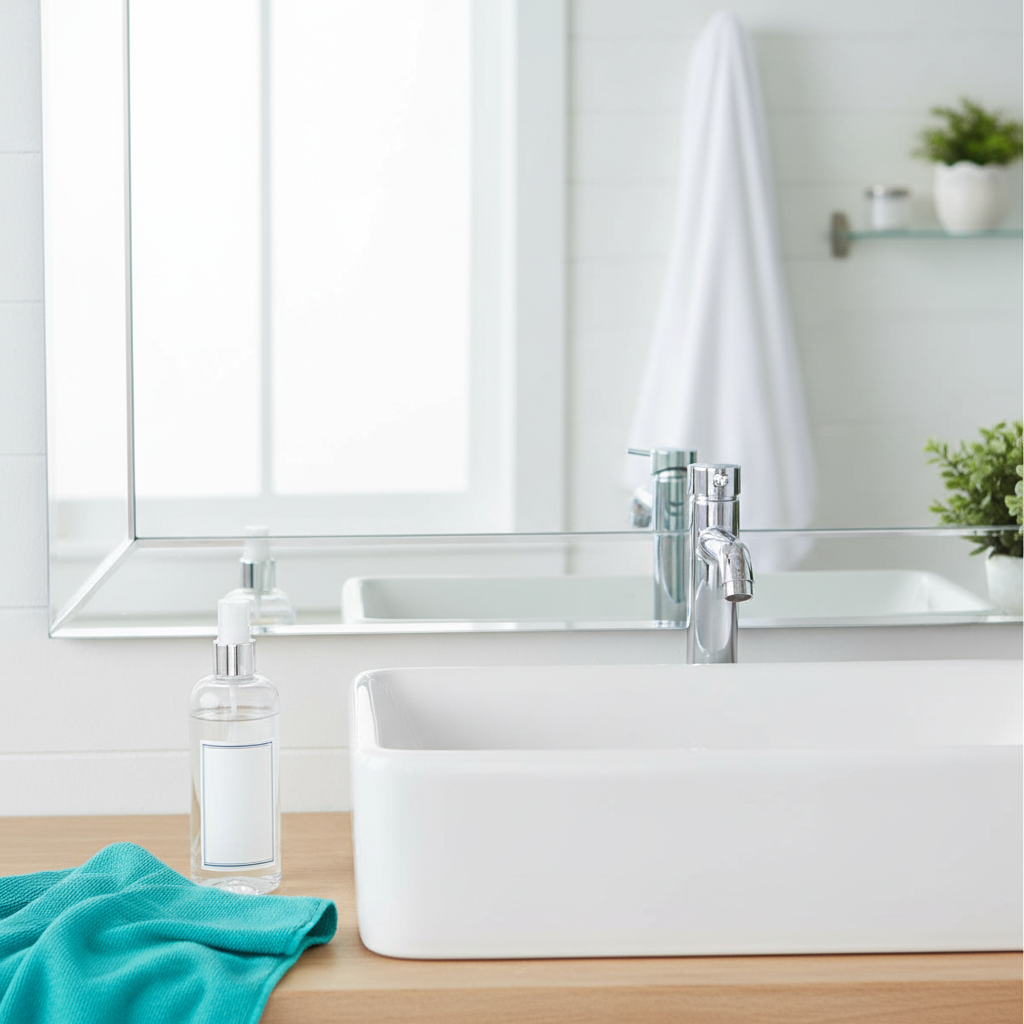
- First Pass: Deep Clean the Grime — Get that film off
- Safety First: Keep the room ventilated. Open a window or flip on the exhaust fan. Rubbing alcohol and vinegar fumes aren't anything you want to breathe in a tight bathroom.
- If you hate the smell of vinegar: Use plain rubbing alcohol instead. It flashes off fast and doesn't leave you with that salad-dressing smell.
Bathroom · Bathroom remodel
| Project category | Bathroom |
|---|---|
| Problem type | Bathroom remodel |
| Trade required | General contracting |
| Urgency | Planned project |
| Safety risk | Low safety risk |
| DIY suitability | Pro recommended |
| Cost category | High cost |
| Typical timeline | Typically 2–4 weeks on site |
| Contractor type | Bathroom remodeler or licensed plumber |
Repair option
Refresh fixtures, grout, and vanity without moving plumbing.
Replacement option
Gut remodel when the pan leaks or the layout changes.
Common causes
- Dated finishes
- Failing tile or pan
- Accessibility needs
Relevant tools:project cost estimatorcompare quotes
Published August 31, 2026Last updated August 31, 2026
Tools & materials you'll need
Affiliate links- AmazonSpray BottleFor diluted vinegar/alcohol
As an Amazon Associate FixlyGuide earns from qualifying purchases — at no extra cost to you. Prices and availability are accurate as of publication and subject to change.
Quick Answer
That hazy, streaky look on your bathroom mirror isn't just bad luck—it's usually a film of everyday bathroom gunk like hairspray, toothpaste mist, and even residue from your regular cleaners. To really clear it up, you've gotta tackle that film first, then hit it with the right stuff and a proper polishing technique. It ain't rocket science, but there is a right way to get that crystal-clear reflection you're after.
The Problem
I've walked into a pile of bathrooms over the years, and a streaky mirror is one of those little things that just screams "not quite clean," even if the rest of the room looks sharp. You wipe it down, maybe hit it with glass cleaner, and five minutes later, there it is again: streaks, fuzz, that annoying hazy film. It can make you want to throw in the towel, can't it? But trust me, it ain't you, and your mirror isn't cursed. The real culprit is invisible layers of residue that build up over time.
Think about your morning routine. You're showering, brushing teeth, using hairspray, deodorant, maybe a little setting spray. All those tiny airborne particles settle on the glass. Then you come along with a regular window cleaner, which often just smears that greasy film around instead of removing it. Paper towels don't do you any favors either; they leave lint and push the grime right back where it came from. So you end up in this ugly little loop of "cleaning" that never really gets it clean. I've seen homeowners in North Atlanta, near Sandy Springs, spend a small fortune on fancy cleaners and still get the same streaky result. They'd call me in for other work, and I'd notice the mirror every time. Same story. Same frustration. I've helped folks fix it a hundred different ways, and the trick is always the same: remove the film first.
How It Works
To understand why mirrors get streaky, you need to know what's actually on the glass. It isn't just dust. We're talking about a cocktail of microscopic junk: the fine mist from your hairspray (often containing polymers and propellants), the aerosolized toothpaste particles from brushing, tiny droplets of soap and shampoo from your shower, and even the oils from your skin. All those things create a hydrophobic (water-repelling) or oleophilic (oil-attracting) film on the glass surface. Standard glass cleaners often contain ammonia or alcohol, which are fine for some grime, but they can struggle with these layered bathroom residues. Worse yet, a lot of commercial cleaners leave behind their own tiny residue, so you're kind of fighting yourself.
I pulled a bathroom mirror job in Frisco last month that had exactly this problem—looked like frost on the glass, but it was just years of spray and soap film. Took ten minutes to clean right, and the homeowner swore I'd replaced the mirror. Nope. Just had to crack it open the right way.
When you wipe a mirror with a paper towel, its fibers can break down and leave lint behind. The towel also tends to shove the residue around, which is why you get those familiar streaks after the liquid evaporates. Ammonia-based cleaners, while decent on some dirt, can sometimes react with certain glass coatings or even frames, leading to a dull finish or damage over time. The trick is to break down and lift all that built-up gunk first, then polish the glass to a smooth, clean surface that light can pass through without catching on leftover particles. Two stages. Most folks skip one of them, and that's why the mirror never really comes clean.
Step-by-Step Fix
Alright, let's get that mirror looking like new. I'm gonna walk you through the process I use on job sites. It's all about getting rid of that hidden gunk first.
-
Prep the Area — Clear the decks Before you start spraying, move any toothbrushes, toiletries, or decorative items away from the mirror and sink area. You don't want to accidentally spray chemicals on anything you put in your mouth or on your skin. Toss a clean towel at the base of the mirror to catch drips. Saves you a headache later. No sense making more work for yourself.
-
First Pass: Deep Clean the Grime — Get that film off This is the big one. You need to break down that hairspray, toothpaste, and skin oil film. I usually grab a spray bottle of diluted white vinegar (about a 1:1 ratio with water) or rubbing alcohol. Spray the whole mirror surface generously – not so it's dripping, but definitely more than a light mist. Let it sit for about 30 seconds so it can start loosening the grime. For stubborn spots, a little undiluted rubbing alcohol on a corner of a microfiber cloth works wonders.
- Safety First: Keep the room ventilated. Open a window or flip on the exhaust fan. Rubbing alcohol and vinegar fumes aren't anything you want to breathe in a tight bathroom.
- If you hate the smell of vinegar: Use plain rubbing alcohol instead. It flashes off fast and doesn't leave you with that salad-dressing smell.
-
Wipe Down with Microfiber — Lift the gunk, don't spread it Take a clean, slightly damp microfiber cloth with just water, no chemicals, and wipe the mirror from top to bottom, then side to side. Keep the motion steady and overlapping. The goal is to lift as much of that dissolved film as you can. You'll probably see residue on the cloth—that's good. That means you're actually pulling the junk off the glass. Fold the cloth to a clean section often, or you'll just start moving the mess around again.
-
Second Pass: Apply Your Glass Cleaner — Now for the shine Once the initial grime is gone, now you can use your preferred glass cleaner. I'm partial to a good streak-free formula, but honestly, even more diluted vinegar (1 part vinegar to 4 parts water) works great for this second pass. Spray a light mist evenly across the mirror. Don't go crazy; less is more here. Always has been.
-
Polish with a Dry Microfiber Cloth — The secret to streak-free Right away, grab a second, completely dry, clean microfiber cloth. This is the key. A dry cloth keeps streaks from setting in. Start at one corner and wipe in an "S" pattern or overlapping horizontal strokes, working your way across the whole mirror. Use moderate pressure. Flip and refold the cloth often so you've always got a fresh, dry side on the glass. You want to hear that squeak! I can't tell you how many times I've shown homeowners this trick, and their faces just light up when they see the difference. They've been wiping with the same damp rag for years and wondering why it never looks right.
-
Edge Check — Don't forget the details Take a quick look around the edges of the mirror. Sometimes cleaner pools there, or you miss a spot with the cloth. Use a corner of your dry microfiber cloth to clean up any remaining drips or smudges along the frame or where the mirror meets the wall. A cotton swab can help for the really tight corners. Tiny fix, big payoff.
-
Backlight Inspection — Catch hidden streaks Once you think you're done, stand back and look at the mirror from a few angles, especially with light reflecting off it. Sometimes a ceiling light or even a flashlight will show a hidden streak you couldn't see head-on. If you spot one, just give that small area a quick buff with your dry cloth. Don't re-spray unless you absolutely have to.
-
Regular Maintenance — Keep it clean To stop heavy buildup from coming back, make a quick mirror wipe-down part of your weekly bathroom cleaning routine. A light spray of diluted vinegar and a quick polish with a dry microfiber cloth is usually all it takes to keep it sparkling once you've done the deep clean.
Common Causes
- Hairspray & Aerosol Products: This is probably the biggest offender. Those fine mists contain sticky polymers that bond to the glass, creating a hazy film that's a bear to remove. I've seen bathrooms where the mirror looks permanently cloudy because of years of hairspray buildup. It's like glue.
- Toothpaste & Soap Splatter: Tiny particles from brushing teeth or droplets from washing hands and showering can dry on the mirror, leaving behind mineral deposits and soap scum that regular cleaners struggle to cut through.
- Using the Wrong Cleaners: A lot of all-purpose cleaners aren't made for glass and can leave behind their own residue or add to the streaking. Even some glass cleaners aren't set up to handle the specific bathroom film you're dealing with.
- Dirty or Incorrect Cloths: Paper towels leave lint and can just shove grime around. Dirty cloths re-deposit dirt and cleaning solution, which practically guarantees streaks. You need clean, lint-free microfiber for a truly streak-free finish.
- Too Much Product: Over-spraying glass cleaner doesn't make it cleaner; it just gives you more liquid to evaporate, which raises the odds of streaks and residue. A light mist is all you need after the initial deep clean.
Common Mistakes
- Using Paper Towels: I see this all the time. Folks grab a paper towel, spray some Windex, and then wonder why the mirror still looks streaky. Paper towels shed fibers and smear the gunk around. You need a dedicated microfiber cloth.
- Not Cleaning the Film First: Most DIYers go straight to glass cleaner. If you don't break down that layer of hairspray and toothpaste first, you're just polishing over the dirt instead of removing it.
- Using Dirty Cloths: If your cloth already has dirt or cleaner residue on it, you're basically cleaning with a dirty sponge. It'll just transfer the mess back onto the mirror. Always start with a fresh, clean, dry microfiber cloth for polishing.
- Cleaning in Direct Sunlight: If the sun's beating on your mirror, the cleaner will dry too fast and leave streaks before you can wipe them out properly. Best to clean mirrors on an overcast day or when the light isn't hitting them straight on.
- Spraying Directly onto the Mirror: I do suggest it for the initial deep clean with vinegar or alcohol, but for regular glass cleaner, it's usually better to spray the cleaner onto your microfiber cloth first. Gives you more control and keeps overspray off other surfaces, which can cause damage or leave residue elsewhere.
- Using Ammonia-Based Cleaners on Tinted or Specialty Mirrors: Some bathroom mirrors have special coatings or tints. Ammonia can sometimes react with those, causing damage or cloudiness over time. If you're not sure, test a small, out-of-the-way spot first or stick with vinegar/alcohol or ammonia-free cleaners.
Cost & Time Breakdown
Here's a rough idea of what it costs and how long it takes to really get your mirror sparkling. This isn't a pro job, so "Pro Cost" here represents if you hired a cleaning service, but honestly, this is totally DIY territory.
| Task | DIY Cost | Pro Cost | Time |
|---|---|---|---|
| Supplies (cleaners, microfibers) | $10 – $25 | N/A | N/A |
| Initial Deep Clean (1st pass) | $0 – $5 | N/A | 5 – 10 mins |
| Final Clean & Polish (2nd pass) | $0 – $5 | N/A | 5 – 10 mins |
| Ongoing Maintenance (per week) | $0 | N/A | 1 – 2 mins |
| Total for First Deep Clean | $10 – $35 | N/A | 10 – 20 mins |
Tips & Prevention
- Keep a dedicated mirror cloth: Have one microfiber cloth just for your bathroom mirror, and wash it often. Don't mix it with cloths used for toilets or floors. That's just asking for trouble.
- Ventilation is your friend: Always run your bathroom fan during and after showering to cut down humidity, which can help airborne particles stick to surfaces like mirrors.
- Consider a mirror-safe defogger: If fogging is a huge issue for you, look into anti-fog sprays made specifically for mirrors. Some even leave a slight hydrophobic layer that can help slow down grime buildup.
- Wipe down daily: If you're on it, a quick wipe with a dry microfiber cloth after brushing your teeth can go a long way toward stopping heavy buildup. Takes literally 15-20 seconds.
- Store aerosols away from the mirror: Try to use hairspray or other aerosols a few feet away from the mirror, or even step out of the bathroom if you can. That cuts way down on overspray landing on the glass.
- Monthly deep clean: Even with daily wiping, aim for a more thorough deep clean every month or two, using the two-step process I outlined, to knock off any lingering film.
When to Call a Professional
For a streaky mirror, calling a pro is pretty much overkill, but there are times when you might want a professional cleaning service for your whole bathroom. If you're dealing with persistent mold growth that keeps coming back, stubborn hard water etching that won't buff out (which is different from surface grime), or if you've got extremely large or hard-to-reach mirrors that pose a safety risk to clean yourself, then a pro cleaning service makes sense. Otherwise, for simple streaky mirrors, this is absolutely a DIY job you can nail. A professional cleaner isn't going to have some magic secret potion; they're just going to use the same smart techniques we talked about here, usually with better equipment.
Related Articles
Keep troubleshooting with these hand-picked guides from FixlyGuide:
- The Mystery Smell: Why Your Fridge Stinks (Even After Cleaning It) — That persistent, foul odor in your refrigerator isn't just gross; it's often a sign of hidden issues. Learn the real culprits behind linger…
- The Invisible Scum on Your Bathtub: How to Make It Gleam Again — Is your bathtub losing its luster, even after scrubbing? That invisible layer of soap scum and mineral deposits is the culprit. Learn how t…
- The Caulk Stain That Won't Quit: Why Your Shower Stays Grimy — Is that stubborn, discolored caulk making your clean shower look perpetually dirty? It's not just surface grime; it's often mold or mildew,…
- The Grimy Secret Behind Your Dull Bathroom Faucet — And How to Make It Shine — Discover the real culprit behind your bathroom faucet's dull, grimy appearance and how to quickly restore its shine with a few common house…
- The Secret to Banishing Old Pet Odors (Even When You Can't Find the Stain) — Don't let hidden pet accidents ruin your home's fresh scent; this guide reveals how to find and eliminate old pet odors and their invisible…
- That Crooked Crown Molding? Your Ceiling Is Lying — Discover the surprising reason your perfectly level crown molding still looks crooked. It's not your installation—it's an optical illusion…
Should you do this yourself?
Answer five quick questions before you start. Safety outranks savings every time.
Your experience with work like this
How high do you have to work?
Does the job involve any of these?
Will it need a permit?
Specialty tools
Free and instant. Educational guidance only — not a quote, inspection, or professional diagnosis.
What should this project cost?
Enter your project details for a realistic cost range before you call anyone.
Mid-range remodels commonly $12,000–$22,000; small repairs often under $600.
- Regional adjustment
- National average
- Labor share (typical)
- ~$5,603
- Quotes to collect
- 3 written estimates
Educational estimate based on national averages — not a binding quote. Always confirm with written local estimates.
Before you start
Check the difficulty, permits, and safety risk — then decide whether to call a pro.
- Estimate this projectGet a cost range for your scope and ZIP before you call anyone.Open
- Get local estimatesSend one request and compare written estimates from vetted pros.Open
Free, no signup required. Estimates are educational guidance, not a quote or an inspection.
Get the print-ready PDF of this guide
A clean, ad-free, printable version you can keep on your phone or pin to the workshop wall. Free with a FixlyGuide account.
- Print-optimized layout
- Tools, materials & every step included
- Saved to your account
Frequently asked questions
Why do my bathroom mirrors always look streaky?+
Streaks often appear due to a build-up of invisible residue from hairspray, toothpaste mist, and even residue left by standard cleaning products. These films aren't easily removed by just a quick wipe with typical glass cleaner or paper towels.
What is the best cloth to clean mirrors without streaks?+
The best cloth is a clean, dry, high-quality microfiber cloth. Its fine fibers effectively pick up and hold dirt and moisture without leaving lint or smearing residue. Using a separate, dry cloth for the final polish is key.
Can I use newspaper to clean mirrors?+
While newspaper can work in a pinch for some, it's not ideal. Modern newspaper inks can transfer to surfaces, and the paper itself isn't as effective at capturing grime as microfiber, often leaving behind a slight residue or lint.
Is vinegar safe to use on bathroom mirrors?+
Yes, diluted white vinegar (50/50 with water) is very safe and effective for cleaning bathroom mirrors. Its acetic acid cuts through soap scum, hard water spots, and the waxy residues from hairspray and other products without leaving streaks.
How do I prevent hairspray from making my mirror cloudy?+
To prevent hairspray buildup, try to use aerosols as far away from the mirror as possible, or even outside the bathroom. A quick daily wipe with a dry microfiber cloth can also significantly reduce residue accumulation.
Why does my mirror fog up so easily?+
Mirrors fog up when warm, moist air (like from a shower) comes into contact with the cooler surface of the glass, causing condensation. Good bathroom ventilation (using an exhaust fan) and anti-fog mirror treatments can help mitigate this.
Should I clean my mirror in direct sunlight?+
It's best to avoid cleaning mirrors in direct sunlight. The heat from the sun can cause cleaning solutions to evaporate too quickly, leaving behind streaks and making it much harder to achieve a clear, streak-free finish.
What's the difference between cleaning a window and a bathroom mirror?+
The main difference is the type of grime. Windows typically deal with outdoor dirt and dust, while bathroom mirrors accumulate specific residues like hairspray, toothpaste, and soap film, which require a more targeted cleaning approach to remove completely.
Discussion
Loading comments…