- Dry P-Trap: This is the big one, especially in guest baths or during dry weather. The water barrier evaporates, and sewer gas comes straight into the house.
- Biofilm Buildup: A slimy mix of bacteria, hair, soap, body oils, and skin cells that hangs on inside the pipe. It may not block the drain, but it sure can stink like a swamp as it breaks down.
- Clogged Plumbing Vent: Your drain system needs to breathe. If the main vent stack on the roof gets blocked by leaves, nests, or ice, it can create negative pressure and siphon water from the P-trap.
- A Clog in the Drain Line: A partial clog farther down the line can hold water and debris in place, and that stagnant mess starts off-gassing back up the pipe.
- Leaking or Cracked Pipe: A small crack in the drain line or a bad seal around the P-trap can leak water and sewer gas, often into the space under the shower. That can leave you with a musty, sewer-like smell that’s tough to track down.
Plumbing · Sewer backup
| Project category | Plumbing |
|---|---|
| Problem type | Sewer backup |
| Trade required | Plumbing |
| Urgency | Emergency — act now |
| Safety risk | High safety risk |
| DIY suitability | Licensed pro only |
| Cost category | Major investment |
| Typical timeline | Emergency response; excavation work often several days |
| Contractor type | Licensed plumber |
Repair option
Camera inspection and hydro jetting or a spot repair at the failure point.
Replacement option
Line replacement or trenchless lining when the pipe has collapsed.
Common causes
- Tree roots intruding into the main line
- Collapsed or bellied sewer pipe
- Municipal main surcharge during heavy rain
Relevant tools:emergency checklistcompare quotes
Published October 1, 2026Last updated October 1, 2026
Tools & materials you'll need
Affiliate linksAs an Amazon Associate FixlyGuide earns from qualifying purchases — at no extra cost to you. Prices and availability are accurate as of publication and subject to change.
The Problem
You step into the shower, ready to get on with your day, and boom — that nasty smell hits you. Rotten eggs. Sulfur. Sometimes it smells like an open sewer. And yeah, it’s coming right from the drain.
You’ve run water. You’ve sprayed air freshener. You’ve probably even stood there staring at the drain like it owes you money. But the smell keeps coming back, and now your clean bathroom feels like a problem you don’t want to deal with before coffee.
Sometimes it’s just a faint swampy odor. Other times it’s a full-on sewer gas punch in the face. Either way, it’s not normal. It means something in the plumbing isn’t doing its job.
How Your Drain Is Supposed to Work
I like to think of a house’s plumbing as two separate systems: one bringing clean water in, and another — the Drain, Waste, and Vent (DWV) system — getting wastewater out. Every drain in the house, from the toilet to the shower, is tied into that DWV setup. The thing that keeps your bathroom from smelling like the city sewer? A simple little plumbing part called the P-trap.
That U-shaped bend under your shower drain isn’t there just to catch a dropped ring or two. Its whole job is to hold a little water all the time. That water sits there like a plug, sealing off the drain and stopping sewer gases from coming back up into your home. Those gases — hydrogen sulfide, methane, the whole ugly mix — aren’t just nasty. They’re not good to breathe, either.
Then there’s the vent stack, usually a pipe that runs straight up through the roof. That vent matters more than most folks realize. It lets sewer gases escape outside where they belong, and it also lets air into the system. Why does that matter? Because without air, you can get a vacuum when you flush a toilet or drain a tub, and that vacuum can suck the water right out of your P-traps. Once that seal’s gone, the smell shows up fast. When the trap and vent are both working right, life’s good. When one of them goes sideways, you’ll know it.
Step-by-Step Fix for a Smelly Shower Drain
Follow these steps in order. Nine times out of ten, the easiest fix is the one that works.
-
First, a Safety Check. — Don’t pour caustic drain cleaner down there. I know, I know — people reach for that bottle first. But it usually won’t fix this kind of smell, and it can beat up your pipes, especially the older stuff. Worse, if you have to open the drain later, now you’ve got a chemical hazard sitting there waiting for you or a plumber. No thanks. Stick with the steps below.
-
Rule Out the Easiest Fix: The Dry P-Trap. — Run the shower for a solid 60-90 seconds. If it’s a guest bath or a shower nobody uses much, the water in the P-trap can dry out, especially in a hot, dry Dallas summer. Been there. I pulled a water heater in Frisco last month that had exactly this kind of “mystery sewer smell,” and it ended up being a dry trap in a seldom-used hall bath. Simple fix. After you run the water, give it an hour and see if the smell’s gone. If it is, case closed.
-
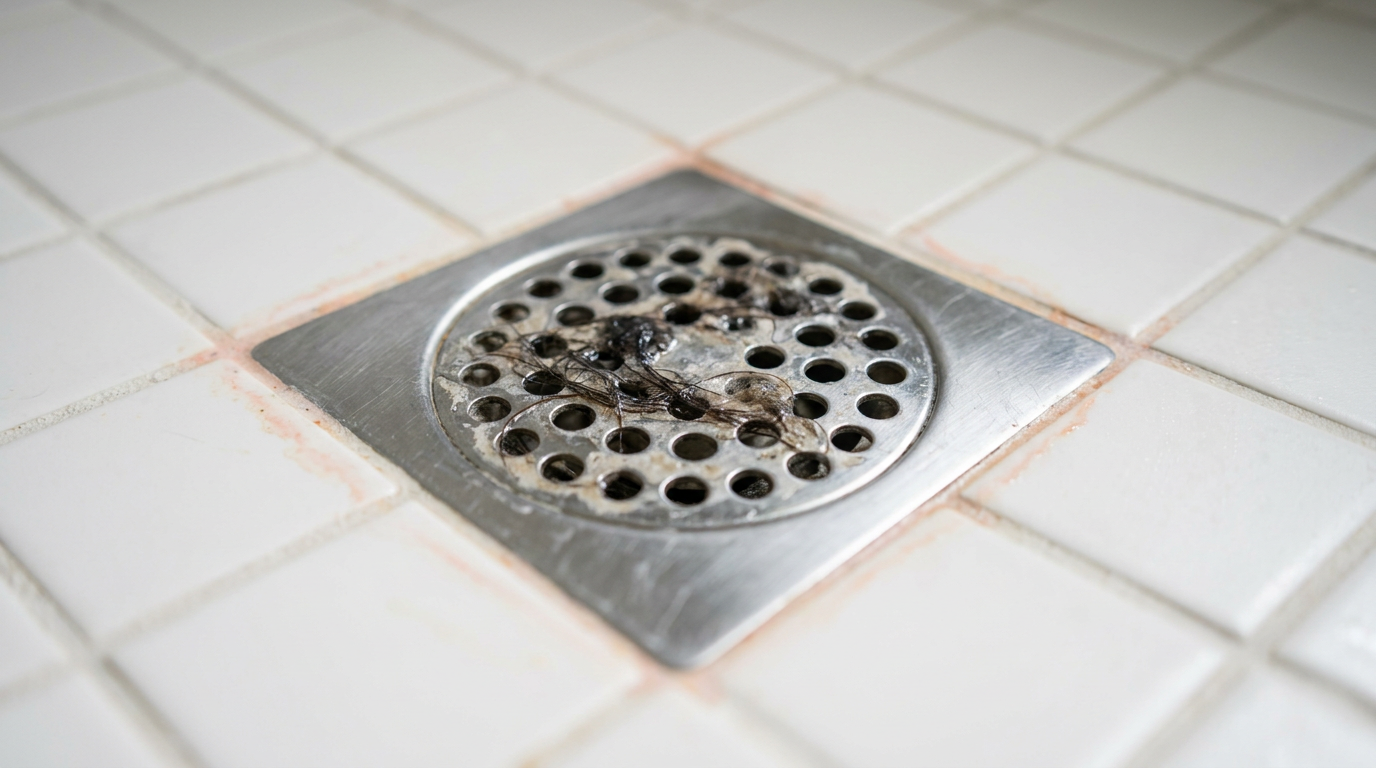
Clean the Visible Gunk. — Put on gloves. Pop off or unscrew the shower drain cover. Then grab a drain zip tool or some needle-nose pliers and pull out the hair, soap scum, and whatever else is caught in the drain crossbars. You’ll probably be a little grossed out. Fair enough. That stuff is basically a buffet for bacteria.
-
Scrub the Biofilm. — This is where a lot of the stink really lives: biofilm. It’s that slimy black or pink mess stuck to the inside of the pipe.
- Tools: You’ll want a nylon brush, baking soda, and vinegar.
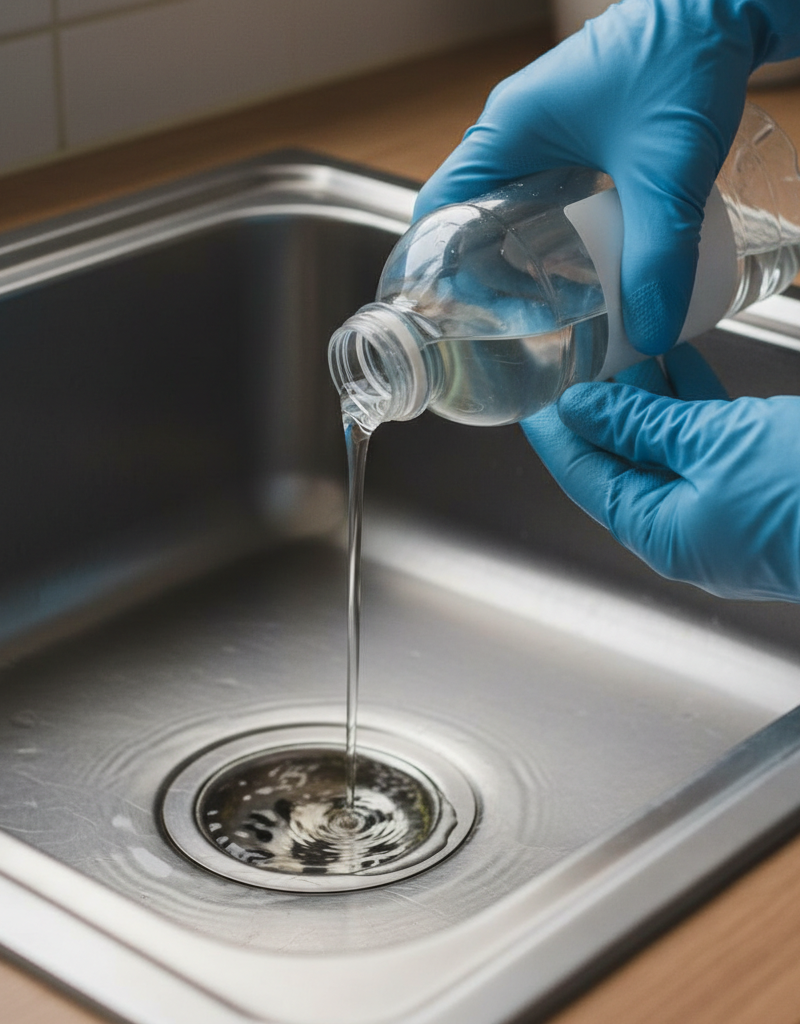
- Action: Dump about a cup of baking soda down the drain, then follow it with a cup of white vinegar. It’ll fizz and bubble — that’s doing the work. Let it sit 15-20 minutes. Then work the long brush down as far as you can and scrub the pipe walls. Don’t just poke at it. Really move the brush around and break that gunk loose.
-
Flush with Hot Water. — Boil a kettle of water. Carefully pour the boiling water straight down the drain to flush out what you just loosened. Important: Do NOT do this if you have PVC (plastic) pipes, since water over 175°F can soften the glue in the joints. If you’ve got PVC, just run the hottest tap water you’ve got for a couple of minutes. Most homes built since the 1970s use PVC, so if you’re not sure, check first. Metal pipes — cast iron or copper — can take boiling water just fine.
-
The Enzyme Cleaner Method. — If baking soda and vinegar didn’t get it done, bring in an enzyme cleaner. This isn’t a chemical drain opener. It uses bacteria and enzymes to eat the organic junk — the biofilm — without chewing up your pipes. Pour in the recommended amount, usually at night or any time nobody’s going to use that shower for at least 8-10 hours. Give it time to work.
-
Check for a Local Venting Issue. — Sometimes a drain that isn’t vented right — or one that shares a vent with a nearby toilet — can get its P-trap water siphoned out. After refilling the trap, flush a toilet near the shower. Do you hear a deep "glug-glug-glug" from the shower drain? If so, the toilet flush is pulling water out of the shower trap. That’s a plumbing layout issue, and it’ll need a pro to sort it out, maybe with an air admittance valve.
-
Inspect the Plumbing Vent Stack. — If the smell is still hanging around in multiple drains and you’ve already tried the easy stuff, the problem might be outside. The main plumbing vent on the roof can get clogged with leaves, a bird’s nest, or even a dead squirrel. That blockage keeps sewer gas from escaping and stops air from getting in, which can make the whole house smell. Safety First: Don’t climb on the roof unless you’re 100% confident and you’ve got the right safety gear. Sometimes a look from the ground with binoculars is enough to spot a pile of leaves or some other obvious blockage. If you think the vent’s clogged, call a plumber.
Common Causes of a Smelly Shower Drain
If the step-by-step fix doesn’t solve it, you’ve still got some detective work to do. The smell is the symptom, and these are the usual suspects.
- Dry P-Trap: This is the big one, especially in guest baths or during dry weather. The water barrier evaporates, and sewer gas comes straight into the house.
- Biofilm Buildup: A slimy mix of bacteria, hair, soap, body oils, and skin cells that hangs on inside the pipe. It may not block the drain, but it sure can stink like a swamp as it breaks down.
- Clogged Plumbing Vent: Your drain system needs to breathe. If the main vent stack on the roof gets blocked by leaves, nests, or ice, it can create negative pressure and siphon water from the P-trap.
- A Clog in the Drain Line: A partial clog farther down the line can hold water and debris in place, and that stagnant mess starts off-gassing back up the pipe.
- Leaking or Cracked Pipe: A small crack in the drain line or a bad seal around the P-trap can leak water and sewer gas, often into the space under the shower. That can leave you with a musty, sewer-like smell that’s tough to track down.
- Sewer Line Backup: If the smell is strong, you’ve got slow drains, and other low drains like a basement floor drain smell too, you may be looking at a blockage in the main sewer line. That’s a pro job. Same day, if possible.
Common Mistakes to Avoid
I’ve seen homeowners turn a small issue into a bigger headache. Don’t be that person.
- Using Bleach: Bleach might make the drain smell cleaner for a minute, but it doesn’t do much to break up the thick biofilm causing the odor. It’s a band-aid, and it can also react badly with other cleaners. Not great for septic systems, either.
- Relying on Caustic Drain Openers: Products like Drano or Liquid-Plumr are made to dissolve clogs, not fix smells. They’re overkill for this job, rough on pipes over time, and they leave you with a chemical hazard in the drain.
- Ignoring the Smell: Sewer gas can include methane and hydrogen sulfide. That’s not just unpleasant — it’s unhealthy over the long haul. Think of it like a warning light on the dash. Don’t ignore it.
- Assuming It’s Just Hair: Hair clogs can help create the mess, sure, but the smell usually isn’t the hair itself. It’s the biofilm that feeds on the hair and the rest of the gunk. Pulling out the hairball and calling it a day won’t last.
- Forgetting to Clean the Drain Cover: A weird amount of stinky buildup can stick to the underside of the drain strainer or cover. You clean the pipe, forget the cover, and then wonder why the smell’s still there.
Cost & Time Breakdown
For a normal smelly shower drain caused by biofilm or a dry trap, this is usually a cheap, fast DIY fix.
| Task | DIY Cost | Pro Cost (1-hour min.) | Time |
|---|---|---|---|
| Refill P-Trap | $0 | $150–$250 | 2 minutes |
| Manual Biofilm Removal | $5–$15 (for a brush) | $150–$250 | 20-30 minutes |
| Baking Soda & Vinegar | $5 (if you don't have it) | $150–$250 | 30 minutes (inc. wait) |
| Enzyme Cleaner Treatment | $15–$25 | $150–$250 | 5 minutes (plus 8-hr wait) |
| Clear Roof Vent | $0 (if safe & easy) | $200–$400 | 1–2 hours |
| Fix Improper Venting | N/A (Pro Job) | $250–$600+ | 2–4 hours |
Tips for Preventing Drain Smells
Once you’ve got it clean, keep it that way. A little regular maintenance goes a long way.
- Run Water Weekly: In guest or basement bathrooms you don’t use much, run the shower and sink for 30 seconds every week. Keeps the P-traps full.
- Use an Enzyme Cleaner Monthly: Best preventive maintenance you can do. A monthly dose of a good enzyme cleaner keeps biofilm from getting started.
- Install a Better Hair Catcher: Get a quality drain protector that catches hair before it goes down the drain. Clean it after every shower. Way easier than scrubbing a pipe.
- Do a Monthly Hot Water Flush: Once a month, run the hottest water from your tap for a few minutes. It helps loosen soap scum and body oils before they turn into food for bacteria.
- Watch What Goes Down: Be careful with what you rinse away. Greasy or oily products can coat the pipes and give biofilm a place to build.
When to Call a Professional
This is usually a DIY fix, but don’t try to play superhero. Call a licensed plumber if you run into any of these.
If the smell sticks around in multiple drains after you’ve cleaned them and refilled the traps, you may have a blocked main sewer line or a clogged vent stack on the roof. If you hear gurgling when you flush a toilet or run water, that’s a venting problem a pro needs to diagnose. If you spot water stains on the ceiling below the bathroom, you could have a cracked or leaking drainpipe that needs immediate attention. And if you smell sewer gas along with a slow drain, don’t sit on it. A main sewer line clog can turn into a raw sewage backup in a hurry, and that’s hazardous waste you do not want to mess with yourself.
Related Articles
Keep troubleshooting with these hand-picked guides from FixlyGuide:
- Why Your Kitchen Sink Drain Stinks (Even After You've Cleaned It) — Don't just mask that foul odor from your kitchen sink; get rid of the gunk causing it with this pro-level cleaning method.
- The Mystery of the Slow Shower Drain: It's Not Just Hair! — A slow shower drain is more than just an annoyance; it's often a sign of a blockage that can lead to bigger plumbing headaches. Here's how…
- The Grimy Secret Under Your Kitchen Sink: Why That Smell Won't Go Away — Uncover the real reason for that persistent kitchen sink odor and how to banish it for good with simple DIY steps and materials.
- The Mystery Smell: Why Your Fridge Stinks (Even After Cleaning It) — That persistent, foul odor in your refrigerator isn't just gross; it's often a sign of hidden issues. Learn the real culprits behind linger…
- The Caulk Stain That Won't Quit: Why Your Shower Stays Grimy — Is that stubborn, discolored caulk making your clean shower look perpetually dirty? It's not just surface grime; it's often mold or mildew,…
- The Secret Hairball Fix Plumbers Don't Want You to Know — Tired of standing in ankle-deep water? Most shower clogs are a gnarly mix of hair and soap scum, and you can clear them yourself without ha…
Should you do this yourself?
Answer five quick questions before you start. Safety outranks savings every time.
Your experience with work like this
How high do you have to work?
Does the job involve any of these?
Will it need a permit?
Specialty tools
Free and instant. Educational guidance only — not a quote, inspection, or professional diagnosis.
What should this project cost?
Enter your project details for a realistic cost range before you call anyone.
Mid-range remodels commonly $12,000–$22,000; small repairs often under $600.
- Regional adjustment
- National average
- Labor share (typical)
- ~$5,603
- Quotes to collect
- 3 written estimates
Educational estimate based on national averages — not a binding quote. Always confirm with written local estimates.
Fixly Project Decision Box
- DIY difficulty
- Moderate
- Estimated time
- 30 minutes – half a day
- Cost level
- Moderate
Main tools / materials
- Adjustable wrench
- Plunger or drain auger
- Bucket and towels
- Thread tape
When to stop and call a pro
- Water you cannot shut off at the fixture or main
- Sewage backing up into more than one fixture
- Water near electrical panels or outlets
- Gas water heater work beyond relighting a pilot
Need professional help?
Get a Licensed PlumberBefore you start
Check the difficulty, permits, and safety risk — then decide whether to call a pro.
- Estimate this projectGet a cost range for your scope and ZIP before you call anyone.Open
- Get local estimatesSend one request and compare written estimates from vetted pros.Open
Free, no signup required. Estimates are educational guidance, not a quote or an inspection.
Get the print-ready PDF of this guide
A clean, ad-free, printable version you can keep on your phone or pin to the workshop wall. Free with a FixlyGuide account.
- Print-optimized layout
- Tools, materials & every step included
- Saved to your account
Frequently asked questions
Why does my shower drain smell even after I cleaned it?+
If you've scrubbed the drain and the smell persists, the two most likely culprits are a dry P-trap or a blocked plumbing vent. Try running water for 60 seconds to refill the trap. If the smell returns, the vent stack on your roof may be clogged, preventing sewer gases from escaping properly.
Is it safe to pour bleach down a smelly shower drain?+
It's not recommended. Bleach is a temporary fix that won't remove the underlying biofilm causing the smell. It can also damage older pipes, harm your septic system, and create dangerous fumes if mixed with other cleaners.
How often should I clean my shower drain to prevent smells?+
For prevention, a monthly treatment is best. Pour a kettle of boiling water (if you have metal pipes) or run hot tap water for a few minutes, followed by a dose of enzyme cleaner left overnight. This will prevent the buildup of smelly biofilm.
Can a smelly shower drain be a health hazard?+
Yes, potentially. The sewer gas smell is often hydrogen sulfide, which can cause nausea and headaches at low concentrations. While unlikely to be at dangerous levels, it's an unhealthy irritant you should address rather than ignore.
What is the black slimy gunk in my shower drain?+
That's called biofilm. It's a living colony of bacteria, mold, and microbes that feeds on soap scum, hair, and body oils. It's the primary source of persistent, foul odors coming from a drain that isn't clogged.
Why does the drain smell worse in the summer?+
There are two main reasons. First, the heat helps bacteria in the biofilm grow and decompose faster, creating more smelly gas. Second, the hot, dry air (especially in North Texas) can cause the water in your P-trap to evaporate much more quickly, breaking the seal that blocks sewer gas.
Can a smelly shower drain attract bugs?+
Yes, absolutely. The decomposing organic matter in a dirty drain is a food source for drain flies, gnats, and even cockroaches. Keeping your drains clean is a key part of pest control in bathrooms and kitchens.
My drain doesn't smell but it's gurgling. What does that mean?+
Gurgling is a classic sign of a venting problem. It means air is being pulled through your P-trap because the main vent is blocked or improperly installed. This siphons out the water, which will eventually lead to sewer gas smells.
Discussion
Loading comments…