- Grease Accumulation: Pouring cooking oils and fats down the drain is a huge no-go. They cool off, harden up, and turn into sticky traps for everything else.
- Food Scraps: Even tiny food particles—coffee grounds, fruit peels, pasta, rice—can build up and rot.
- Soap Scum: Soap, especially bar soap, mixes with minerals in hard water and makes a sticky film that catches debris.
- Bacteria Growth: The dark, moist, food-rich environment inside a drain pipe is basically a five-star hotel for odor-producing bacteria.
- Infrequent Flushing: If you don't run enough water after use, particles settle and stick instead of moving on.
Kitchen · Kitchen remodel
| Project category | Kitchen |
|---|---|
| Problem type | Kitchen remodel |
| Trade required | General contracting |
| Urgency | Planned project |
| Safety risk | Low safety risk |
| DIY suitability | Pro recommended |
| Cost category | Major investment |
| Typical timeline | Design and cabinet lead time 8–16 weeks; build 4–8 weeks |
| Contractor type | Kitchen remodeler or general contractor |
Repair option
Refacing, new counters, or hardware for a fraction of a gut remodel.
Replacement option
Full remodel when layout, plumbing, or electrical needs to change.
Common causes
- Dated layout
- Failing cabinets or counters
- Adding function or resale value
Relevant tools:project cost estimatorcompare quoteshome improvement material prices
Published August 31, 2026Last updated August 31, 2026
Tools & materials you'll need
Affiliate linksAs an Amazon Associate FixlyGuide earns from qualifying purchases — at no extra cost to you. Prices and availability are accurate as of publication and subject to change.
Quick Answer
That nasty smell drifting up from your kitchen sink drain isn't just a nuisance; it means decaying food, grease, and bacteria have set up shop in your pipes. A quick hot water and dish soap flush might buy you a little time, but that's just a band-aid on a busted leg. You’ve gotta get in there and break up the crud clinging to the drain walls and sitting in your P-trap. What works is a mix of mechanical removal and cleaning that actually hits the source of the stink, not just the air around it.
The Problem
I've been in hundreds of kitchens over the years, and a stinky sink drain is one of those complaints homeowners almost always feel weird about. "I clean my kitchen all the time!" they'll tell me. And I believe 'em. But a spotless countertop doesn't mean the drain pipes are clean. Every time you rinse plates, dump leftover drinks, or wash your hands, bits of food, grease, soap scum, and other organic stuff go down that drain. Over time, all that junk sticks to the inside of the pipe, especially in the P-trap—the U-shaped bend under the sink.
That buildup starts to rot. As it breaks down, it gives off hydrogen sulfide gas, which smells like rotten eggs or sewer gas. Nasty stuff. It isn't just unpleasant; it's the smell of decay. And if you don't clear it out, it'll keep coming back, no matter how much air freshener you blast in there.
How It Works
Think of your kitchen drain like a highway. When everything's flowing right, traffic moves. But toss in a slow truck full of grease and a bunch of tiny cars made of food scraps, and pretty soon you've got a pile-up. Grease sticks to the pipe walls first, then food particles get trapped in it. Add soap scum and coffee grounds, and you've got a perfect hangout for bacteria.
Those bacteria love dark, damp places and feed on the organic material. While they're doing their thing, they make the foul gases that drift back up into your kitchen. The P-trap is supposed to hold water and block sewer gases from rising, but it's also a prime place for gunk to settle because the flow slows down right there. That's why pouring bleach or just hot water down the drain usually doesn't do much—you’re not actually knocking loose the sludge holding onto those stink-making bacteria. You need a little more muscle than that.
Step-by-Step Fix
Alright, let's get that drain smelling clean again. This isn't a one-swoop fix, but it does work if you stick with it.
-
Prep the Area — Clear out under the sink and protect your eyes. Before you start fooling with chemicals, get some ventilation going. Crack a window, turn on a fan. Put old towels or a bucket under the P-trap in case things get messy. Gloves and safety glasses aren't optional here. You don't want splashback in your eyes—no dice.
-
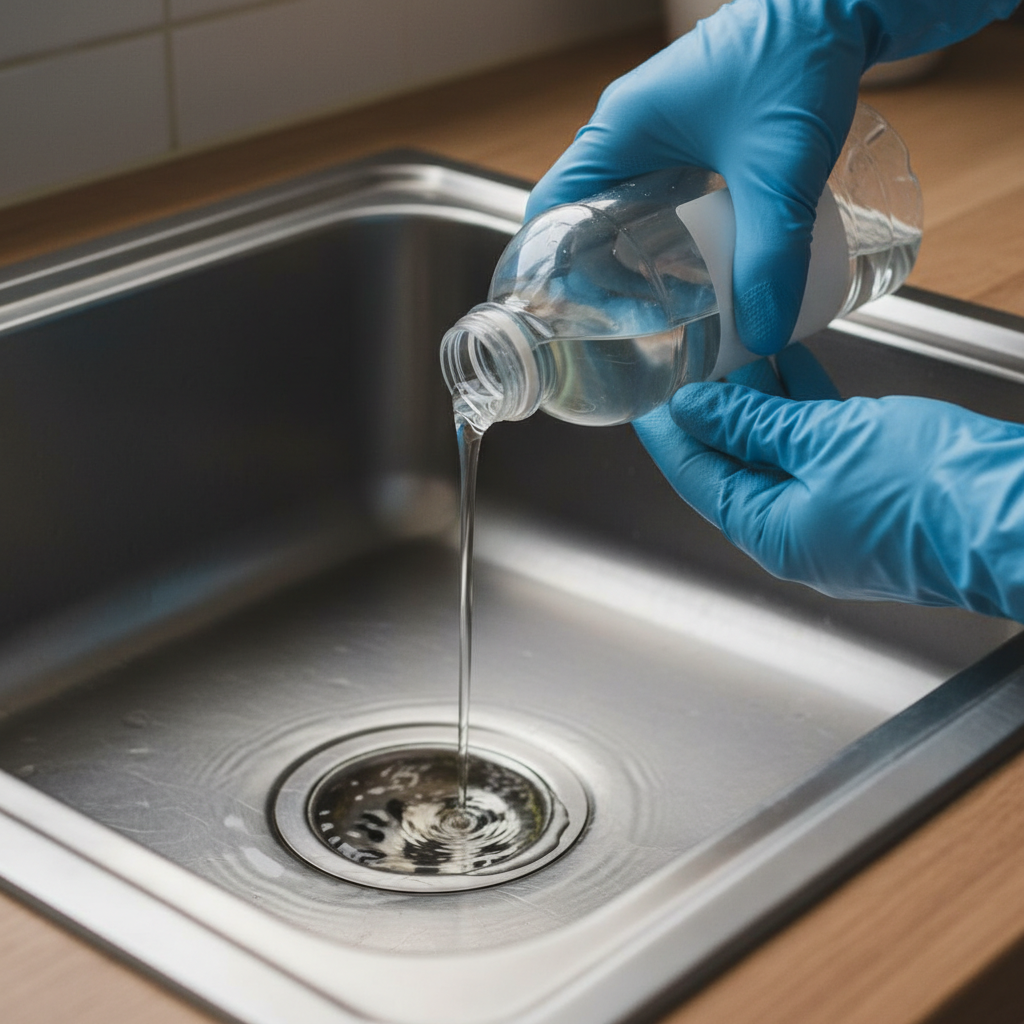
The Hot Water Flush — Initial rinse to loosen things up. Boil about a gallon of water. Let it cool for a minute or two—you don't want boiling water going down PVC pipes, since it can soften them. Aim for around 180°F (82°C). Carefully pour half of it down the drain. Let it sit for 5 minutes, then pour the rest. It won't solve everything, but it'll soften some grease.
-
Baking Soda & Vinegar Attack — The bubbly power duo. Pour 1 cup of baking soda straight down the drain. Follow it with 1 cup of white vinegar right away. It'll fizz and bubble—that's the reaction helping break down the gunk. It isn't harsh like commercial drain cleaner, but it does a solid job on organic buildup. Let it sit for at least 30 minutes, or an hour if you've got the patience. On tougher jobs, I've left it overnight.
-
The Second Hot Water Rinse — Flush away the loosened debris. After the baking soda and vinegar have had time to work, pour another gallon of hot (but not boiling) water down the drain. That helps wash out the loosened crud. If you see little bits coming back up for a second, that's actually a good sign.
-
Manual P-Trap Clean-Out (If Necessary) — The heavy artillery for stubborn clogs. If the smell is still hanging around, the gunk is probably packed into the P-trap. This is where you get your hands dirty. Put a bucket right under the trap. Using channel lock pliers or a basin wrench, loosen the slip nuts on both sides of the P-trap carefully. You may need to twist and wiggle it to pull it free. Be ready for some black, nasty sludge to spill out—that's the culprit. Use a wire brush or an old coat hanger to scrape out all the junk inside the trap. Rinse it well in a utility sink or outside with a garden hose. Don't forget the tailpiece coming down from the sink basket. Put the P-trap back together, hand-tighten the nuts, then give them a quarter-turn with the pliers. Run water and check for leaks. I pulled a water heater in Frisco last month that had exactly this kind of smell situation nearby, and sure enough, the drain trap was loaded with grease and coffee grounds. Took 10 minutes to clean and the stink was gone.
-
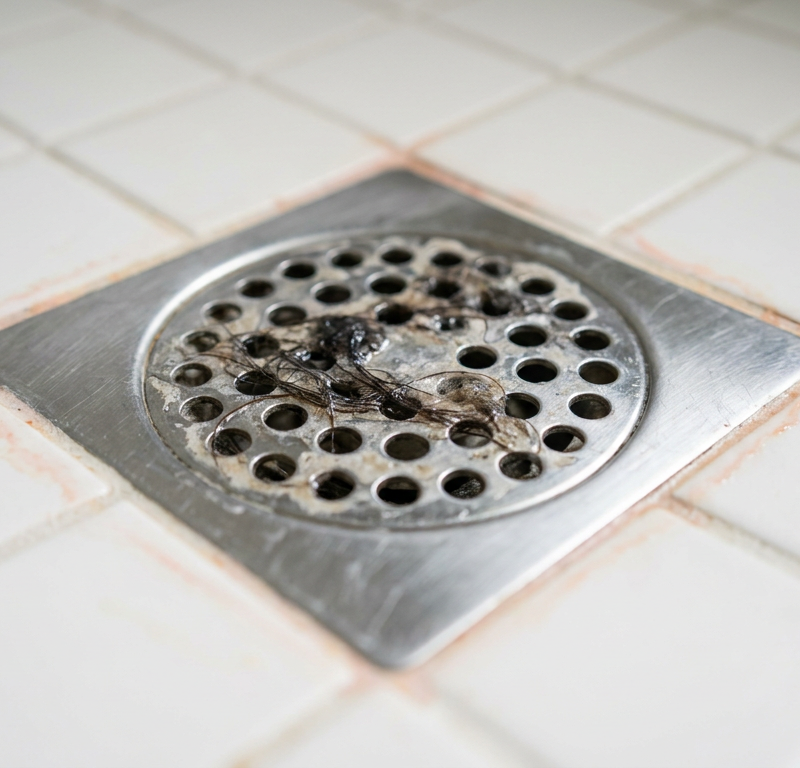
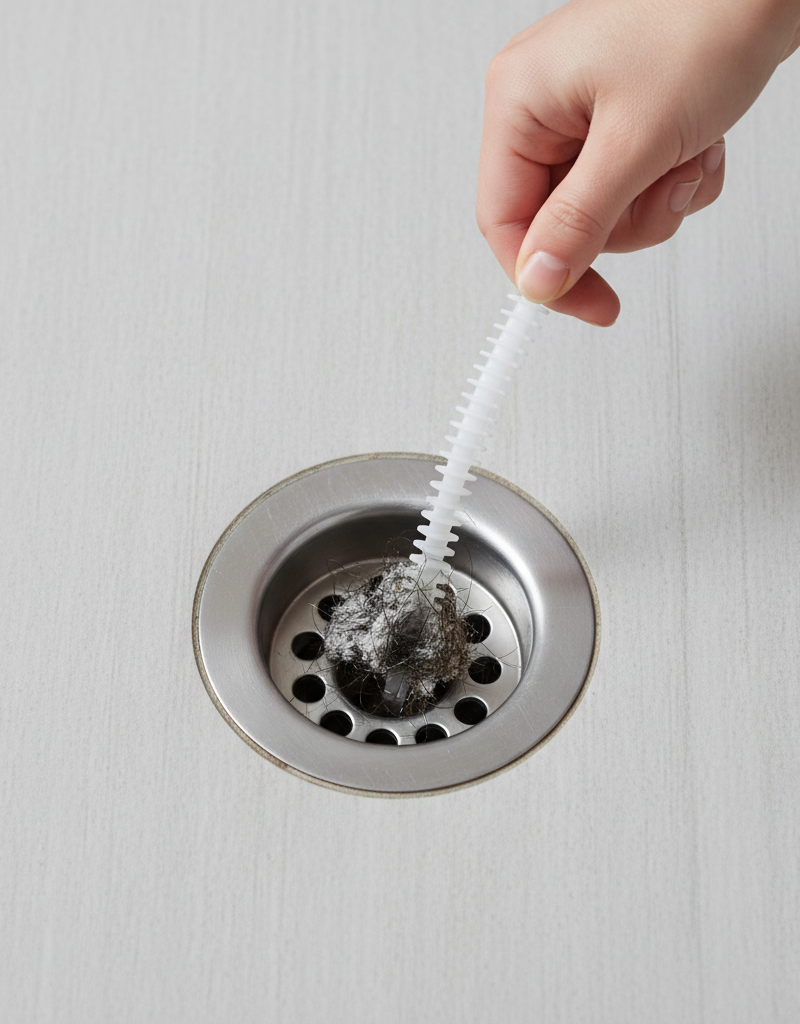
Drain Snake (Optional, for Deeper Clogs) — For problems beyond the P-trap. If the smell or slow drain is still there after you clean the P-trap, the problem may be deeper. Carefully feed a small drain snake—a "zip-it" tool works great for hair—down the drain opening or through the open pipe where the P-trap was. Push it until you feel resistance, then twist and pull it back out. You'll probably pull up some truly gross hair, grease, and food junk. Do that a few times until it comes back cleaner. Gloves on for this part, always.
-
Final Flush with Cold Water — Seal the deal. After all that scrubbing and snaking, run cold water down the drain for several minutes. Cold water helps firm up any leftover grease that's still clinging to the pipe so it can get flushed away instead of sticking around.
-
Regular Maintenance — Keep it smelling fresh for good. Get in the habit of doing a baking soda and vinegar flush once a month. Also, after you wash dishes, run hot water for about 30 seconds to move along any fresh food bits and grease. And for crying out loud, use a drain strainer. It’s amazing how much trouble a cheap little mesh basket can save you from.
Common Causes
- Grease Accumulation: Pouring cooking oils and fats down the drain is a huge no-go. They cool off, harden up, and turn into sticky traps for everything else.
- Food Scraps: Even tiny food particles—coffee grounds, fruit peels, pasta, rice—can build up and rot.
- Soap Scum: Soap, especially bar soap, mixes with minerals in hard water and makes a sticky film that catches debris.
- Bacteria Growth: The dark, moist, food-rich environment inside a drain pipe is basically a five-star hotel for odor-producing bacteria.
- Infrequent Flushing: If you don't run enough water after use, particles settle and stick instead of moving on.
- Broken or Missing P-Trap Seal: Not common, but if your P-trap is cracked or doesn't hold a proper water seal, sewer gases can sneak right past it.
Common Mistakes
- Using Chemical Drain Cleaners Too Often: These caustic chemicals can beat up your pipes, especially older PVC or metal ones, and they’re rough on the environment. A lot of the time they don’t really clear the clog; they just punch a little hole through it and leave the stink behind.
- Ignoring the P-Trap: Plenty of folks clean the drain opening and stop there, but the P-trap is usually where the worst gunk settles. If you haven't cleaned that manually, you're probably missing the main offender.
- Only Using Hot Water: Hot water can melt grease for a minute, sure, but once it cools, that grease hardens again—sometimes farther down the pipe. It needs some scrubbing or a reaction to truly get out.
- Pouring Bleach Down the Drain: Bleach disinfects, but it doesn't break down grease or food scraps. It can also react badly with other chemicals if you've used them before, and it’s hard on plumbing.
- Not Using a Drain Strainer: This is one of those cheap fixes that saves you a headache later. Skipping it is just asking for trouble.
- Flushing Grease with Dish Soap: Dish soap helps grease in the pan or sink, sure, but dumping a bunch of greasy water with dish soap down the drain just pushes the problem farther along. Eventually, it'll harden again.
Cost & Time Breakdown
| Task | DIY Cost | Pro Cost | Time |
|---|---|---|---|
| Baking Soda & Vinegar Flush | $3–$5 | N/A | 1 hour |
| P-Trap Manual Clean | $0 (existing tools) | N/A | 30–60 minutes |
| Drain Snake (if needed) | $10–$25 | $150–$300 (minor clog) | 15–30 minutes |
| Full Drain De-gunking | $3–$25 | $150–$300+ | 1–2 hours |
| Plumber (stubborn blockage) | N/A | $200–$500+ | 1–3 hours |
Tips & Prevention
- Scrape Plates Thoroughly: Before you rinse anything, scrape every bit of food into the trash or compost. Little scraps add up fast.
- Don't Pour Grease Down the Drain: Pour cooking oil into an old can or jar, let it solidify, and toss it in the trash. Never send it down the sink.
- Use a Drain Strainer: A simple mesh strainer costs just a few bucks and keeps most big particles out of your drain. Clean it after every use.
- Monthly Maintenance Flush: Once a month, do the baking soda and vinegar flush, then follow it with hot water. Cheap, easy, works fine.
- Run Hot Water Regularly: After washing dishes, let hot water run for about 30 seconds to help push along any leftover bits.
- Avoid Grinding Bones or Fibrous Foods: If you've got a garbage disposal, stay away from tough stuff like celery, potato peels, or big bones. They can mash into a paste and clog things up.
When to Call a Professional
Look, I'm all for DIY, but there are times you gotta know when to stop. If you've tried the baking soda and vinegar, cleaned the P-trap by hand, and run a small drain snake, and that smell or slow drain is still hanging around your kitchen, it's time to call a licensed plumber. That could mean a bigger clog deeper in the main line, or even a vent pipe problem, which is way beyond what most homeowners should mess with. If sewage starts backing up into other fixtures, or if more than one drain in the house is acting up, that's your sign to bring in a pro. Don't gamble with main line clogs; they can turn into a very expensive headache fast if you let them sit.
Related Articles
Keep troubleshooting with these hand-picked guides from FixlyGuide:
- The Mystery Smell: Why Your Fridge Stinks (Even After Cleaning It) — That persistent, foul odor in your refrigerator isn't just gross; it's often a sign of hidden issues. Learn the real culprits behind linger…
- The Invisible Film Making Your Bathroom Mirror Streaky – And How to See Clearly — Discover why your bathroom mirror always looks streaky, even after cleaning, and learn the pro trick to get a perfectly clear, fog-free ref…
- The Caulk Stain That Won't Quit: Why Your Shower Stays Grimy — Is that stubborn, discolored caulk making your clean shower look perpetually dirty? It's not just surface grime; it's often mold or mildew,…
- The Invisible Scum on Your Bathtub: How to Make It Gleam Again — Is your bathtub losing its luster, even after scrubbing? That invisible layer of soap scum and mineral deposits is the culprit. Learn how t…
- The 3 Lies Your Carpet Cleaner Tells You (And Why Your Carpet Stinks) — Ever notice those 'cleaned' carpet stains pop right back up, or a lingering funk that just won't quit? It's not bad luck; it's bad science.
- The Nasty Truth About Your Bathroom Sink Smell (And the $10 Fix) — Uncover the real culprit behind that foul odor from your bathroom sink drain and learn a simple, effective, and cheap DIY fix to eliminate…
Should you do this yourself?
Answer five quick questions before you start. Safety outranks savings every time.
Your experience with work like this
How high do you have to work?
Does the job involve any of these?
Will it need a permit?
Specialty tools
Free and instant. Educational guidance only — not a quote, inspection, or professional diagnosis.
What should this project cost?
Enter your project details for a realistic cost range before you call anyone.
Cosmetic refreshes start near $5,000; full remodels commonly $25,000–$45,000.
- Regional adjustment
- National average
- Labor share (typical)
- ~$8,550
- Quotes to collect
- 3 written estimates
Educational estimate based on national averages — not a binding quote. Always confirm with written local estimates.
Fixly Project Decision Box
- DIY difficulty
- Moderate
- Estimated time
- 30 minutes – half a day
- Cost level
- Moderate
Main tools / materials
- Adjustable wrench
- Plunger or drain auger
- Bucket and towels
- Thread tape
When to stop and call a pro
- Water you cannot shut off at the fixture or main
- Sewage backing up into more than one fixture
- Water near electrical panels or outlets
- Gas water heater work beyond relighting a pilot
Need professional help?
Get a Licensed PlumberGet the print-ready PDF of this guide
A clean, ad-free, printable version you can keep on your phone or pin to the workshop wall. Free with a FixlyGuide account.
- Print-optimized layout
- Tools, materials & every step included
- Saved to your account
Frequently asked questions
Why does my kitchen sink smell like rotten eggs?+
That rotten egg smell is typically hydrogen sulfide gas, produced by anaerobic bacteria feeding on decaying food, grease, and other organic matter trapped in your drain pipes, especially in the P-trap.
Can I use bleach to clean my stinky kitchen drain?+
I don't recommend it. Bleach is a disinfectant, but it doesn't break down the gunk causing the smell. It can also be harsh on pipes and react dangerously if mixed with other cleaners.
How often should I clean my kitchen sink drain?+
I tell homeowners to do a preventative baking soda and vinegar flush at least once a month. This helps keep minor buildups from becoming major stink-fests.
What is a P-trap and why is it important?+
The P-trap is that U-shaped pipe under your sink. It holds a small amount of water, creating a seal to prevent noxious sewer gases from entering your home. It's also where a lot of gunk collects.
Will a garbage disposal prevent drain smells?+
Not necessarily. While disposals grind food, small particles and grease can still get past them and stick to the pipes, leading to smells. Regular cleaning and careful use are still key.
My drain is slow and smells bad. Are they related?+
Absolutely. A slow drain is a clear sign of buildup, which is the exact same stuff that decomposes and causes those nasty smells. Fixing the clog usually fixes the smell.
Is it safe to pour hot water down my kitchen drain?+
Warm to hot water is fine and can help melt grease. However, avoid pouring *boiling* water down plastic (PVC) pipes, as it can soften and warp them over time.
What if the smell isn't coming from the drain itself?+
Sometimes, the smell might be from a leaky P-trap, a dry drain in a nearby unused sink, or even a deeper sewer vent issue. If cleaning the drain doesn't help, it's time to call a pro to investigate.
Discussion
Loading comments…