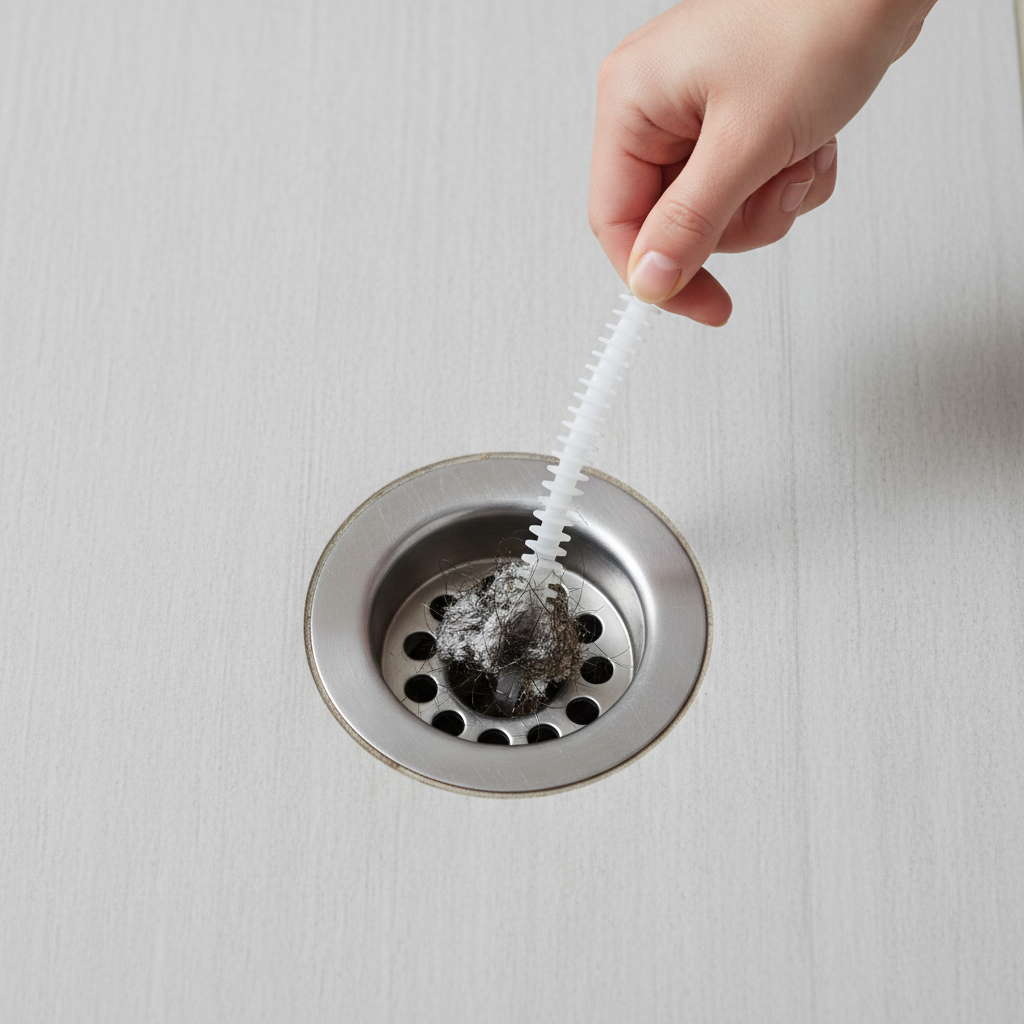
- Hair Accumulation: This is the big one. Long hair, short hair, pet hair — it all ends up down there and acts like a little fibrous net.
- Soap Scum Buildup: Hard water and soap make a sticky film that coats the pipe and gives hair something to latch onto.
- Conditioner and Oil Residues: These products are thick and oily, so they help turn the whole mess into a gummy sludge.
- Mineral Deposits: In hard-water areas, calcium and magnesium build up on the pipe walls, narrow the passage, and give clogs more places to hang on.
- Small Objects: Earring backs, tiny toy parts, bits of tile — stuff like that can fall in and create a blockage point.
Plumbing · Leak
| Project category | Plumbing |
|---|---|
| Problem type | Leak |
| Trade required | Plumbing |
| Urgency | Emergency — act now |
| Safety risk | High safety risk |
| DIY suitability | DIY for experienced homeowners |
| Cost category | Low cost |
| Typical timeline | Shut water off now; repair usually same or next day |
| Contractor type | Licensed plumber |
Repair option
Isolate at the shutoff, replace the failed component, and dry the cavity fully.
Replacement option
Repipe the run or the branch when corrosion is widespread.
Common causes
- Failed supply line or shutoff valve
- Worn washers, cartridges, or P-trap connections
- Pinhole corrosion in older copper
Relevant tools:emergency checklistdiy or hire a pro
Published September 4, 2026Last updated September 4, 2026
Tools & materials you'll need
Affiliate linksAs an Amazon Associate FixlyGuide earns from qualifying purchases — at no extra cost to you. Prices and availability are accurate as of publication and subject to change.
Quick Answer
That slow-draining shower? It's usually hair, soap scum, and mineral junk hanging up inside the drain pipe. Don’t let it sit. If you do, that little nuisance turns into a full-on backup, and nobody wants to be standing in ankle-deep water first thing in the morning. You can usually clear it yourself with a drain snake or a simple homemade flush, and save yourself the plumber fee.
The Problem
You step into the shower, ready for a decent rinse, and a minute later you’re standing there wondering why the water’s creeping up around your feet. Sound familiar? A slow shower drain isn’t just a small annoyance; it’s your plumbing telling you something’s building up below the surface. A lot of folks blame hair, and sure, that’s a big chunk of it. But it’s also soap scum, shampoo residue, body oils, and hard water minerals that all grab onto that hair and turn it into a nasty, sticky plug. Over time, that mess tightens the pipe up, slows everything down, and if you keep ignoring it, you’ll end up with a complete blockage. And that’s when it gets ugly.
How It Works
Think of your shower drain like a funnel, only upside down. Water heads down through it and drags debris along for the ride. That P-trap — the U-shaped bend right under your shower or tub — holds a little water to keep sewer gas out of the bathroom. Good design. But it’s also the first place stuff gets snagged.
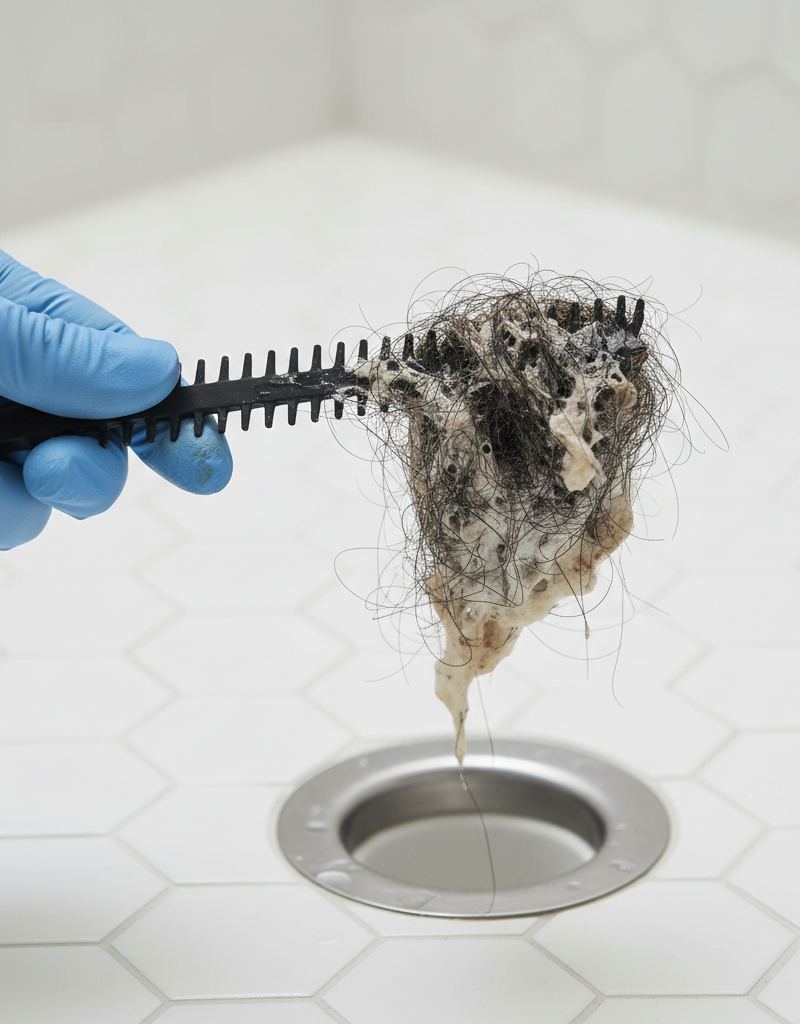
Every time you shower, tiny bits of hair, dead skin, shampoo foam, conditioner, and soap scum wash down the line. Hair works like a net. It catches everything else. Soap scum, which is really just soap mixed with minerals from hard water, sticks to the pipe walls like glue. Once that rough layer starts forming, more hair catches on it, then more grime catches on that, and pretty soon you’ve got layers of crud building up slow and steady. I’ve pulled a shower drain in Frisco last month that had exactly this kind of mat packed in there — looked like someone stuffed a greasy cotton ball into the trap.
A drain line that starts out at 1.5 or 2 inches can get choked down to less than half an inch if nobody messes with it. That’s why the water backs up. There just isn’t enough room for it to move out fast enough. Most of the time, the clog isn’t buried deep in the main line either. It’s right there, within the first few feet of the drain opening, usually in or just past the P-trap.
Step-by-Step Fix
I’ve dealt with hundreds of these — slow drains are probably the most common plumbing call I get that a homeowner could’ve handled themselves. Here’s how I tell folks to go after it:
-
Prep the Area — Safety First
- Clear out bath mats, towels, shampoo bottles, whatever’s sitting around the shower. You’re gonna be working in a wet mess, so give yourself some room. Put on old clothes and rubber gloves too. Trust me, you don’t want that gunk on your hands or your good shirt.
-
Remove the Drain Cover — Access Granted
- Most shower covers are just held in with a couple screws. Grab a screwdriver — usually a Phillips head. If it’s a pop-up stopper, twist and lift it out. Sometimes they’re stuck with slime and hair; a little wiggle and pull usually does the trick. Keep the screws somewhere safe. They’ve got a talent for vanishing into another dimension.
-
Visual Inspection & Initial Grab — The First Attack
- Shine a flashlight down there. Can you see the clog? A lot of times, a wad of hair and sludge is sitting right at the top, plain as day. If you can get to it, grab it with needle-nose pliers or even your gloved fingers. You’d be shocked how much comes out this way. Don’t get squeamish — it’s your drain, and it’s already gross.
-
Insert the Drain Snake/Zip-It — The Main Event
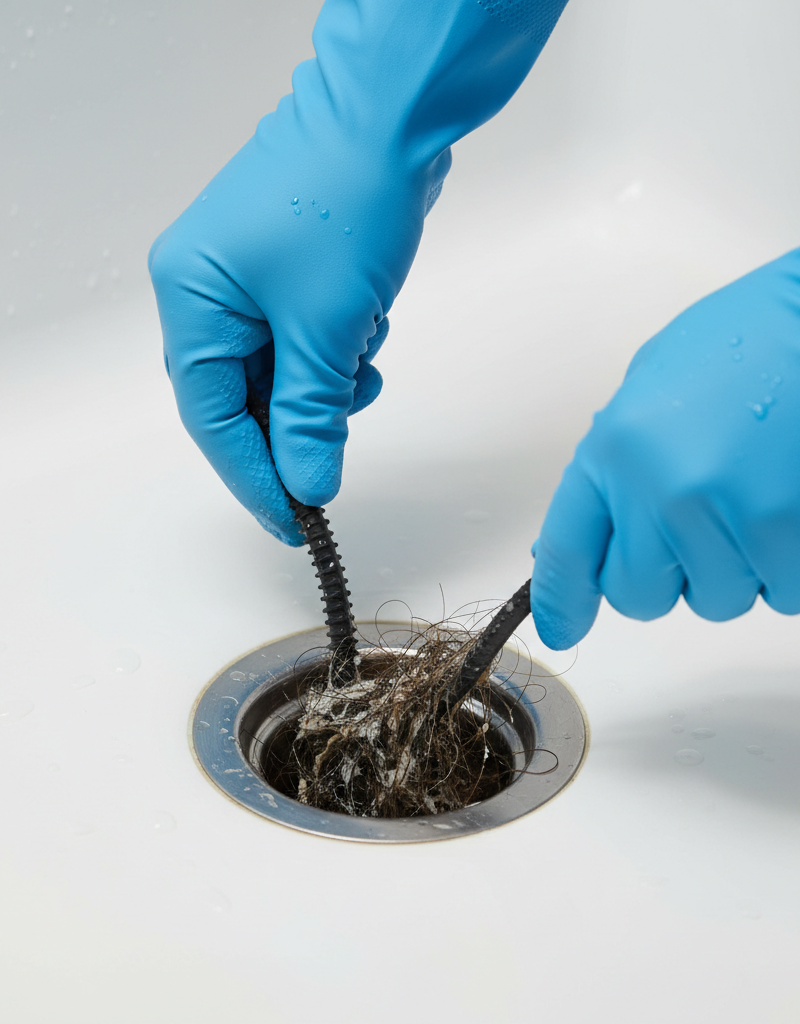
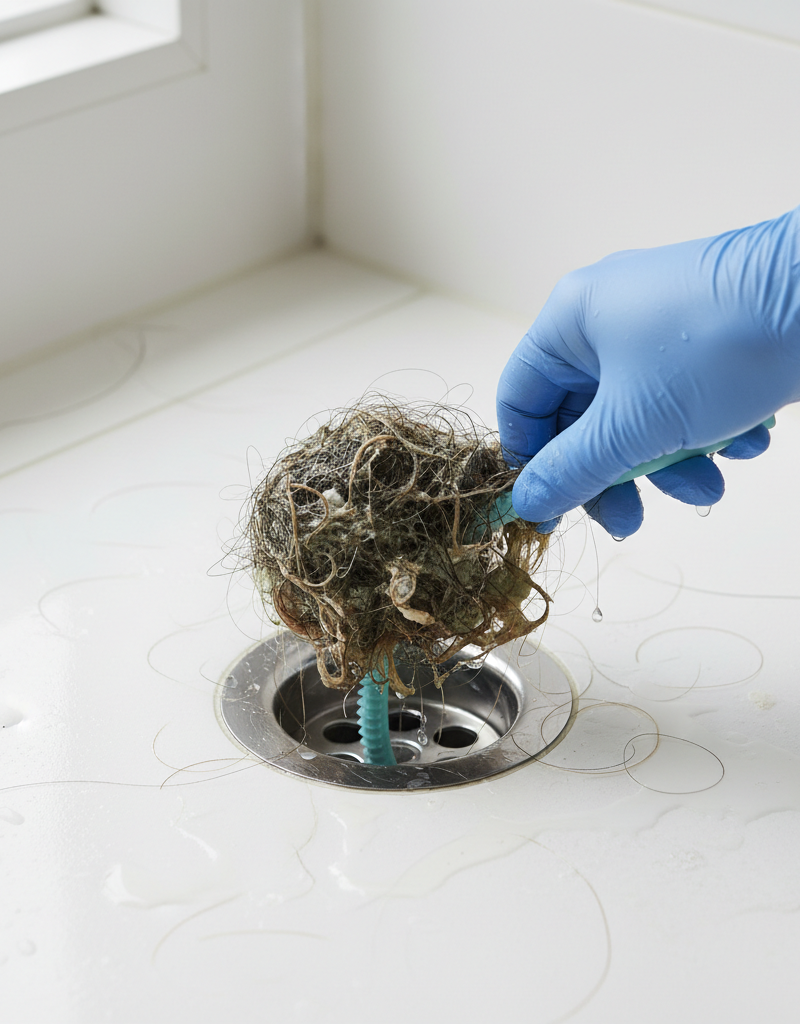
- This is where the real work starts. A cheap plastic drain snake, usually called a "Zip-It," is a homeowner’s best friend here. Those little barbs grab hair like nobody’s business. Feed it down the drain, wiggling and twisting as you go. You’ll feel it hit resistance when you reach the clog. Push a little farther, then pull it back out slow. You’ll probably drag up a disgusting wad of hair and soap scum. Do that a few times, each time pushing a bit deeper, until you’re not hauling much more out.
- If using a metal snake: Go easy if you’ve got plastic pipes. Feed it slow and crank the handle when it bites into the clog. Don’t muscle it if it jams. Back it out, change the angle, and try again. Forcing it is a good way to make a bad day worse.
-
Flush with Hot Water — Wash It Down
- Once you’ve pulled out all the junk you can, turn on the hot water in the shower. Let it run for 5-10 minutes. That helps rinse out loose debris and softens some of the soap scum still hanging around. If it’s still dragging, go back to step 4.
-
Try a Natural Drain Cleaner (Optional) — The Environmentally Friendly Option
- If the drain’s still a little sluggish, or you didn’t get everything with the snake, try baking soda and vinegar. Pour about half a cup of baking soda down the drain, then follow it with a cup of white vinegar. It’ll fizz and bubble — that’s the reaction breaking up some of the grime. Let it sit for 30 minutes to an hour, then flush again with hot water. I’ve seen that clean up lighter clogs real well, especially after you’ve already snaked the line.
- Warning: Never mix commercial drain cleaners, and be very careful with them. They’ve got harsh chemicals that can damage pipes and they’re rough to handle. I don’t recommend them unless you’ve run out of other options and you know your pipes are in good shape. And never use a chemical cleaner after trying another one or a natural solution, because that can kick off toxic fumes.
-
Reassemble the Drain Cover — Job Done
- Once the water’s moving like it should, put the cover back on. Don’t crank the screws down hard; just snug them up. Wipe the area clean, and call it a day. You just saved yourself some money.
Common Causes
- Hair Accumulation: This is the big one. Long hair, short hair, pet hair — it all ends up down there and acts like a little fibrous net.
- Soap Scum Buildup: Hard water and soap make a sticky film that coats the pipe and gives hair something to latch onto.
- Conditioner and Oil Residues: These products are thick and oily, so they help turn the whole mess into a gummy sludge.
- Mineral Deposits: In hard-water areas, calcium and magnesium build up on the pipe walls, narrow the passage, and give clogs more places to hang on.
- Small Objects: Earring backs, tiny toy parts, bits of tile — stuff like that can fall in and create a blockage point.
Common Mistakes
- Ignoring the Problem: A slow drain isn’t gonna fix itself. The longer you wait, the worse it gets, and the harder it is to clear without bringing in a pro.
- Using Too Much Chemical Drain Cleaner: These can eat at pipes, especially older ones, and they’re rough on septic systems. If they don’t work, now you’ve got a pipe full of caustic chemicals nobody wants to deal with.
- Not Removing the Strainer/Cover: Trying to snake a drain with the cover still on is like trying to eat soup with a fork. You need real access if you want the tool to do anything useful.
- Not Pulling Out Enough Gunk: A lot of homeowners yank out one clump and figure they’re done. Keep going until you’re not pulling out anything substantial. There’s usually more in there than you think.
- Pouring Grease Down Other Drains: Sure, this piece is about showers, but grease in kitchen drains can help create main line clogs, and those can mess with the whole house — shower included.
Cost & Time Breakdown
| Task | DIY Cost | Pro Cost | Time |
|---|---|---|---|
| Diagnose & Clear Minor Clog | $5–$15 | $150–$300 | 30–60 minutes |
| Purchase Drain Snake/Zip-It | $5–$15 | N/A | 5 minutes |
| Baking Soda & Vinegar | $2–$5 | N/A | 1 hour (wait) |
| Chemical Drain Cleaner (Not recommended) | $10–$20 | N/A | 30 minutes (wait) |
| Total (DIY) | $7–$20 | N/A | 30-90 mins |
| Total (Pro) | N/A | $150–$300+ | 1–2 hours |
Tips & Prevention
- Install a Hair Catcher: Cheapest fix on the board, and one of the best. For a few bucks, you can get a screen or dome-style catcher that sits over or inside the drain. Empty it after every shower. Seriously. I put one in my own shower in Framingham back in '98, and I haven’t had a clog since.
- Regular Hot Water Flushes: Once a week, let very hot water run down the drain for 5-10 minutes. It helps soften soap scum before it gets stubborn.
- Baking Soda & Vinegar Treatment: Every month or so, a preventative flush with half a cup of baking soda followed by a cup of white vinegar can help keep things moving. Let it sit for 30 minutes before flushing with hot water.
- Limit Oil-Based Products: Heavy conditioners and bath oils can feed the buildup. Use them sparingly, or switch it up.
- Brush Hair Before Showering: A quick brush before you hop in knocks loose a lot of hair that would’ve gone straight down the drain.
- Avoid Harsh Chemicals: Stay away from caustic drain cleaners unless you’re out of options, and even then, use them carefully. They can do more harm than good to your pipes and your lungs.
When to Call a Professional
You’ve snaked it, run hot water, tried baking soda and vinegar, and the water’s still pooling around your ankles? Or maybe more than one drain in the house is acting up? That’s the point where you call somebody. If water’s backing up into other fixtures, like the toilet or a sink, you’re likely dealing with a main line clog, and that’s way beyond a simple DIY fix for most people. Also, if you already dumped in a harsh chemical cleaner and it didn’t work, do not try to snake it yourself; those chemicals can burn you bad. A professional plumber’s got the heavier gear — power augers, hydro-jetters, the whole deal — and can handle stubborn main line clogs safely. They can also tell you if the real problem is something bigger, like a broken pipe or tree roots pushing into your sewer line.
Related Articles
Keep troubleshooting with these hand-picked guides from FixlyGuide:
- The Mystery Smell: Why Your Fridge Stinks (Even After Cleaning It) — That persistent, foul odor in your refrigerator isn't just gross; it's often a sign of hidden issues. Learn the real culprits behind linger…
- Why Your Kitchen Sink Drain Stinks (Even After You've Cleaned It) — Don't just mask that foul odor from your kitchen sink; get rid of the gunk causing it with this pro-level cleaning method.
- The Caulk Stain That Won't Quit: Why Your Shower Stays Grimy — Is that stubborn, discolored caulk making your clean shower look perpetually dirty? It's not just surface grime; it's often mold or mildew,…
- The Mystery of the Sprouting Carpet Tuft (And How to Stop It) — Ever noticed little loops or long strands sticking up from your carpet after cleaning or heavy use? That's called sprouting, and it's not j…
- The Rusty Ring In Your Toilet? It's Not Just Ugly, It's a Symptom. — Stubborn rust rings in your toilet bowl are an eyesore and a sign of hard water or corroded pipes, but you can remove them with the right a…
- The Grimy Secret Under Your Bathroom Sink: Why Your Faucet Is Slow — A slow-flowing bathroom faucet is often more than just an annoyance; it's a clear sign of mineral buildup or internal damage that's surpris…
Should you do this yourself?
Answer five quick questions before you start. Safety outranks savings every time.
Your experience with work like this
How high do you have to work?
Does the job involve any of these?
Will it need a permit?
Specialty tools
Free and instant. Educational guidance only — not a quote, inspection, or professional diagnosis.
What should this project cost?
Enter your project details for a realistic cost range before you call anyone.
Common repairs run $150–$650; repipes and water-heater replacements reach $1,500–$4,500.
- Regional adjustment
- National average
- Labor share (typical)
- ~$754
- Quotes to collect
- 3 written estimates
Educational estimate based on national averages — not a binding quote. Always confirm with written local estimates.
Fixly Project Decision Box
- DIY difficulty
- Moderate
- Estimated time
- 30 minutes – half a day
- Cost level
- Moderate
Main tools / materials
- Adjustable wrench
- Plunger or drain auger
- Bucket and towels
- Thread tape
When to stop and call a pro
- Water you cannot shut off at the fixture or main
- Sewage backing up into more than one fixture
- Water near electrical panels or outlets
- Gas water heater work beyond relighting a pilot
Need professional help?
Get a Licensed PlumberGet the print-ready PDF of this guide
A clean, ad-free, printable version you can keep on your phone or pin to the workshop wall. Free with a FixlyGuide account.
- Print-optimized layout
- Tools, materials & every step included
- Saved to your account
Frequently asked questions
Why does my shower drain get clogged so often?+
Frequent clogs are typically due to a rapid accumulation of hair, soap scum, and body oils. Hard water can also contribute by causing mineral deposits that trap debris. Installing a good hair catcher is often the simplest and most effective preventative measure.
Are chemical drain cleaners safe for my pipes?+
Most plumbers, myself included, don't recommend chemical drain cleaners as a first resort. They can be very harsh, potentially damaging PVC pipes, dissolving older metal pipes, and harming septic systems. They also create dangerous fumes and can be a hazard if they don't work and a plumber has to intervene.
How do I know if my clog is beyond a simple DIY fix?+
If you've snaked the drain thoroughly and tried natural solutions without success, or if water is backing up in other fixtures (like sinks or toilets), it's time to call a pro. Multiple slow drains often indicate a main line issue that requires professional equipment.
What's the best tool for a shower drain clog?+
For most shower clogs, a simple plastic drain snake or 'Zip-It' is incredibly effective and inexpensive. Its barbs are designed to grab hair and pull out the stubborn gunk that causes slow drains. Metal augers are also effective but require a bit more care.
Can hard water make my shower drain slower?+
Absolutely. Hard water contains minerals like calcium and magnesium. These minerals, especially when combined with soap, form a sticky scale on the inside of pipes, narrowing the passage and providing a rough surface for hair and soap scum to cling to, exacerbating clog formation.
How often should I clean my shower drain to prevent clogs?+
Preventative cleaning is key. I recommend a monthly flush with baking soda and vinegar. Even more important, empty a hair catcher after every shower. This simple habit will drastically reduce the frequency of serious clogs.
My shower drain smells bad even after it drains. What gives?+
A persistent foul odor usually means there's still some organic matter (like hair and scum) decomposing in the drain or P-trap that you didn't quite get out. Run some hot water, try another baking soda and vinegar flush, or give it another go with the drain snake. Ensure your P-trap always has water in it to block sewer gases.
Is it safe to pour boiling water down the drain?+
While hot water can help dissolve soap scum, boiling water can be risky, especially with PVC pipes. Extremely hot water can soften or even warp PVC, leading to leaks. Stick to hot tap water for flushing.
Discussion
Loading comments…