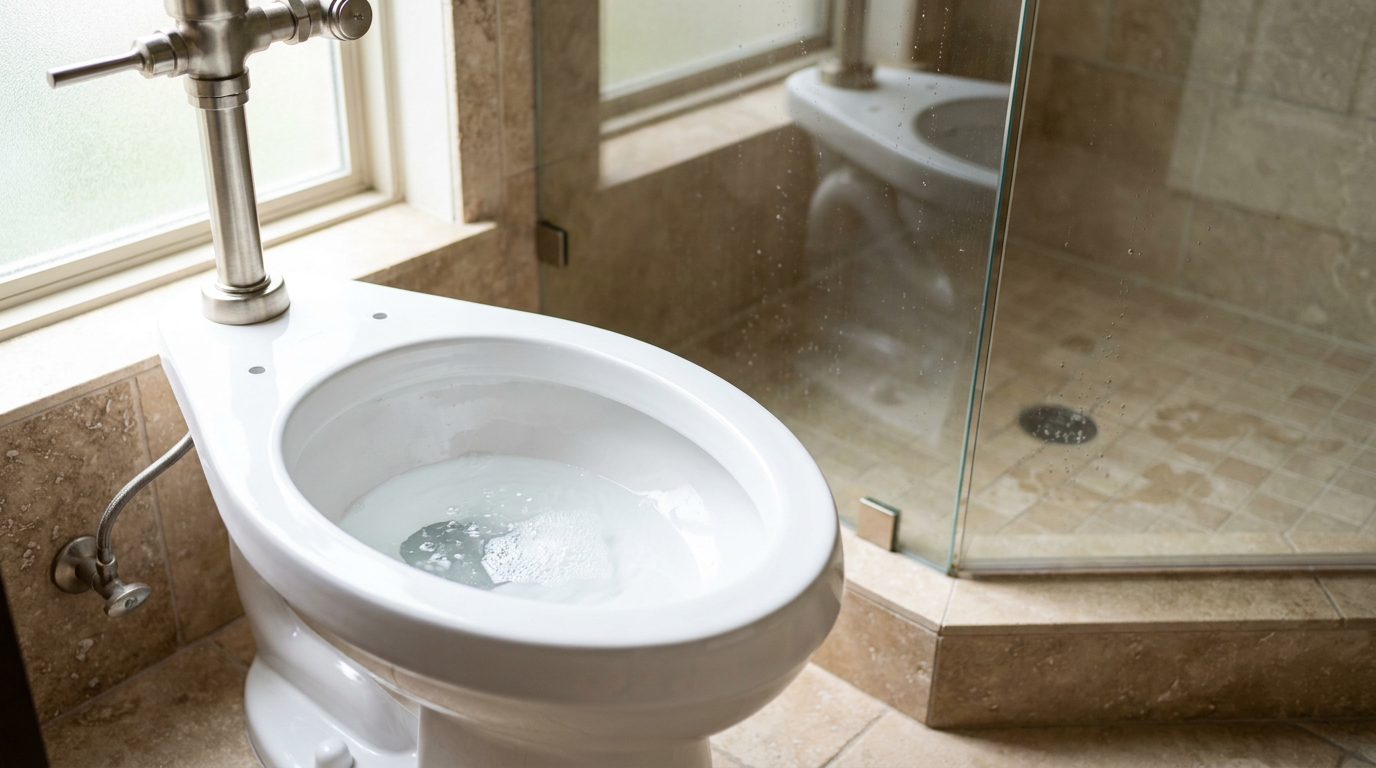
- Plunge the Toilet. A partial clog in the toilet trap or just past it can sometimes mess with the pressure in the line. A good plunge can shift it enough to clear things up.
- Tool: Flange plunger (the kind with a bell shape, not a flat cup).
- Get a solid seal and give it 5-6 good plunges. Flush the toilet. Does it move like it should? Then run the shower again and listen for that gurgle.
Plumbing · Clog
| Project category | Plumbing |
|---|---|
| Problem type | Clog |
| Trade required | Plumbing |
| Urgency | Soon — within weeks |
| Safety risk | Low safety risk |
| DIY suitability | DIY friendly |
| Cost category | Low cost |
| Typical timeline | Same-day DIY attempt; pro visit within a day or two |
| Contractor type | Licensed plumber |
Repair option
Plunger, hand auger, or trap cleanout before chemicals.
Replacement option
Line replacement when clogs return in the same spot repeatedly.
Common causes
- Hair and soap buildup in the trap
- Grease cooling in the branch line
- Flushed wipes or foreign objects
Relevant tools:diy difficultydiy or hire a pro
Published October 8, 2026Last updated October 8, 2026
Tools & materials you'll need
Affiliate links- AmazonGloves
As an Amazon Associate FixlyGuide earns from qualifying purchases — at no extra cost to you. Prices and availability are accurate as of publication and subject to change.
The Problem
You’ve just finished a shower and the water’s swirling down the drain. Then you hear it — that deep, bubbling “glug-glug-glug” from the toilet a few feet away. Sometimes it starts off mild. Other times it gets loud enough to make the bowl burp and splash a little water out. No, that’s not your house being quirky. That’s your plumbing waving a red flag.
What you’re hearing is a pressure problem in the drain-waste-vent (DWV) system. The shower water is dropping fast, and it’s creating suction the pipes can’t balance out. So the system grabs air from the easiest place nearby: your toilet’s P-trap. Leave it alone and you’re asking for slow drains, nasty odors, sewer gas sneaking into the house, and, yeah, eventually a backup. That thing’s toast if you ignore it long enough.
How It Works
I like to explain drains like a giant soda bottle. Turn a full bottle upside down and it glugs because air can’t get in fast enough to replace the liquid leaving. Poke a hole in it, though, and the soda pours out smooth. That hole is your plumbing vent.
Your home’s DWV system does two jobs. It carries waste and water out through the drain lines, and it keeps air pressure where it needs to be. Every fixture — toilet, sink, shower — ties into a drain line that slopes down toward the main sewer line leaving your house. But it also connects to a vent system, usually a pipe that runs up through the roof.
That vent’s got one job: let air in. When a big slug of water rushes through — say, a toilet flush or a tub draining — it pushes air ahead of it and leaves a vacuum behind. The vent breaks that vacuum by letting air into the pipe. Pressure stays neutral. Water flows. Simple enough.
Now, if that vent gets blocked by leaves, a bird nest, or snow, air can’t get in. The draining shower still pulls that vacuum, and the system starts sucking air from wherever it can find it. A toilet bowl’s P-trap is just a water seal, so it becomes the easy target. That gurgle is the sound of the system gasping for air through the trap. I pulled a water heater in Frisco last month and the homeowner swore it was a “bad toilet.” Nope — same kind of pressure issue, different fixture. Plumbing’ll humble you quick.
Step-by-Step Fix
Let’s go after the blockage the smart way. Start simple. The cheap stuff first. That’s how I’ve done it for 25+ years, and it saves a pile of wasted effort.
-
Safety First: Roof & Chemicals. If you go up on the roof to check the main vent stack, take it seriously. Use a solid ladder that’s set right, wear shoes with grip, and have somebody spot you if possible. Don’t get on a wet or icy roof. And don’t pour harsh drain cleaner down the toilet or shower hoping for magic — it usually won’t touch a vent clog, and it can chew up your pipes while you’re at it.
-
Confirm the Symptoms. Run the shower for a minute or two with the bathroom door closed. As it drains, stand near the toilet and listen. Does it gurgle? Then run the bathroom sink wide open for a minute. Does that make the toilet gurgle too? If more than one fixture sets it off, you’re probably dealing with a shared vent or drain issue, not just a crusty shower trap.
-
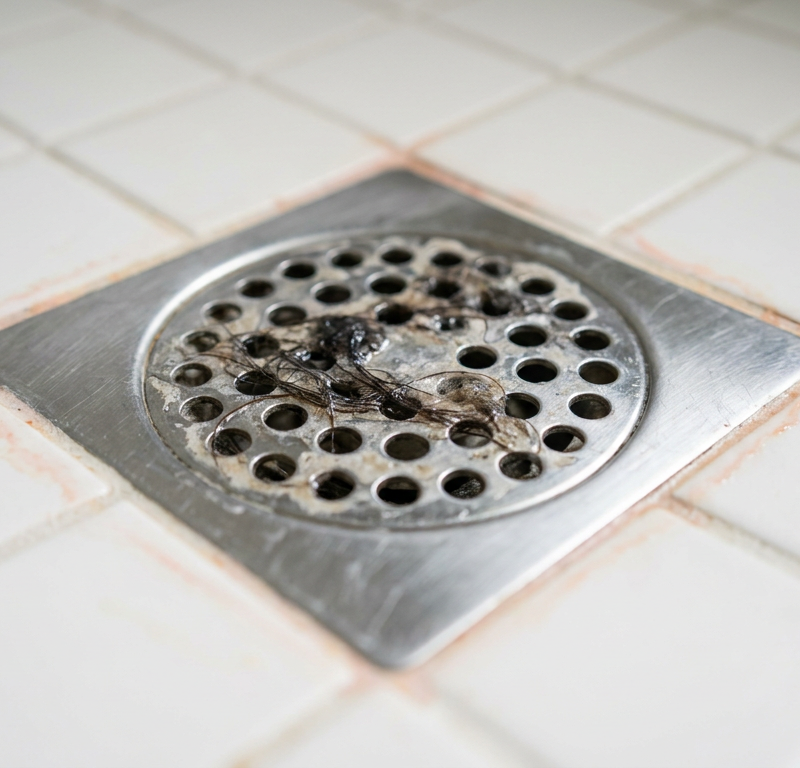
Check for a Simple Shower Clog. Sometimes a nasty clog right at the shower drain can create enough suction to pull air from the toilet. It’s not the most common cause, but it’s easy to check, so let’s rule it out.
- Tools: Drain claw (zip-it tool), flashlight.
- Pull the shower drain cover. Shine the flashlight down and look for hair, soap scum, and whatever else has been camping there. Use the drain claw to snag anything you can reach. If you haul out a big hair wad, there’s a decent chance you found your culprit. Test the shower again.
-
Plunge the Toilet. A partial clog in the toilet trap or just past it can sometimes mess with the pressure in the line. A good plunge can shift it enough to clear things up.
- Tool: Flange plunger (the kind with a bell shape, not a flat cup).
- Get a solid seal and give it 5-6 good plunges. Flush the toilet. Does it move like it should? Then run the shower again and listen for that gurgle.
-
Inspect the Main Vent Stack Visually. Here’s where you’ve got to decide if you’re going on the roof. If you’re comfortable, go up and look straight into the main vent pipe. It’s usually a 2- to 3-inch PVC or cast-iron pipe sticking about a foot above the roof.
- Tools: Flashlight, gloves.
- Check the opening for obvious junk at the top: leaves, a bird’s nest, a dead squirrel, maybe even a kid’s lost tennis ball. You’d be amazed what winds up in there. If you see something, glove up and pull it out.
-
Clear the Vent Stack with Water. If you don’t see anything from the top, the blockage may be lower in the pipe. A hard blast of water can knock it loose.
- Tools: Garden hose with a high-pressure nozzle.
- Have somebody inside the bathroom listening for changes. Up on the roof, drop the hose into the vent stack and have your helper turn the water on full blast for about 30 seconds. That force can break up wet leaves and other junk. Listen for a whoosh, a change in pitch, anything. Have your helper tell you if the bathroom sound changes.
-
Use a Drain Auger (Snake) on the Vent. If water doesn’t do it, you’ve got to get more direct. This is usually the best DIY move for a stubborn vent clog.
- Tool: 25-foot drain auger (or longer if you have one).
- Feed the auger down the vent stack from the roof. Keep going until you hit resistance. Crank the handle and work through the blockage. You may need to back it out, then drive it in again a few times. If it suddenly gives way, you probably cleared it. I’d hit it with the hose again afterward just to be safe.
-
Test the System Again. Once you’re back on solid ground, go inside and repeat the first test. Run the shower full blast for several minutes. The toilet should stay quiet. If the gurgling’s gone, you nailed it. If it’s still there, the clog may be deeper in the main line, or you’ve got a more complicated problem. At that point, it’s time to call a pro.
Common Causes
So what’s usually jamming up that vent pipe? Most of the time, it’s one of these usual suspects.
- Leaves and Pine Needles: This is the big one, especially if you’ve got trees hanging over the roof. Rain washes the debris right into the pipe, and once it starts breaking down, it turns into a nasty plug.
- Bird Nests or Debris: Birds love a vent stack. Sheltered spot, easy landing, perfect nesting place. Twigs, grass, and all that junk can build a solid blockage. Small animals can get trapped too.
- Snow and Ice: In colder weather — even in places like North Texas during a hard freeze — this can happen. Frost builds up inside the pipe from warm, moist sewer air rising up, and eventually it chokes the vent off. Heavy snow can bury the opening too.
- Improper Vent Installation: On older houses or DIY remodels, vents sometimes get installed wrong. Wrong slope, wrong length, wrong tie-in angle — no dice, and they’re more likely to clog.
- Main Line Blockage: Not as common if all you’ve got is a gurgle, but a bigger clog in the main sewer line can cause pressure problems throughout the system. If drains are slow all over the house and you smell sewer gas, this jumps way up the list.
Common Mistakes
Homeowners trying to fix a gurgling toilet usually make the same mistakes. I’ve seen these over and over.
- Only Treating the Shower Drain: The toilet is the one making noise, but the shower is what sets it off, so folks assume the shower drain is the problem. Then they dump bottle after bottle of chemical opener down it, which won’t fix a vent clog and can damage the pipes.
- Using the Wrong Plunger: A flat cup plunger on a toilet doesn’t cut it. You need a flange plunger that seals the bowl properly so you can build real pressure.
- Ignoring the Roof: I get it. Nobody’s thrilled about climbing on a roof. But in a lot of these cases, the issue is up there. Skip the vent stack and you’re skipping the source.
- Giving Up on the Auger Too Soon: A stubborn clog can feel like you’ve hit a wall. Don’t quit right away. Back up a foot, then push forward while cranking. It often takes a few tries to punch through packed-up debris.
- Underestimating Water Power: Don’t just dribble water into the vent with a hose. You want a nozzle that throws a hard jet. The force is what loosens the blockage.
- Calling a Plumber Without Doing Basic Checks: A good plumber starts with the same basics — usually the roof. You can save yourself a $150-$300 service call by spending 30 minutes checking the obvious stuff first.
Cost & Time Breakdown
Here’s what you can expect to spend in time and money to fix that gurgle, comparing a DIY approach to calling in a professional plumber.
| Task | DIY Cost | Pro Cost | Time |
|---|---|---|---|
| Inspect & Clear Shower Drain | $0–$10 | (part of service) | 15 minutes |
| Plunge Toilet | $0 (own plunger) | (part of service) | 5 minutes |
| Visually Inspect Roof Vent | $0 | $150–$300 (callout) | 30–45 minutes |
| Clear Vent with Hose | $0 (own hose) | $150–$300 | 30–60 minutes |
| Auger Vent from Roof | $25–$50 | $250–$450 | 1–1.5 hours |
| Auger Main Sewer Line | $75–$150 (rental) | $300–$600+ | 2–4 hours |
Tips & Prevention
Once you get the clog cleared, you don’t want to be back up there next year doing the same dance. A little prevention goes a long way.
- Install a Vent Screen: For about $10, you can pick up a wire mesh or plastic cap that fits over the vent pipe. It lets air through but keeps leaves, critters, and other junk out. Best small upgrade you can make.
- Trim Overhanging Branches: If you’ve got trees close to the house, trim back anything hanging over the roofline. It cuts down a lot on leaf litter making its way into the vent.
- Annual Roof Inspection: Make it a habit to check the roof vents each fall before the rainy season and winter. A quick look is all it takes sometimes, and it can save you a headache later.
- Be Mindful of What Goes Down Drains: Use hair catchers in showers and don’t flush anything except toilet paper and human waste. That’s more about preventing drain clogs, sure, but a healthier system is less likely to act up on you.
When to Call a Professional
A lot of vent issues are solid DIY fixes, but there are times when you’ve got to set the tools down and call a licensed plumber.
If you’ve already snaked the vent from the roof and the gurgling won’t quit, the clog is probably too deep or too packed for a hand auger. A pro can bring motorized equipment that reaches over 100 feet. Same deal if more than one fixture is backing up, not just gurgling, or if you smell sewer gas inside the house. That points to a bigger problem — maybe a main line blockage, maybe a cracked drain pipe. Don’t go messing around with that. And if you’re not comfortable or safe on a roof, hire it out. Your safety’s worth more than the service call.
Related Articles
Keep troubleshooting with these hand-picked guides from FixlyGuide:
- The Mystery Smell: Why Your Fridge Stinks (Even After Cleaning It) — That persistent, foul odor in your refrigerator isn't just gross; it's often a sign of hidden issues. Learn the real culprits behind linger…
- That Stubborn Orange Slime Around Your Faucet? Here's the Real Culprit — That pinkish-orange buildup around your kitchen faucet isn't just unsightly; it's a bacterial party in progress, and I'll show you how to s…
- The Mystery of the Slow Shower Drain: It's Not Just Hair! — A slow shower drain is more than just an annoyance; it's often a sign of a blockage that can lead to bigger plumbing headaches. Here's how…
- That Brown Ring Around Your Bathtub? It’s Not Just Soap Scum. — The persistent brown ring in your bathtub isn't just soap scum; it's often a mineral deposit or mold/mildew, requiring specific cleaning st…
- The Caulk Stain That Won't Quit: Why Your Shower Stays Grimy — Is that stubborn, discolored caulk making your clean shower look perpetually dirty? It's not just surface grime; it's often mold or mildew,…
- Your Windows Are Crying? The Hidden Cause of Condensation — Window condensation isn't just a harmless annoyance; it's a clear signal that your home's indoor humidity is too high, potentially leading…
What should this project cost?
Enter your project details for a realistic cost range before you call anyone.
Common repairs run $150–$650; repipes and water-heater replacements reach $1,500–$4,500.
- Regional adjustment
- National average
- Labor share (typical)
- ~$754
- Quotes to collect
- 3 written estimates
Educational estimate based on national averages — not a binding quote. Always confirm with written local estimates.
Get the print-ready PDF of this guide
A clean, ad-free, printable version you can keep on your phone or pin to the workshop wall. Free with a FixlyGuide account.
- Print-optimized layout
- Tools, materials & every step included
- Saved to your account
Frequently asked questions
Why does my toilet gurgle when the washer drains?+
It's the same principle as the shower. A washing machine dumps a large volume of water at once, creating a strong vacuum in the drain lines. If the plumbing vent is blocked, it will pull air from your toilet trap, causing a gurgle.
Can a gurgling toilet fix itself?+
No, a gurgling toilet will not fix itself. It's a symptom of a physical blockage that will only get worse over time as more debris collects, leading to slower drains and eventually a complete backup.
Is a gurgling toilet dangerous?+
The gurgle itself isn't dangerous, but it's a warning sign. If the P-trap in the toilet gets siphoned completely dry, it can allow unpleasant and potentially harmful sewer gas to enter your home.
How much does it cost to have a plumbing vent cleared?+
A plumber typically charges between $150 and $450 to clear a standard residential plumbing vent. The cost depends on accessibility (how difficult it is to get on your roof) and the severity of the clog.
How do I know if my main sewer line is clogged?+
If your main line is clogged, you'll see more than just a gurgling toilet. Drains will be slow throughout the entire house, and flushing a toilet might cause water to back up into a shower or tub on the lowest level of your home.
Can I pour Drano down my plumbing vent?+
Absolutely not. Chemical drain cleaners are not effective on the types of debris that clog vents (like leaves and nests) and can damage your PVC or cast iron pipes. A blast of water from a hose or a drain auger are the correct tools for the job.
What is a plumbing vent stack screen?+
It's a simple, inexpensive cap made of wire mesh or perforated plastic that fits over the top of your vent pipe on the roof. It's highly effective at preventing leaves, sticks, and animals from falling in and creating a clog.
Does home insurance cover a clogged plumbing vent?+
Generally, no. Home insurance policies typically exclude issues caused by lack of maintenance, which is what a clogged vent is considered. You would be responsible for the cost of clearing the blockage yourself or by a professional.
Discussion
Loading comments…