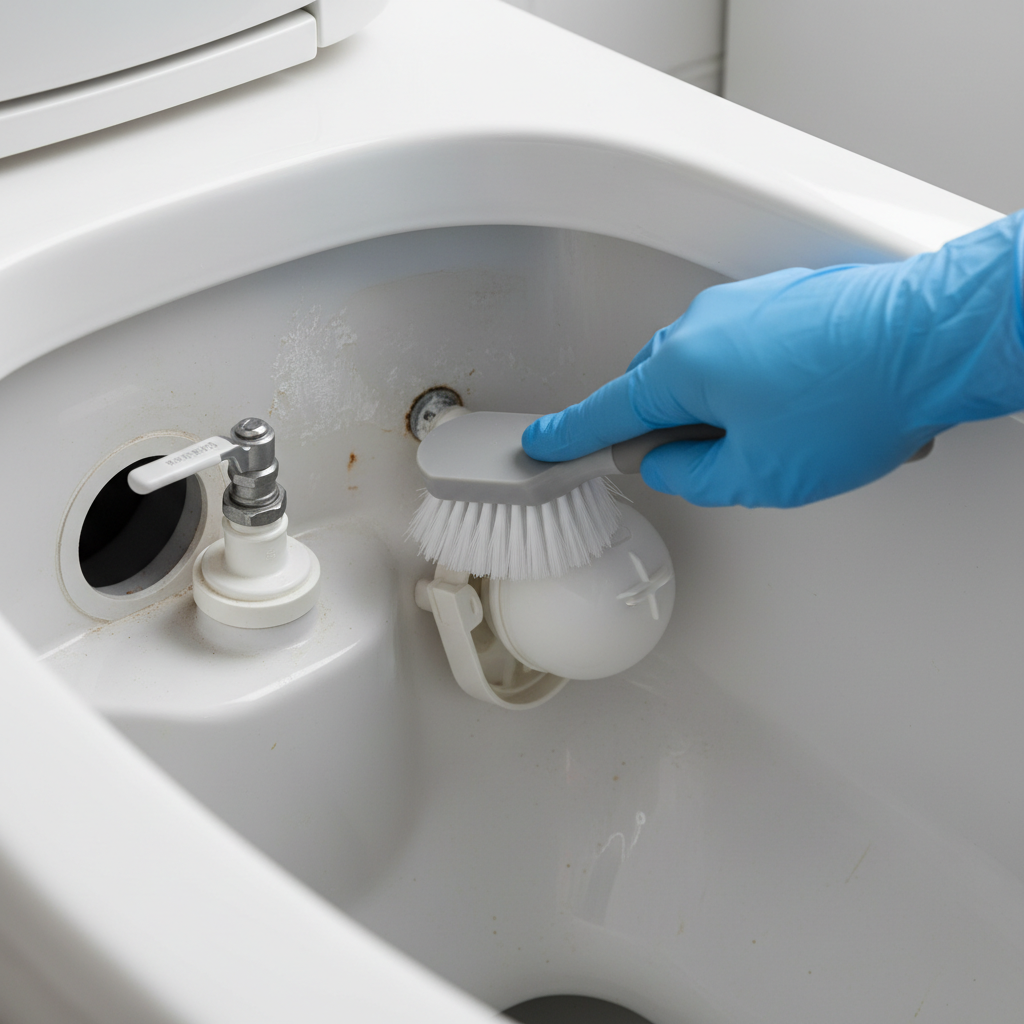
- Clogged Rim Jets: Those little holes under the rim? They get packed with mineral scale. Once they can’t spray water properly, flushing suffers, rinsing gets lousy, and stains build faster.
- Sediment in the Tank: Over time, especially in older homes or places with well water, sediment and mineral flakes settle at the bottom of the tank. Every flush stirs some of it up, and straight into the bowl it goes.
- Bacteria and Mold: Pink (Serratia marcescens) or black stains are often bacterial or mold growth. They like damp, dark, mineral-rich spots like toilet tanks and bowls, especially when nobody’s cleaning them regularly.
- Water Supply Issues: Sometimes it’s not even the toilet. High iron in the tap water, old galvanized pipes, or rust from a water heater can leave reddish-brown staining that seems like it’ll never quit.
General remodeling · Renovation planning
| Project category | General remodeling |
|---|---|
| Problem type | Renovation planning |
| Trade required | General contracting |
| Urgency | Planned project |
| Safety risk | Low safety risk |
| DIY suitability | Pro recommended |
| Cost category | Major investment |
| Typical timeline | Design and permitting often 2–4 months before work starts |
| Contractor type | General contractor |
Repair option
Phase the work and fix the building envelope first.
Replacement option
Full renovation with permits, design, and a general contractor.
Common causes
- Space no longer fits how the household lives
- Resale preparation
- Deferred maintenance stacking up
Relevant tools:project cost estimatorcompare quoteshome improvement material prices
Published September 15, 2026Last updated September 15, 2026
Tools & materials you'll need
Affiliate linksAs an Amazon Associate FixlyGuide earns from qualifying purchases — at no extra cost to you. Prices and availability are accurate as of publication and subject to change.
Quick Answer
Listen, if you’re fighting those ugly toilet bowl stains that keep coming back a few days after you scrub the daylights out of ’em, you’re probably chasing the wrong problem. The real mess usually isn’t just in the bowl. It’s upstream, sitting right in the toilet tank. All that junk — mineral deposits, hard water scale, even bacteria — gets flushed right back into the bowl every time, so your elbow grease doesn’t stand much of a chance. You’ve got to clean the tank first, then hit the bowl, and stay on it, or you’re just polishing a turd, literally.
The Problem
There’s nothing more annoying, is there? You scrub the toilet until your arm feels like it’s gonna fall off, the bowl looks great, and you think, “Alright, finally.” Then two days later, the rings are back. Like they never left. Homeowners call me about this all the time, asking why their toilet’s got a permanent case of the crud. They figure they’re using the wrong cleaner or not scrubbing hard enough. But after 25 years on the tools, I can tell you nine times out of ten the bowl isn’t the real problem — not by itself, anyway. It’s the hidden junk in the tank, or those tiny rim jets that everybody forgets about, slowly spitting stained water right back out every flush. You’re treating the symptom, not the cause. We’ve got to get past the surface stuff.
How It Works
Alright, let’s talk toilets for a second — how they work, and why they get so nasty. A toilet’s a simple machine, sure, but it’s sitting there all day getting fed water loaded with minerals like calcium, magnesium, iron, and manganese. If you’ve got hard water, you already know the drill. Every flush refills the tank, and over time those dissolved minerals settle out and build up on the tank walls, the flapper, and especially in the little passages that feed the rim jets under the lip.
The water in the tank might look clean, but it’s basically a slow cooker for scale.
When you flush, that mineral-heavy water blasts out. Some of it comes through the big opening at the bottom of the bowl, but a good bit of it comes through those rim jets. If those jets are clogged up or coated in scale, they don’t rinse worth a darn, and they can actually keep adding more minerals to the bowl. Think of it like a tiny stalactite growing sideways. And once those deposits form, they’re porous, which means they grab onto all the other junk floating around — mold spores, bacteria, even rust if your pipes are old.
That’s why the stain gets darker and tougher every time you clean it halfway. If you’re seeing pink or black staining, that’s often Serratia marcescens or black mold, both of which love damp, mineral-rich spots like the tank and the jets. Nasty stuff. But it can be beaten.
Step-by-Step Fix
Alright, let’s get after it. This isn’t just a scrub-and-pray job. You’ve got to hit the source. Plan on an hour, maybe two. You can’t rush this if you want it done right.
-
Prep the Tank — Turn off the water supply valve, usually on the wall behind the toilet, and twist it clockwise until it stops. Then flush the toilet to empty the tank. Now you can see what’s been brewing in there. If it’s really ugly, scoop out as much sludge as you can with a disposable cup or small container. Don’t just stir it up; get it out.
- Safety First: Wear rubber gloves. The water in your tank isn’t drinking water, and you don’t want that mess on your hands.
-
Clean the Tank — Pour 2-3 cups of distilled white vinegar into the empty tank. You can also use a cup of borax. Let it sit for at least 30 minutes, but for real ugly buildup, I’ve let it soak overnight — just don’t let anybody flush it. The acid in the vinegar starts breaking down mineral deposits. Scrub the inside walls, the flapper, and the float assembly with a stiff-bristled brush. Use a brush you keep for the tank, not the bowl. If you’ve got a bunch of black or pink slime, a capful of bleach in the tank after the vinegar has been flushed can help, but NEVER mix bleach and vinegar together. That makes toxic gas, and that’s no joke.
-
Flush the Jets — This part matters. After the tank’s clean, turn the water back on and let it refill. Then flush the toilet several times. Watch the water coming from under the rim. You may see some loose crud come out. To clear stubborn jets, grab a small mirror and a piece of coat hanger or a thin wire. Use the mirror to spot the little holes under the rim. Gently poke the wire into each jet to break up any leftover scale. That’s often the real trick to stopping stains from coming back. Don’t go jamming it in there like you’re mad at it — just enough to loosen the clog.
-
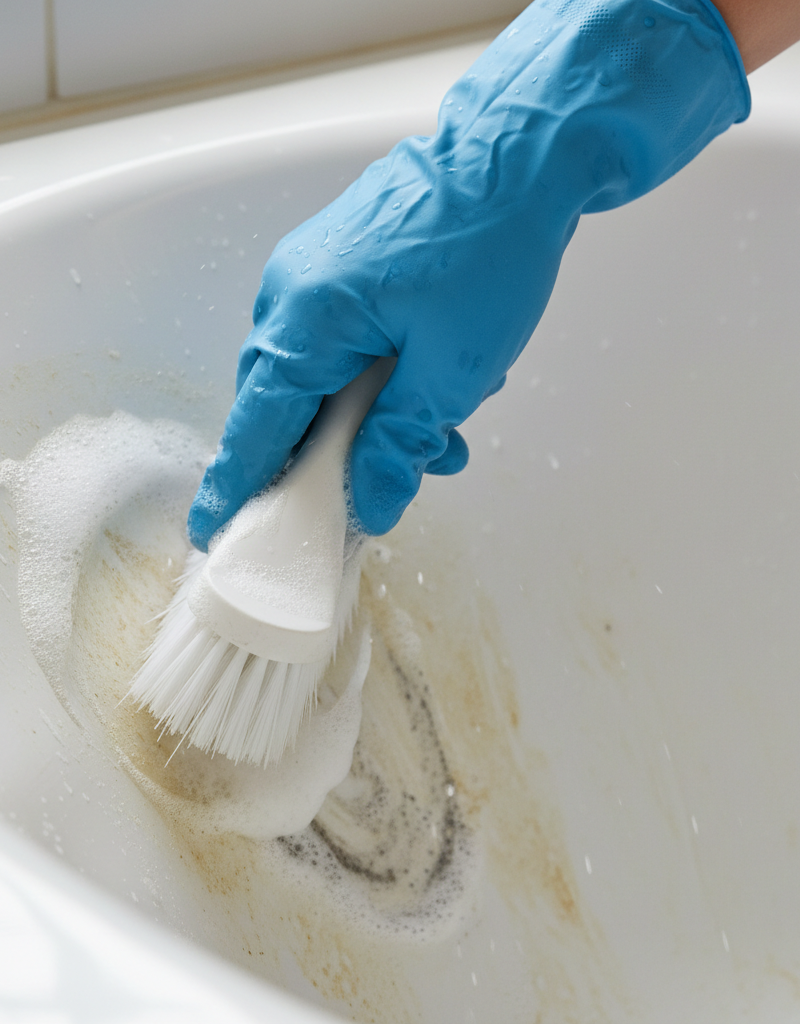
Tackle the Bowl — Now that the tank and jets are clean, it’s bowl time. First, get as much water out of the bowl as you can. A quick flush and holding the flapper down until most of the water drains, or using a plunger to push water out, does the trick. For iron or rust stains, reddish-brown stuff, a phosphoric acid-based cleaner like The Works or a rust remover works great. For hard water rings, white or grey, a pumice stone — yes, a pumice stone, just make sure it’s made for toilets so you don’t scratch the porcelain — or an oxalic acid-based cleaner like Bar Keepers Friend can knock it loose. For general crud, use a gel cleaner that sticks to the bowl. Put it on, let it sit for at least 15-30 minutes, then scrub with your toilet brush. Get under the rim too.
-
Rinse and Repeat (If Necessary) — Flush a few times to wash everything out. If you still see faint stains, go back to step 4. Sometimes, especially with years of buildup, it takes a couple passes to really get it clean. Don’t get discouraged. This stuff can be stubborn, but persistence usually wins.
-
Regular Maintenance — This is what keeps the mess from coming back. Every week, give the bowl a quick scrub with a mild cleaner. Every month or two, pour a cup of white vinegar into the tank and let it sit for 30 minutes before flushing. For really hard water, I’ve had folks drop a couple of dissolved denture cleaning tablets in the tank overnight once a month. Just make sure they’re fully dissolved so they don’t clog anything up. And wipe down the outside surfaces every day so dust and grime don’t build a foothold.
Common Causes
- Hard Water: This is the big one for most folks. Water with a high mineral load — calcium, magnesium, iron — leaves deposits that stick to the surface and trap more junk. Ever see those white crusty spots around faucets? Same stuff, just in your toilet.
- Clogged Rim Jets: Those little holes under the rim? They get packed with mineral scale. Once they can’t spray water properly, flushing suffers, rinsing gets lousy, and stains build faster.
- Sediment in the Tank: Over time, especially in older homes or places with well water, sediment and mineral flakes settle at the bottom of the tank. Every flush stirs some of it up, and straight into the bowl it goes.
- Bacteria and Mold: Pink (Serratia marcescens) or black stains are often bacterial or mold growth. They like damp, dark, mineral-rich spots like toilet tanks and bowls, especially when nobody’s cleaning them regularly.
- Water Supply Issues: Sometimes it’s not even the toilet. High iron in the tap water, old galvanized pipes, or rust from a water heater can leave reddish-brown staining that seems like it’ll never quit.
Common Mistakes
- Ignoring the Tank: A lot of people only clean the bowl. That’s like washing the truck and leaving the frame caked in mud. You’ve got to clean where the problem starts.
- Mixing Cleaners: NEVER, ever mix bleach with acidic cleaners like vinegar, rust removers, or some toilet bowl gels. You’ll make toxic chlorine gas, and that’s a fast trip to the ER. Don’t do it.
- Using Abrasive Scrubbers on Porcelain: Steel wool and harsh scouring pads can scratch the porcelain glaze. Once that glaze gets scratched, stains grab on even easier. Stick with plastic brushes, pumice stones made for toilets, or microfiber cloths.
- Not Letting Cleaners Dwell: Spraying cleaner and wiping it right off won’t touch tough stains. It needs time — often 15-30 minutes, sometimes longer — to break down mineral deposits or kill bacteria. Patience pays here.
- Overlooking the Rim Jets: Like I said, those jets are a big deal. A quick scrub of the visible bowl won’t fix it if dirty water’s still getting spit out from under the rim. Don’t skip the wire poke.
- Using In-Tank Drop-Ins with Older Toilets: Those blue tablets you drop in the tank? Some older ones have harsh chemicals that can eat up rubber flappers and other internal parts, which leads to leaks and pricey repairs. Check the packaging; a lot of them now say "safe for septic and all toilet parts." I’ve seen plenty of flappers ruined by those things in older toilets in my time in Northridge, especially on those older Kohler models from the 90s. These days they’re better, but I’d still read the label twice, especially on older setups.
Cost & Time Breakdown
| Task | DIY Cost | Pro Cost | Time |
|---|---|---|---|
| Tank & Bowl Cleaning | $5-$20 | $75-$150 | 1-2 hours |
| Deep Stain Removal | $10-$30 | $100-$200 | 2-3 hours |
| Jet Clearing | $0-$5 | Included with cleaning | 30 mins |
| Ongoing Maintenance (DIY) | $5/month | N/A | 5-10 mins/week |
| Professional Assessment | N/A | $100-$250 (service call) | 1 hour |
Tips & Prevention
- Test Your Water: If those hard water stains keep coming back, get a water test kit. Knowing your water hardness helps you pick the right cleaner and figure out whether a whole-house softener is worth the money. Some kits are only about $10 at the hardware store.
- Regular Cleaning is Key: Don’t wait until the stains are awful. A quick 5-minute scrub once a week makes a big difference and keeps little problems from turning into major headaches.
- Vinegar Soak for Tanks: Once a month, pour 1-2 cups of white vinegar into the tank. Let it sit for 30 minutes to an hour, or longer if it’s really bad, before flushing a few times. That helps keep mineral buildup down.
- Keep a dedicated toilet tank brush: Don’t use your bowl brush in the tank. Grab a cheap utility brush just for the tank so you’re not cross-contaminating. You don’t want bowl grime heading back into the tank.
- Consider a Water Softener: If hard water’s a constant battle all over the house, a whole-house softener is a bigger ticket item — often $800-$2500 installed — but it can save you a lot of scrubbing and help your appliances last longer.
- Check for Leaks: A toilet that runs all the time makes staining worse because it keeps sending mineral-rich water through nonstop. Listen for phantom flushes, or put a few drops of food coloring in the tank and wait 15 minutes to see if it shows up in the bowl without flushing.
When to Call a Professional
Look, I’m all for DIY, but sometimes you’ve got to know when to wave the white flag and call a pro. If you’ve tried everything here and those stains are still mocking you, or if you’re dealing with a constantly running toilet, weak flush power even after cleaning the jets, or actual damage to the porcelain, it’s time to get a plumber involved. Sometimes the issue goes deeper than surface stains — it could be a worn-out internal part causing constant water flow and mineral buildup, or a problem with the main water supply. If your toilet’s ancient and the porcelain’s been scratched up and stained too many times to save, a pro can tell you if replacing the whole toilet makes more sense than fighting it forever. Don’t be shy about calling it; sometimes a new toilet is the cleanest fix, and a plumber can get it installed without leaks and without the headache.
Related Articles
Keep troubleshooting with these hand-picked guides from FixlyGuide:
- That White Crust On Your Faucet? It's A Big Problem — That chalky, white buildup on your fixtures isn't just ugly—it's limescale from hard water, and it's actively clogging, corroding, and ruin…
- The Silent Rot: What Your Soffits and Fascia Tell You About a Deeper Problem — Ignoring damaged soffit and fascia boards isn't just an aesthetic issue; it's a flashing warning sign your home could be facing serious, ex…
- Your Windows Are Crying? The Hidden Cause of Condensation — Window condensation isn't just a harmless annoyance; it's a clear signal that your home's indoor humidity is too high, potentially leading…
- The 7 Critical Home Inspection Mistakes Most Homeowners Make (and How to Spot Them) — Discover the crucial home inspection mistakes homeowners commonly overlook and learn how to identify potential problems before they become…
- That Musty Smell From Your Fan? It's Not Just Dust — A musty smell from your bathroom fan is a major red flag for hidden mold and mildew growth in the fan housing or ductwork, often caused by…
- The Rusty Ring In Your Toilet? It's Not Just Ugly, It's a Symptom. — Stubborn rust rings in your toilet bowl are an eyesore and a sign of hard water or corroded pipes, but you can remove them with the right a…
Should you do this yourself?
Answer five quick questions before you start. Safety outranks savings every time.
Your experience with work like this
How high do you have to work?
Does the job involve any of these?
Will it need a permit?
Specialty tools
Free and instant. Educational guidance only — not a quote, inspection, or professional diagnosis.
What should this project cost?
Enter your project details for a realistic cost range before you call anyone.
Common repairs run $150–$650; repipes and water-heater replacements reach $1,500–$4,500.
- Regional adjustment
- National average
- Labor share (typical)
- ~$754
- Quotes to collect
- 3 written estimates
Educational estimate based on national averages — not a binding quote. Always confirm with written local estimates.
Fixly Project Decision Box
- DIY difficulty
- Moderate
- Estimated time
- 30 minutes – half a day
- Cost level
- Moderate
Main tools / materials
- Adjustable wrench
- Plunger or drain auger
- Bucket and towels
- Thread tape
When to stop and call a pro
- Water you cannot shut off at the fixture or main
- Sewage backing up into more than one fixture
- Water near electrical panels or outlets
- Gas water heater work beyond relighting a pilot
Need professional help?
Get a Licensed PlumberGet the print-ready PDF of this guide
A clean, ad-free, printable version you can keep on your phone or pin to the workshop wall. Free with a FixlyGuide account.
- Print-optimized layout
- Tools, materials & every step included
- Saved to your account
Recommended for DIYers & woodworkers
Sponsored
The Top 20 Tools for Workshops of Any Budget
No stationary machines or power tools required — plus 3 fundamental tools that can't be bought at any price.
Get the free guide
Ted's Woodworking — The #1 Woodworking Resource
Detailed instructions, dimensioned drawings, materials & cutting lists, and 3D schematics for every skill level.
See the plansSponsored: links above are affiliate links. FixlyGuide may earn a commission on qualifying purchases — at no extra cost to you.
Frequently asked questions
Why do my toilet bowl stains keep coming back after I clean them?+
The most common reason is that the source of the stains is in your toilet tank or rim jets, not just the bowl. Mineral deposits, hard water buildup, or bacteria in the tank get flushed into the bowl with every use, causing the stains to reappear quickly.
Can hard water cause black or pink stains in my toilet?+
Yes, hard water minerals create a rough surface that bacteria and mold love to cling to. Pink stains are often *Serratia marcescens* bacteria, and black stains can be mold, both thriving in mineral-rich, damp environments.
Is it safe to put bleach in my toilet tank?+
While a small amount of bleach can kill bacteria in the tank, it's generally not recommended for regular use, especially with older toilets, as it can damage rubber and plastic components over time, leading to leaks. Never mix bleach with other cleaners like vinegar.
How do I clean the rim jets under my toilet bowl's lip?+
After emptying the tank and cleaning it, use a small mirror to locate the jets under the rim. Gently poke a thin wire or a straightened coat hanger into each jet hole to dislodge mineral buildup. Flush several times to rinse out any loosened debris.
What's the best cleaner for rust stains in a toilet bowl?+
For rust or iron stains (reddish-brown), cleaners containing phosphoric acid or oxalic acid are very effective. Products like The Works or Bar Keepers Friend are good choices. Always follow product instructions and wear gloves.
Can I use a pumice stone on my toilet bowl?+
Yes, you can use a pumice stone specifically designed for toilet bowls to gently scrub away hard water rings and mineral deposits. Be sure the stone is wet and use light pressure to avoid scratching the porcelain glaze.
How often should I clean my toilet tank?+
For preventative maintenance, cleaning your toilet tank every 1-2 months with white vinegar can help prevent significant mineral buildup. If you have very hard water, you might need to do it more frequently.
Will a water softener help prevent toilet stains?+
Absolutely. A whole-house water softener removes the minerals that cause hard water stains in the first place. It's a significant investment but can drastically reduce cleaning efforts for toilets and other fixtures throughout your home.

Discussion
Loading comments…