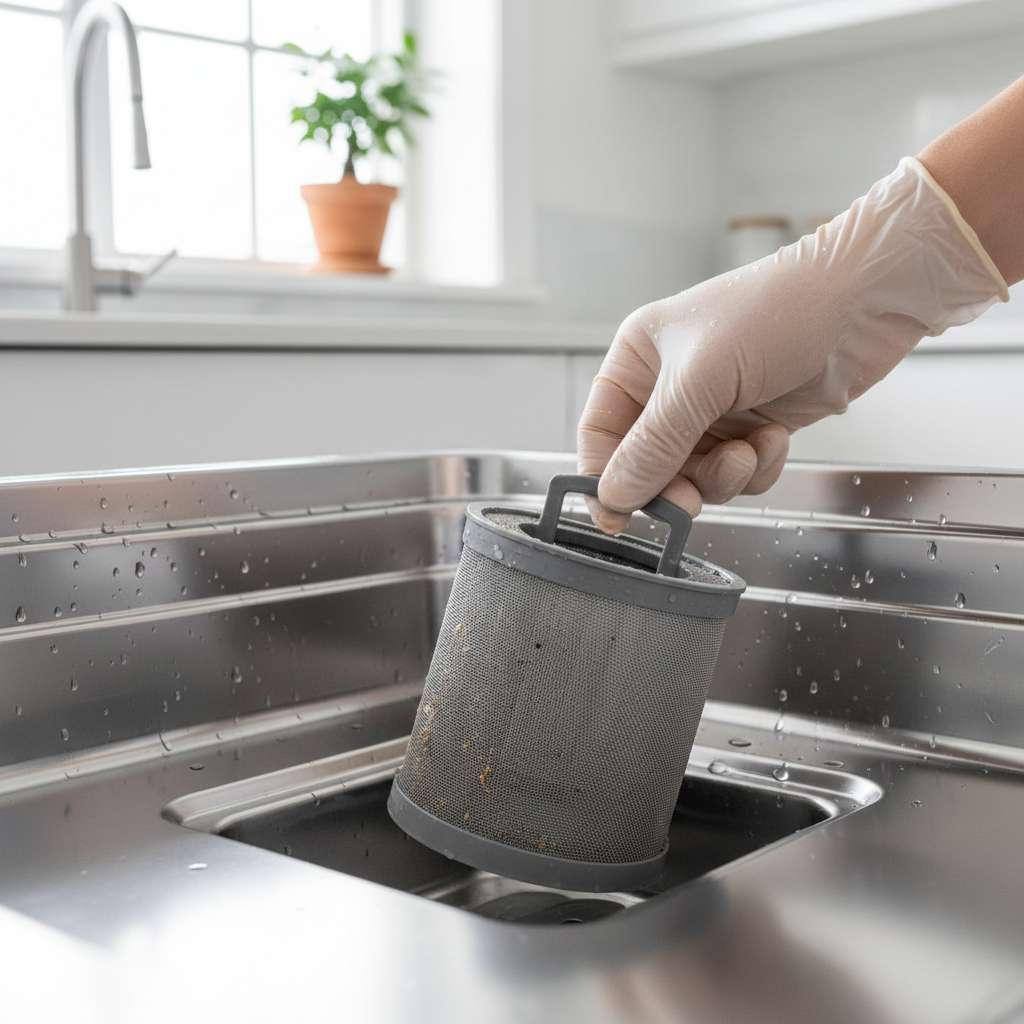
- The Coarse Filter: A cylindrical, often plastic, mesh tube that traps larger debris.
- The Fine Filter: A flat, very fine mesh screen that sits underneath the coarse filter, designed to catch smaller particles like grains of rice, coffee grounds, and grease.
- The Main Filter Screen (on some models): A larger metal or plastic plate that covers the entire sump area.
General remodeling · Renovation planning
| Project category | General remodeling |
|---|---|
| Problem type | Renovation planning |
| Trade required | General contracting |
| Urgency | Planned project |
| Safety risk | Low safety risk |
| DIY suitability | Pro recommended |
| Cost category | Major investment |
| Typical timeline | Design and permitting often 2–4 months before work starts |
| Contractor type | General contractor |
Repair option
Phase the work and fix the building envelope first.
Replacement option
Full renovation with permits, design, and a general contractor.
Common causes
- Space no longer fits how the household lives
- Resale preparation
- Deferred maintenance stacking up
Relevant tools:project cost estimatorcompare quoteshome improvement material prices
Published June 8, 2026Last updated August 17, 2026
Tools & materials you'll need
Affiliate linksAs an Amazon Associate FixlyGuide earns from qualifying purchases — at no extra cost to you. Prices and availability are accurate as of publication and subject to change.
'''
Quick Answer
The rotten egg smell in your dishwasher is hydrogen sulfide gas, produced by bacteria feasting on food particles trapped in the dishwasher's filter and drain system. The most effective solution is to manually remove and thoroughly clean the filter, filter screen, and spray arms, followed by running a hot cleaning cycle with white vinegar.
The Problem
You open the dishwasher, expecting sparkling clean dishes, but instead, you're hit with a wave of foul air—a smell unmistakably like rotten eggs or sulfur. It’s an odor that can permeate your kitchen and make you question the hygiene of the very machine meant to sanitize your plates. This smell is a common complaint, and it’s not just a nuisance; it's a clear signal that your dishwasher is harboring a growing colony of bacteria. The source is almost always decaying food matter that has become trapped somewhere inside the machine. While you might be tempted to mask the odor with a rinse aid or a scented pod, that won't solve the underlying issue. The bacteria will continue to thrive, and the smell will keep returning until you remove their food source.
How It Works
To understand the smell, you need to understand your dishwasher's basic operation. A dishwasher cleans by spraying hot water and detergent over your dishes. This water, now filled with food debris, collects in a sump at the bottom of the tub. From there, it's pumped out through a drain hose and into your home's plumbing, usually connecting to the sink's drain or garbage disposal.
To protect the drain pump from being damaged by large or hard items (like fruit pits, glass shards, or bones), all modern dishwashers have a filtration system located in the sump. This system typically consists of two or three parts:
- The Coarse Filter: A cylindrical, often plastic, mesh tube that traps larger debris.
- The Fine Filter: A flat, very fine mesh screen that sits underneath the coarse filter, designed to catch smaller particles like grains of rice, coffee grounds, and grease.
- The Main Filter Screen (on some models): A larger metal or plastic plate that covers the entire sump area.
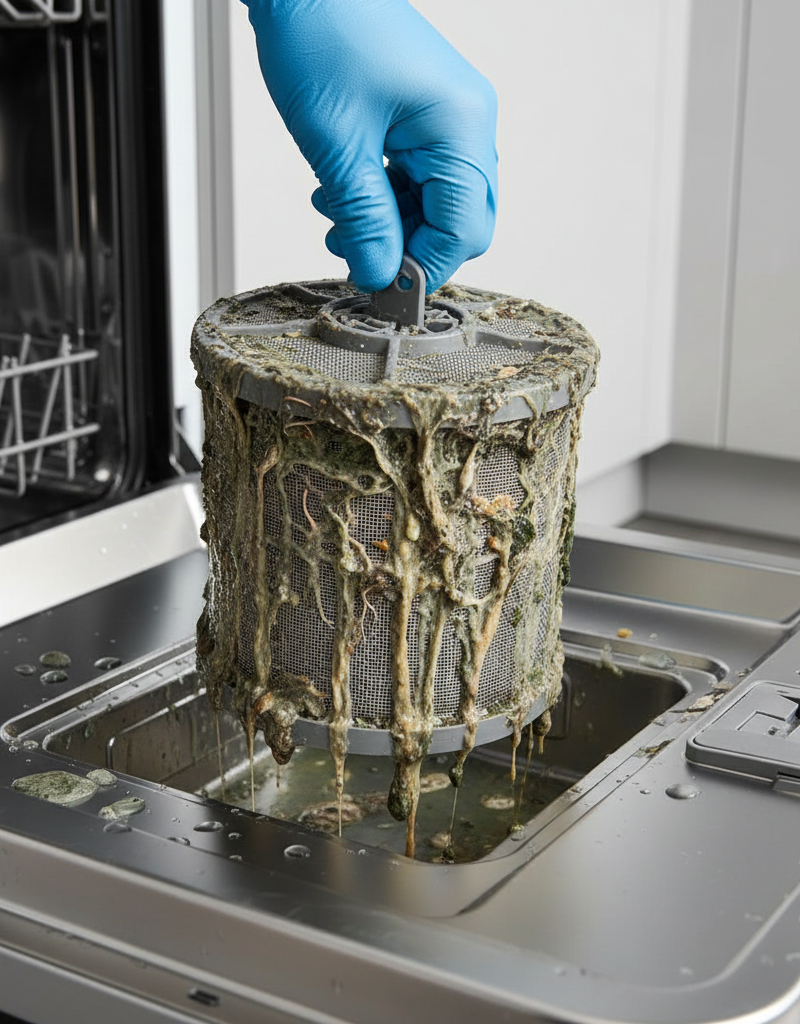
When you run a cycle, food particles are washed off the dishes and flushed into the sump. While most are pulverized and drained away, a significant amount gets caught in these filters—exactly as they are designed to do. The problem arises when this trapped food is left to sit in the warm, moist environment of the dishwasher. It becomes a perfect breeding ground for various types of bacteria. Certain anaerobic bacteria, which thrive in low-oxygen environments, consume the proteins in this old food and release hydrogen sulfide gas (H₂S) as a byproduct. This is the gas famous for its distinct and unpleasant rotten egg smell.
The same issue can occur if your drain hose is installed incorrectly. A proper installation includes a "high loop"—where the hose is routed up to the underside of the countertop before connecting to the drain. This loop uses gravity to prevent smelly water from your sink or garbage disposal from flowing back into your dishwasher.
Step-by-Step Fix
This process will take you about 30-45 minutes of active work, plus the time for a full wash cycle. It's a simple but transformative piece of maintenance.
SAFETY FIRST: Cut the Power
Before you begin, locate your home's electrical panel and turn off the circuit breaker that powers your dishwasher. This eliminates any risk of the machine accidentally starting while your hands are inside. If you're unsure which breaker it is, turn off the main breaker for maximum safety.
Step 1: Empty the Dishwasher Completely Remove all dishes. Then, pull the bottom rack out and set it aside. This gives you unobstructed access to the floor of the dishwasher tub where the filter system is located.
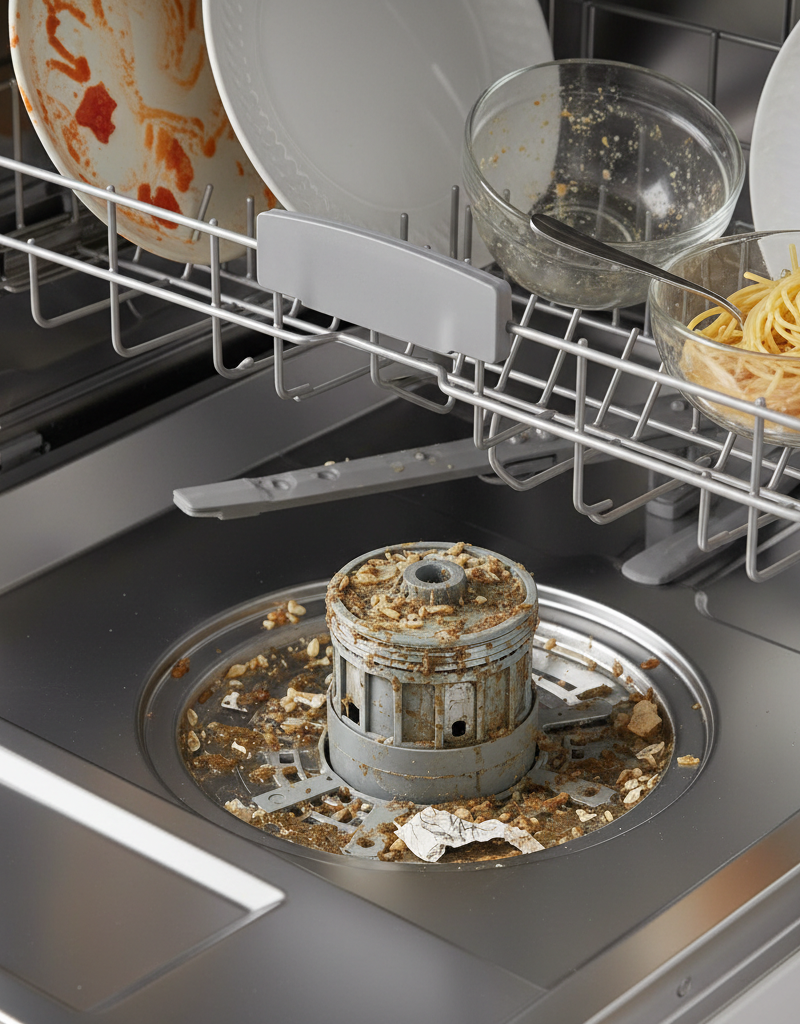
Step 2: Locate the Filter Assembly The filter is almost always at the bottom of the dishwasher tub, directly under the lower spray arm. It will look like a circular, raised plastic component. You'll likely see a coarse, cylindrical filter component sticking up.
Step 3: Remove the Lower Spray Arm Most lower spray arms can be removed simply by lifting them straight up. Some may require you to unscrew a plastic nut at the center or release a clip. Removing it makes accessing the filter much easier.
Step 4: Remove the Coarse Filter Grasp the top of the cylindrical coarse filter. It will usually have arrows indicating which way to turn it. Typically, a quarter-turn counter-clockwise will unlock it. Once unlocked, you can lift it straight up and out. Prepare yourself—it will likely be coated in a slimy, smelly film.
Step 5: Remove the Fine Filter Screen With the coarse filter gone, you can now remove the flat, fine mesh filter that was underneath it. This component usually just lifts out, but on some models, it may also require a slight twist or be held in place by the coarse filter you just removed. This screen is where the gunk that causes the worst smells accumulates.
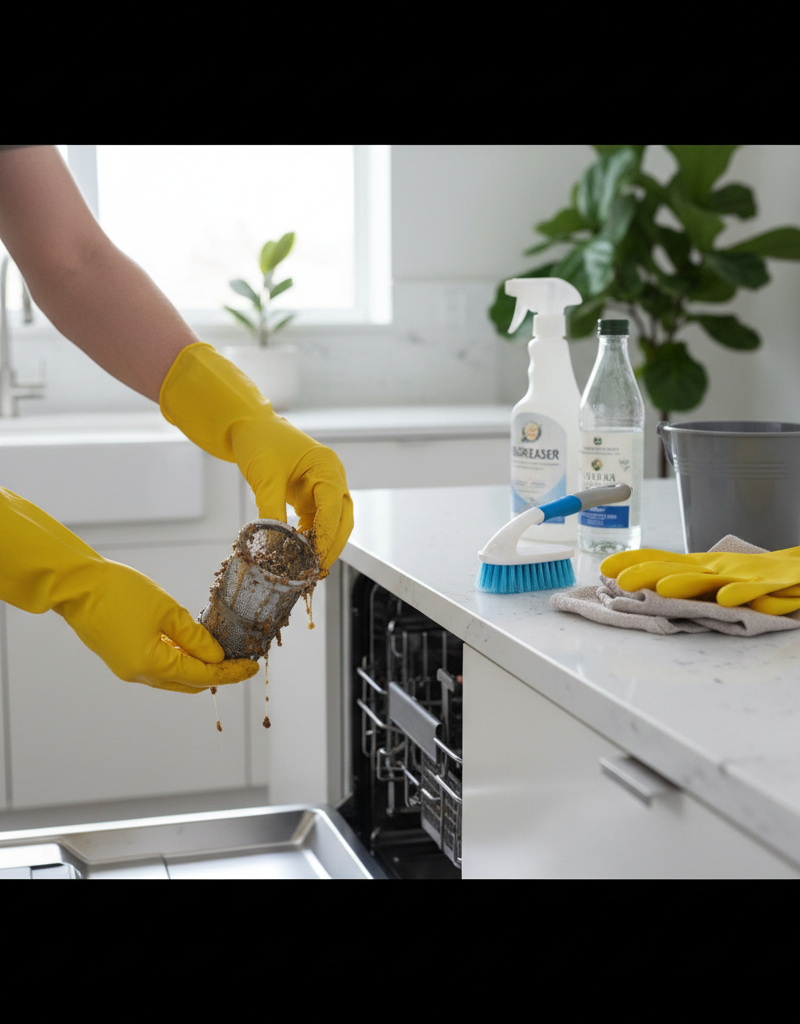
Step 6: Wash the Filters Thoroughly Take the filter components to your sink. Using warm running water, dish soap, and a soft-bristled brush (an old toothbrush is perfect), scrub every surface. Pay close attention to the fine mesh, as greasy, smelly residue loves to cling here. Don't use a wire brush or abrasive sponge, as this can tear the delicate mesh. Rinse them until they are perfectly clean and no residue remains.
Step 7: Clean the Sump Area Back at the dishwasher, with the filters removed, you have a direct view of the sump housing. Use a sponge or paper towels to wipe out any standing water and clean away any foul-looking debris that has collected in the cavity. You might find anything from bits of pasta to lemon seeds in here.
Step 8: Clean the Spray Arms Now, inspect the spray arms (both the lower one you removed and the upper one). The tiny holes where water jets out can get clogged with food particles. Use a toothpick, a paperclip, or a piece of thin wire to poke out any visible debris from these holes. You can then rinse the arms in the sink.
Step 9: Reassemble Everything Place the clean fine filter screen back into the sump, ensuring it sits flat and flush. Then, insert the coarse cylindrical filter, turning it clockwise until it locks firmly into place. You should feel or hear a click. This is a critical step. An improperly seated filter can allow debris into the pump, leading to a much more expensive repair. Finally, reinstall the lower spray arm.
Step 10: Run a Sanitizing Vinegar Cycle Do not use detergent for this step. Pour one cup of plain white vinegar into a dishwasher-safe bowl and place it on the top rack of the empty dishwasher. The acid in the vinegar will help break down any remaining grease and mineral deposits, kill lingering bacteria, and neutralize odors. Run a full cycle on the hottest setting available (often called "Heavy," "Pots & Pans," or "Sanitize").
Step 11: (Optional) Deodorize with Baking Soda Once the vinegar cycle is complete, the smell should be gone. For an extra measure of freshness, sprinkle one cup of baking soda across the bottom of the dishwasher tub. Run a short, hot water rinse cycle (no full wash). The baking soda will absorb any residual odors, leaving your machine smelling neutral and clean.
Common Causes
- Clogged Filter: This is the #1 cause. Food particles rot and create sulfur-producing bacteria.
- Improper Drain Hose Installation: A lack of a "high loop" in the drain hose allows greywater from the sink drain or garbage disposal to flow back into the dishwasher, bringing bacteria and odors with it.
- Trapped Food Debris: Food can get stuck in spray arm ports, the gasket around the door, or in the silverware basket, where it decays.
- Standing Water: If you see more than a small cup of water in the sump after a cycle, you may have a partial clog in the drain line or a failing drain pump, which allows water to stagnate.
- Infrequent Use: Letting dirty dishes sit for days before running a cycle gives bacteria a head start in a closed, damp environment.
Common Mistakes
- Never Cleaning the Filter: Most people don't even know it exists. Manufacturers recommend checking it at least once a month.
- Using Bleach: Never use chlorine bleach to clean the inside of your dishwasher, especially if it has a stainless steel interior or components. Bleach can cause permanent damage and corrosion to the steel.
- Not Scraping Plates: While you don't need to pre-rinse dishes, you absolutely should scrape large food solids into the trash or compost. Your dishwasher is not a garbage disposal.
- Ignoring the Smell: The smell is a warning sign. Ignoring it allows for more bacterial growth and can lead to clogs that may eventually damage the dishwasher's pump.
Cost & Time Breakdown
| Item | DIY Cost | Professional Cost | DIY Time (Active) | Professional Time |
|---|---|---|---|---|
| Diagnosis & Cleaning | $0 - $15 | $150 - $300 | 45-60 minutes | 45-75 minutes |
| Supplies | ||||
| White Vinegar | ~$3 | Included | - | - |
| Baking Soda | ~$2 | Included | - | - |
| Soft Brush | ~$5 | Included | - | - |
| TOTAL | ~$10 | $150 - $300 | ~1 hour | ~1 hour |
DIY costs are for basic cleaning supplies you might not already have. A professional call-out involves a service fee plus labor for diagnosing and cleaning the machine.
Tips & Prevention
- Schedule a Monthly Filter Check: Set a calendar reminder. Pull out the filter and rinse it under hot water once a month. It only takes two minutes and is the single best way to prevent odors.
- Run Hot Water First: Before starting a cycle, run the hot water at your kitchen sink until it gets hot. This ensures your dishwasher starts its cycle with hot water immediately, which cleans more effectively and dissolves grease better.
- Use a high-quality detergent. Cheaper powders and gels may not dissolve fully in all water conditions and can contribute to buildup.
- Run a Monthly Cleaning Cycle: Use a commercial dishwasher cleaner tablet (like Affresh) or the vinegar/baking soda method once a month to keep the machine pristine.
- Scrape, Don't Rinse: Scrape solid food off plates, but extensive pre-rinsing can actually make your dishwasher less effective, as modern detergent enzymes need some food soil to work on.
When to Call a Professional
While cleaning the filter is a straightforward DIY task, there are times when you need to call an appliance repair professional or a plumber.
Call a professional if:
- You have thoroughly cleaned the filter, sump, and spray arms, and run cleaning cycles, but the rotten egg smell persists.
- You see a significant amount of standing water (more than an inch) at the bottom of the tub that does not drain away after a cycle.
- You suspect the drain hose is clogged or improperly installed and you're not comfortable inspecting it yourself.
- You hear grinding, humming, or other unusual noises during the drain cycle, which could indicate a failing pump motor.
Pro Callout: If a thorough cleaning doesn't resolve the smell, the problem likely lies deeper in the drain pump or the home's plumbing connection. A professional can safely diagnose and fix these more complex issues, preventing potential water damage or costly pump failures. Don't hesitate to call for help if the simple fix doesn't work. '''
What should this project cost?
Enter your project details for a realistic cost range before you call anyone.
Cost depends heavily on which system turns out to be the source.
- Regional adjustment
- National average
- Labor share (typical)
- ~$1,620
- Quotes to collect
- 3 written estimates
Educational estimate based on national averages — not a binding quote. Always confirm with written local estimates.
Recommended for DIYers & woodworkers
Sponsored
The Top 20 Tools for Workshops of Any Budget
No stationary machines or power tools required — plus 3 fundamental tools that can't be bought at any price.
Get the free guide
Ted's Woodworking — The #1 Woodworking Resource
Detailed instructions, dimensioned drawings, materials & cutting lists, and 3D schematics for every skill level.
See the plansSponsored: links above are affiliate links. FixlyGuide may earn a commission on qualifying purchases — at no extra cost to you.
Frequently asked questions
How often should I clean my dishwasher filter?+
You should rinse your dishwasher filter under hot water at least once a month. If you have a large family, use the dishwasher daily, or don't scrape plates well, you should check it every one to two weeks to prevent buildup and odors.
Can I use bleach to clean my dishwasher and get rid of the smell?+
No, you should never use chlorine bleach in your dishwasher, especially if it has a stainless steel interior or components. Bleach is highly corrosive to stainless steel and can cause permanent damage. Stick to white vinegar, baking soda, or specifically formulated dishwasher cleaners.
Is the rotten egg smell in my dishwasher dangerous?+
The smell itself, hydrogen sulfide gas, is not dangerous at the low concentrations found in your dishwasher. However, it's a clear indicator of bacteria growth and unsanitary conditions that should be addressed promptly by cleaning the machine.
What if my dishwasher still smells after cleaning the filter and running a vinegar cycle?+
If the odor persists, check that your drain hose has a 'high loop'—that it goes up to the level of the countertop before connecting to the sink drain. This prevents backflow. If the hose is correctly installed, you may have a partial clog further down the drain line or an issue with the drain pump, which may require a professional to diagnose.
Discussion
Loading comments…